
Michelin Selected
Hotel Kanra Kyoto holds MICHELIN Selected status in the 2025 Michelin Hotels guide, placing it among Kyoto's most editorially recognised design-led boutique properties. Positioned in Shimogyo-ku with close access to Nishiki Market and the Karasuma transport corridor, the hotel draws on machiya townhouse proportions and contemporary Japanese design to occupy the space between heritage ryokan tradition and international luxury-hotel scale.

Pearl is the En Primeur Club membership app — saves, bookings, and concierge access live there. Same editors, same standards.
- Address
- Japan, 〒600-8176 Kyoto, Shimogyo Ward, Kitamachi, 190
- Phone
- +81 75-344-3815
- Website
- uds-hotels.com
- Directions
- Get directions
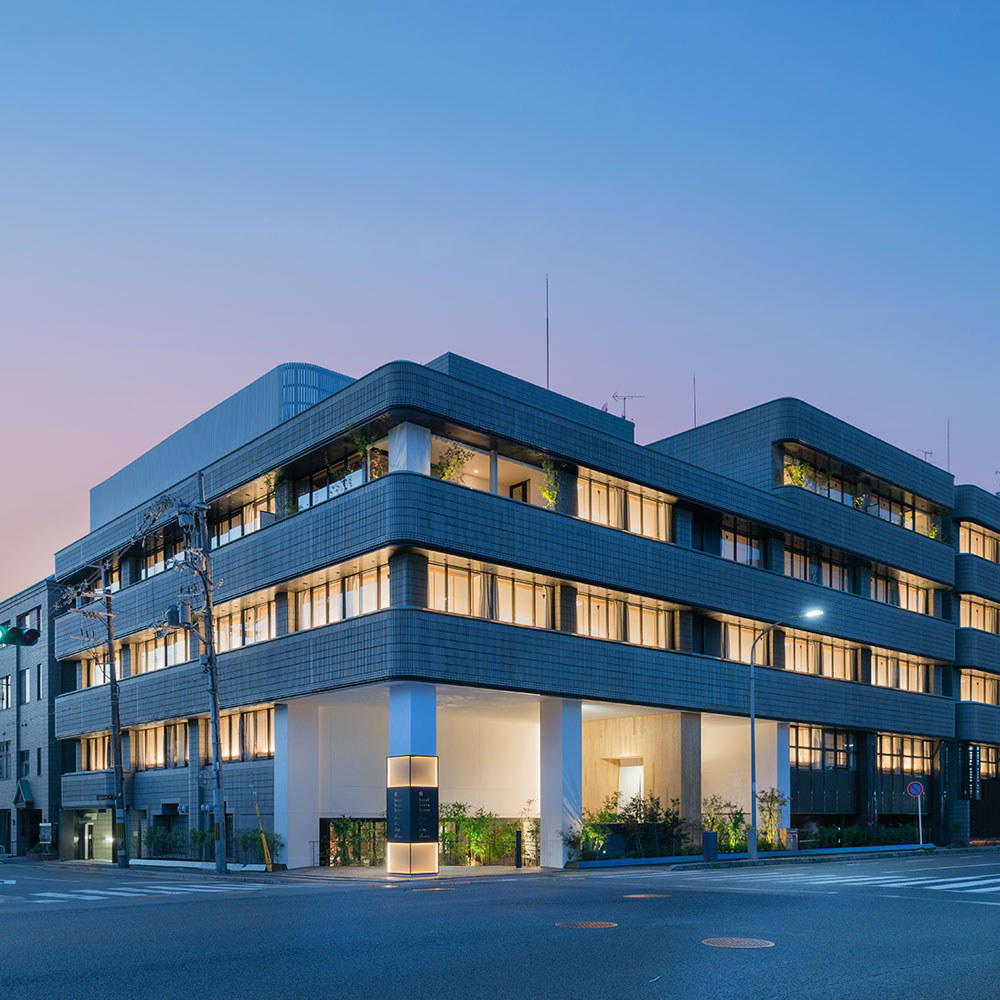
Shimogyo-ku and the Hotel That Sits Between Two Kyotos
The stretch of Shimogyo-ku running south from Shijo-dori is one of Kyoto's more quietly purposeful districts. It lacks the temple-density of Higashiyama and the postcard compression of Arashiyama, but it compensates with proximity to Nishiki Market, the Karasuma corridor, and Kyoto Station, all within walking distance or a short taxi ride. Hotels positioned here tend to attract guests who want access to the whole city rather than immersion in a single neighbourhood. Hotel Kanra Kyoto, at 190 Kitamachi, occupies this middle-ground well, offering a foothold in central Kyoto without the institutional scale of the major international chains planted closer to the station.
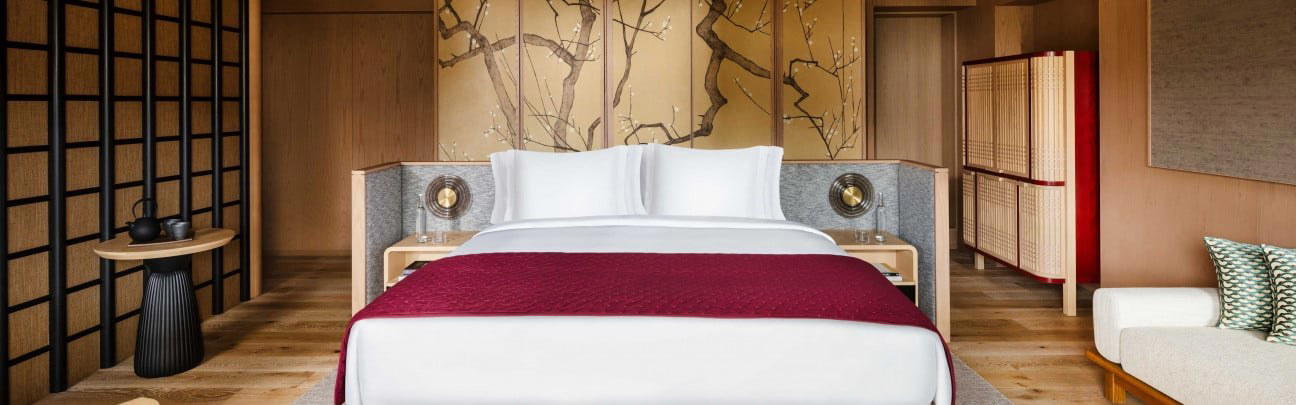
The building's exterior reads as contemporary Japanese: clean sightlines, restrained materiality, the kind of architecture that does not compete with the cityscape so much as step back from it. That approach carries inside. Kyoto's design-led boutique tier has expanded considerably over the past decade, with properties increasingly treating architecture and interior atmosphere as primary differentiators. Kanra belongs to this cohort rather than to the heritage ryokan tradition or the Western luxury-hotel model. The rooms are structured around the machiya townhouse as a reference point, drawing on sliding-screen proportions and warm timber tones, though the execution is contemporary rather than recreationist.
Michelin Recognition and Where It Places Kanra in Kyoto's Accommodation Tier
Hotel Kanra Kyoto carries a MICHELIN Selected distinction in the 2025 Michelin Hotels guide, which positions it within a specific subset of Kyoto accommodation. Michelin's hotel selection applies the same editorial discipline as its restaurant guide: inclusion signals a minimum standard of quality, attention, and character, not just adequate service delivery. In Kyoto, the Michelin hotel roster spans a wide price range and several format categories, from large international properties like the Four Seasons Hotel Kyoto and the Hyatt Regency Kyoto to smaller design-led addresses such as eph KYOTO and GRANBELL HOTEL KYOTO. Kanra sits in the mid-to-upper tier of this field, distinguished by its machiya-influenced design language and the quality of its hospitality programme rather than by room count or amenity breadth.
Across Japan, Michelin-selected properties tend to share a common trait: the experience they offer is coherent rather than departmentally assembled. The Hoshinoya Kyoto and Aman Kyoto achieve this at the ultra-luxury end through singular location and maximum-service density. Properties like Kanra achieve it through tighter editorial curation at a more accessible price point. The comparison is instructive: guests choosing between these tiers are not choosing better or worse service so much as different philosophies of what a Kyoto stay should feel like.
The Dining Programme: Japanese Cuisine in a Contemporary Frame
Kyoto's relationship with food is institutional in a way that few cities can match. The city's kaiseki tradition, developed over centuries in proximity to the imperial court, sets a standard that filters down through every level of local hospitality, including the dining programmes of its design hotels. Properties in the mid-tier Michelin bracket are expected to anchor their food offering in something meaningfully Japanese, even if the format stops short of a full multi-course kaiseki service.
Hotel Kanra Kyoto operates a dining programme rooted in this expectation. In Kyoto's competitive hotel dining environment, that is a meaningful signal. The city's hotel restaurants compete not just against each other but against a dense field of independent kaiseki houses, Nishiki Market vendors, and neighbourhood restaurants that have been operating for generations. A hotel's dining programme survives in this context only if it offers something either distinctive enough or convenient enough to justify the choice.
For guests staying in Shimogyo-ku, the calculus is often about breakfast and late-evening meals: Kyoto's leading independent restaurants tend to be reservation-only and close early by international standards, which means a hotel's in-house offering fills a real gap. Properties across the design-boutique tier in Japan, from Zaborin in Kutchan to Gora Kadan in Hakone, have found that a well-executed breakfast anchored in local produce and traditional Japanese formats is often what guests cite most vividly. Kanra's proximity to Nishiki, Kyoto's covered food market, positions any serious kitchen programme well in terms of ingredient access.
Placing Kanra Against Kyoto's Wider Boutique Field
Kyoto's boutique hotel tier has fractured into recognisable sub-categories over the past decade. The converted-machiya model, exemplified by smaller properties like Higashiyama Shikikaboku, prioritises architectural authenticity and extreme intimacy, often at the cost of amenity range. The new-build contemporary model, occupied by addresses like Candeo Hotels Kyoto Karasuma Rokkaku, targets efficient modern stays with city-view infrastructure. Kanra occupies a third position: contemporary construction that uses traditional Japanese aesthetic references deliberately, with a full hospitality offer rather than the pared-back minimalism of some machiya-style properties.
Within Japan's broader premium hotel conversation, this approach places Kanra alongside properties that have used design coherence as their primary competitive differentiator. Benesse House in Naoshima took that logic to its furthest point by embedding a hotel inside an art museum. HOTEL THE MITSUI KYOTO does it through heritage architecture at the upper price bracket. Kanra operates in the same conceptual space but at a scale and price point that makes it accessible to a wider range of itineraries. For guests comparing Kyoto specifically with other Japanese destinations, properties like Nishimuraya Honkan in Kinosaki-cho or Fufu Nikko show how similar design-and-tradition combinations play out in onsen-resort contexts. Kanra's urban Kyoto location is a fundamentally different proposition: city access over landscape immersion.
Planning a Stay: What to Know Before You Book
Shimogyo-ku's position makes Hotel Kanra Kyoto a workable base for almost any Kyoto itinerary. The Karasuma subway line runs through the area, connecting to Kyoto Station in minutes and to the northern Kinkakuji corridor with a change. The Hankyu Kyoto line, accessible from nearby Karasuma or Omiya stations, links directly to Osaka in under 45 minutes, which matters for guests building multi-city itineraries. Nishiki Market, one of Kyoto's most concentrated food shopping streets, is roughly a ten-minute walk north.
Kyoto's peak booking pressure falls in April (cherry blossom) and November (autumn foliage), when central hotels sell out months in advance. The Michelin Selected status means Kanra holds steady demand year-round from international travellers using the guide as a curation filter. Booking six to eight weeks ahead for off-peak travel and three to four months ahead for spring and autumn is a reasonable planning posture for a property at this recognition level. The hotel's website, once confirmed, is the most reliable channel for room availability and current pricing, as third-party platforms can lag on special-period rate adjustments. For readers assembling a broader Japan itinerary, properties including Amanemu in Mie, Kamenoi Besso in Yufu, and Halekulani Okinawa occupy distinct regional niches that pair well with a Kyoto anchor stay. For international reference points at the Michelin hotel recognition level, Bvlgari Hotel Tokyo, The Fifth Avenue Hotel in New York City, and Badrutt's Palace Hotel in St. Moritz show the breadth of the category. See our full Kyoto Prefecture restaurants guide for independent dining recommendations to complement a stay at Kanra.
Compact Comparison
Comparable venues nearby, for context on price, style, and recognition.
| Venue | Awards | Notes |
|---|---|---|
| Hotel Kanra KyotoThis venue — the venue you are viewing | Michelin Selected | Not listed |
| Nanzenji sando Kikusui | Michelin Selected | Sakyo Ward, Culinary inn combining ryokan tradition with modern refinement |
| Regent Kyoto | Not listed | Okazaki, An upper-luxury urban retreat that integrates a historic Kyoto garden and century-old ryotei into a small-scale, heritage-rich estate in the Okazaki cultural district. |
| Tradimo Kyoto Gojo | Not listed | Shimogyō, contemporary timeshare resort blending local tradition with modern comfort |
| Kifune Ugenta | 1 Michelin Key | Kibune, traditional ryokan with modern designer touches |
| eph KYOTO | Michelin Selected | Minami, culture-concept boutique hotel embodying Kyoto's traditional motifs |
Recognition history
Dated appearances from independent guides and award organizations, with the underlying list record or original source where available.
Michelin Selected
Michelin
Continue exploring
More in Kyoto
Hotels in Kyoto
Browse all →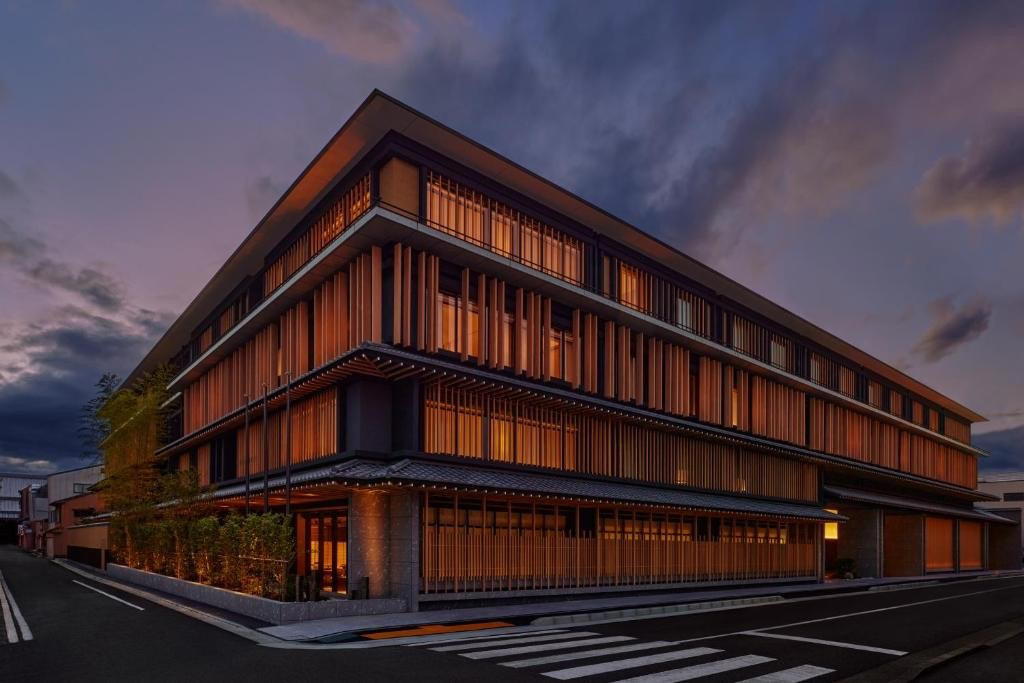
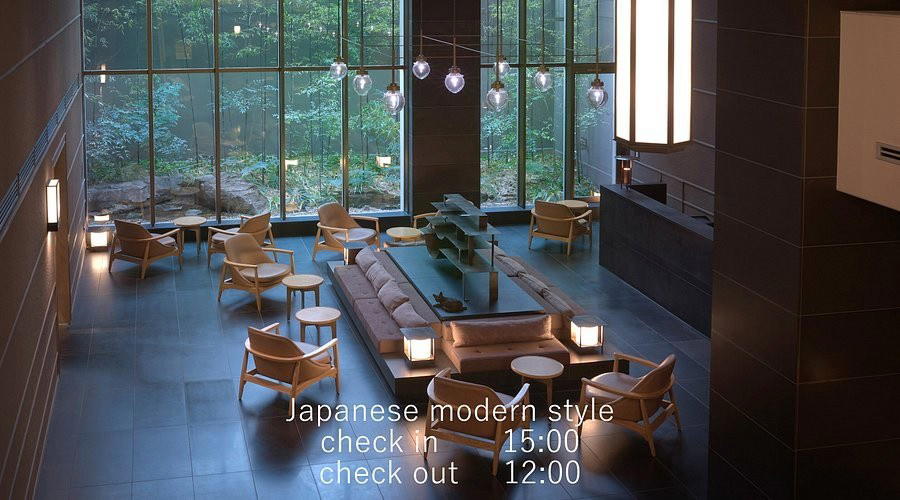
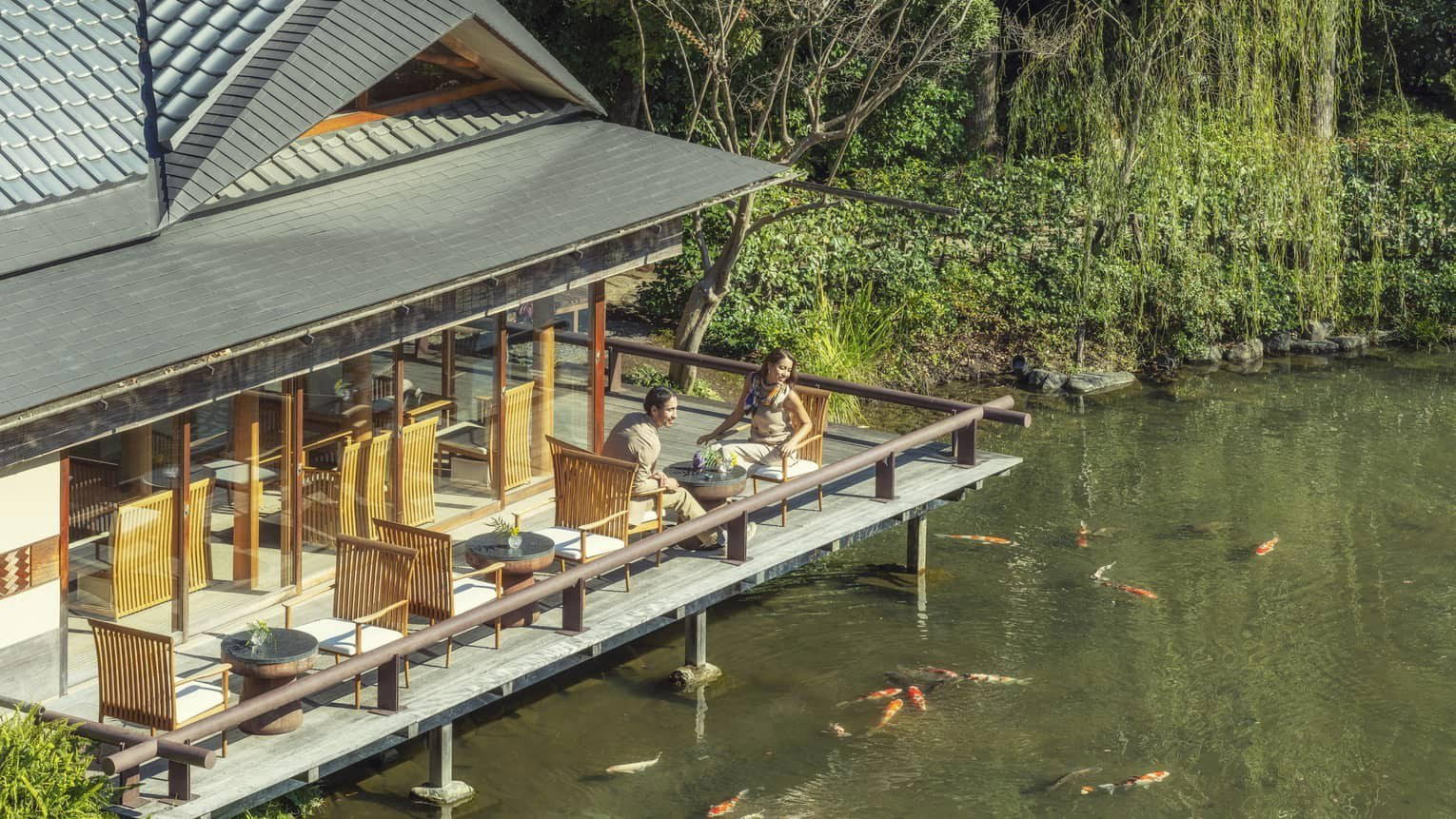
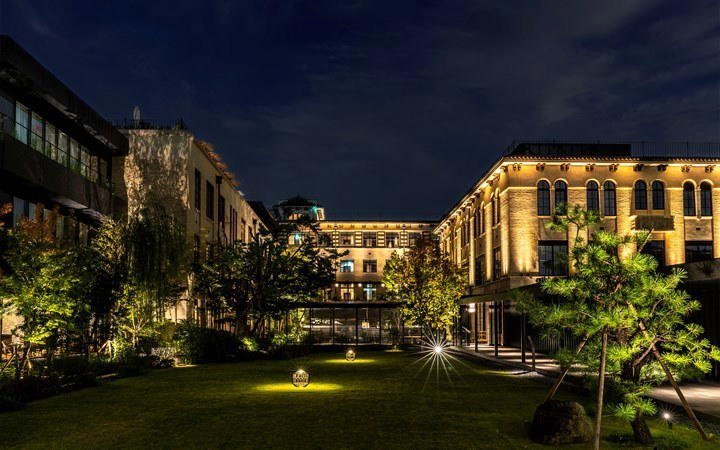
Bars in Kyoto
Browse all →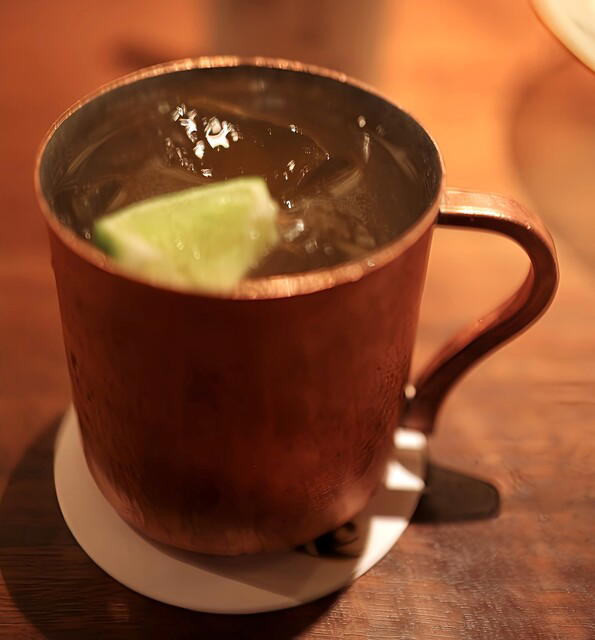
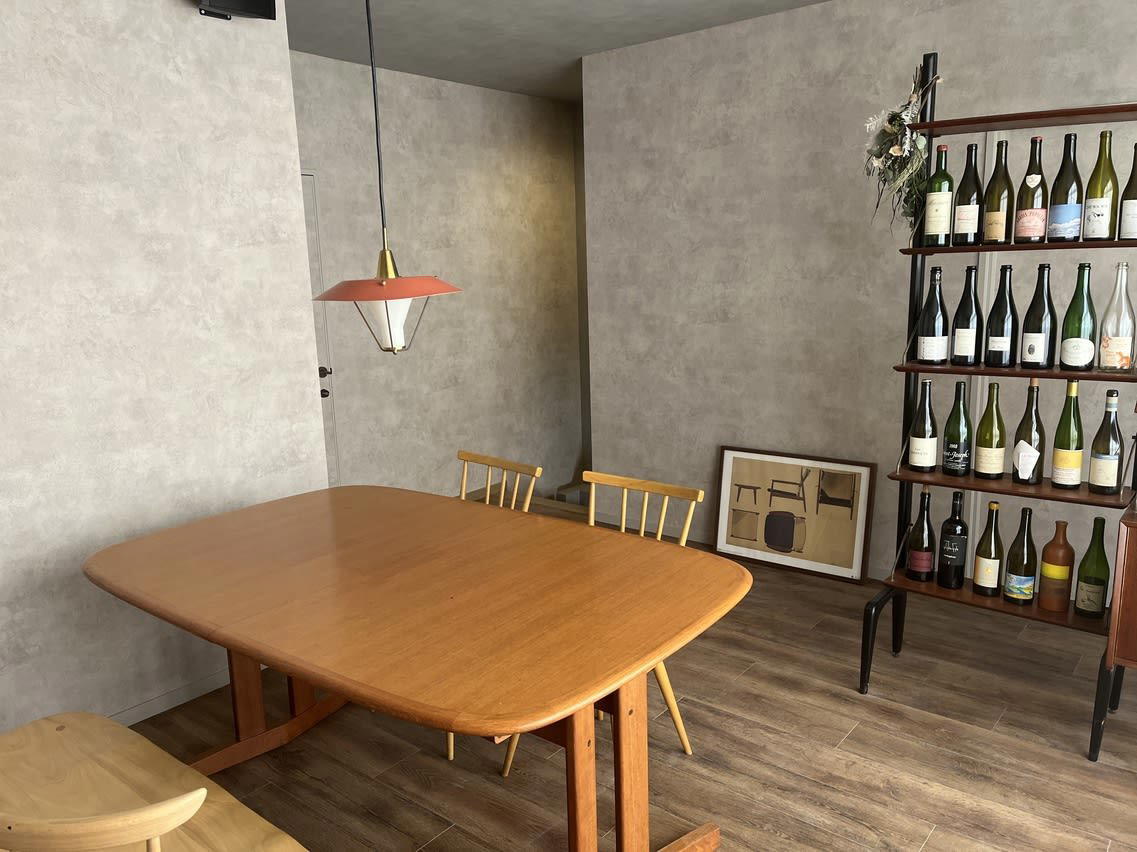
Restaurants in Kyoto
Browse all →
Wineries in Kyoto
Browse all →
Details
- Elegant
- Sophisticated
- Cozy
- Intimate
- Modern
- Classic
- Romantic Getaway
- Honeymoon
- Anniversary
- Weekend Escape
- Historic Building
- Design Destination
- Garden
- Wi Fi
- Spa
- Room Service
- Concierge
- Garden
- Street Scene
- Wheelchair Accessible
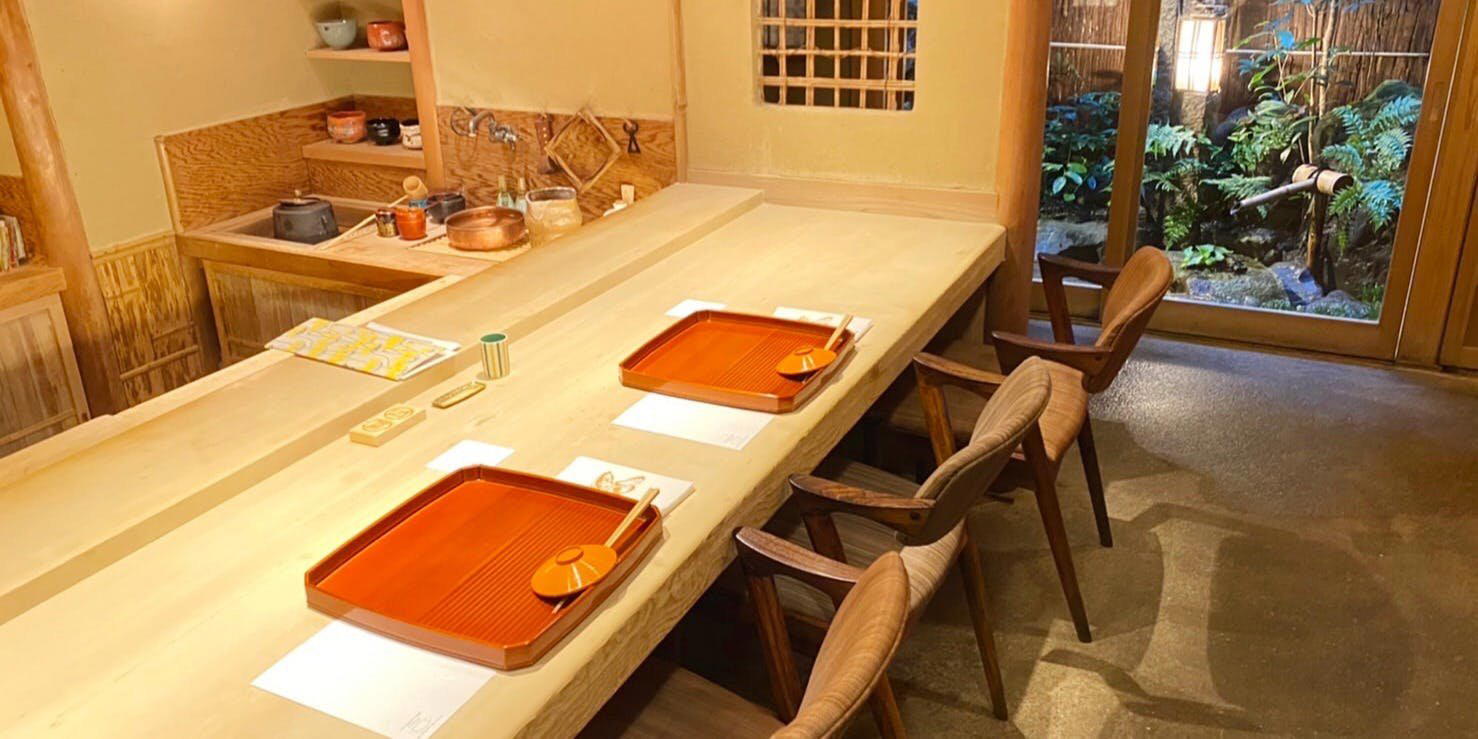
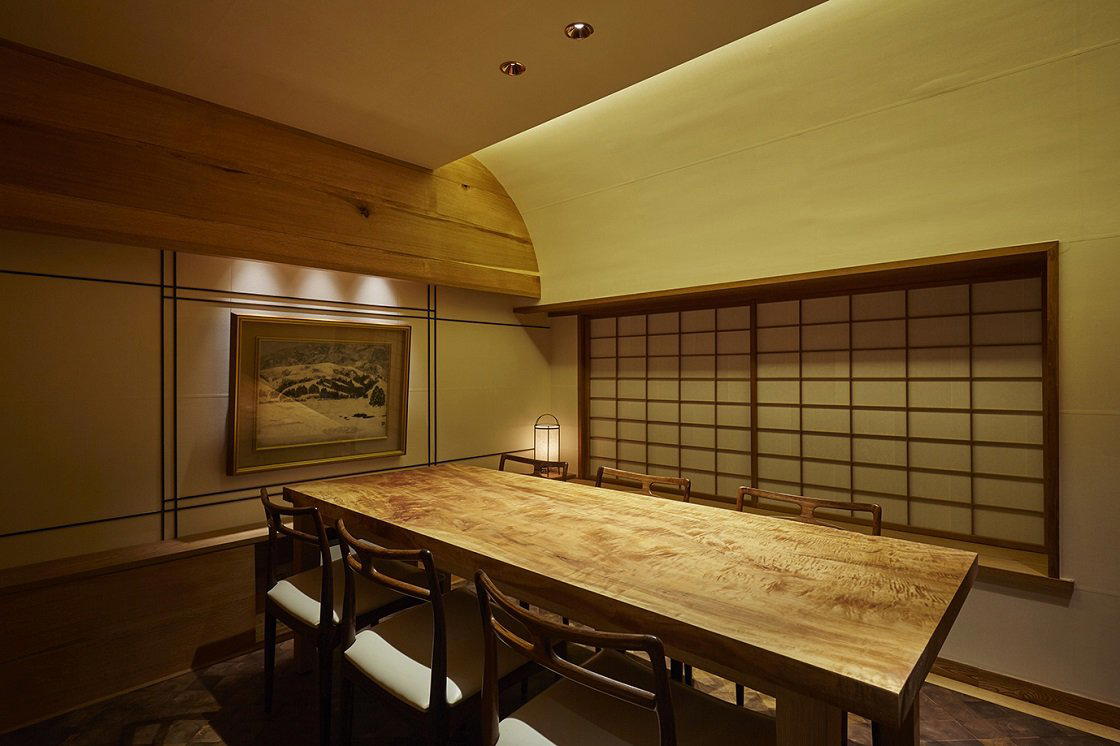
Cozy warmth with elegant wooden finishes, tatami flooring, shoji screens, and refined lighting creating a serene, culturally immersive atmosphere.