
Michelin Selected
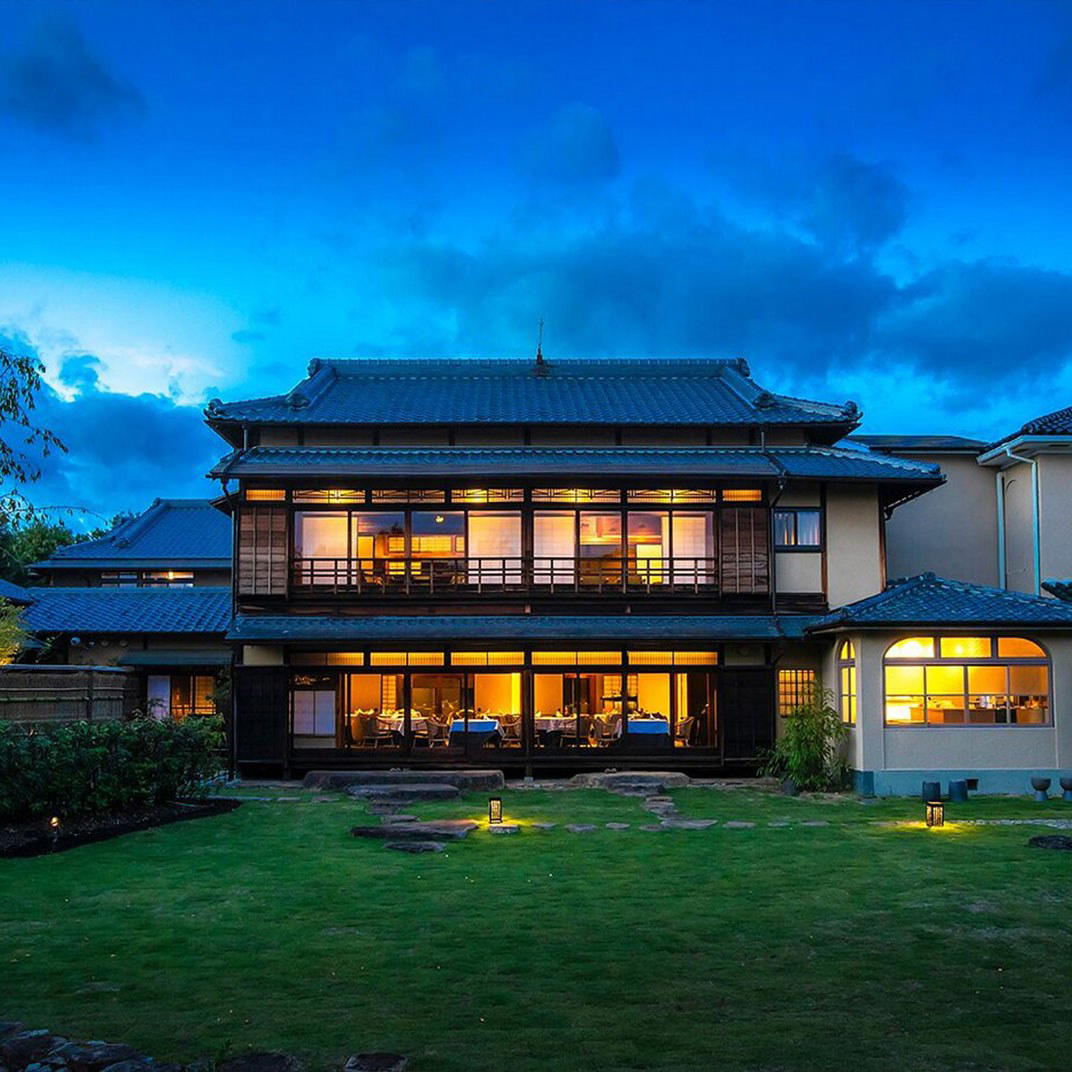
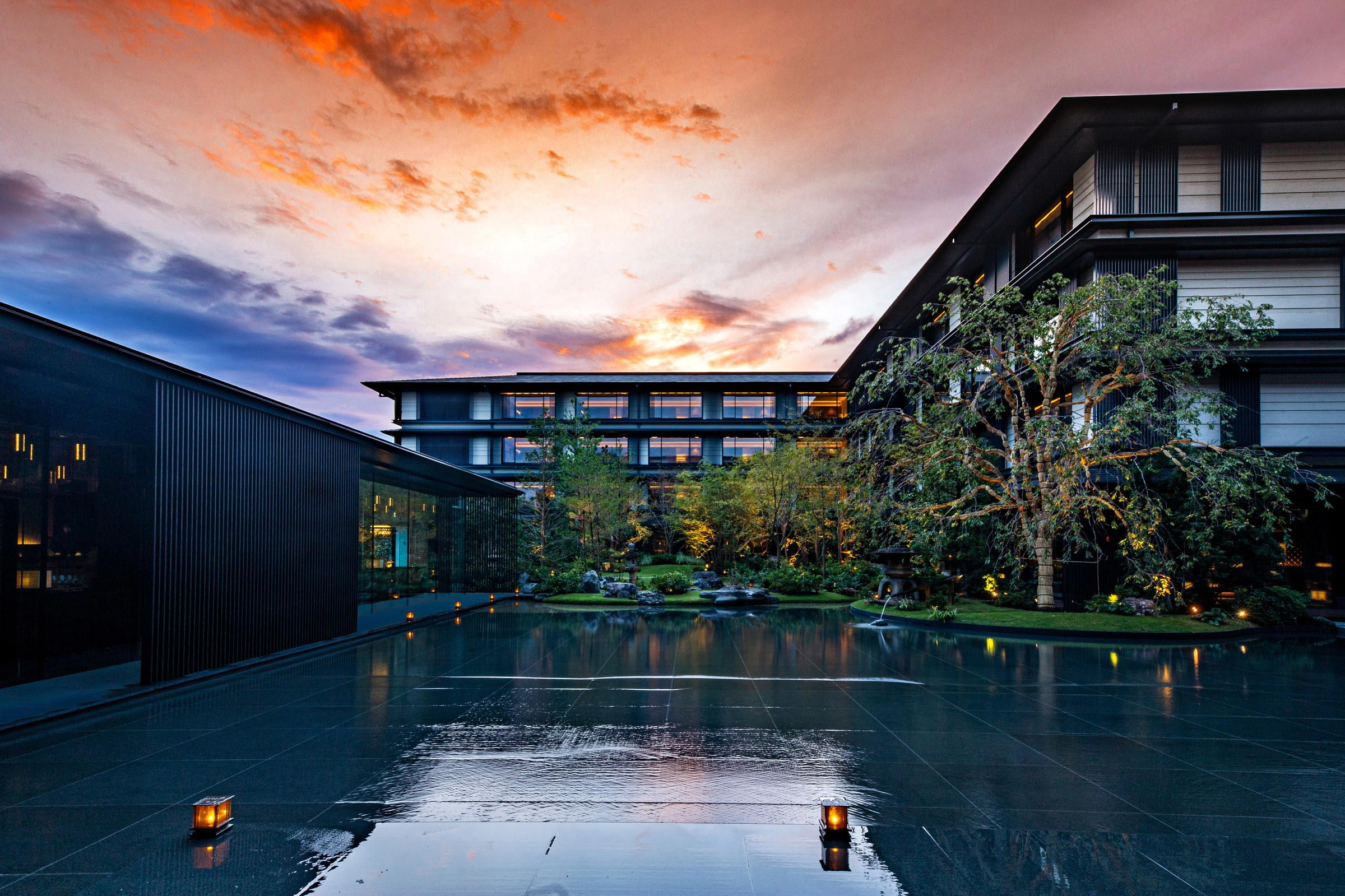
Hotel Utano Kyoto Bessho occupies a quieter corner of Ukyo-ku, away from Higashiyama's tourist corridors and closer to the bamboo groves and temple paths of northwestern Kyoto. A 2025 Michelin Selected property, it offers a ryokan-adjacent atmosphere with a guest-facing service culture oriented around anticipatory care rather than transactional hospitality. For travellers seeking Kyoto at a slower register, the address alone signals intent.

Pearl is the En Primeur Club membership app — saves, bookings, and concierge access live there. Same editors, same standards.
- Address
- 14 Utano Oyashikicho, Ukyo Ward, Kyoto, 616-8205, Japan
- Phone
- +81 570-078-857
- Website
- hotel-utanokyoto.com
- Directions
- Get directions
Northwestern Kyoto and the Case for Distance
Kyoto's hospitality map has long been weighted toward Higashiyama and the Kamogawa corridor, where international brands — the Four Seasons Hotel Kyoto, Park Hyatt Kyoto, and the The Shinmonzen — occupy the city's most photographed precincts. The northwest, Ukyo-ku, Sagano, Arashiyama, operates at a different tempo. Temple-to-temple walking is the natural rhythm here; the crowds that press through Fushimi Inari or Gion by mid-morning rarely make it this far by afternoon. Hotel Utano Kyoto Bessho is positioned inside that quieter geography, at 14 Utano Oyashikicho, a residential-feeling address that places guests within reach of Ryoanji, Ninnaji, and the Kitayama cedar forests without requiring a taxi or a subway transfer to reach them.
That locational logic is not incidental. Properties in Kyoto's outer wards have historically leaned into the contrast with the city centre as a feature rather than a concession. The 2025 Michelin Selected distinction awarded to Hotel Utano Kyoto Bessho confirms that the hotel operates at a standard the guide's inspectors found worth noting, a credential that places it in identifiable peer company, though at a different scale and register than flagship addresses like Aman Kyoto or HOTEL THE MITSUI KYOTO.
Service as Architecture
In Japan's hospitality tradition, the concept of omotenashi, service that anticipates the guest's needs before they are voiced, functions less as a marketing phrase and more as an operational framework. Ryokans and smaller Japanese hotels in the Michelin Selected tier tend to be evaluated partly on how that framework is expressed in physical and interpersonal terms: the timing of a tea service, the calibration of room temperature before check-in, the quiet efficiency with which luggage disappears between the entrance and the room. These are the details that separate properties which understand the tradition from those that invoke it rhetorically.
Hotel Utano Kyoto Bessho's category positioning, a bessho, meaning a secondary or annexe-style property, implies a guest experience oriented around withdrawal and attention rather than spectacle. Bessho formats in Japan have historically served guests who already know the main cultural draws and are specifically seeking a quieter mode of engagement. The service culture that tends to accompany this format is less about visible performance and more about environment management: ensuring the guest encounters no friction they didn't choose. That approach is meaningfully different from the lobby-centred hospitality model common to international chains, and it rewards guests who arrive knowing what they're looking for.
For context on how this compares within Kyoto's broader offer: SOWAKA in Higashiyama and Ace Hotel Kyoto in Karasuma each address a different hospitality register, design-led boutique and creative-community respectively, while Dusit Thani Kyoto occupies a more conventional luxury-hotel format. Hotel Utano Kyoto Bessho sits outside all of those peer sets, closer in character to the small-scale, place-rooted Japanese inn tradition.
The Ukyo-ku Setting in Practice
The Utano area of Ukyo-ku sits at the edge of Kyoto's northwest quadrant, where the city's built fabric gives way to temple compounds and wooded hillsides. Ryoanji's stone garden, one of the city's most visited Zen sites, is within easy walking distance. Ninnaji, the imperial temple complex known for its late-blooming Omuro cherry trees, is similarly close. Hirano Shrine, less trafficked than the central shrines, sits to the southeast. For guests whose Kyoto itinerary is oriented around temple and garden culture rather than the shopping corridors of Shijo or the kaiseki circuit of Pontocho, the surrounding area functions as a base rather than a detour.
Access from central Kyoto runs via the Randen Kitano line and the city bus network. The absence of a direct metro connection is a reasonable trade-off for guests who understand the neighbourhood; it becomes an inconvenience for those expecting walking access to Gion or the central market district. Knowing this in advance is the difference between the property working well for a trip and not working at all.
Where Hotel Utano Kyoto Bessho Fits in Japan's Wider Ryokan Spectrum
Japan's premium small-hotel and ryokan tier spans a considerable range, from celebrated destination properties, Gora Kadan in Hakone, Amanemu in Mie, Zaborin in Kutchan, to smaller, less-publicised properties that earn recognition through operational consistency rather than architectural drama. Asaba in Izu, Nishimuraya Honkan in Kinosaki-cho, and Kamenoi Besso in Yufu each occupy that second category at high quality levels. Hotel Utano Kyoto Bessho's Michelin Selected status places it in recognisable company within that cohort.
For travellers building multi-property itineraries across Japan, the Utano property functions as a Kyoto node in a network that might also include Fufu Nikko in Nikko, Fufu Kawaguchiko in Fujikawaguchiko, Benesse House in Naoshima, Sekitei in Hatsukaichi-shi, Halekulani Okinawa in Okinawa, or Jusandi in Ishigaki. The common thread is a preference for properties where the guest experience is shaped by place and operational intent rather than brand infrastructure. Those building international itineraries beyond Japan might draw comparisons with smaller luxury properties in entirely different registers: Bvlgari Hotel Tokyo in Tokyo for urban luxury contrast, or Badrutt's Palace Hotel in St. Moritz and Hôtel de Paris Monte-Carlo in Monte Carlo for a sense of the European grand-hotel tradition that shares the same appetite for anticipatory service, expressed through an entirely different architectural language.
Planning a Stay
Booking for Hotel Utano Kyoto Bessho is leading approached directly or through travel specialists familiar with the Kyoto small-hotel market. The Michelin Selected status from the 2025 guide means inspection has been recent and conditions are current, a useful planning signal. Ukyo-ku accommodations in this tier tend toward limited key counts, and spring cherry blossom season (late March to mid-April) and autumn foliage season (mid-November) are the most heavily subscribed periods; both Ryoanji and Ninnaji see significant visitor increases during these windows, which cuts in two directions, the gardens are at their most compelling, but the surrounding area is correspondingly busier. Guests who prefer the area at its quietest arrive in February or early June, when Kyoto's temple circuit is largely populated by domestic visitors and the pace settles further. For broader Kyoto context and additional property comparisons, see our full Kyoto restaurants guide and the city's hotel coverage.
What It’s Closest To
Comparable venues nearby, for context on price, style, and recognition.
| Venue | Cuisine | Price | Awards | Notes |
|---|---|---|---|---|
| Hotel Utano Kyoto BesshoThis venue — the venue you are viewing | Historic Japanese-Western hybrid residence from the early 20th century, meticulously renovated to blend traditional architecture with contemporary luxury. | Not listed | Michelin Selected | Not listed |
| THE HIRAMATSU Kyoto | Historic machiya townhouse blending 120 years of Kyoto architecture with contemporary comfort | Not listed | Michelin Selected | Nakagyō |
| The Hotel Higashiyama by Kyoto Tokyu Hotel, A Pan Pacific Hotel | Blends traditional ryokan hospitality with contemporary luxury inspired by Kyoto's feudal-era Higashiyama district. | $300–500 | Michelin Selected | Higashiyama |
| Hyatt Regency Kyoto | Traditional Japanese luxury with modern facilities | $300–500 | Michelin Selected · Virtuoso Luxury Hotel Partner | Higashiyama |
| Kifune Ugenta | luxury ryokan blending traditional Japanese and modern design | Not listed | 1 Michelin Key | Sakyō |
| KIKOKUTEI Bekkan | Contemporary boutique ryokan blending modern minimalism with traditional Japanese hospitality principles | $300–500 | Michelin Selected | Shimogyō |
Recognition history
Dated appearances from independent guides and award organizations, with the underlying list record or original source where available.
Michelin Selected
Michelin
Continue exploring
More in Kyoto
Hotels in Kyoto
Browse all →
Bars in Kyoto
Browse all →
Restaurants in Kyoto
Browse all →
Wineries in Kyoto
Browse all →
Details
- Elegant
- Quiet
- Romantic
- Classic
- Scenic
- Romantic Getaway
- Wellness Retreat
- Anniversary
- Historic Building
- Garden
- Private Dining
- Destination Spa
- Wi Fi
- Restaurant
- Parking
- Spa
- Garden
Serene and tranquil with traditional Japanese architectural elements, warm modern comforts, and a sanctuary-like atmosphere enhanced by lush gardens and historical charm.