
Michelin Selected
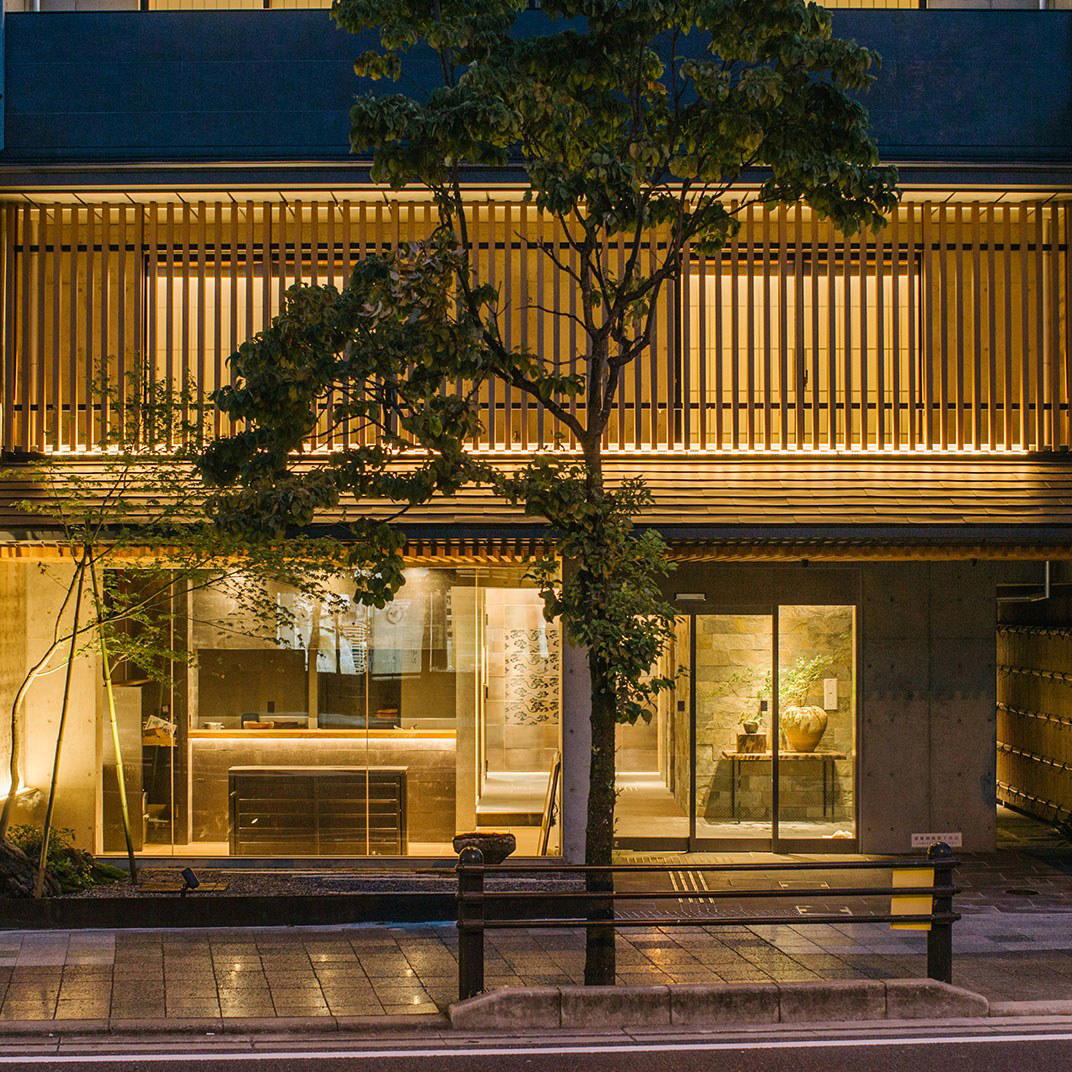
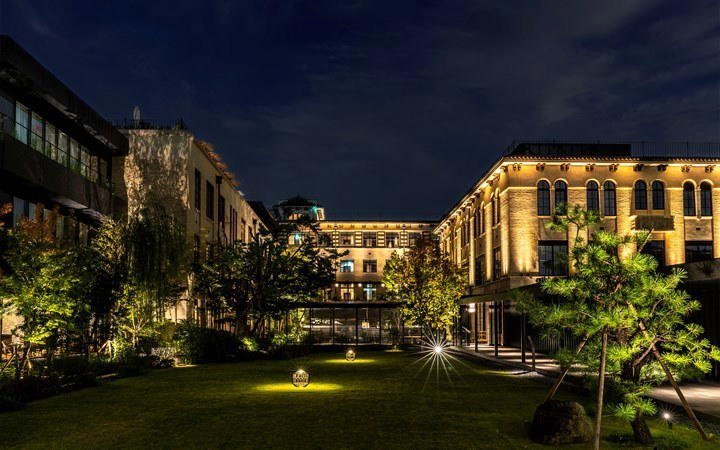
A Michelin Selected property on the quiet eastern flank of Kyoto's Higashiyama district, Shikikaboku sits among the neighbourhood's preserved machiya streetscapes and temple approaches. The address places guests within walking distance of Kiyomizudera and Maruyama Park, positioning it as a serious option for travellers who want the historic core without the volume of central accommodation.

Pearl is the En Primeur Club membership app — saves, bookings, and concierge access live there. Same editors, same standards.
- Address
- 85-1 Imakojicho, Higashiyama Ward, Kyoto, 605-0023, Japan
- Phone
- +81 75-744-6654
- Website
- shikikaboku.jp
- Directions
- Get directions
Higashiyama's Credential Tier and Where Shikikaboku Sits Within It
Kyoto's accommodation market has stratified more sharply over the past decade. At the leading sit a handful of international luxury flags and legacy ryokan with decades of press behind them. Below that, a growing cohort of design-led boutique properties has emerged in the city's preserved residential wards, selected by Michelin's hotel guide on the basis of character, care, and contextual fit rather than room count or brand recognition. Higashiyama Shikikaboku belongs to that cohort, carrying a MICHELIN Selected designation in the 2025 guide, which places it alongside properties assessed for atmosphere, service consistency, and the quality of the guest experience rather than scale.
That designation matters in Kyoto more than in most cities. The Michelin hotel guide's Japan edition applies notably rigorous criteria in a market saturated with accommodation options ranging from credentialled ryokan to anonymous business hotels. MICHELIN Selected status, while not a star, signals that the property cleared a threshold of editorial scrutiny that most hotels in the city do not. For travellers who use the Michelin framework as a sorting mechanism, the listing functions as a reliable filter in a noisy market.
The Higashiyama Address: What the Location Implies
The address at 85-1 Imakoji-cho, Higashiyama-ku, places the property in one of Kyoto's most historically intact residential and temple districts. Higashiyama-ku runs along the lower slopes of the Higashiyama mountain range on the city's eastern edge, encompassing the approaches to Kiyomizudera, the stone-paved lanes of Ninenzaka and Sannenzaka, and the quieter residential pockets that extend north toward Nanzenji. It is among the few areas of Kyoto where the streetscape, after decades of preservation ordinances, still reads as coherent rather than fragmented.
The practical consequence of that address is a pronounced difference in character between daytime and evening. The main tourist lanes of Higashiyama draw heavy pedestrian traffic during daylight hours, particularly on weekends and during cherry blossom and autumn foliage seasons, when visitor numbers across the district spike considerably. By evening, once the day-trippers thin out, the lanes quiet significantly, and the neighbourhood reverts to something closer to its residential character. A property in this ward captures both registers: proximity to the major temple circuits and, after dark, a markedly calmer environment than anything in the central business or shopping districts.
Compared to the properties clustered around Kyoto Station or along the Karasuma corridor, the Higashiyama address privileges cultural immediacy over transport convenience. Guests reach central Kyoto by bus or taxi rather than a short subway walk, which is a trade-off some travellers manage easily and others find genuinely inconvenient. That trade-off is worth understanding before booking, because the neighbourhood's logic only works if the temple and garden circuit of eastern Kyoto is the primary agenda.
Peer Context: How Boutique Michelin-Selected Properties Compete in Kyoto
The competition set for a Michelin Selected property in Higashiyama-ku is neither the large international flagships nor the entry-level machiya guesthouses. Properties such as Hoshinoya Kyoto operate in a different register entirely, with their own design language and a boat-access approach that creates a deliberately separated experience from the city. Four Seasons Hotel Kyoto anchors the international luxury tier with a full-service model and Higashiyama adjacency. Hyatt Regency Kyoto operates nearby and occupies the upper-midscale international brand slot.
Comparable operations in the broader Kyoto market, including properties around Kiyomizudera and Gion, increasingly attract travellers who have already done the large-hotel pass and are returning for a more embedded experience. The Michelin selection functions as a legibility signal in that sub-category: it tells returning visitors that the property has been assessed and found to deliver on its positioning. Other nearby options worth considering include Hotel Kanra Kyoto and eph KYOTO for travellers weighing Kyoto's boutique tier.
Beyond Kyoto itself, the broader Japanese market for small, character-driven properties that earn Michelin recognition includes addresses such as Gora Kadan in Hakone, Zaborin in Kutchan, and Nishimuraya Honkan in Kinosaki-cho, each of which illustrates how Japan's boutique accommodation sector has developed a vocabulary of material authenticity and service precision that the Michelin guide rewards. Asaba in Izu and Kamenoi Besso in Yufu offer further reference points in that tier. Shikikaboku's Higashiyama address places it in the urban variant of that tradition, where the setting is a historic city quarter rather than a rural or mountain landscape.
Planning a Stay: What to Know Before Booking
The Higashiyama district operates on a seasonal rhythm that directly affects the experience of staying here. Spring cherry blossom, typically late March through mid-April, and autumn foliage, running roughly from mid-November into early December, represent the periods of highest demand and most intense pedestrian traffic in the surrounding streets. Booking well in advance for those windows is not optional for properties in this ward. Conversely, the summer months bring heat and humidity to Kyoto's basin that deters some visitors, and the corridor between the New Year holiday period and late March offers relative quiet and often better availability.
For broader context on the Kyoto accommodation market and additional options across the city's districts, the EP Club Kyoto Prefecture guide covers the full range of the city's recognised properties. Those also looking at Kyoto's central corridor can compare against HOTEL THE MITSUI KYOTO and Candeo Hotels Kyoto Karasuma Rokkaku, or at the luxury end, Aman Kyoto. For travellers extending their Japan itinerary beyond Kyoto, reference points at the luxury tier include Bvlgari Hotel Tokyo and Amanemu in Mie, while more remote alternatives such as Benesse House in Naoshima and Jusandi in Ishigaki serve travellers with a broader Japanese itinerary. For those crossing into Europe, Badrutt's Palace Hotel in St. Moritz and Hôtel de Paris Monte-Carlo represent the European standard in the luxury tier, while The Fifth Avenue Hotel in New York City offers a useful transatlantic point of comparison for character-led urban hotels.
Cuisine Context
Comparable venues nearby, for context on price, style, and recognition.
| Venue | Cuisine | Price | Awards | Notes |
|---|---|---|---|---|
| Higashiyama ShikikabokuThis venue — the venue you are viewing | Contemporary ryokan blending modern architecture with traditional Kyoto craftsmanship | $300–500 | Michelin Selected | Not listed |
| Yoshida Sanso | Luxury heritage ryokan housed in a restored 1932 imperial residence with contemporary comforts integrated into traditional Japanese design. | $1,000–1,500 | Michelin Selected | Sakyō |
| Kifune Ugenta | luxury ryokan blending traditional Japanese and modern design | Not listed | 1 Michelin Key | Sakyō |
| The Westin Miyako Hotel Kyoto | Historic luxury resort-style hotel blending Japanese tradition with modern comforts | Not listed | Star Wine List · Forbes Recommended | Higashiyama |
| KIKOKUTEI Bekkan | Contemporary boutique ryokan blending modern minimalism with traditional Japanese hospitality principles | $300–500 | Michelin Selected | Shimogyō |
| moksa | Modern ryokan rebirth hotel blending tradition with contemporary wellness. | $100–200 | Michelin Selected | Yase |
Recognition history
Dated appearances from independent guides and award organizations, with the underlying list record or original source where available.
Michelin Selected
Michelin
Continue exploring
More in Kyoto
Hotels in Kyoto
Browse all →
Bars in Kyoto
Browse all →


Restaurants in Kyoto
Browse all →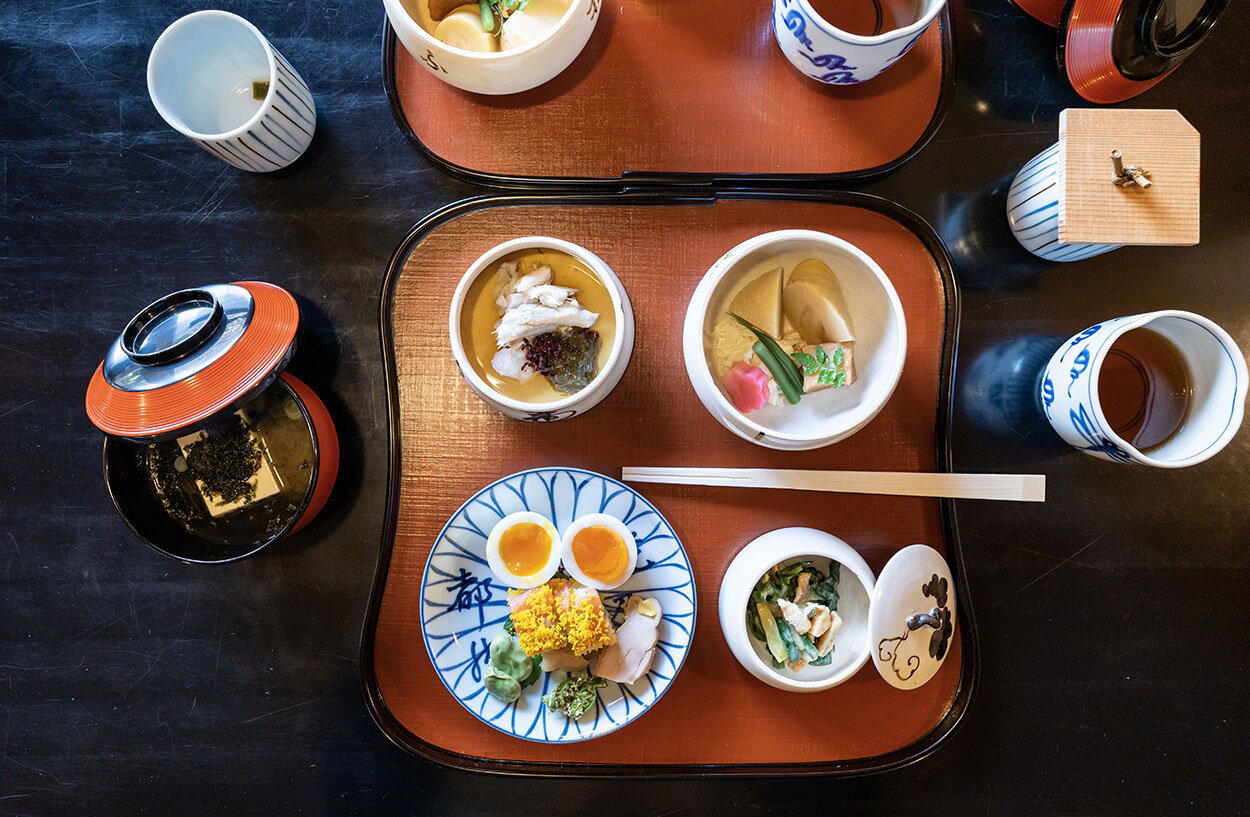

Wineries in Kyoto
Browse all →
Details
- Quiet
- Elegant
- Minimalist
- Sophisticated
- Scenic
- Honeymoon
- Romantic Getaway
- Panoramic View
- Terrace
- Wi Fi
- Concierge
- Garden
- Mountain
- Elevator
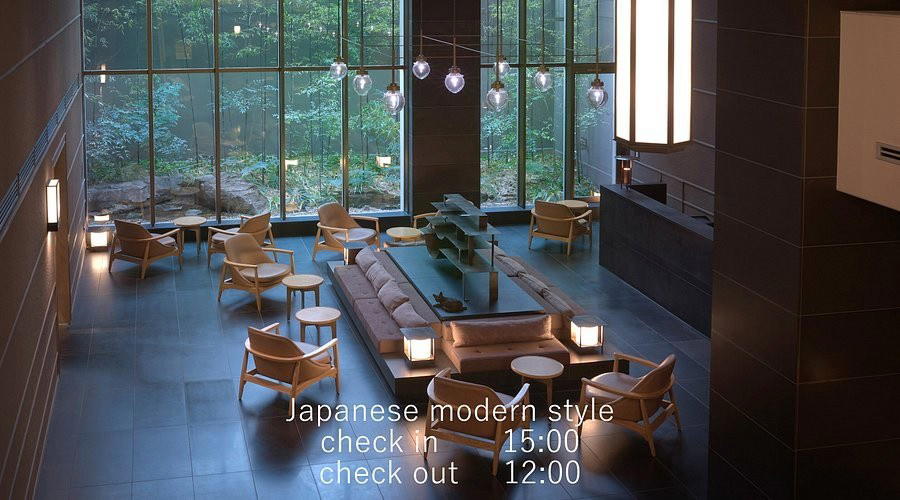
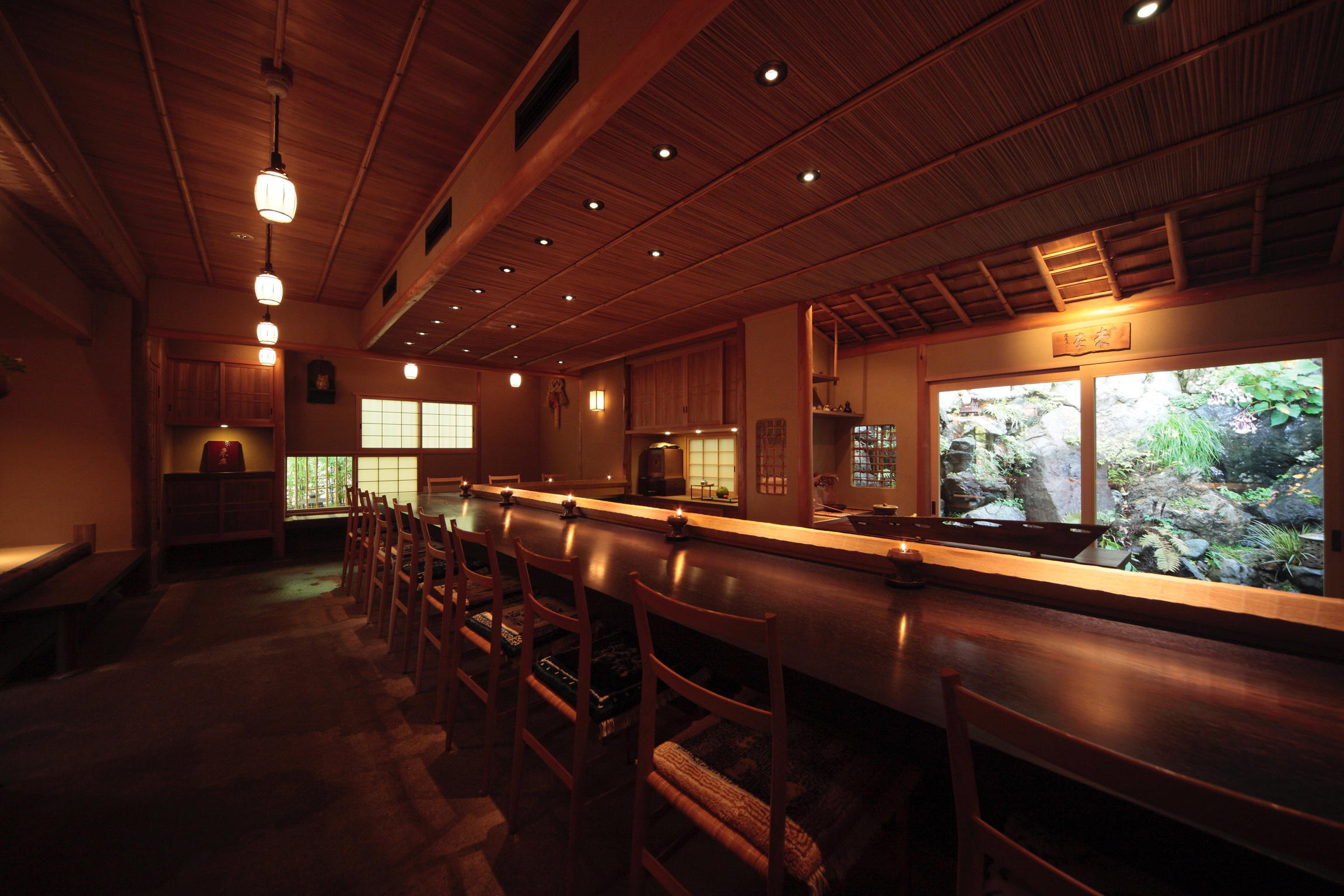
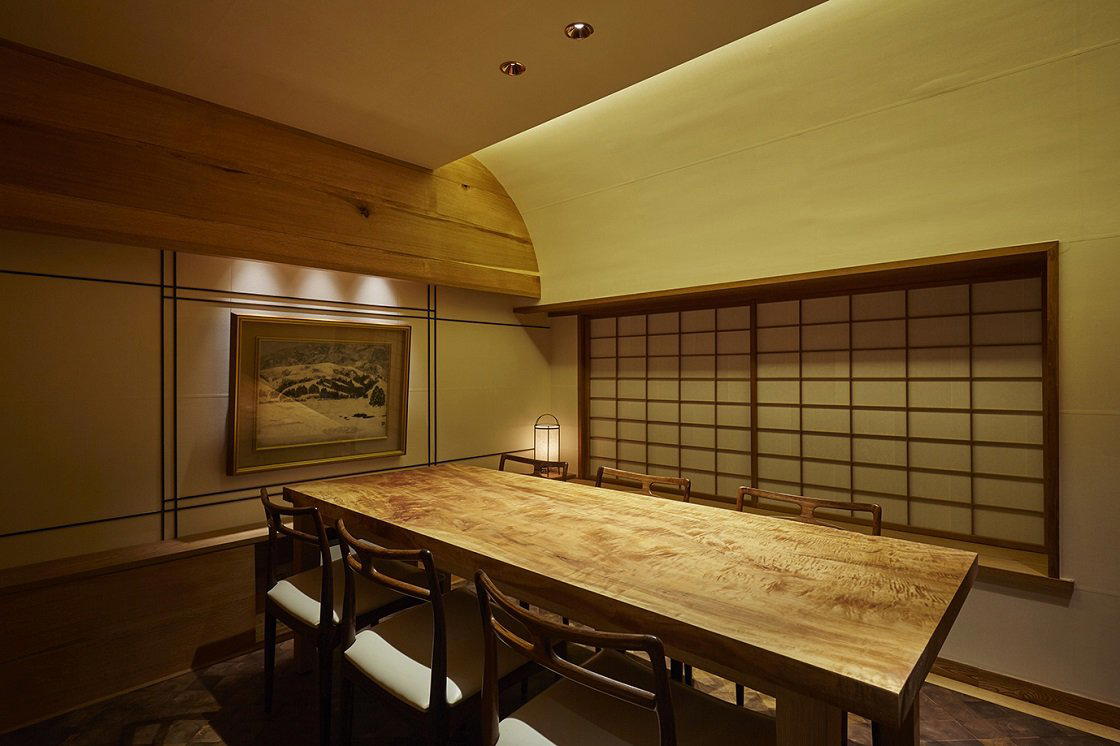
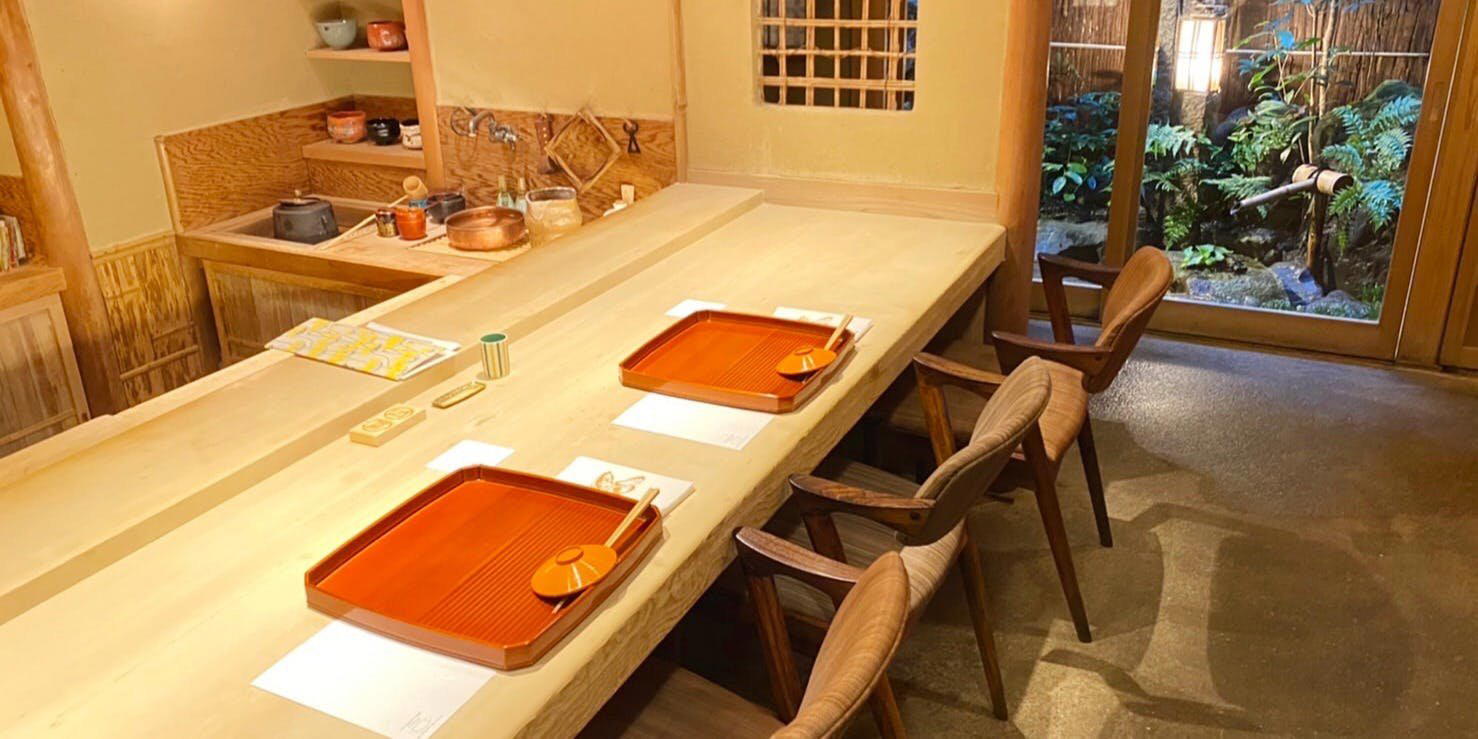
Understated luxury with minimalist design, natural materials like karakami paper and wicker ceilings, antique furnishings, and serene lighting evoking Japanese tea culture.