Lotte Hotel Seoul


Michelin Selected · Forbes Recommended
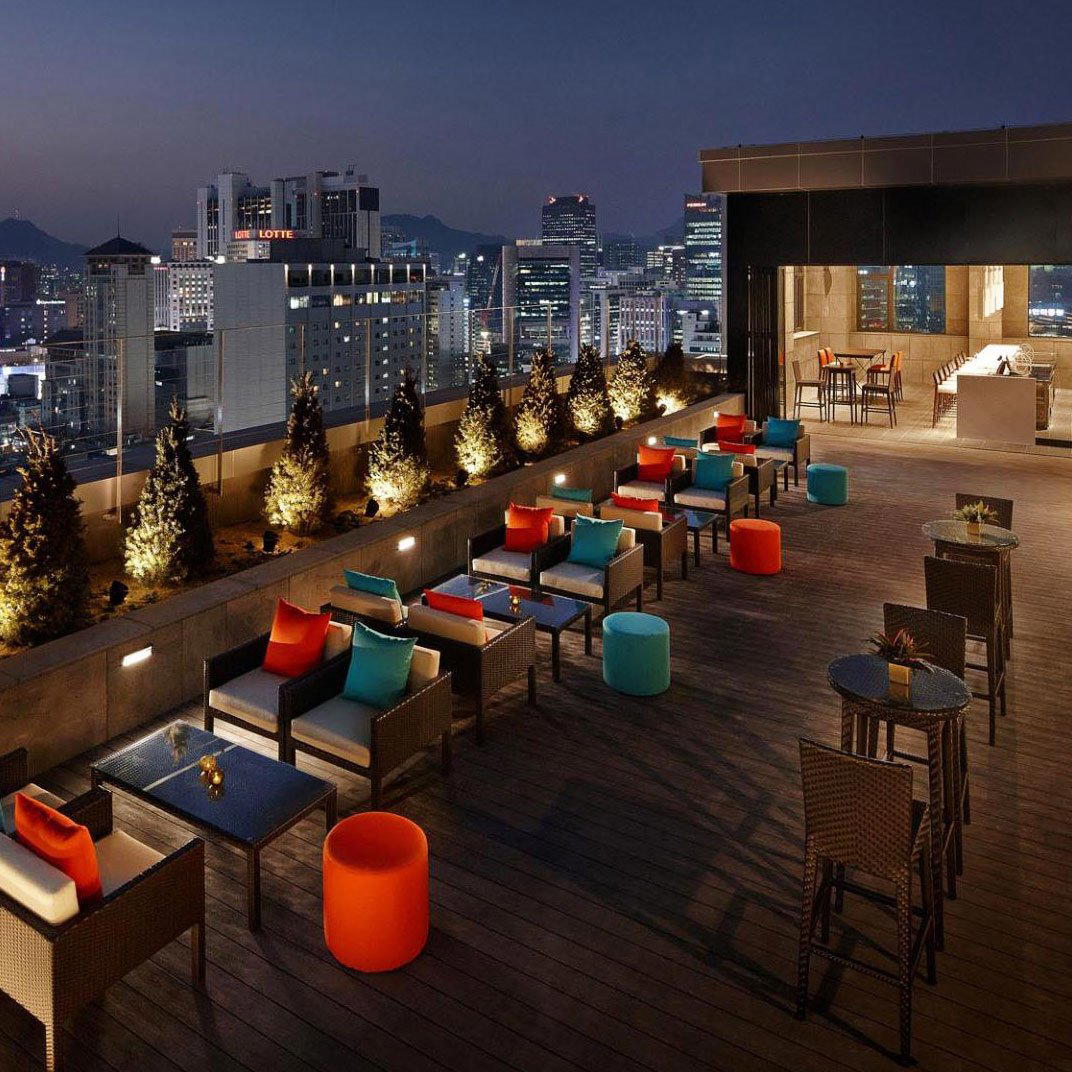
At the centre of Myeongdong, Lotte Hotel Seoul has anchored the city's luxury hospitality tier for decades, earning recognition for its Sulwhasoo Spa, six-restaurant lineup, and dual-tower room offering. Views stretch from Mount Namsan to the Blue House.

Pearl is the En Primeur Club membership app, where members save venues, book tables and use the concierge.
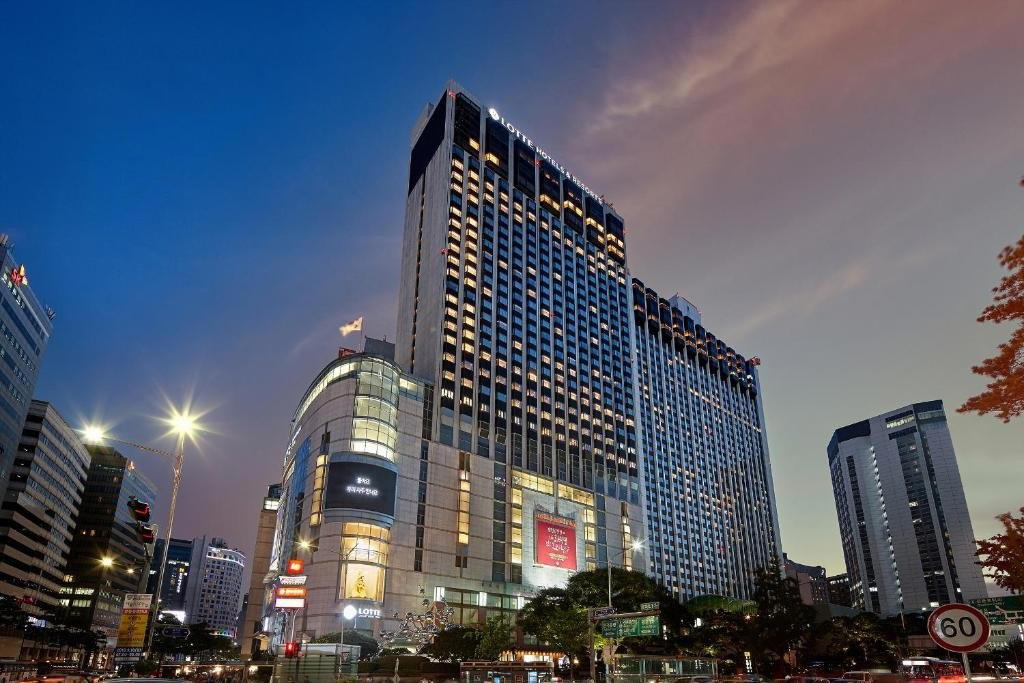
Where Seoul's Luxury Hotel Tier Converges
Seoul's upper hospitality bracket has expanded considerably over the past decade. Properties like Four Seasons Hotel Seoul, Fairmont Ambassador Seoul, and Conrad Seoul have added competitive weight to what was, for a long time, a market defined by a small number of flagship addresses. It occupies a position in Myeongdong that most newer entrants cannot replicate: embedded in the commercial and cultural core of the city, within a short distance of former royal palaces, the city's primary shopping corridor, and the dense street-food culture that defines the district at street level. That location is not incidental to the hotel's reputation; it is foundational to it.
At that scale, the score functions less as a snapshot and more as a long-run measure of operational consistency across rooms, service, dining, and wellness, all of which are represented in the hotel's offering.
The Sulwhasoo Spa and What It Says About the Wellness Tier
Korean skincare has become a global reference category, and within Seoul's hotel wellness market, the distinction between branded spa partnerships and in-house programs matters significantly. Lotte Hotel Seoul's spa operates under the Sulwhasoo name, one of East Asia's most closely followed prestige skincare brands, with a treatment philosophy built around traditional Eastern herbal medicine integrated with contemporary techniques. The use of natural Oriental ingredients as the basis for spa protocols rather than as decorative framing represents a particular positioning: this is the Sulwhasoo brand expressed in a treatment environment, not simply licensed.
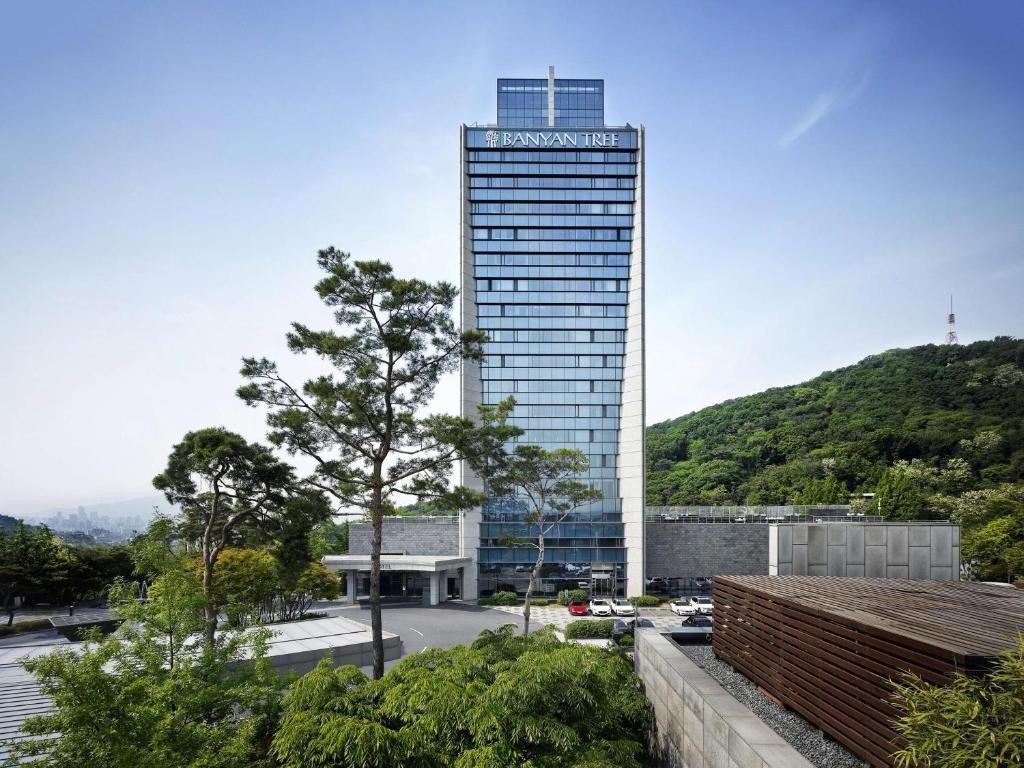
The hotel is also the first in Seoul to have introduced a dedicated salt room, a halotherapy format that has become more common in European wellness hotels but remains a differentiated amenity in the Korean market. For travellers building an itinerary around wellness, the combination of the Sulwhasoo Spa and the salt room represents a genuinely distinct set of treatments relative to what comparable addresses in the city offer. Properties like Banyan Tree Club & Spa Seoul and Grand Hyatt Seoul each carry their own wellness formats; the Sulwhasoo partnership places Lotte in a separate conceptual category.
Six Restaurants, Two Worth Prioritising
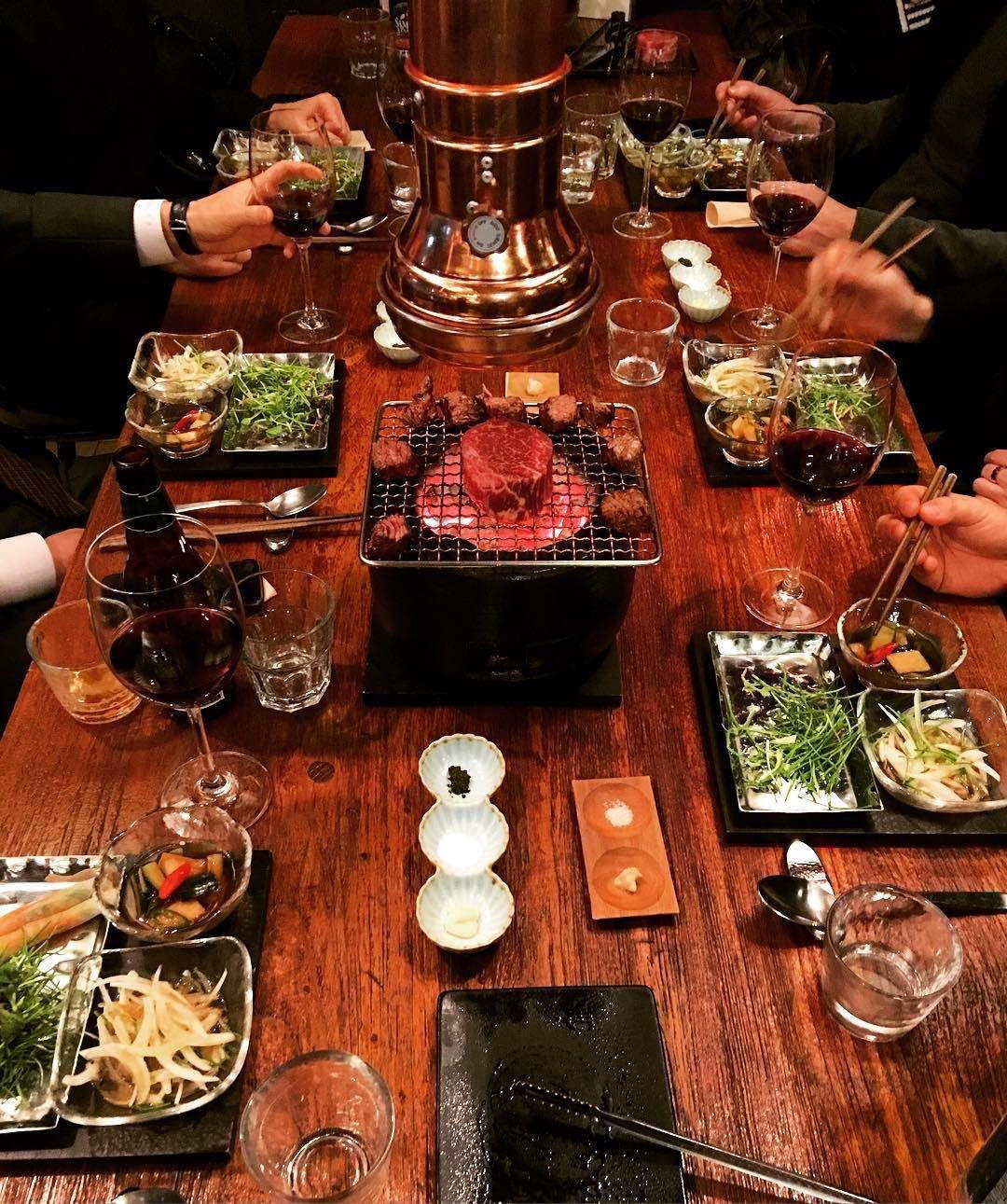
Multi-restaurant hotels in Seoul's luxury tier typically run between three and six dining outlets, with the range reflecting both the size of the property and the ambition of its food program. Lotte Hotel Seoul operates six restaurants. Of those, two carry particular weight. Pierre Gagnaire à Séoul represents the French fine-dining strand of the portfolio, connecting the hotel to the Gagnaire name and the creative French cooking tradition associated with it. Mugunghwa, which takes its name from the national flower of South Korea, focuses on upscale Korean fusion, placing it in a category of hotel Korean restaurants that have become a meaningful part of how international visitors access refined local cuisine.
For travellers exploring Seoul's broader dining scene, our full Seoul restaurants guide provides context on where the hotel's outlets sit relative to the city's standalone restaurant market.
Rooms: Two Towers, Two Palettes, One Constant View
The room offering at Lotte Hotel Seoul divides across two distinct towers, each with a different aesthetic register. The main building carries a more contemporary palette, deep grays, tans, white, and dark wood, while the newer wing moves toward lighter tones, with beige-and-gray striped wallpaper that reads as softer and more residential. The aesthetic difference is meaningful for travellers who are particular about room feel, since both towers otherwise occupy the same property and the same location advantages.
The view calculus is direct: rooms on higher floors, regardless of which tower, look either toward the Blue House to the north or Mount Namsan to the south. The dual orientation means that neither side of the building underperforms on outlook, what changes with altitude is the breadth and clarity of what you see across downtown Seoul rather than the direction. Tablet-controlled lighting and curtain systems are standard across the property, and the hotel offers a selection of fifteen pillow types, a detail that signals the level of room-level operational attention. Bathrooms in the main tower carry Molton Brown toiletries; the Executive Tower uses Diptyque, the French perfumery. Both are recognised prestige brands, but they signal different sensory registers.
Myeongdong: The District as Infrastructure
Where a hotel sits in a city shapes its utility as much as its amenities do. Myeongdong is one of Seoul's highest-footfall commercial districts, and the Lotte Hotel's address places it adjacent to the Lotte Department Store, which carries international houses including Chloé and Louis Vuitton, with Hermès available at the adjacent Lotte Duty Free. For travellers who treat retail as part of the trip, this adjacency is functional rather than incidental.
Beyond shopping, the district's access to Seoul's cultural geography is direct. Historic Hanok Village and several of the city's former royal palaces are reachable within approximately five minutes by car or subway. The Anguk subway station serves as the primary transit point for that corridor; the hotel concierge can arrange a cab, or travellers can take the subway directly. Complimentary Wi-Fi is included in all rooms; breakfast is charged separately.
For travellers considering other parts of South Korea, the country's accommodation range extends well beyond the capital. Options worth considering include Ananti at Busan Cove in Busan, JW Marriott Jeju Resort & Spa in Seogwipo, Grand Hyatt Jeju in Jeju-si, and Haevichi Hotel & Resort Jeju for coastal and island itineraries. Those seeking a different pace might consider Camptong Forest in Gapyeong, Kensington Hotel Seorak in Sokcho-si, or the more remote KOSMOS ULLEUNGDO in Ulleung-gun. For a traditional stay experience, Soi Hanok Stay in Gyeongju offers an entirely different register from the capital's full-service hotel model.
Within Seoul itself, travellers comparing addresses should also consider Aman Seoul Cheongdam for a smaller-footprint, design-led alternative, and Art Paradiso Boutique Hotel for a more compact option in the city. Casino Hotel Seoul occupies a different niche within the city's accommodation map. For travellers connecting through Incheon, Art Paradiso Hotel in Incheon and Dormy Inn Seoul Gangnam cover different price and style positions in the wider metropolitan area. For those planning onward travel, Aman New York, The Fifth Avenue Hotel in New York City, and Aman Venice offer comparable positioning in their respective markets. Oakwood Lagoon Town Gangneung and Gangwon-do in Hongcheon round out the regional options for travellers exploring the eastern corridor. Hyatt Place Gwangju serves the southwestern region.
Cuisine-First Comparison
Comparable venues nearby, for context on price, style, and recognition.
| Venue | Cuisine | Price | Awards | Notes |
|---|---|---|---|---|
| Lotte Hotel SeoulThis venue (the venue you are viewing) | Luxury urban hotel with department store integration | $200–300 | Michelin Selected · Forbes Recommended | Not listed |
| The Westin Josun Seoul | Heritage luxury hotel blending 1914 historic architecture with contemporary design and amenities, positioned as a premier business and leisure destination. | $200–300 | Michelin Selected · La Liste Top Hotels | Sajik-dong |
| Paradise Hotel & Resort | Luxury integrated resort with entertainment and wellness. | Not listed | Forbes 4-Star | Jung-gu |
| JW Marriott Hotel Seoul | Contemporary luxury blending international style with Korean hospitality | $300–500 | Forbes Recommended | 잠원동 |
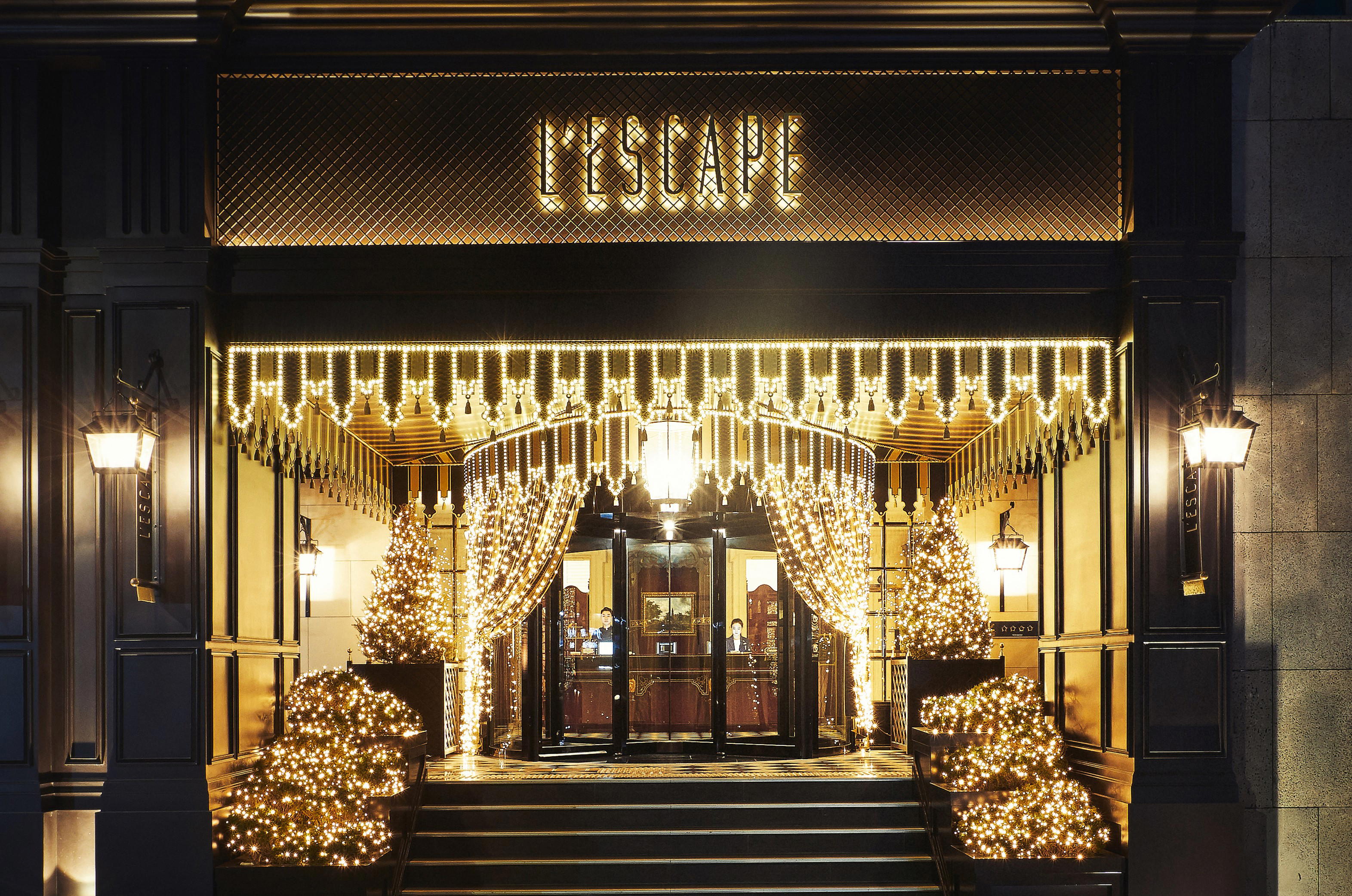
| L'Escape Hotel Seoul | Luxury boutique hotel inspired by Belle Époque Paris. | $200–300 | Michelin Selected · Forbes Recommended | 소공동 |
| Handpicked Hotel & Collections | Modern boutique hotel in calm residential area | Not listed | Not listed | 대방동 |
Recognition history
Dated appearances from independent guides and award organizations, with the underlying list record or original source where available.
Michelin Selected
Michelin
Forbes Recommended
Forbes
Full recognition history (3 entries)
Forbes Recommended
Forbes
Continue exploring
More in Seoul
Hotels in Seoul
All hotels in Seoul →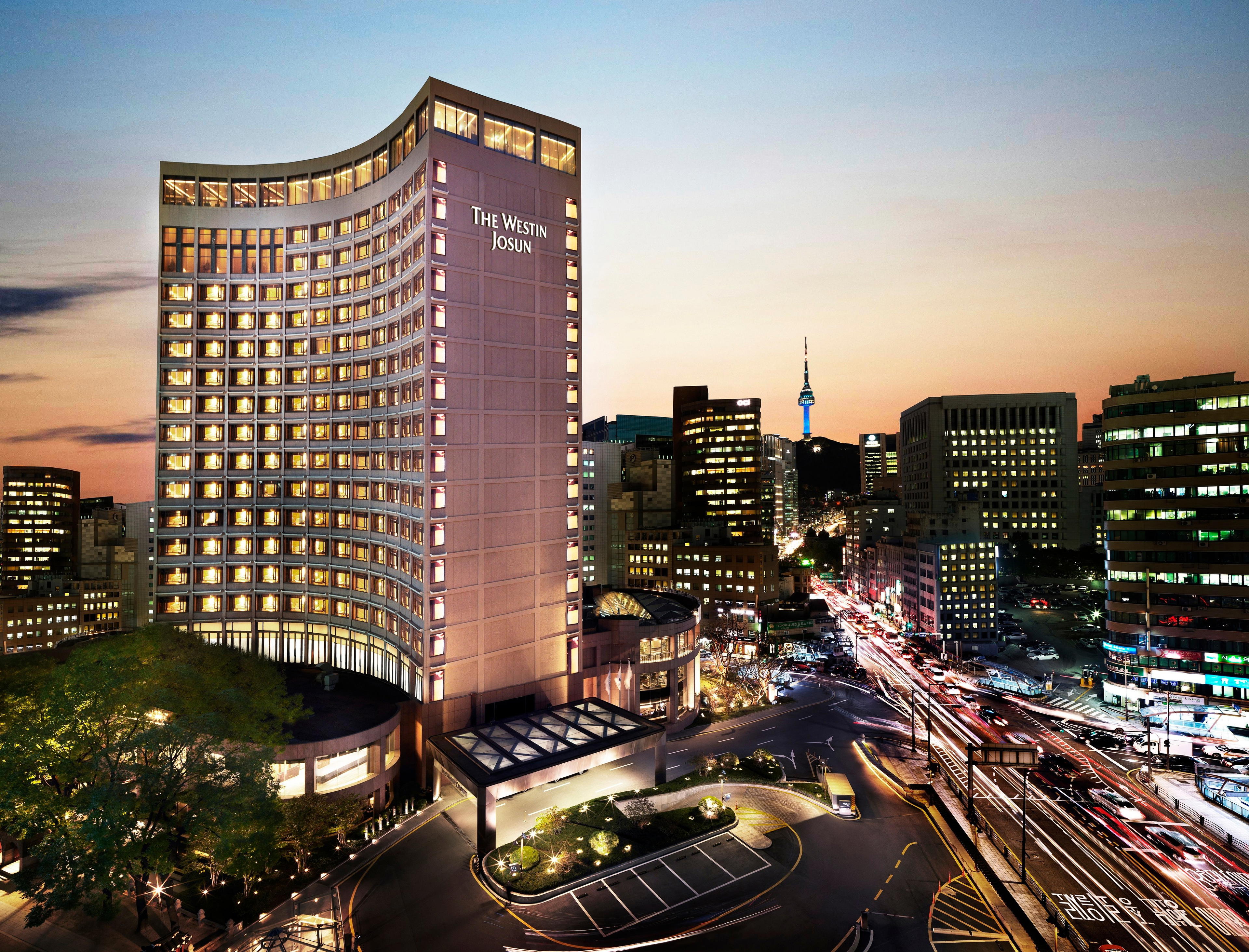
Bars in Seoul
All bars in Seoul →
Details
- Elegant
- Sophisticated
- Modern
- Business Trip
- Family Vacation
- Wi Fi
- Pool
- Spa
- Fitness Center
- Room Service
- Concierge
- Business Center
- Valet Parking
- Skyline
- Wheelchair Accessible
- Elevator
Luxurious and elegant atmosphere with spacious, clean rooms featuring modern amenities and city views.