La Yeon



2 Michelin Stars · La Liste Top Restaurants
Our verdict
La Yeon occupies the 23rd floor of The Shilla Seoul, where two Michelin stars and consecutive appearances on La Liste and Opinionated About Dining's Asia rankings confirm its place at the upper end of Seoul's formal Korean dining tier.

Pearl is the En Primeur Club membership app, where members save venues, book tables and use the concierge.
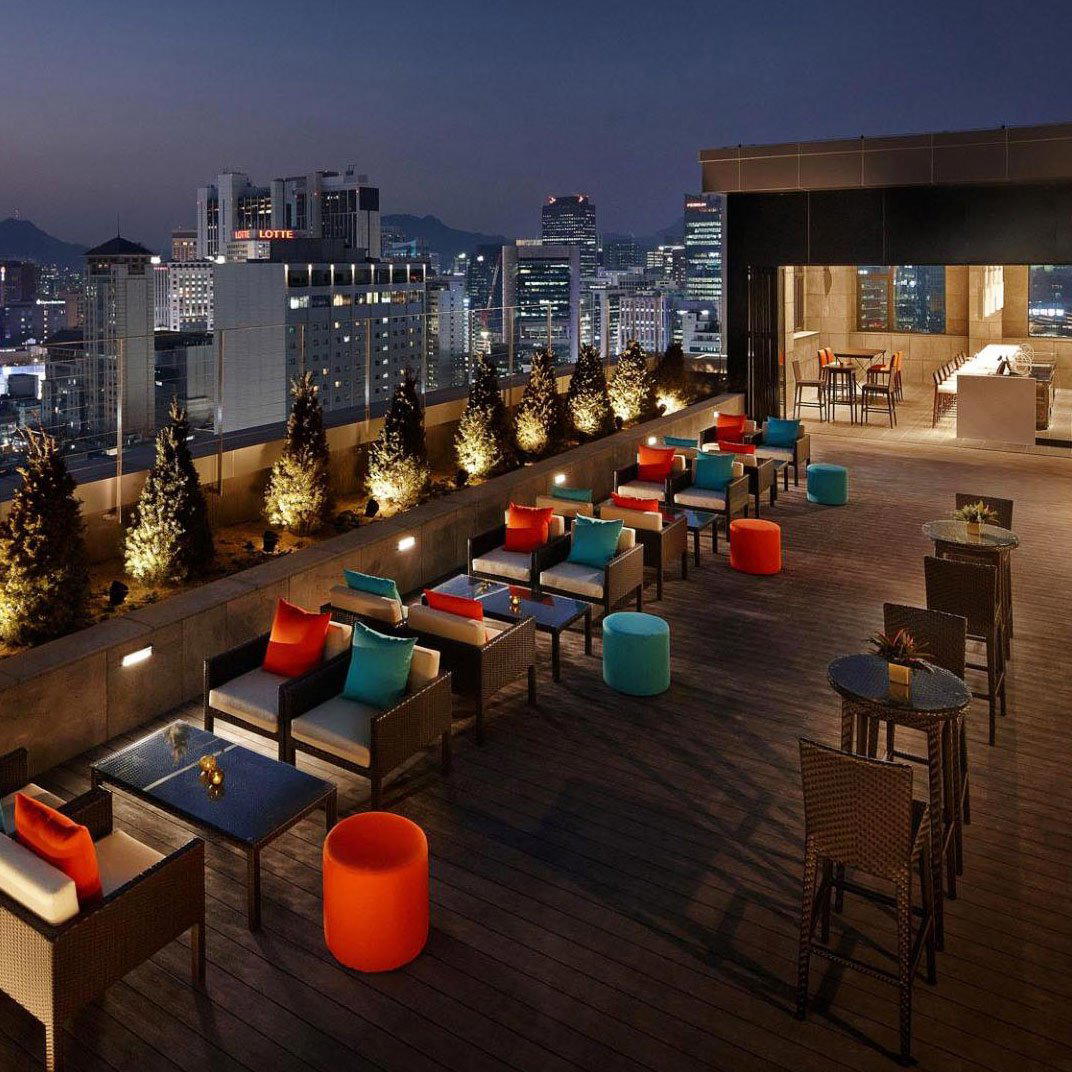
High Above Jung-gu: The Setting as Argument
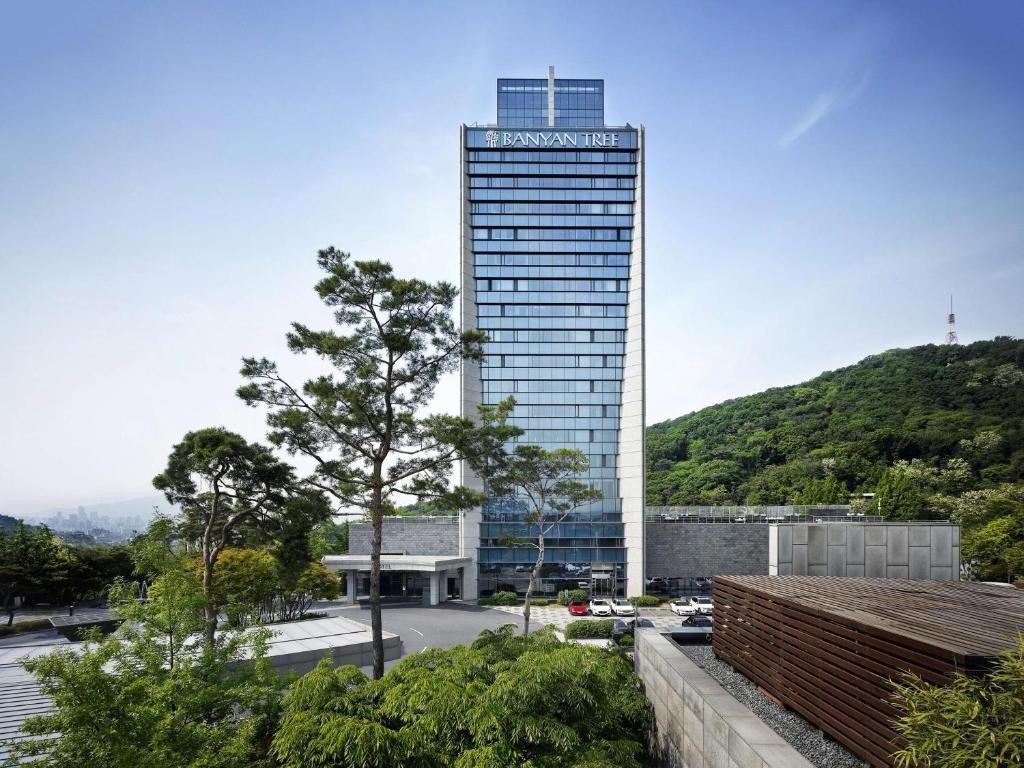
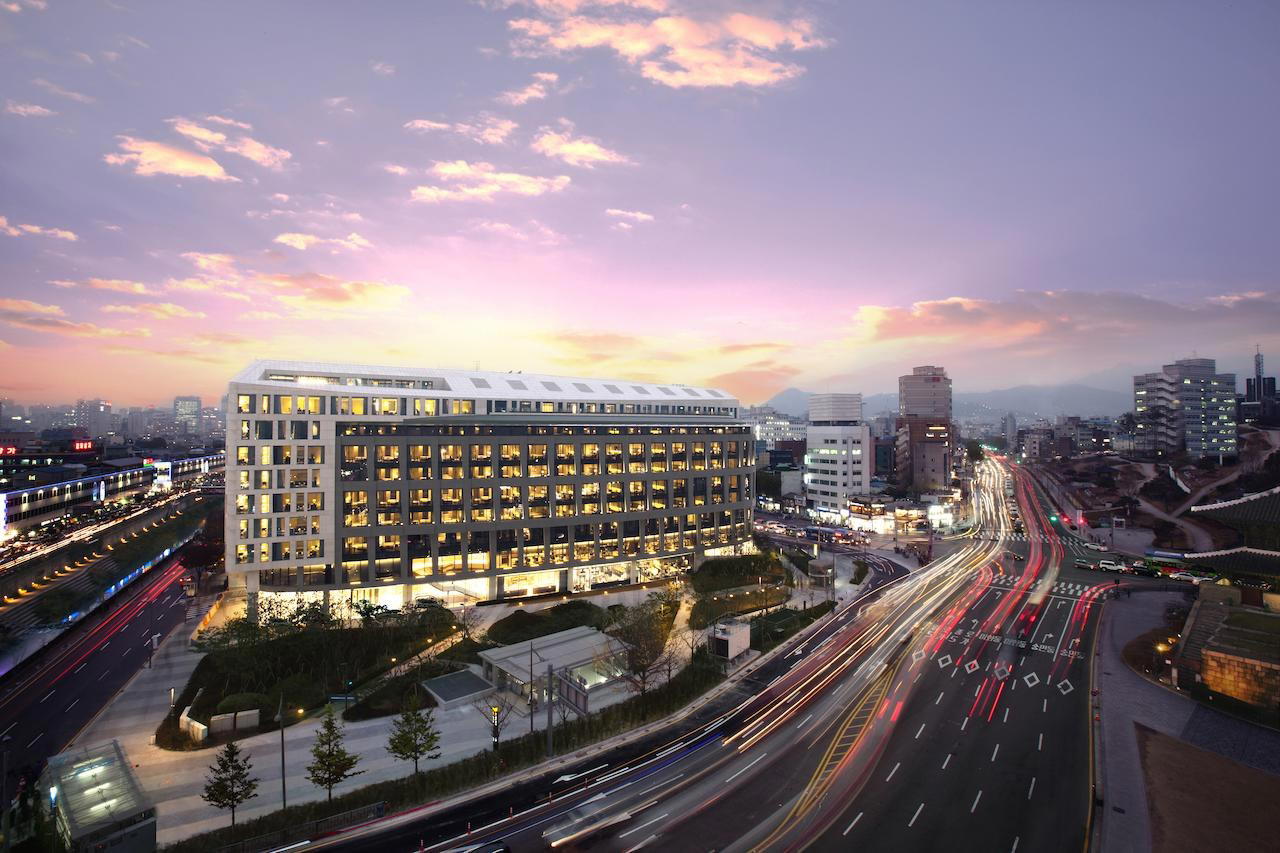
The elevator rises through The Shilla Seoul's tower in Jangchung-dong and opens on the 23rd floor into a room that makes a deliberate case for Korean fine dining as a metropolitan proposition. Floor-to-ceiling windows frame the city's sprawl across Jung-gu, and the dining room's material palette draws on the muted, textural language of traditional Korean interiors: lacquered surfaces, understated earthenware tones, the kind of controlled silence that signals a kitchen with something to prove. This is not accidental. Seoul's top tier of Korean fine dining has increasingly migrated into hotel settings that can absorb the infrastructure costs of serious cooking, and La Yeon sits at the more formal, architecturally deliberate end of that movement.
The neighbourhood context matters. Jangchung-dong sits between Myeongdong and Dongdaemun, a corridor that carries both tourist density and significant local foot traffic, yet La Yeon operates at a remove from that energy. The Shilla's position on Dongho-ro functions as a buffer, and the 23rd-floor placement compounds the sense of separation. You are eating Korean cuisine in Seoul, but at an altitude, literal and figurative, that reframes the experience as occasion dining rather than everyday expression.
Where La Yeon Fits in Seoul's Korean Fine Dining Tier
Seoul's highest-end Korean restaurant category has developed a clear internal structure over the past decade. At one end sit the court-cuisine descendants, restaurants that trace their cooking philosophy to joseon royal kitchen traditions and present seasonal ingredients within ceremonial frameworks. At the other end, places like Mingles and Bicena work in a contemporary Korean register that treats tradition as a foundation for invention rather than a script to follow.
La Yeon occupies the former camp with conviction. The kitchen under Chef Sung-Il Kim applies the formal architecture of Korean court cuisine, where balance, sequencing, and the representation of seasonal produce govern structure, and prices and positions itself accordingly. Its two Michelin stars, held across both 2024 and 2025, place it in a compact peer group alongside Onjium, Kwonsooksoo, and Gaon, all of which share the formal Korean heritage cooking orientation and the four-symbol price tier.
The awards trajectory across three consecutive years on Opinionated About Dining's Asia rankings adds further calibration. Ranked 64th in 2023, 59th in 2024, then settling to 74th in 2025, La Yeon has maintained consistent presence in a regional list that skews heavily toward Japanese venues. La Liste's scores, 96 points in 2025 and 94 points in 2026, suggest a kitchen holding a high baseline rather than climbing aggressively, which is itself a signal about the kitchen's identity: consolidation over spectacle.
Chef Sung-Il Kim and the Court Cuisine Lineage
The editorial angle on Chef Sung-Il Kim is less about personal biography and more about what his presence at La Yeon signals about the restaurant's alignment within a culinary tradition. Korean court cuisine, the cooking associated with the Joseon dynasty's royal kitchen, demands mastery of a specific formal vocabulary: fermented pastes developed over years, seasonally prescribed ingredient pairings, and presentation codes that carry symbolic weight. A chef working within this tradition is accountable to a framework that precedes them, and the kitchen's authority derives from how faithfully and expressively that framework is inhabited.
Kim's role at La Yeon places him in the company of a generation of Korean chefs who have treated court cuisine not as a museum piece but as a living system with sufficient internal complexity to sustain serious restaurant cooking. That position differs from the approach taken at venues like Soseoul Hannam, where the register is more contemporary, or from the Korean-French synthesis pursued at Zero Complex. The choice to operate within court cuisine's discipline, rather than departing from it, defines La Yeon's competitive identity and explains why the restaurant's appeal is concentrated among diners who want rigorous cultural specificity rather than creative fusion.
That orientation also connects La Yeon to a broader pattern of Korean fine dining gaining international legibility. Restaurants like bōm in New York City and DOSA in London represent Korean cuisine reaching into new markets, while venues like Jeju Noodle Bar in New York City pursue a more casual register. La Yeon's court cuisine anchor places it at the formal, historically rooted end of that international conversation, a reference point for what the tradition looks like at full expression within Seoul itself.
The Seasonal Logic of the Menu
Court cuisine's seasonal architecture means La Yeon's menu is not a fixed document. The tradition mandates that ingredient selection, preparation techniques, and even colour palettes shift across Korea's four clearly defined seasons, with fermentation schedules, market availability, and ceremonial associations all exerting influence on what appears at the table. This is a structural feature of the cuisine rather than a marketing choice, and it means that a meal in spring bears a meaningfully different character from one in autumn, not just in ingredient substitutions but in the underlying logic of what the kitchen is expressing.
For the international visitor, this seasonality carries a practical implication: the timing of a visit shapes the experience in ways that go beyond weather or peak-season pricing. Seoul's autumn, when the produce of summer's end meets the beginning of serious fermentation season, is broadly considered a strong period for formal Korean dining. The full range of Seoul experiences shifts meaningfully across the calendar, and a serious Korean dining itinerary benefits from planning around that cycle.
Positioning La Yeon in a Seoul Itinerary
For visitors building a Seoul dining itinerary around the city's formal Korean tier, La Yeon represents the hotel-anchored, court cuisine end of a spectrum that includes Onjium at the scholarly end and Mingles at the contemporary Korean end. The decision of which to prioritise depends on what aspect of the cuisine's range a visitor wants to understand: La Yeon argues for formal tradition; others argue for evolution.
Guests staying at The Shilla Seoul have obvious logistical convenience, and the hotel's wider food and beverage offering provides context for a longer stay. Those based elsewhere in the city face no significant barrier: Jung-gu is well-connected, and the restaurant's hotel address means it operates with the infrastructure and booking consistency of a major property rather than an independent reservation system that might require more navigation. See our full Seoul hotels guide for properties that complement a high-end dining itinerary, and our full Seoul bars guide for post-dinner options across the city.
For those exploring Korean fine dining beyond Seoul, Mori in Busan and Baegyangsa Temple in Jangseong-gun offer regional counterpoints, while Kwon Sook Soo in Gangnam-gu provides a second reference point for formal Korean dining within the city. The full Seoul restaurants guide maps the complete tier across cuisine types, price levels, and neighbourhoods, alongside guides to Seoul wineries for those interested in the city's growing wine culture.
Know Before You Go
- Location: 23rd floor, The Shilla Seoul, 249 Dongho-ro, Jangchung-dong, Jung-gu, Seoul
- Price tier: ₩₩₩₩ (top tier; budget accordingly for a full tasting menu format)
- Awards: Michelin 2 Stars (2024, 2025); La Liste 96pts (2025), 94pts (2026); Opinionated About Dining Asia Top 100 (2023, 2024, 2025)
- Booking: Advance reservation required; demand at this award level and price tier means availability tightens weeks out, particularly on weekends and during peak season
- Dress code: Smart attire is consistent with the hotel setting and formal Korean dining room conventions; casual dress is out of place
- Ideal time to visit: Seasonal menus mean autumn and spring visits capture different expressions of the court cuisine calendar
Frequently asked questions
Who is the chef at La Yeon?
The chef associated with La Yeon is Sung-Il Kim.
What's the must-try dish at La Yeon?
La Yeon does not publish a fixed signature dish, which is consistent with a court cuisine kitchen that rebuilds its menu around seasonal availability. The stronger approach is to arrive without a specific order in mind and let the tasting menu reflect the current rotation. At the ₩₩₩₩ tier with two Michelin stars confirmed through 2025, the kitchen's judgment about what to serve is the point.
What should I budget for a meal at La Yeon?
Pricing at La Yeon is listed as ₩₩₩₩.
What part of town is La Yeon in?
La Yeon is located at South Korea, Seoul, Jung District, Jangchung-dong, Dongho-ro, 249, THE SHILLA Seoul, 23층, Seoul.
Is La Yeon Michelin-listed?
La Yeon has received recognition including: La Liste Top Restaurants (2026): 94pts; Opinionated About Dining Top Restaurants in Asia Ranked #74 (2025); La Liste Top Restaurants (2025): 96pts; Michelin 2 Stars (2025); Opinionated About Dining Top Restaurants in Asia Ranked #59 (2024);….
Should I book La Yeon in advance?
Yes, and early. Two consecutive Michelin stars (2024 and 2025) combined with a 94-point La Liste ranking for 2026 puts La Yeon in a demand tier where last-minute tables on the 23rd floor of The Shilla Seoul are rarely available. Book as far ahead as your schedule allows, particularly for weekend evenings or holiday periods.
Accolades, Compared
| Venue | Cuisine | Price | Awards | Notes |
|---|---|---|---|---|
| La YeonThis venue (the venue you are viewing) | High-End Traditional Korean | $150–200 | 2 Michelin Stars · La Liste Top Restaurants | Not listed |
| 7th Door | Modern Korean Fermentation Fine Dining | $100–150 | 1 Michelin Star · World's 50 Best #49 | Korean, Contemporary |
| Solbam | Contemporary Neo-Classical Korean | $200–300 | 1 Michelin Star · World's 50 Best #55 | Contemporary |
| Onjium | Modern Korean Royal Court Cuisine | Not listed | 1 Michelin Star · World's 50 Best #14 | Korean |
| L'Amitié | Classic French Fine Dining | $100–150 | 1 Michelin Star · La Liste Top Restaurants | French |
| Zero Complex | Modern French Neo-Bistro | $100–150 | 1 Michelin Star · La Liste Top Restaurants | Korean-French, Innovative |
Recognition history
Dated appearances from independent guides and award organizations, with the underlying list record or original source where available.
Michelin 2 Stars
Michelin
La Liste Top Restaurants
La Liste
Opinionated About Dining Top Restaurants in Asia Ranked #93
Opinionated About Dining
Full recognition history (9 entries)
La Liste Top Restaurants
La Liste
Michelin 2 Stars
Michelin
Opinionated About Dining Top Restaurants in Asia Ranked #74
Opinionated About Dining
Michelin 2 Stars
Michelin
Opinionated About Dining Top Restaurants in Asia Ranked #59
Opinionated About Dining
Opinionated About Dining Top Restaurants in Asia Ranked #64
Opinionated About Dining
Continue exploring
More in Seoul
Restaurants in Seoul
All restaurants in Seoul →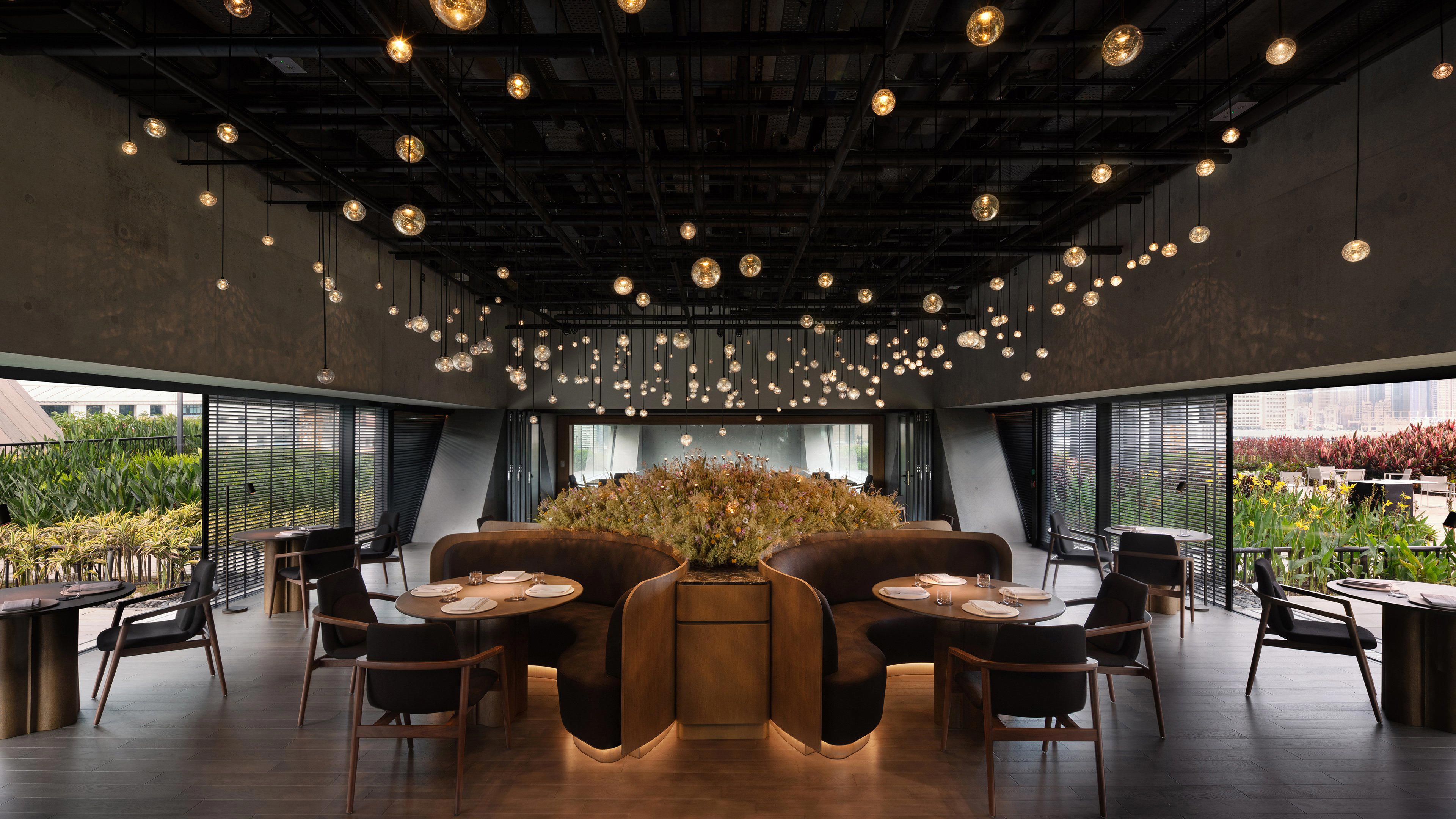
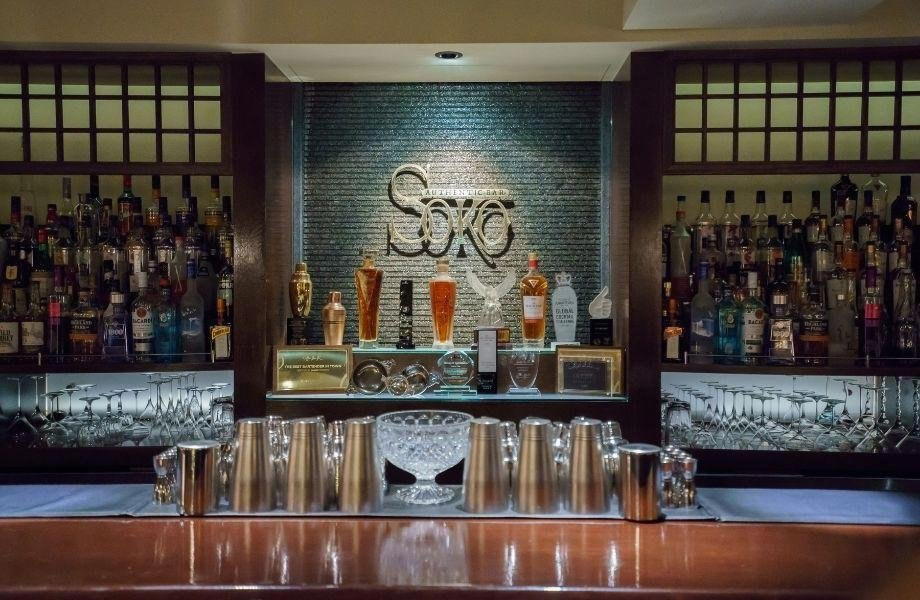
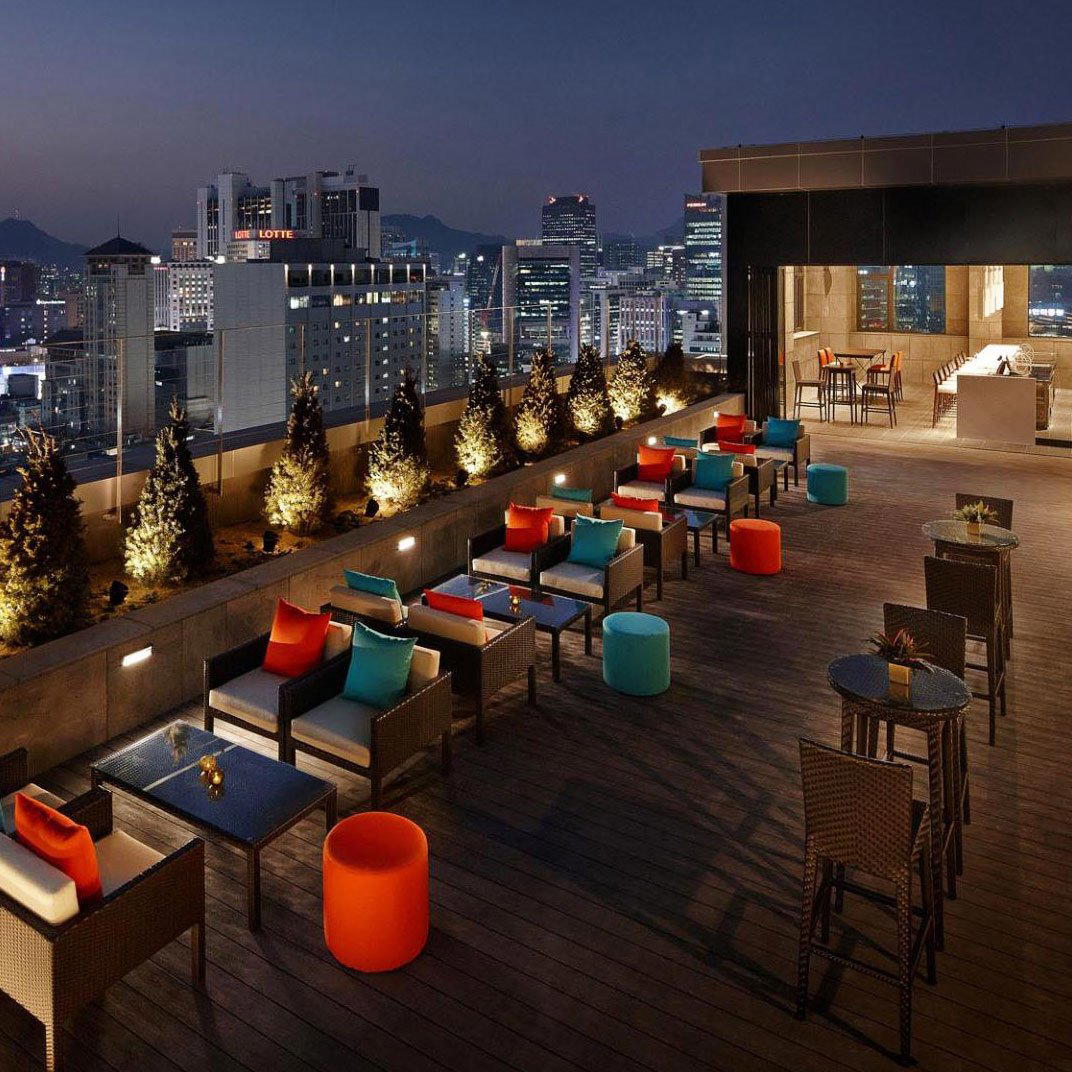
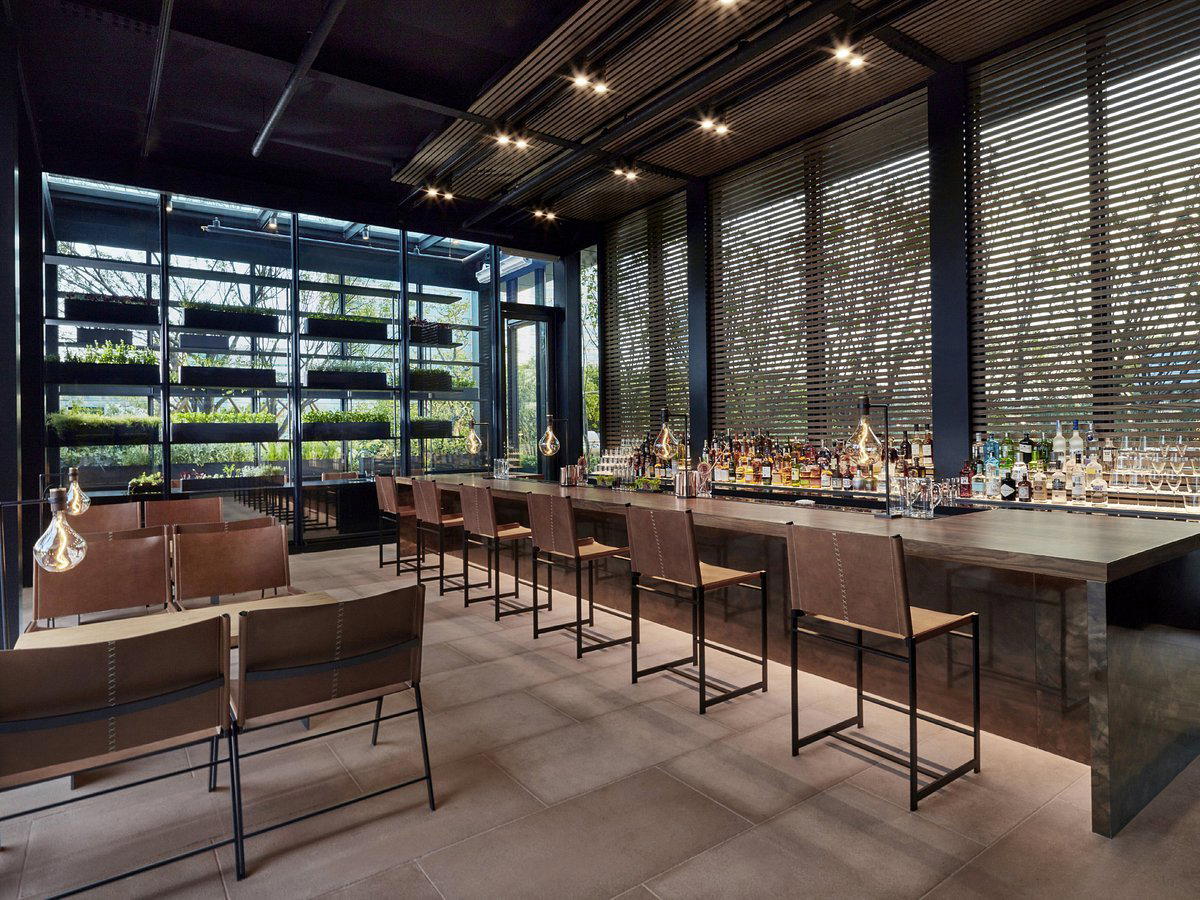
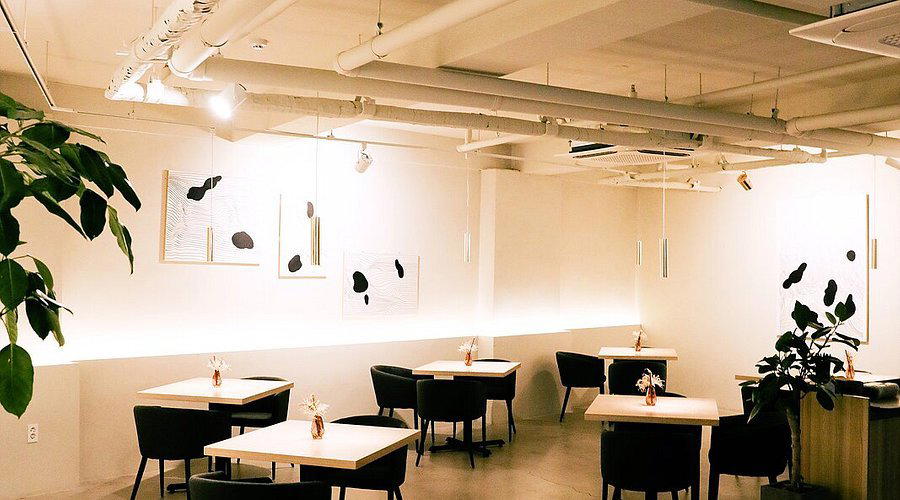
Bars in Seoul
All bars in Seoul →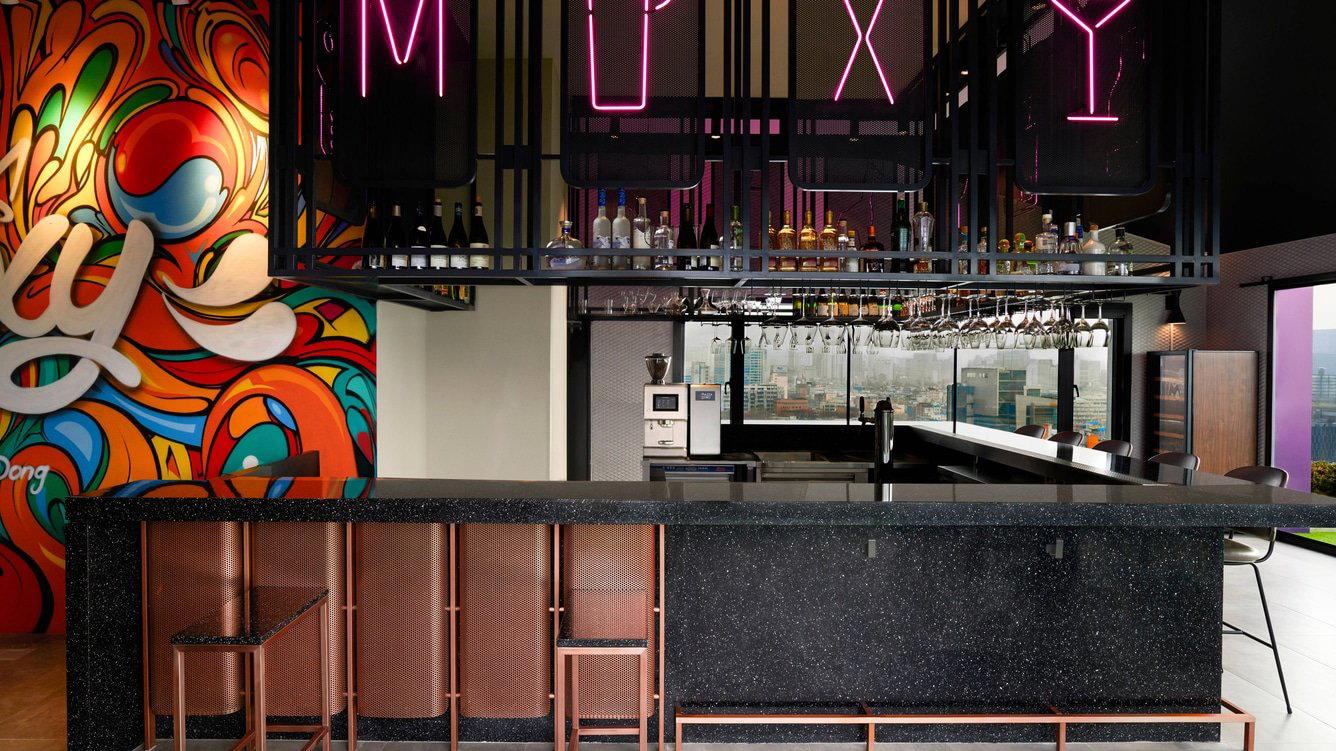
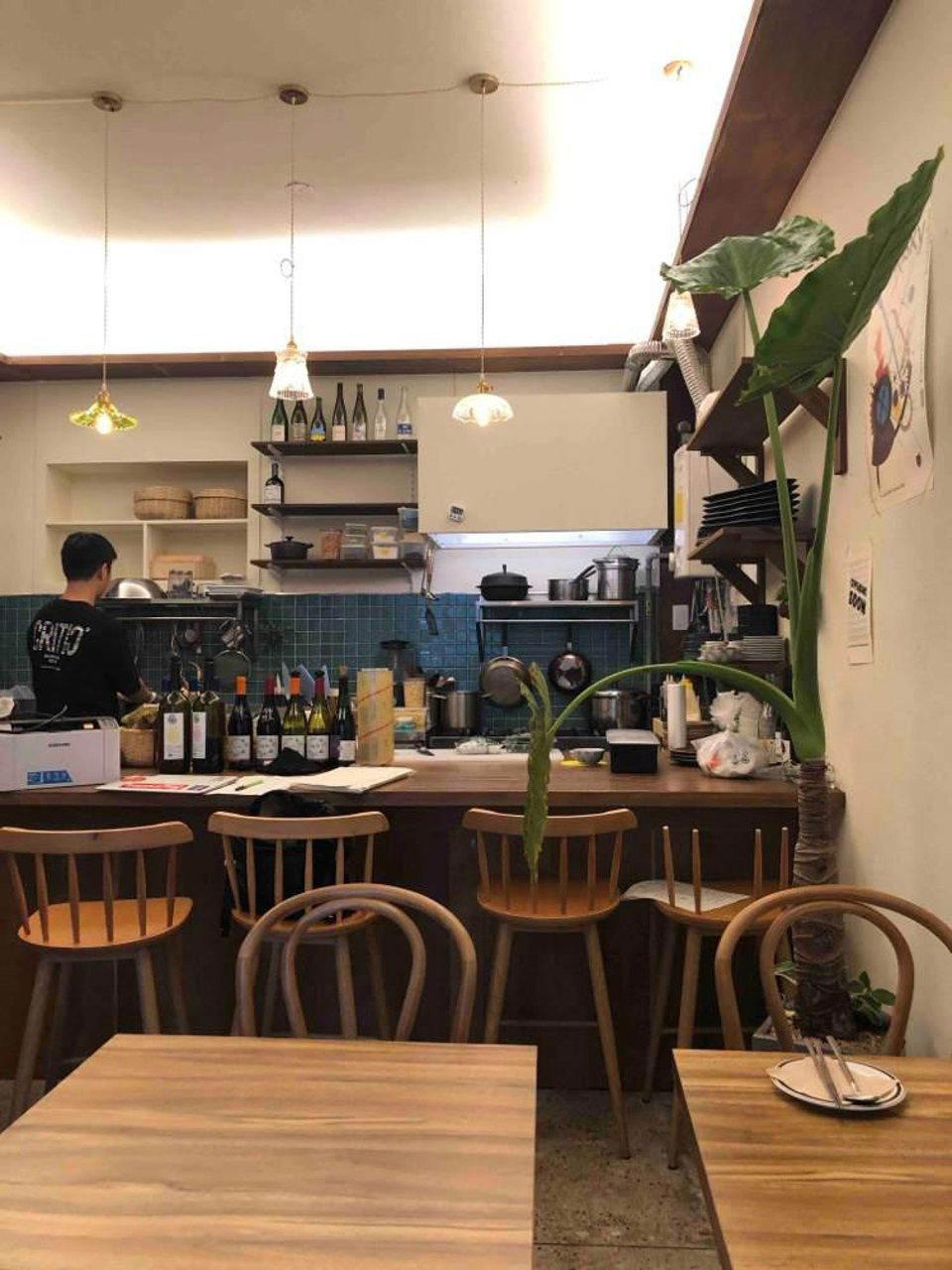
La Yeon
The wine
- Wine program
- Deep wine list
- Extensive wine list
- Sommelier-led
Details
- Elegant
- Sophisticated
- Intimate
- Special Occasion
- Date Night
- Business Dinner
- Hotel Restaurant
- Panoramic View
- Extensive Wine List
- Sommelier Led
- Local Sourcing
- Skyline
- Tasting Menu
- Set Menu
- Wine Pairing
- Allergy Accommodating
Current opening hours
- Monday
- 12–2:30 PM, 5:30–9:30 PM
- Tuesday
- 12–2:30 PM, 5:30–9:30 PM
- Wednesday
- 12–2:30 PM, 5:30–9:30 PM
- Thursday
- 12–2:30 PM, 5:30–9:30 PM
- Friday
- 12–2:30 PM, 5:30–9:30 PM
- Saturday
- 12–2:30 PM, 5:30–9:30 PM
- Sunday
- 12–2:30 PM, 5:30–9:30 PM
Hours can change for holidays and private events. Hours as of .
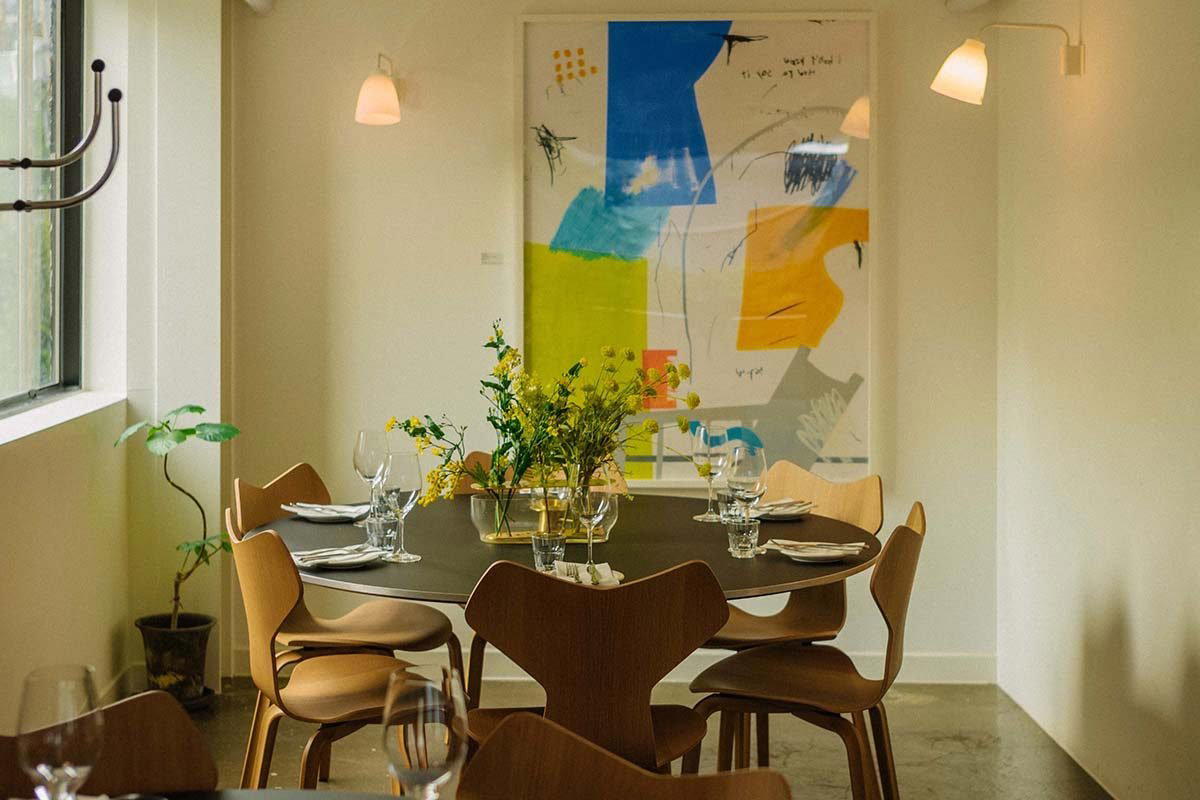
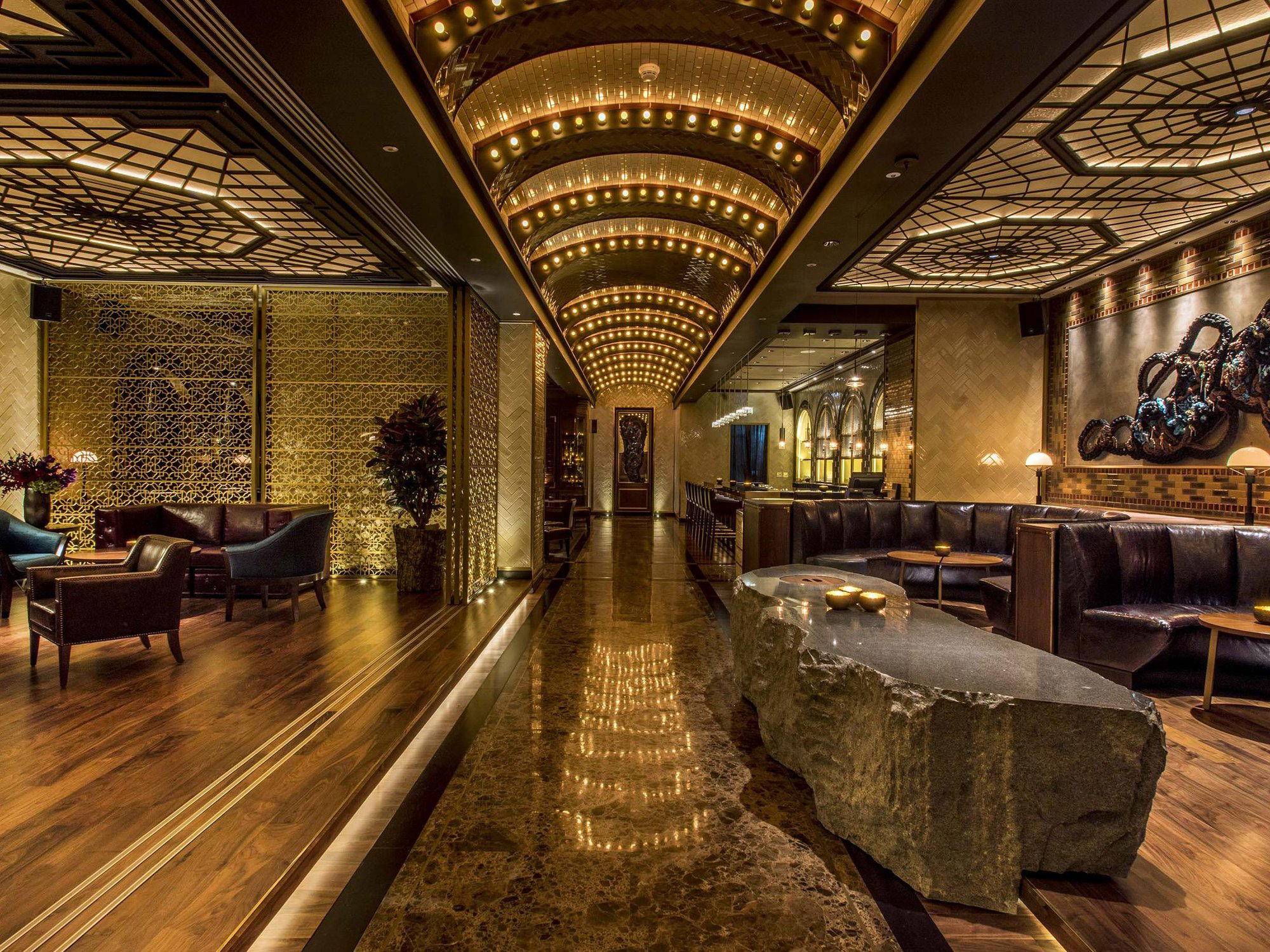
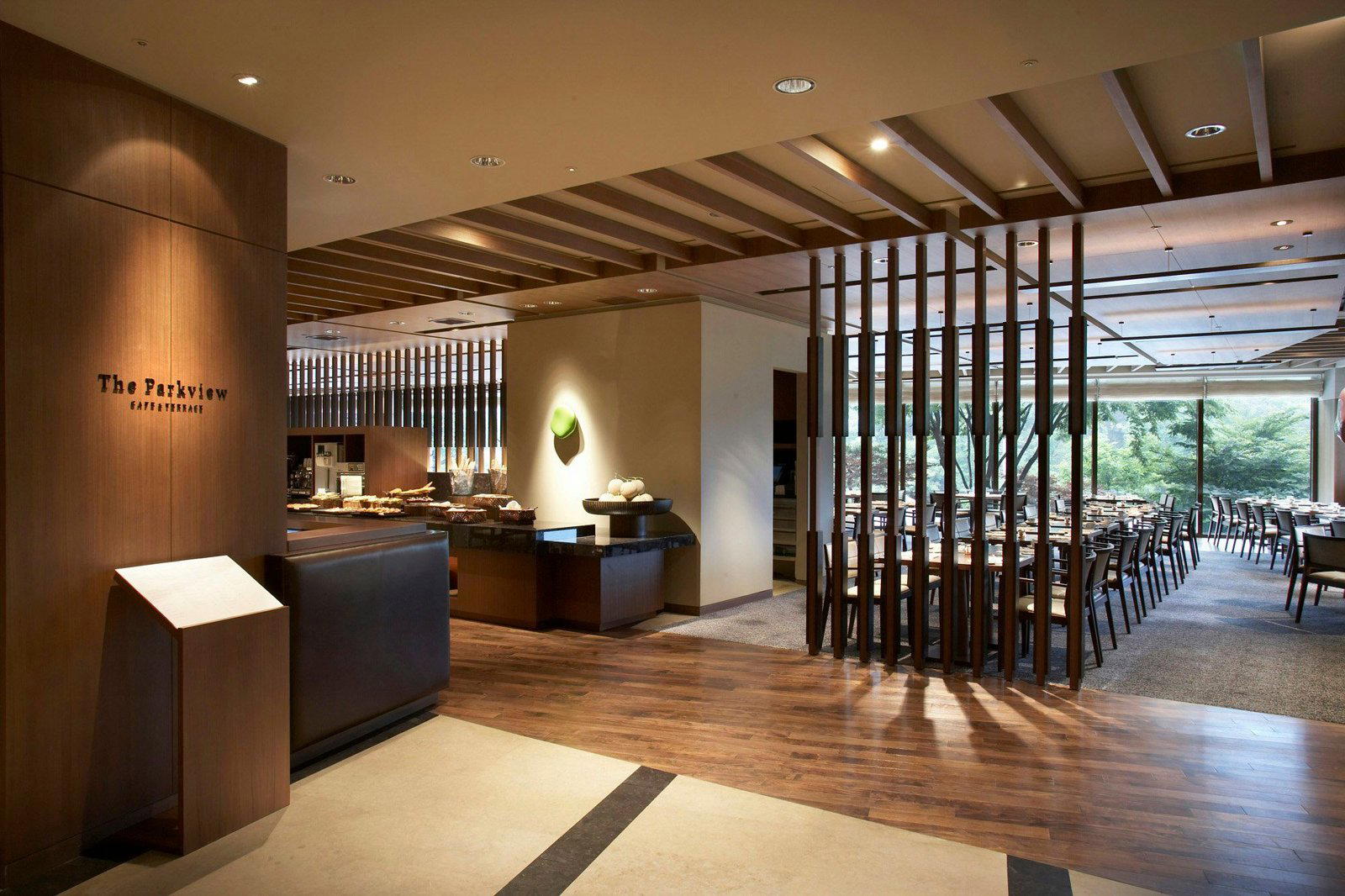
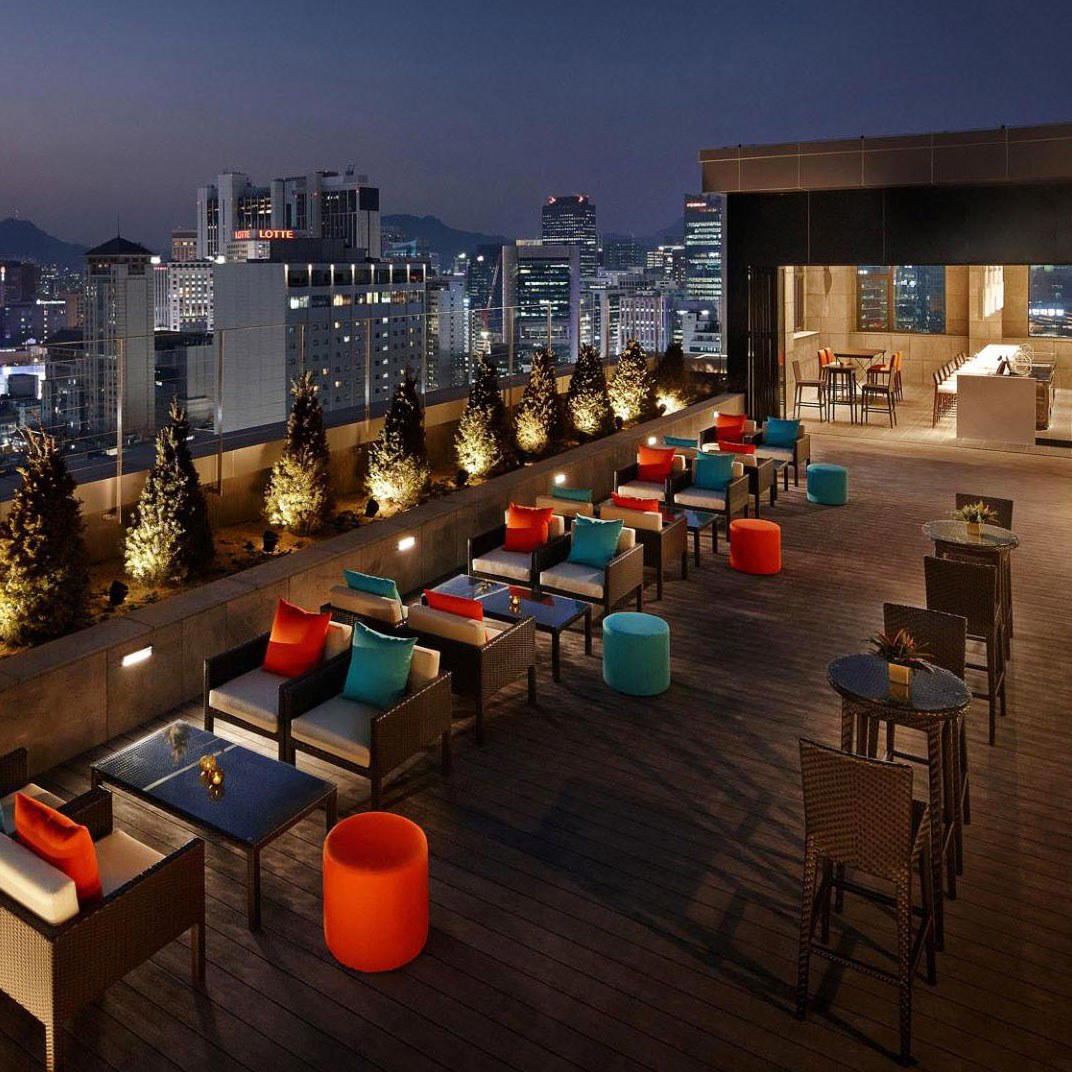
Elegant and comfortable dining room with dramatic panoramic views of Seoul, creating an intimate and sophisticated atmosphere.