The Shilla Seoul




1 Michelin Key · La Liste Top Hotels · Forbes 5-Star
Standing behind Seoul's medieval city walls at the foot of Namsan Mountain, The Shilla Seoul has anchored the city's luxury hotel tier for decades. A member of Leading Hotels of the World and ranked 97.5 points on the La Liste Top Hotels 2026 list, its 464 rooms, mountain-facing suites, and sprawling urban amenities position it as Seoul's most established grand hotel address. From $387 per night.

Pearl is the En Primeur Club membership app, where members save venues, book tables and use the concierge.
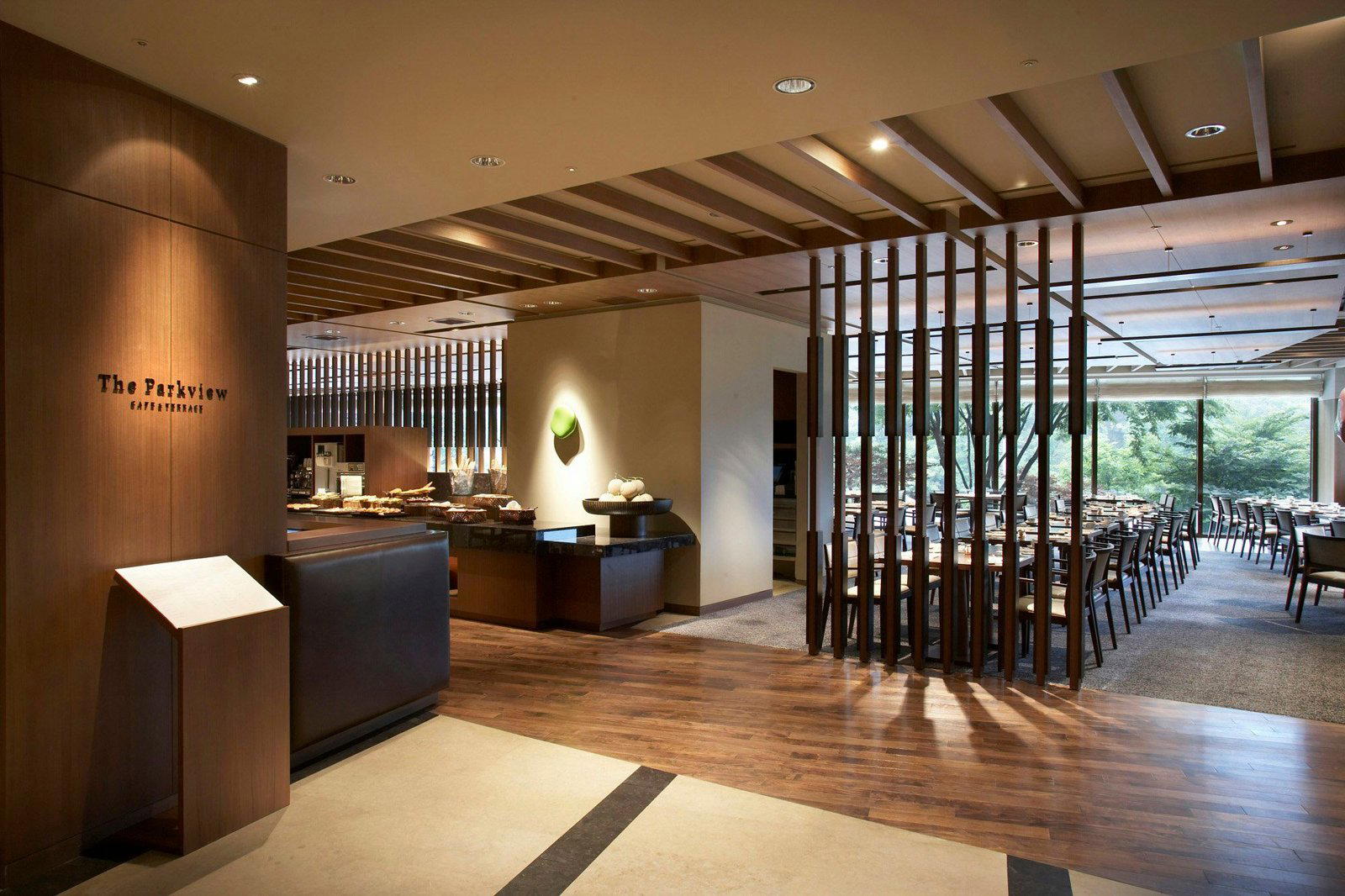
Seoul's Grand Hotel Tradition, Grounded in Place
Seoul's upper luxury tier has fragmented considerably over the past decade. International brands including the Four Seasons Hotel Seoul, Fairmont Ambassador Seoul, and Aman Seoul Cheongdam have arrived with their own architectural languages and brand loyalties. Against that backdrop, The Shilla Seoul operates from a different position: it is not a global chain's outpost in Korea, but a Korean institution that has been defining what luxury hospitality means in this city on its own terms. Membership in the Leading Hotels of the World network, shared by properties from Venice to New York, and a 97.5-point score on the La Liste Leading Hotels 2026 list confirm where the property sits among its international peers.
The address matters here. The hotel rises at 249 Dongho-ro in the Jung District, its mass positioned behind segments of Seoul's medieval city walls, with Namsan Mountain as its immediate backdrop and Jangchung-dan Park adjacent. This is not a hotel that landed in a generic commercial district; it is physically anchored to the geography that gave the city its historical identity. For travellers arriving from Tokyo or Bangkok who imagine Seoul as secondary, that context tends to recalibrate expectations quickly.
What the Building Communicates
The scale of the structure, 464 rooms across a property that spans basement retail through rooftop terraces, signals a different hospitality philosophy than the smaller, design-led properties that have entered Seoul's market more recently. Properties like Art Paradiso Boutique Hotel represent one end of the spectrum: limited keys, curated atmosphere, boutique credentials. The Shilla Seoul occupies the other: it is a full-service grand hotel in the classical sense, where the breadth of amenity is itself the proposition.
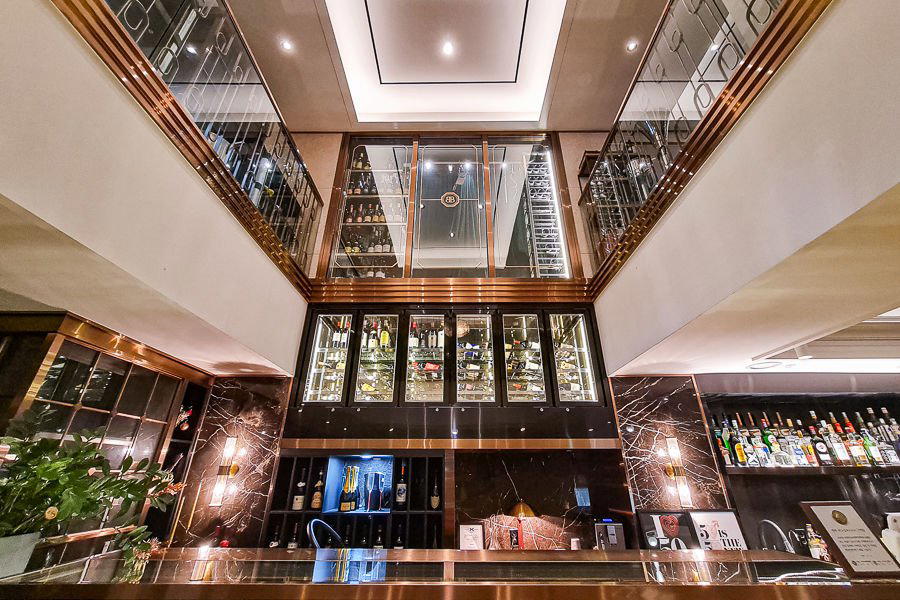
That breadth runs from a quiet luxury arcade in the basement and ground floor, where 17 shops including Hermès, Graff, and Moynat occupy space usually reserved for hotel lobbies, up through an indoor pool, wet sauna, gym, and a driving range and putting green. The Executive Lounge on the leading floor consolidates living room, dining room, lounge, and library functions into a single access-controlled tier for qualifying guests. This layered amenity structure is characteristic of grand hotels that have been absorbing business travel, leisure travel, and local social functions simultaneously for decades.
The Environmental Conversation Seoul's Hotels Are Having
Korean luxury hospitality has been slower than some regional peers to make sustainability a visible front-of-house priority. In markets like Singapore or Tokyo, carbon reporting, local sourcing commitments, and reduced single-use plastics have moved from optional gestures to baseline expectations among certain traveller segments. Seoul's leading hotels, including The Shilla, are operating in a city whose broader environmental ambitions have accelerated in recent years, the municipality's greenhouse gas reduction targets and green building certification frameworks are beginning to filter into how premium properties position themselves.
For a hotel of this scale, the sustainability conversation is partly about what 464 rooms and a multi-floor retail arcade represent in terms of operational footprint. The presence of extensive green space in the form of the adjacent Jangchung-dan Park and the hotel's own ten-acre sculpture garden is not a sustainability credential in itself, but it does reflect a site-planning philosophy that reserved urban land for non-built amenity rather than maximising floor area. Travellers prioritising environmental factors will find the specifics of The Shilla's operational programmes leading confirmed directly with the property, as detailed reporting on this front is not yet a consistent feature of Korean luxury hotel communications. What is documented is the physical setting: a mountain-adjacent, park-flanked site that makes green space integral to the stay rather than incidental to it.
Urban Island and the Local Social Function
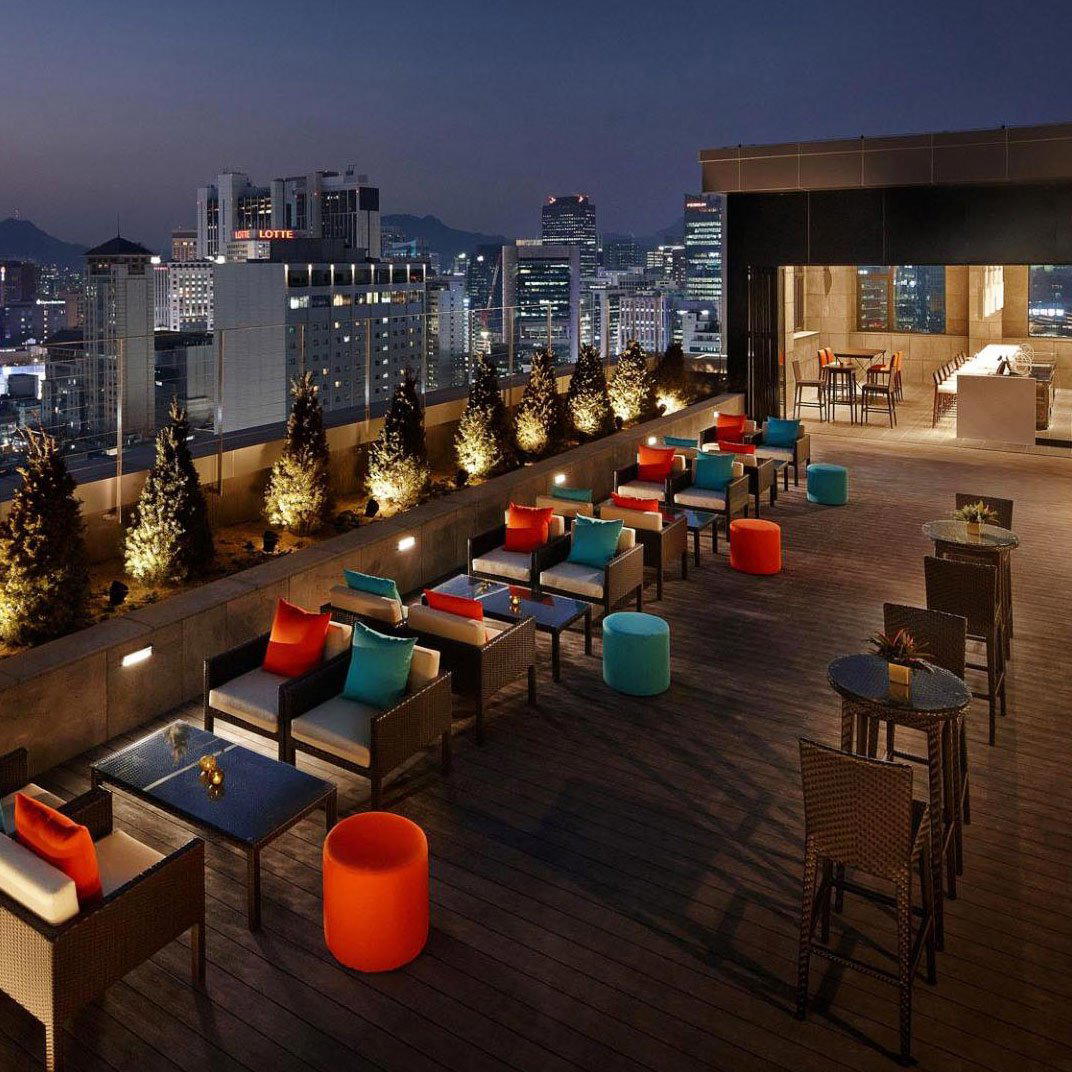
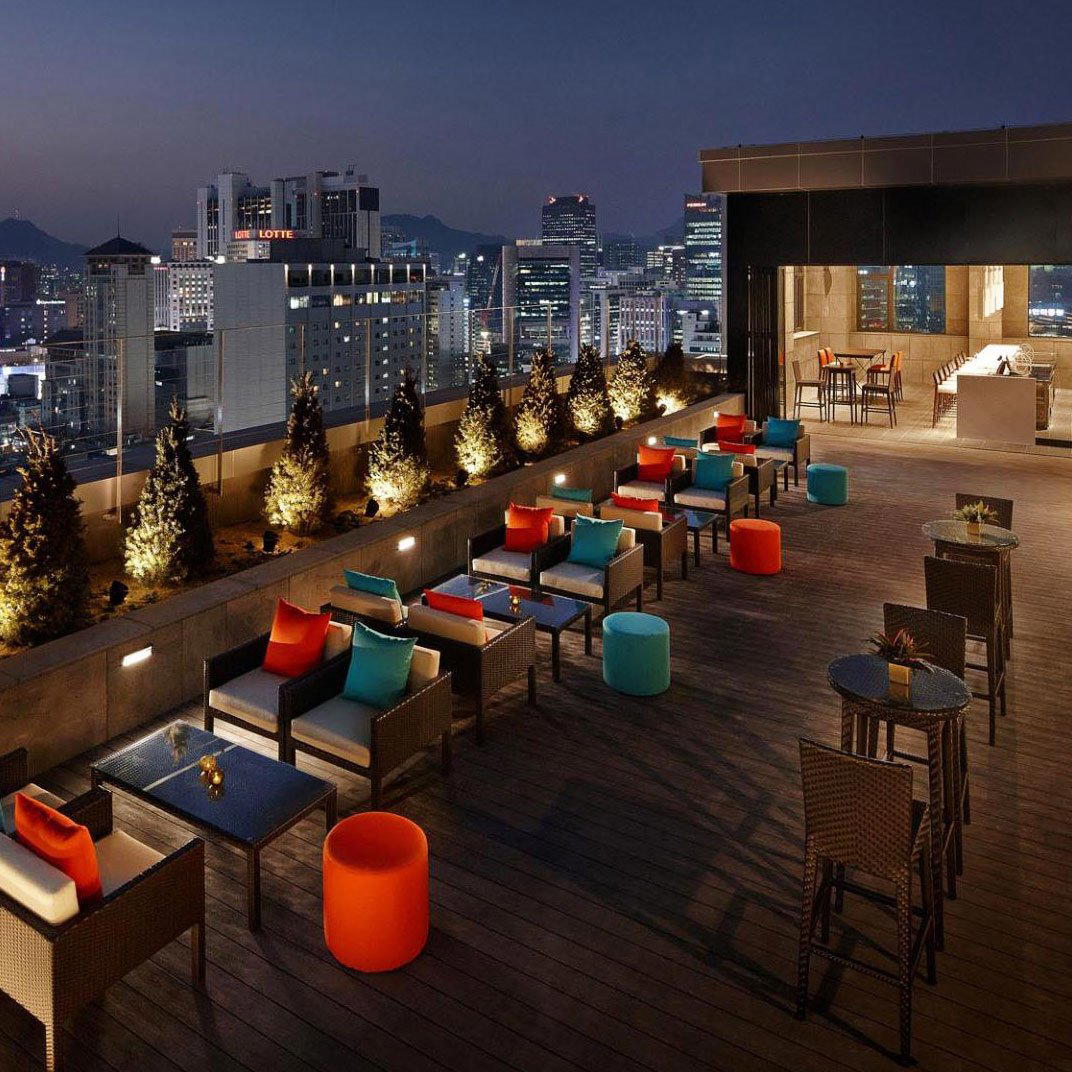
One of the clearer markers of a hotel's genuine integration into its city is whether local residents actually use it. The Urban Island on the third floor, with its outdoor pool, rooftop garden, and children's pool, draws a regular crowd from Seoul's affluent social tier through the spring and fall months. Moonlight swimming sessions at the outdoor pool operate in the evenings, adding an after-dark programming layer that appeals beyond overnight guests. This kind of local activation is something that newer international entrants to Seoul, including the Conrad Seoul and the Grand Hyatt Seoul, also pursue, but The Shilla's version has the advantage of an established social reputation rather than a cultivated one.
The Yeong Bin Gwan annex adds a further dimension. Modelled on a 14th-century Korean palace aesthetic, though the structure itself dates to the 1970s, it provides three function rooms that host celebrity weddings and private events when not otherwise occupied. This kind of ceremonial infrastructure ties the hotel into Seoul's social calendar in ways that purely guest-room revenue cannot replicate.
The Rooms: Material Choices and What They Signal
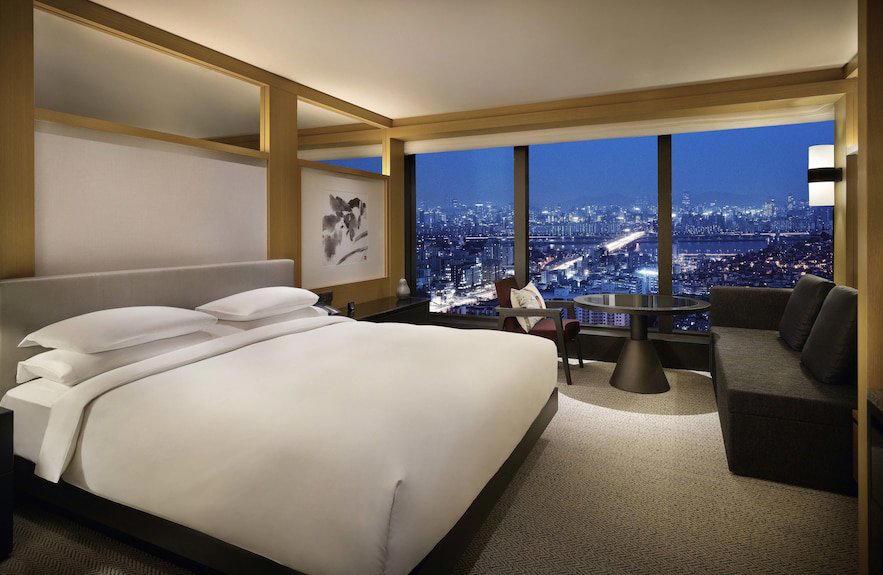
The room design language, dark wood furnishings, marble bathrooms, and private bars built into the walls in a yacht-style configuration, reads as a deliberate counter-position to the muted minimalism that defines many contemporary luxury openings. Bedding uses 100 percent Hungarian goose down, bathrooms are stocked with Molton Brown products, and Samsung Smart TVs run from 55 to 65 inches depending on category. These are not unusual specifications at this price tier, but the overall aesthetic registers as Korean in character rather than internationally generic, which is a meaningful distinction in a market where that authenticity is increasingly valued.
Shilla Suite, frequently occupied by visiting celebrities, is the property's most discussed accommodation. A dining room seating ten, an oversized living room, a kitchenette, a sauna, and a bathtub with a direct Namsan Mountain sightline make it the suite that gets referenced when the property is discussed at the top of the market. Entry-level pricing from $387 per night positions the standard rooms competitively against peers including the Banyan Tree Club and Spa Seoul, while the suite tiers occupy a separate bracket entirely.
Getting There and Getting Around
Hotel operates a complimentary shuttle to Dongguk University Subway Station, which connects to Seoul's broader metro network, and to the Myeong-dong and Dongdaemun neighbourhoods, both of which are relevant shopping and dining destinations. This logistical infrastructure matters in a city where traffic during peak hours can make taxis impractical. For guests arriving from Incheon International Airport, ground transfer services to properties in this tier are standard; the Art Paradiso Hotel in Incheon represents an alternative for travellers preferring to stage an airport-adjacent night before moving into the city.
For those extending travel beyond Seoul, the country's rail infrastructure makes day trips or onward travel accessible. The Ananti at Busan Cove and options in Jeju including the Grand Hyatt Jeju and JW Marriott Jeju Resort and Spa are natural next stops for travellers building a Korea itinerary from a Seoul base. Our full Seoul guide covers the wider restaurant and neighbourhood picture.
Comparison Snapshot
Comparable venues nearby, for context on price, style, and recognition.
| Venue | Cuisine | Price | Awards | Notes |
|---|---|---|---|---|
| The Shilla SeoulThis venue (the venue you are viewing) | Contemporary luxury hotel with timeless modern design aesthetic, blending Korean hospitality traditions with international five-star standards. | $300–500 | 1 Michelin Key · La Liste Top Hotels | Not listed |
| Josun Palace, a Luxury Collection Hotel, Seoul Gangnam | Timeless luxury hotel blending Korean heritage with modern sophistication by Humbert & Poyet. | Not listed | 1 Michelin Key · La Liste Top Hotels | Samseong-dong |
| Four Seasons Hotel Seoul | Contemporary Korean luxury with traditional influences and spacious accommodations | $300–500 | 2 Michelin Keys · La Liste Top Hotels | Sajik-dong |
| Conrad Seoul | Contemporary luxury hotel with cutting-edge technology and refined design, positioned as a first-class destination for informed travelers seeking premium comfort and wellness experiences. | $300–500 | Michelin Selected · La Liste Top Hotels | 상수동 |
| Fairmont Ambassador Seoul | Modern luxury hotel with panoramic river and city views | Not listed | 1 Michelin Key | 용강동 |
| Grand Hyatt Seoul | Luxury urban resort with extensive recreational facilities | $200–300 | Michelin Selected · La Liste Top Hotels | 이태원동 |
Recognition history
Dated appearances from independent guides and award organizations, with the underlying list record or original source where available.
Michelin 1 Key
Michelin
La Liste Top Hotels
La Liste
Forbes 5-Star
Forbes
Leading Hotels of World Member
Leading Hotels of World
Full recognition history (6 entries)
Forbes 5-Star
Forbes
Michelin 1 Key
Michelin
Continue exploring
More in Seoul
Hotels in Seoul
All hotels in Seoul →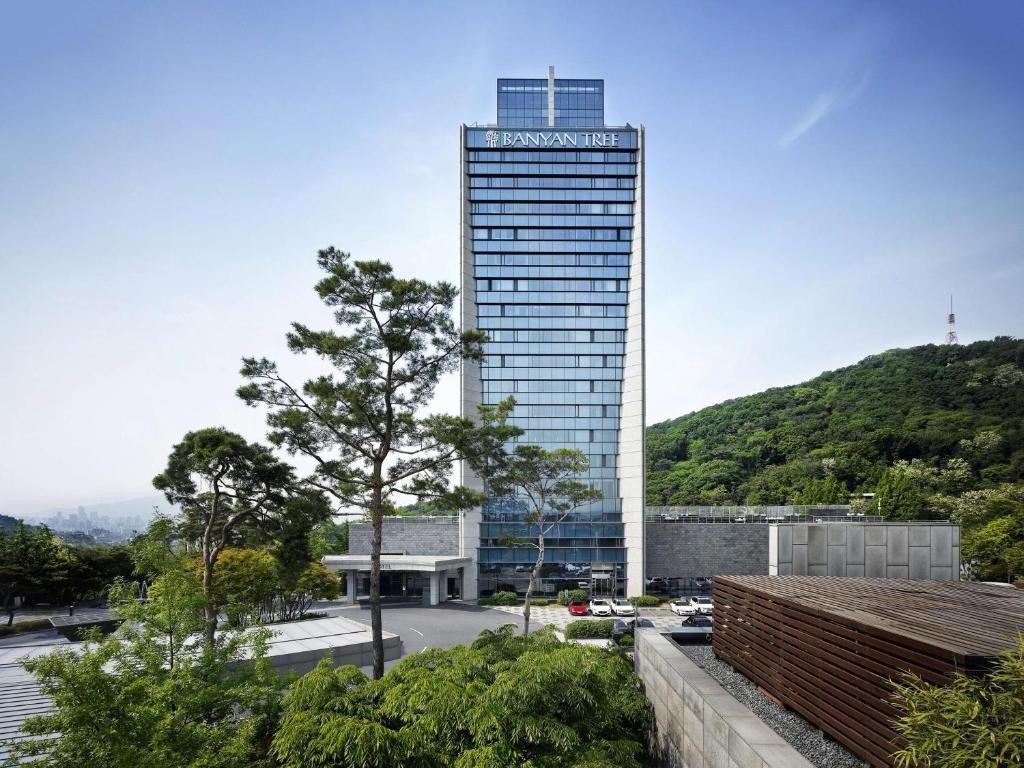
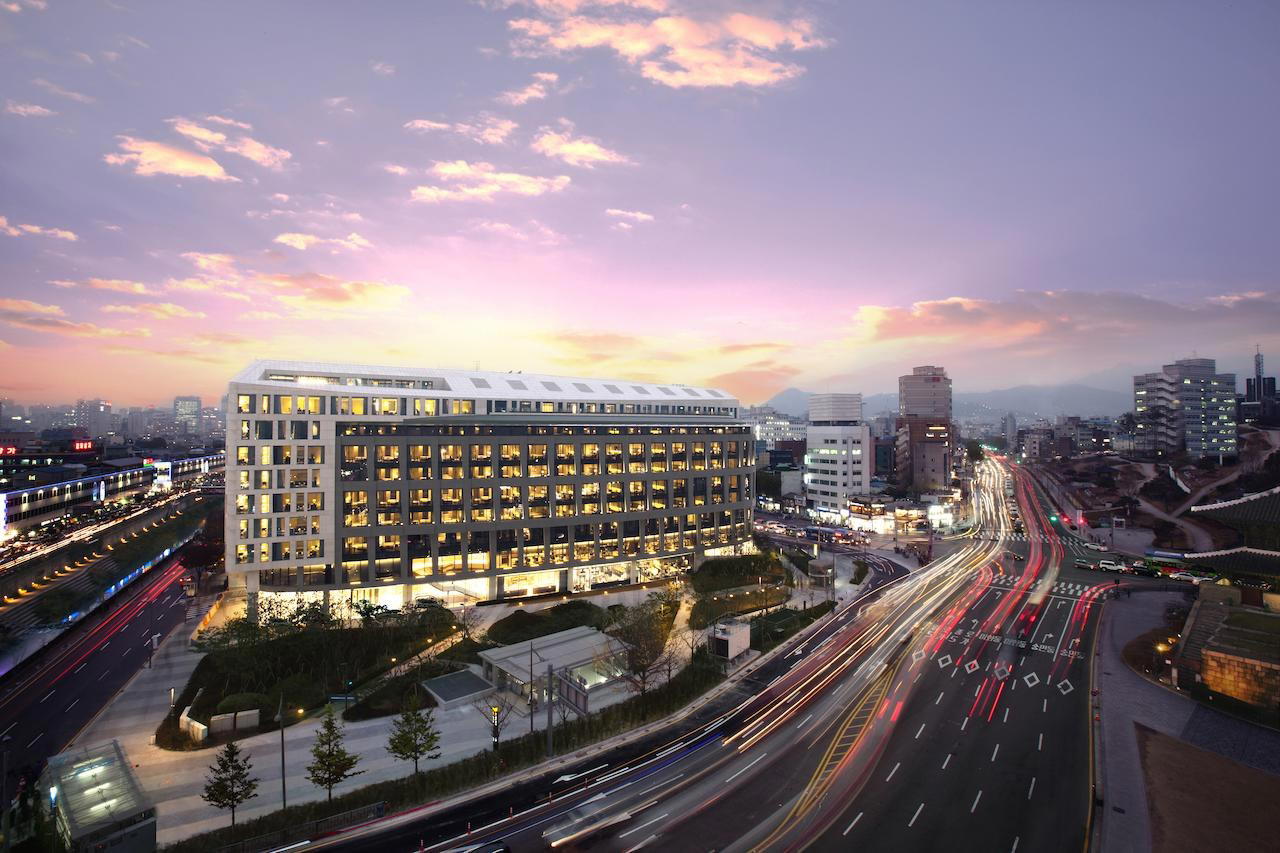
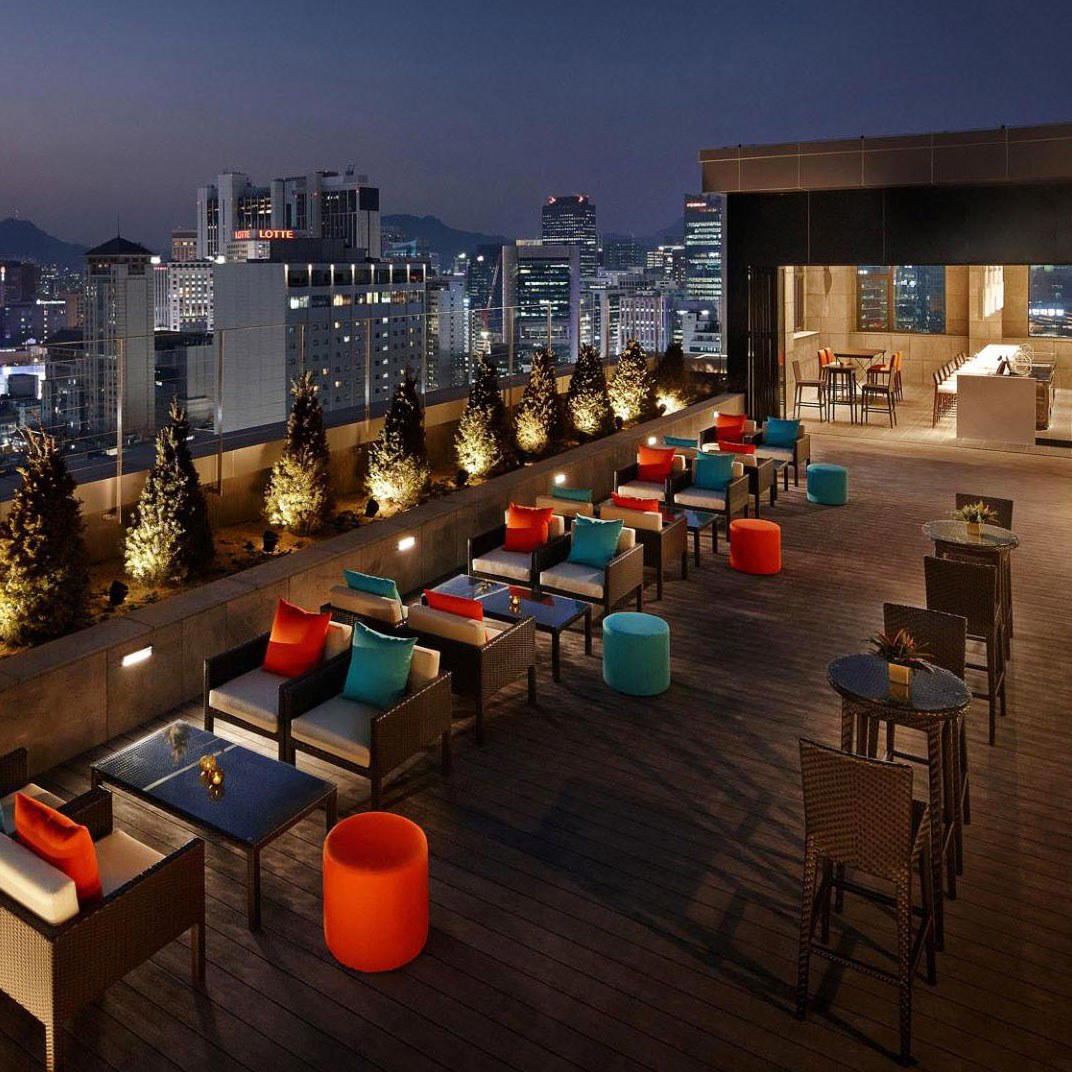
Bars in Seoul
All bars in Seoul →
Details
- Elegant
- Sophisticated
- Modern
- Well Known
- Business Trip
- Romantic Getaway
- Celebration
- Destination Wedding
- Wellness Retreat
- Destination Spa
- Garden
- Panoramic View
- Rooftop Pool
- Private Dining
- Design Destination
- Wi Fi
- Pool
- Spa
- Fitness Center
- Room Service
- Concierge
- Business Center
- Valet Parking
- Restaurant
- Bar
- Sauna
- Hot Tub
- Mountain
- Garden
- Wheelchair Accessible
- Elevator
- Accessible Parking
- Accessible Restroom
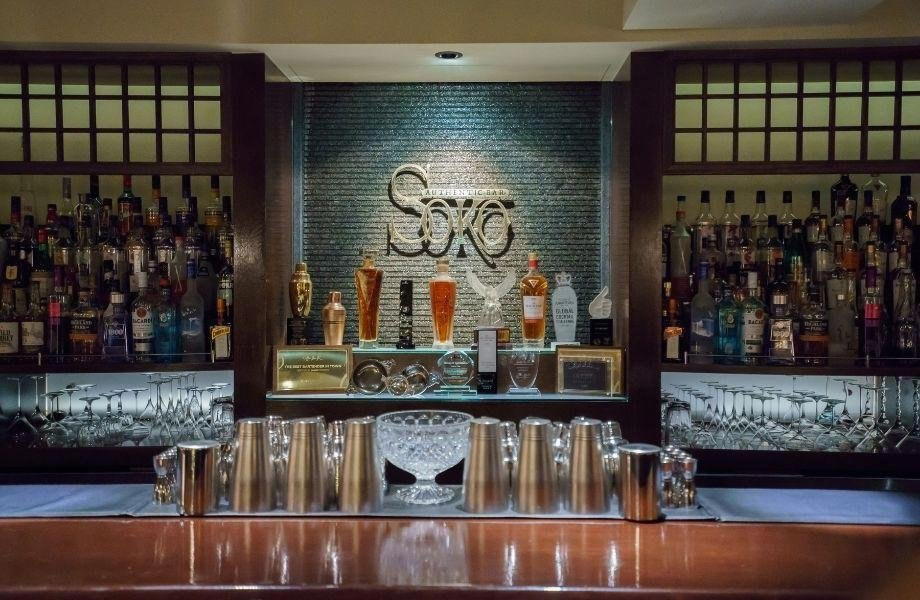
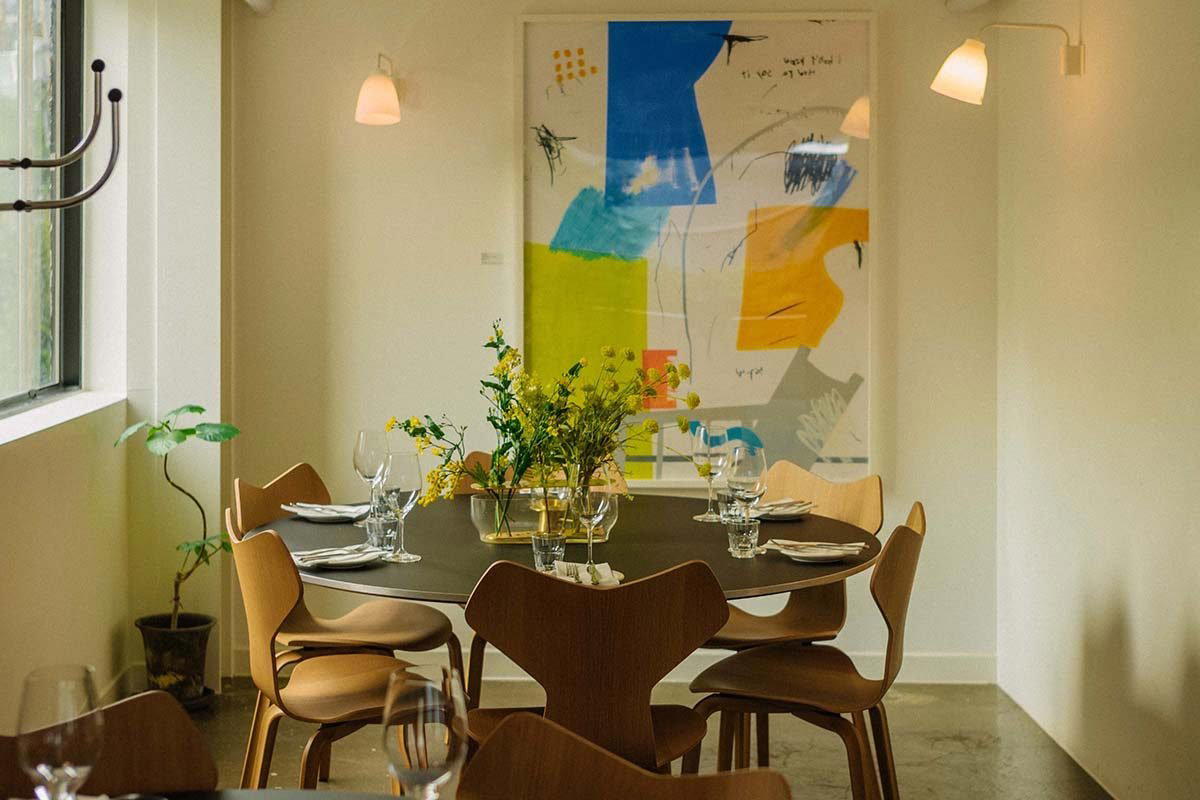
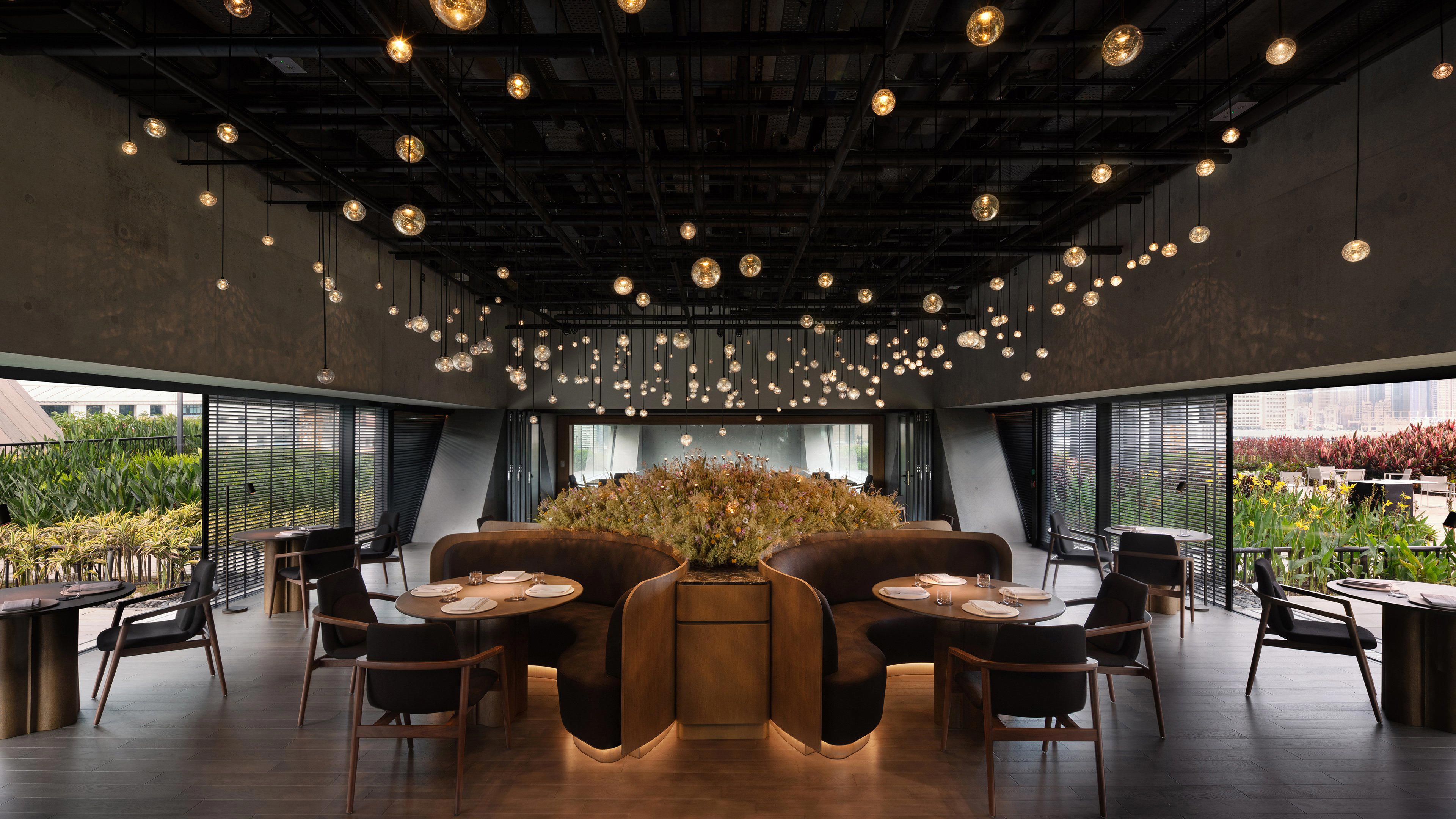
Timeless modern luxury with bright, well-lit spaces featuring premium furnishings, soft ambient lighting in lounges, and serene garden views throughout the property.