Grand Hyatt Jeju


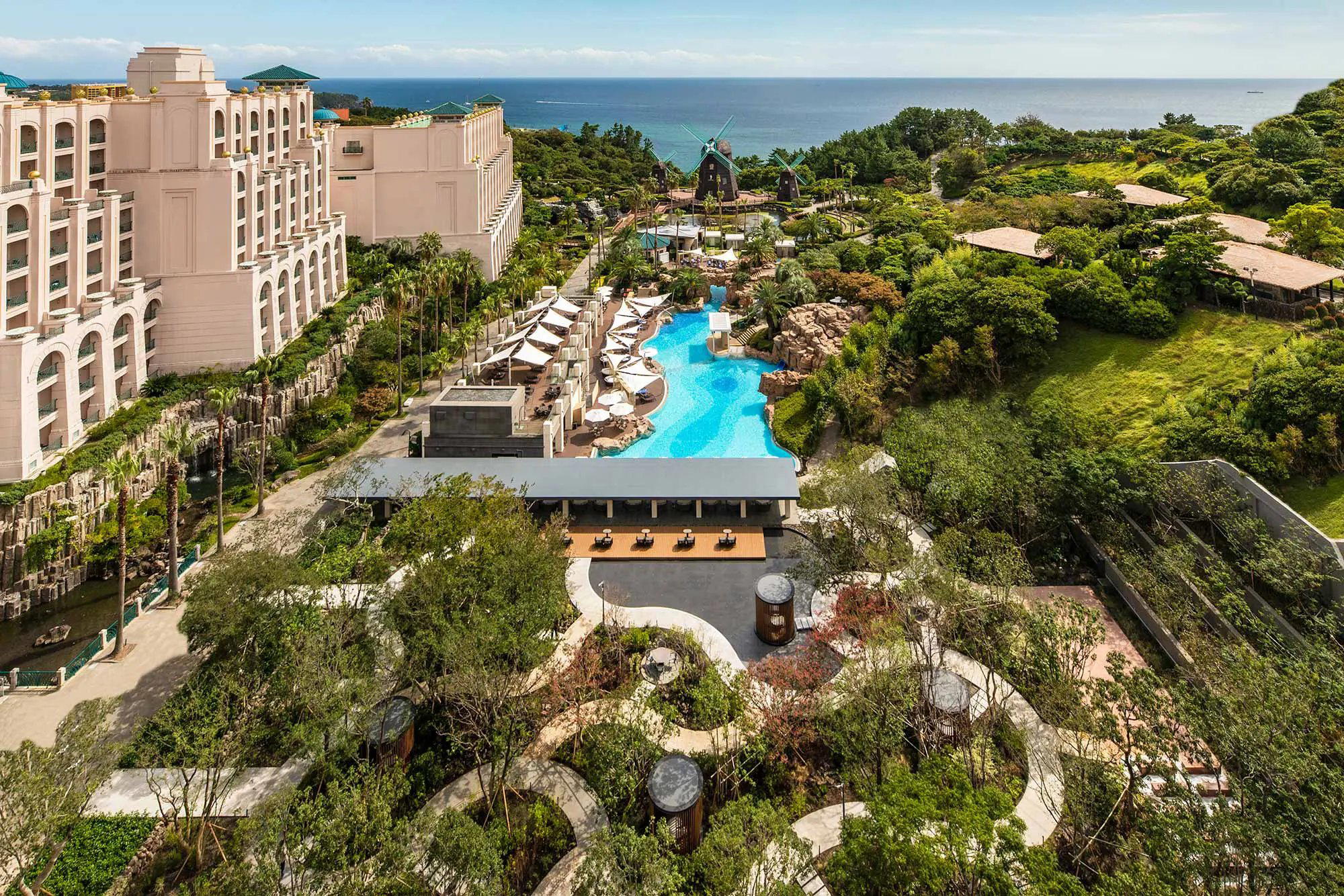
Grand Hyatt Jeju occupies a prominent position on South Korea's premier island destination, earning 90 points in the La Liste Top Hotels 2026 ranking. The property represents the large-scale international flagship tier within Jeju's increasingly competitive luxury accommodation market, where volcanic landscapes and resort infrastructure have drawn sustained investment from global hotel groups.
Pearl is the En Primeur Club membership app — saves, bookings, and concierge access live there. Same editors, same standards.
- Address
- 12 Noyeon-ro, Cheju, Jeju-do
- Phone
- +82 64-907-1234
- Website
- hyatt.com
- Directions
- Get directions
 Saves & bookings on Pearl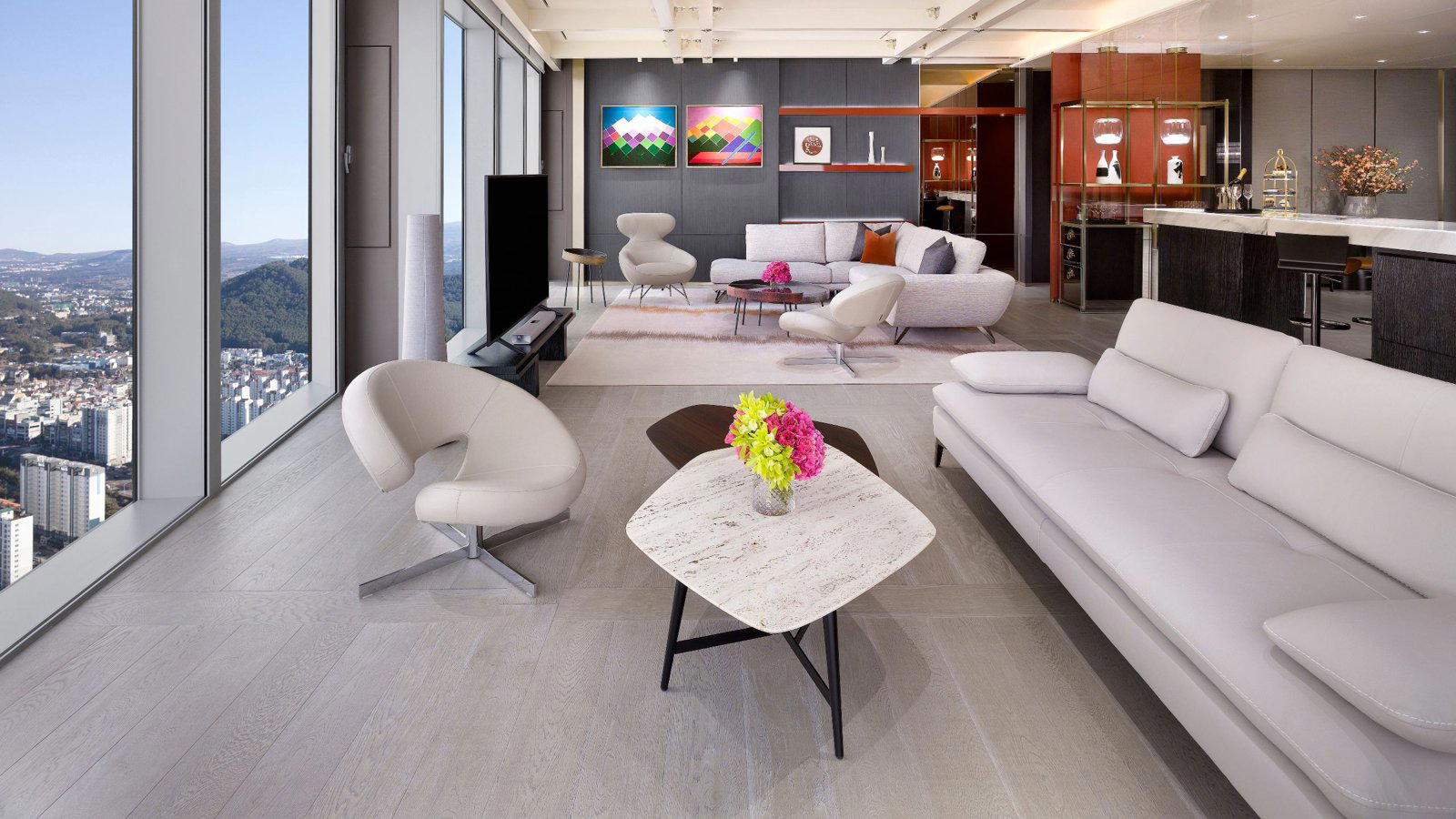
Where Jeju's Resort Scale Meets International Positioning
Jeju Island operates on a different register than South Korea's mainland hotel market. Where Seoul's premium properties, including Casino Hotel Seoul and the cluster of luxury flags around Gangnam, compete primarily on urban convenience and business infrastructure, Jeju demands something else entirely. The island's draw is environmental: a UNESCO-designated volcanic landscape with distinct coastal and highland character, a climate that separates it from the peninsula's winters, and a domestic tourism infrastructure that has attracted sustained investment from international hotel groups across the past two decades. Grand Hyatt Jeju, at 12 Noyeon-ro in Cheju, sits within this investment wave as one of the island's most prominently scaled international properties.
The Architecture of Scale in a Landscape Property
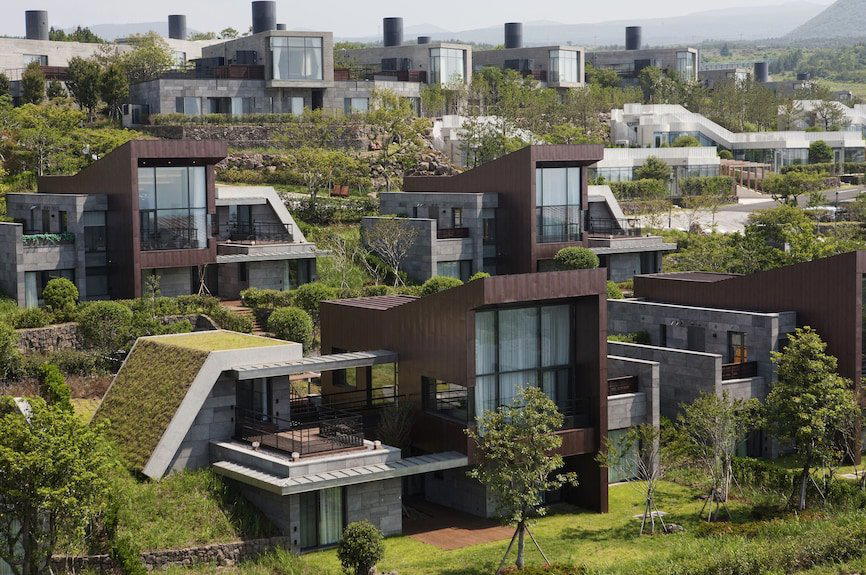
Jeju's premier resort corridor has developed around properties that use the island's geography as an active design element rather than passive backdrop. The volcanic coastline, basalt formations, and oreum (parasitic cones) that define the island's silhouette create a design brief that smaller boutique properties, like the design-led cohort represented by Parnas Hotel Jeju, approach through restraint and material intimacy. Large international flags on the island, by contrast, tend to position their scale as an amenity in itself: extensive grounds, multiple dining formats, spa and sports facilities that justify the footprint. Grand Hyatt Jeju operates in this larger-footprint tier, where the physical presence of the property is part of its competitive identity.
This architectural approach places Grand Hyatt Jeju in dialogue with a specific subset of international resort development, properties where the building program is substantial enough to function as a destination within the destination. Internationally, this model has been executed across Southeast Asia and the Pacific, where resort scale allows for the kind of internal programming, pools, multiple restaurant concepts, dedicated event space, landscaped grounds, that makes the property self-sufficient across a multi-day stay. On Jeju, where the island's own attractions pull guests outward, large resort formats must balance internal amenity with access to the volcanic trails, coastal drives, and cultural sites that define the island experience.
Jeju's Competitive Hotel Tier in 2025 and 2026
South Korea's luxury hotel sector has deepened considerably since the early 2010s. On the mainland, Seoul's premium bracket now includes properties benchmarked against international peers such as Aman New York, Cheval Blanc Paris, and Bvlgari Hotel Tokyo in terms of service and design ambition. Jeju's leading end has developed along a parallel but distinct track, driven partly by domestic leisure demand and partly by the island's status as an international transit and MICE destination. The result is a market where large international flags hold significant volume and recognition while smaller, design-led properties pursue a different positioning.
The hotel's La Liste 90-point score places it inside the recognized top tier of the island's accommodation offer. La Liste's methodology draws on a wide range of international restaurant and hotel guides. For the region more broadly, properties across South Korea show a similar split: Jeju's luxury hotels tend to anchor their identity in landscape access and resort scale, while mainland properties compete more on urban proximity and dining sophistication.
The island's southern city, Seogwipo, has developed as a secondary luxury corridor to the north's Jeju-si. This geographic split means travelers to Jeju face a genuine locational decision when booking: northern properties offer closer proximity to Jeju International Airport and the city's commercial infrastructure, while southern properties sit nearer to Hallasan National Park and the island's more dramatic coastal formations.
Jeju International Airport connects the island directly to Seoul's Gimpo and Incheon airports, with flight times under an hour, making Jeju accessible as a long weekend destination for mainland travelers. Direct international connections from China and Japan have also historically been a factor in the island's hotel demand profile, though domestic Korean tourism accounts for the largest share of leisure traffic. For international travelers routing through South Korea, Jeju pairs efficiently with a Seoul base; for context on what that mainland leg of a trip looks like in accommodation terms, Dormy Inn Seoul Gangnam represents the accessible end of the Seoul market while the city's luxury flags cover the upper tier.
Seasonality on Jeju matters more than in Seoul. Spring (late March through May) and autumn (September through November) deliver the island's most stable conditions, with cherry blossom on the lower slopes in April and foliage color in October. Summer brings high humidity and typhoon risk alongside peak domestic demand, which compresses availability at the island's recognized properties. Winter is mild by Korean standards but sees significantly reduced visitor volume, which can translate to better rate availability at larger properties that price against occupancy.
Travelers considering other Korean coastal and mountain escapes alongside Jeju have a range of alternatives across the peninsula. Kensington Hotel Seorak in Sokcho puts guests in range of Seoraksan National Park in the northeast. Oakwood Lagoon Town Gangneung and Gangwon-do in Hongcheon extend the Gangwon coastal and highland circuit, while South Cape Owners Club in Namhae on the southern coast offers a landscape-anchored alternative for those not committed to the island format. For unusual island experiences further afield, KOSMOS ULLEUNGDO in Ulleung-gun represents an extreme-end option on Ulleungdo, the remote volcanic island in the East Sea.
Booking for the hotel follows standard international hotel protocols via the Hyatt system, with the property's La Liste recognition suggesting sustained demand during peak seasonal windows. Travelers with flexible dates who want to avoid compressed availability should consider the shoulder months; those locked to summer or holiday periods should treat early booking as the default position rather than an option.
A Quick Peer Check
Comparable venues nearby, for context on price, style, and recognition.
| Venue | Cuisine | Price | Awards | Notes |
|---|---|---|---|---|
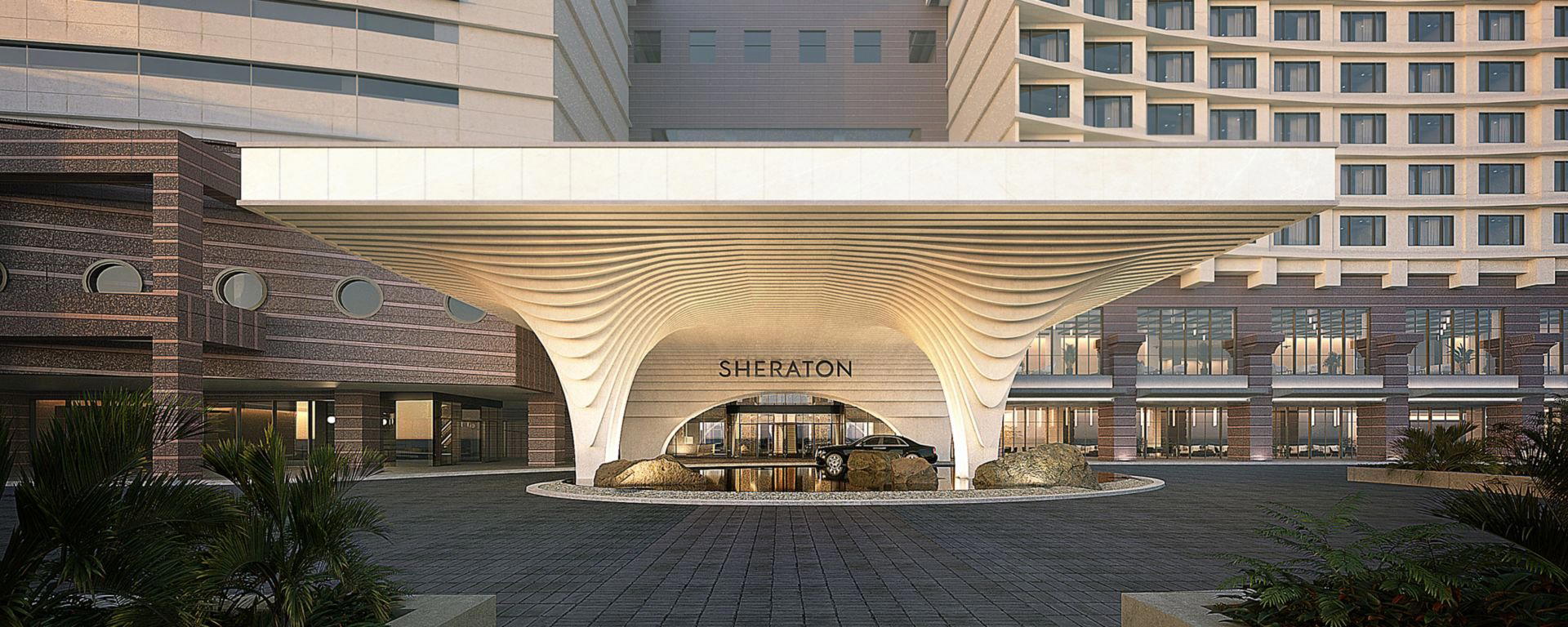
| Grand Hyatt JejuThis venue — the venue you are viewing | Well-known twin-tower integrated resort landmark combining luxury hospitality with modern Korean lifestyle and retail experiences. | $$$$ | 5-Star | Not listed |
| Parnas Hotel Jeju | Modern beachfront resort with spacious suites and club-level luxury. | $$$ | 5-Star | Jungmun |
| Parnas Hotel Jeju | Luxury beachside resort blending history and modern luxury. | $$$$ | 5-Star | Jungmun |
| L’Escape, a Luxury Collection Hotel, Seoul Myeongdong | French-romantic boutique luxury hotel positioned as a Parisian escape in the heart of Seoul. | $$$$ | 5-Star | Myeongdong |
| Lotte Resort Jeju Art Villas | Architecturally designed luxury villas | $$$$ | 5-Star | Seogwipo-si |
| Sofitel Ambassador Seoul Hotel | Modern luxury French-inspired sanctuary with serviced residences | $$$$ | 5-Star | Jamsil |
Recognition history
Dated appearances from independent guides and award organizations, with the underlying list record or original source where available.
La Liste Top Hotels
La Liste
Michelin Selected
Michelin

At a Glance
- Modern
- Elegant
- Sophisticated
- Scenic
- Family Vacation
- Romantic Getaway
- Business Trip
- Wellness Retreat
- Celebration
- Infinity Pool
- Rooftop Pool
- Destination Spa
- Panoramic View
- Private Dining
- Garden
- Wi Fi
- Pool
- Spa
- Fitness Center
- Room Service
- Concierge
- Business Center
- Valet Parking
- EV Charging
- Kids Club
- Restaurant
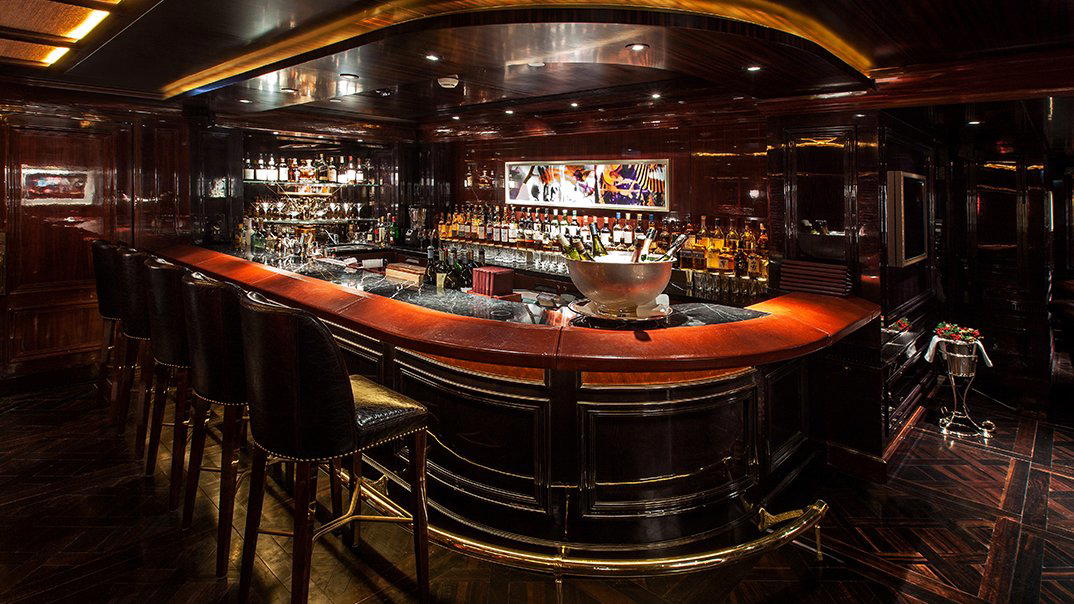
- Bar
- Skyline
- Mountain
- Waterfront
- Wi Fi
- Pool
- Spa
- Fitness Center
- Room Service
- Concierge
- Business Center
- Valet Parking
- EV Charging
- Kids Club
- Restaurant
- Bar
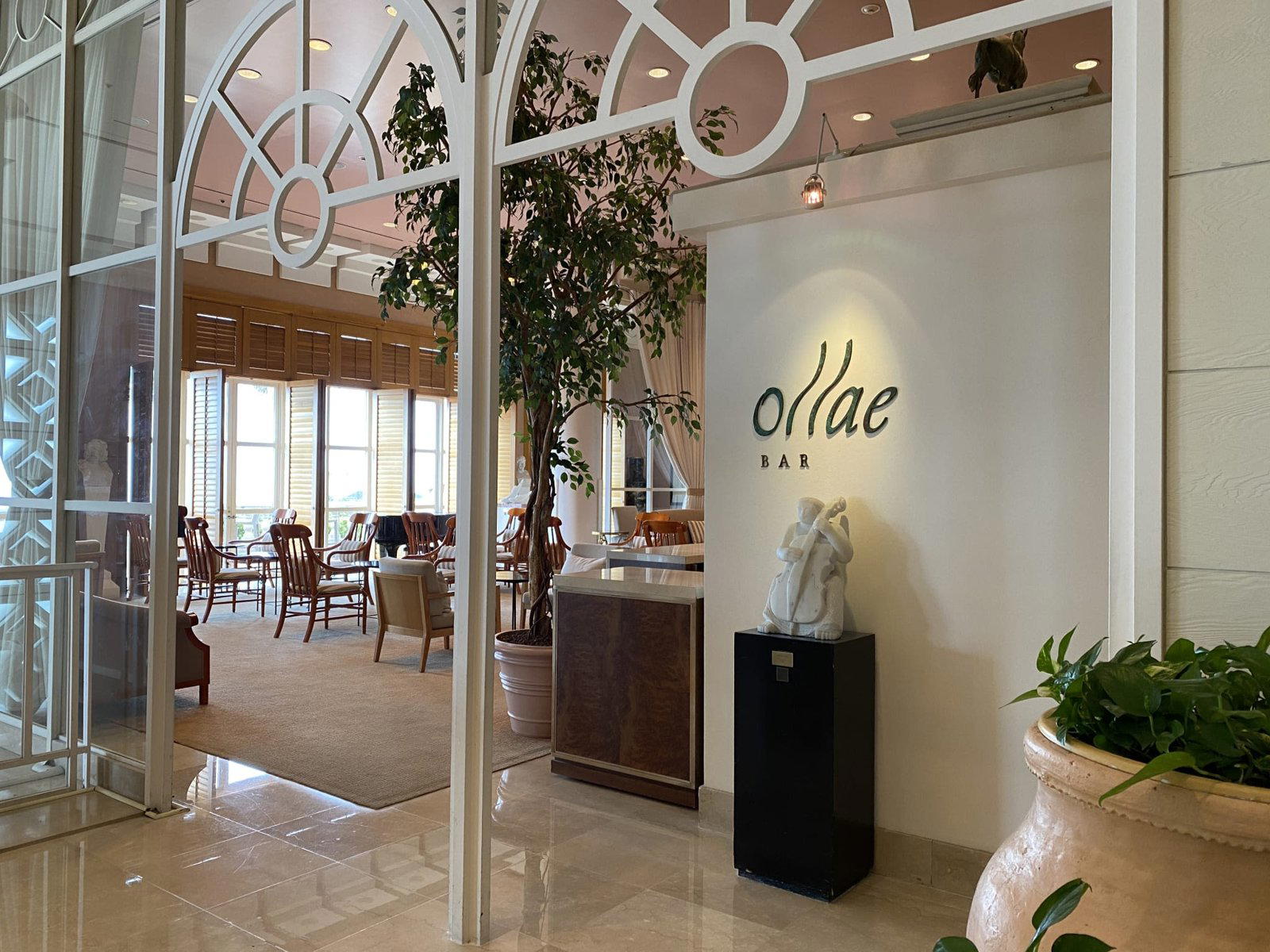
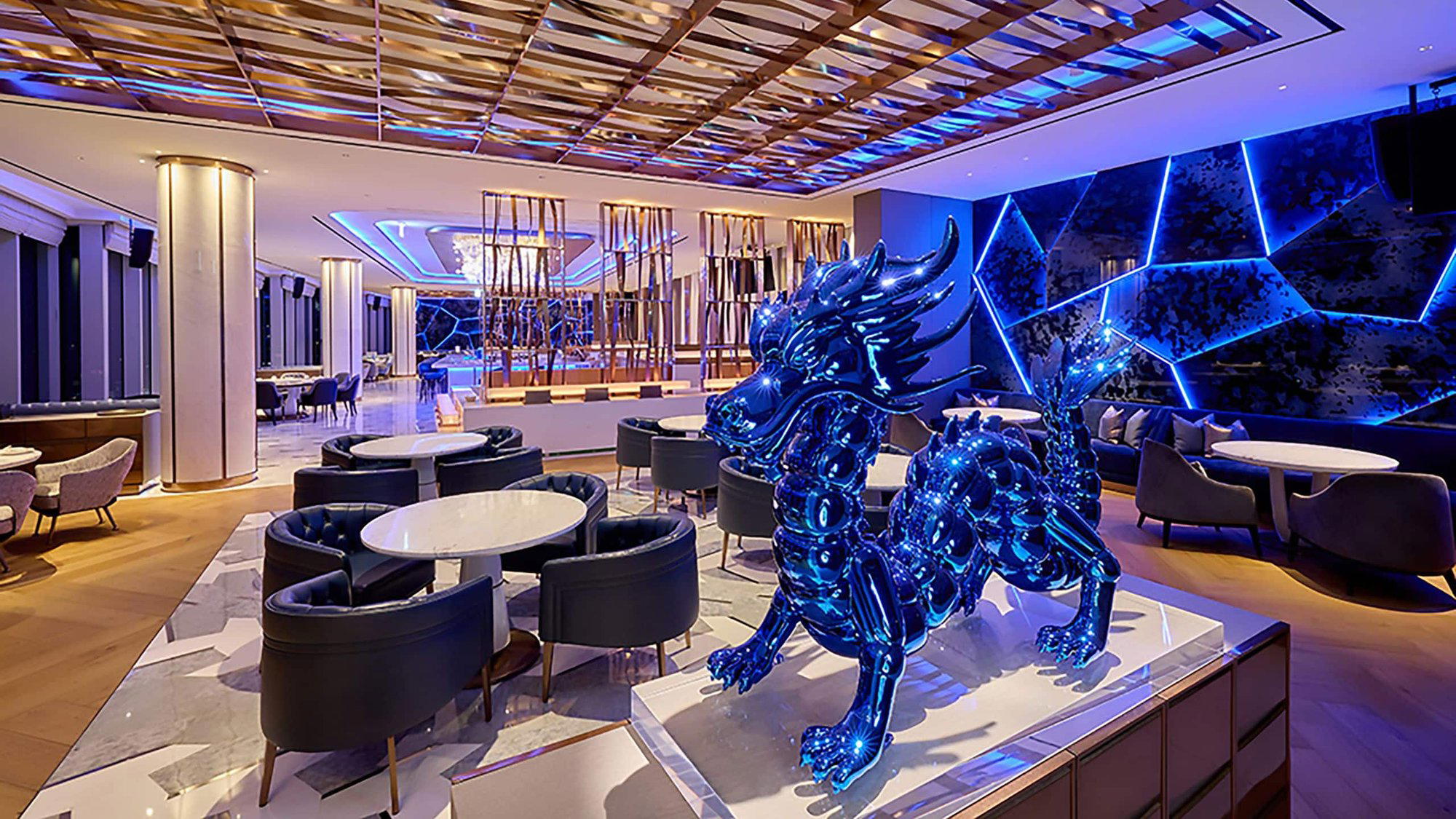
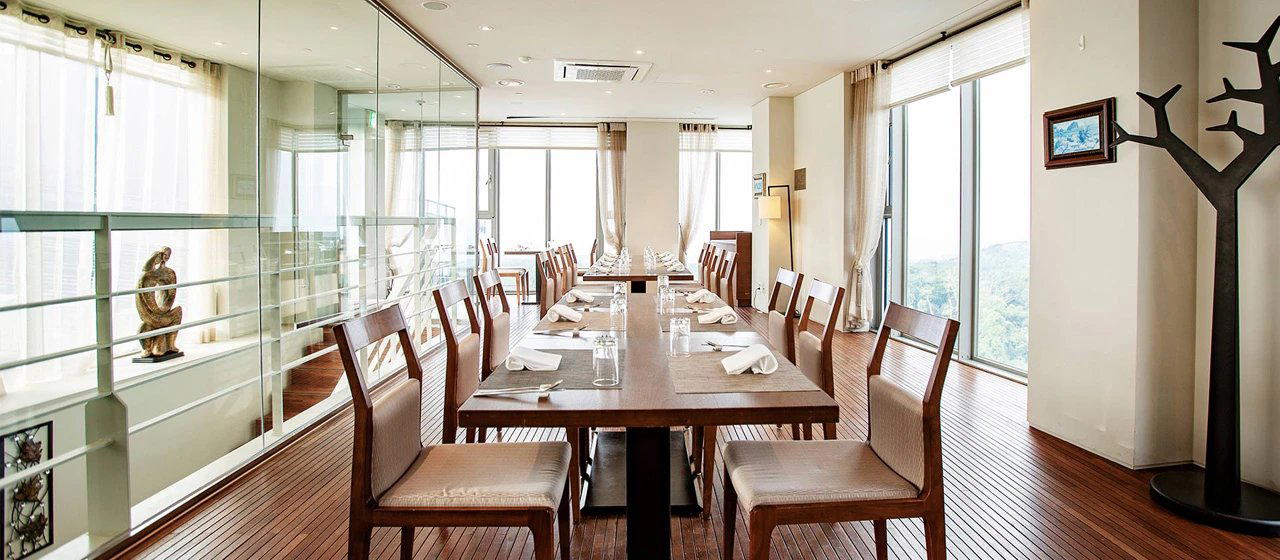
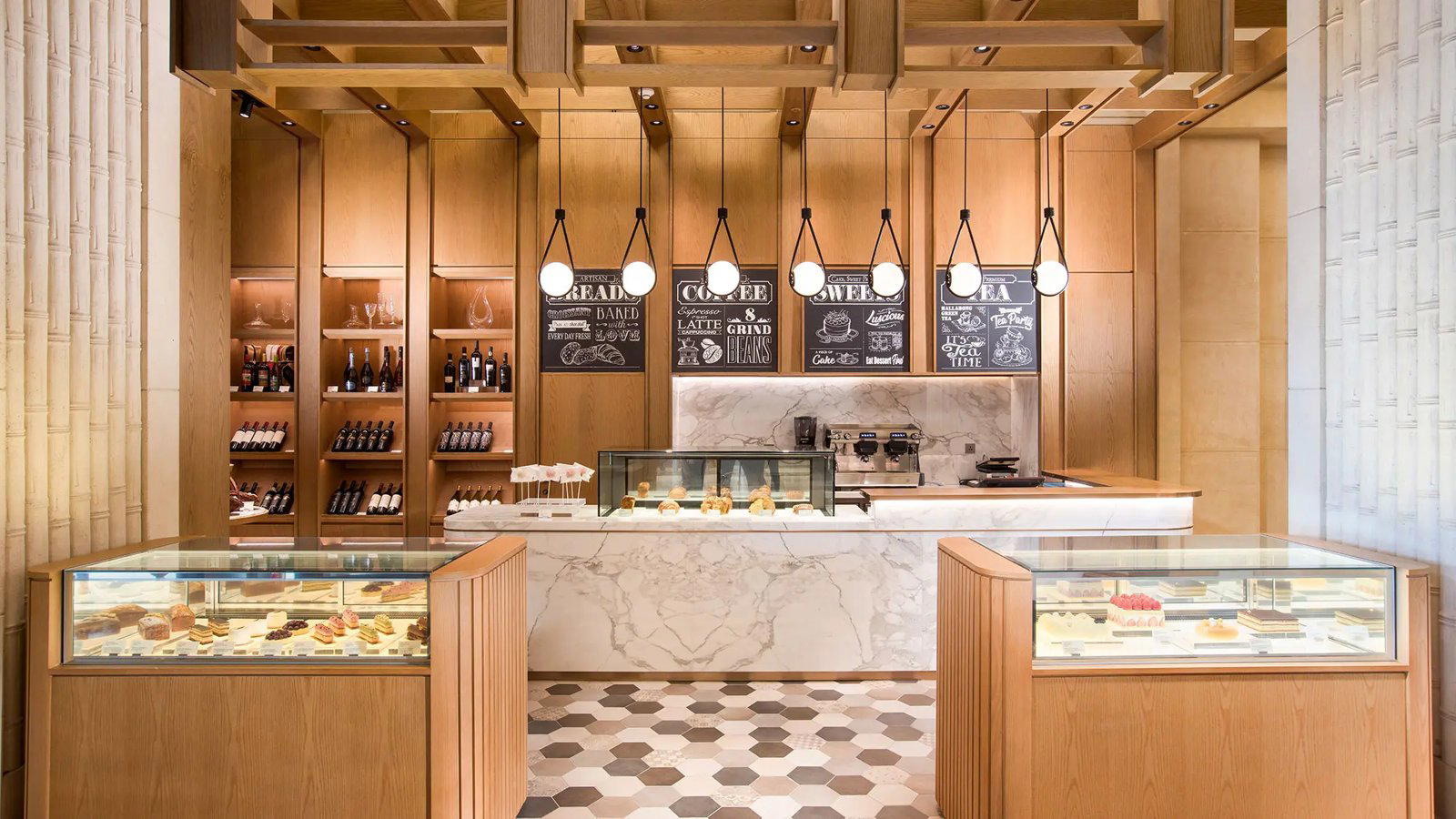
Contemporary luxury with sophisticated lighting, warm pendant accents, and floor-to-ceiling windows offering panoramic views of Jeju Sea and Hallasan Mountain; spacious, light-filled interiors with modern Korean design elements.