Gong-Gan

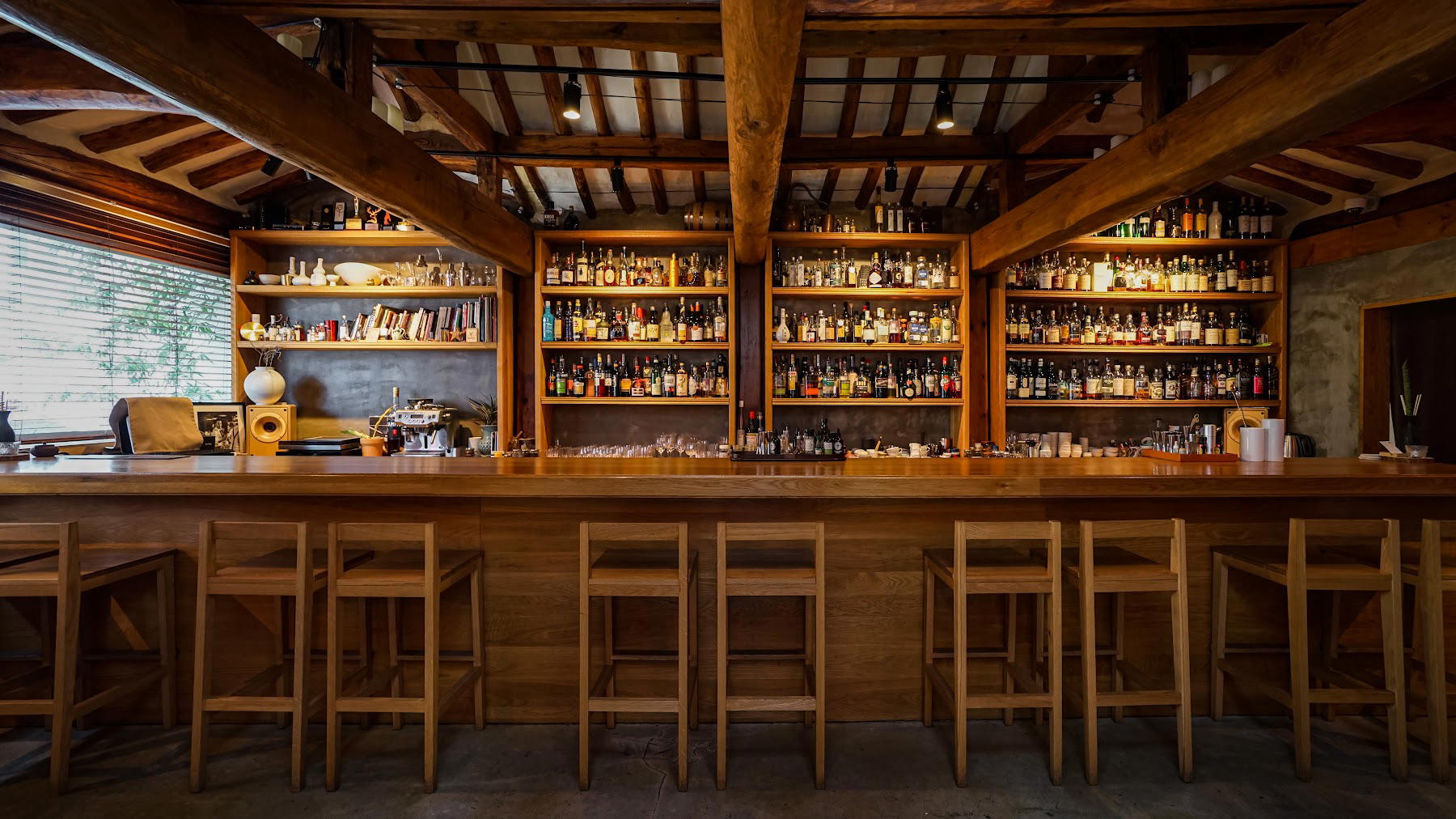
In the historic alleys of Anguk-dong, Gong Gan has climbed from #89 to #63 in Asia's Best Bars in a single year, placing it among a small cohort of Seoul bars drawing serious international attention. The program draws on Korean ingredients and tradition rather than imported frameworks, making it a meaningful reference point for understanding where Seoul's cocktail scene is heading.
Pearl is the En Primeur Club membership app — saves, bookings, and concierge access live there. Same editors, same standards.
- Address
- 66-4 Yulgok-ro 3-gil, Anguk-dong, Jongno District, Seoul
- Phone
- +82 2-723-3664
- Website
- guilhotinabar.com.br
- Directions
- Get directions
 Saves & bookings on Pearl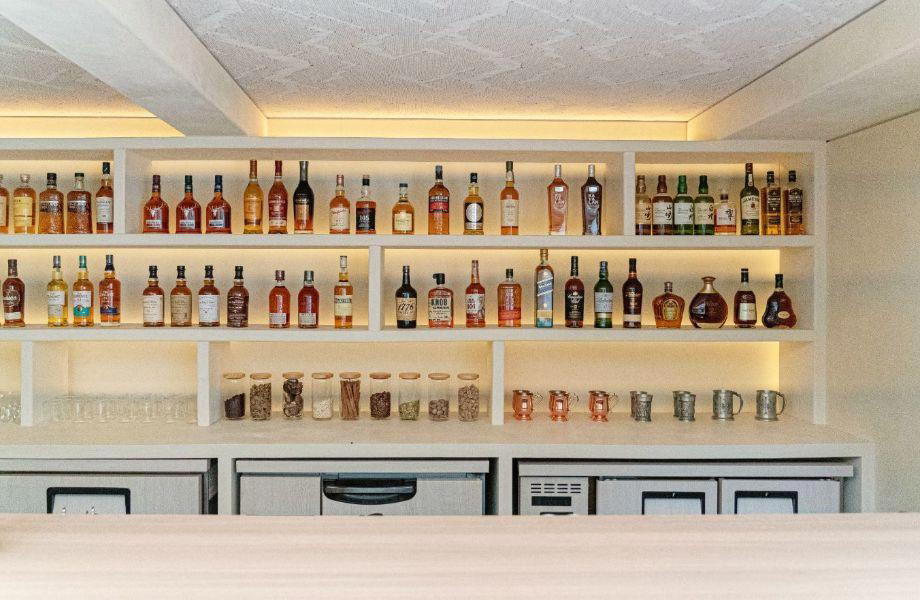
Anguk-dong and the Case for Historically Rooted Bars
The neighbourhood around Anguk Station operates on a different register from Itaewon or Gangnam. Hanok rooftiles run in parallel lines between the alleys, the streets narrow quickly off the main road, and the pace of movement is slower. This is Jongno District, one of the oldest inhabited parts of Seoul, and bars that open here tend to make an implicit statement about where they draw their references from. Gong Gan, at 66-4 Yulgok-ro 3-gil, sits inside this context deliberately. The approach, the architecture, and the sourcing logic all reflect an address that carries cultural weight long before any cocktail arrives.
Seoul's cocktail bar scene has matured quickly. The first wave leaned heavily on Japanese bar technique and Western spirits canon. The current tier is more confident about Korean identity: fermented ingredients, native botanicals, seasonal produce pulled from specific Korean growing regions. Bars in this camp do not use local ingredients as a styling flourish, they use them as a structural argument about what Korean cocktails can be. Gong Gan belongs to this second current, and its trajectory on the international rankings confirms that the argument is being heard.
What the Rankings Actually Signal
Asia's Leading Bars ranked Gong Gan at #89 in 2024 and #63 in 2025, a 26-place climb in a single cycle. The Top 500 Bars list places it at #458 globally for 2025. A jump of that size, in one year, on a list as competitive as Asia's Leading Bars, indicates a bar that has moved from being noted to being considered.
For context, Seoul now has multiple entries across Asia's Leading Bars. Charles H operates at the luxury hotel tier. Alice Cheongdam and Bar Cham sit within the Gangnam and Cheongdam corridor, where a different clientele and aesthetic logic applies. Bar D. Still represents the more spirit-focused, minimalist end of the Seoul spectrum. Gong Gan's Anguk-dong location places it in a distinct comparable set from all of these, smaller, quieter, and more historically embedded.
Ingredient Logic as Structural Principle
The editorial angle that matters most at bars like Gong Gan is sourcing as premise. Korean drinking culture has always been tied to agricultural cycles, makgeolli production varies with rice harvests, seasonal side dishes define when and how spirits are consumed, and temple food traditions have long used fermentation as a preservation and flavour tool. The bars that are drawing international attention in Seoul now are the ones treating this tradition as raw material rather than decoration.
When a bar in Anguk-dong reaches for Korean ingredients, it is not reaching far. Nearby markets and suppliers shape what a program like Gong Gan's can plausibly attempt. The proximity to suppliers who work with gochujang, doenjang, wild herbs, and regionally specific ferments is not incidental, it shapes what a program like Gong Gan's can plausibly attempt. Specificity of sourcing produces specificity of flavour, and that specificity is what makes a cocktail program legible as Korean rather than generically Asian.
Across South Korea more broadly, this sourcing logic is visible in bars reaching critical recognition beyond Seoul. Muyongdam in Jeju Si works within an island ingredient context that is entirely its own. Climat in Busan operates with the coastal and port-city sourcing palette that port cities enable. Anjuga in Ansan Si and Regency Club in Incheon reflect how this ingredient-led bar thinking has distributed itself beyond the capital. The Korean bar scene is not concentrated in Seoul alone, and Gong Gan's standing is best understood as part of a national movement rather than a single-city phenomenon.
The Anguk-dong Visit: What to Know Before You Go
The Anguk-dong address is direct to reach from central Seoul, Anguk Station on Line 3 puts the bar within walking distance. The neighbourhood warrants time before or after any bar visit.
Reservations are recommended. Walk-in availability on weekends is not guaranteed. The building's historic-neighbourhood character also limits seat count relative to larger bar formats, which tightens capacity further. Visiting mid-week or arriving early in the evening improves the odds. Bar Leather Apron in Honolulu and Jewel of the South in New Orleans represent the closest analogue in terms of historically rooted, ingredient-specific cocktail programs in architecturally significant settings. Seuwichi in Heungdeok offers another Korean regional data point for those building a broader itinerary.
At-a-Glance Comparison
Comparable venues nearby, for context on price, style, and recognition.
| Venue | Cuisine | Price | Awards | Notes |
|---|---|---|---|---|
| Gong GanThis venue — the venue you are viewing | cocktail_bar | $$$ | World's 50 Best #63 | Not listed |
| Bar D. Still | cocktail_bar | $$$ | World's 50 Best #44 | 연남동 |
| Keepers | speakeasy | $$$ | World's 50 Best #47 | 압구정동 |
| Soko | cocktail_bar | $$$ | World's 50 Best #46 | 한남동 |
| Southside Parlor | cocktail_bar | $$ | World's 50 Best #37 | 이태원동 |
| Pine & Co | speakeasy | $$$ | World's 50 Best #50 | 압구정동 |
Recognition history
Dated appearances from independent guides and award organizations, with the underlying list record or original source where available.
World's 50 Best Asia's Best Bars #74
World's 50 Best
Tatler Listed in Best Bars Asia-Pacific
Tatler
Top 500 Bars Best Bars #458
Top 500 Bars
World's 50 Best Asia's Best Bars #63
World's 50 Best
World's 50 Best Asia's Best Bars #89
World's 50 Best
Continue exploring
More in Seoul
Restaurants in Seoul
Browse all →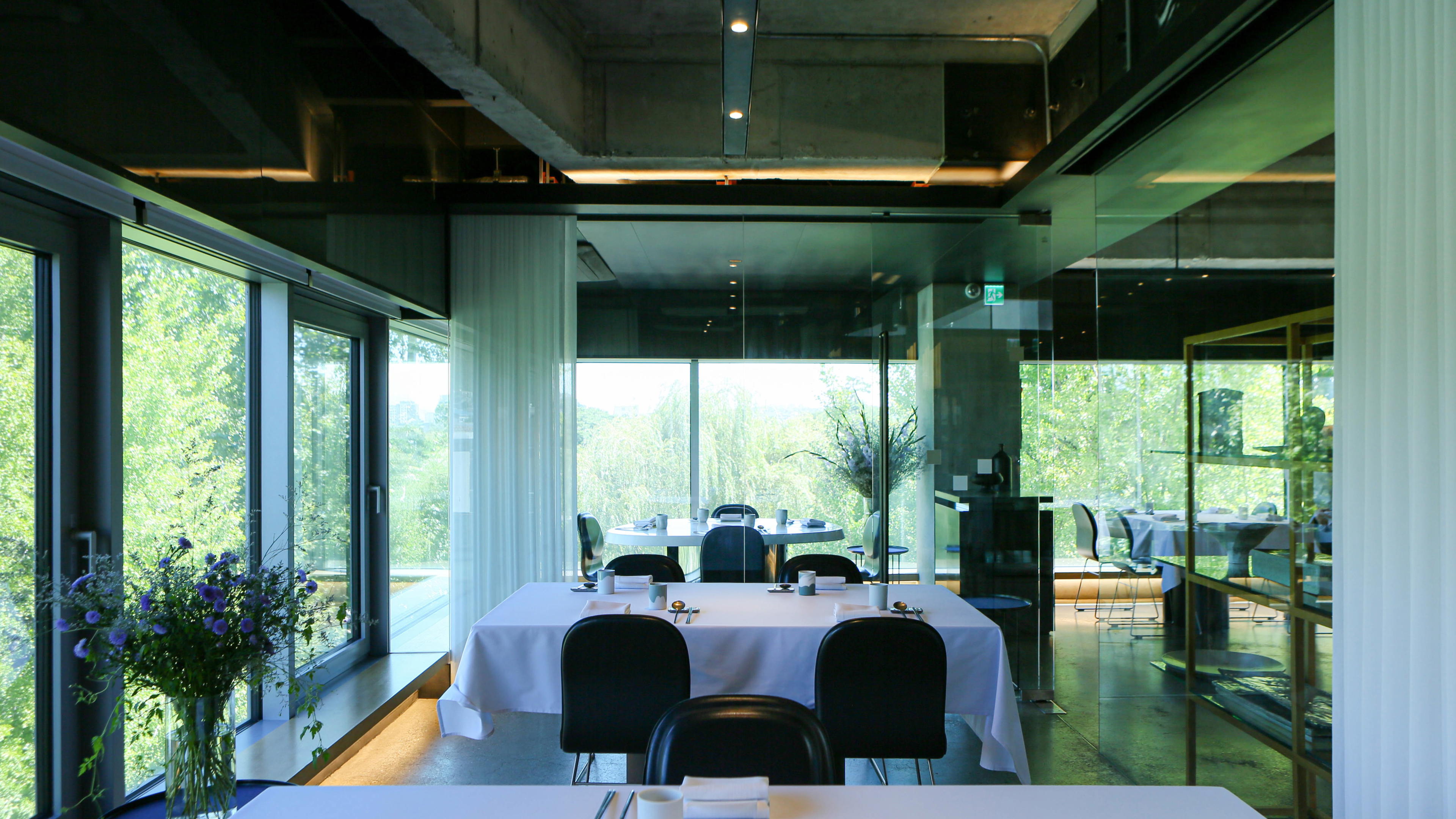
At a Glance
- Cozy
- Intimate
- Elegant
- Trendy
- Date Night
- Casual Hangout
- Special Occasion
- Courtyard
- Seated Bar
- Lounge Seating
- Craft Cocktails
- Garden
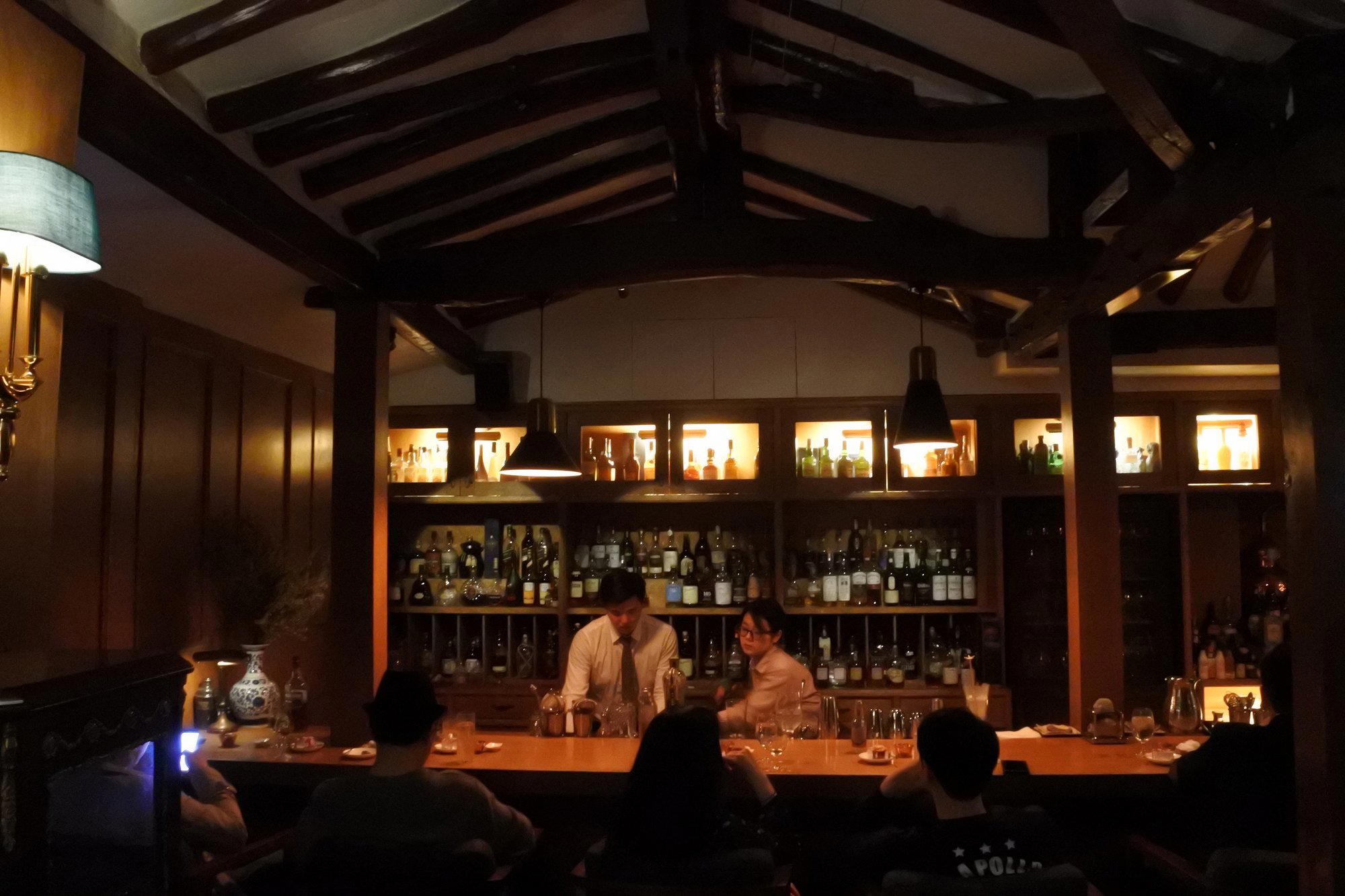
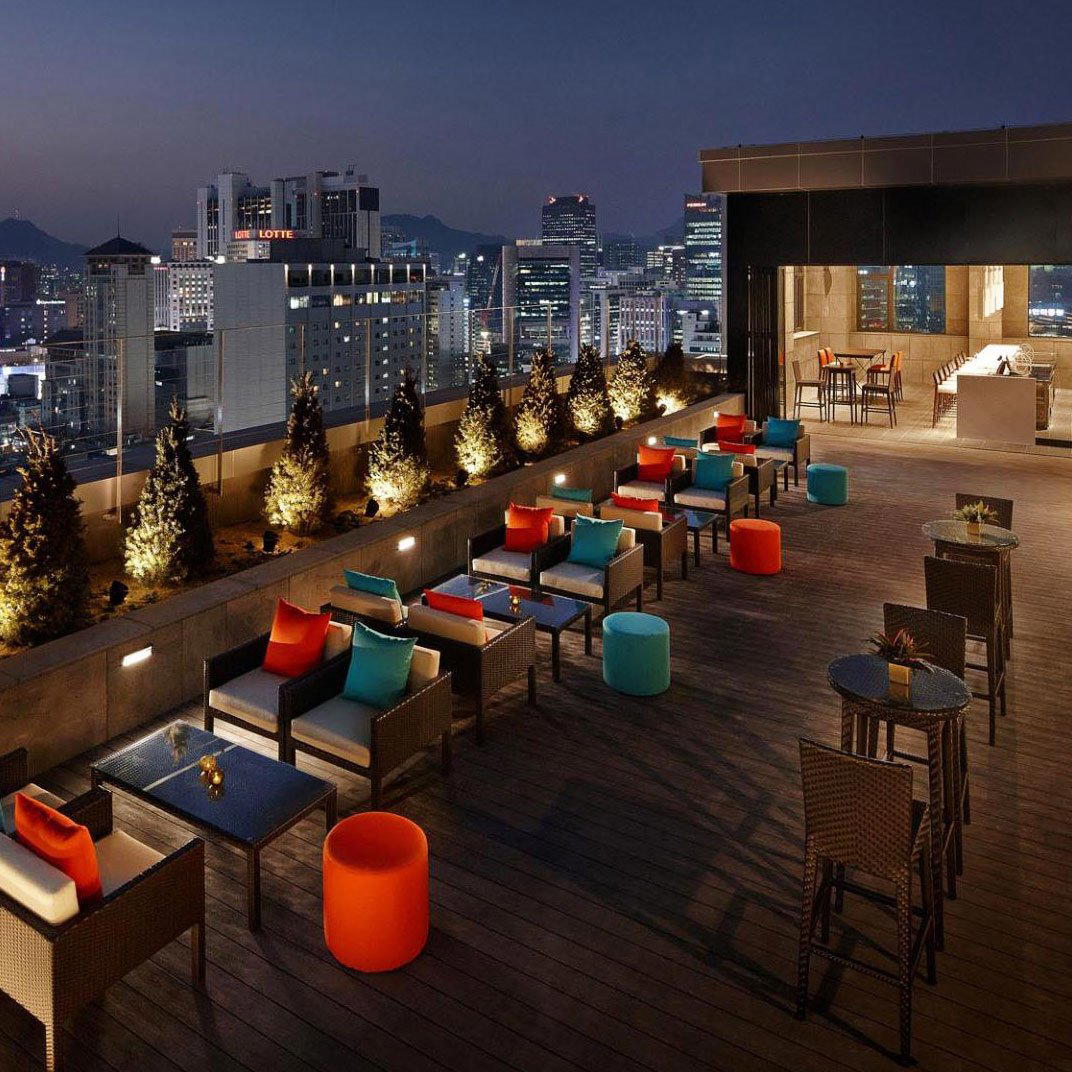
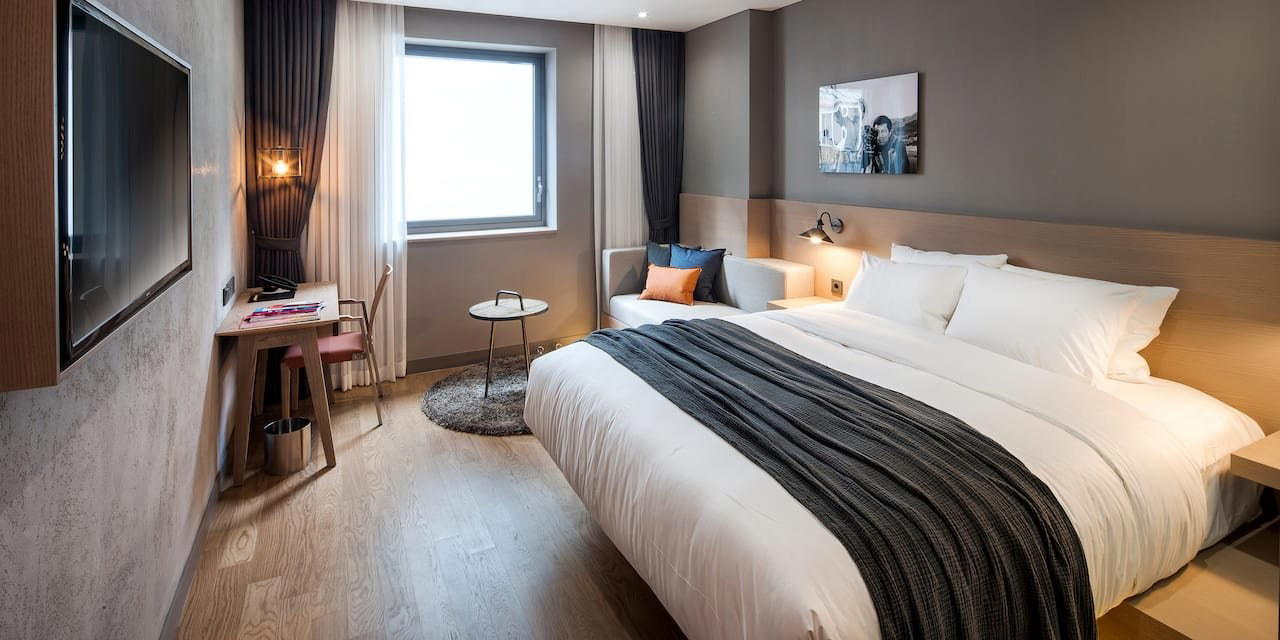
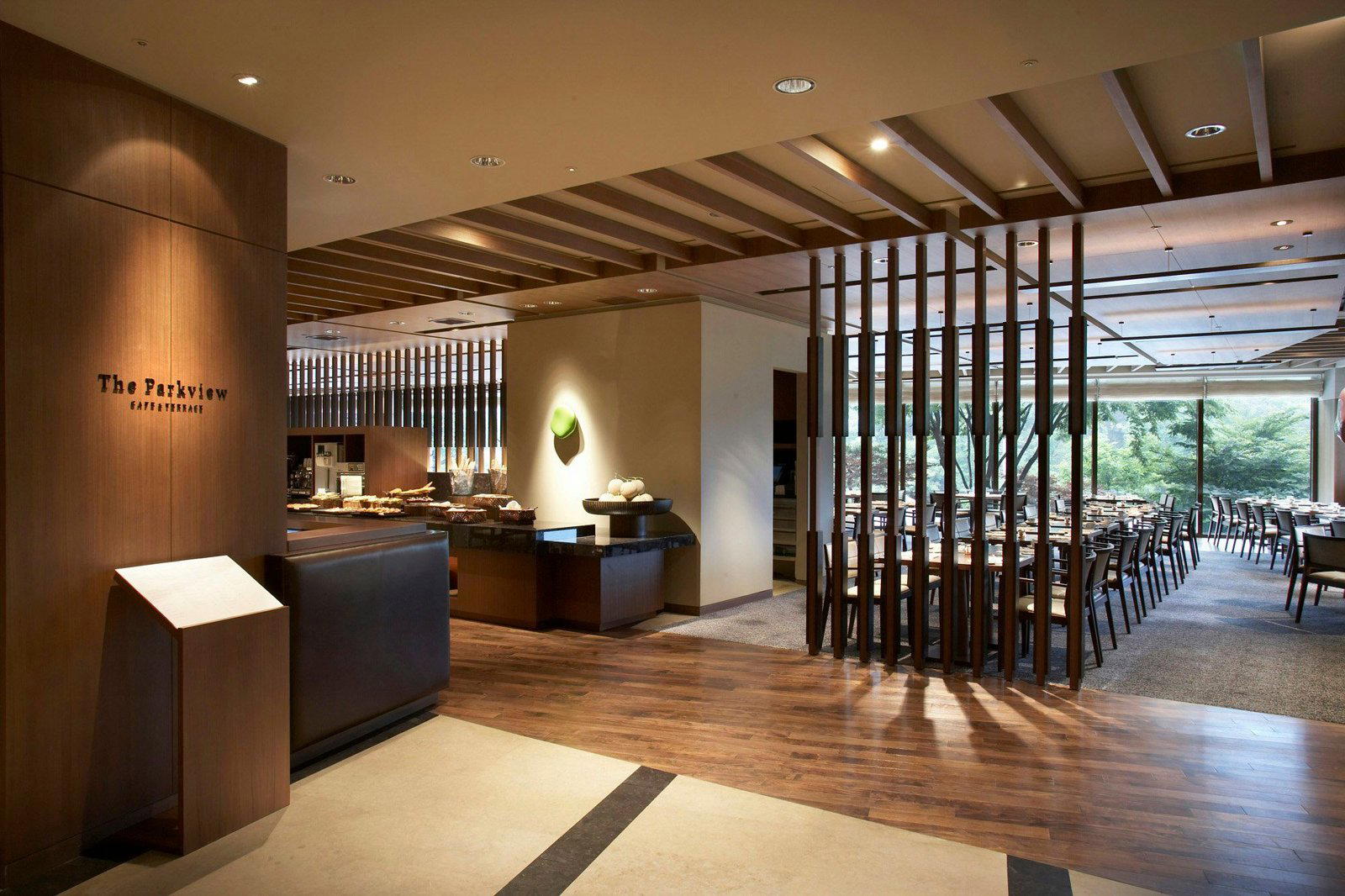
Serene and inviting hanok atmosphere with light-filled central courtyard, light wood interiors, cozy lighting, and jazz music creating a calming, premium feel.