Solbam






1 Michelin Star · World's 50 Best #55 · La Liste Top Restaurants
Our verdict
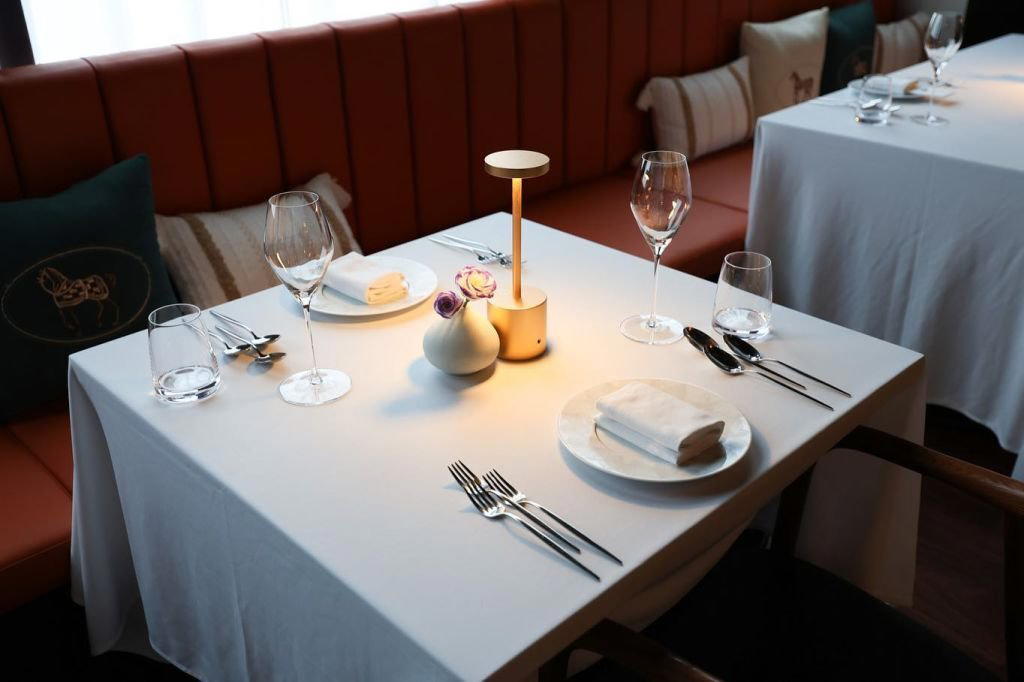
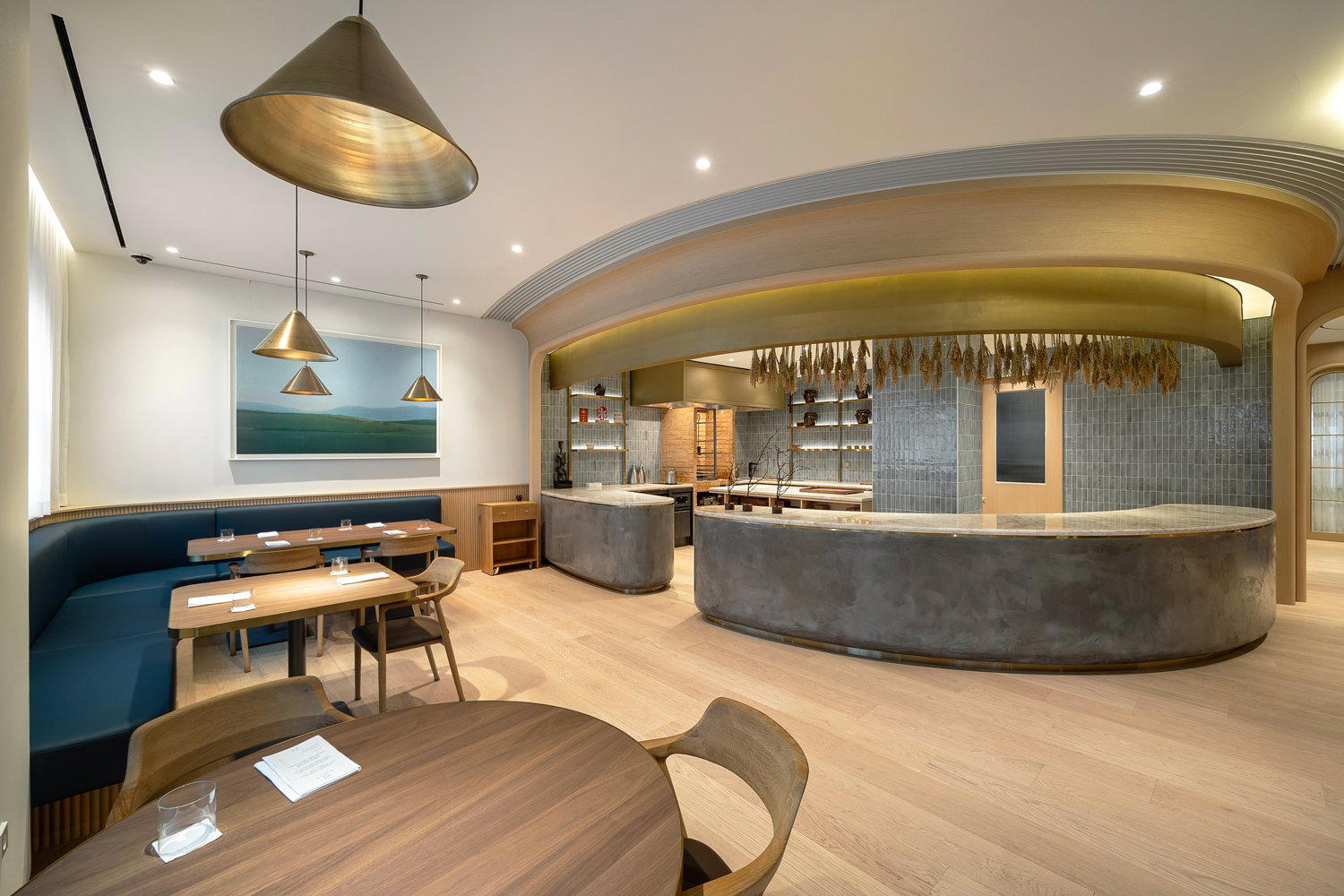
Solbam occupies a second-floor address in Gangnam-gu, running a French-Korean tasting format that earned a Michelin star in 2024 and a spot at #55 on Asia's 50 Best Restaurants in 2025. Chef-Owner Eom Tae-jun structures the evening across two distinct spaces, from an atmospherically lit drawing room to a bright open-kitchen dining hall, with customized menus and tableside service punctuating the progression.

Pearl is the En Primeur Club membership app, where members save venues, book tables and use the concierge.
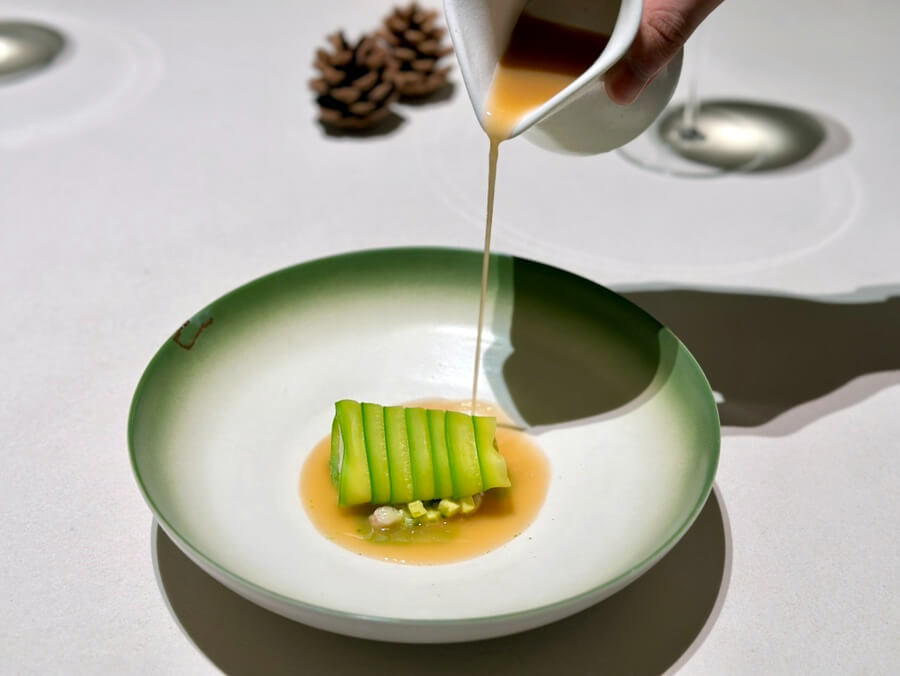
The menu
What to order
- Mussel extract with abalone and sticky barley
- Snow crab with cauliflower
- Abalone with bamboo shoots
- Hanwoo with dallae
- Charcoal-grilled pomfret with deodeok
The Architecture of an Evening
Seoul's premium tasting-menu circuit has developed a particular grammar over the past decade: a single dramatic space, a fixed menu, service choreographed around the kitchen reveal. Solbam, on the second floor of a Gangnam-gu building along Hakdong-ro, works against that template by engineering the evening as a sequence of distinct rooms and registers. You begin in a dim drawing room, drinks in hand, before the dining hall opens up with its bright lighting and open kitchen. The contrast is deliberate, and it shapes how the meal is experienced before the first course arrives.
That spatial logic places Solbam in a small category of Seoul restaurants where the dining ritual is as considered as the cooking itself. Peers such as Jungsik and Eatanic Garden operate in the same ₩₩₩₩ bracket and pursue similarly structured formats, but the two-room progression at Solbam, capped by a post-dinner return to the Drawing Room for caviar and drinks, gives it a pacing more associated with European grand dining than with the tighter Seoul tasting-menu model.
The Ritual at the Table
The formal service team at Solbam carries the ceremony. Tableside tofu preparation and customized menu options inject a degree of participation into what might otherwise read as straight procession. The open kitchen does its part too: kitchen theatrics are visible from the dining hall, and that visibility shifts the dynamic from passive consumption to something closer to witnessed craft. This is a format that rewards guests who lean into the pacing rather than against it.
The menu moves through Korean seasonal ingredients treated through a French technical framework. Snow crab appears with cauliflower; aged Hanwoo, Korea's premium beef, is finished with jeotjang, a fermented fish sauce that introduces the kind of depth a French jus cannot replicate. Abalone with bamboo shoots and Hanwoo with dallae, a wild garlic native to Korea, are further examples of that double-axis approach. The cooking does not read as fusion in the loose sense; it reads as a practitioner who holds two culinary vocabularies and deploys both with intention.
Wine program reinforces the European-Korean register. Wine Director Dong Yeon Ko oversees a list of approximately 400 selections from a 1,300-bottle inventory, with particular depth in France, Italy, Spain, and California. Corkage is 104 USD for those arriving with their own bottles. Three-glass and seven-glass pairings are available, with the seven-glass option calibrated to the full tasting arc. Sommeliers Young Gil Choi, Hyeon Bin Park, and Hae Chang Lee handle tableside wine service. For a program of this scope at a Korean restaurant, the bench depth in front-of-house wine staff is notable.
Where Solbam Sits in the Seoul Contemporary Scene
Seoul's top-end contemporary dining has split into two recognizable currents. One runs through Korean culinary heritage, using traditional fermentation, regional ingredients, and formal hanjeongsik structures as foundations, as seen at Gaon and Kwon Sook Soo. The other borrows heavily from European fine dining in technique and format, while sourcing Korean ingredients and using Korean flavor logic at key moments. Solbam occupies the second current clearly, sitting alongside Restaurant Allen and Exquisine as addresses where French grammar and Korean vocabulary operate in parallel.
Its recognition reflects that positioning. A Michelin star arrived in 2024. La Liste placed Solbam at 79.5 points in 2025 and improved that to 80 points in the 2026 edition. Opinionated About Dining ranked it #277 among Asia's restaurants in 2025, and Asia's 50 Best Restaurants placed it at #55 the same year. For the contemporary Korean-French tier, these are consistent markers across different judging systems, which tend to emphasize different criteria: technique-heavy evaluation from Michelin, crowd-and-critic aggregate from La Liste, critic-led specialist attention from OAD, and a broader scene-awareness from 50 Best. Appearing across all four in the same year positions Solbam firmly within the consensus upper tier of Seoul dining.
César in New York operates in a comparable register from a different cultural axis. The format, wherever it appears, depends on technical coherence and the credibility of the cultural translation; at Solbam, both conditions appear to hold.
Gangnam-gu Context
The Hakdong-ro address sits within Gangnam-gu, the district that holds the largest concentration of Seoul's Michelin-starred and critically recognized restaurants. Other ₩₩₩₩ contemporaries in the same district, including Goryori Ken, operate with similarly compressed seat counts and dinner-only formats that reinforce the area's character as a destination for deliberate, evening-length dining rather than casual drop-in eating.
For visitors arriving from outside Seoul, the broader Korean dining circuit offers useful orientation. Mori in Busan represents the southern equivalent of the Seoul contemporary format, while Baegyangsa Temple in Jangseong-gun and The Flying Hog in Seogwipo mark the range of Korean dining traditions outside the capital. Seoul itself has substantial depth beyond restaurants: see our full Seoul bars guide, hotels guide, wineries guide, and experiences guide for a fuller picture.
Planning Your Visit
| Detail | Solbam | Peer Comparison (₩₩₩₩ Seoul Contemporary) |
|---|---|---|
| Service | Dinner only | Dinner only across most peers in bracket |
| Days open | Monday to Saturday; closed Sunday | Variable; most close 1-2 days per week |
| Hours | 5:30 PM to 10:30 PM | Typical window: 6:00 PM to 10:30 PM |
| Price tier | ₩₩₩₩ (cuisine $66+) | ₩₩₩₩ standard in leading Gangnam tier |
| Wine program | 400 selections, 1,300 inventory; 3 or 7-glass pairings; corkage $104 | Most peers offer pairing; fewer have comparable inventory depth |
| Format | Two-room progression; customized menus available | Most peers: single-room tasting format |
| Awards | Michelin 1 star (2024); Asia's 50 Best #55 (2025); La Liste 80pts (2026) | Michelin recognition common; 50 Best placement rarer |
| Address | 2F, 231 Hakdong-ro, Gangnam-gu, Seoul | Cluster in Gangnam-gu and Jongno-gu |
Reservations are advisable well in advance given the dinner-only format running six evenings per week. The three and seven-glass wine pairings should be confirmed at the time of booking where possible, as the sommelier team calibrates selection to the menu progression.
For a fuller picture of where Solbam Seoul sits within the city's restaurant offering, our complete Seoul restaurants guide maps the full range from heritage Korean to contemporary tasting formats.
What the Awards Consensus Says
La Liste's scoring methodology aggregates critical and consumer sources across multiple languages, making its 80-point placement a reasonably broad signal rather than a single-panel judgment. The 50 Best Asia ranking, which reflects a voting academy of industry professionals and critics across the region, corroborates at a different register. Michelin's single-star placement in 2024 adds the technique-focused layer. Across these three systems, each with different weighting and voter composition, Solbam receives consistent recognition, which is a more meaningful signal than a high score from any single guide.
For Seoul diners building a multi-evening itinerary across the contemporary tier, Solbam's combination of format distinctiveness, wine program depth, and cross-guide recognition makes it a coherent anchor choice in the Gangnam-gu bracket.
Frequently asked questions
What is the signature dish at Solbam?
Solbam does not operate a fixed signature dish in the conventional sense; the menu is customizable and tracks Korea's seasonal larder. The dishes that appear most consistently in critical coverage include snow crab with cauliflower, aged Hanwoo with jeotgal fish sauce, and abalone with bamboo shoots, all of which reflect the kitchen's French-Korean axis. Tableside tofu is a format element that recurs across menus. For the full expression of the kitchen's approach, the seven-glass wine pairing is recommended by multiple sources including the Asia's 50 Best listing. Solbam's awards record (Michelin 1 star, Asia's 50 Best #55, La Liste 80pts) provides the clearest external validation of its current standing among Seoul contemporaries.
Price and Positioning
| Venue | Cuisine | Price | Awards | Notes |
|---|---|---|---|---|
| SolbamThis venue (the venue you are viewing) | Contemporary Neo-Classical Korean | $200–300 | 1 Michelin Star · World's 50 Best #55 | Not listed |
| 7th Door | Modern Korean Fermentation Fine Dining | $100–150 | 1 Michelin Star · World's 50 Best #49 | Korean, Contemporary |
| Eatanic Garden | Modern Korean Contemporary | $100–150 | 1 Michelin Star · World's 50 Best #26 | Contemporary |
| Onjium | Modern Korean Royal Court Cuisine | Not listed | 1 Michelin Star · World's 50 Best #14 | Korean |
| L'Amitié | Classic French Fine Dining | $100–150 | 1 Michelin Star · La Liste Top Restaurants | French |
| Zero Complex | Modern French Neo-Bistro | $100–150 | 1 Michelin Star · La Liste Top Restaurants | Korean-French, Innovative |
Recognition history
Dated appearances from independent guides and award organizations, with the underlying list record or original source where available.
Michelin 1 Star
Michelin
World's 50 Best Asia's Best Restaurants #55
World's 50 Best
La Liste Top Restaurants
La Liste
Opinionated About Dining Top Restaurants in Asia Recommended
Opinionated About Dining
Wine Spectator Best of Award of Excellence
Wine Spectator
Full recognition history (12 entries)
La Liste Top Restaurants
La Liste
Michelin 1 Star
Michelin
Opinionated About Dining Top Restaurants in Asia Ranked #277
Opinionated About Dining
Tatler Listed in Best Restaurants Asia-Pacific
Tatler
Wine Spectator Best of Award of Excellence
Wine Spectator
World's 50 Best Asia's Best Restaurants #55
World's 50 Best
Michelin 1 Star
Michelin
Continue exploring
More in Seoul
Restaurants in Seoul
All restaurants in Seoul →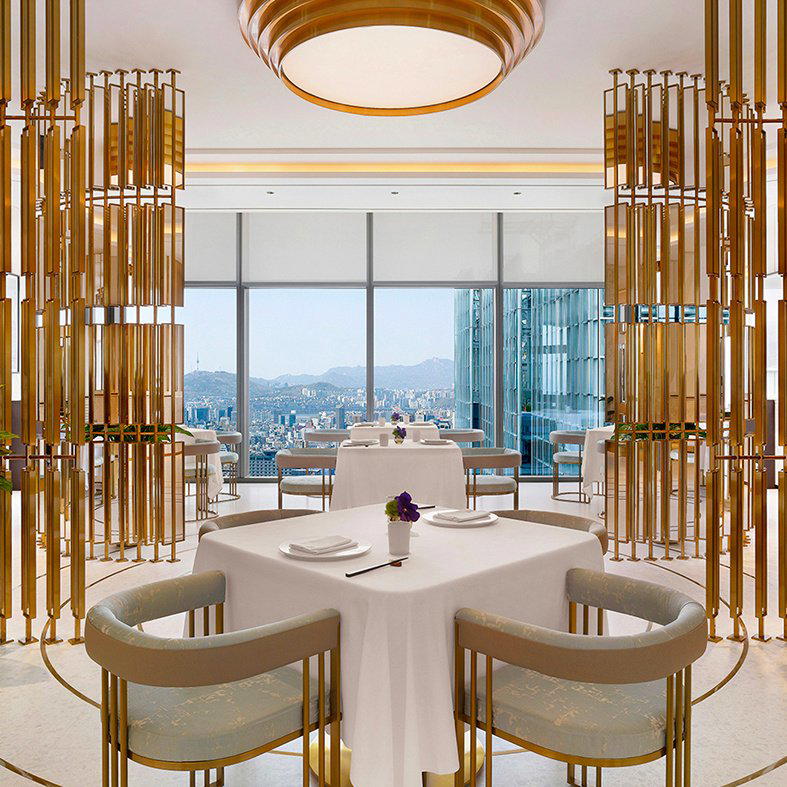
Bars in Seoul
All bars in Seoul →

Solbam
The wine
Solbam holds the Wine Spectator Best of Award of Excellence, which Wine Spectator gives to lists of usually 350 or more selections.
- Wine program
- Deep wine list
- Wine Spectator
- Wine Spectator Best of Award of Excellence
- Selections
- 400
- Bottles in cellar
- 1,300
- List strengths
- France, Italy, Spain, California
- Wine director
- Dong Yeon Ko
- Extensive wine list
- Sommelier-led
Details
- Elegant
- Sophisticated
- Modern
- Intimate
- Special Occasion
- Celebration
- Date Night
- Open Kitchen
- Private Dining
- Wine Cellar
- Design Destination
- Chefs Counter
- Extensive Wine List
- Sommelier Led
- Local Sourcing
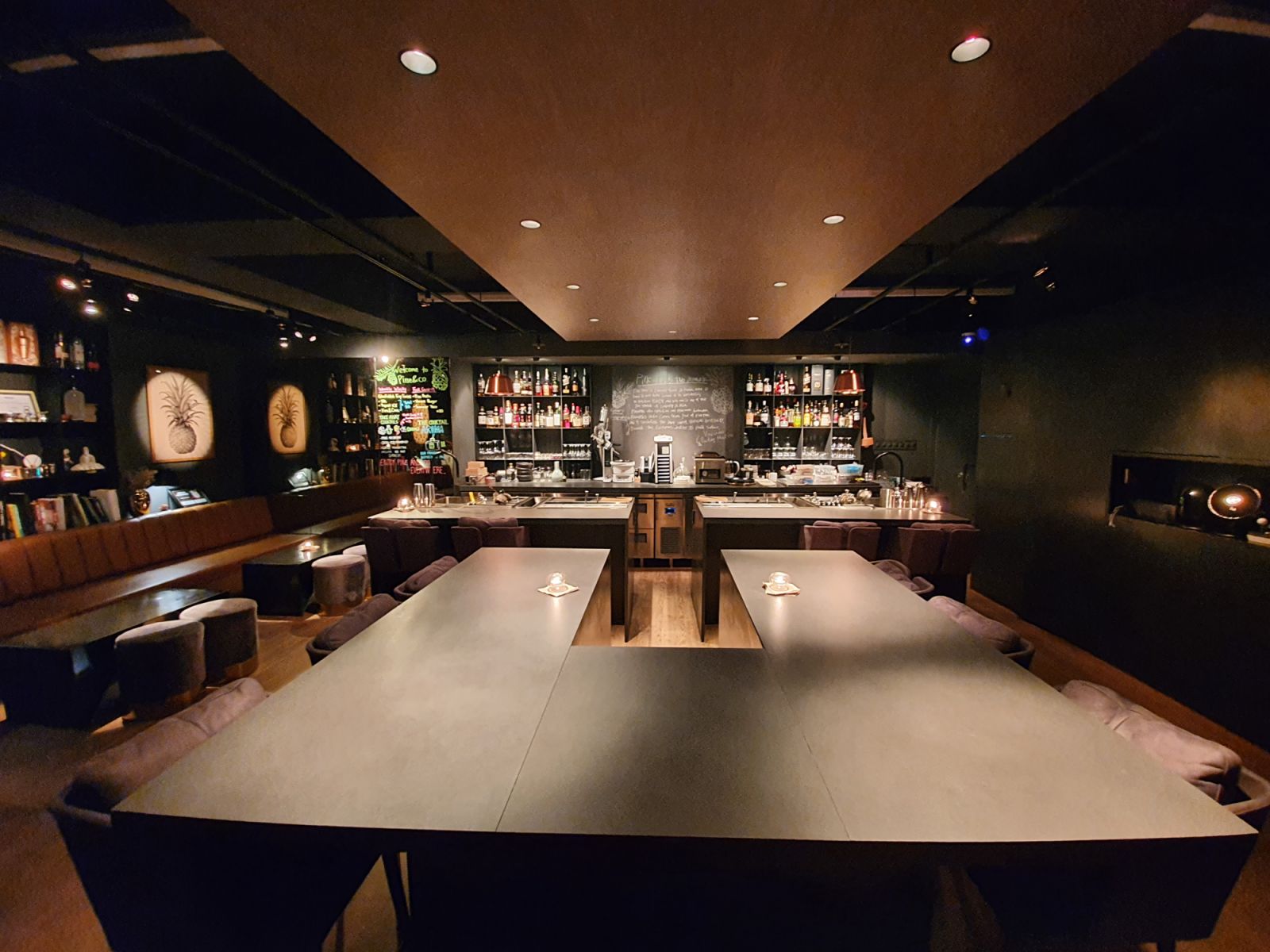
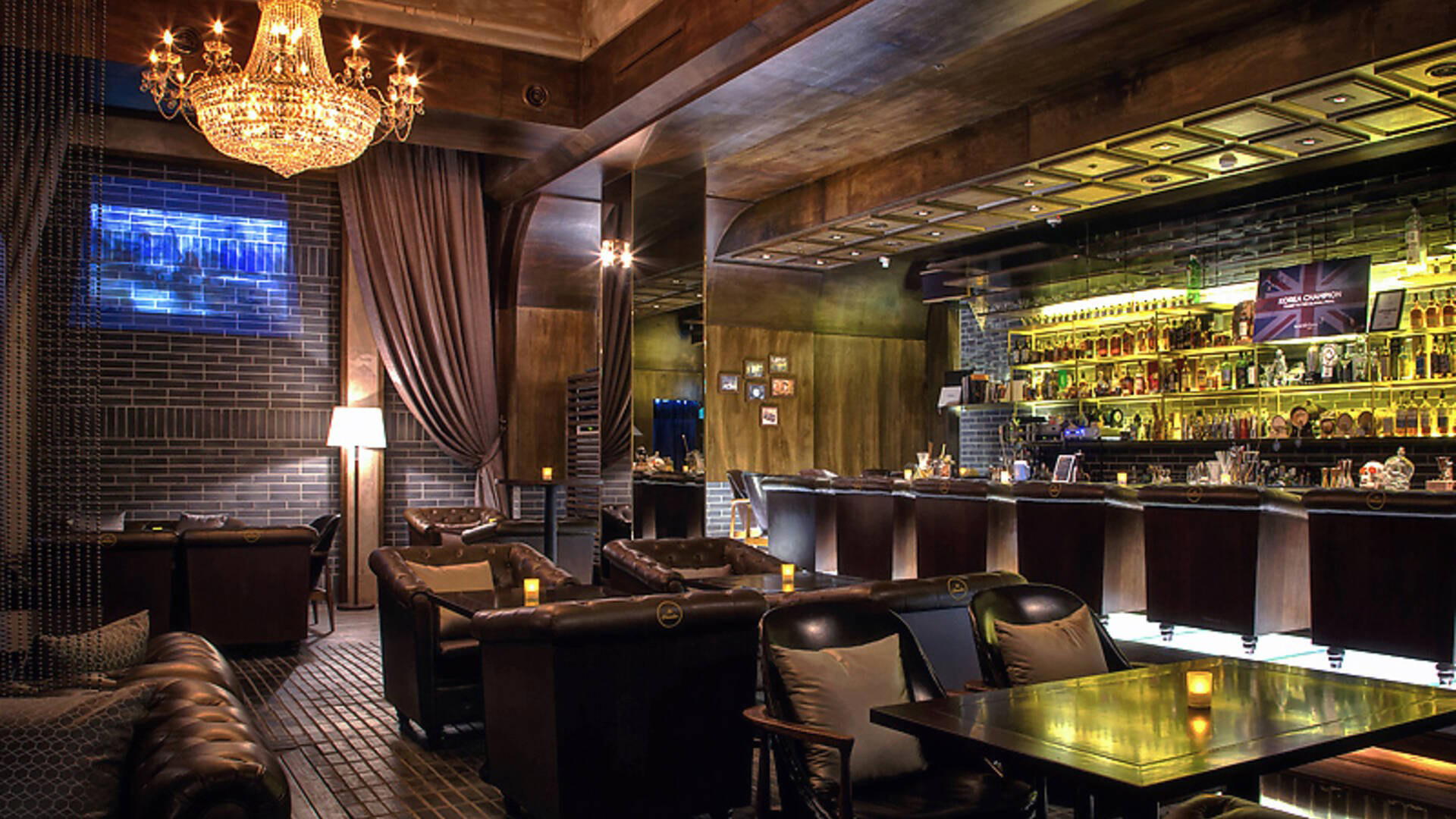
Atmospherically lit drawing room with warm, intimate welcome; bright, spacious main dining hall with minimalist white-toned design and open kitchen view; bonfire-lit lounge area in redesigned 2.0 location.