Zero Complex





Zero Complex holds one Michelin star and a consistent position in the Opinionated About Dining Asia rankings, operating from a garden-facing room inside the Piknic lifestyle complex in Seobinggo-dong, Yongsan-gu. Chef Choonghu Lee works a Korean-French register that sits closer to neo-bistro than tasting-menu formalism, with visually considered plates built around Korean ingredients and French technique. Lunch and dinner run Tuesday through Sunday.
Pearl is the En Primeur Club membership app — saves, bookings, and concierge access live there. Same editors, same standards.
- Address
- 11-8 Seobinggo-ro 59-gil, Yongsan-gu, Seoul, 04384, South Korea
- Phone
- +82 2-532-0876
- Website
- catchtable.net
- Directions
- Get directions
 Saves & bookings on Pearl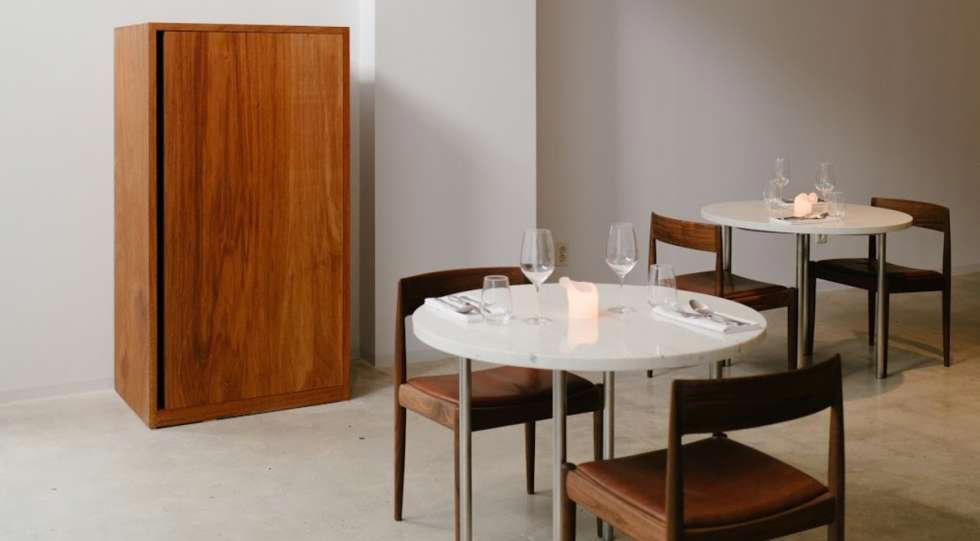
A Garden Room in Seobinggo-dong
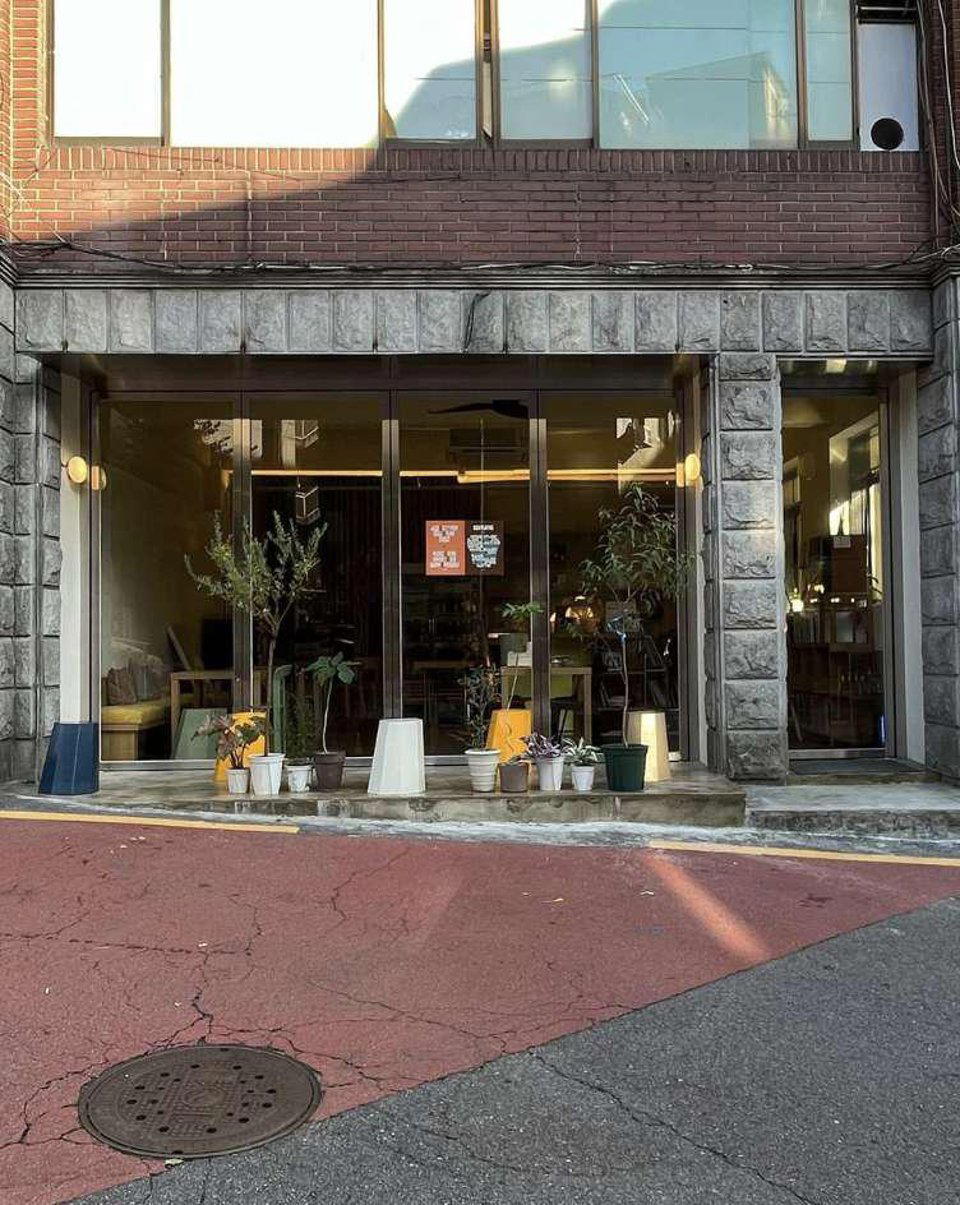
The residential pocket of Seobinggo-dong sits well south of the density that defines most of Seoul's fine-dining geography. Arriving at Zero Complex means passing through the Piknic lifestyle complex, a compound where the restaurant's garden-facing dining room occupies a quieter register than the commercial corridors of Gangnam or the concentration of Michelin addresses in central Yongsan. The approach itself signals something about the kitchen's priorities: this is not a restaurant positioned around foot traffic or the visibility that comes with a prestige address. It earns its audience through the plates.
That physical context matters when you consider where Zero Complex sits in Seoul's broader Korean-French scene. The city has developed a coherent tier of restaurants working at the intersection of classical French discipline and Korean ingredient vocabulary, from the tasting-menu formalism of Jungsik to the course-driven precision of Soigné. Zero Complex occupies a distinct position inside that tier: a neo-bistro format that keeps the technical seriousness without the ceremony, and a room that overlooks a quiet garden rather than a skyline.
The Tension Between Classical Technique and Modern Imagination
Seoul's most interesting Korean-French kitchens have spent the last decade working through a specific creative problem: how much French structure can you strip away before the cooking stops being French, and how aggressively can you foreground Korean ingredients before the French technique becomes mere decoration. The answers vary considerably. Mingles resolves the tension through fermentation and jang-based sauces integrated into otherwise European plate architecture. alla prima works a more ingredient-led, seasonally driven approach that holds the technique lightly. Zero Complex, under Chef Choonghu Lee, tends toward visual precision and textural contrast as the primary mode of expression.
The restaurant holds one Michelin star. La Liste placed it at 78 points in 2025 and 77 points in 2026. That trajectory, across three independent recognition systems in three consecutive years, indicates a kitchen operating with increasing confidence rather than a one-cycle anomaly. For context, Kwonsooksoo and its Gangnam iteration operate in the same broad Korean fine-dining tier, though with a more traditional Korean emphasis. The restaurant's French-leaning register places it in a different comparable set, closer to the Franco-Korean synthesis that restaurants like Gaon approach from the opposite direction.
That decision, prioritising quality over capacity, is a reliable signal about how the kitchen positions itself. Fewer tables, the same or stricter standards: it is the same logic that separates the leading omakase counters in Tokyo or the small-format tasting rooms of Napa from their volume-focused peers.
What Zero Complex Is Famous For
The dish most consistently cited in the restaurant's documented record is Pacific geoduck served alongside chewy barley, sea spaghetti, and sea mustard mousse. It is a plate that demonstrates the kitchen's approach with unusual clarity: a premium Korean seafood ingredient, handled with technical restraint, paired with contrasting textures that are all drawn from the sea. The barley provides chew against the geoduck's natural snap; the sea spaghetti adds a mineral strand; the sea mustard mousse brings a smoky, yielding counterpoint. The construction is French in its logic and Korean in its materials, which is precisely the register the restaurant works in. Chef Lee has presented this kind of ingredient-anchored innovation consistently since the restaurant opened, and the geoduck preparation has remained a reference point through the relocations.
For readers familiar with the Korean-French synthesis at a global level, the comparison points are instructive. Atomix in New York operates at the same crossroads, with Korean ingredients and French technique producing a format that neither cuisine fully owns. The difference in Seoul is that the peer density is higher: a diner can move from the restaurant to alla prima to Soigné within the same city and encounter three distinct interpretations of the same creative question. That concentration is what makes Seoul genuinely interesting for this cuisine category in a way that New York, for all its Korean-American dining depth, is not.
The Setting and the Room
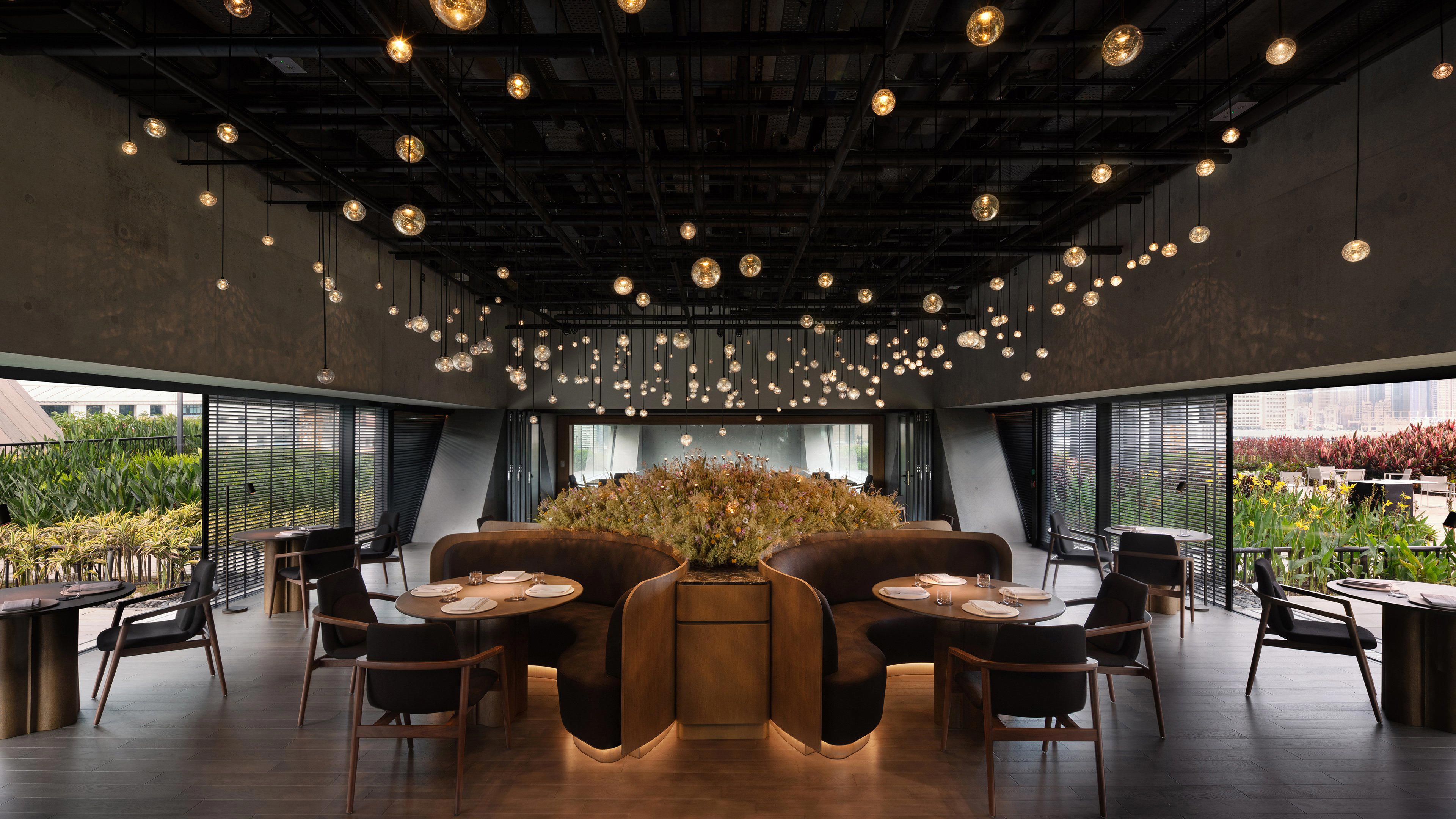
The Piknic complex in Seobinggo-dong provides the restaurant with a physical environment that few Seoul restaurants in its price tier can replicate. The garden view that frames the dining room is not incidental: it shapes the pace of a meal and shifts the ambient register away from the compressed energy of the city's denser dining districts. The quiet residential character of the neighbourhood around Seobinggo-ro means that getting to the restaurant requires intention. There is no passing trade, no neighbourhood foot traffic that might fill a slow Tuesday lunch.
Eating there while overlooking the garden makes the effort worthwhile. That framing is consistent with what the restaurant's trajectory suggests: this is a kitchen for diners who research before booking, not for those who make decisions based on street-level visibility.
Beyond Seoul, the Korean fine-dining conversation extends across the country. Mori in Busan represents a different regional register, and Baegyangsa Temple in Jangseong-gun sits at the opposite end of the formality spectrum. For seafood technique at the high-end global level, Le Bernardin in New York City remains the French benchmark that Seoul's leading kitchens are often measured against in the broader critical conversation. And for an American counterpoint to formal French lineage in a more casual format, Emeril's in New Orleans and The Flying Hog in Seogwipo offer different reference points across the price spectrum.
Planning a Visit
The price tier is ₩₩₩₩, placing it at the upper bracket of Seoul's independent restaurant scene. The Seobinggo-dong address is inside Yongsan-gu, though the residential setting means arriving by taxi or navigation app is the practical approach for most visitors.
| Venue | Cuisine | Price | Michelin | OAD Asia 2025 | Format |
|---|---|---|---|---|---|
| The restaurant | Korean-French | ₩₩₩₩ | 1 Star | #199 | Neo-bistro, lunch & dinner |
| Mingles | Korean | ₩₩₩₩ | 2 Stars | Highly ranked | Tasting menu |
| alla prima | Innovative | ₩₩₩₩ | Listed | Listed | Counter, omakase |
| Soigné | Innovative | ₩₩₩₩ | Listed | Listed | Tasting menu |
| L'Amitié | French | ₩₩₩ | , | , | Bistro |
What Dish Is Zero Complex Famous For?
The dish most associated with the restaurant is Pacific geoduck served with chewy barley, sea spaghetti, and sea mustard mousse. It anchors the kitchen's approach to Korean seafood ingredients handled through French textural logic, and has remained a reference point across the restaurant's relocations. Chef Choonghu Lee's consistent focus on ingredient-led innovation, documented through awards recognition across Michelin, La Liste, and Opinionated About Dining, is most legible in this preparation: a single premium ingredient, three contrasting accompaniments, and a construction that owes its plate architecture to French bistro tradition without imitating it.
Cuisine and Credentials
Comparable venues nearby, for context on price, style, and recognition.
| Venue | Cuisine | Price | Awards | Notes |
|---|---|---|---|---|
| Zero ComplexThis venue — the venue you are viewing | Modern French Neo-Bistro | $$$$ | Michelin 1 Star | Not listed |
| Muni | Japanese Kaiseki Omakase | $$$$ | Michelin 1 Star | 압구정동 |
| Exquisine | Modern Fusion Fine Dining | $$$$ | Michelin 1 Star | 압구정동 |
| Goryori Ken | Contemporary Japanese with Western Influences | $$$$ | Michelin 1 Star | 압구정동 |
| VINHO | Modern Korean Contemporary | $$$$ | Michelin 1 Star | 압구정동 |
| Bicena | Contemporary Korean Fine Dining | $$$$ | Michelin 1 Star | Jamsil-dong |
Recognition history
Dated appearances from independent guides and award organizations, with the underlying list record or original source where available.
La Liste Top Restaurants
La Liste
Opinionated About Dining Top Restaurants in Asia Recommended
Opinionated About Dining
Star Wine List
Star Wine List
La Liste Top Restaurants
La Liste
Michelin 1 Star
Michelin
Opinionated About Dining Top Restaurants in Asia Ranked #199
Opinionated About Dining
The Best Chef One Knife
The Best Chef
Michelin 1 Star
Michelin
Opinionated About Dining Top Restaurants in Asia Ranked #279
Opinionated About Dining
Opinionated About Dining Top Restaurants in Asia Recommended
Opinionated About Dining
Continue exploring
More in Seoul
Restaurants in Seoul
Browse all →
At a Glance
- Minimalist
- Modern
- Sophisticated
- Intimate
- Date Night
- Special Occasion
- Garden
- Natural Wine
- Local Sourcing
- Organic
- Garden
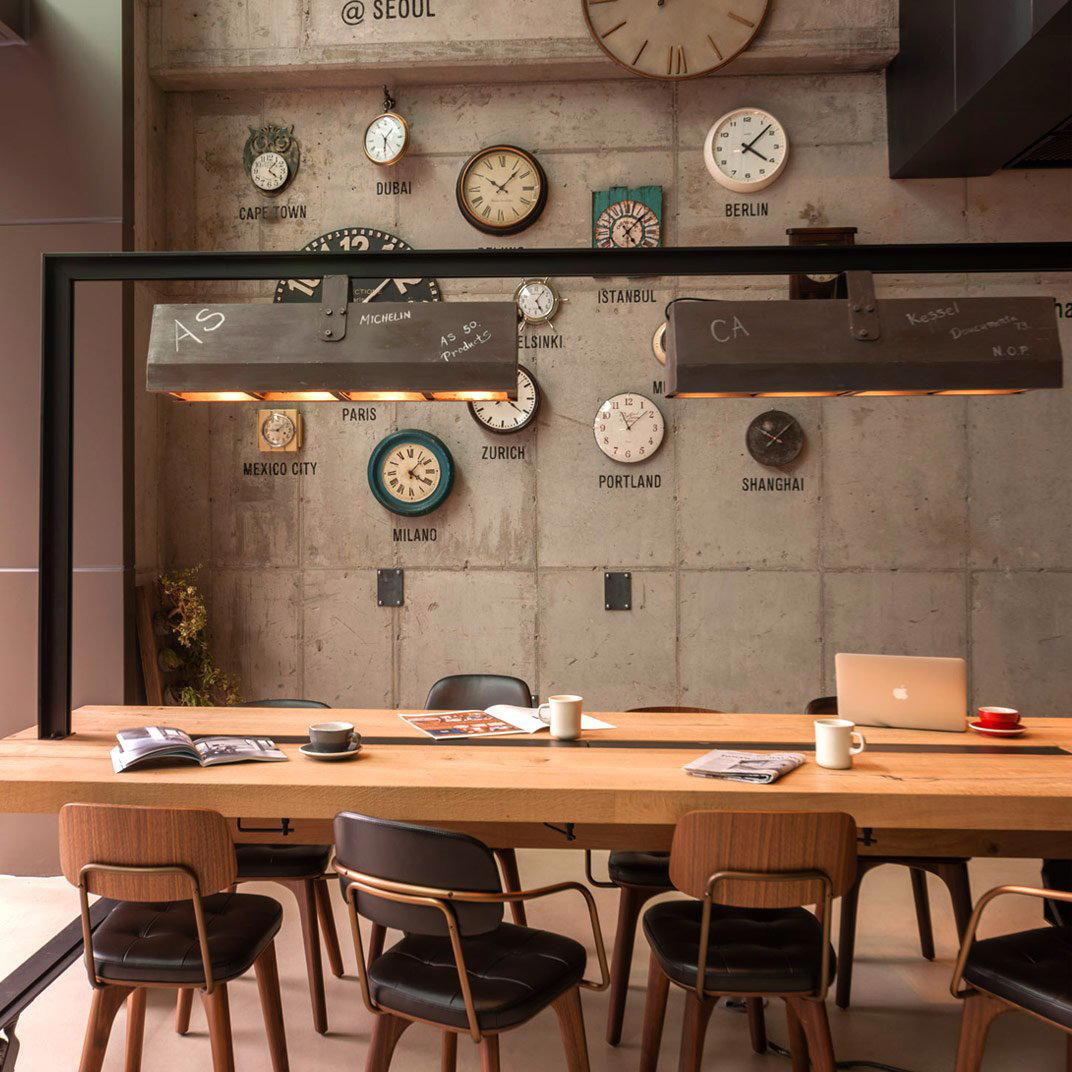
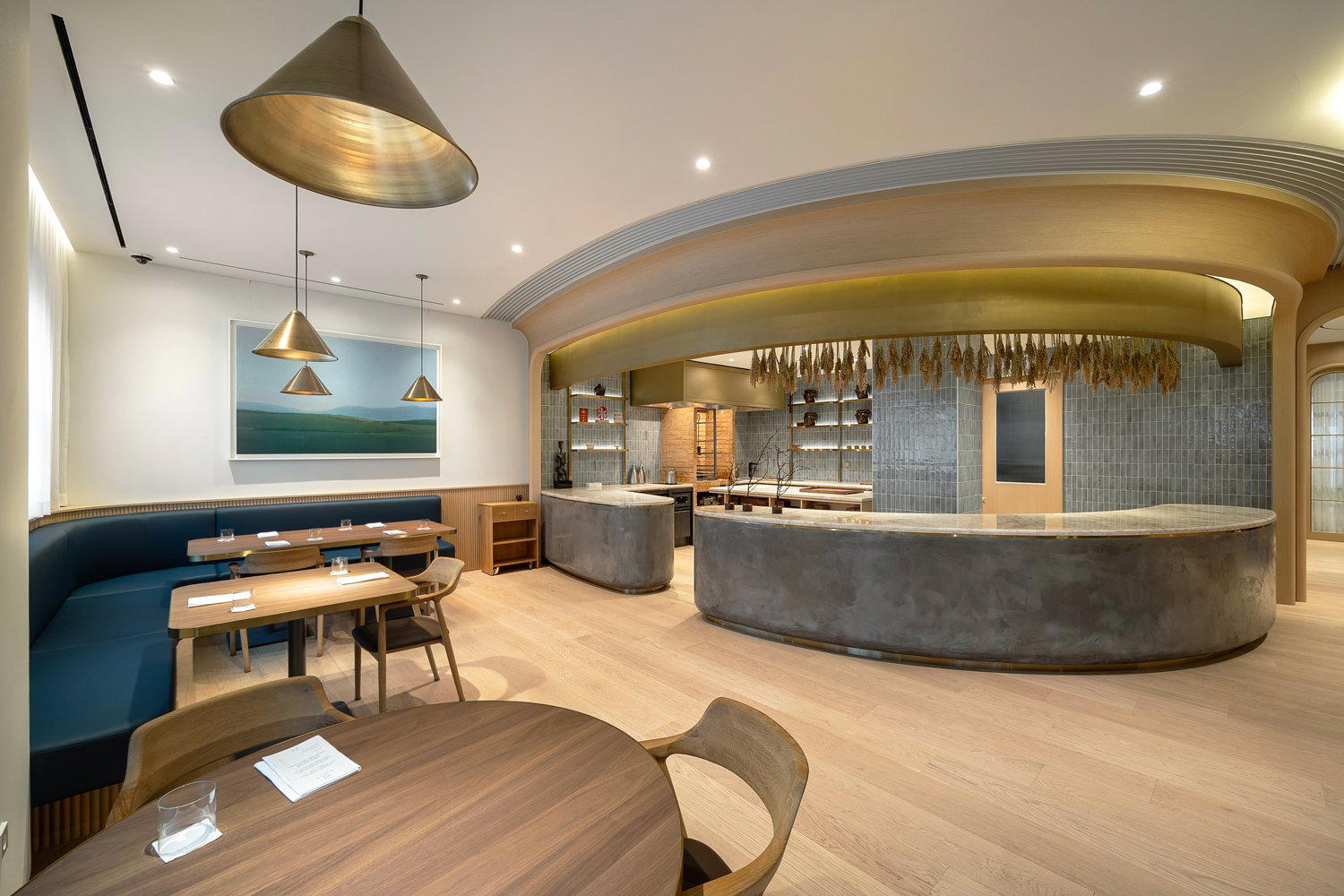
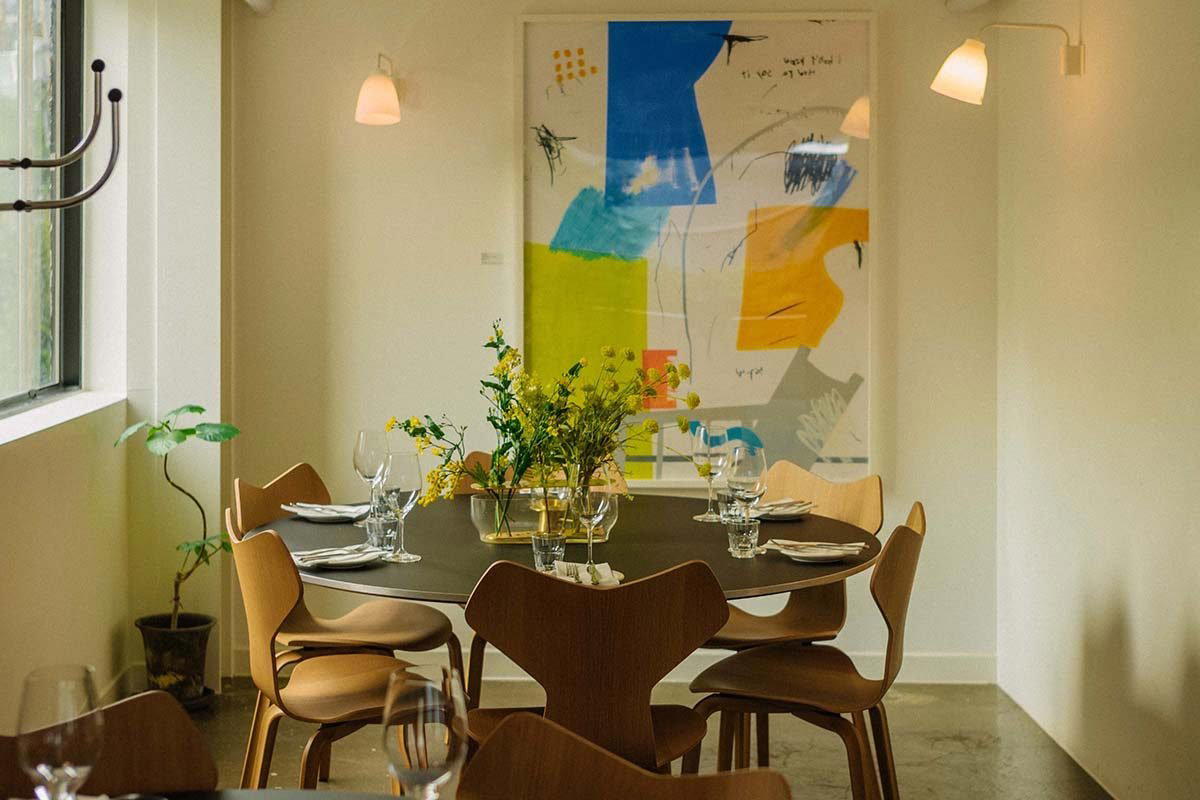
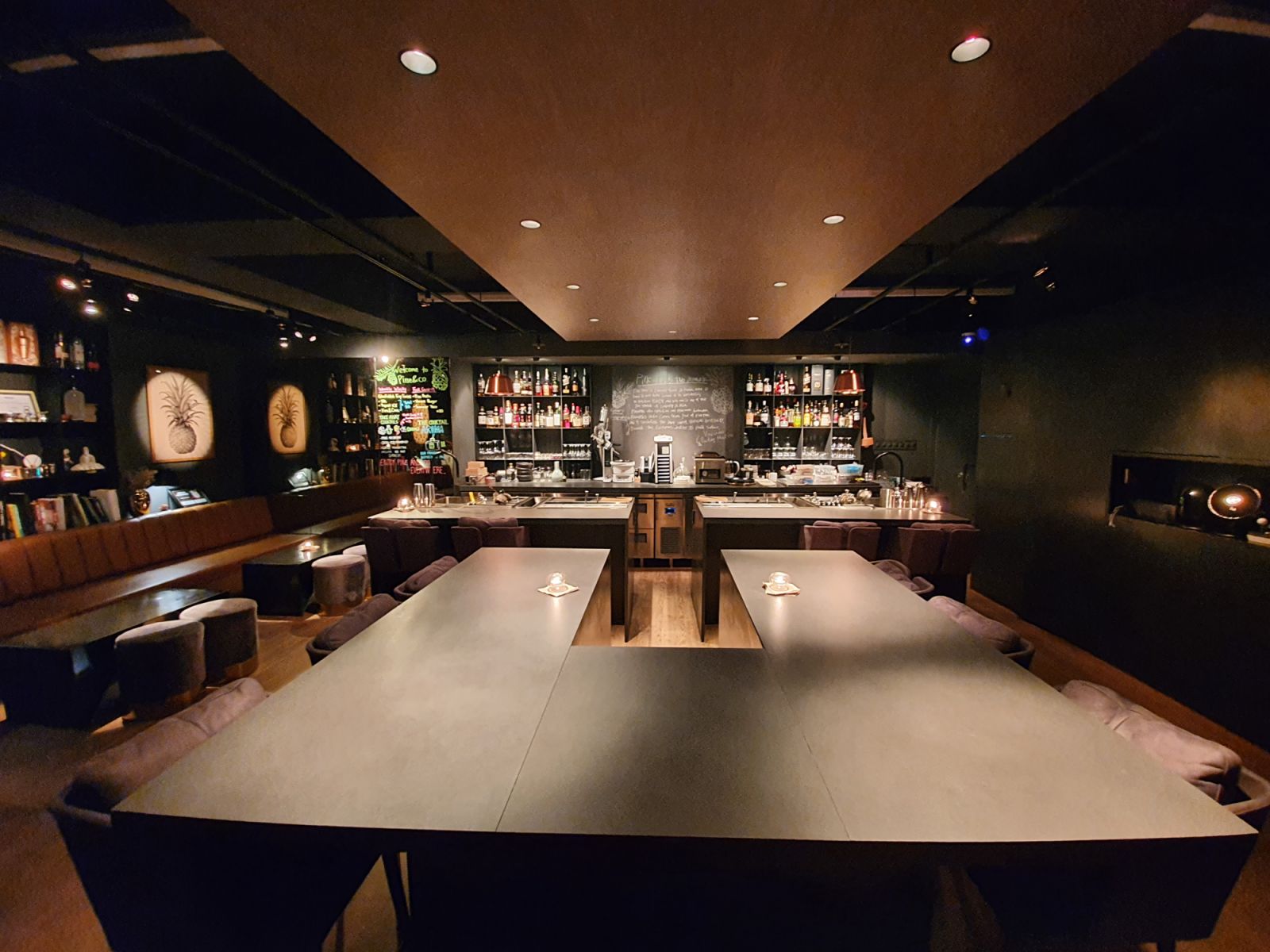
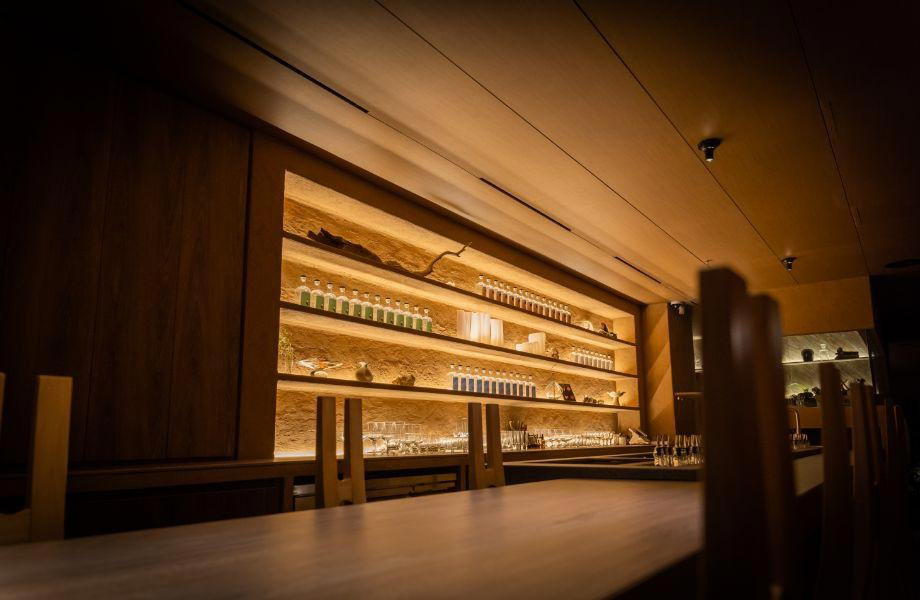
Stripped-back dining room with white tables, wooden chairs, ample space between tables, and a quiet garden view, creating a serene and minimalist atmosphere.