Gong-Gan

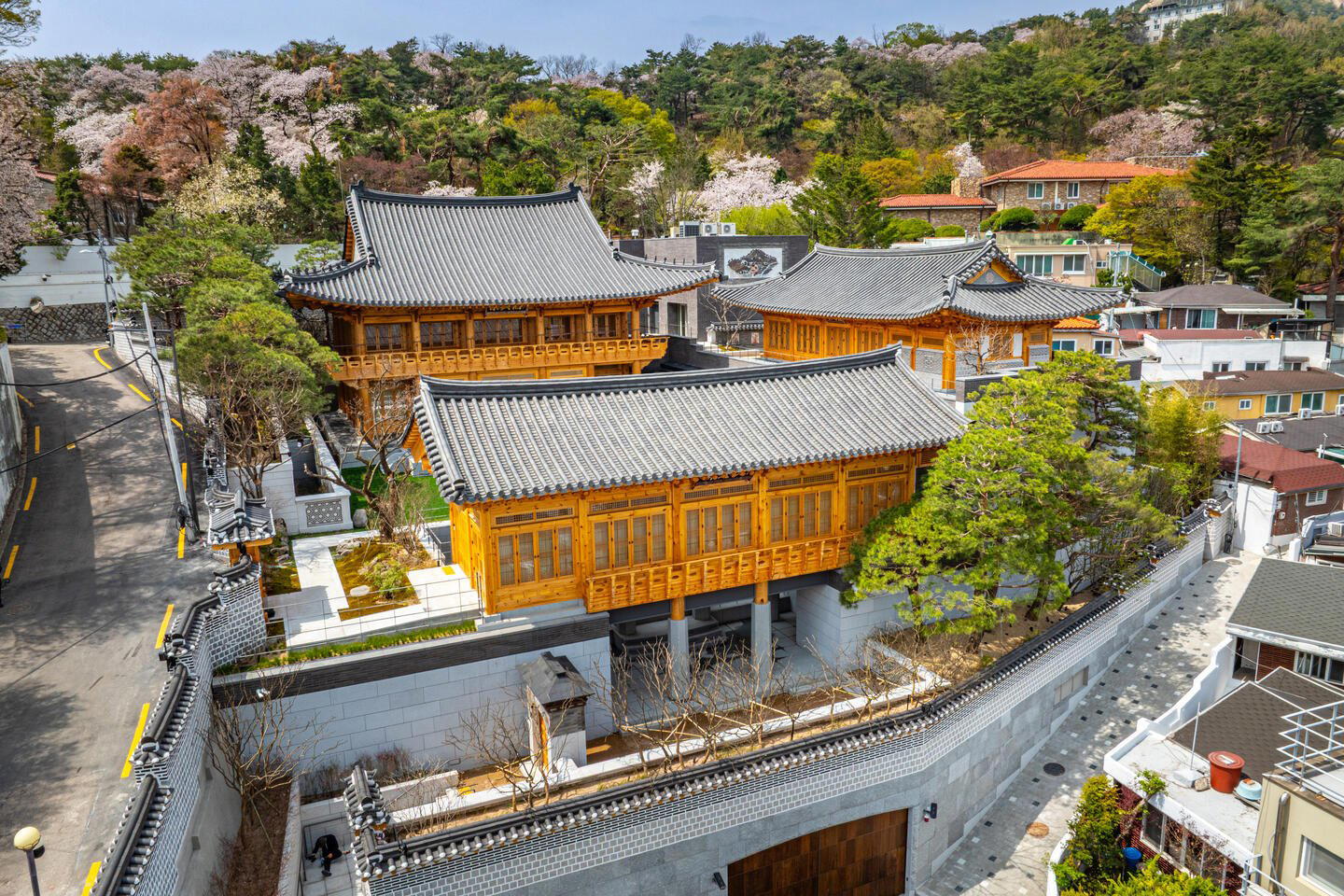
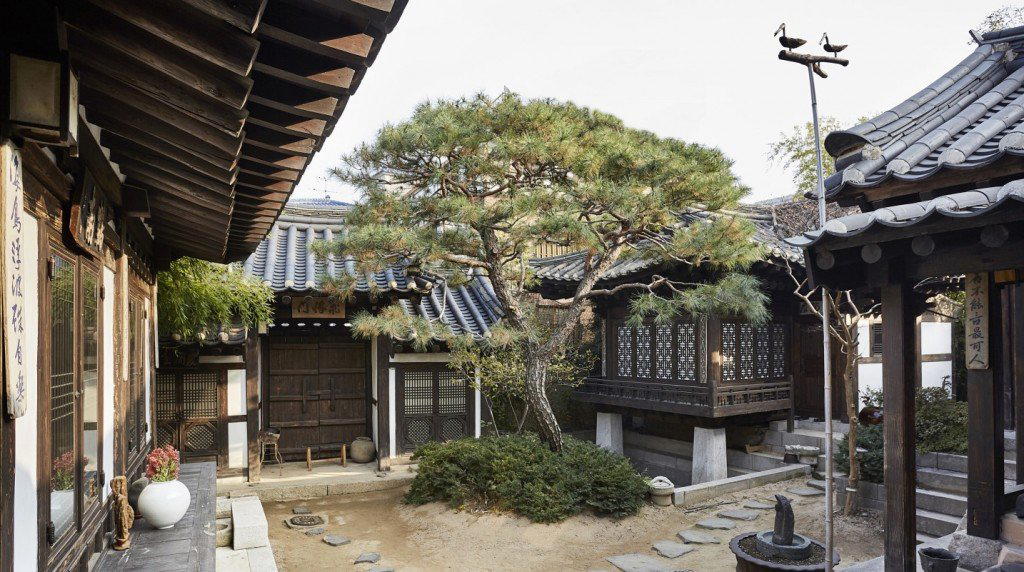
Named to Tatler Asia-Pacific's Best Bars 2025 list, Gong-Gan occupies a restored hanok in Seoul's Jongno district, where Korean heritage architecture frames a bar program built on modern mixology. The address, in Anguk-dong near Gyeongbokgung Palace, situates it inside one of the city's most culturally weighted neighbourhoods. It is one of the more considered arguments Seoul makes for indigenous cocktail culture on the regional stage.
Pearl is the En Primeur Club membership app — saves, bookings, and concierge access live there. Same editors, same standards.
- Address
- 66-4 Yulgok-ro 3-gil, Anguk-dong, Jongno District, Seoul, South Korea
- Phone
- +8227233664
- Website
- instagram.com
 Saves & bookings on Pearl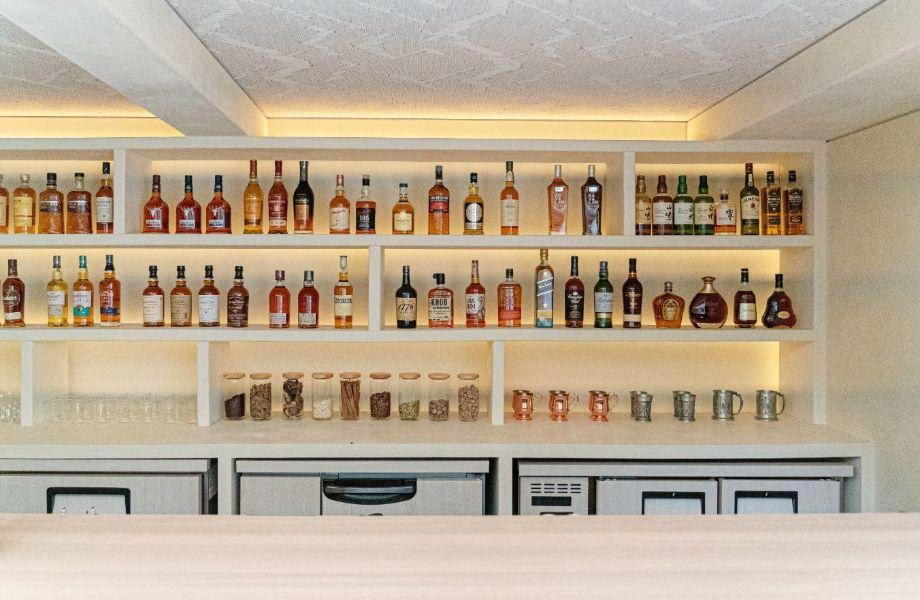
Where Anguk's Architecture Meets the Regional Bar Circuit
Seoul's cocktail bars have, over the past decade, split into two broadly legible camps: internationally styled operations in Gangnam and Itaewon that compete on global spirits vocabulary, and a smaller cohort of Jongno-area bars that frame their programs explicitly inside Korean cultural material. Gong-Gan sits firmly in the latter group. Its address at 66-4 Yulgok-ro 3-gil, Anguk-dong places it in a neighbourhood where hanok restoration projects and cultural institutions set the visual and architectural tone, a context that is not incidental to what the bar is doing. Tatler Asia-Pacific's recognition of Gong-Gan on its Leading Bars Asia-Pacific 2025 list is one signal that this approach has registered beyond Seoul's domestic audience.
Asia-Pacific bar recognition has, in recent years, gravitated toward programs that make a coherent cultural argument rather than simply replicating Western fine-drinking formats. Gong-Gan's hanok-inspired environment and its positioning around Korean heritage and modern mixology are precisely the combination that has drawn regional editorial attention to a handful of Seoul venues. Compared to Seoul peers such as Charles H, which operates in a luxury hotel frame, or Bar Cham, which has built recognition on technical precision, Gong-Gan's differentiation is architectural and cultural as much as it is about the glass.
The Anguk-dong Setting and What It Signals
Anguk-dong is one of the few neighbourhoods in central Seoul where the built environment has resisted wholesale redevelopment. The density of hanok properties, proximity to Gyeongbokgung Palace, and the presence of cultural and artisan businesses give the area a character distinct from the bar corridors of Itaewon or the commercial density of Gangnam. A bar in this postcode is making a location argument before a guest orders anything. The hanok-inspired design at Gong-Gan extends that argument into the interior, using the spatial logic and material sensibility of traditional Korean architecture as the physical frame for a contemporary drinking program.
That framing matters for the kind of guest the bar attracts. Visitors to Anguk-dong are often already oriented toward Korean cultural heritage, whether through the palace, the nearby Bukchon Hanok Village, or the area's gallery and craft spaces. A bar that makes its environment legible within that context has a natural constituency that a nightlife-district venue in Hongdae or Itaewon would need to manufacture. For visitors building an itinerary around Seoul's cultural geography, Gong-Gan occupies a different slot than the cocktail-destination bars further south.
Recognition, comparable set, and What the Tatler Listing Implies
Appearing on the Tatler Leading Bars Asia-Pacific 2025 list places Gong-Gan in a specific competitive context. Tatler's Asia-Pacific bar selections have historically rewarded programs that operate with cultural specificity, technical discipline, and spatial coherence, qualities that align with what Gong-Gan's description as a bar blending Korean heritage and modern mixology with poetic precision suggests. The list is not a blind tasting; environment, concept, and cultural legibility carry weight alongside what is in the glass.
Within Seoul specifically, the Tatler bar list has drawn in venues across different format tiers. Alice Cheongdam and Bar D.Still represent Seoul's broader recognition on regional lists, each making different arguments about what contemporary Korean bar culture looks like. Gong-Gan's argument is anchored in Jongno's heritage district and in an aesthetic of restraint. Beyond Seoul, South Korea's bar scene has developed regional nodes worth tracking, including Muyongdam in Jeju Si, Climat in Busan, and Anjuga in Ansan Si, which together indicate that Korean cocktail culture is not solely a Seoul phenomenon. Further afield, Regency Club in Incheon and Seuwichi in Heungdeok extend the map.
For comparative context outside South Korea, bars on Tatler's Asia-Pacific list tend to sit in the same conversation as venues like Bar Leather Apron in Honolulu, which applies a similarly disciplined, ingredient-focused approach within a distinct cultural setting, or Jewel of the South in New Orleans, where regional identity anchors a technically accomplished program. The shared thread is that regional recognition now reliably follows bars making coherent place-based arguments.
Planning Your Visit
Gong-Gan's Anguk-dong location is reachable via Anguk Station on Seoul Metro Line 3, making it accessible from most central districts without requiring a taxi. The neighbourhood is leading approached in the late afternoon or early evening, when foot traffic through the nearby hanok village has thinned and the quieter streets allow the architectural setting to read more clearly. Given its Tatler 2025 listing and the volume of culturally curious visitors that Anguk-dong draws, reaching out in advance is advisable; the bar can be contacted at +82 2 723 6444.
At-a-Glance Comparison
Comparable venues nearby, for context on price, style, and recognition.
| Venue | Cuisine | Price | Awards | Notes |
|---|---|---|---|---|
| Gong-GanThis venue — the venue you are viewing | cocktail_bar | $$$ | ||
| Dogokokk | wine_bar | $$$ | Dogok-dong | |
| Cham in Season | cocktail_bar | $$$ | , | 효자동 |
| SAHM | cocktail_bar | $$$ | , | 압구정동 |
| Ida | wine_bar | $$$ | 가회동 | |
| PIZZERIA D'BUZZA | beer_bar | $$ | , | 이태원동 |
At a Glance
- Romantic
- Quiet
- Elegant
- Intimate
- Hidden Gem
- Sophisticated
- Date Night
- Special Occasion
- Celebration
- Courtyard
- Historic Building
- Design Destination
- Standalone
- Seated Bar
- Lounge Seating
- Craft Cocktails
- Garden
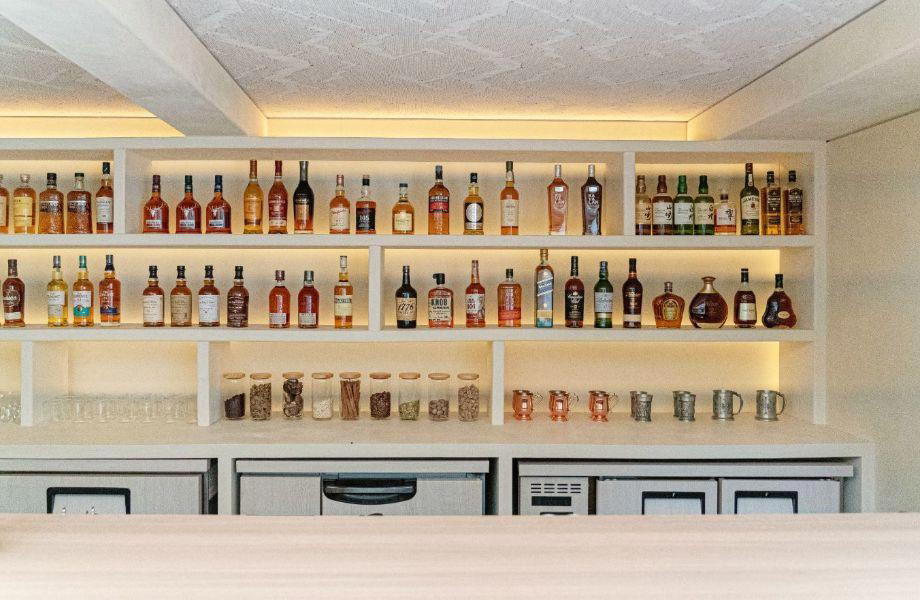
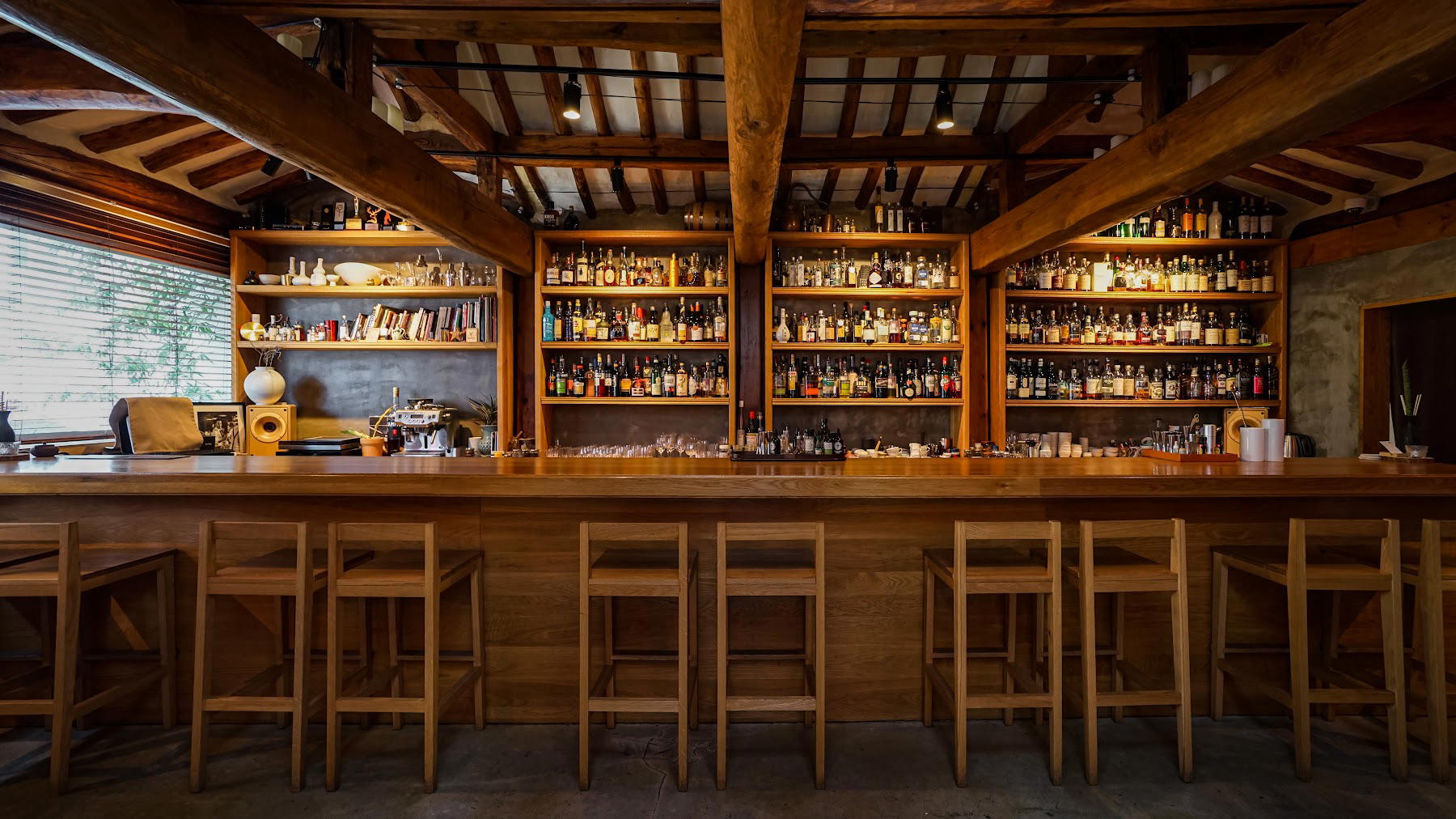
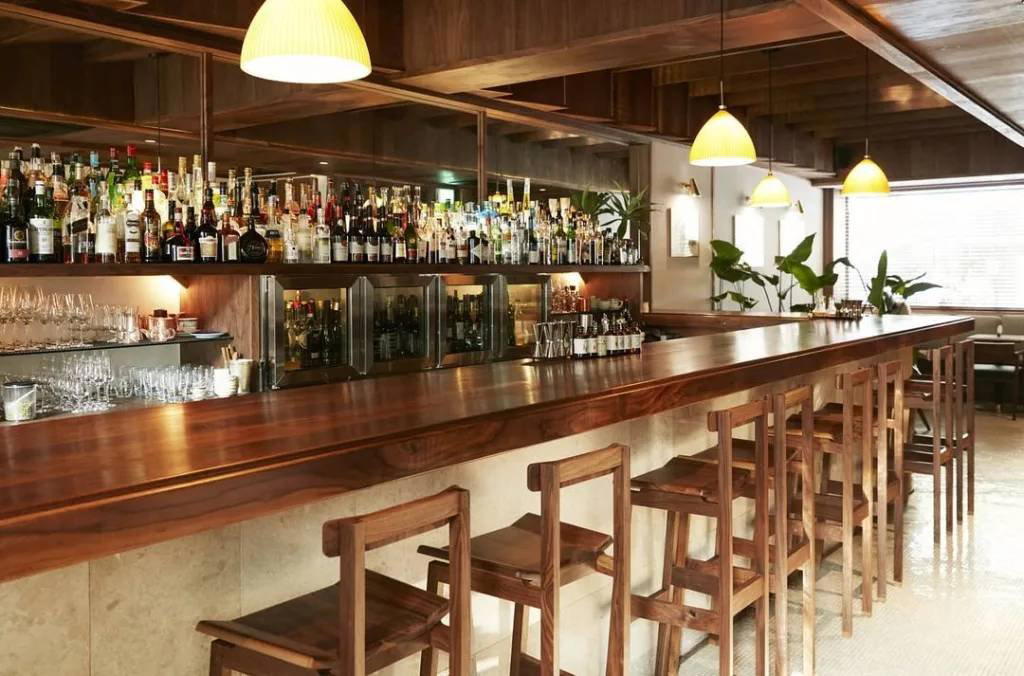
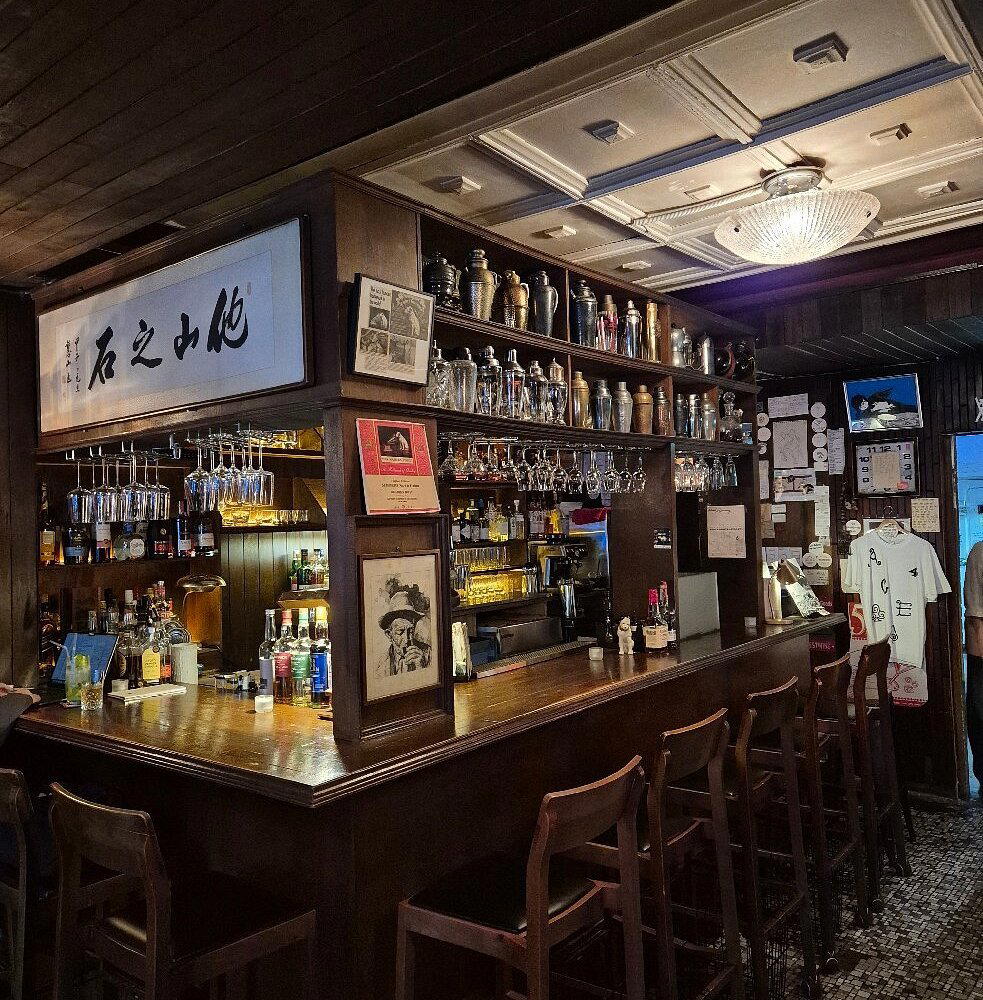
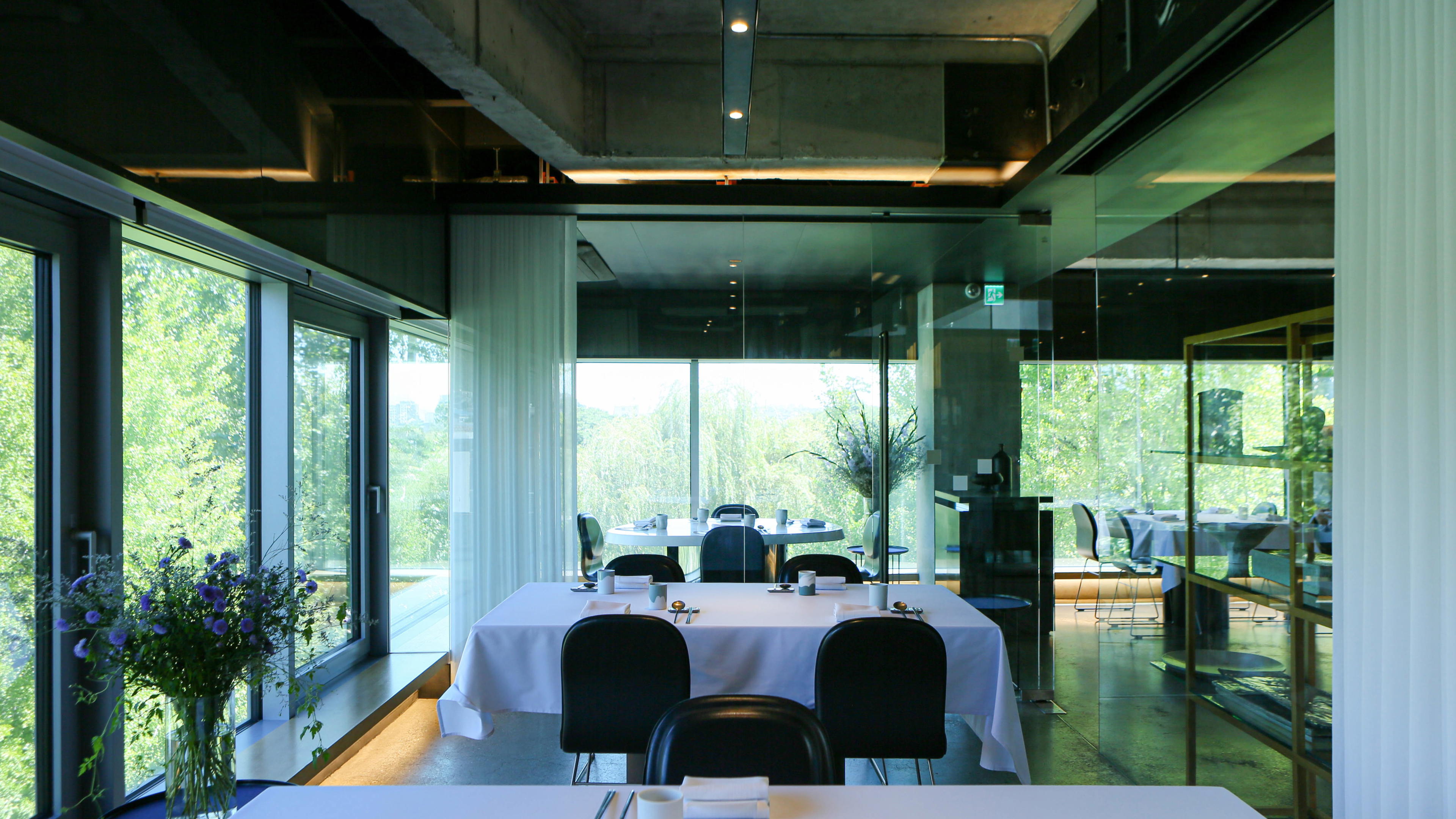
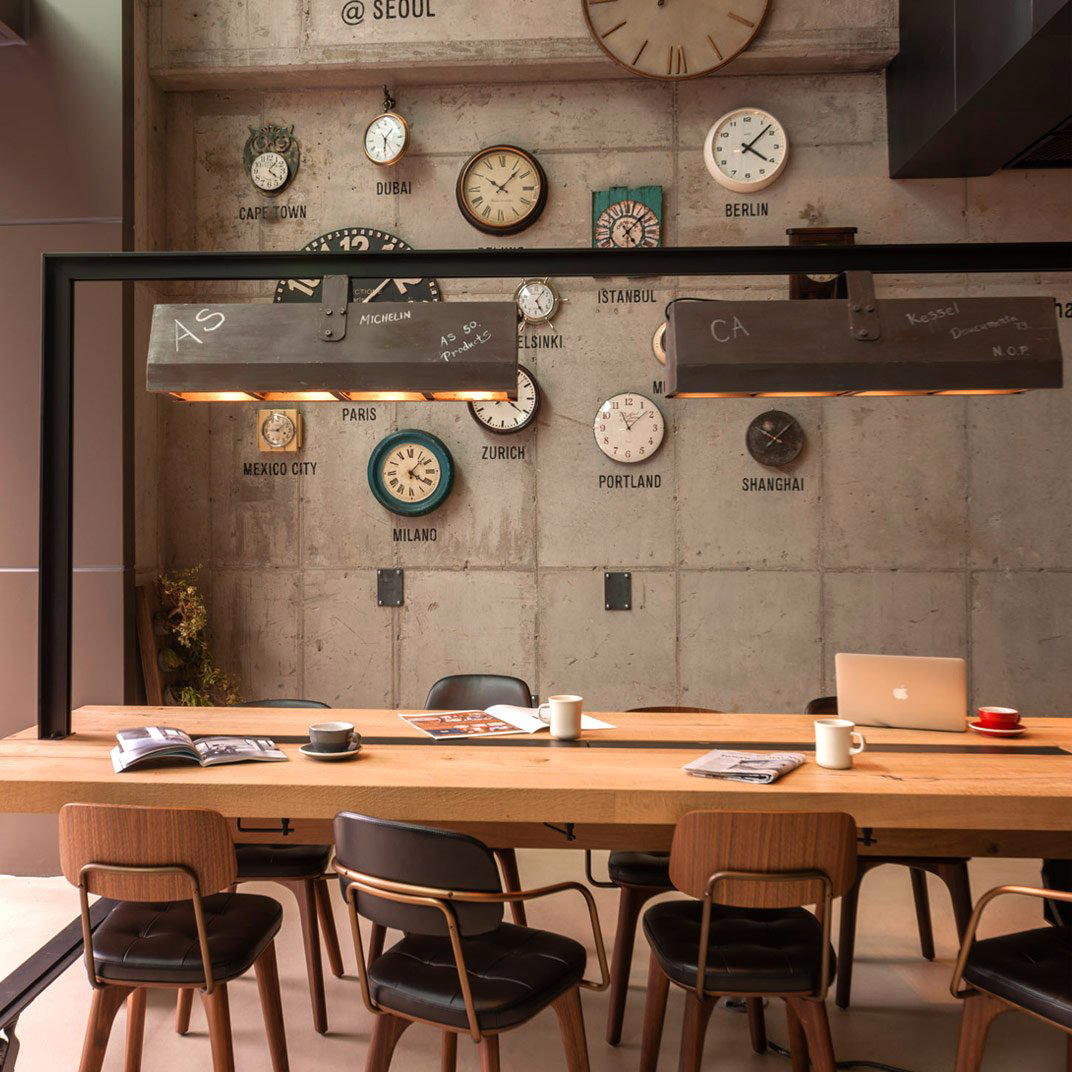
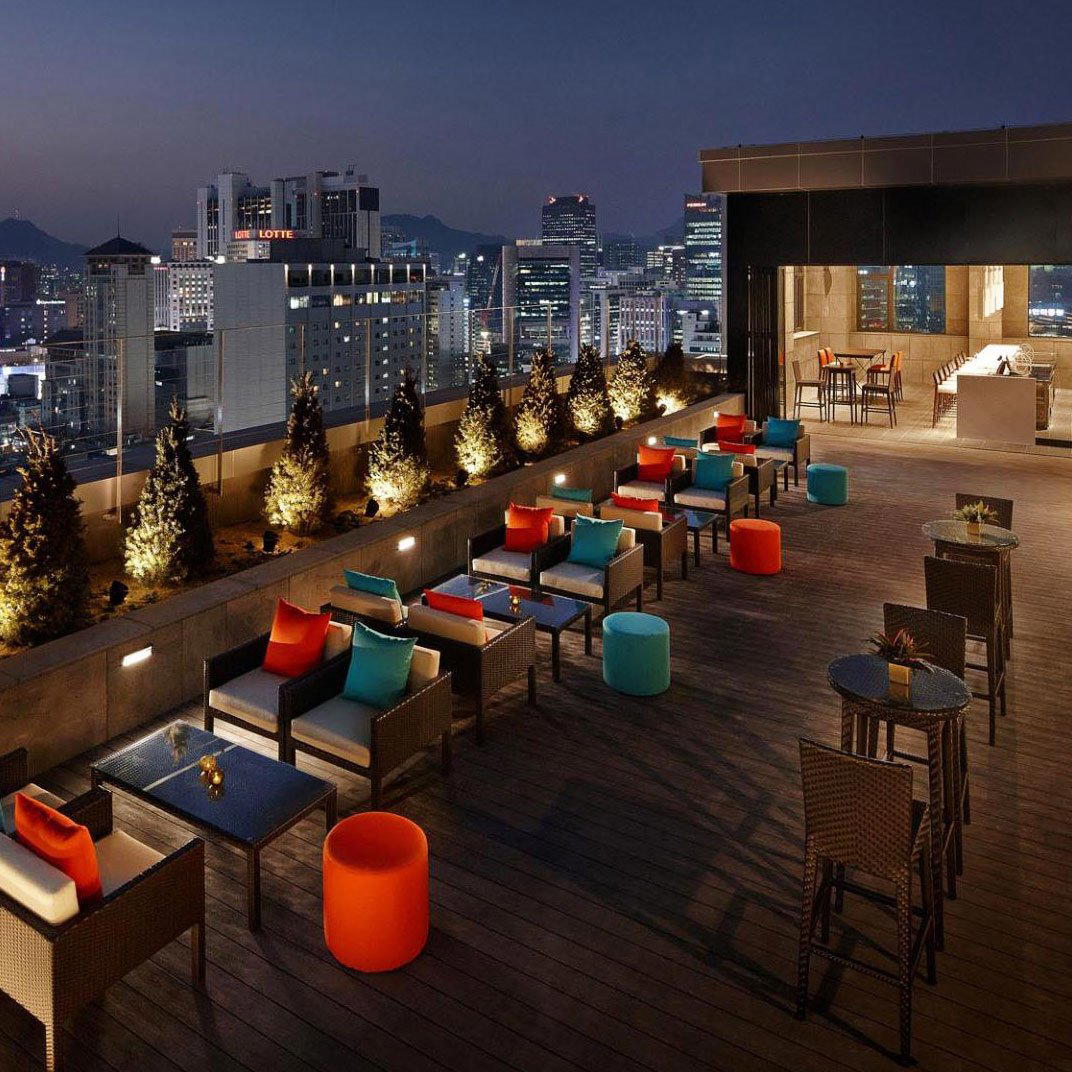
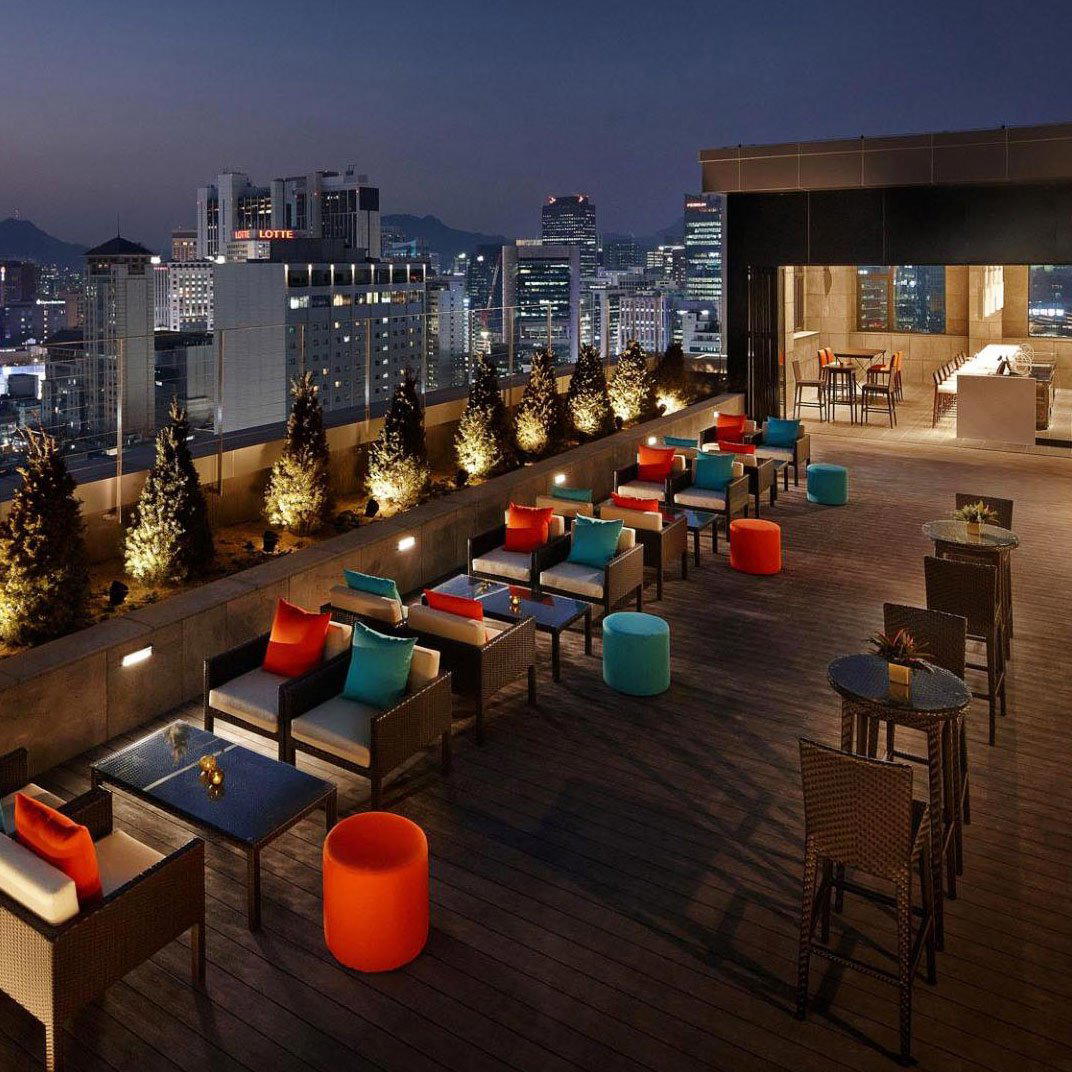
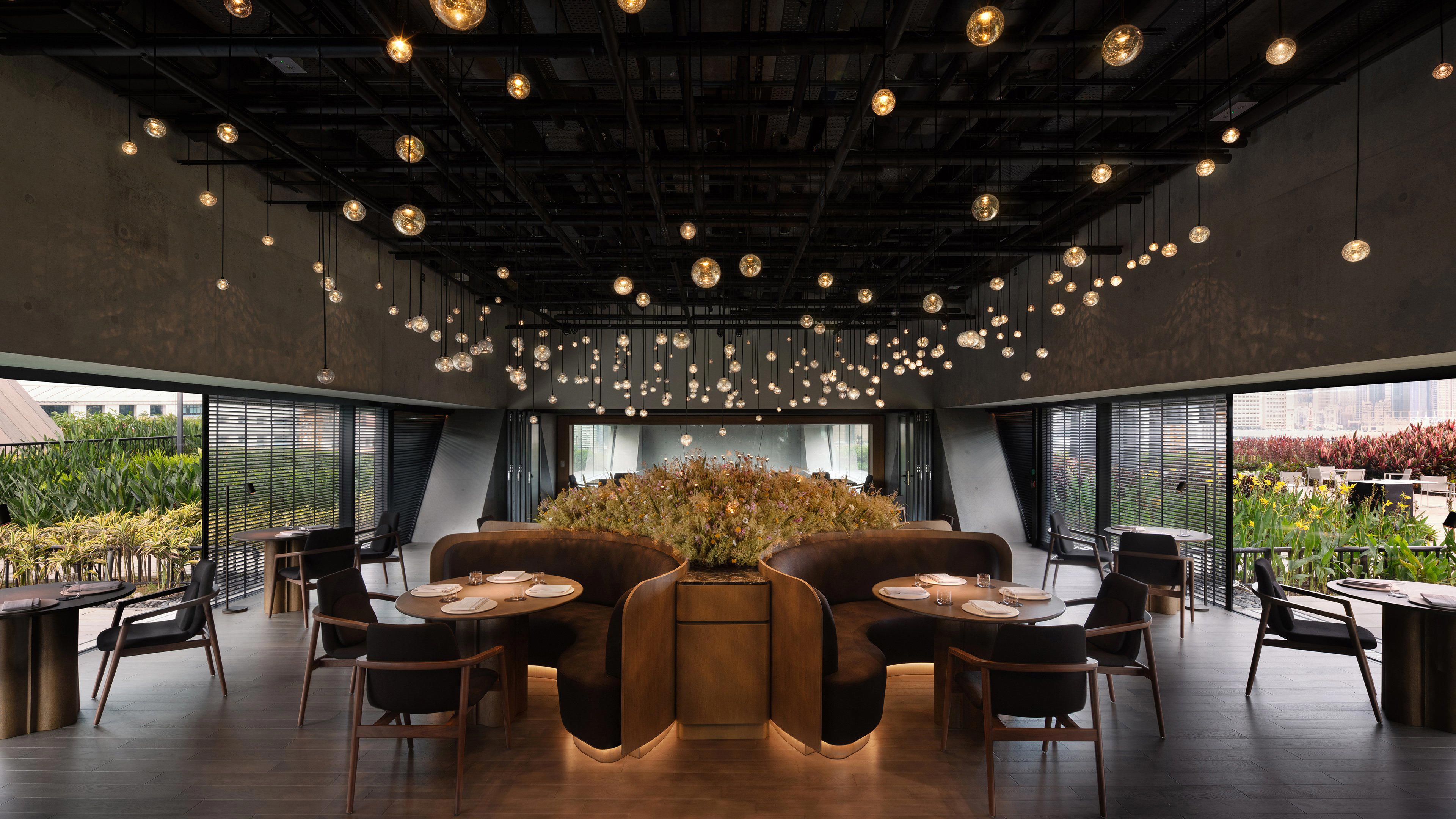
Serene and intimate with milk-white interiors, natural light flooding through the central courtyard, wooden furniture, and natural accents creating a calming oasis that blends ancient Korean aesthetics with modern design.