Gangwon-do
Gangwon-do is South Korea's northeastern province, and Hongcheon sits at its western edge where mountain terrain shapes both the architecture and the pace of a visit. The area draws travellers seeking a counterpoint to Seoul's density, with forested valleys, traditional structures, and a lodging culture that leans toward immersive natural settings rather than urban amenity stacking.
 Discover on Pearl
Pearl is the En Primeur Club membership app — saves, bookings, and concierge access live there. Same editors, same standards.
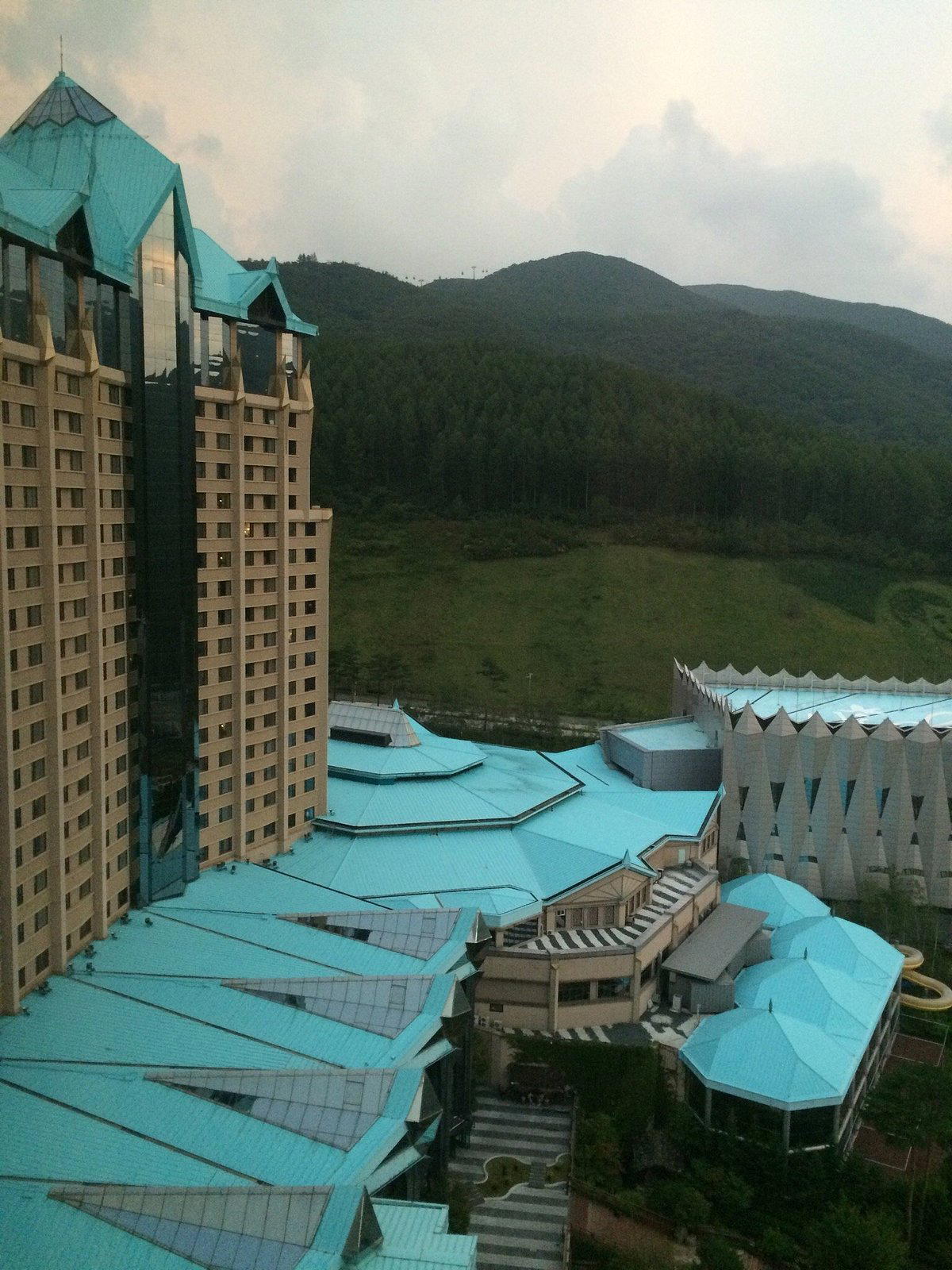
Where Gangwon-do's Architecture Meets the Valley Floor
South Korea's interior mountain provinces have developed a distinct hospitality register over the past two decades, one that answers Seoul's vertical density with horizontal space, natural materials, and a deliberate relationship between built structure and forested terrain. Hongcheon, positioned at the western approach to Gangwon-do, sits at the centre of that shift. The county is neither a resort destination in the conventional sense nor a stopover town. It occupies a middle category that Korean travellers understand well: the jeonwon, or countryside retreat, where the design of a space and its surrounding landscape are inseparable propositions.
Gangwon-do as a province has long defined itself through geography. The Taebaek mountain range bisects it from north to south, leaving the western counties, Hongcheon among them, with a slightly softer character than the dramatic coastal cliffs of the east. That softer character shows up architecturally. Properties in this zone tend toward low-profile construction, heavy timber framing, and materials sourced within the region. The result is a built environment that reads as rooted rather than imposed, a distinction that matters to the growing cohort of Seoul-based travellers who now treat Gangwon-do weekends as a form of deliberate decompression. For comparable immersive forest stays elsewhere in the region, Camptong Forest in Gapyeong offers a useful point of comparison, sitting in the same broad tradition of nature-integrated retreat design.
The Design Tradition Behind Gangwon-do Retreats
Understanding what Gangwon-do offers architecturally requires some context about how Korean domestic travel evolved after 2010. As Seoul's hotel market consolidated around internationally branded towers, a counter-movement emerged among properties in the provinces: smaller footprints, locally trained architects working with regional stone and pine, and interiors that referenced hanok proportions without being strict reconstructions. This is the design lineage that Hongcheon-area properties inherit.
The hanok influence is worth examining specifically. Traditional Korean residential architecture organises space around a central courtyard, with rooms facing inward and eaves calculated to admit winter sun while blocking summer heat. Contemporary Gangwon-do properties translate that logic into a landscape setting rather than an urban plot, replacing the walled courtyard with a clearing, a stream, or a cultivated garden. The spatial effect, a sense of enclosure within openness, carries across the translation. Travellers arriving from the compressed geometry of Seoul's hotel district experience the shift immediately, which is part of the point.
Seoul's premium hotel tier, which includes properties like the Four Seasons Hotel Seoul, the Josun Palace in Gangnam, and the Grand InterContinental Seoul Parnas, operates at a different register entirely: urban, service-dense, internationally legible. Gangwon-do retreats position themselves as a conscious departure from that model, competing less on amenity count and more on the quality of physical environment and the specificity of the natural setting. For travellers who want both, a Seoul base at a property such as Casino Hotel Seoul or Dormy Inn Seoul Gangnam followed by a Gangwon-do extension is a standard itinerary pattern.
Getting There and Timing a Visit
Hongcheon sits roughly 100 kilometres east of Seoul, accessible via the Jungang Expressway or by rail to Hongcheon station. The drive from eastern Seoul takes approximately 90 minutes outside peak traffic, though the Chuseok and Seollal holiday periods see that extend considerably. Spring (April to May) and autumn (September to October) represent the clearest windows for visiting: the valley foliage is at its most distinct, temperatures allow for outdoor movement, and the accommodation pressure, while present, is less acute than summer weekends. Ski season shifts demand patterns toward late November through February, particularly for properties with access to the Vivaldi Park and High1 resort areas.
For travellers building a broader Korean itinerary, Gangwon-do pairs naturally with a coastal extension to Gangneung, where Oakwood Lagoon Town Gangneung represents the province's more urban edge, or further east to Kensington Hotel Seorak in Sokcho-si, which anchors the Seoraksan National Park approach. Both sit within the same provincial framework but read as distinct travel propositions: Gangneung leans coastal and contemporary, Sokcho leans alpine and trail-oriented. Hongcheon occupies the interior middle ground.
How Gangwon-do Compares Within Korea's Wider Retreat Tier
Korea's domestic luxury retreat market has expanded substantially since 2015, with properties across multiple provinces competing for the same Seoul-origin weekend traveller. Jeju Island remains the dominant long-haul domestic destination, anchored by properties like the Grand Hyatt Jeju, Haevichi Hotel and Resort Jeju, and the JW Marriott Jeju Resort and Spa. But Jeju requires a flight or ferry, which adds a planning threshold. Gangwon-do's proximity to Seoul makes it a different category of escape: accessible enough for a two-night stay, removed enough to register as genuine departure.
Further south, Ananti at Busan Cove and South Cape Owners Club in Namhae represent Korea's coastal club-resort model, architecturally ambitious but oriented toward a wealthier leisure demographic with access to golf and marina infrastructure. Gangwon-do's appeal is more elemental and less amenity-driven. The architecture here does not need to compensate for location; the location is the architecture's primary argument.
For international travellers extending a Korean trip, comparison points outside the country help frame what Gangwon-do offers. The emphasis on natural-material construction and landscape integration places it in a peer conversation with properties like Amangiri in Canyon Point, where terrain is the primary design brief, or Castello di Reschio in Lisciano Niccone, where architectural restoration serves a landscape argument. The scale and price points differ, but the underlying philosophy, that a building should intensify rather than override its setting, runs through all of them.
Planning a Visit to Gangwon-do and Hongcheon
Practical preparation for a Gangwon-do stay benefits from a few specific considerations. Most properties in the Hongcheon area operate on a two-night minimum during peak season weekends, and advance booking of four to six weeks is advisable for autumn foliage season. Korean domestic booking platforms, particularly Naver and Yanolja, often carry inventory not visible on international aggregators. The county itself has limited fine-dining infrastructure; meal planning typically centres on the property restaurant or on local pojangmacha and galbi houses in Hongcheon town, where regional beef and mountain vegetable dishes reflect the agricultural character of the surrounding land.
Travellers arriving from or departing toward international gateways have practical options in both directions. Art Paradiso Hotel in Incheon sits near Incheon International Airport and covers the transit need efficiently. For those building a multi-country itinerary, the broader context of what Gangwon-do represents, a terrain-defined, architecture-led retreat within two hours of a major international hub, has direct parallels in properties like Bvlgari Hotel Tokyo or Cheval Blanc Paris as transit anchors flanking a landscape-focused middle leg. The logic of the itinerary, urban arrival, mountain interlude, urban departure, is one that Gangwon-do handles as well as any province in Northeast Asia.
Continue exploring
More in Hongcheon
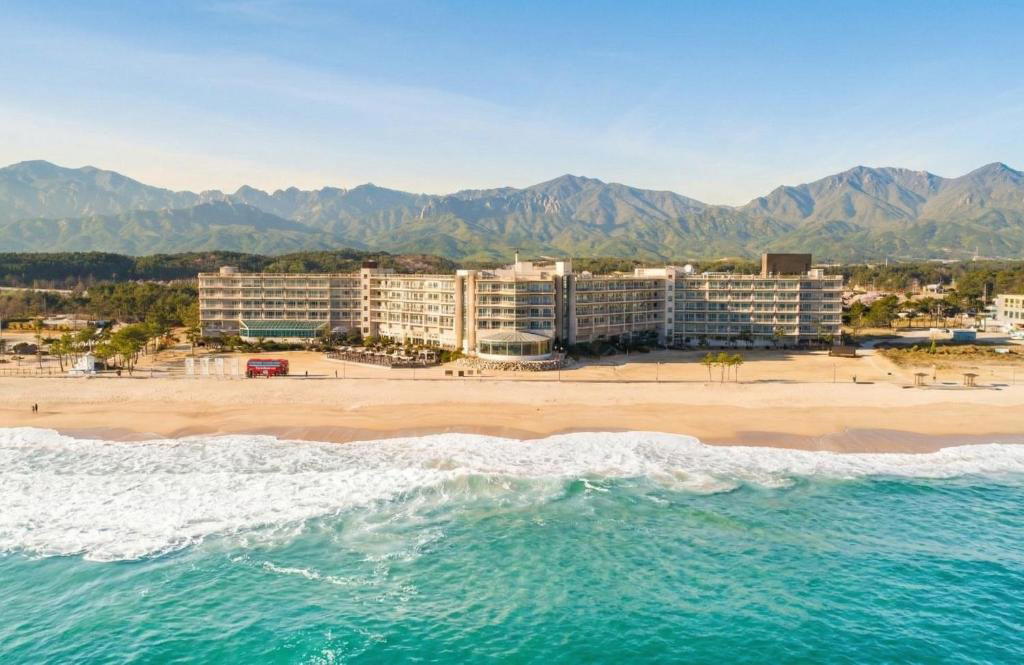
Hotels in Hongcheon
Browse all →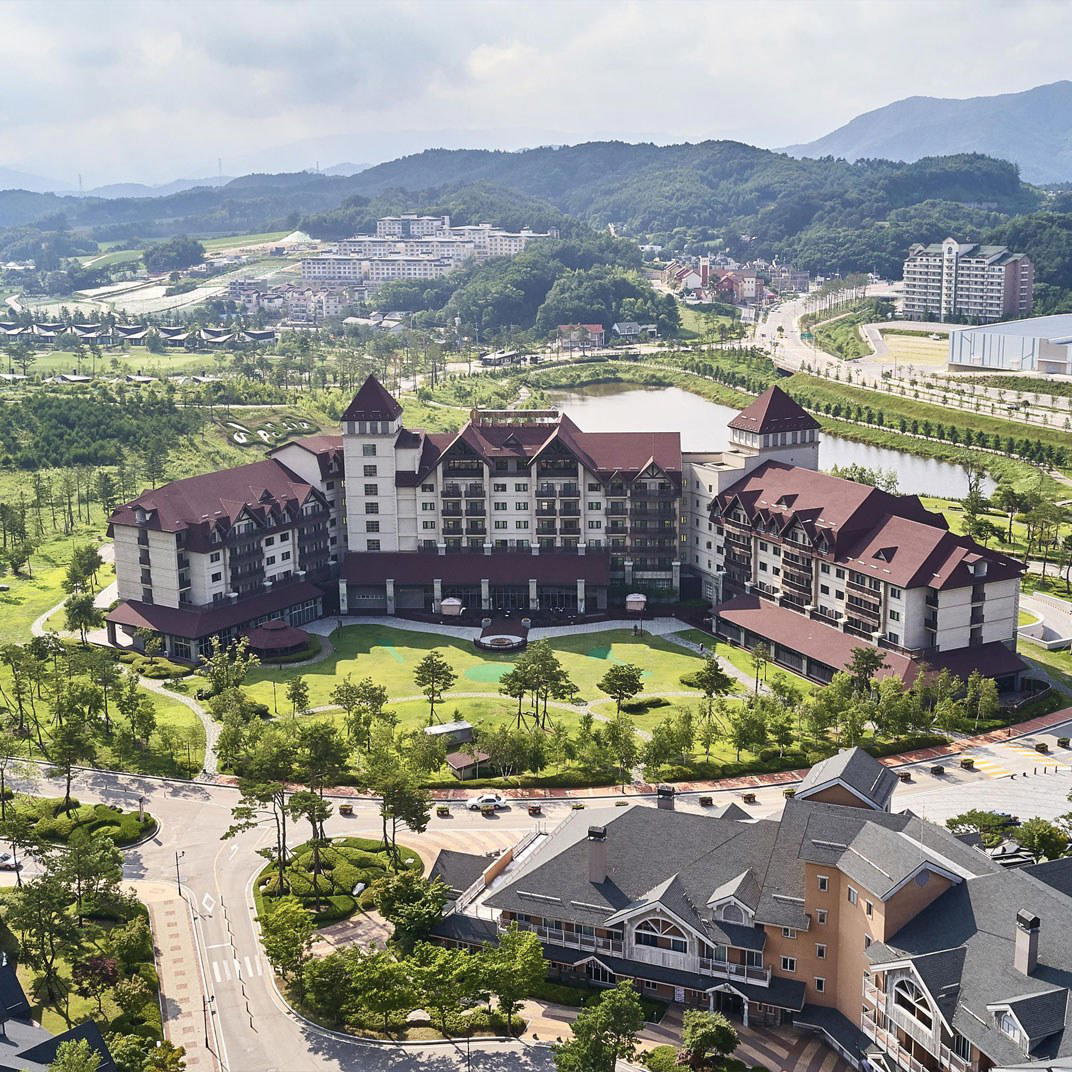
Restaurants in Hongcheon
Browse all →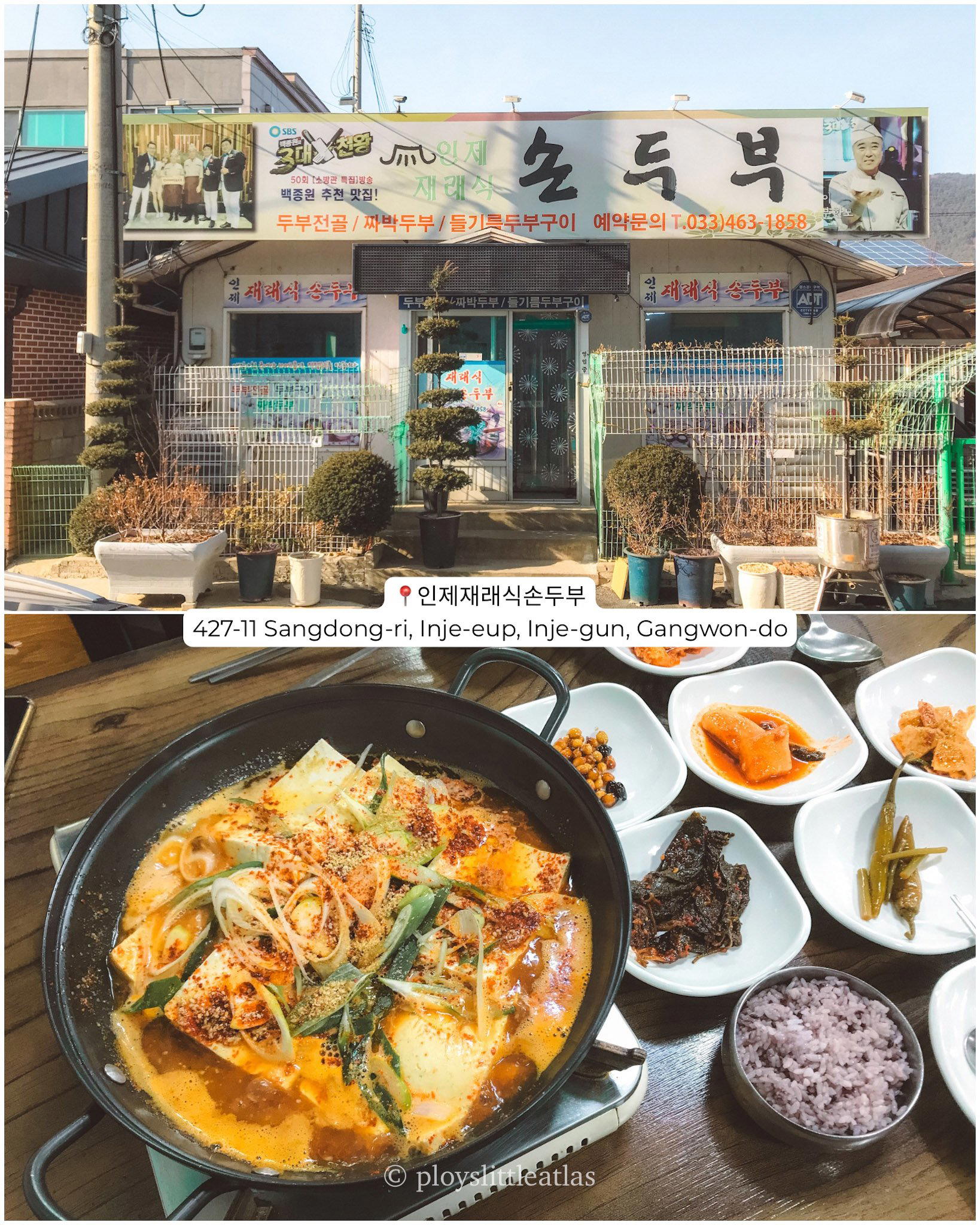
At a Glance
- Scenic
- Cozy
- Family Vacation
- Weekend Escape
- Golf Course
- Panoramic View
- Wifi
- Pool
- Spa
- Fitness Center
- Room Service
- Concierge
- Restaurant
- Indoor Pool
- Outdoor Pool
- Mountain
Spacious rooms with modern conveniences, fitness center, spa, and pools offering a relaxing family-oriented atmosphere amid natural surroundings.