Conrad Seoul




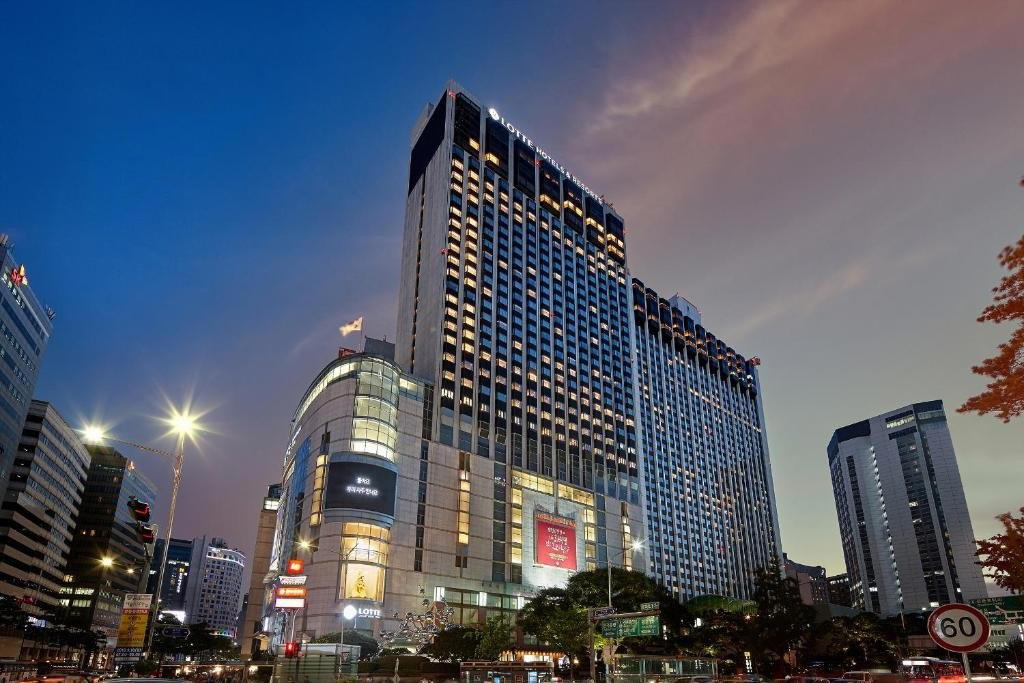
Occupying one of the four towers of the International Finance Centre in Yeouido, Conrad Seoul positions itself at the intersection of Seoul's financial district and its luxury accommodation tier. With 434 rooms, five dining venues, and a La Liste Top Hotels score of 92.5 points in 2026, it draws a consistent mix of corporate travellers and leisure guests seeking river views and airport proximity.
Pearl is the En Primeur Club membership app — saves, bookings, and concierge access live there. Same editors, same standards.
- Address
- 10 Gukjegeumyung-ro, Yeongdeungpo District, Seoul
- Phone
- +82 2-6137-7000
- Website
- hilton.com
- Directions
- Get directions
 Saves & bookings on Pearl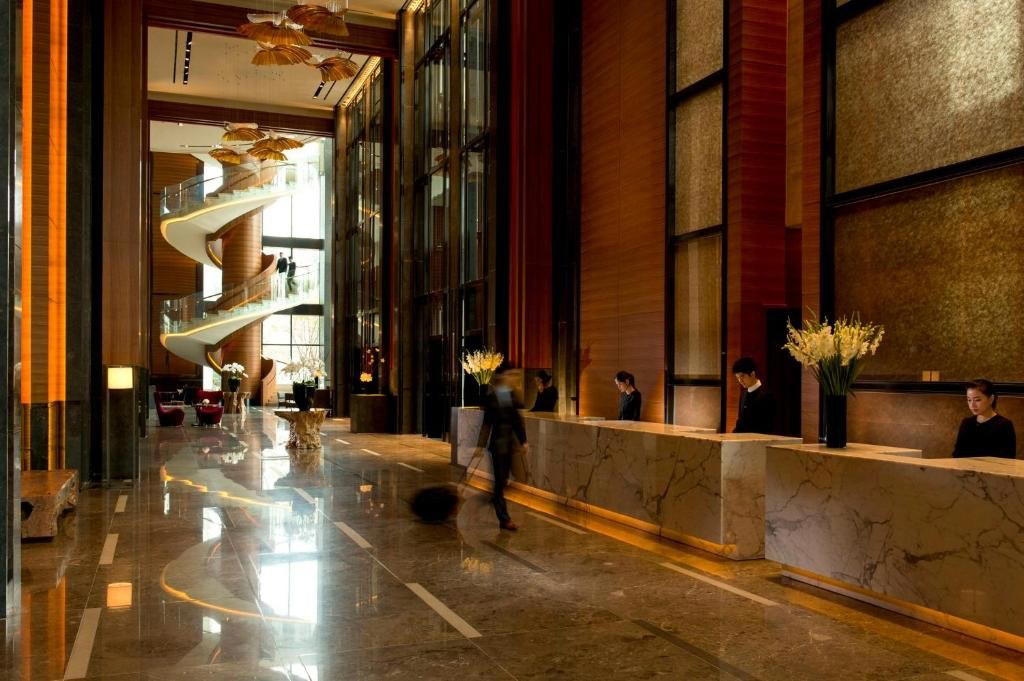
Yeouido's Financial Island and What It Means for a Hotel's Address
Yeouido is not a neighbourhood that crept into Seoul's consciousness gradually. The island in the Han River was developed deliberately as a power centre: the National Assembly sits here, the country's tallest building at the time of construction dominated its skyline, and the financial institutions that line its grid gave rise to the shorthand 'the Manhattan of Seoul.' That comparison overstates the cultural texture but captures the density of corporate gravity. For a hotel operating in this district, the address is both an asset and a positioning statement. Conrad Seoul is a 5-star hotel in Seoul's Yeouido district, part of Hilton Worldwide, with 434 rooms and a nightly rate from about $350. It occupies one of the four towers of the International Finance Centre, a complex that integrates a subway connection, a department store (The Hyundai Seoul), and a cinema multiplex under the same footprint. Arriving here by train from either Incheon or Gimpo, you step into the hotel's orbit without exiting into street-level Seoul at all, a detail that matters more than it sounds during January cold snaps or August humidity.
The Architecture of First Impressions
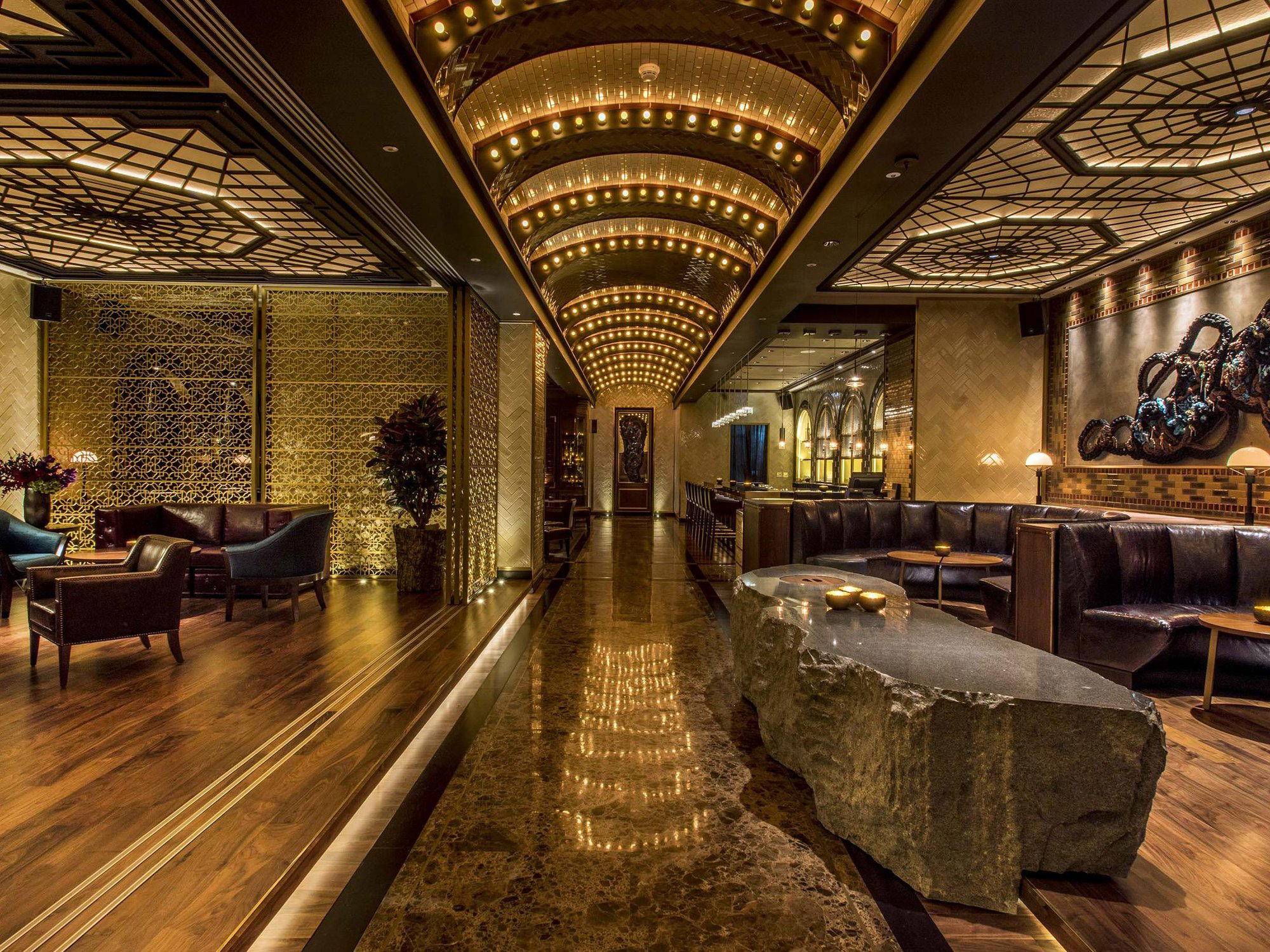
Seoul's luxury hotel corridor has developed strong opinions about lobbies. The Four Seasons Hotel Seoul in Gwanghwamun works with restrained materiality; the Grand Hyatt Seoul on Namsan leans into panorama. Conrad Seoul's entry proposition is volume and symbolic detail. The lobby operates under dramatic ceiling heights, and the chandeliers suspended within it are cast in amber-coloured ginkgo leaf forms, a choice that is neither decorative accident nor generic luxury shorthand. The ginkgo is a symbol of fortune and wellness in Korean cultural tradition, and the motif extends through the property on rugs, walls, and sculptural pieces. For a hotel built inside a glass financial tower, this threading of cultural reference through the interior gives the space a legibility it might otherwise lack.
Glass elevators serve the fifth through seventh floors, where the hotel's function and event spaces concentrate. The 13 meeting rooms, equipped for hybrid and virtual formats, position Conrad Seoul as a conference destination with the capacity to host events that require both technical infrastructure and a formal hospitality envelope. The ballroom offers flexible contemporary layout rather than fixed banquet rigidity. For the Fairmont Ambassador Seoul comparable set operating nearby, the comparison point is conference scale alongside guest room quality, Conrad Seoul holds its ground on both.
Rooms Positioned Above the River
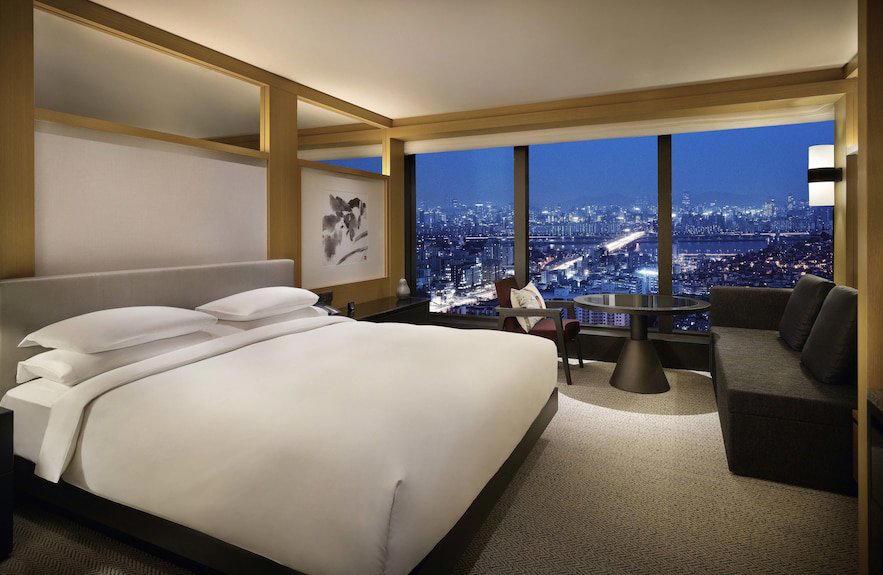
The hotel's 434 rooms begin at a 517-square-foot standard configuration, which places the entry-level offering considerably above the city average for comparable international flags. Each standard room includes a marble bathroom with double vanities, a soaking tub, and an integrated television within the mirror. The 'magic glass' partition between bathroom and bedroom, a panel that switches from clear to frosted at the touch of a button, is a feature that reads as a considered spatial decision rather than a gimmick, particularly in a room where river-facing sightlines are part of the sell.
Eighty percent of the rooms carry Han River views, and the effect at night, when the bridges illuminate, is a version of Seoul that the city's denser neighbourhoods do not offer. The 47 Corner Suites at 1,033 square feet add sightlines toward the financial district, including the 63 Building, alongside expanded living and dining areas, a walk-in closet, and a small kitchen. At the summit of the stack, the 36th-floor Penthouse Suite reaches 3,100 square feet and has drawn high-profile international guests during film productions and promotional schedules. Suite bookings unlock access to the 37th-floor Executive Club Lounge, which operates across breakfast, afternoon tea, and evening cocktail service, a tiered offering that functions as a hotel-within-the-hotel for guests who prefer to anchor their day in one well-serviced space.
The Eighth Floor and What Wellness Looks Like at This Tier
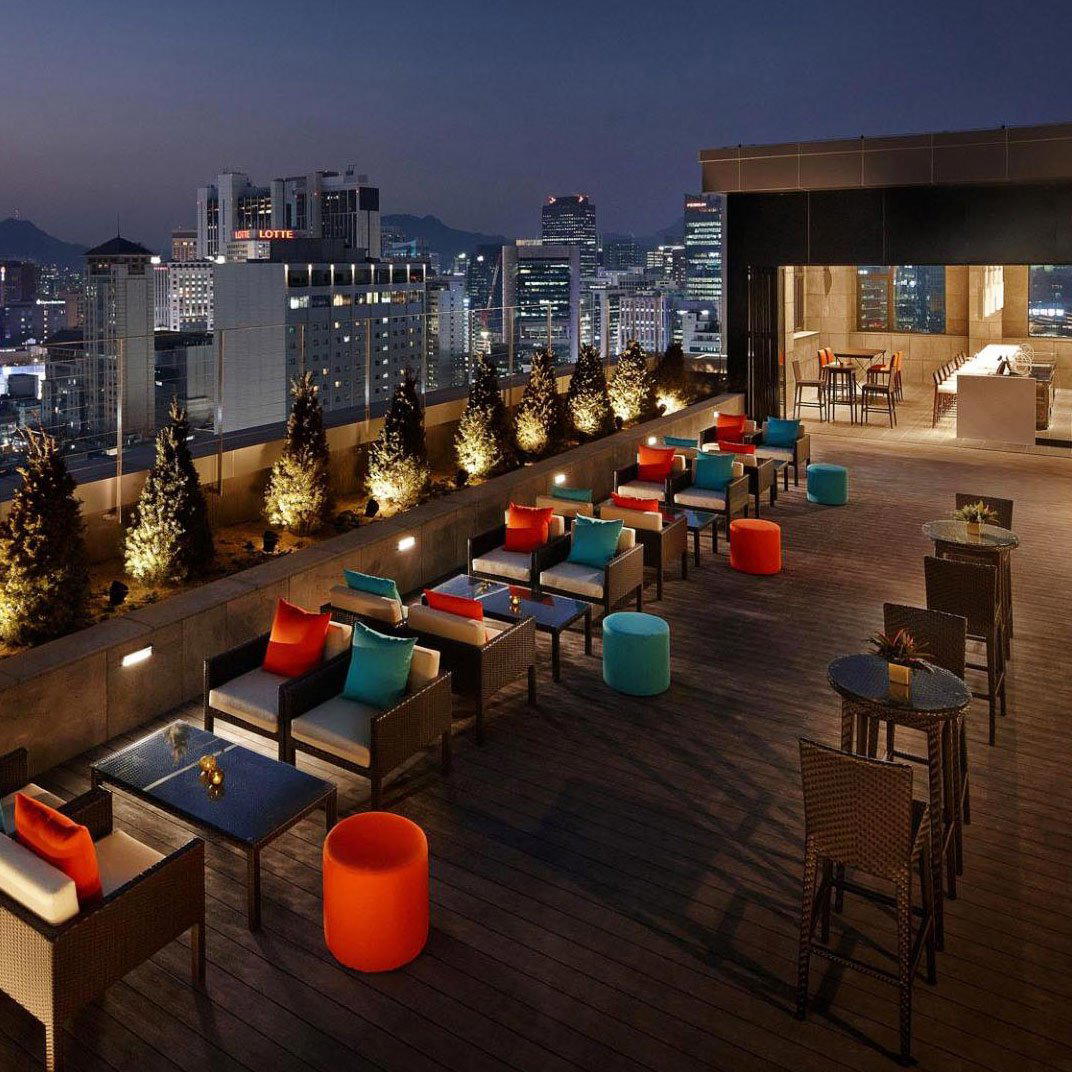
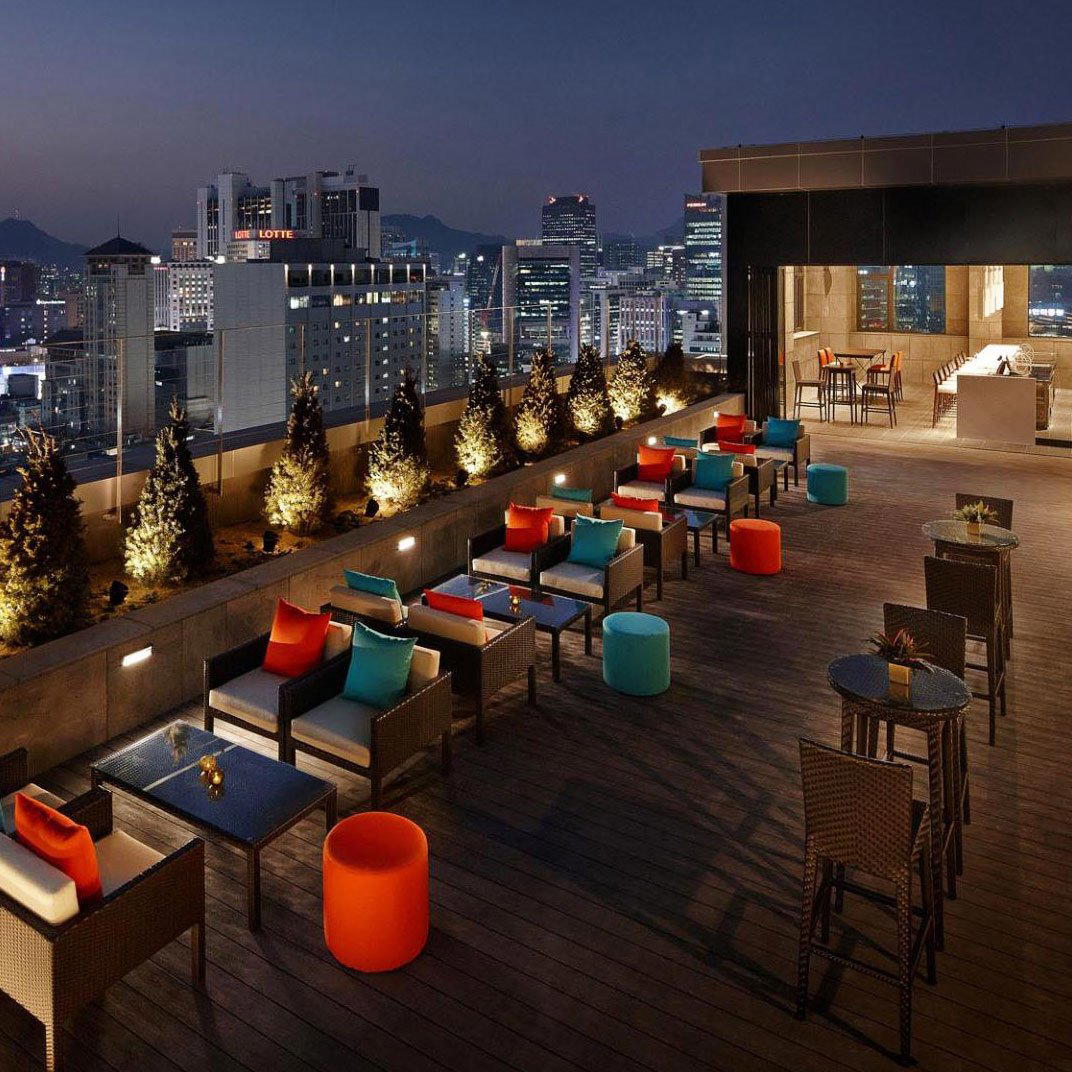
Seoul's premium hotels have largely converged on wellness as a differentiator, and the infrastructure arms race between properties like Banyan Tree Club & Spa Seoul and international flags has raised the baseline expectation. The hotel's Wellness Zone occupies the eighth floor and includes a 24-hour fitness centre, a heated indoor swimming pool, steam room, sauna, and spa. The floor is configured as a self-contained circuit rather than a collection of adjacent amenities, the spatial logic matters in practice. Vertigo, the indoor/outdoor rooftop space on the ninth floor, was formally designated a 'distinctive venue' by the Seoul government and operates as a dining and event space with a Han River orientation. For guests arriving from international time zones, both floors offer recovery infrastructure that functions across hours rather than within a fixed spa booking window.
The golf offering, seven indoor driving ranges including two virtual simulators with professional instruction available, speaks to the Yeouido corporate demographic as clearly as the meeting room count does. This is not incidental programming. Yeouido hosts the financial and legislative institutions that generate the active golf culture in Korean corporate life.
Dining Format Across Five Venues
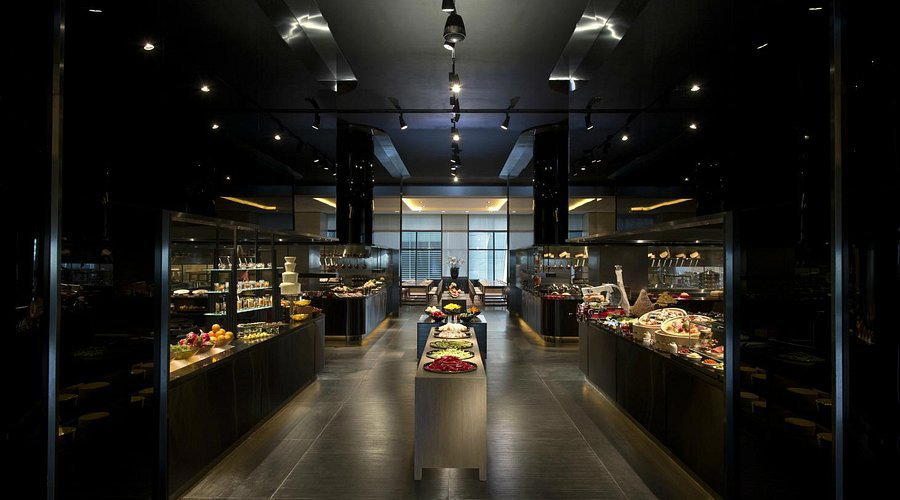
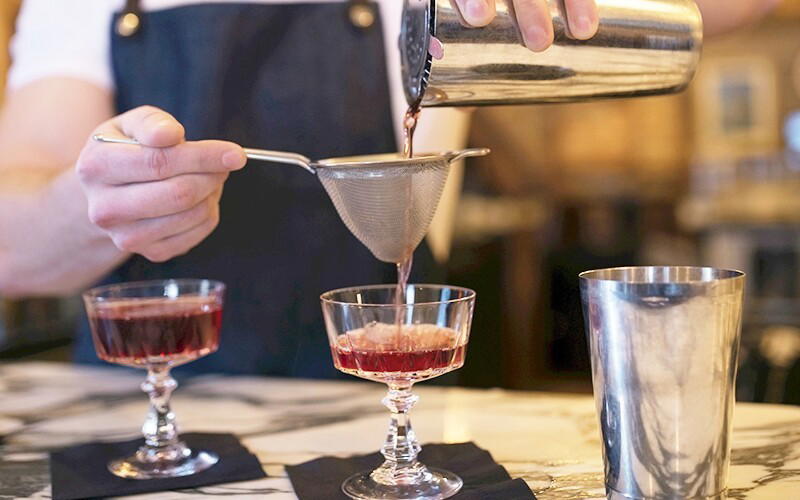
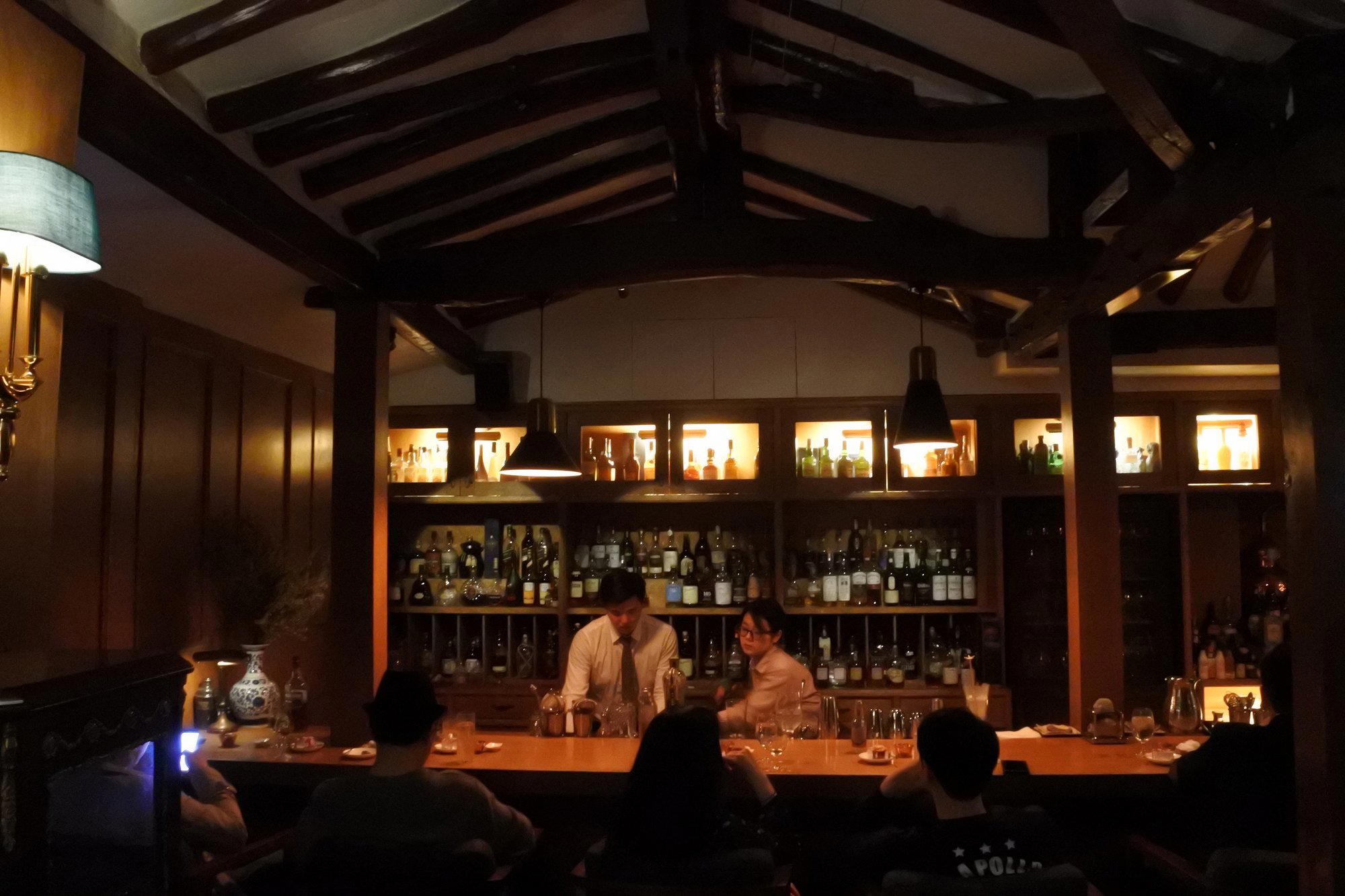
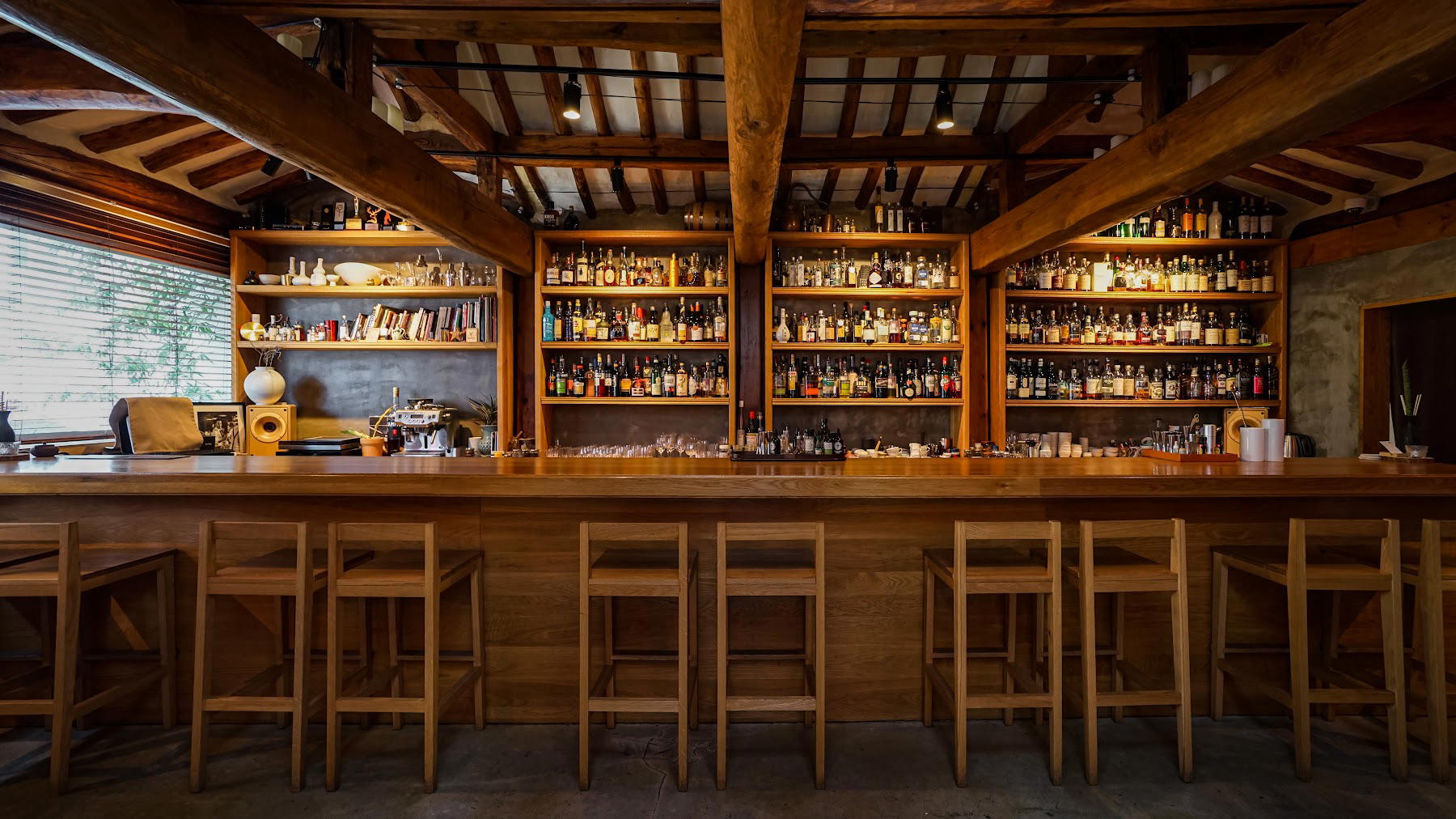
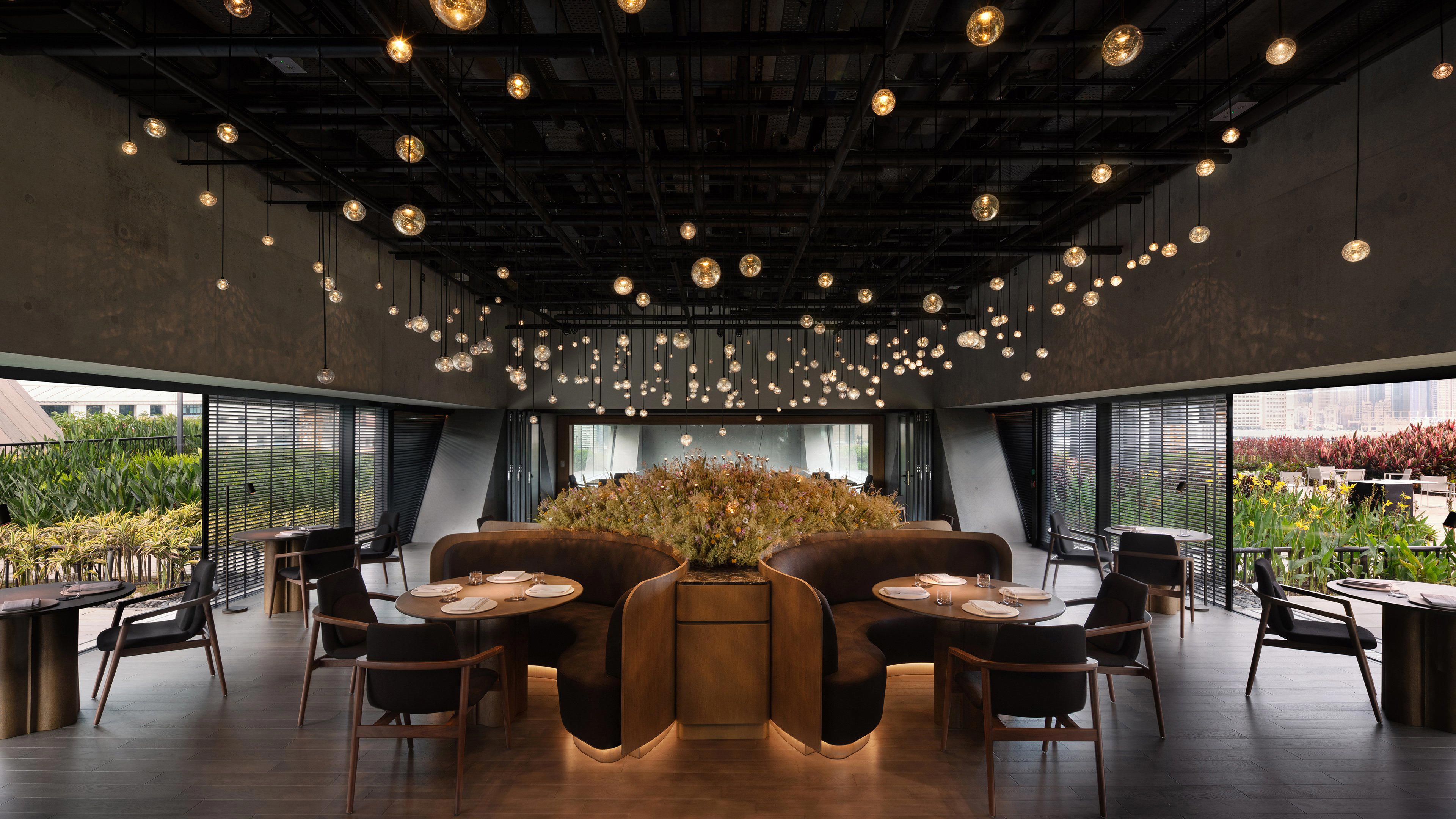
Five dining venues within a single hotel property is a substantial investment in food and beverage programming at any tier. Five dining venues within a single hotel property is a substantial investment in food and beverage programming at any tier. The breadth signals an intention to retain guests across meal occasions rather than position the hotel as a base for neighbourhood dining. The lobby bar and Executive Lounge function as bookends to the more formal restaurant programming. For context, hotels at this scale in Seoul, including the Grand InterContinental Seoul Parnas, treat multi-venue dining as a revenue and retention strategy that also supports event catering.
Recognition and Competitive Position
The hotel holds a La Liste Leading Hotels score of 92.5 points for 2026 and carries eight consecutive years of World Travel Awards nominations as South Korea's Leading Hotel. Within the Korean Green Building Council's accreditation framework, the hotel has earned certification for eco-efficient facilities, positioning it in line with Yeouido's broader environmental and green technology identity. For travellers comparing options, Aman Seoul Cheongdam operates in an entirely different district and format, prioritising intimacy over scale, while Art Paradiso Boutique Hotel represents the design-led smaller-footprint alternative within Seoul's accommodation spread.
Planning a Stay
The hotel sits at 10 Gukjegeumyung-ro in the Yeongdeungpo District, directly connected to the IFC Seoul subway station, which places both Incheon International Airport and Gimpo International Airport within reach by rail without requiring a transfer to road transport. The Hyundai Seoul department store and CGV Theatres share the IFC complex, giving the immediate surroundings a density of retail and leisure options that most Yeouido hotels cannot match on foot. For travellers extending into South Korea, the property's position provides a direct base for connections to destinations including Grand Hyatt Jeju, Ananti at Busan Cove, and Haevichi Hotel & Resort Jeju. Those planning wider itineraries within Korea might also consider Kensington Hotel Seorak for a contrast with the city-hotel format, or Soi Hanok Stay in Gyeongju for a heritage-architecture alternative. Internationally, the hotel's positioning and scale invite comparison with properties like Aman New York or The Fifth Avenue Hotel in terms of urban luxury operating within a business-district address.
Peers in This Market
Comparable venues nearby, for context on price, style, and recognition.
| Venue | Cuisine | Price | Notes |
|---|---|---|---|
| Conrad SeoulThis venue — the venue you are viewing | Contemporary luxury hotel with cutting-edge technology and refined design, positioned as a first-class destination for informed travelers seeking premium comfort and wellness experiences. | $$$$ | Not listed |
| Park Hyatt Seoul | contemporary urban luxury residence | $$$$ | Samseong-dong |
| JW Marriott Hotel Seoul | Contemporary luxury blending international style with Korean hospitality | $$$$ | 잠원동 |
| JW Marriott Dongdaemun Square | Modern luxury tower | $$$$ | 이화동 |
| Grand Hyatt Seoul | Luxury urban resort with extensive recreational facilities | $$$$ | 이태원동 |
| Vista Walkerhill Seoul | Sustainable luxury urban resort blending nature and high technology | $$$$ | 암사동 |
Recognition history
Dated appearances from independent guides and award organizations, with the underlying list record or original source where available.
Forbes 4-Star
Forbes
La Liste Top Hotels
La Liste
Virtuoso Luxury Hotel Partner
Virtuoso
Forbes 4-Star
Forbes
Michelin Selected
Michelin
Continue exploring
More in Seoul
Hotels in Seoul
Browse all →
At a Glance
- Elegant
- Sophisticated
- Modern
- Scenic
- Business Trip
- Romantic Getaway
- Family Vacation
- Anniversary
- Celebration
- Rooftop Pool
- Destination Spa
- Panoramic View
- Waterfront
- Garden
- Private Dining
- Wi Fi
- Pool
- Spa
- Fitness Center
- Room Service
- Concierge
- Business Center
- Valet Parking
- EV Charging
- Restaurant
- Bar
- Sauna
- Waterfront
- Skyline
- Wi Fi
- Pool
- Spa
- Fitness Center
- Room Service
- Concierge
- Business Center
- Valet Parking
- EV Charging
- Restaurant
- Bar
- Sauna
Modern, sunlit spaces with floor-to-ceiling windows offering panoramic city and river views; sophisticated yet welcoming atmosphere with high-tech amenities and contemporary design throughout.