Cobbler

Tatler Listed in Best Bars Asia-Pacific
Located in Seoul's Jongno District, Cobbler sits within one of the capital's most historically layered neighbourhoods, where joseon-era streetscapes meet a growing concentration of serious dining rooms. The address on Sajik-ro 12-gil places it at the intersection of old Seoul and a newer culinary ambition that has been reshaping the area's identity over the past decade.

Pearl is the En Primeur Club membership app — saves, bookings, and concierge access live there. Same editors, same standards.
- Address
- 16 Sajik-ro 12-gil, Jongno District, Seoul, South Korea
- Phone
- +8227336421
- Hours
- Mon–Sat 7 PM–3 AMSun 6 PM–2 AM
- Website
- facebook.com
- Directions
- Get directions
Jongno and the Architecture of the Meal
There is a particular quality to dining in Jongno that other Seoul districts have not yet replicated. The neighbourhood carries weight: centuries of civic and cultural history press against its narrow streets, and that pressure tends to filter out anything casual or transient. The restaurants that establish themselves here do so deliberately, and the act of arriving at one often feels more considered than in Gangnam or Itaewon, where the restaurant density is higher and the competition for attention more frenetic. Cobbler, at 16 Sajik-ro 12-gil, is part of this quieter, more purposeful tier of the city's dining map.
Seoul's fine dining scene has matured significantly over the past decade. What began as a wave of Western-trained Korean chefs returning home to open tasting-menu restaurants has settled into a more differentiated picture. There are now clear sub-segments: Korean cuisine restaurants that foreground historical technique and fermentation, contemporary Korean rooms that treat local ingredients through a modern lens, and cross-cultural formats that borrow structure from European dining without apology. Venues like Mingles, Jungsik, and Soigné each occupy distinct positions within that picture, and the competitive set they represent gives useful context for how a room in Jongno should be read.
The Ritual of Sitting Down
In Seoul's serious dining rooms, the meal is rarely just a sequence of courses. There is a formality to the pacing, a deliberateness in the way dishes are introduced and explained, that owes something to both Korean ceremonial eating customs and to the European tasting-menu format that most of these kitchens have absorbed. The rhythm matters as much as any individual plate. Courses arrive with enough space between them to allow conversation to reset, and the language used by staff to describe what is on the plate tends to be precise rather than florid.
This approach to ritual distinguishes the upper tier of Seoul dining from what you find at equivalent price points in many other Asian cities. The theatricality that defines certain Tokyo omakase counters, or the tableside showmanship common in some Hong Kong rooms, is largely absent here. Seoul has developed its own register: attentive but not intrusive, informative but not instructional. Visiting restaurants in this tier, whether Kwonsooksoo or alla prima, you notice that the service choreography carries a kind of cultural confidence that took years to earn.
Jongno as Context
The Sajik-ro corridor runs close to Gyeongbokgung Palace and the base of Inwangsan mountain, and the low-rise scale of the surrounding streets is protected by heritage zoning. This means the neighbourhood feels denser with history than with signage, and restaurant operators who choose it are making an implicit statement about the kind of experience they are positioning. There is no foot traffic windfall here, no spillover from a hotel lobby or department store. The guests who find their way to a specific address in this part of Jongno have made a deliberate choice.
That deliberateness shapes how meals here tend to unfold. The guest has done some form of research, has made a reservation, and arrives with expectation that is already calibrated. The relationship between kitchen and table begins before the door opens. It is a pattern visible across the city's more considered dining addresses, from the Bukchon-adjacent rooms that have opened over the past few years to the longer-established names in areas like Gangnam-gu.
Where Cobbler Sits in the Broader Korean Dining Picture
Seoul is no longer the only city in South Korea commanding serious dining attention. Mori in Busan and Double T Dining in Gangneung represent a growing regional ambition that the capital's dining community watches closely. Even beyond the main urban centres, addresses like Doosoogobang in Suwon, Injegol in Inje County, and temple dining at Baegyangsa in Jangseong-gun have expanded what counts as a destination meal in Korea. Against this broader national picture, a Jongno address carries the weight of the capital's culinary authority while operating in a neighbourhood that resists the more commercial impulses of Seoul dining at scale.
The comparison set also extends internationally. The tasting-menu discipline visible in Seoul's leading rooms draws reference points from places like Le Bernardin in New York and the communal dining formats associated with Lazy Bear in San Francisco, but Seoul's rooms have largely moved past imitation into a confident local idiom. The Korean fine dining meal now has its own grammar, and Jongno addresses like Cobbler operate within that grammar rather than borrowing from abroad.
For visitors exploring beyond Seoul, regional stops like Cheon Jee (천지), The Flying Hog in Seogwipo, and Market Café in Incheon round out a picture of Korean dining that extends well beyond the capital's famous names. Our full Seoul restaurants guide covers the broader range of options across neighbourhoods and price tiers.
Planning a Visit
Jongno addresses at this tier of the Seoul dining market typically require advance reservations, and Cobbler's location on Sajik-ro 12-gil is most comfortably reached by subway via Gyeongbokgung Station on Line 3, a short walk from the restaurant's address. The neighbourhood operates at a slower pace than central Myeongdong or Gangnam, so arriving with time to orient to the surroundings is worthwhile. The comparison set here, including rooms like Soigné and the Korean tasting format at alla prima, suggests that smart-casual dress is the baseline expectation across Seoul's serious dining rooms, though Jongno's slightly more formal cultural register tends to pull guests toward the tidier end of that spectrum.
Budget and Context
A compact comparison to help you place this venue among nearby peers.
| Venue | Price | Awards |
|---|---|---|
| CobblerThis venue — the venue you are viewing | $30–50 | Tatler Listed in Best Bars Asia-Pacific |
Recognition history
Dated appearances from independent guides and award organizations, with the underlying list record or original source where available.
Tatler Listed in Best Bars Asia-Pacific
Tatler
Continue exploring
More in Seoul
Restaurants in Seoul
Browse all →
Details
- Elegant
- Intimate
- Cozy
- Sophisticated
- Date Night
- Solo
- Craft Cocktails
- Cocktails
- Whisky
Current opening hours
- Monday
- 7 PM–3 AM
- Tuesday
- 7 PM–3 AM
- Wednesday
- 7 PM–3 AM
- Thursday
- 7 PM–3 AM
- Friday
- 7 PM–3 AM
- Saturday
- 7 PM–3 AM
- Sunday
- 6 PM–2 AM
Hours can change for holidays and private events. Last verified .
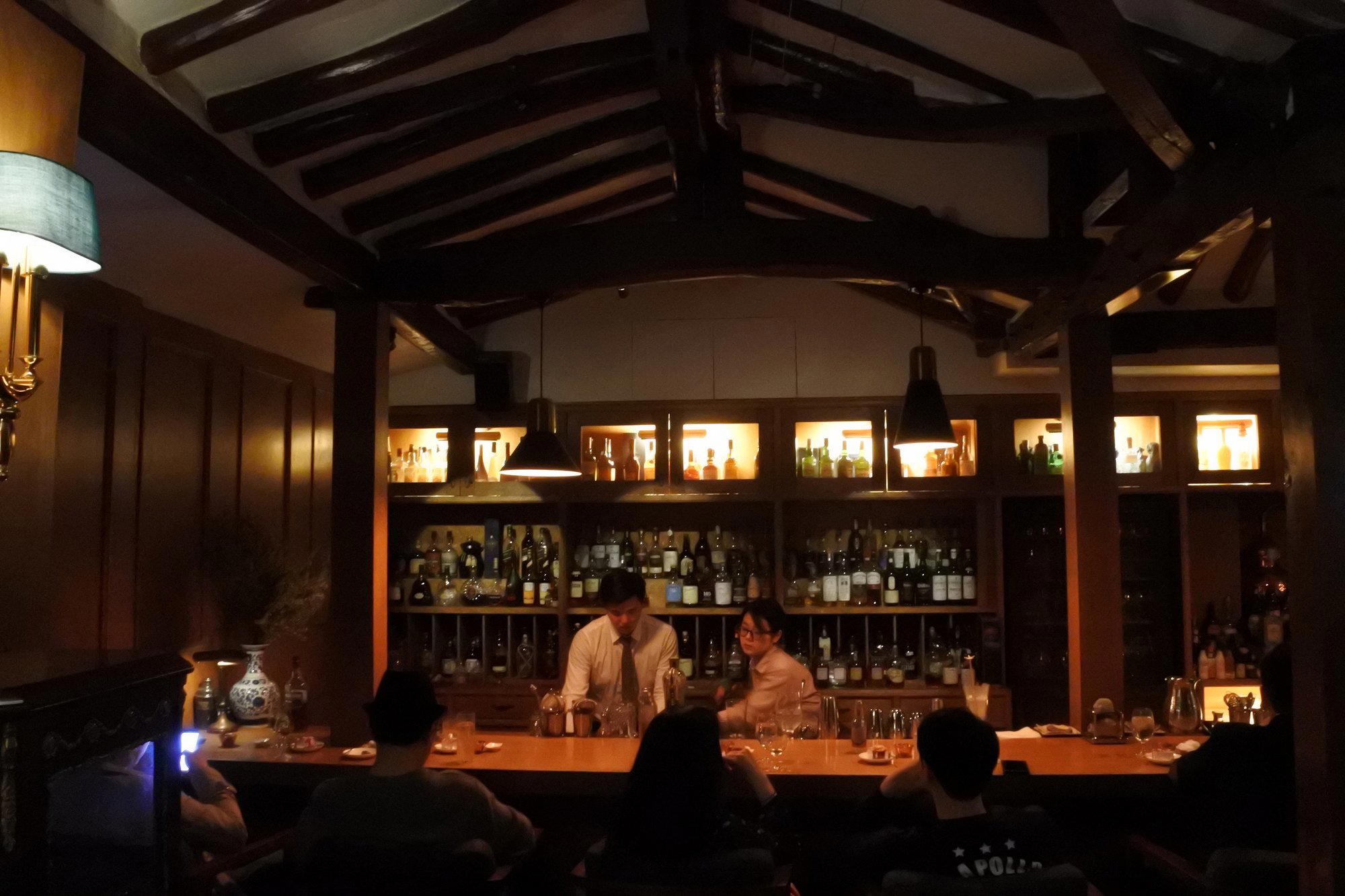
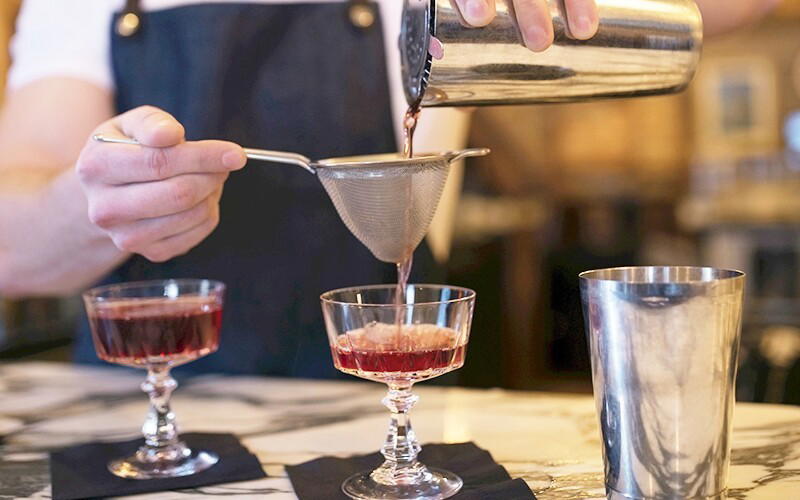
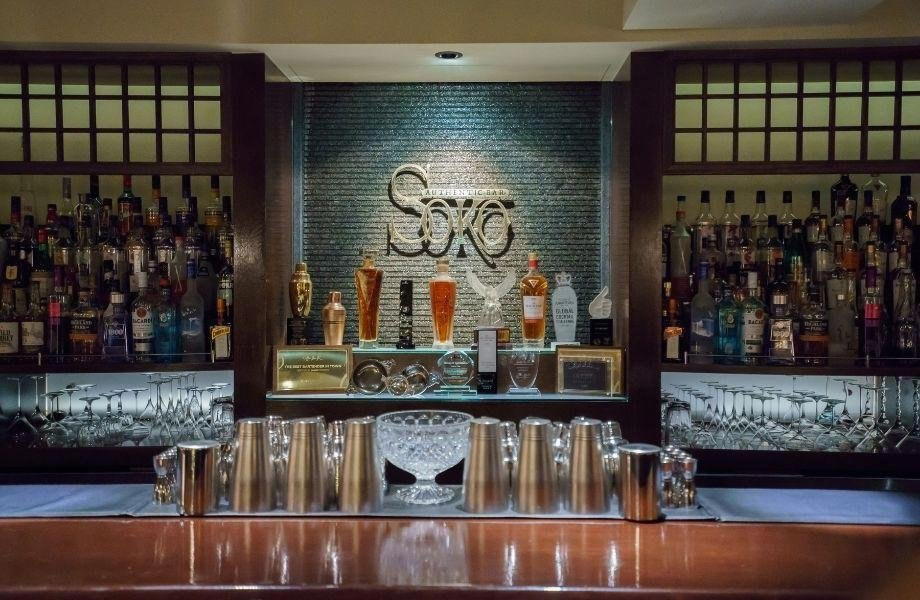
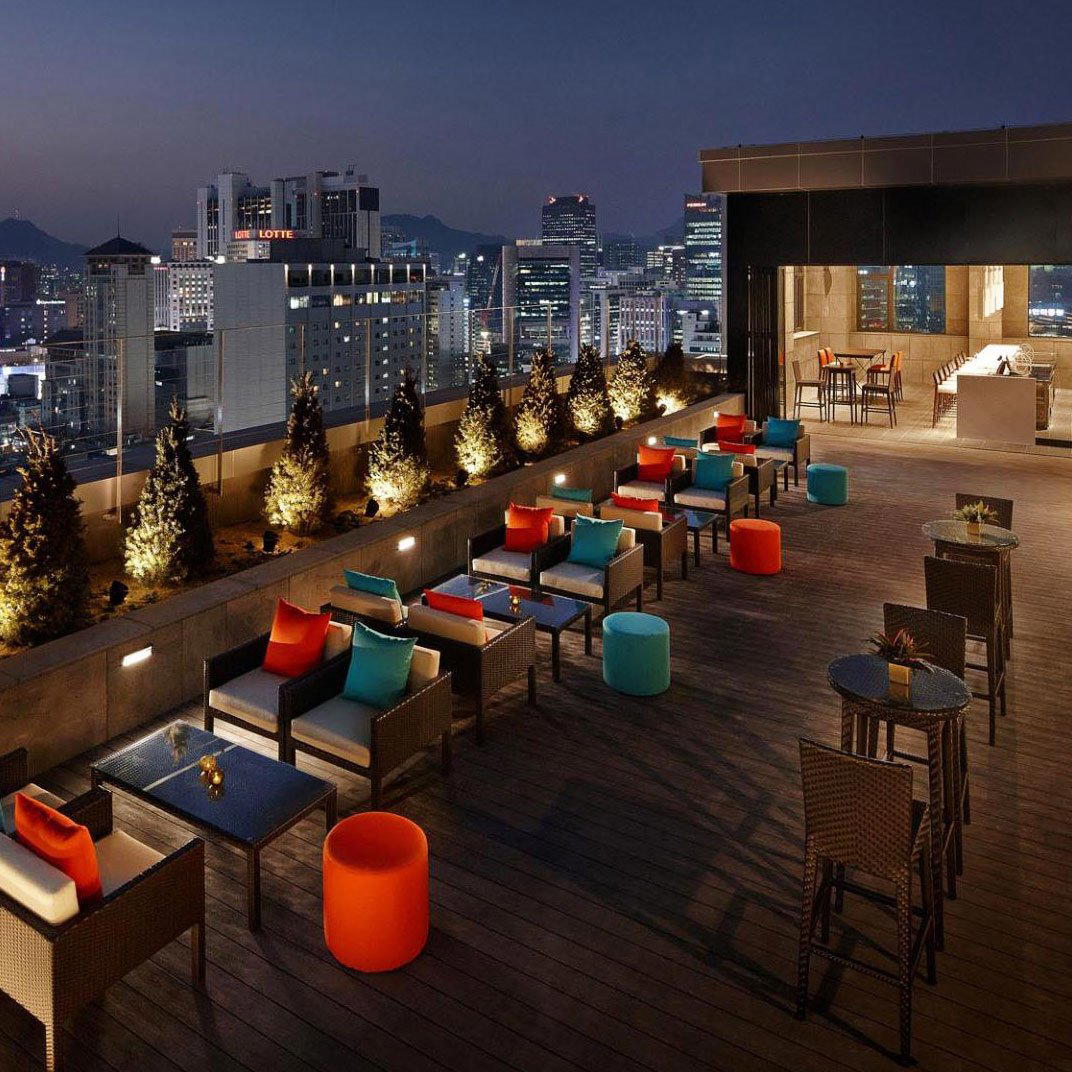
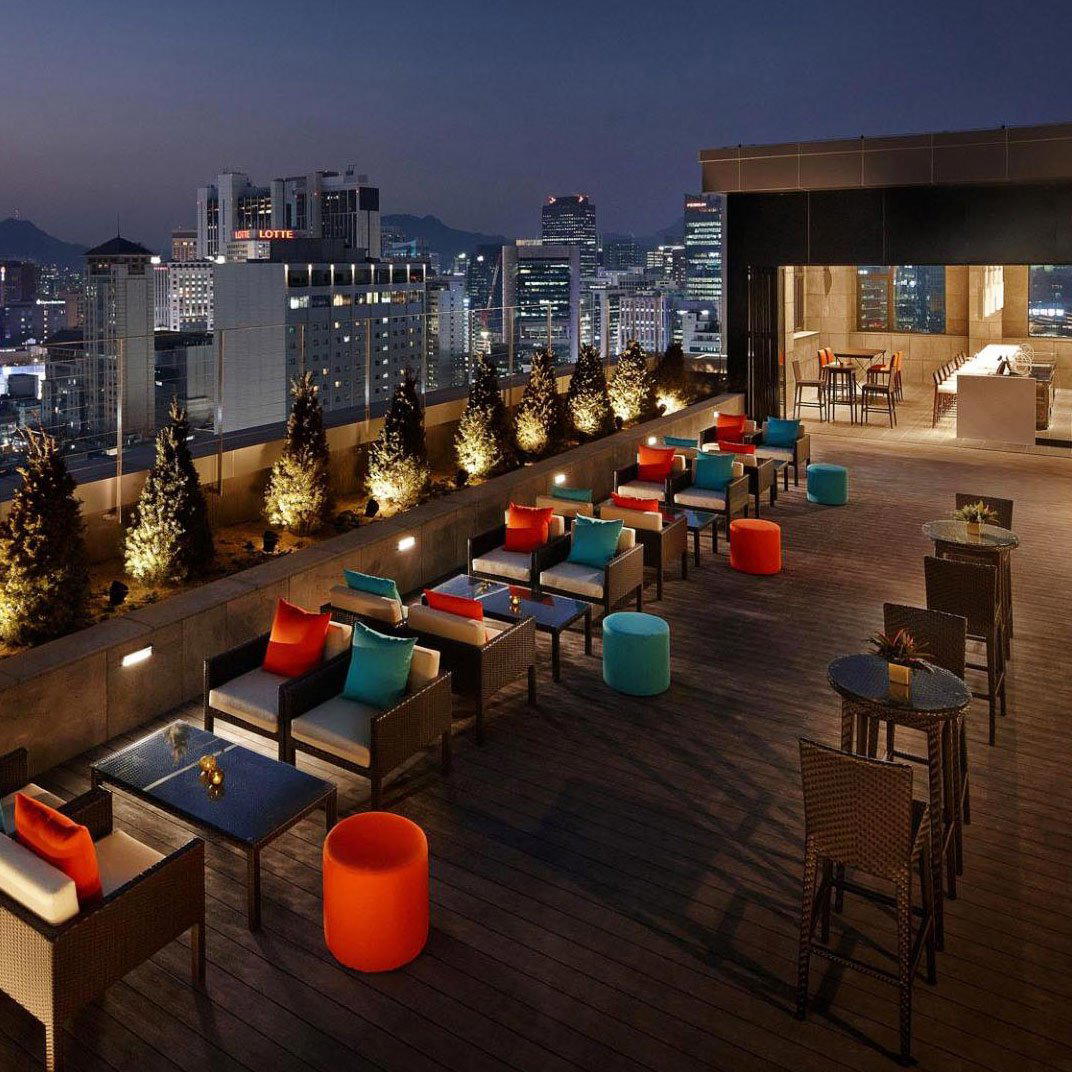
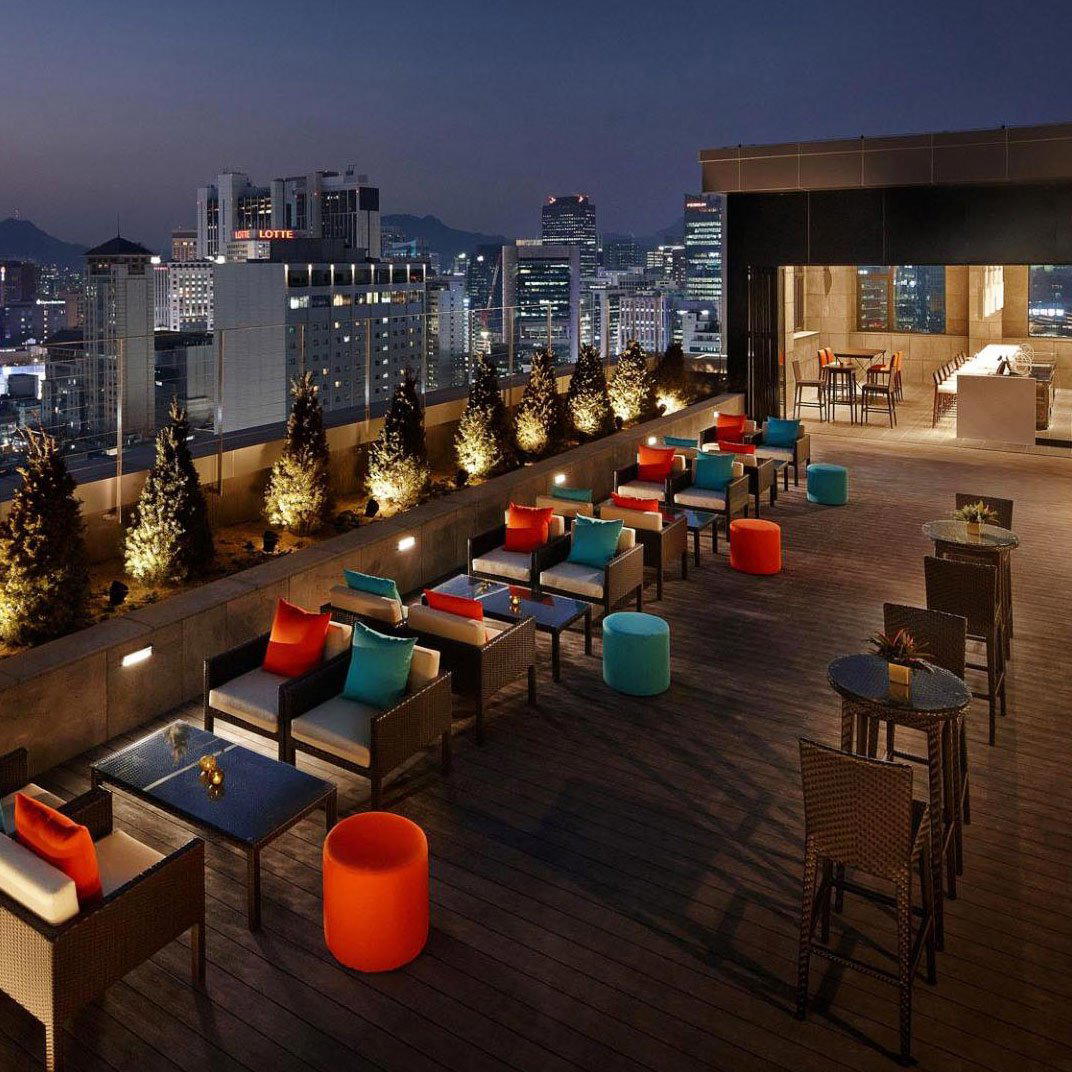
Refined and elegant with dim lighting, wood panelling, and antique furniture in a traditional Korean house setting.