Rakkojae Seoul Main Hanok

La Liste Top Hotels
Set in a restored 19th-century hanok compound in Gahoe-dong, Rakkojae Seoul Main Hanok earned 92.5 points on La Liste's 2026 Top Hotels ranking, placing it among Korea's most recognised heritage accommodation. The property occupies Jongno District, within walking distance of Bukchon's preserved tile-roof lanes, and draws repeat guests who return specifically for the architecture-led stillness that larger Seoul hotels cannot replicate.

Pearl is the En Primeur Club membership app, where members save venues, book tables and use the concierge.
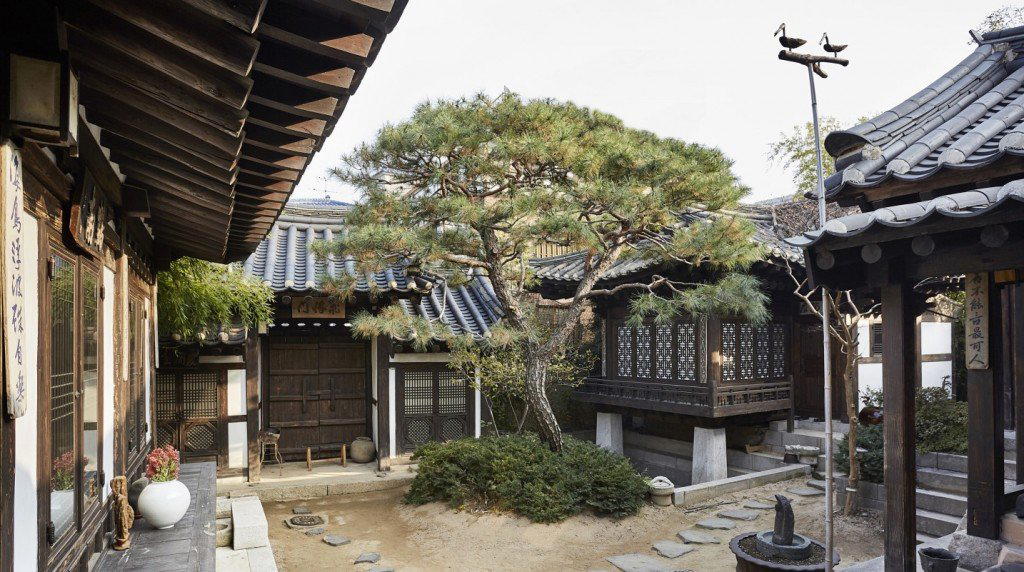
Gahoe-dong in the Morning: What the Repeat Guests Come Back For
Approach Rakkojae Seoul Main Hanok from the lower streets of Bukchon and the shift is immediate. The neighbourhood's narrow stone lanes rise toward Gahoe-dong through rows of traditional tile rooftops, and the property at 218 Gahoe-dong sits inside that grain rather than above it. There are no grand arrival sequences here, no valet forecourt, no marble atrium. What greets guests instead is a series of low timber gates opening onto courtyard views that frame sky, stone, and seasonal plantings at human scale. For guests who have cycled through Four Seasons Hotel Seoul, Conrad Seoul, or Grand Hyatt Seoul, the contrast is the point.
Seoul's premium accommodation market has split clearly into two tiers. The first is international-brand luxury: full-service towers in Gangnam and Yeouido with ballrooms, multi-outlet dining, and business infrastructure. The second is a smaller, architecturally distinct cohort, heritage properties, design-led boutiques, and hanok stays, where what you are sleeping inside is the primary offering. Rakkojae sits at the upper end of that second cohort. Its 2026 La Liste Leading Hotels score of 92.5 points places it on a recognised index alongside properties many times its size, which says something specific about what La Liste's methodology prioritises: cultural authenticity, guest experience depth, and a sense of place that cannot be fabricated through renovation alone.
The Architecture as Programme
Hanok design is not incidental backdrop at a property like this, it is the complete proposition. The structural logic of a traditional Korean timber-frame house, with its ondol underfloor heating, inward-facing courtyards, and deliberate orientation toward natural light, shapes how guests move through the property, where they sit, and how hours pass differently than they would in a conventional hotel room. Ondol heating, historically fuelled by wood smoke channelled beneath stone floors, has been a feature of Korean domestic architecture for centuries, and its modern interpretation in heritage properties creates a particular kind of warmth that radiates from below rather than from vents above. Guests who return to Rakkojae reliably cite this quality, the floor warmth on a winter morning, the silence of a courtyard at dawn, as reasons they book again rather than exploring alternatives.
This is the logic of a regulars' property: it rewards familiarity. First-time guests are often calibrating what they are experiencing against prior hotel stays. Return guests have already made that adjustment and arrive understanding that the measure of a good night here is not thread count or minibar depth but the quality of light across a hanji paper screen at seven in the morning. That recalibration tends to happen fastest in autumn and spring, when the courtyard plantings are at their most legible, the property's gardens track the Korean seasonal calendar in ways that give repeat visits a genuinely different character each time.
Bukchon and the Position This Property Occupies
Gahoe-dong sits inside the Bukchon Hanok Village corridor, one of the most intact concentrations of traditional urban architecture in the country. The neighbourhood is bounded by Gyeongbokgung Palace to the west and Changdeokgung Palace to the east, which means guests are within walking distance of two of Seoul's major UNESCO World Heritage sites. That positioning is not merely convenient, it places Rakkojae inside a district that Korean cultural preservation policy has actively protected since the 1970s, limiting the scale and style of permissible development. Hotels of this type exist in Bukchon precisely because the neighbourhood's planning constraints prevent the kind of tower construction that dominates Gangnam, Mapo, and the Han River corridor.
For international travellers comparing options across the city, that geographic specificity matters. Properties like Aman Seoul Cheongdam, Fairmont Ambassador Seoul, and Banyan Tree Club and Spa Seoul each occupy distinct Seoul neighbourhoods with different characters. Rakkojae's Jongno address is the one that puts guests inside the historical urban fabric rather than adjacent to it. The difference is not one of prestige but of intention: what kind of Seoul experience is the trip organised around.
For travellers extending beyond the capital, the broader Korean property landscape offers significant range. Ananti at Busan Cove anchors the southern coastal end, while Grand Hyatt Jeju and JW Marriott Jeju Resort and Spa cover the resort tier in Jeju. For heritage-adjacent stays in other Korean cities, Soi Hanok Stay in Gyeongju operates in a similar cultural register to Rakkojae but within the ancient Silla capital's distinct context.
What Return Guests Are Actually Booking
Properties that score well on La Liste's cultural-experience axis tend to attract a specific kind of repeat visitor: someone who has already resolved the question of whether premium travel requires conventional luxury infrastructure. The guests who return to Rakkojae are not those weighing it against the Casino Hotel Seoul or the Art Paradiso Boutique Hotel on amenity lists. They are guests for whom the architectural encounter has become the primary reason to return to Seoul at all, or who structure Seoul trips specifically around a night or two at a property like this before moving to more service-intensive accommodation elsewhere in the city.
That behavioural pattern shapes how the property functions. It is not a base from which to work through a Seoul to-do list. It is more specifically a place to slow a trip down, particularly at the beginning or end of a longer Korea itinerary that might also include Kensington Hotel Seorak in the north or a coastal stay at Oakwood Lagoon Town Gangneung. Within Bukchon itself, the walking radius covers the village lanes, several concentrated museum clusters, and access to Insadong's gallery and tea house strip, which is enough to fill a day without leaving the immediate neighbourhood.
Planning a Stay
Rakkojae Seoul Main Hanok's address at 218 Gahoe-dong, Jongno District places it a short taxi or rideshare ride from Anguk subway station on Line 3, which connects directly to central Seoul interchange points. The Bukchon neighbourhood sees concentrated visitor traffic during weekday mornings when tour groups move through the public lane sections, so guests who prefer the area at its quietest should plan courtyard time in the early morning or evening hours. Autumn foliage season (late October through mid-November) and spring cherry blossom weeks (late March through early April) represent the property's highest-demand periods, and those booking windows should be treated accordingly. For international reservations, contacting the property directly through official channels or working through a specialist Korea travel agent with heritage property relationships is the most reliable approach, as hanok stays of this scale do not always have deep integration with major OTA inventory systems.
For those building a wider Seoul hotel comparison before committing, our full Seoul hotels and restaurants guide covers the city's full range from neighbourhood boutiques to international flagships. Those comparing design-led alternatives at a global scale may also find it useful to look at how similar decisions play out at properties like Aman Venice or Aman New York, where the tension between heritage architecture and contemporary luxury service has been resolved in different but instructive ways.
City Peers
| Venue | Cuisine | Price | Awards |
|---|---|---|---|
| Rakkojae Seoul Main HanokThis venue (the venue you are viewing) | This venue | $300–500 | La Liste Top Hotels |
| Conrad Seoul | Not listed | $300–500 | Michelin Selected · La Liste Top Hotels |
| Four Seasons Hotel Seoul | Not listed | $300–500 | 2 Michelin Keys · La Liste Top Hotels |
| Grand InterContinental Seoul Parnas | Not listed | Not listed | Michelin Selected · Forbes Recommended |
| Josun Palace, a Luxury Collection Hotel, Seoul Gangnam | Not listed | Not listed | 1 Michelin Key · La Liste Top Hotels |
| JW Marriott Hotel Seoul | Not listed | $300–500 | Forbes Recommended |
Recognition history
Dated appearances from independent guides and award organizations, with the underlying list record or original source where available.
La Liste Top Hotels
La Liste
Continue exploring
More in Seoul
Hotels in Seoul
All hotels in Seoul →
Bars in Seoul
All bars in Seoul →
Details
- Quiet
- Classic
- Cozy
- Elegant
- Intimate
- Romantic Getaway
- Weekend Escape
- Anniversary
- Destination Wedding
- Historic Building
- Garden
- Terrace
- Wi Fi
- Breakfast Included
- Sauna
- Concierge
- Room Service
- Garden
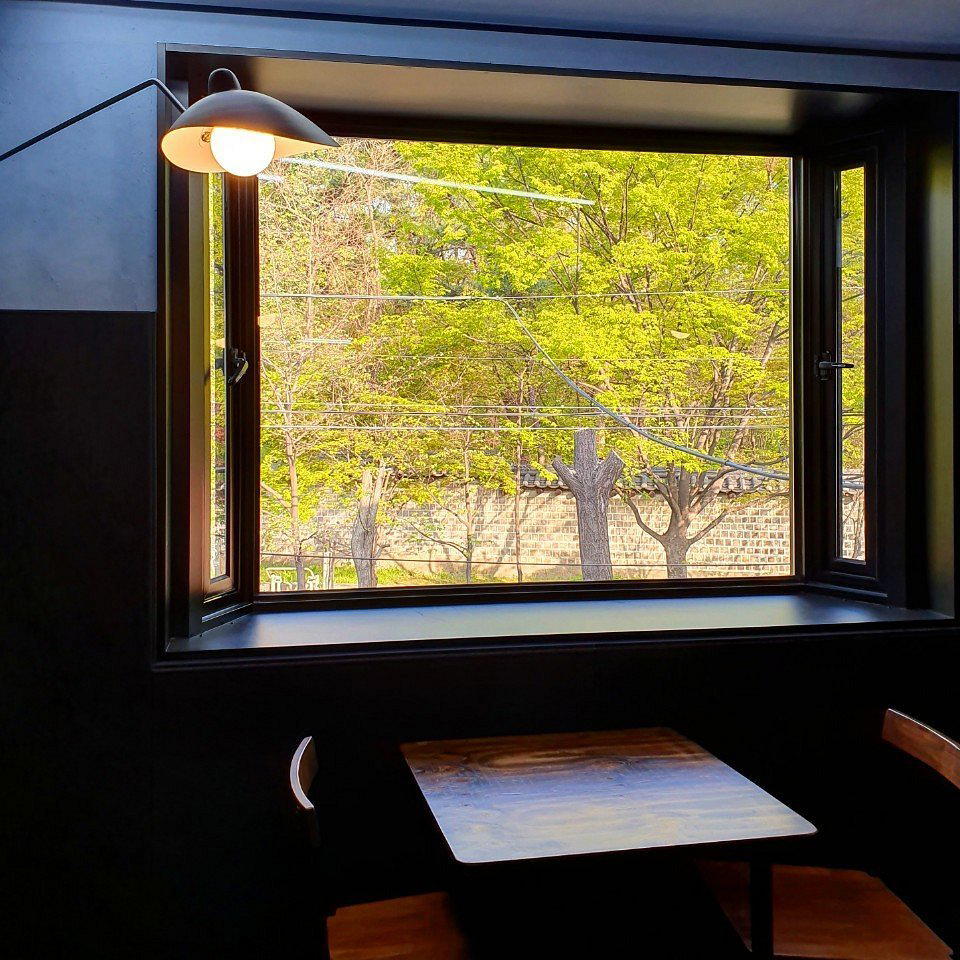
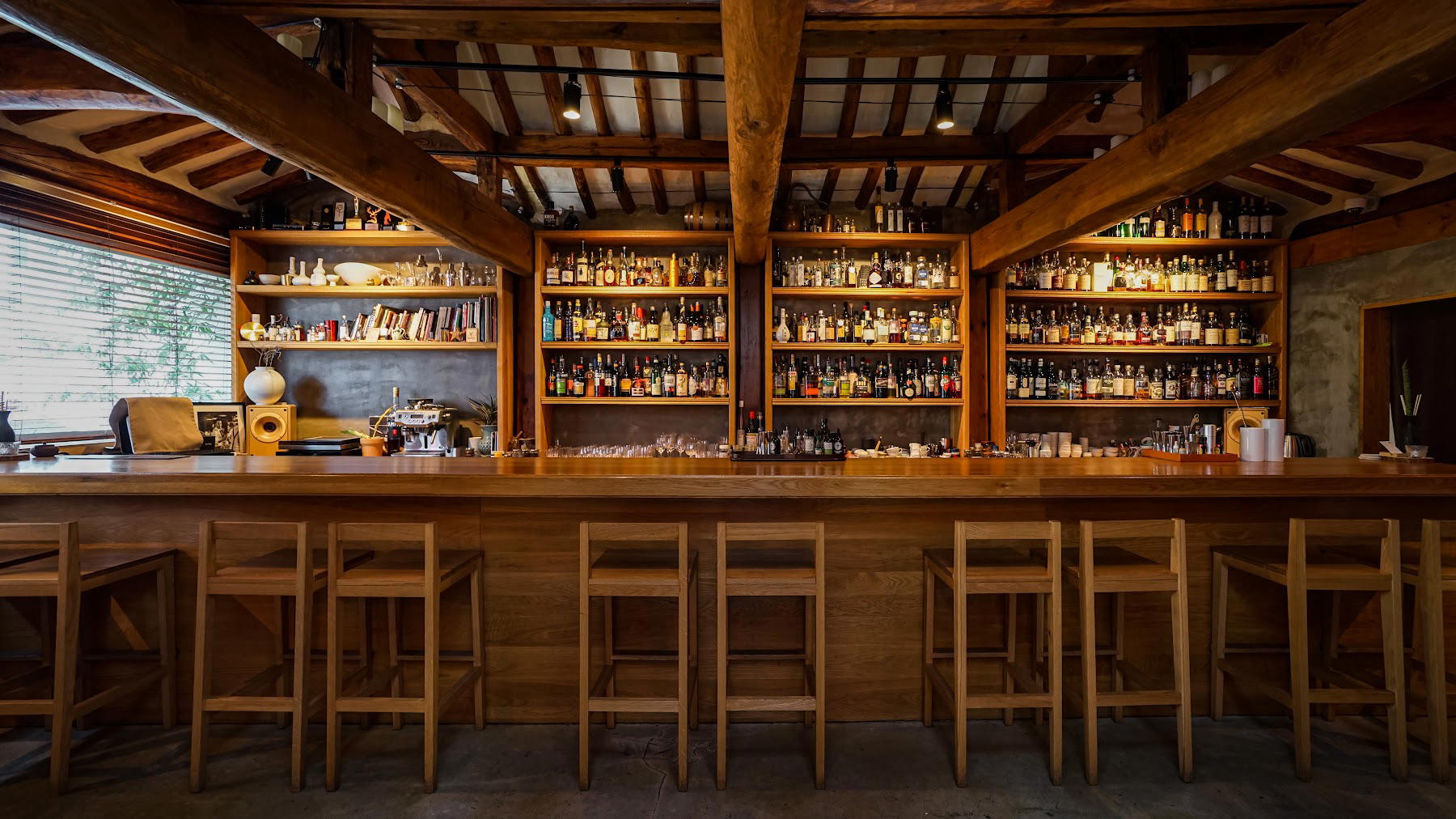
Quiet, intimate, and deeply traditional, with a heritage-hanok atmosphere, warm natural materials, courtyard views, and a calm sense of seclusion.