Haevichi Hotel&Resort Jeju

Haevichi Hotel and Resort Jeju sits along the southeastern coastline of Jeju Island, earning a La Liste Top Hotels score of 90 points in 2026. The property occupies Pyoseon-myeon, one of Seogwipo's more expansive coastal stretches, and positions itself within the island's resort-scale tier. For travellers weighing Jeju's larger integrated properties, Haevichi offers a geographically distinct alternative to the west-coast concentration of major competitors.
Pearl is the En Primeur Club membership app — saves, bookings, and concierge access live there. Same editors, same standards.
- Address
- 537 Minsokhaean-ro, Pyoseon-myeon, Seogwipo, Jeju-do
- Phone
- +82 64-780-8100
- Website
- haevichi.com
- Directions
- Get directions
 Saves & bookings on Pearl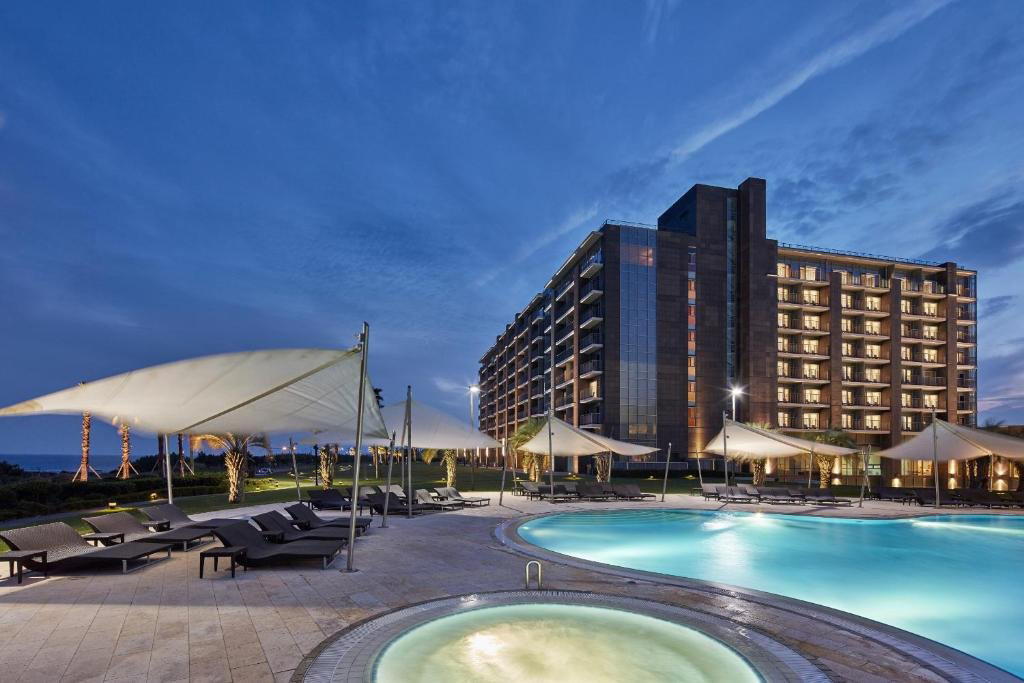
Where Jeju's Eastern Coast Meets Resort-Scale Architecture
Jeju Island's resort properties divide, broadly, into two geographic camps: the northwest corridor near Jeju City, where airport proximity drives a faster-paced hotel culture, and the southern and eastern coastline of Seogwipo-si, where the terrain shifts toward volcanic cliffs, haenyeo villages, and a slower cadence that suits longer stays. Haevichi Hotel and Resort Jeju occupies the latter, positioned in Pyoseon-myeon along a stretch of coast that faces open water rather than the congested western approach roads. That placement is a design decision as much as a logistical one: the property is built to face its environment, and the surrounding range of Jeju's eastern shore reads through the architecture rather than despite it.
LOTTE HOTEL JEJU, Lotte Resort Jeju Art Villas, and The Shilla Jeju all operate within the same broad category, each differentiated by location, design approach, and facilities emphasis.
The Physical Language of the Property
Korea's larger resort hotels have, over the past two decades, moved away from the anonymous block-and-tower formats that defined the country's first generation of leisure properties. The shift reflects both a more internationally travelled Korean guest base and the influence of design-led hospitality coming out of Southeast Asia and Japan. Properties on Jeju have been among the more visible beneficiaries of that shift, partly because the island's geology offers genuinely dramatic settings, basalt formations, oreum volcanic cones, coastal wind exposure, that reward architecture willing to engage with the site.
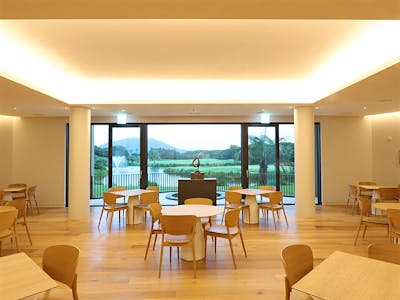
Haevichi's position in Pyoseon-myeon gives it access to one of the island's longer sandy beach stretches, Pyoseon Beach, which runs along the eastern shore in a way that differentiates it from the cliff-edged western and southern coastlines. This coastal typology tends to produce a different architectural response: lower-slung structures that open toward water rather than perch above it, wider horizontal lines, and interiors that treat natural light as a primary material. For guests whose interest in a resort property begins with how it occupies its site, that eastern-coast character is worth factoring into the comparison with Seogwipo's more western-positioned competitors.
Situating Haevichi Within Jeju's Competitive Set
Jeju Island has attracted significant hospitality investment over the past decade, with the market splitting between internationally branded properties, Korean conglomerate-backed resorts, and smaller independent operators. The JW Marriott Jeju Resort and Spa and the Grand Hyatt Jeju represent the international brand tier, while Haevichi sits within the Korean resort category that competes on local market knowledge, domestic service culture, and facilities tailored to Korean leisure preferences, golf, spa, family programming, and food and beverage options that reflect Korean dining habits alongside international alternatives.
That domestic-market orientation is not a limitation; it is a distinct character. Travellers who have visited the larger Korean integrated resort properties in other parts of the country, whether on the mainland coast or in mountain areas like those served by Kensington Hotel Seorak in Sokcho-si, will recognise the format: generous public spaces, multiple dining outlets, recreational facilities at scale, and a pace that accommodates multi-night stays organised around the resort's own offerings rather than external exploration. For context on how this format plays out in other Korean settings, Ananti at Busan Cove represents a comparable ambition in the southeast of the country, and South Cape Owners Club in Namhae applies a similar model to a coastal setting further along the southern coast.
Pyoseon-myeon and the Case for the Eastern Shore
The address at 537 Minsokhaean-ro places Haevichi in one of Seogwipo's more geographically specific sub-districts. Pyoseon-myeon sits on the southeastern quadrant of Jeju Island, roughly equidistant from Seogwipo city centre to the west and the island's eastern tip to the northeast. The area is known within Jeju for its folk village, Seongeup Folk Village, and for the Pyoseon beach complex, which gives the eastern shore a different visitor demographic than the more urbanised western resort corridor. Guests looking for proximity to Jeju's cultural heritage sites, rather than the shopping and nightlife density near Jeju City, tend to find the eastern position suits a different kind of itinerary.
The approach from Jeju International Airport runs approximately along the northern coast road or through the island's interior, and the drive to Pyoseon-myeon reflects the resort's self-contained character: this is not a property guests visit in transit but one they commit to. That dynamic, familiar from internationally recognised destination resorts like Amangiri in Utah or the design-led island properties of Southeast Asia, rewards arrivals who plan to spend meaningful time on the grounds.
Planning a Stay
Jeju's peak season runs from late June through August, when domestic Korean tourism drives occupancy across the island's major properties to their highest levels. Shoulder months, particularly May and early October, offer the island's most consistent weather alongside lower competition for bookings. Spring cherry blossom season, concentrated in late March and early April, draws significant short-stay traffic from both domestic and regional visitors. For travellers weighing Jeju against other Korean coastal or mountain destinations, properties like Oakwood Lagoon Town Gangneung on the east coast and Gangwon-do in Hongcheon represent alternative resort formats within the Korean domestic travel circuit.
For international visitors constructing a broader South Korea itinerary, Haevichi and Jeju's southern coast fit naturally alongside a Seoul base, with options like Casino Hotel Seoul and Dormy Inn Seoul Gangnam covering different price points and neighbourhood positions in the capital. Those interested in comparing Haevichi against other large resort hotels might look at properties like Badrutt's Palace Hotel in St. Moritz or Bvlgari Hotel Tokyo,
Side-by-Side Snapshot
Comparable venues nearby, for context on price, style, and recognition.
| Venue | Cuisine | Price | Awards | Notes |
|---|---|---|---|---|
| Haevichi Hotel&Resort JejuThis venue — the venue you are viewing | Luxury leisure resort complex with eco-friendly design and extensive family amenities | $$$$ | 5-Star | Not listed |
| Lotte Resort Jeju Art Villas | Architecturally designed luxury villas | $$$$ | 5-Star | Seogwipo-si |
| The Shilla Jeju | Luxurious resort set amid 21 landscaped acres in Chungmun Resort Complex | $$$$ | 5-Star | Seogwipo-si |
| LOTTE HOTEL JEJU | Contemporary luxury resort with eco-certification, blending modern design with nature-inspired spaces and extensive recreational facilities. | $$$ | 4-Star | Seogwipo |
| Casino Hotel Seoul | Luxury integrated resort with Art Deco design elements and contemporary gaming facilities | $$$$ | 5-Star | Gwangjin-gu |
| Grand Hyatt Jeju | vertical resort embodying modern Korean lifestyle | $$$$ | 5-Star | Noyeon-ro |
Recognition history
Dated appearances from independent guides and award organizations, with the underlying list record or original source where available.
La Liste Top Hotels
La Liste
Continue exploring
More in Seogwipo-si
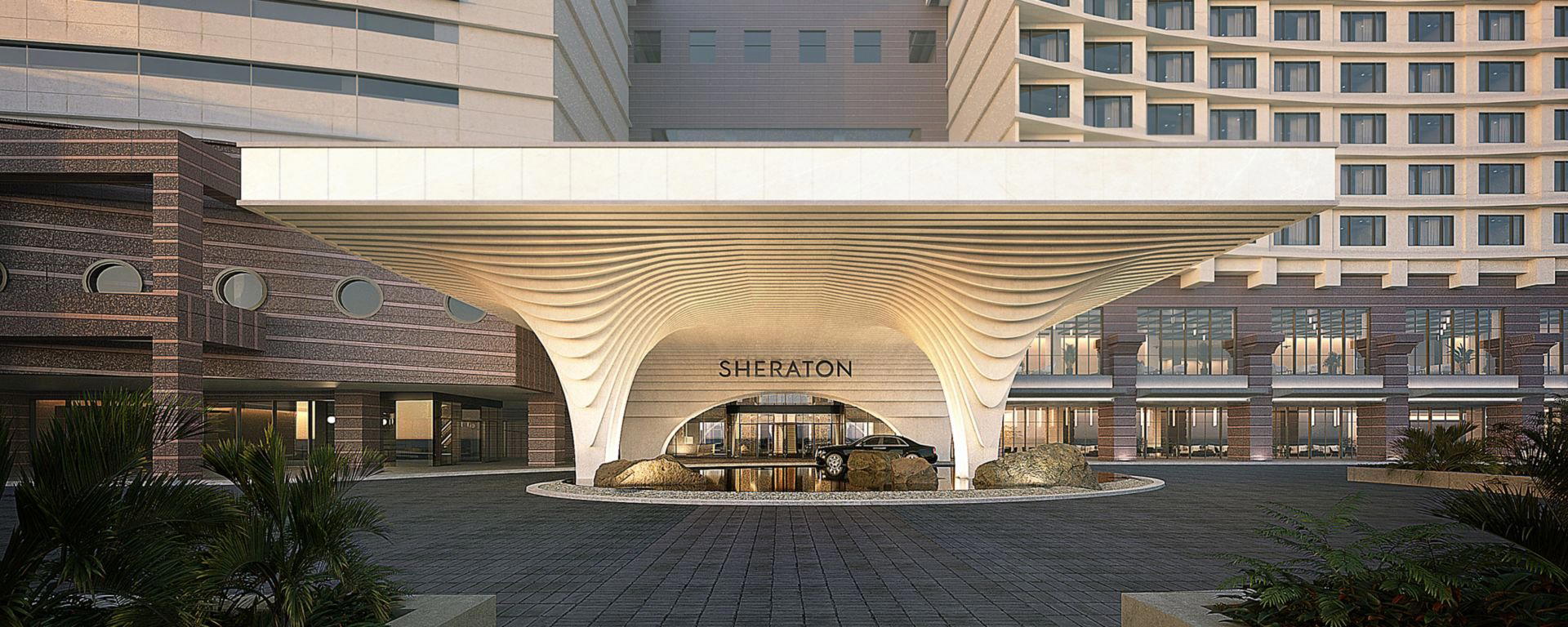
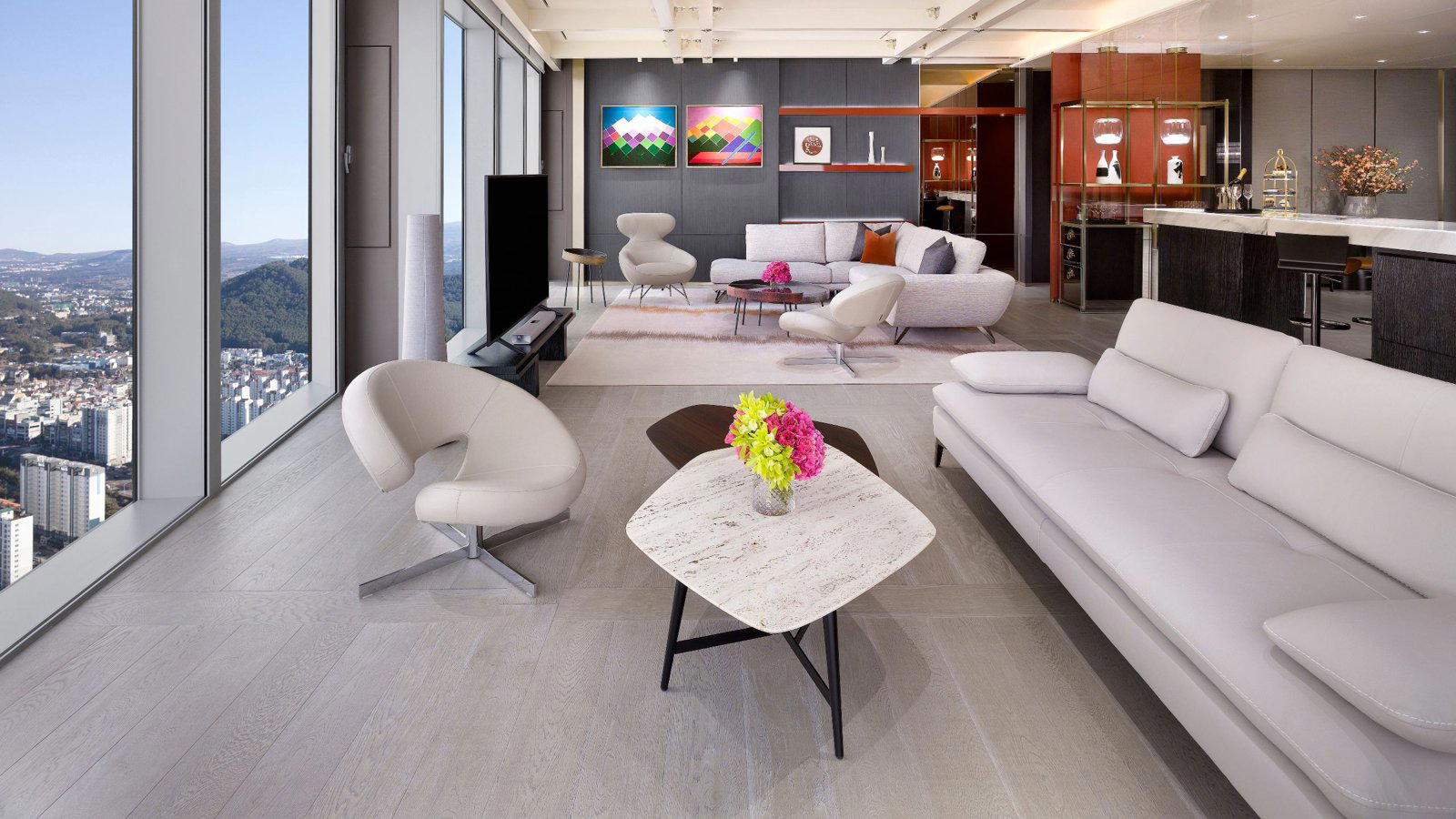
Hotels in Seogwipo-si
Browse all →
Bars in Seogwipo-si
Browse all →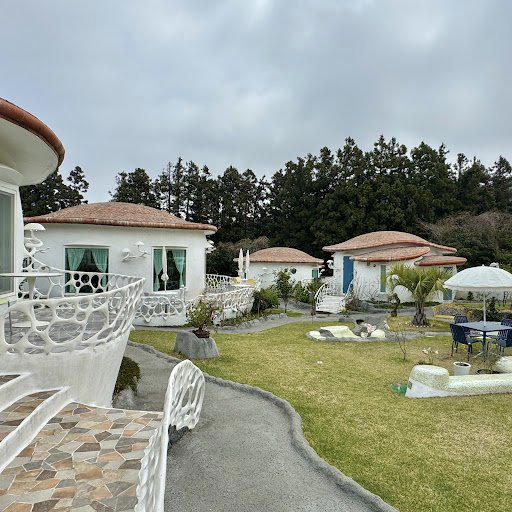
At a Glance
- Scenic
- Elegant
- Modern
- Honeymoon
- Family Vacation
- Weekend Escape
- Beachfront
- Infinity Pool
- Destination Spa
- Golf Course
- Panoramic View
- Wi Fi
- Pool
- Spa
- Fitness Center
- Room Service
- Concierge
- Tennis Court
- Sauna
- Beach Access
- Golf Course
- Waterfront
- Wi Fi
- Pool
- Spa
- Fitness Center
- Room Service
- Concierge
- Tennis Court
- Sauna
- Beach Access
- Golf Course
Spacious, modern rooms with premium bedding, balconies overlooking the ocean, and a relaxing atmosphere enhanced by natural light and sea breezes.