Grand Hyatt Seoul



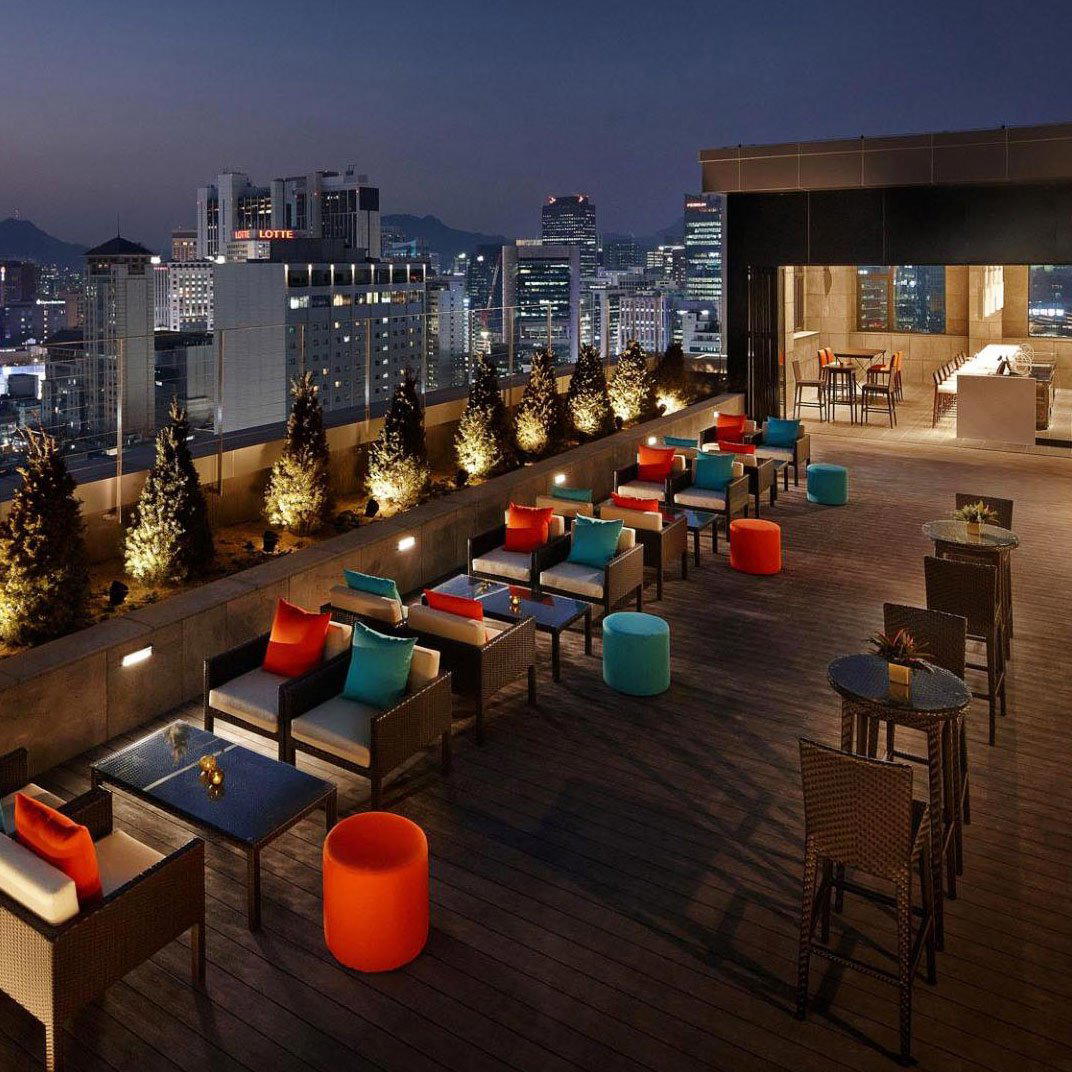
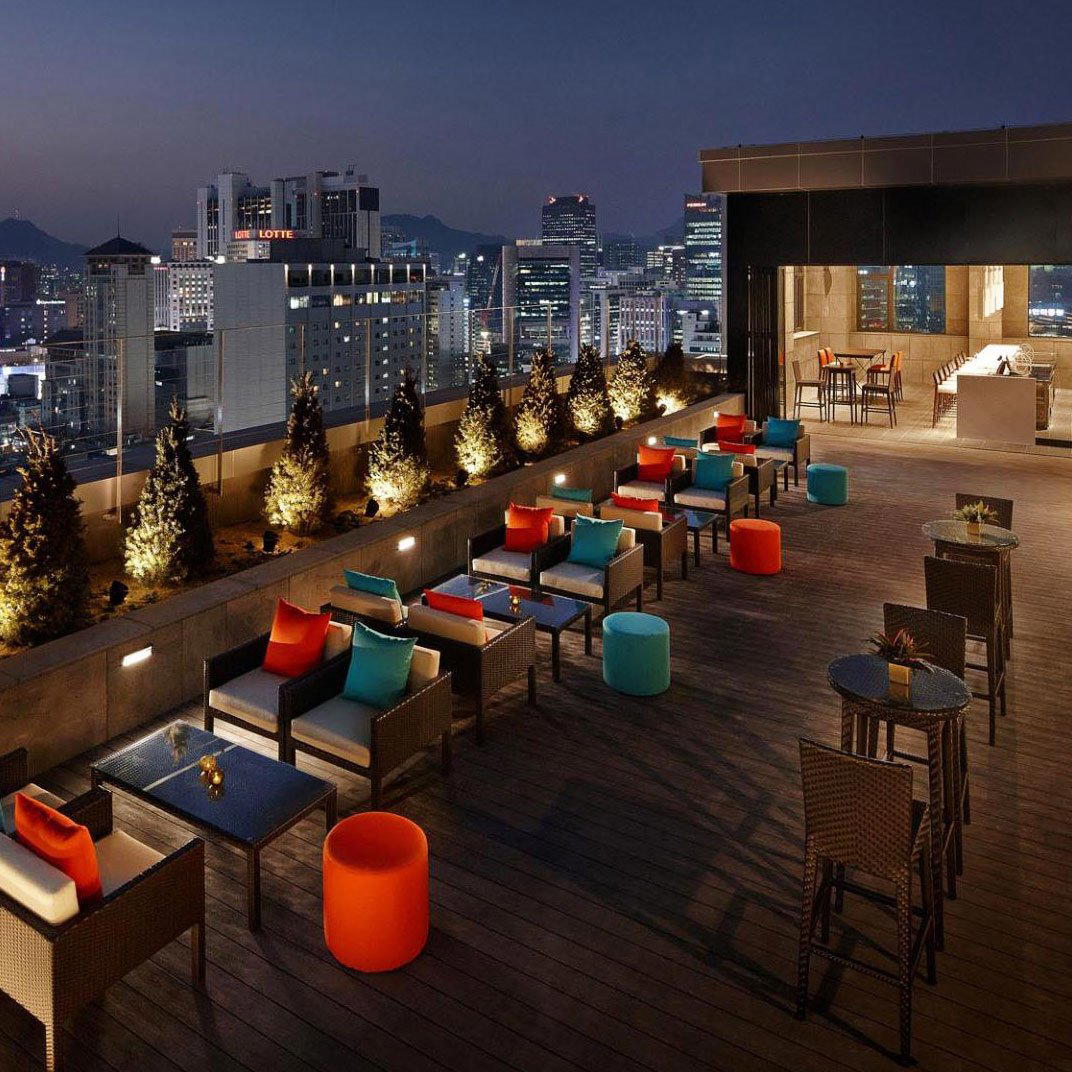
Grand Hyatt Seoul holds a distinctive position in the Yongsan District, recognised by La Liste 2026 as a Global Winner for Luxury Destination Hotel and a Regional Winner for Luxury Scenic View Hotel, scoring 92.5 points. Positioned along the slopes of Namsan, the property operates at the intersection of city access and refined outlook, drawing both international travellers and Seoul's conference circuit in equal measure.
Pearl is the En Primeur Club membership app — saves, bookings, and concierge access live there. Same editors, same standards.
- Address
- 322 Sowol-ro, Yongsan District, Seoul
- Phone
- +82 2-797-1234
- Website
- hyatt.com
- Directions
- Get directions
 Saves & bookings on Pearl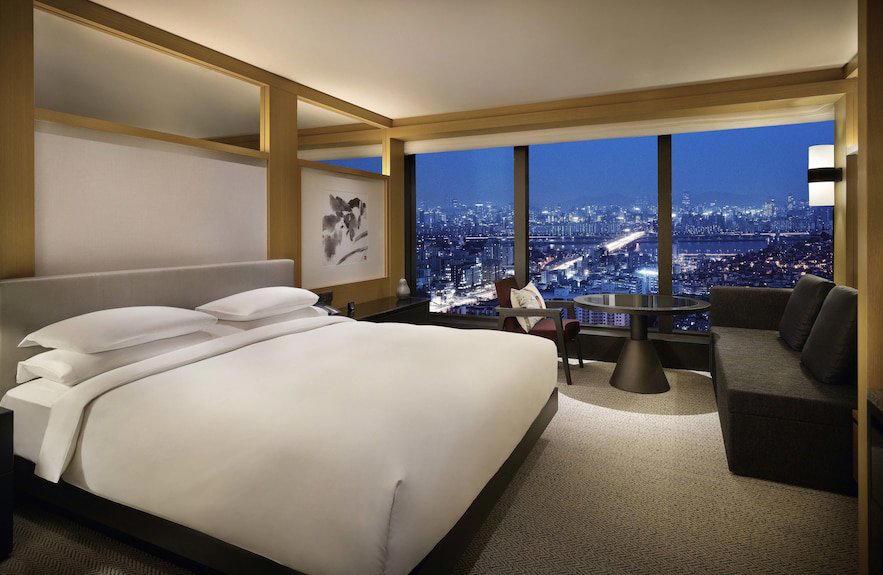
Where Namsan Meets the City Below
Seoul's upper-tier hotel market has consolidated around a handful of districts, each with a distinct character. Gangnam hosts the finance-adjacent properties; central Jung-gu holds the legacy business hotels; and the Yongsan corridor, running between Itaewon and Namsan, has become the address for properties that trade on outlook as much as location. The Grand Hyatt Seoul, at 322 Sowol-ro in Yongsan District, sits along the southern slope of Namsan Mountain, a position that places it above much of the city's density without removing it from the grid. That geographical logic, hillside access to a forested urban peak with a cable car and walking trails, has made this address one of the more consistent performers in Seoul's luxury accommodation segment for several decades.
The view-from-above format is a specific hotel typology that works differently from the street-level luxury hotel. Where properties like Four Seasons Hotel Seoul anchor their identity in neighbourhood walkability and street-level dining culture, a hillside property earns its position through what the guest looks out at rather than what they walk to. La Liste's 2026 recognition of Grand Hyatt Seoul as a Regional Winner for Luxury Scenic View Hotel is a direct acknowledgement of this positioning.
La Liste Recognition and What It Signals
La Liste's 2026 results placed Grand Hyatt Seoul at 92.5 points, with three distinct category wins: Global Winner for Luxury Destination Hotel, Regional Winner for Luxury Scenic View Hotel, and Country Winner for Luxury Conference and Event Hotel. The spread across those three categories is instructive. A property that wins only on views is a resort-adjacent outlier; one that wins only on conference infrastructure is a transactional business hotel. Winning across all three suggests a programme broad enough to hold multiple guest profiles simultaneously, something that requires sustained investment across food and beverage, event infrastructure, and the guest room product.
In Seoul's competitive set, this positions Grand Hyatt Seoul in a different peer tier from properties like Aman Seoul Cheongdam, which operates at low capacity with a design-led residential character, or Banyan Tree Club and Spa Seoul, which emphasises spa programming and city-view rooms at a comparably premium price. The Grand Hyatt operates at a scale that allows it to hold an international conference one week and accommodate leisure travellers from across Asia-Pacific the next, without either use-case visibly crowding out the other. That scale-with-service balance is exactly what the La Liste Luxury Destination Hotel category is designed to reward.
The Yongsan District in Context
Yongsan has undergone significant repositioning over the past decade. The district historically served as a transit and electronics market zone, anchored by the vast Yongsan Electronics Market, but urban redevelopment and improved transport links have shifted its character toward residential mid-luxury and hospitality. The Itaewon corridor, running east from the district's core, developed into Seoul's most internationally focused dining and bar strip through the 2010s, drawing both expatriate communities and Korean diners seeking cuisines not well represented elsewhere in the city. That neighbourhood identity, international in orientation, walkable from Namsan's lower slopes, remains intact even as specific venues have turned over.
For guests staying at the Grand Hyatt, this neighbourhood character translates into a practical advantage: the immediate surroundings offer a density of independent restaurants and bars operating at a serious level, not the hotel-adjacent tourist strip that surrounds some properties. Seoul's dining culture rewards walking exploration, and the Itaewon and Haebangchon areas accessible from Yongsan are among the better arguments for it.
Conference Infrastructure as a Differentiator
Seoul's position as a Northeast Asian business and convention hub has intensified as Japanese cities have shifted some international conference traffic and as Korean technology and entertainment industries have grown their international profile. The demand for conference-capable luxury hotels in Seoul now extends well beyond the traditional Gangnam COEX cluster, which the Grand InterContinental Seoul Parnas and Conrad Seoul serve most directly. The hotel's Country Winner recognition for Luxury Conference and Event Hotel from La Liste 2026 places it as the highly ranked Korean property in that specific category, a credential that matters to corporate travel planners who treat awards data as a shortlist signal.
That recognition implies the property maintains meeting and event spaces at a level competitive enough to rank against Seoul's other conference-capable luxury properties while retaining leisure appeal for accompanying guests and post-conference extensions. That dual positioning is harder to execute than it sounds: conference infrastructure typically compresses design standards and noise levels in ways that degrade the leisure experience, and managing both constituencies simultaneously requires deliberate spatial planning.
Placing a Stay Here Within South Korea Travel
Seoul is typically the entry and exit point for South Korea travel, with Incheon International Airport serving as the primary hub, approximately an hour from central Seoul by AREX rail link. For travellers combining Seoul with broader Korean itineraries, the Yongsan District offers proximity to Seoul Station and the KTX high-speed rail network, which connects to Busan in under three hours, making it a practical base for regional travel planning.
Properties worth considering beyond Seoul include Ananti at Busan Cove for a coastal counterpoint to the capital, Grand Hyatt Jeju for those extending south to the island, and Haevichi Hotel and Resort Jeju or JW Marriott Jeju Resort and Spa for resort-format stays on Jeju's southern coast. For those seeking something at a smaller scale within reach of Seoul, Camptong Forest in Gapyeong represents the nature-retreat end of the South Korean accommodation spectrum, roughly ninety minutes from the capital by road. The Kensington Hotel Seorak in Sokcho-si offers access to the northeastern coast and Seoraksan National Park for itineraries that extend to Gangwon province.
For international comparison, the Luxury Destination Hotel positioning that hotel holds in the La Liste framework aligns it with a global cohort of full-service urban properties. Travellers familiar with Aman New York or Aman Venice will find the Seoul property occupies a different register entirely: broader in scale, more operationally diverse, and designed to serve a wider guest profile rather than a single aesthetic position.
Planning Your Stay
The property sits at 322 Sowol-ro in Yongsan District. Booking is recommended in advance, particularly for conference-associated stays where room block arrangements may apply. Seoul's peak travel periods run during spring cherry blossom season (late March to mid-April) and autumn foliage (October to early November), when city-wide hotel occupancy tightens and Namsan itself draws heavy foot traffic. Those dates reward advance booking. Winter visits offer a quieter city profile, and the Namsan area's proximity to some of Seoul's traditional neighbourhoods makes it a reasonable base for exploring the older districts of the capital without the spring crowds.
Cuisine and Awards Snapshot
Comparable venues nearby, for context on price, style, and recognition.
| Venue | Cuisine | Price | Awards | Notes |
|---|---|---|---|---|
| Grand Hyatt SeoulThis venue — the venue you are viewing | Luxury urban resort with extensive recreational facilities | $$$$ | 5-Star | Not listed |
| Banyan Tree Club & Spa Seoul | Luxury urban wellness resort blending contemporary design with Asian spa heritage and mountain-view positioning. | $$$$ | 5-Star | 필동 |
| Lotte Hotel Seoul | Luxury urban hotel with department store integration | $$$$ | 5-Star | Sajik-dong |
| Paradise Hotel & Resort | Luxury integrated resort with entertainment and wellness. | $$$$ | 5-Star | Jung-gu |
| Josun Palace, a Luxury Collection Hotel, Seoul | Contemporary luxury reimagining of a historic 1914 landmark with Korean-modernism meets mid-century European design | $$$$ | 5-Star | Samseong-dong |
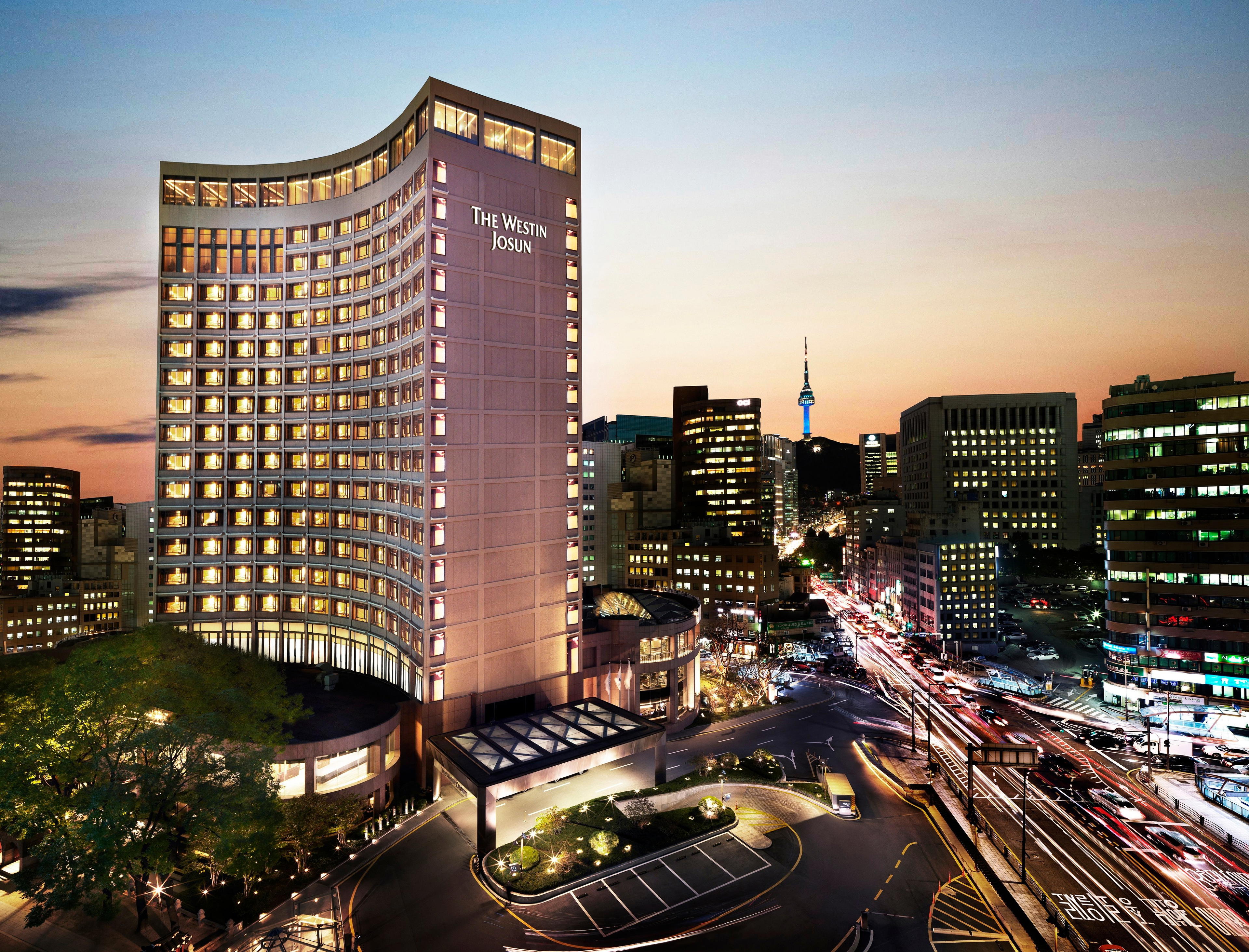
| The Westin Josun Seoul Hotel | Historic luxury blending Korean heritage and Western comfort | $$$$ | 5-Star | Sajik-dong |
Recognition history
Dated appearances from independent guides and award organizations, with the underlying list record or original source where available.
La Liste Top Hotels
La Liste
Michelin Selected
Michelin
World Luxury Hotel Awards WLHA Global Winner
World Luxury Hotel Awards
World Luxury Hotel Awards WLHA Regional Winner
World Luxury Hotel Awards
World Luxury Hotel Awards WLHA Country Winner
World Luxury Hotel Awards
Continue exploring
More in Seoul
Hotels in Seoul
Browse all →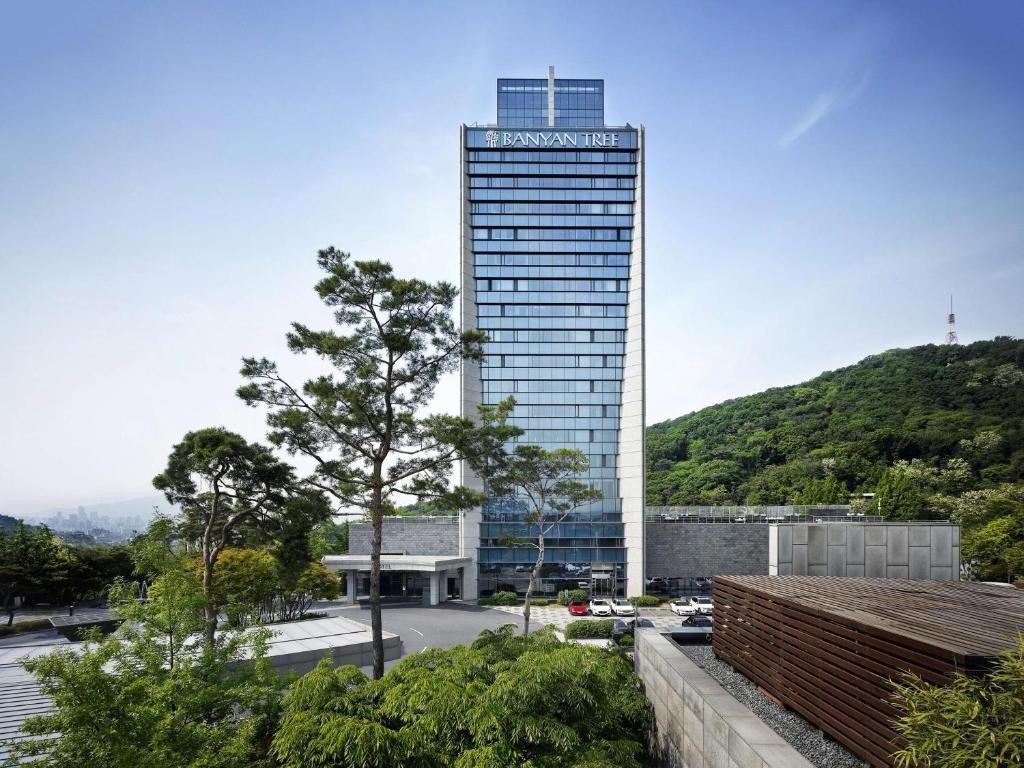
At a Glance
- Elegant
- Sophisticated
- Modern
- Business Trip
- Family Vacation
- Weekend Escape
- Rooftop Pool
- Panoramic View
- Pool
- Spa
- Fitness Center
- Room Service
- Concierge
- Business Center
- Valet Parking
- Wi Fi
- Mountain
- Skyline
- Waterfront
- Pool
- Spa
- Fitness Center
- Room Service
- Concierge
- Business Center
- Valet Parking
- Wi Fi
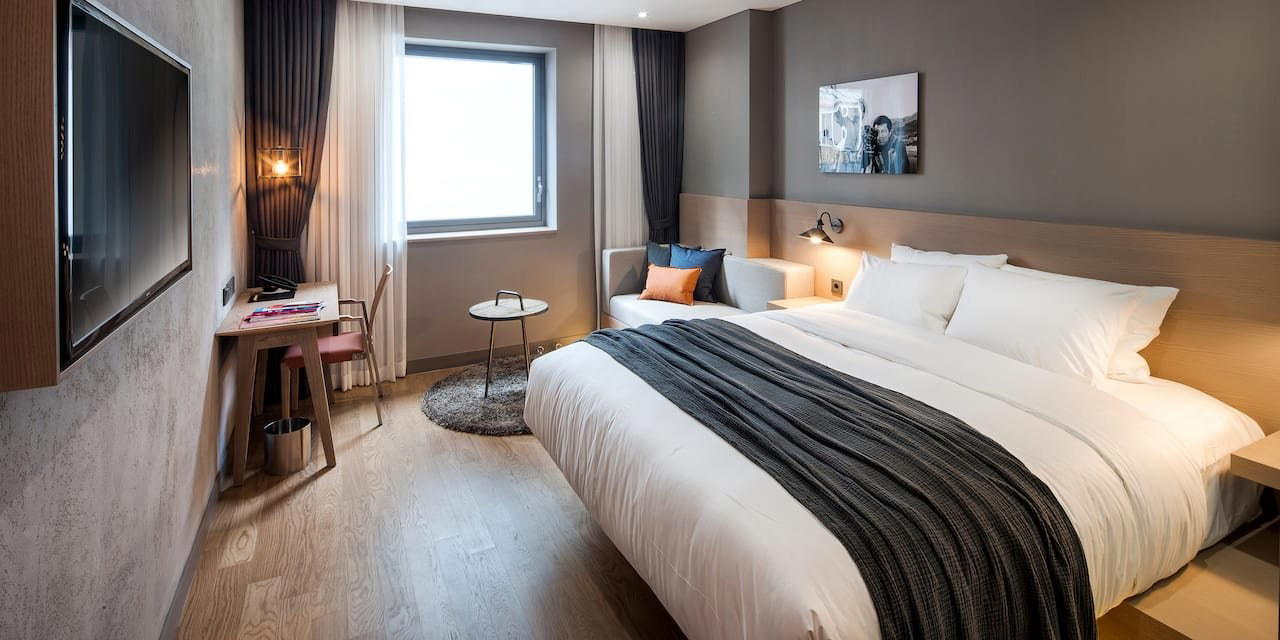
Modern yet cozy atmosphere with neutral-toned rooms, soundproofing, and serene spa and pool areas amid city tranquility.