Kensington Hotel Seorak

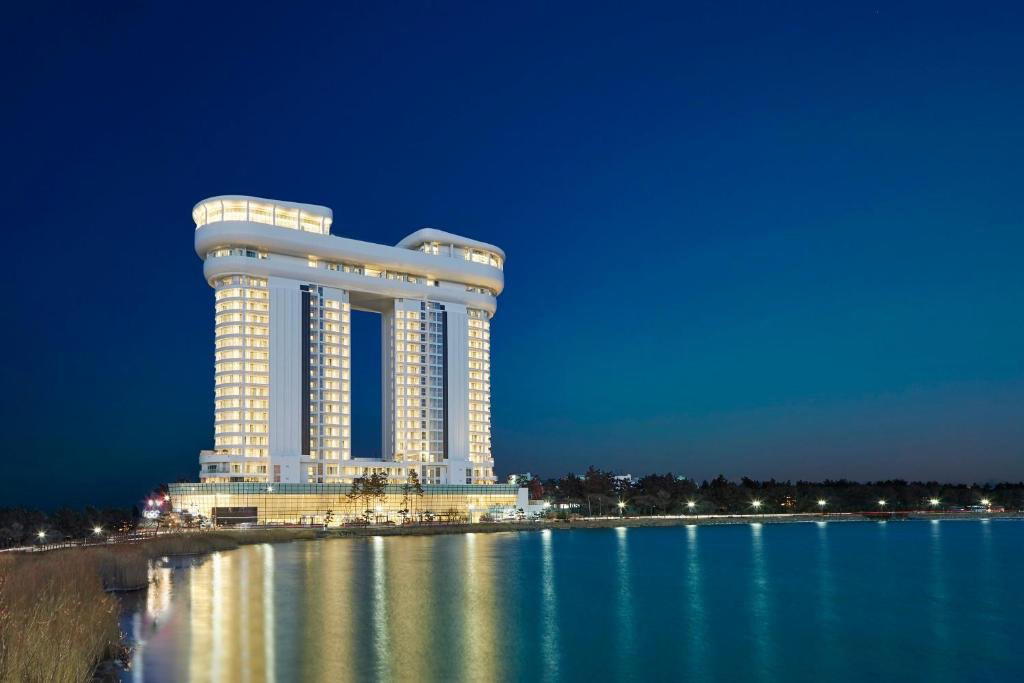
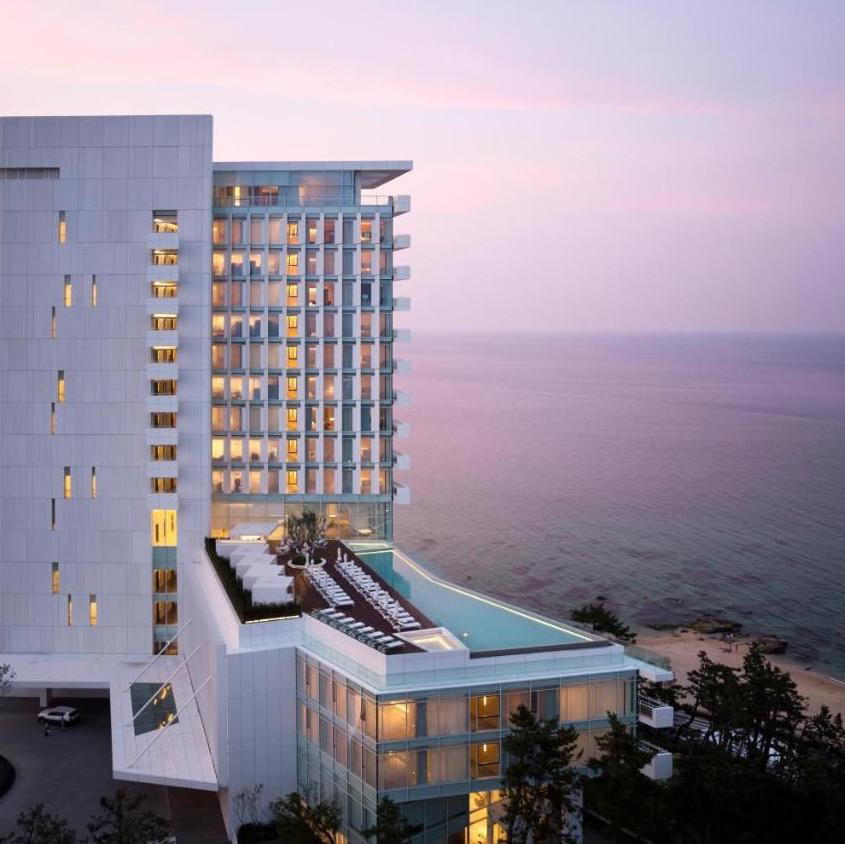
Kensington Hotel Seorak sits at the edge of Seoraksan National Park in Sokcho-si, Gangwon-do, where the mountain's granite ridgelines frame the property on three sides. A Regional Winner for Luxury Mountain Hotel and Country Winner for Luxury Heritage Hotel, the property occupies a distinct position among South Korea's resort destinations, where dramatic natural setting and heritage identity converge.
Pearl is the En Primeur Club membership app — saves, bookings, and concierge access live there. Same editors, same standards.
- Address
- 998 Seoraksan-ro, Sokcho-si, Gangwon-do, South Korea
- Phone
- +82 33-635-4001
- Website
- kensington.co.kr
- Directions
- Get directions
 Saves & bookings on Pearl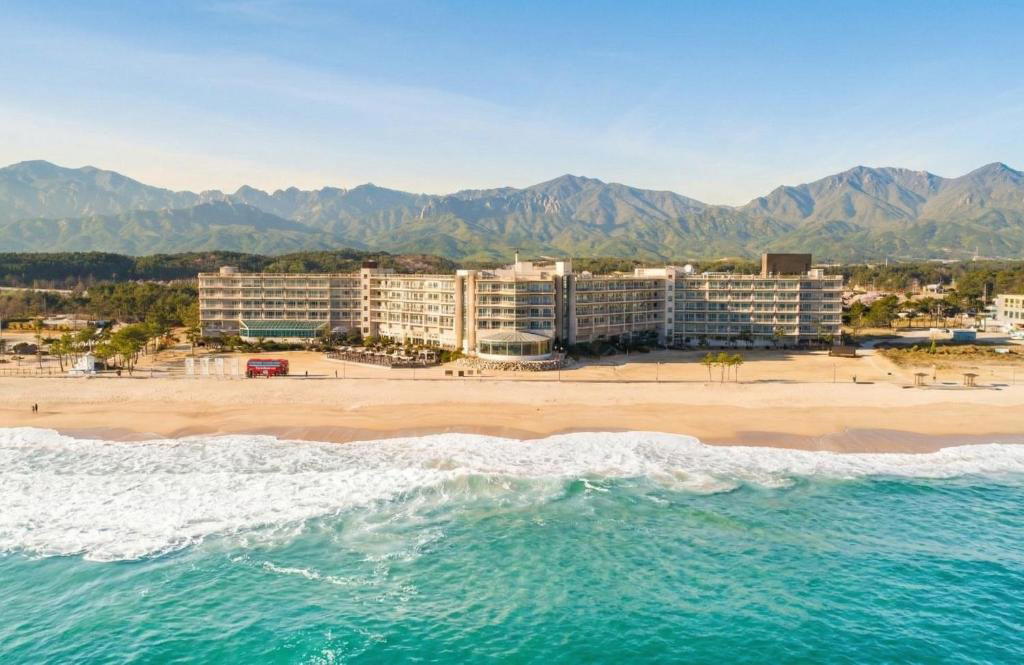
Where Granite Meets Heritage: Setting the Scene at Seorak
South Korea's east coast resort belt runs from the DMZ south through Gangwon-do, with Sokcho-si serving as the primary gateway to Seoraksan National Park. Within that geography, the accommodation tier splits sharply: on one side, utilitarian motels and pension houses that service the hiking crowd; on the other, a smaller set of properties that position themselves against the mountain itself as an architectural and experiential backdrop. Kensington Hotel Seorak, a 108-room hotel in Sokcho-si, occupies that upper tier. Its awards record signals where it sits in the Korean luxury hospitality ranking, not in the Seoul corridor alongside properties like Conrad Seoul or the Four Seasons Hotel Seoul, but in a distinct nature-resort category where the mountain does much of the architectural work.
Arriving from Sokcho's coastal town centre, the approach along Seoraksan-ro functions as a calibration exercise. The road climbs, the density of buildings thins, and Seoraksan's signature granite peaks begin to appear above the treeline. By the time the property comes into view, the visual frame is already set: the hotel reads less as a destination imposed on the landscape and more as a deliberate intervention within it. That quality, the sense that the building negotiates with its surroundings rather than ignoring them, is what the heritage designation points toward.
The Architecture of Mountain Engagement
Heritage hotel classification in South Korea carries specific weight. Where international chain hotels in Seoul's Gangnam district compete on vertical design, global brand recognition, and urban convenience, think Josun Palace or Casino Hotel Seoul, the Gangwon-do mountain resort category requires a different logic. The building must justify its position relative to one of Korea's most photographed natural environments. Seoraksan draws approximately three million visitors annually, making it the country's most-visited national park, and hotels that sit at its base are measured against that context.
The property's physical address at 998 Seoraksan-ro places it near the park boundary, which has historically limited what can be built at that proximity. That constraint functions as a competitive moat: the location is not replicable. Properties that established themselves within the corridor before regulatory tightening hold an inherent positional advantage that no amount of brand investment by a newcomer can easily overcome. The Kensington's heritage status suggests the property has been maintained at sufficient standard to represent the category at a national level.
Mountain resort design at altitude-adjacent locations in Northeast Asia tends to draw on two competing traditions. One leans into alpine European references, pitched rooflines, timber cladding, a visual vocabulary borrowed from Swiss or Austrian models, which appear with some frequency in Korean ski resort architecture. The other grounds itself in Korean spatial sensibilities: courtyards that frame borrowed scenery, materials that weather into the surrounding palette, a compositional approach closer to the logic of a traditional Korean garden than a Western resort campus. The heritage designation here points toward the latter orientation, placing the property in conversation with Korean architectural tradition rather than against an imported template.
Sokcho-si as a Base: What the Region Offers
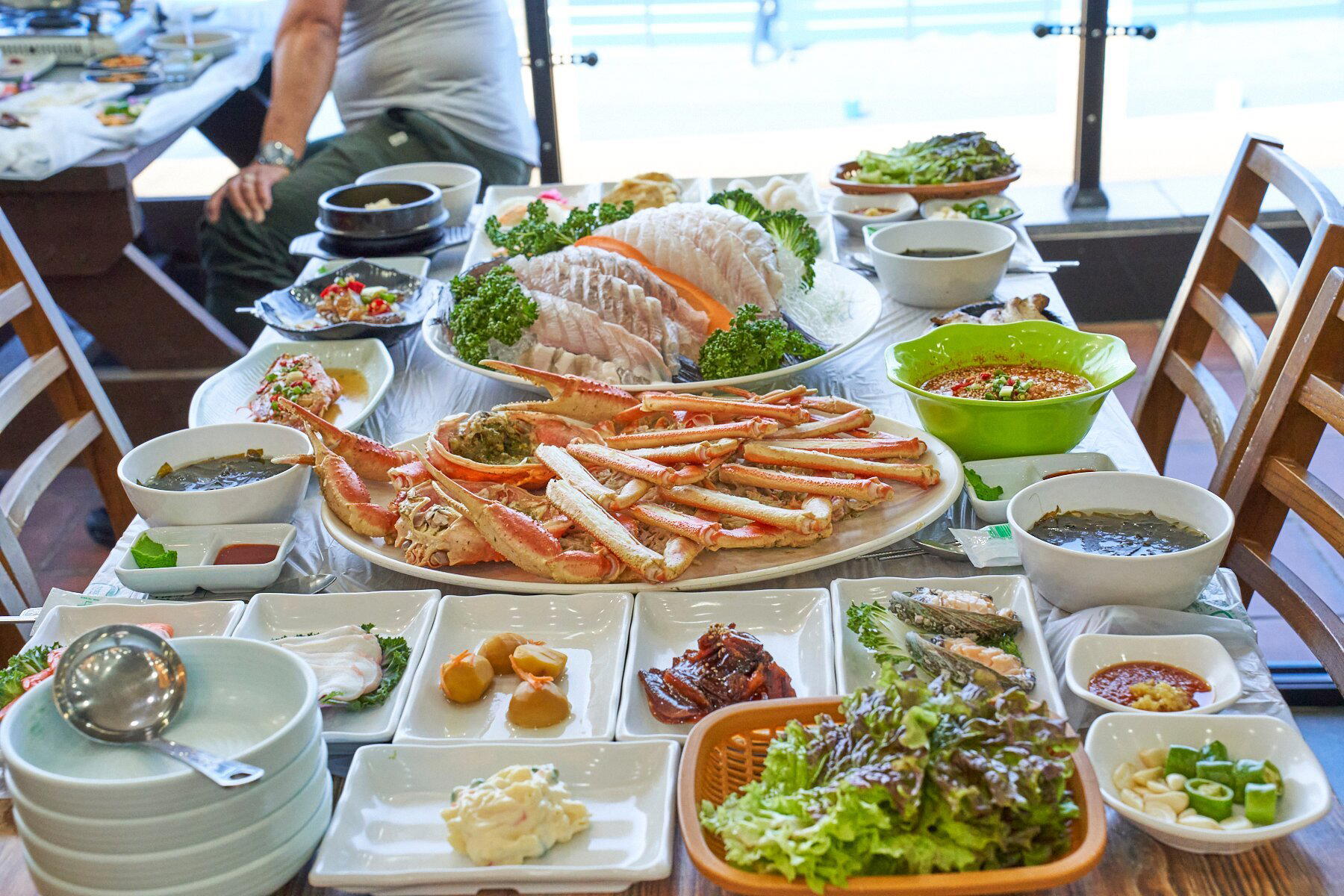
Sokcho-si's identity is split between fishing port and national park gateway, which gives the city a more grounded character than purely resort-oriented towns. The Abai Village district, a settlement originally populated by North Korean refugees after the Korean War, sits within walking distance of the downtown waterfront and provides one of the more historically layered urban walks on the east coast. The Sokcho Beach strip offers a counterpoint to the mountain with flat shoreline, and the fish market near the port supplies the live seafood that defines the local food culture, snow crab, fresh-caught squid, and flatfish are the markers of a Sokcho meal done correctly.
For guests staying at the Kensington, this means the property serves as a pivot point between two distinct environments: the dramatic vertical terrain of Seoraksan to the west and the coastal plain and sea to the east. The Ulsanbawi Rock trail and the Biseondae pool trail both depart from the park entrance adjacent to the hotel zone, making early-morning hiking a practical option before the main visitor influx arrives. The Sokcho Intercity Bus Terminal connects to Seoul's Express Bus Terminal in roughly two and a half hours, making the destination accessible without requiring a car, though driving the east coast highway from Seoul offers a more direct approach to the Seoraksan entrance.
For broader regional context, Gangwon-do's hospitality offer extends well beyond Sokcho. Oakwood Lagoon Town Gangneung covers the southern coastal anchor of the province, while Gangwon-do in Hongcheon and Camptong Forest in Gapyeong represent the inland, forested accommodation tier closer to Seoul's day-trip radius. Each sits in a different sub-category of Korean nature-adjacent hospitality, and the Kensington's position at Seorak is especially mountain-specific among the group.
South Korea's wider luxury hotel circuit spans considerably, from Grand Hyatt Jeju and Haevichi Hotel and Resort Jeju in the southern island market to Ananti at Busan Cove on the southeastern coast. The Kensington at Seorak operates in a different segment from all of these: it is not a beach resort, not an urban luxury address, and not a spa-focused coastal escape. It is a mountain heritage property, and that specificity is its clearest differentiator within the Korean market.
For those comparing at a global scale, the parallel properties are not the big-city flagships but mountain-integrated hotels: Badrutt's Palace Hotel in St. Moritz and Amangiri in Canyon Point demonstrate what it means to build a property around landscape as primary material. The Kensington's heritage classification suggests a similar orientation, the mountain is not scenery behind the hotel; it is the reason the hotel exists in that form.
Planning Your Stay
Seoraksan's foliage season, running from mid-October into early November, represents the peak demand window for the region. Autumn colour at Seoraksan draws visitors from across the country, and accommodation at the park entrance becomes competitive. Spring, when the snow retreats from the upper ridges and the lower trails reopen, is the secondary high season. Winter offers the clearest mountain air and the fewest crowds, though some upper trail sections close due to ice. Guests arriving by public transport should account for the bus journey from Seoul and allow time for the local connection from Sokcho Terminal to the Seoraksan entrance zone. For those exploring the full Korean resort circuit,
Comparable Spots, Quickly
Comparable venues nearby, for context on price, style, and recognition.
| Venue | Cuisine | Price | Notes |
|---|---|---|---|
| Kensington Hotel SeorakThis venue — the venue you are viewing | British heritage hotel in national park | $$$ | Not listed |
| Gangwon-do | family resort with golf focus | $$ | Seo-myeon |
| Camptong Forest | rustic forest pension | $$ | Gapyeong-gun |
| Lexington Busan | Hotel | Not listed | Busan |
| Hyatt Place Gwangju | Contemporary mixed-use hotel tower | $$ | Nongseong-dong, Seo-gu |
| South Cape Owners Club | Modern luxury resort with dynamic wave-inspired architecture | $$$$ | Changseon-myeon |
Recognition history
Dated appearances from independent guides and award organizations, with the underlying list record or original source where available.
World Luxury Hotel Awards WLHA Country Winner
World Luxury Hotel Awards
World Luxury Hotel Awards WLHA Regional Winner
World Luxury Hotel Awards
At a Glance
- Classic
- Scenic
- Elegant
- Romantic Getaway
- Family Vacation
- Weekend Escape
- Panoramic View
- Garden
- Terrace
- Wi Fi
- Restaurant
- Business Center
- Room Service
- Concierge
- Elevator
- Garden
- Mountain
- Wi Fi
- Restaurant
- Business Center
- Room Service
- Concierge
- Elevator
- Garden
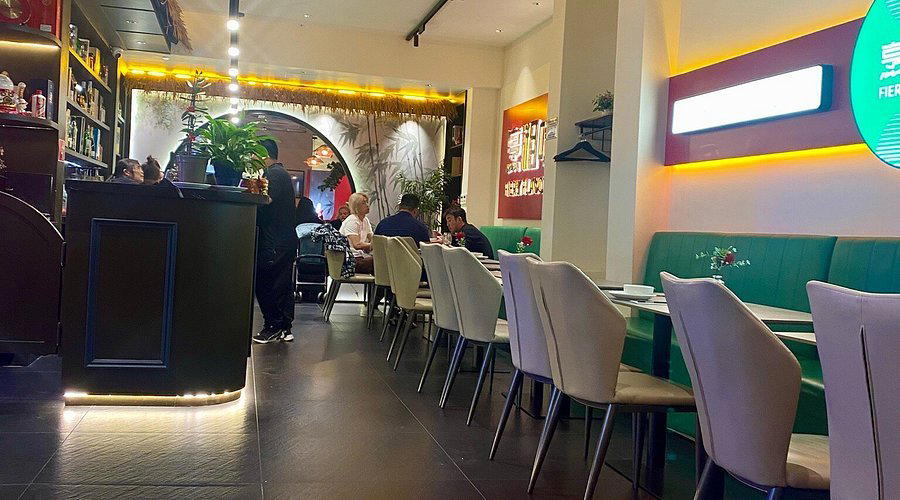
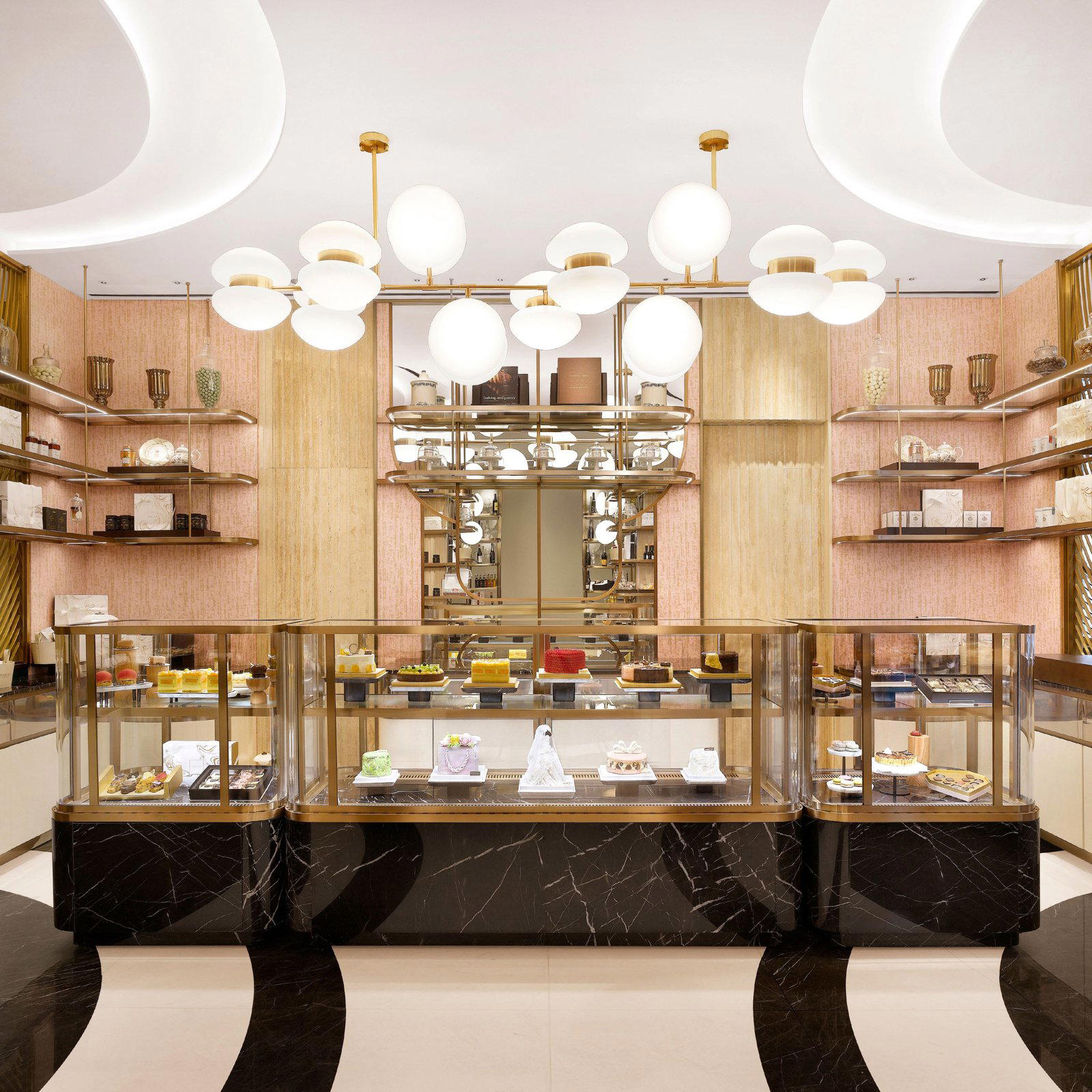
Sophisticated and traditional British-themed interior with classic decor and comfortable, soundproofed rooms.