Banyan Tree Club & Spa Seoul



On the slopes of Namsan in Seoul's Jung District, Banyan Tree Club & Spa Seoul sits at the intersection of urban access and genuine remove. Rooms average 915 square feet and most include private plunge pools, while the spa program draws directly from Korean bathing traditions. La Liste ranked the property at 90 points in its 2026 Top Hotels index.
Pearl is the En Primeur Club membership app — saves, bookings, and concierge access live there. Same editors, same standards.
- Address
- 60 Jangchungdan-ro, Jung District, Seoul
- Phone
- +82 2-2250-8000
- Website
- banyantree.com
- Directions
- Get directions
 Saves & bookings on Pearl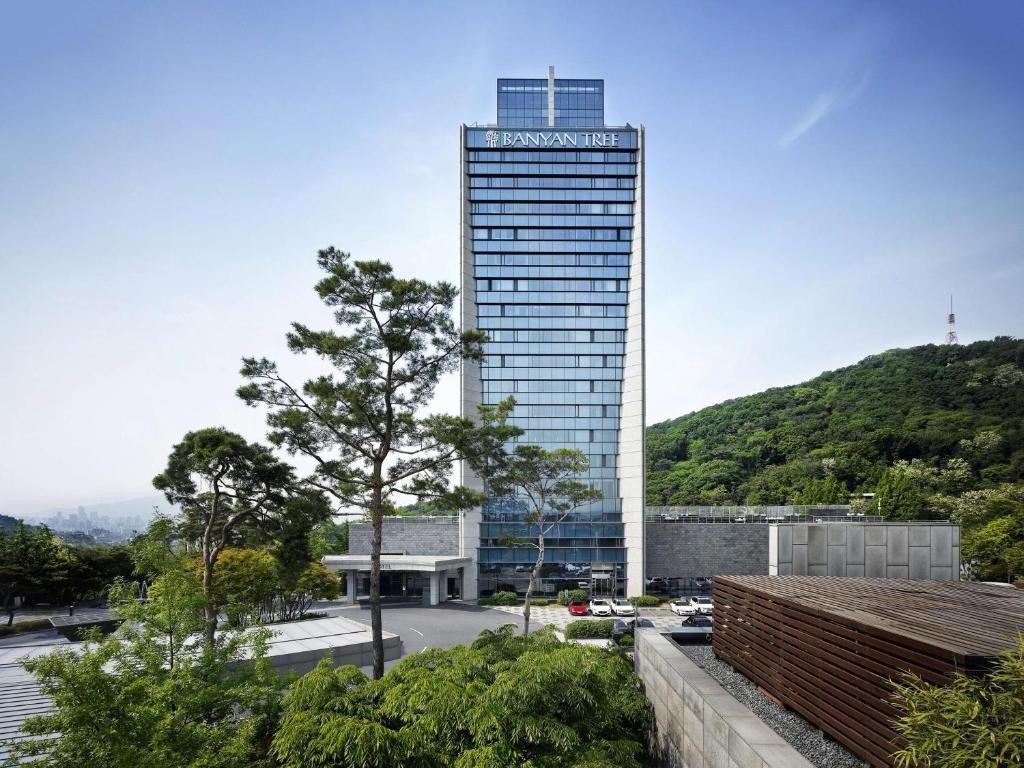
Where the Mountain Begins
The geography of Seoul's premium hotel market tends to cluster around two poles: the financial and shopping corridors of Gangnam to the south, and the historic centre around Gyeongbokgung to the north. Banyan Tree Club & Spa Seoul occupies a position that belongs to neither camp. Its address on the slopes of Mt. Namsan, adjacent to the green belt of Namsan Park, places it above the dense street-level noise of the Jung District without sacrificing proximity to it. Myeongdong, one of Seoul's most concentrated shopping corridors, sits roughly a ten-minute taxi ride away. Gangnam is the same distance in the other direction. For guests who want the city fully accessible but not immediately present, that positioning is deliberate and meaningful.
What separates Banyan Tree's proposition from those addresses is the combination of Namsan's green fringe and a wellness infrastructure that goes well beyond a hotel gym and treatment menu.
The Spa as the Real Argument
Korean bathing culture has deep roots. The jjimjilbang, or communal bathhouse, remains a functioning social institution rather than a heritage curiosity, and any serious wellness program in Seoul has to position itself in relation to that tradition. Banyan Tree Seoul's spa facility engages with it directly, through an exclusive bathhouse with three pools at varying temperatures, an herbal sauna, an aroma steam room, and an ice fountain. For international guests arriving without familiarity with Korean bathing ritual, the sequence of heat, steam, and cold immersion is worth understanding before entering: the contrast cycle is the point, not a preference. This facility offers a more formal and private version of what the city's public bathhouses have offered for generations.
The broader spa program runs from single treatments through full packages. Massages, facials, and combination packages are available, though the specific treatment menu and pricing are not reproduced here. What the format signals is that the spa is designed to function as a destination in itself rather than a convenience amenity. That orientation shapes the pace of a stay.
Room Scale and What It Implies
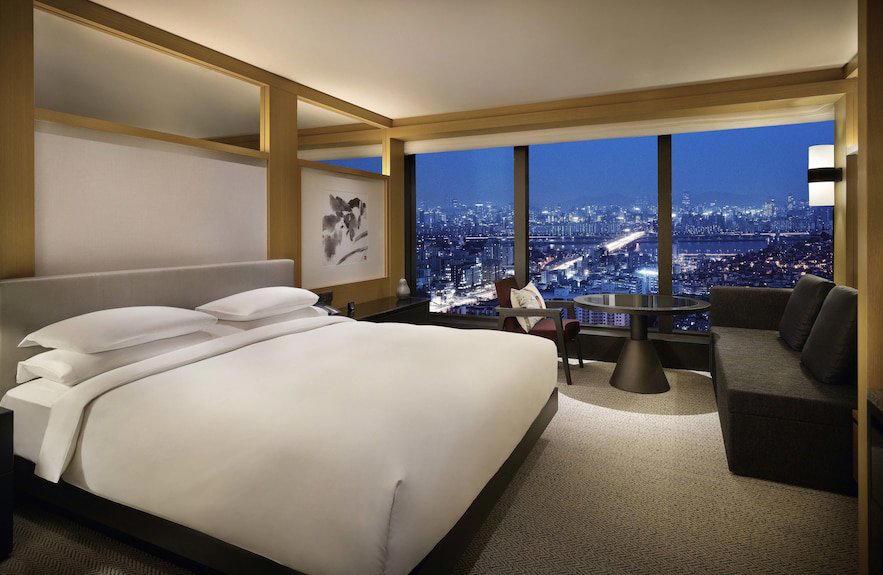
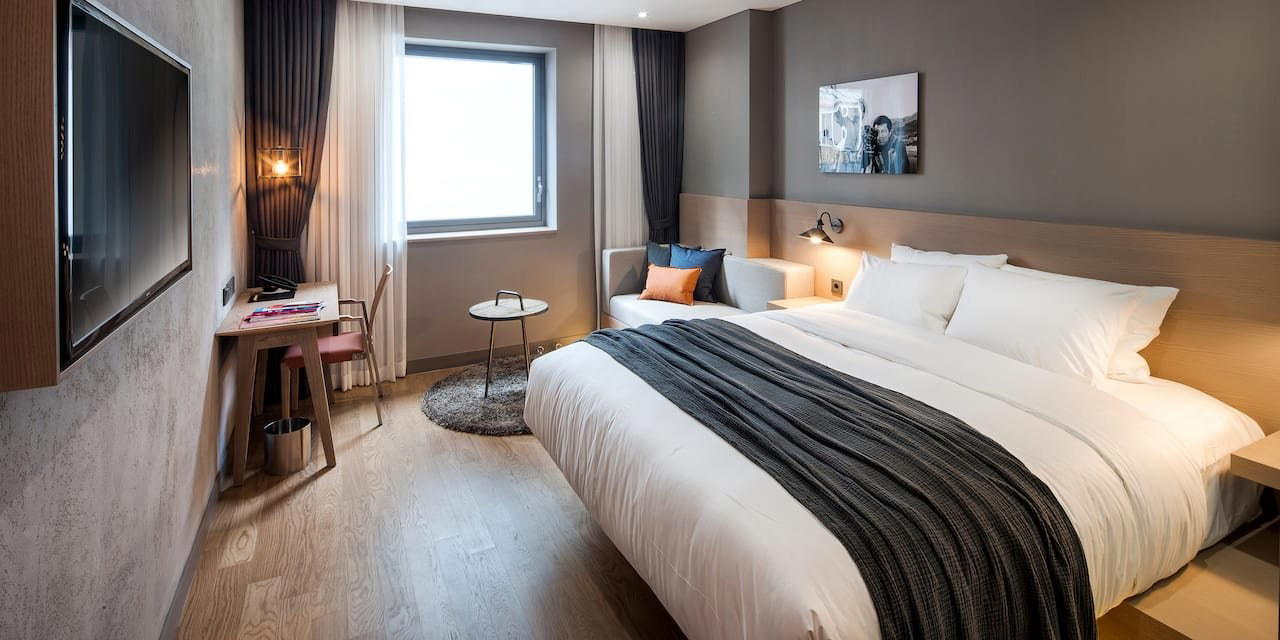
Seoul's luxury hotel rooms tend to compress. Land values in the central districts push developers toward maximizing key count, and average room sizes across the upper market reflect that pressure. At Banyan Tree Seoul, rooms average 915 square feet, which is considerably larger than the city norm at equivalent price tiers. With the exception of the Banyan Rooms and Suites category, rooms include a private plunge pool, extending the spa logic into the accommodation itself. Floor-to-ceiling windows frame either Namsan Tower and the park or the Seoul cityscape, depending on orientation. Neither view is incidental.
The Grand Hyatt Seoul and the Aman Seoul Cheongdam each represent different strategies in the upper Seoul market. Aman positions around architectural restraint and low key count. Grand Hyatt trades on scale and convention infrastructure. Banyan Tree's differentiating logic is the wellness-first format at room level, where the plunge pool is standard rather than an upgrade tier, and the Namsan setting provides what neither urban tower can replicate.
Sport, Movement, and the Outdoor Buffer
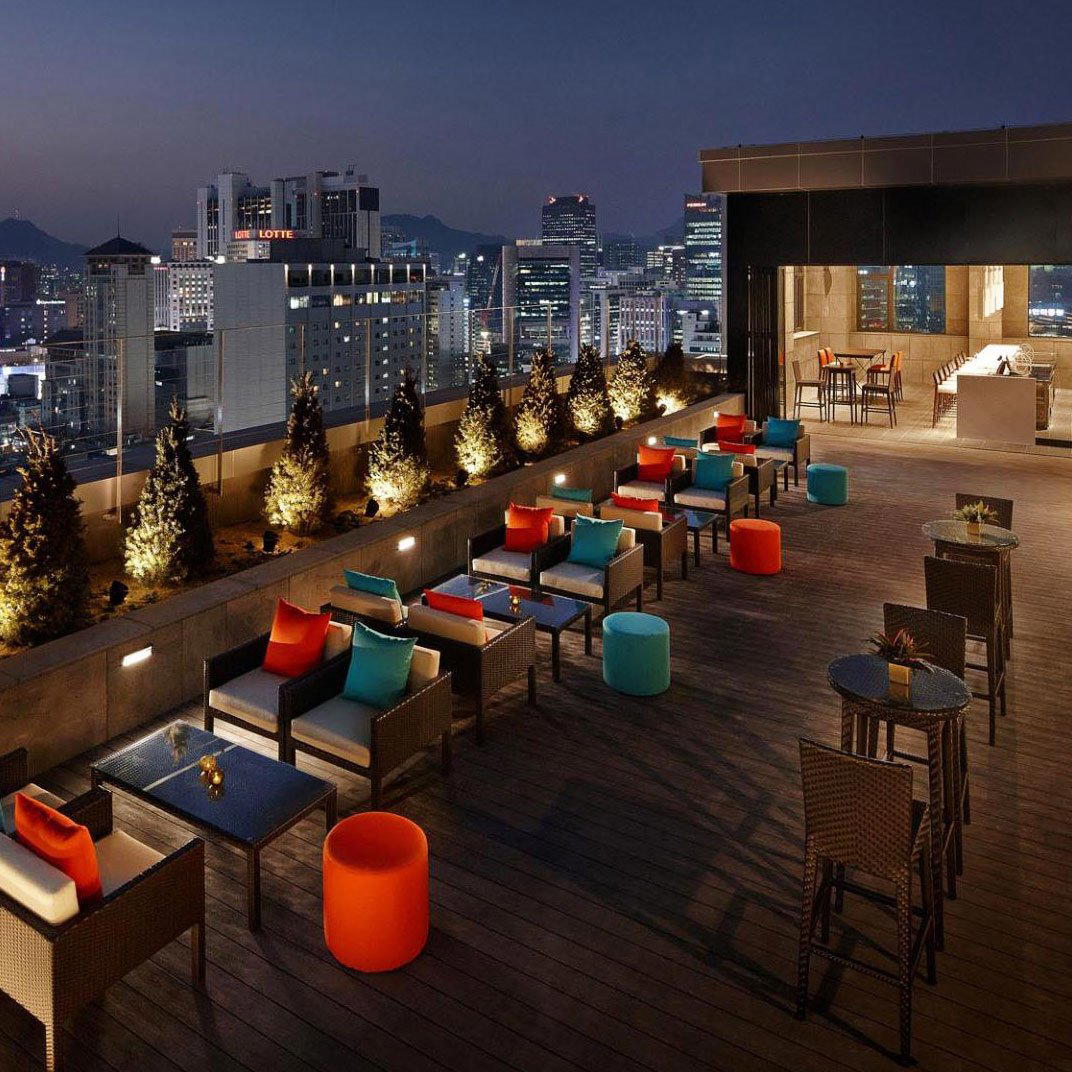
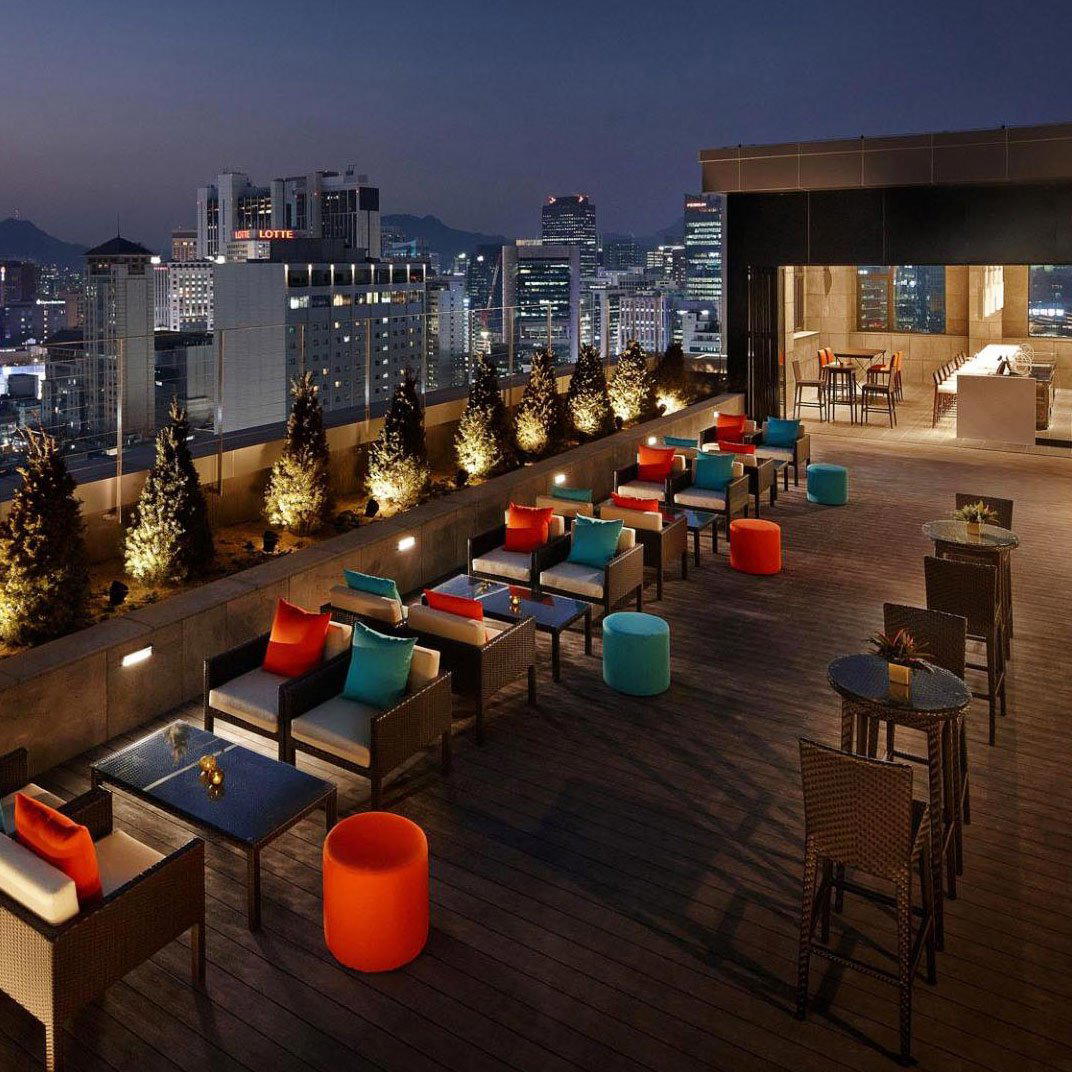
Wellness-oriented properties often limit their fitness offering to a gym floor and a yoga schedule. Banyan Tree Seoul extends considerably further. An 80-yard driving range, a tennis court, a basketball court, and a soccer field give the property a sports club dimension that the name explicitly signals. The outdoor pool, called The Oasis, includes private cabanas and a food and beverage service. In warmer months, the Oasis Restaurant operates poolside. Namsan Park's hiking trails begin directly adjacent to the property, adding unstructured outdoor access that no hotel amenity package can substitute for.
This configuration makes the property particularly relevant for longer stays or for guests combining Seoul with broader South Korea travel. Those extending into the mountains might consider Kensington Hotel Seorak near Sokcho or the forest-setting of Camptong Forest in Gapyeong. For coastal contrast, Ananti at Busan Cove operates a similarly wellness-forward model on the southern coast. Island travellers will find comparable resort logic at Grand Hyatt Jeju, Haevichi Hotel & Resort Jeju, and JW Marriott Jeju Resort & Spa.
Dining Without Leaving the Slope
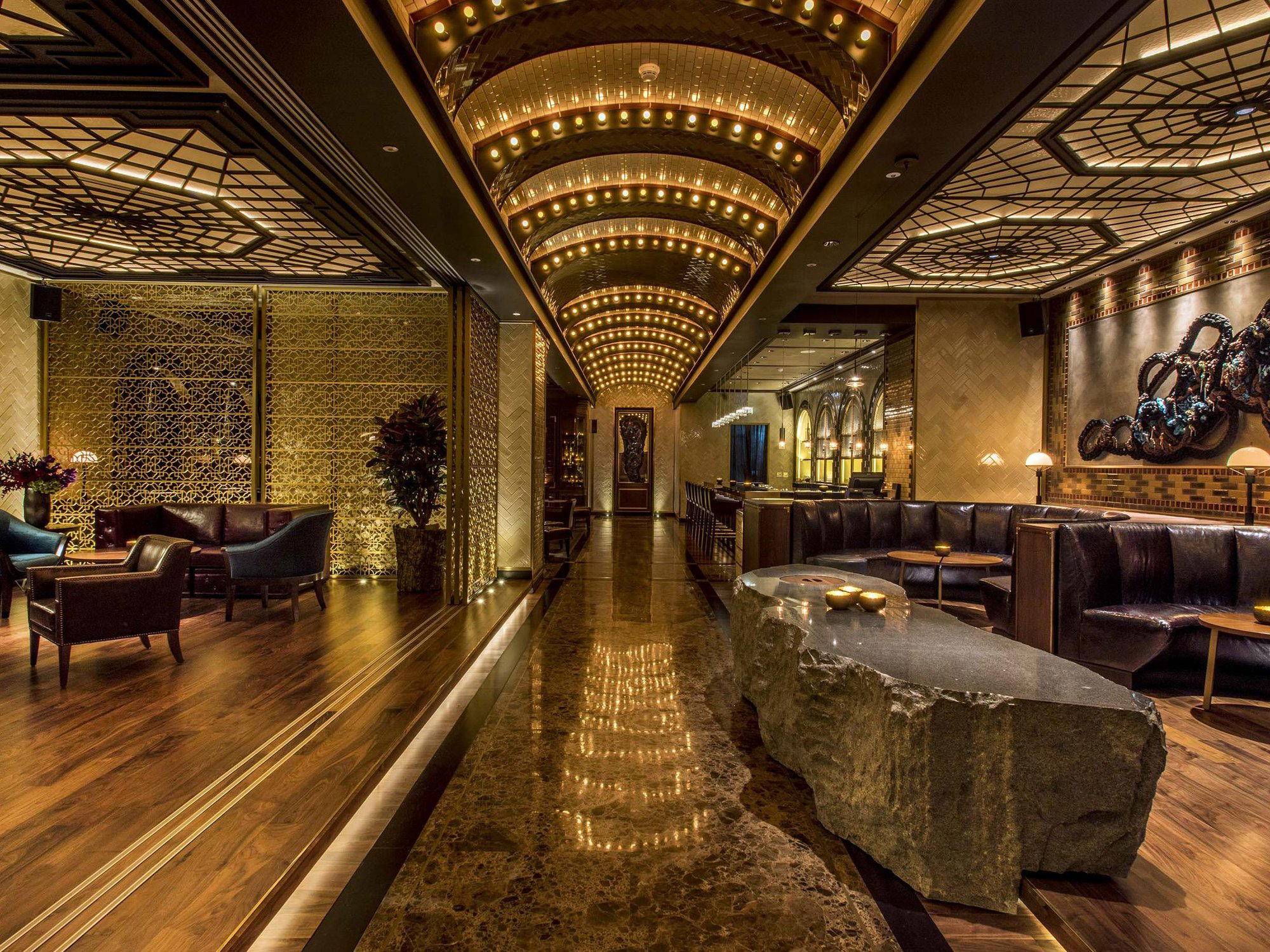
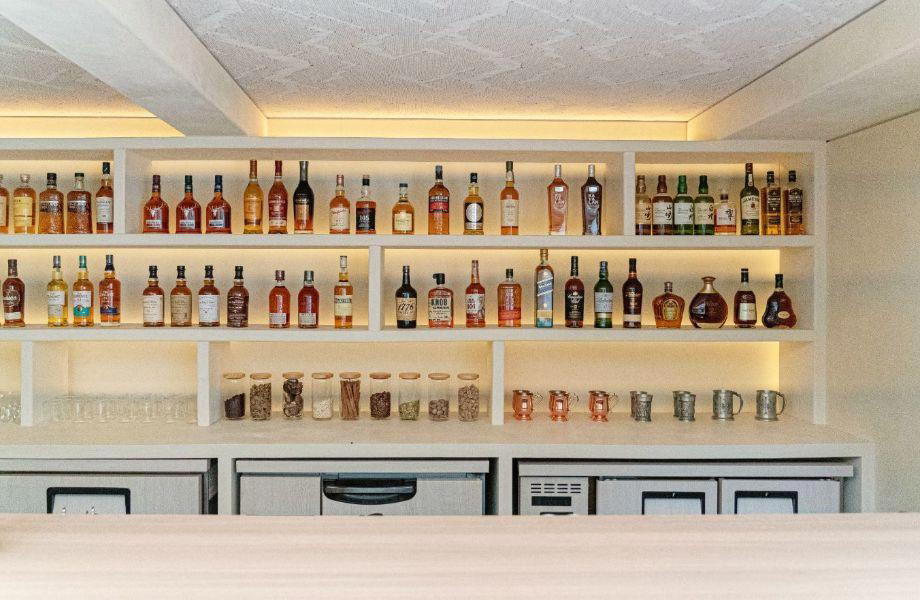
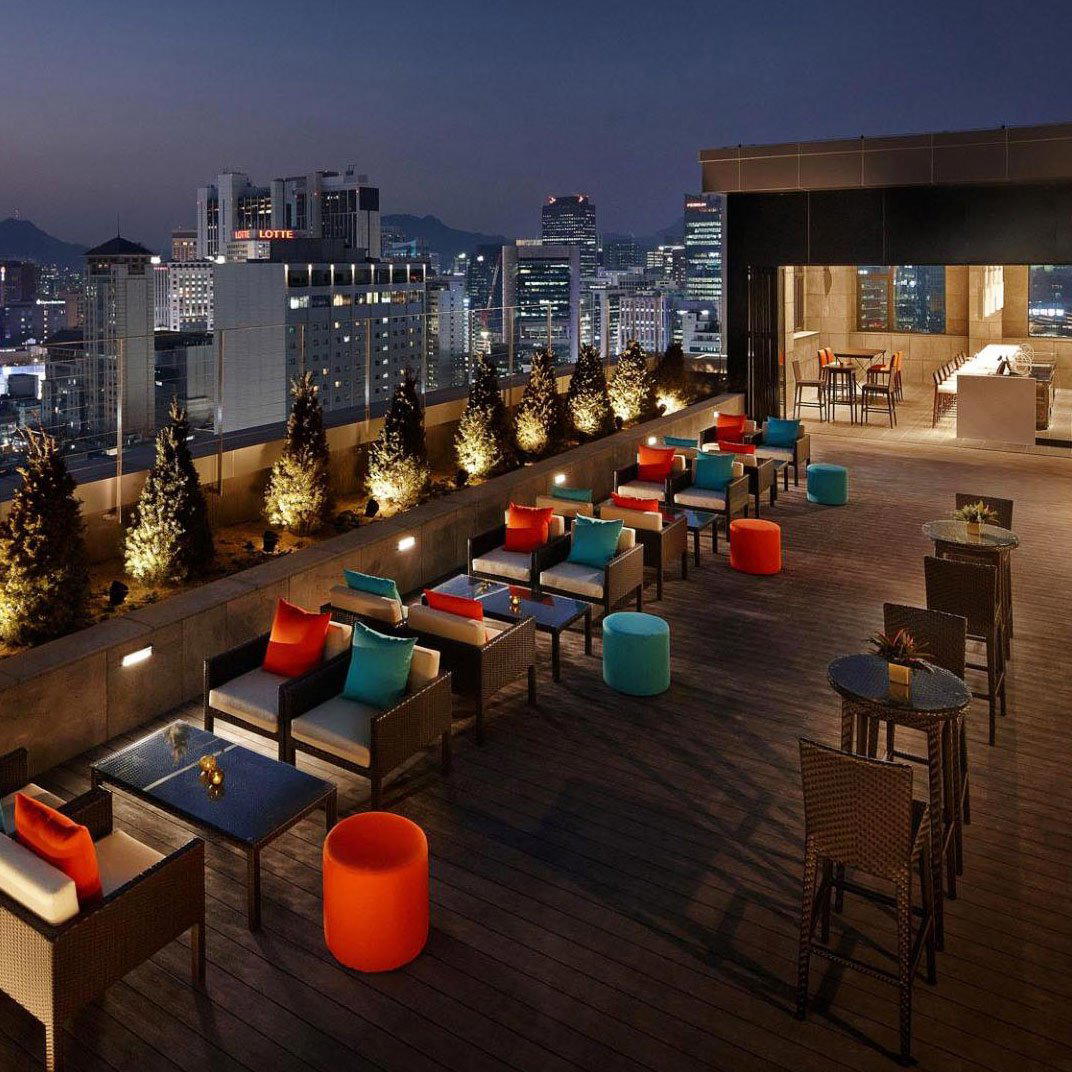
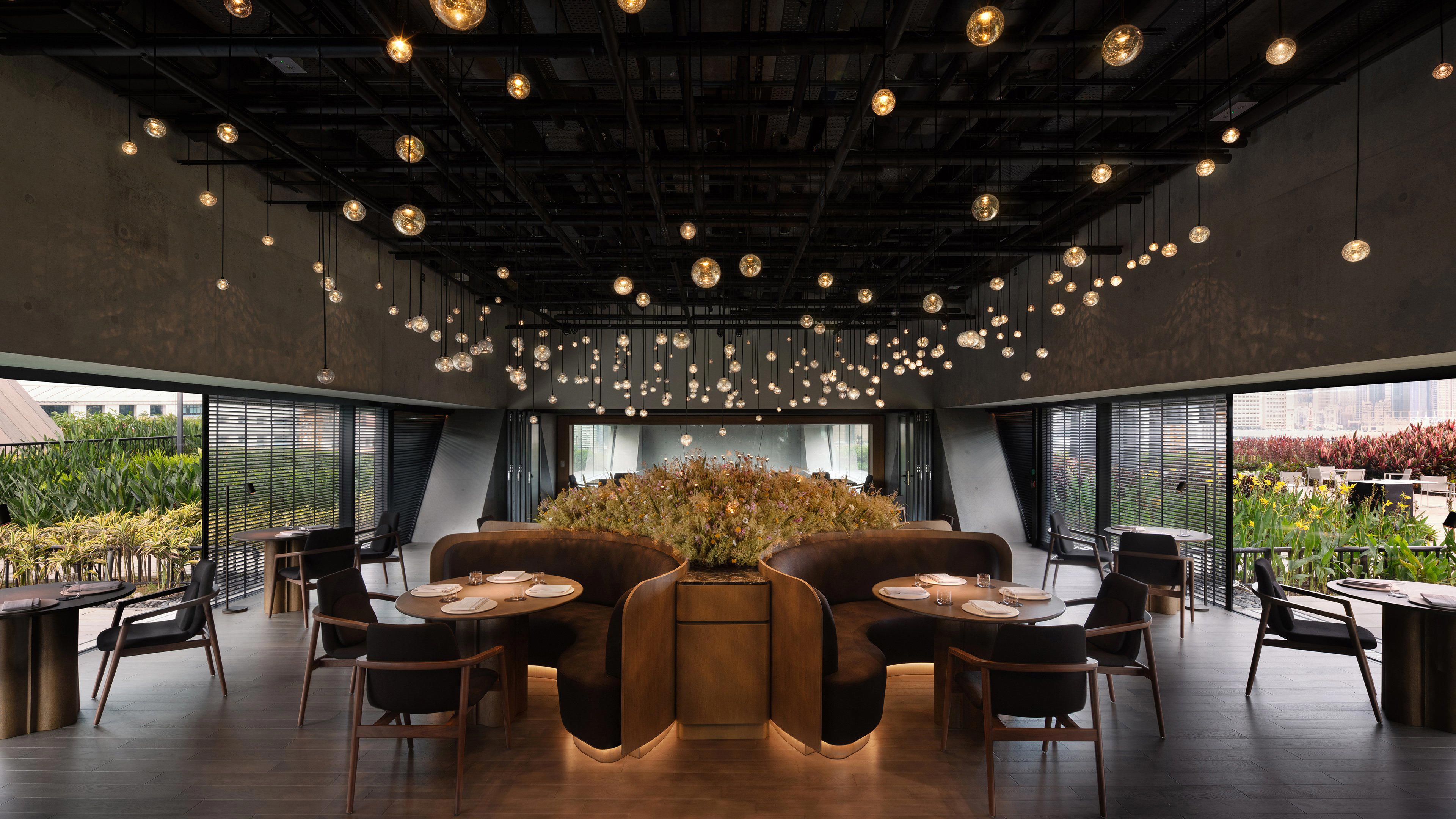
Seoul's restaurant market is deep enough that guests with time and appetite rarely need to stay on-property for dinner. The city's upper dining tier spans Korean temple cuisine to multi-course French and Japanese omakase. That said, Banyan Tree Seoul's food infrastructure covers the functional range. Granum Dining Lounge anchors the dining offer with pan-Asian cuisine and serves the continental breakfast included in room rates. The Festa Bistro & Bar handles cocktails and lighter plates. In summer, Oasis Restaurant adds the poolside option. The format serves guests who want to eat in without the sense of settling.
Planning a Stay
Banyan Tree Club & Spa Seoul sits at 60 Jangchungdan-ro in the Jung District, a location that gives ground-floor access to Namsan Park trails while keeping central Seoul within easy reach by taxi. A continental breakfast is included in room rates, as is Wi-Fi. Business travellers can access conference rooms with secretarial support on-site. The hotel is part of the Banyan Tree Hotels & Resorts group, which manages the reservation infrastructure; specific pricing, availability, and treatment booking are best confirmed through the group's central system or a specialist travel adviser. Those arriving from or continuing to Incheon International Airport may want to note the Art Paradiso Hotel in Incheon as a transit option.
Recognition, Side-by-Side
Comparable venues nearby, for context on price, style, and recognition.
| Venue | Cuisine | Price | Awards | Notes |
|---|---|---|---|---|
| Banyan Tree Club & Spa SeoulThis venue — the venue you are viewing | Luxury urban wellness resort blending contemporary design with Asian spa heritage and mountain-view positioning. | $$$$ | 5-Star | Not listed |
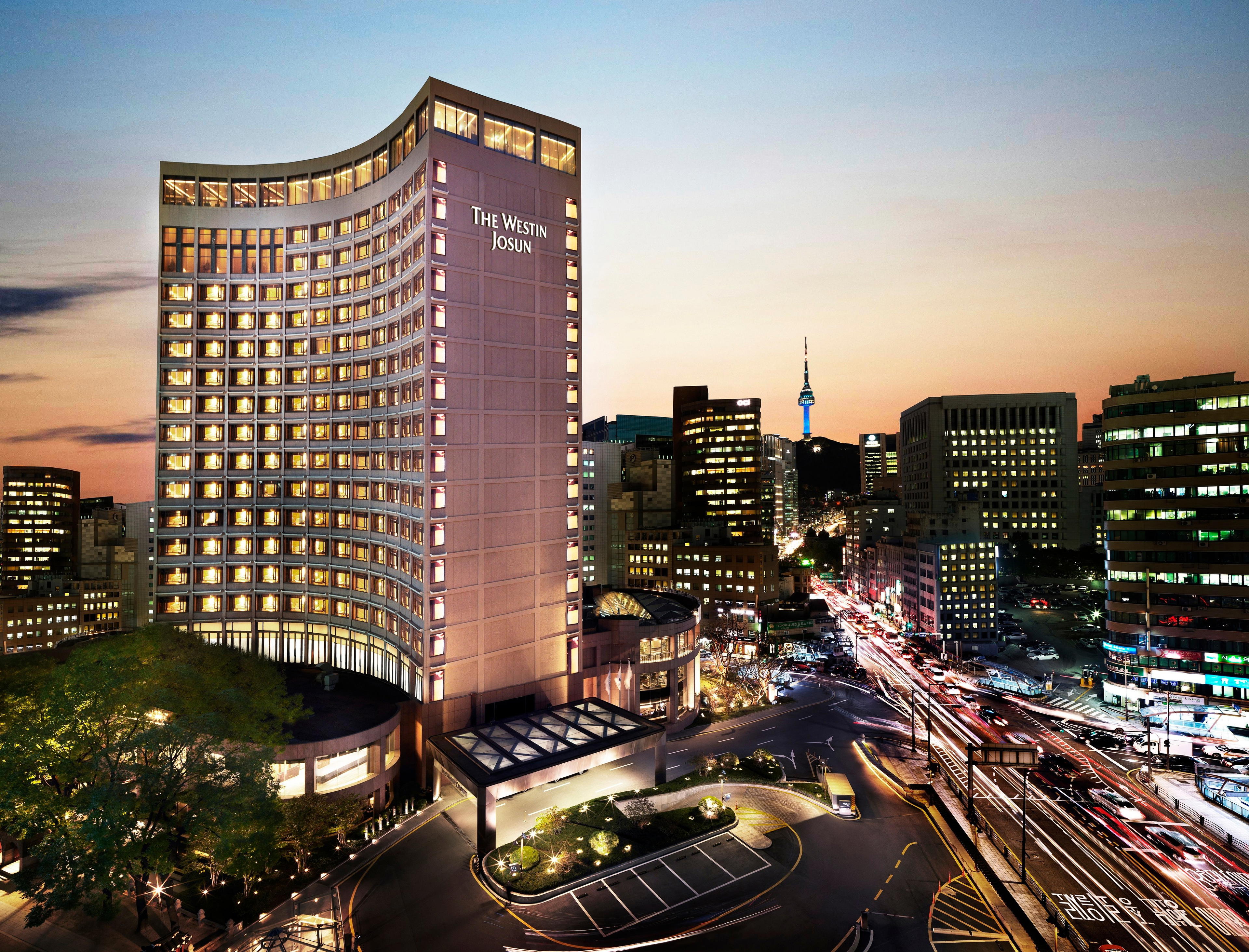
| The Westin Josun Seoul | Heritage luxury hotel blending 1914 historic architecture with contemporary design and amenities, positioned as a premier business and leisure destination. | $$$$ | 5-Star | Sajik-dong |
| Grand InterContinental Seoul Parnas | Modern luxury high-rise connected to convention center | $$$$ | 5-Star | Samseong-dong |
| Grand Hyatt Seoul | Luxury urban resort with extensive recreational facilities | $$$$ | 5-Star | 이태원동 |
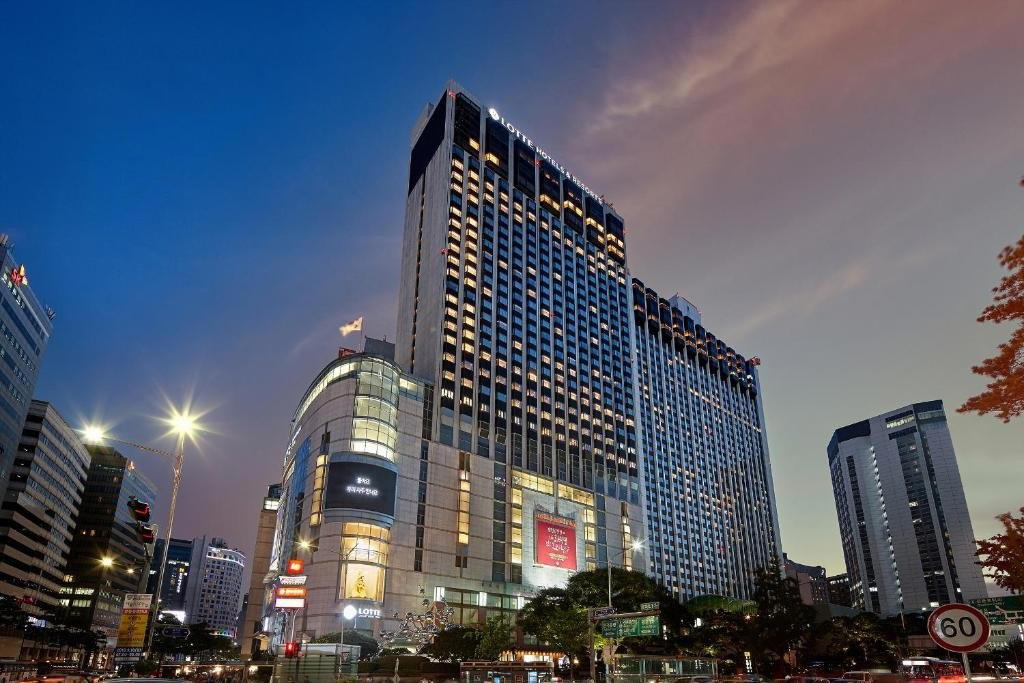
| Lotte Hotel Seoul | Luxury urban hotel with department store integration | $$$$ | 5-Star | Sajik-dong |
| Conrad Seoul | Contemporary luxury hotel with cutting-edge technology and refined design, positioned as a first-class destination for informed travelers seeking premium comfort and wellness experiences. | $$$$ | 5-Star | 상수동 |
Recognition history
Dated appearances from independent guides and award organizations, with the underlying list record or original source where available.
Forbes Recommended
Forbes
La Liste Top Hotels
La Liste
Forbes Recommended
Forbes
Michelin Selected
Michelin
Continue exploring
More in Seoul
Hotels in Seoul
Browse all →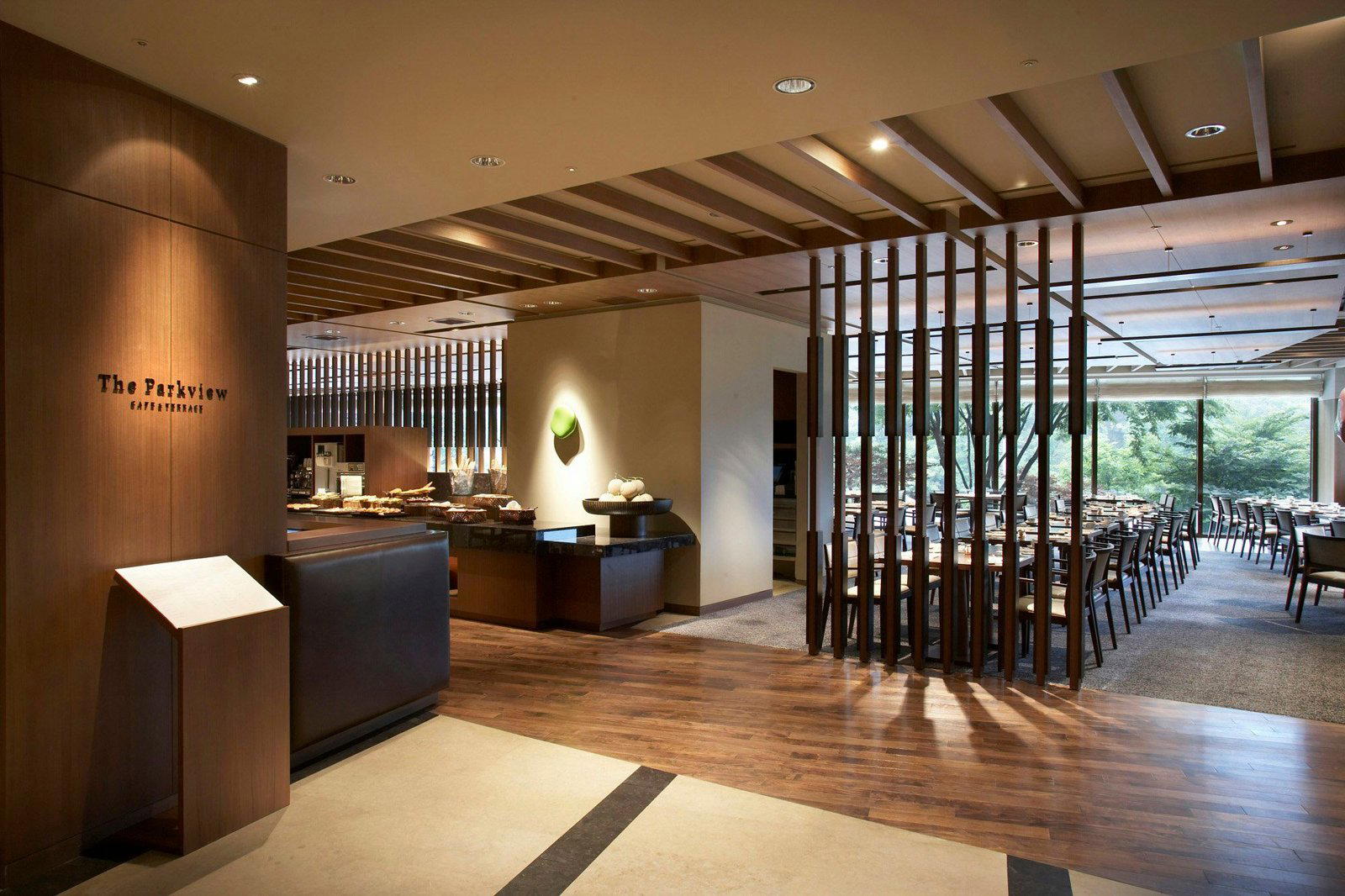
At a Glance
- Elegant
- Sophisticated
- Scenic
- Modern
- Wellness Retreat
- Romantic Getaway
- Family Vacation
- Anniversary
- Destination Spa
- Rooftop Pool
- Garden
- Panoramic View
- Private Dining
- Infinity Pool
- Spa
- Fitness Center
- Pool
- Sauna
- Restaurant
- Bar
- Wi Fi
- Room Service
- Concierge
- Valet Parking
- Golf Course
- Tennis Court
- Kids Club
- EV Charging
- Business Center
- Mountain
- Garden
- Spa
- Fitness Center
- Pool
- Sauna
- Restaurant
- Bar
- Wi Fi
- Room Service
- Concierge
- Valet Parking
- Golf Course
- Tennis Court
- Kids Club
- EV Charging
- Business Center
Serene and luxurious with emphasis on healing and rejuvenation; spacious spa and sauna facilities with natural light, modern fitness center, and tranquil garden settings throughout the property.