Josun Palace, a Luxury Collection Hotel, Seoul Gangnam



On the site of Seoul's original luxury hotel, Josun Palace occupies a defining address in Gangnam at 231 Teheran-ro, steps from COEX Mall and Bongeunsa temple. Designed by Monaco-based firm Humbert & Poyet, its 254 rooms blend Korean-modernism with midcentury European detail. La Liste ranked it 94.5 points in its 2026 Top Hotels list, placing it among Seoul's most credentialed properties.
Pearl is the En Primeur Club membership app — saves, bookings, and concierge access live there. Same editors, same standards.
- Address
- Teheran-ro, 231 Gangnam District, Seoul
- Phone
- +82 2-727-7200
- Website
- marriott.com
- Directions
- Get directions
 Saves & bookings on Pearl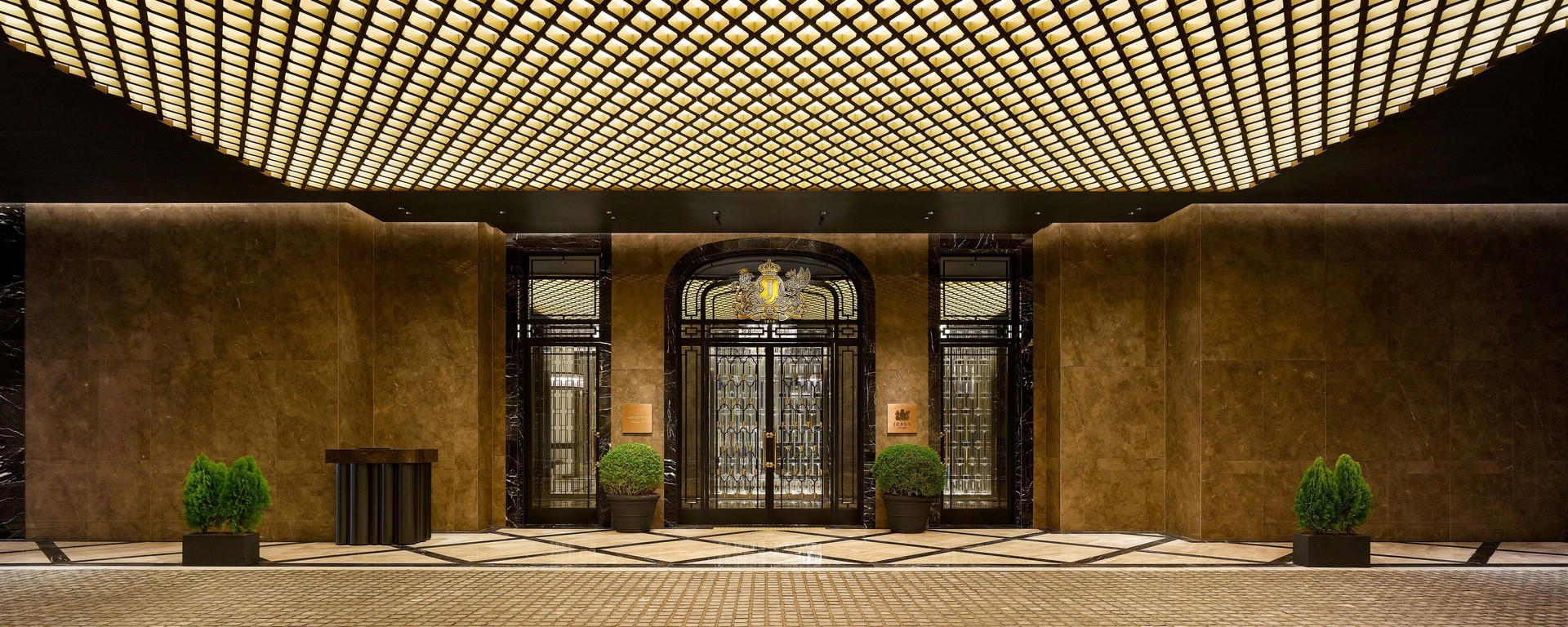
Where Gangnam's Commercial Energy Meets a Hotel Designed to Slow You Down
Teheran-ro, Gangnam's primary business artery, moves at a particular pace: corporate, directed, high-volume. The address at number 231 puts Josun Palace squarely in the middle of that current, with the Seoul World Trade Center nearby and COEX Mall a short walk away. What the hotel does with that location is the interesting part. Rather than reflecting the district's momentum back at its guests, the property creates a composed interior environment that uses scale, material, and sightline to declare a different register. The regal entrance sets this up before you reach the lobby, there is a formality to the approach that signals the hotel is working to a different rhythm than the street outside.
This matters for how you should think about Josun Palace relative to other Gangnam options. Properties like Fairmont Ambassador Seoul and Conrad Seoul operate in the international luxury tier that Gangnam has accumulated over the past two decades. Josun Palace operates inside that same tier but with a distinct design identity rooted in site history and local architectural reference, a distinction that places it in a different competitive conversation than the large-footprint international brands.
The Design Argument: Korean Modernism and a Midcentury European Hand
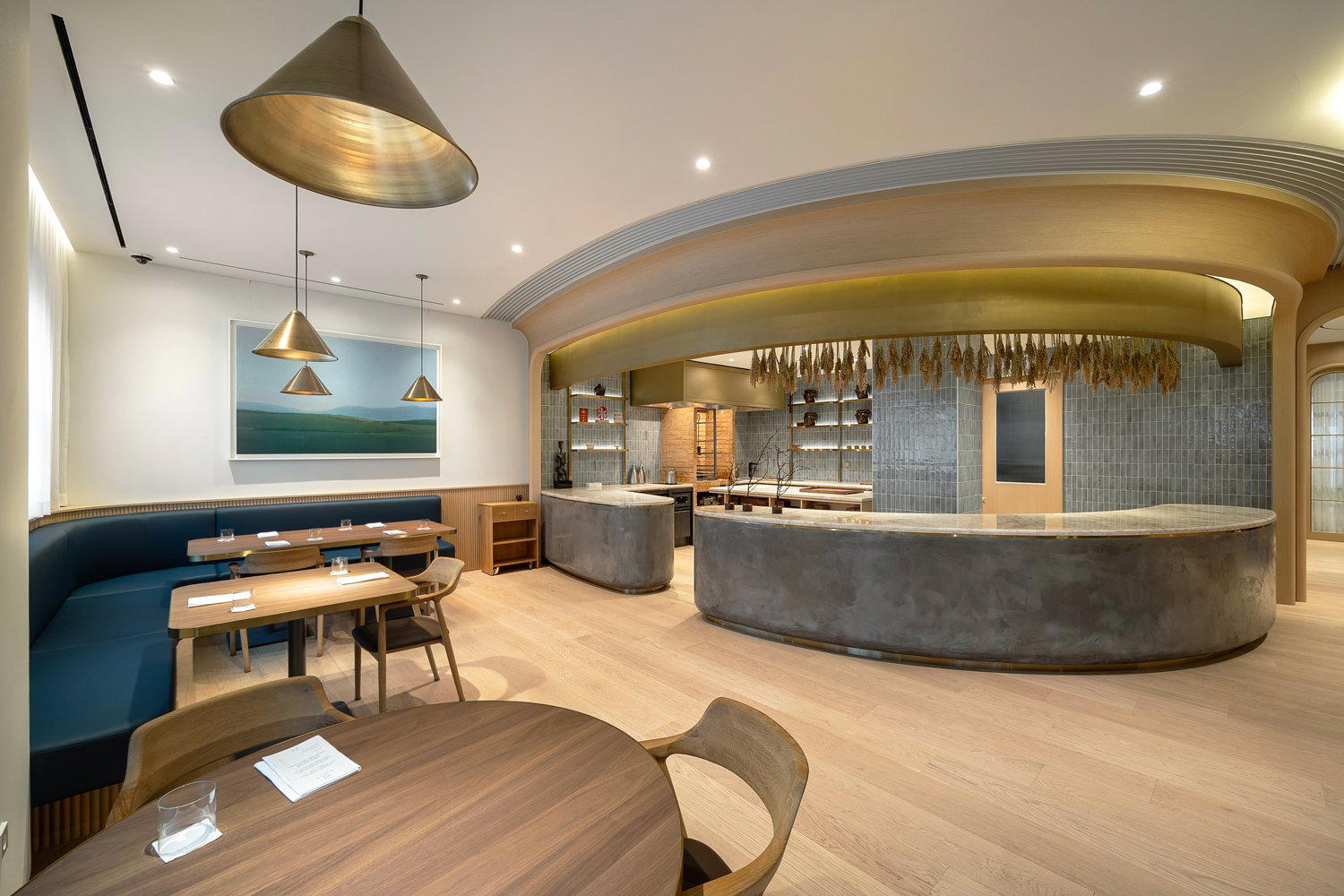
The hotel sits on the site of the original Chosun Hotel, Seoul's first luxury property, and the design by Monaco-based architectural practice Humbert & Poyet treats that lineage as a brief rather than a footnote. Korean design elements are present in structure and material, while a midcentury European modernist sensibility governs the palette: bold colours, gilded accents, geometric confidence. The combination reads less as pastiche and more as a considered position about what luxury hotel design can do with cultural reference when it is applied through a specific architectural lens rather than applied as decoration.
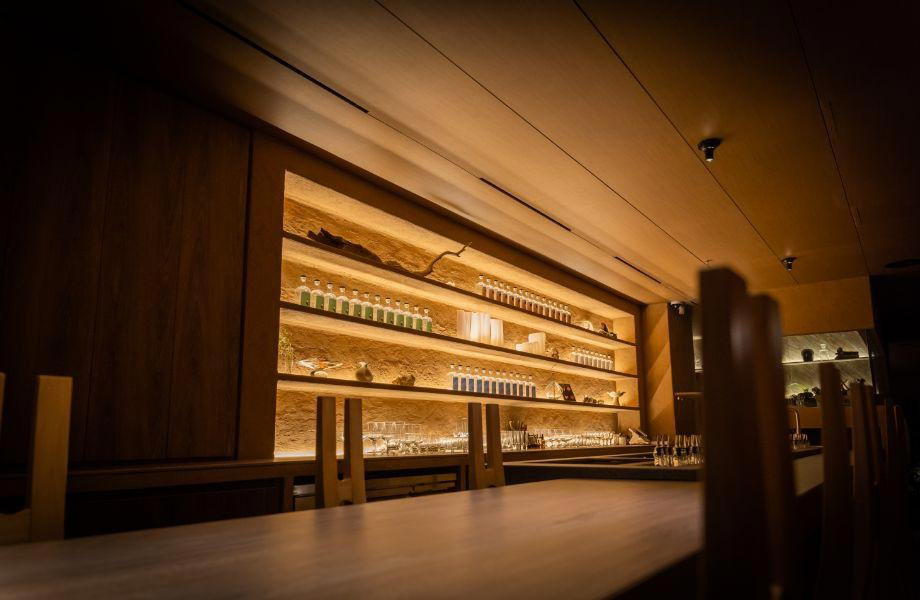
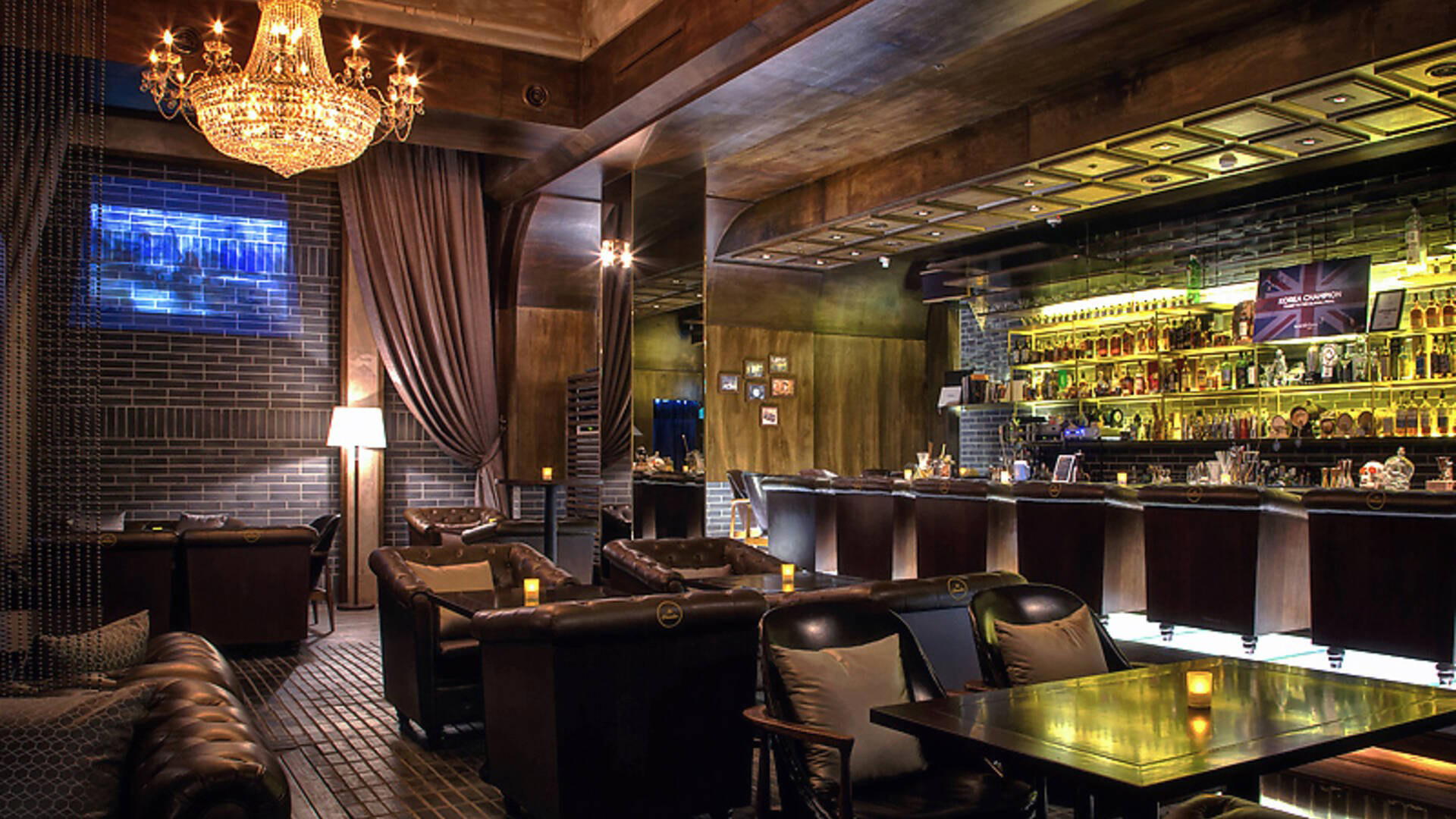
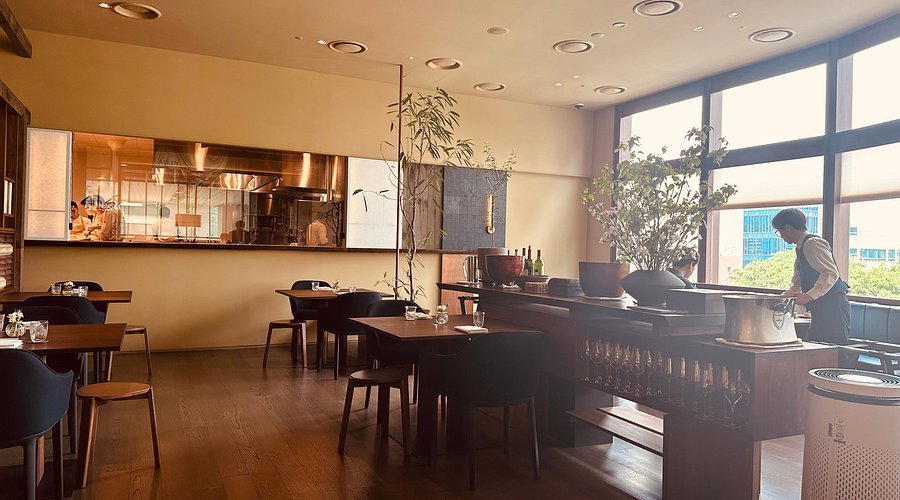
The 1914 Lounge and Bar, named for a year that anchors the original hotel's history, runs afternoon tea into evening cocktails beneath 30-foot glass windows that frame the city. The panoramic scale of those windows is worth noting as a deliberate spatial choice: the views function as part of the room's design rather than as an amenity attached to it. For hotels in Seoul's premium tier, where Four Seasons Hotel Seoul and Grand Hyatt Seoul also compete for guests who expect strong design programmes, interior coherence is increasingly the differentiator. Josun Palace makes a specific argument here.
Rooms, Altitude, and the Skyline Logic of Seoul
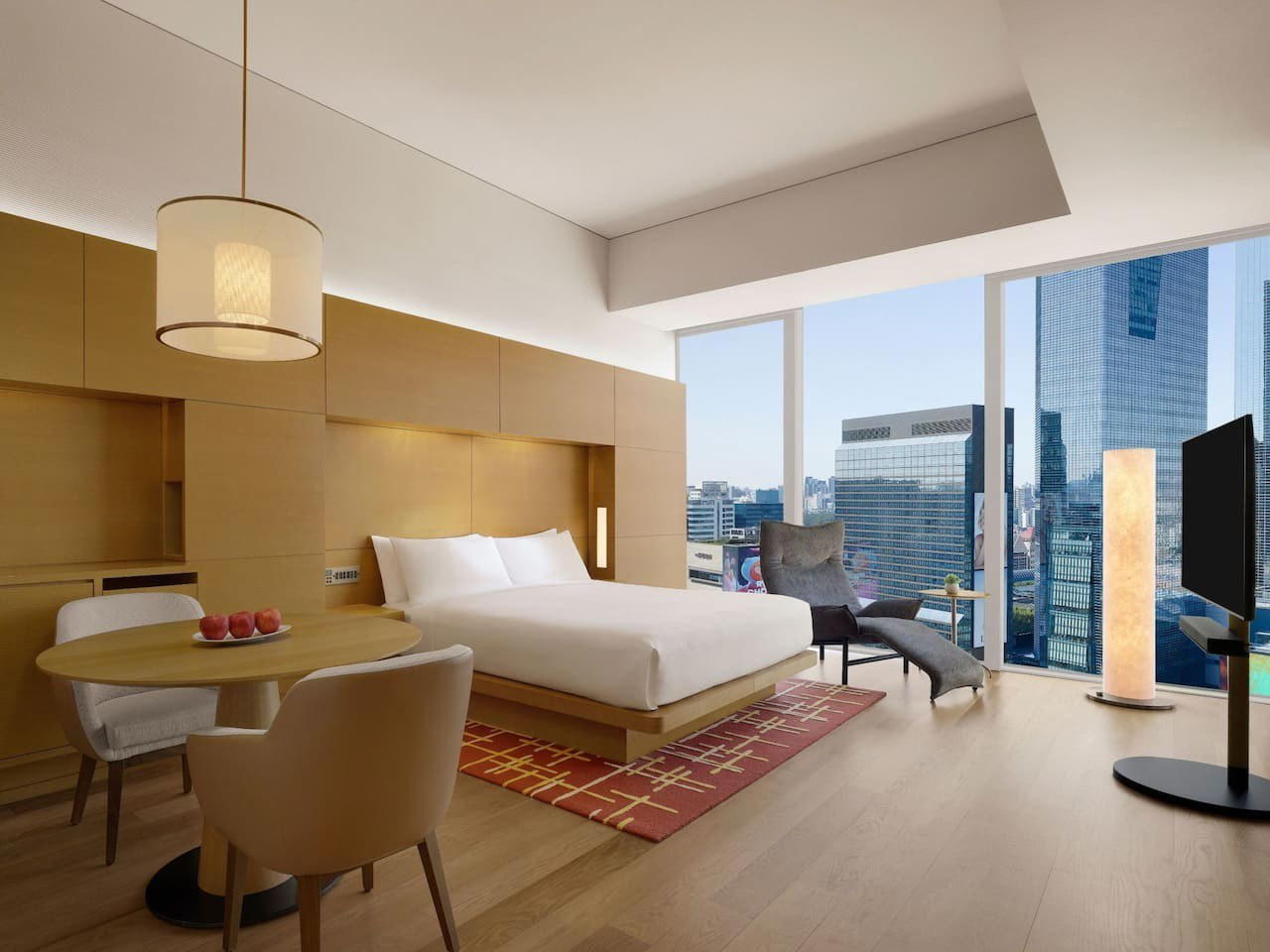
254 rooms and suites are equipped to a specification that reflects the Luxury Collection's positioning within Marriott International's portfolio. Frette Andrea linens, Byredo Le Chemin bath products, and private in-room bars are the standard-setters. The technology layer includes AirDressers, closets that sanitize and steam clothing, which address the practical reality of Seoul's air quality and the dress expectations of the business and leisure guests the hotel attracts in roughly equal measure.
At rates from approximately $535 per night, Josun Palace prices at the upper end of Gangnam's hotel market. That figure buys access to a property that earned 94.5 points on the La Liste Leading Hotels ranking for 2026. The skyline views from the upper floors carry greater weight in this regard: Seoul's density means that altitude is a genuine differentiator, and rooms oriented toward the Gangnam grid offer something that lower-rise or mid-block properties cannot replicate.
The rooftop heated pool and deck operate as both leisure infrastructure and a viewpoint that uses the city as its backdrop. A morning swim at altitude, with the Gangnam towers arranged below, is the kind of practical sensory proposition that separates properties with real rooftop programmes from those where the pool is a box-ticking afterthought. For a comparison point, Banyan Tree Club and Spa Seoul also offers refined perspectives over the city, though from a different district and with a different design orientation.
Three Restaurants, One Deliberate Range
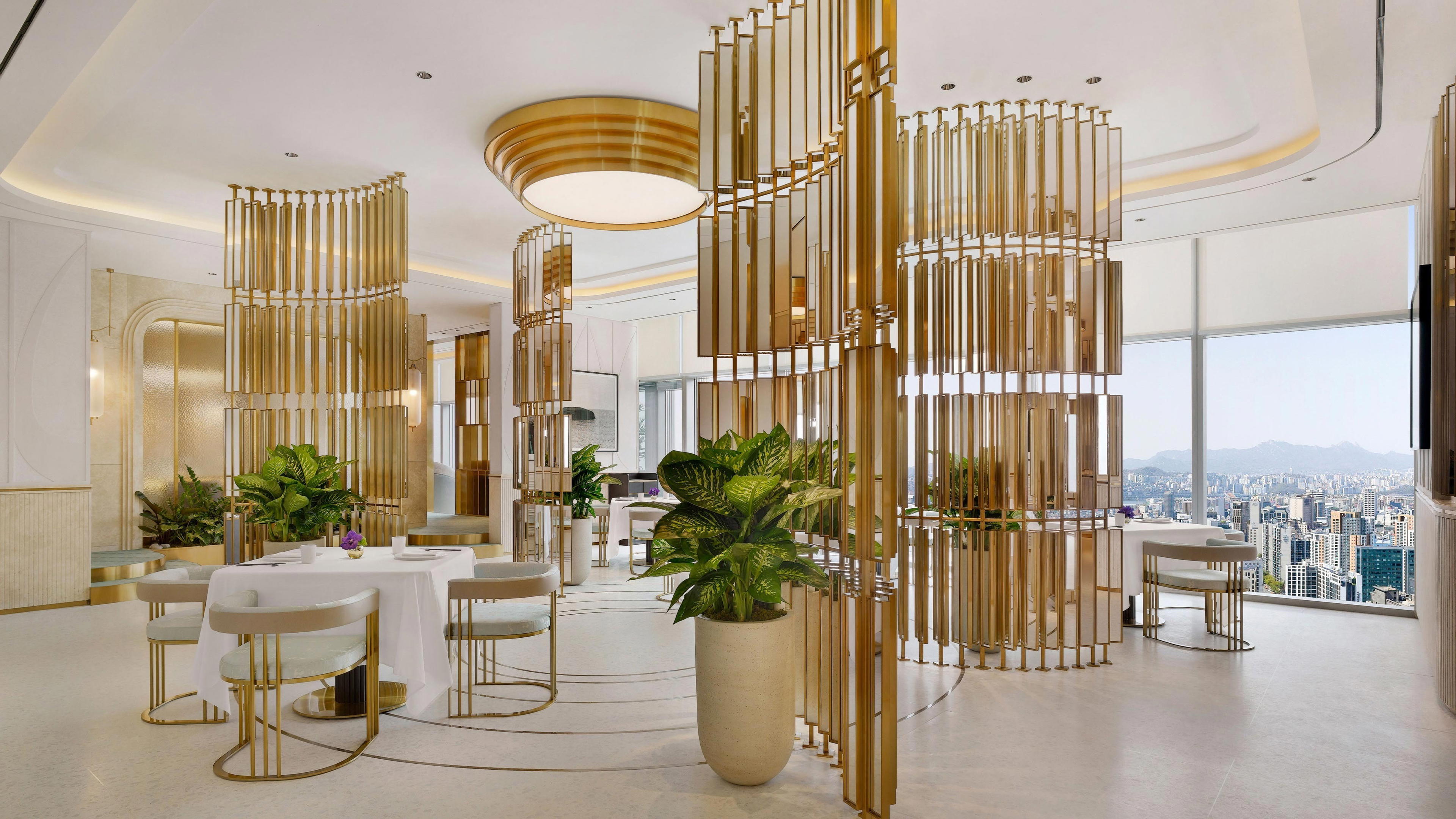
Seoul's restaurant culture has become dense enough that a hotel's dining programme now competes with one of Asia's more demanding urban food scenes. Josun Palace's approach is to offer range rather than a single flagship: The Great Hong Yuan handles fine-dining Cantonese, Eatanic Garden covers contemporary Korean in a brighter, more casual register, and Constans runs an international buffet across breakfast, lunch, and dinner. The Cantonese option is an unusual choice in a Korean hotel context, Gangnam has a small number of serious Chinese fine-dining rooms, and adding one inside a luxury property acknowledges the dining expectations of regional business travellers who move frequently between Seoul, Hong Kong, and mainland Chinese cities.
Guests oriented toward Seoul's wider restaurant scene should note the neighbourhood's density. Apgujeong and its surrounding streets hold some of the city's more interesting modern Korean restaurants, and the COEX-adjacent blocks have their own dining ecosystem.
The Gangnam Address as Context, Not Coincidence
Gangnam's premium district identity is worth understanding before booking, because it conditions the experience of staying here in ways that a hotel's design alone cannot. Bongeunsa, a working Buddhist temple, sits within reach of the hotel, an unexpected counterpoint to the commercial density of the surrounding blocks. Samneung Park, a UNESCO World Heritage Site containing the royal tombs of the Joseon dynasty, is also accessible from this address. These sites give the Gangnam district a historical depth that its international reputation as a business and shopping centre sometimes obscures.
Business travellers represent a consistent segment of Josun Palace's guest profile, given the proximity to the Seoul World Trade Center and Gangnam's corporate infrastructure. But the hotel's design ambition and the site's historical resonance make it a considered choice for leisure guests who want a Gangnam base without sacrificing the kind of interior environment that rewards time spent inside the property. The Aman Seoul Cheongdam offers a comparable proposition on the design-and-heritage axis from the quieter streets of Cheongdam, while Art Paradiso Boutique Hotel represents the smaller-scale, independently oriented end of Seoul's premium accommodation range.
Ananti at Busan Cove anchors the southeastern coast, Grand Hyatt Jeju and JW Marriott Jeju Resort and Spa serve the island's resort market, and Haevichi Hotel and Resort Jeju offers a local-brand alternative in the same region. On the east coast, Oakwood Lagoon Town Gangneung and Kensington Hotel Seorak serve the Gangwon corridor. For the more remote, KOSMOS ULLEUNGDO addresses Ulleungdo Island's small but growing premium accommodation scene.
Peers Worth Knowing
Comparable venues nearby, for context on price, style, and recognition.
| Venue | Cuisine | Price | Notes |
|---|---|---|---|
| Josun Palace, a Luxury Collection Hotel, Seoul GangnamThis venue — the venue you are viewing | Timeless luxury hotel blending Korean heritage with modern sophistication by Humbert & Poyet. | $$$$ | Not listed |
| Four Seasons Hotel Seoul | Contemporary Korean luxury with traditional influences and spacious accommodations | $$$$ | Sajik-dong |
| The Shilla Seoul | Contemporary luxury hotel with timeless modern design aesthetic, blending Korean hospitality traditions with international five-star standards. | $$$$ | 광희동 |
| Fairmont Ambassador Seoul | Modern luxury hotel with panoramic river and city views | $$$$ | 용강동 |
| Park Hyatt Seoul | contemporary urban luxury residence | $$$$ | Samseong-dong |
| JW Marriott Hotel Seoul | Contemporary luxury blending international style with Korean hospitality | $$$$ | 잠원동 |
Recognition history
Dated appearances from independent guides and award organizations, with the underlying list record or original source where available.
Forbes 4-Star
Forbes
La Liste Top Hotels
La Liste
Forbes 4-Star
Forbes
Michelin 1 Key
Michelin
At a Glance
- Elegant
- Sophisticated
- Modern
- Ornate
- Business Trip
- Romantic Getaway
- Anniversary
- Panoramic View
- Rooftop Pool
- Wi Fi
- Pool
- Spa
- Fitness Center
- Room Service
- Concierge
- Business Center
- Valet Parking
- EV Charging
- Skyline
- Wi Fi
- Pool
- Spa
- Fitness Center
- Room Service
- Concierge
- Business Center
- Valet Parking
- EV Charging
Sophisticated and serene with panoramic city views, soundproofed rooms, and luxurious Byredo amenities creating an elegant, tranquil atmosphere.