Ananti at Busan Cove


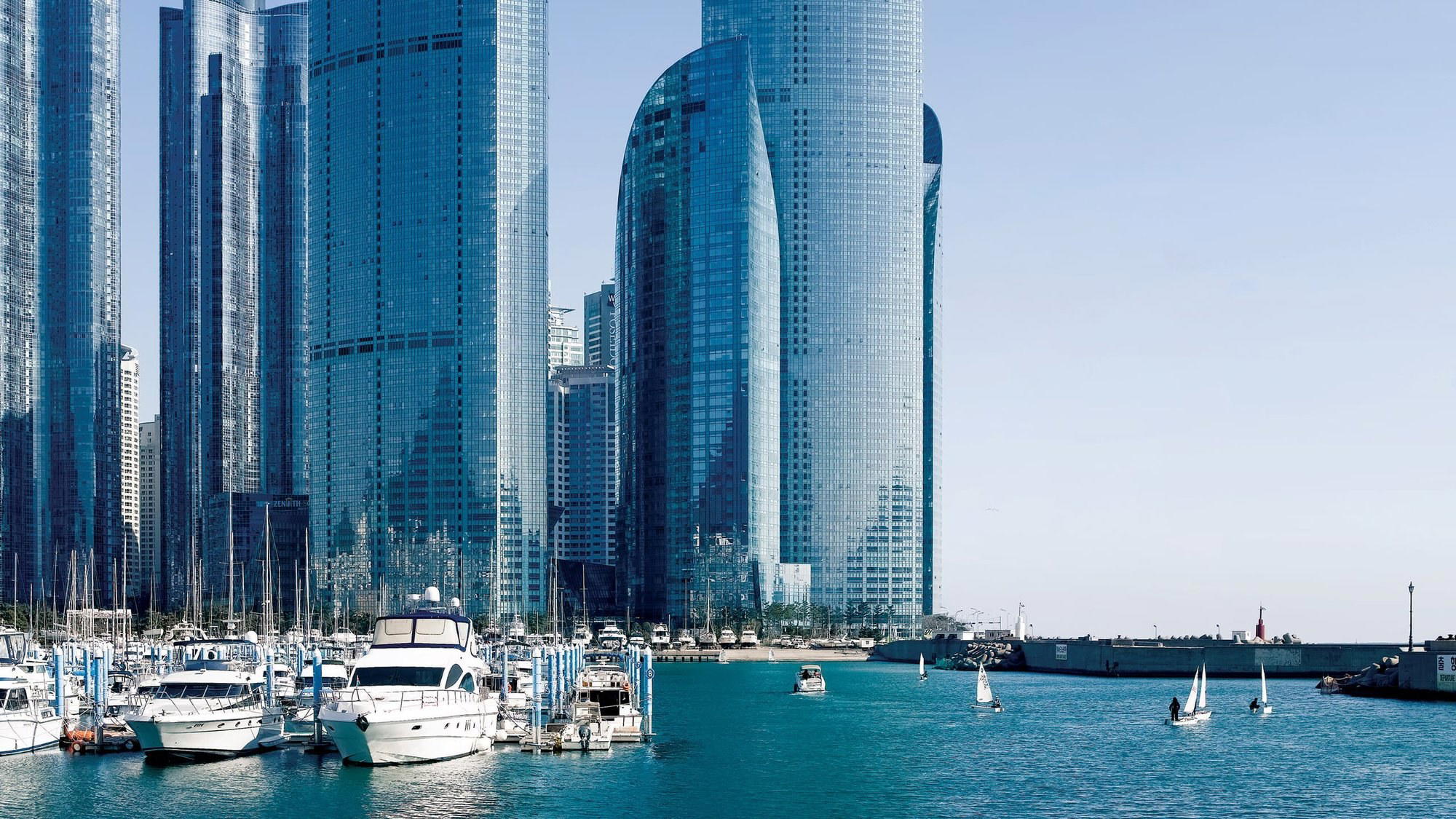
Positioned along the rugged coastline of Gijang, north of Busan's urban core, Ananti at Busan Cove occupies a rare stretch of Korean shoreline where architecture is designed to meet the sea rather than contain it. Recognised in La Liste's Top Hotels ranking for 2026 with 90 points, it sits within a small cohort of Korean resort properties that compete on design identity rather than urban convenience.
Pearl is the En Primeur Club membership app — saves, bookings, and concierge access live there. Same editors, same standards.
- Address
- 268-32 Gijanghaean-ro, Gijang, Busan
- Phone
- +82 51-509-1111
- Website
- ananti.kr
- Directions
- Get directions
 Saves & bookings on Pearl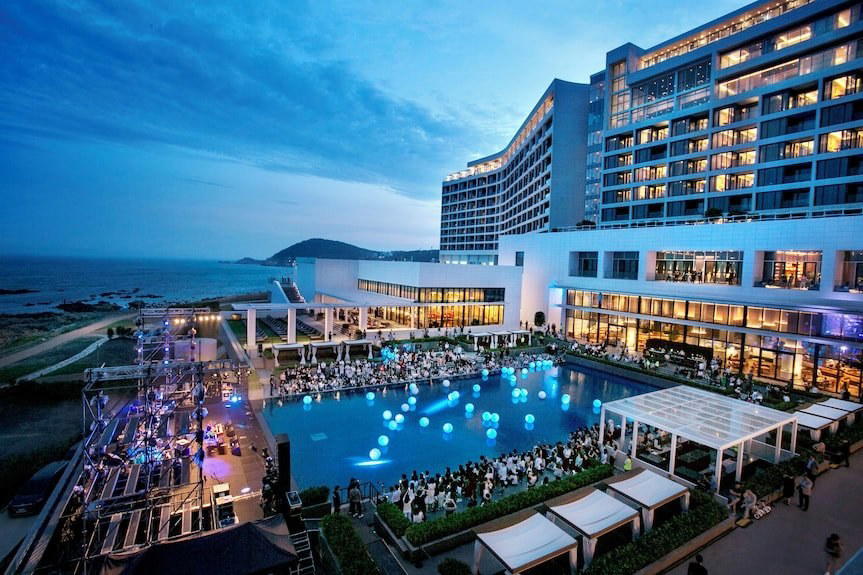
Where the East Sea Shapes the Architecture
Korea's resort hotel category has historically concentrated its premium tier in Jeju, with a smaller cluster of coastal properties scattered along the southern and eastern shores. Gijang county, on Busan's northeastern fringe, represents a different kind of coastal proposition: less developed than Jeju, closer to a major city, and increasingly positioned as a serious destination for design-led travel. Ananti at Busan Cove occupies this terrain literally and strategically, sitting along the Gijang coastline at 268-32 Gijanghaean-ro in a location where the primary design reference is the East Sea itself.
The property's recognition in the La Liste 2026 ranking at 90 points places it within a selective global cohort. La Liste's methodology draws on hundreds of international guides and data sources, meaning a 90-point score reflects sustained recognition across multiple evaluators rather than a single award cycle. That positions Ananti at Busan Cove alongside properties that compete on architectural and experiential consistency, not just hospitality metrics.
Architecture as the Primary Statement
In Korean resort development, the prevailing model for a decade was scale: large-footprint complexes in Jeju offering convention facilities, multiple F&B; concepts, and international brand affiliation. Properties like Grand Hyatt Jeju and Haevichi Hotel & Resort Jeju follow that template. Ananti's approach at Busan Cove belongs to a different trajectory, one that Korean hospitality has been building quietly: architecture that responds to the specific topography and light conditions of its site, rather than imposing a generic luxury format onto coastline.
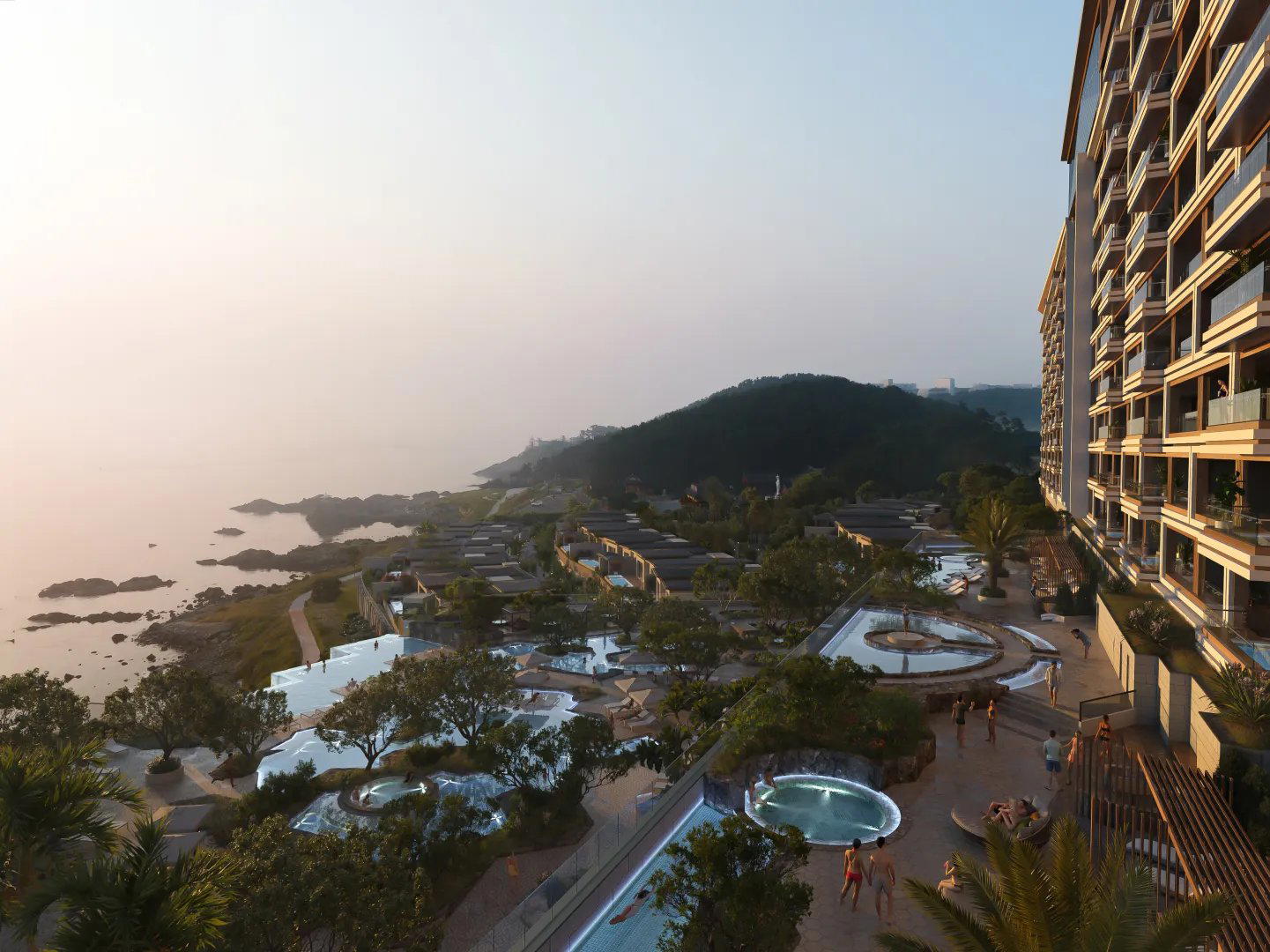
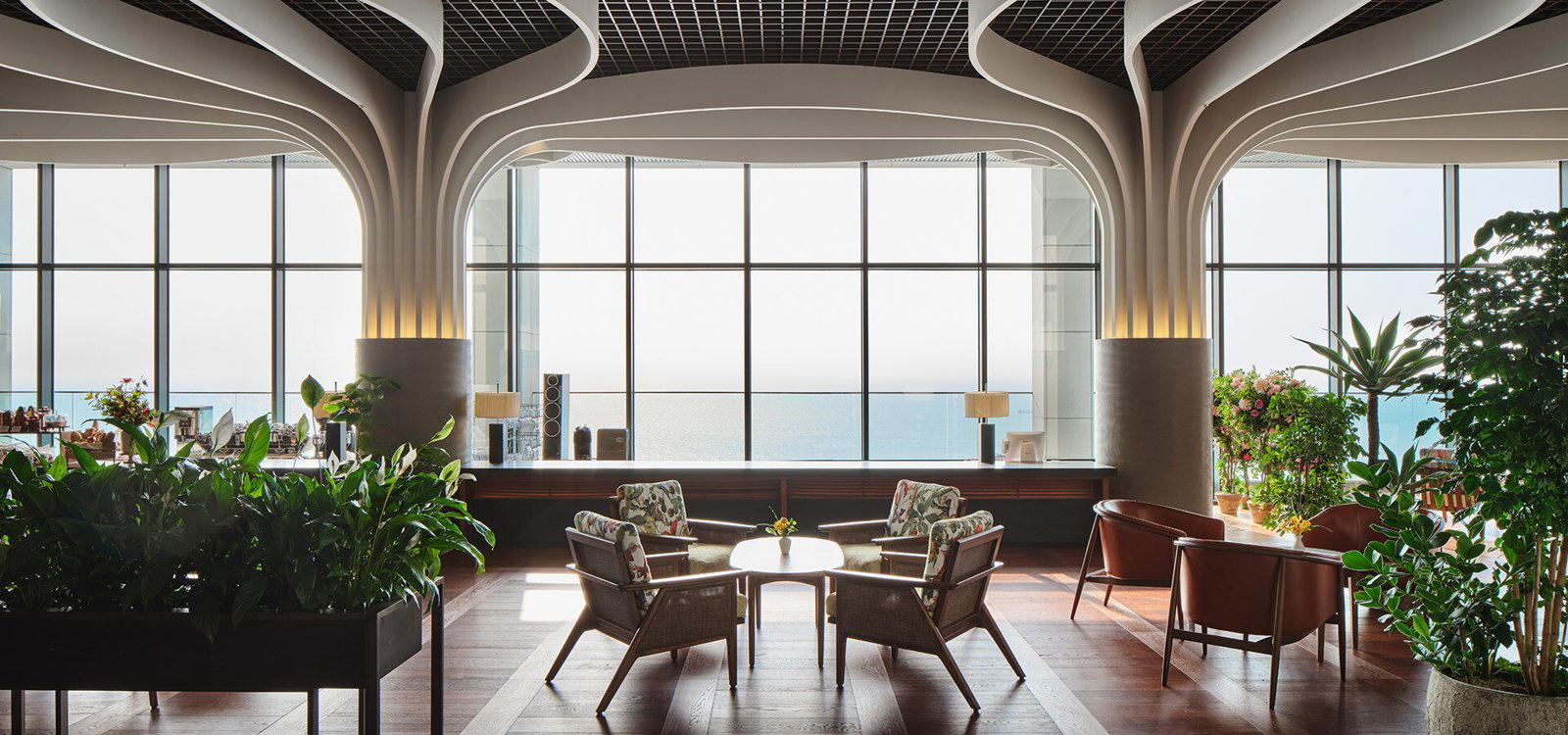
The Gijang coastline presents particular conditions. The rocky foreshore, the quality of eastern light across the water in morning hours, and the relative seclusion from Busan's denser urban fabric create a setting that rewards considered design rather than spectacle. The architectural language at properties in this mode typically prioritises sightlines over opulence, materiality over maximalism, and the relationship between interior volume and landscape over conventional notions of luxury room amenity. The La Liste score suggests it performs credibly against international benchmarks.
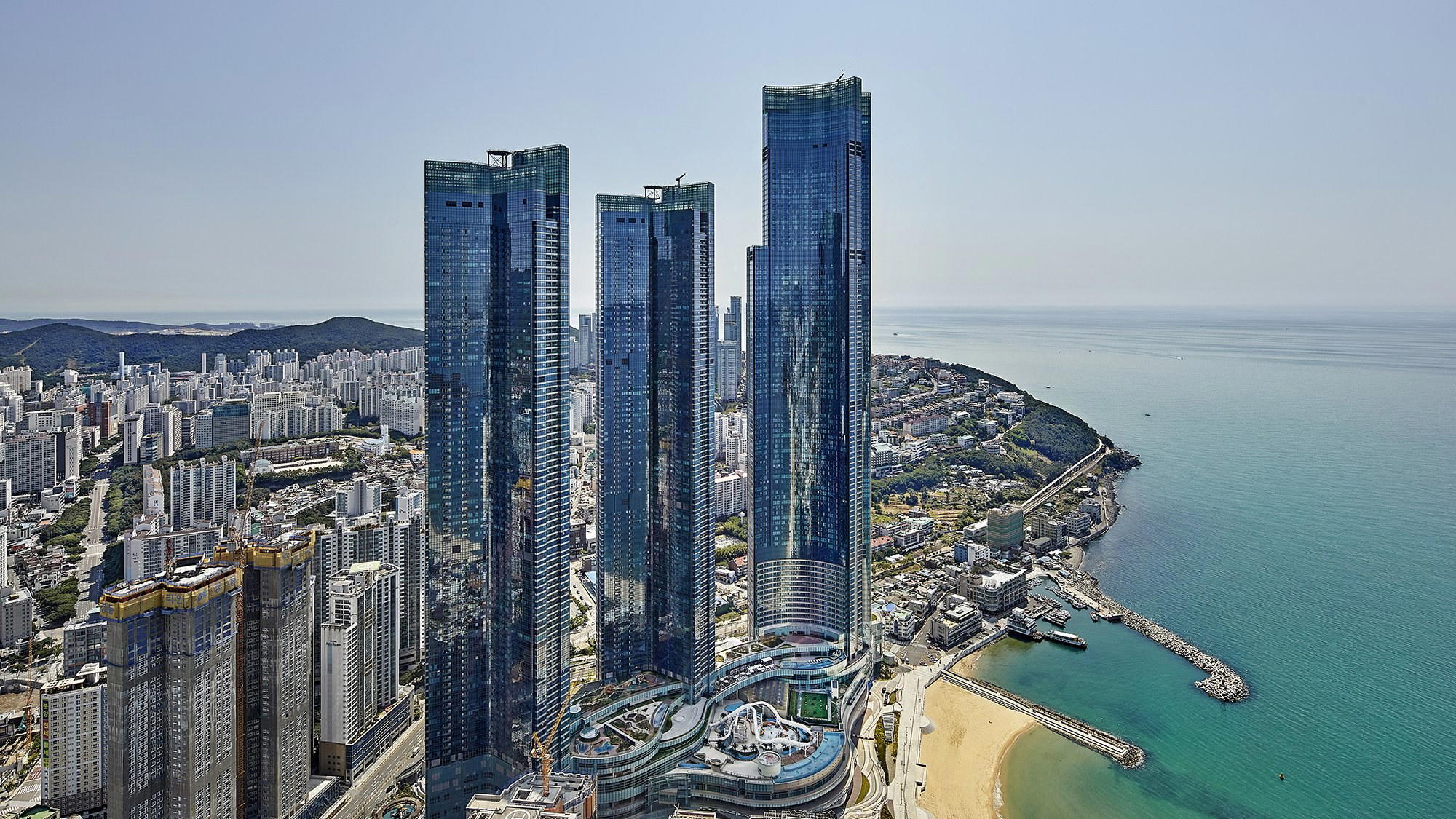
The contrast with Busan's urban hotel tier is instructive. Park Hyatt Busan and SIGNIEL BUSAN are high-altitude urban towers, oriented toward the Gwangandaegyo Bridge and the Haeundae cityscape. Their design logic is vertical and urban. Ananti at Busan Cove operates in an entirely different register: horizontal, coastal, and topography-driven. The two types of property are not competing for the same visit; they are addressing different reasons to be in Busan.
Gijang as a Destination in Its Own Right
Understanding Ananti at Busan Cove requires understanding what Gijang is and is not. It is not Haeundae. The famous beach district sits to the southwest, denser and more accessible from Busan Station. Gijang is a county designation, historically associated with fishing villages, seafood markets, and a coastline that has remained less developed than Busan's southern shores. That relative underdevelopment is now an asset for resort-scale properties that need land and seclusion.
The location also places the property within reach of specific draws: the Gijang seafood market, the broader coastal road running northeast, and the general character of the area as a counterpoint to urban Busan. Visitors arriving primarily for the resort experience rather than city access will find that distance from central Busan is manageable by car and that the drive along the coastal road carries its own interest.
For Korean travellers, Gijang has become a recognisable shorthand for a certain kind of coastal retreat that is neither Jeju's mass-premium nor the mountain-resort format found further north at places like Kensington Hotel Seorak. Ananti Group has been systematic in developing that identity through their properties, and the Cove location is their coastal flagship in the southeast.
Korean Coastal Hospitality in a Global comparable set
La Liste's global ranking places the hotel in conversation with international resort properties, not just domestic competitors. That framing matters for how to read the 90-point score. Properties at that tier internationally, from Mediterranean coastal retreats to Japanese ryokan-adjacent resort formats, tend to share certain characteristics: a coherent design identity that holds across public spaces and guest rooms, food and beverage concepts that reference the local ingredient environment, and a sense that the specific location has been engaged with rather than overcome.
Across South Korea, the resort properties generating international attention share a willingness to work with local materials, local culinary identity, and landscape rather than defaulting to global luxury templates. JW Marriott Jeju Resort & Spa operates within the international brand framework, which carries its own advantages and constraints. Ananti, as an independent Korean group, has more latitude to express a specifically Korean coastal aesthetic. That latitude is visible in how the Gijang property is positioned in the group's broader portfolio, which includes retreats across the peninsula. For context on how resort-led hospitality compares across different Korean geographies, the experience at South Cape Owners Club in Namhae offers a useful southern-coast reference point, while Camptong Forest in Gapyeong illustrates how the inland retreat format is developing in parallel.
Internationally, the design-coastal model that hotel references has well-established benchmarks. Amangiri in Canyon Point represents the extreme end of landscape-integrated architecture, where the physical environment is the primary design element. Aman Venice shows how the same group operates within historic built fabric. The relevant comparison for the hotel is somewhere between those poles: a property where the natural setting is the context but where a contemporary architectural intervention is the medium.
Planning a Stay
The hotel is addressed at 268-32 Gijanghaean-ro, Gijang, Busan. The property is most practically reached from Busan by car or taxi, with journey times from central Busan varying by traffic and point of origin. Visitors arriving via KTX at Busan Station or SRT at Busan should plan for a transfer of approximately 40 to 60 minutes depending on conditions. The Gijang location is not on the metro network, making private transfer or rental car the practical choice for most international visitors.
The La Liste 90-point recognition for 2026 is the clearest published indicator of quality tier. Those travelling around Korea with Busan as one stop might reference our full Busan restaurants and hotels guide for broader city context, and consult listings for Seoul accommodation options if building a multi-city itinerary.
Fast Comparison
Comparable venues nearby, for context on price, style, and recognition.
| Venue | Cuisine | Price | Awards | Notes |
|---|---|---|---|---|
| Ananti at Busan CoveThis venue — the venue you are viewing | Luxury oceanfront resort with cliffside design | $$$$ | 5-Star | Not listed |
| The Westin Josun Busan | Modern resort hotel with wellness focus and beachfront serenity | $$$$ | 5-Star | Haeundae |
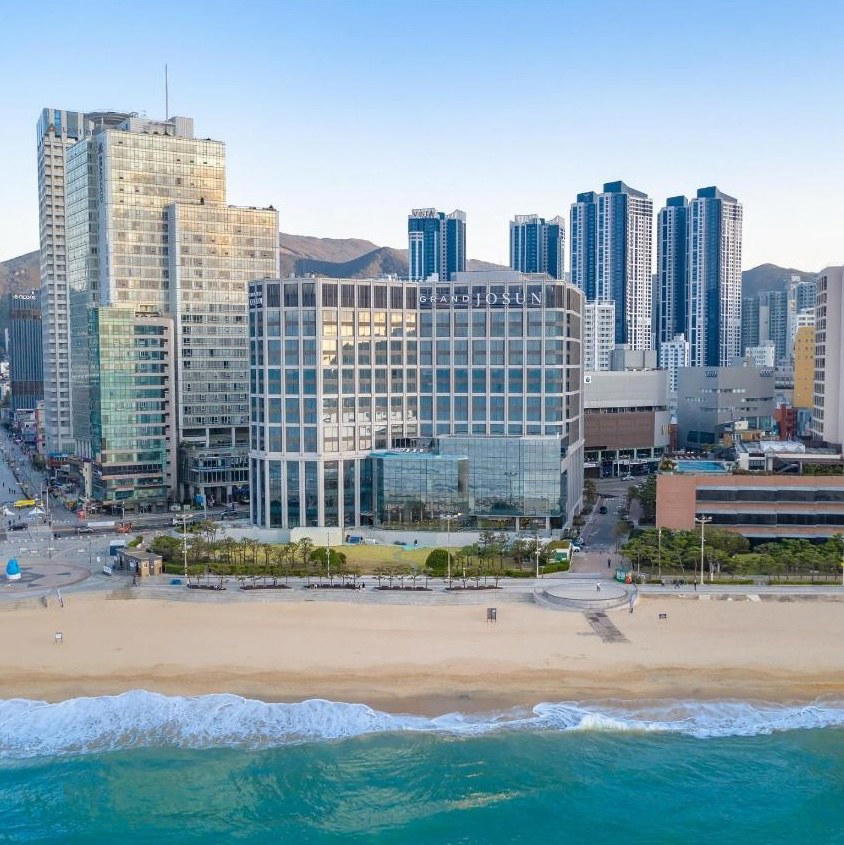
| Grand Josun Busan | Contemporary luxury beachfront resort with heritage brand positioning emphasizing reimagined excellence and family-oriented hospitality. | $$$$ | 5-Star | Jung 1(il)-dong |
| Park Hyatt Busan | Contemporary luxury with minimalist guest rooms and ornate public spaces; bold oceanfront architecture with sophisticated design elements. | $$$$ | 5-Star | U 3-dong |
| SIGNIEL BUSAN | High-rise luxury beachfront tower with panoramic balconies | $$$$ | 5-Star | Jung 1(il)-dong |
| Fairfield by Marriott Busan Songdo Beach | Modern beachfront hotel with ocean-view rooms and suites. | $$ | 3-Star | Amnam-dong |
Recognition history
Dated appearances from independent guides and award organizations, with the underlying list record or original source where available.
La Liste Top Hotels
La Liste
Michelin Selected
Michelin
At a Glance
- Elegant
- Scenic
- Sophisticated
- Modern
- Honeymoon
- Romantic Getaway
- Wellness Retreat
- Anniversary
- Beachfront
- Infinity Pool
- Rooftop Pool
- Destination Spa
- Panoramic View
- Wi Fi
- Pool
- Spa
- Fitness Center
- Room Service
- Concierge
- Business Center
- Valet Parking
- Waterfront
- Mountain
- Wi Fi
- Pool
- Spa
- Fitness Center
- Room Service
- Concierge
- Business Center
- Valet Parking
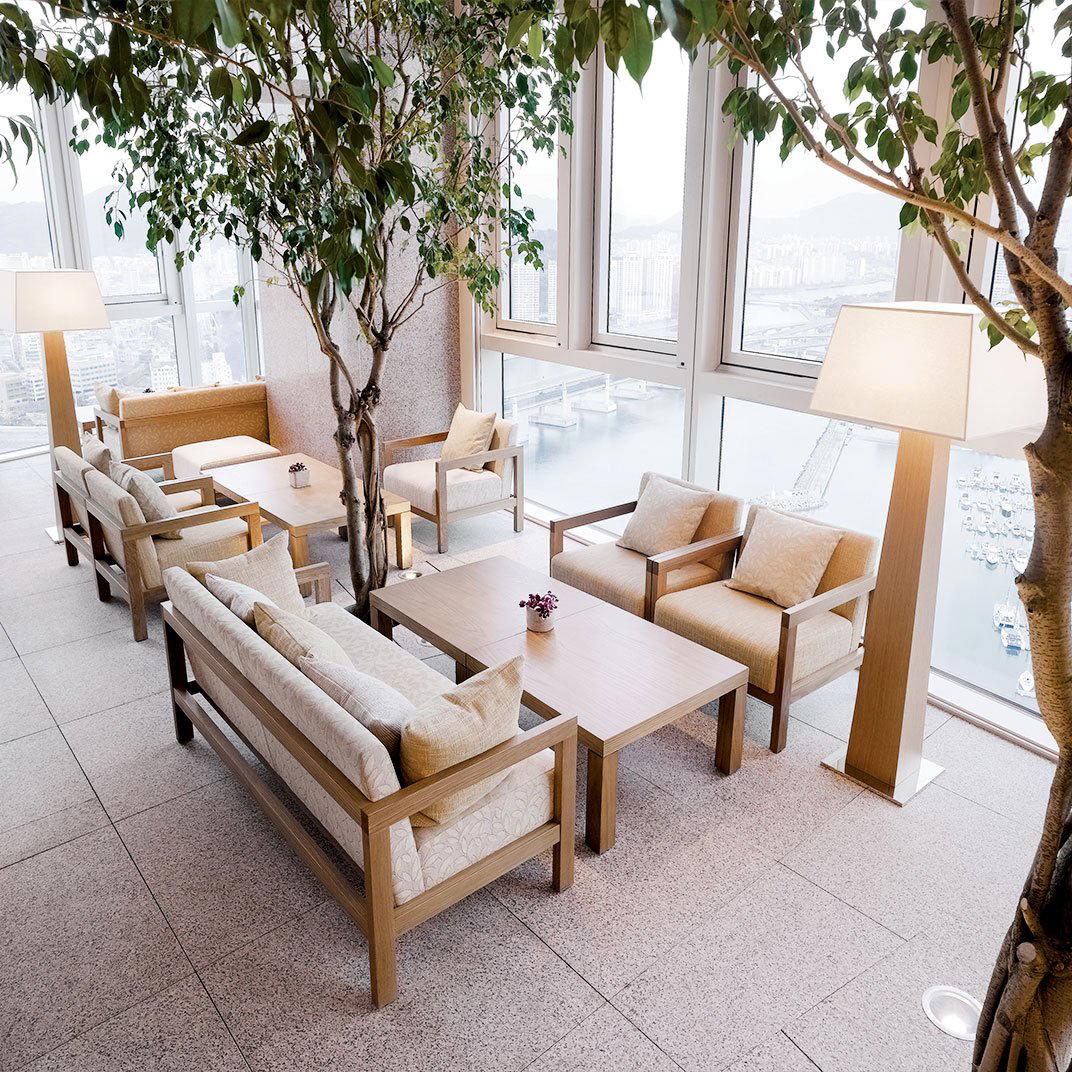
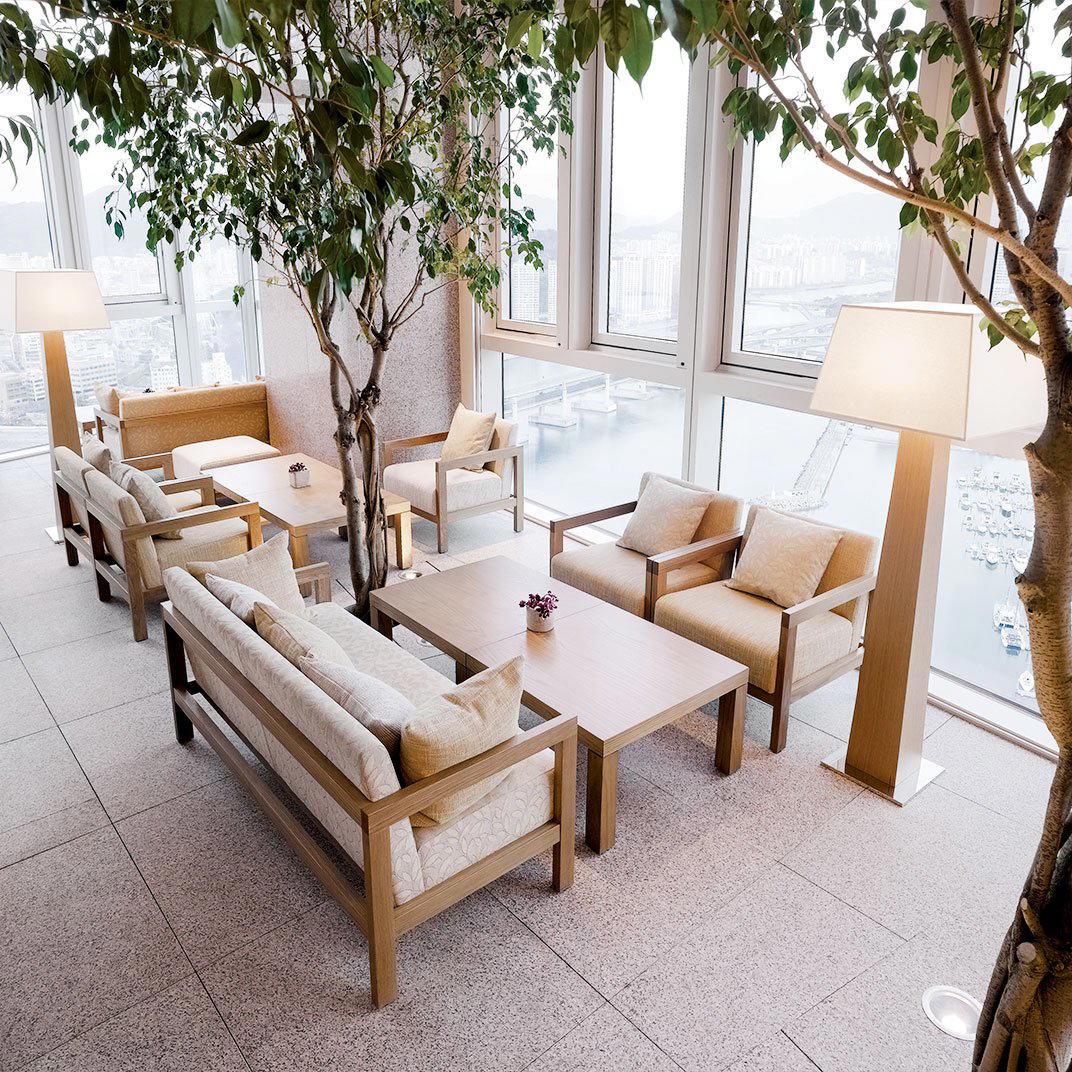
Serene coastal atmosphere with panoramic sea views, soundproofed rooms, and relaxing spa lighting.