Aman Seoul Cheongdam
Aman Seoul Cheongdam occupies the brand's quietest tier of urban presence: a small-footprint property in Cheongdam-dong, one of Seoul's highest-density luxury corridors. It sits alongside Gangnam's most concentrated cluster of flagship boutiques and premium dining, positioning it squarely within the circuit favoured by high-net-worth visitors who prefer address-led discretion over hotel-lobby spectacle. Advance booking is strongly advised.
Pearl is the En Primeur Club membership app — saves, bookings, and concierge access live there. Same editors, same standards.
- Address
- Seoul, South Korea
- Directions
- Get directions
 Saves & bookings on Pearl
Cheongdam-dong and the Case for Address-First Luxury
Seoul's luxury hotel market has bifurcated sharply over the past decade. On one side sit the large-format international flagships: properties like Four Seasons Hotel Seoul, Conrad Seoul, and Fairmont Ambassador Seoul, which compete on scale, F&B; breadth, and event infrastructure. On the other side, a smaller cohort of address-led properties has emerged in Gangnam's premium sub-districts, where footprint is deliberately limited and the neighbourhood itself becomes part of the value proposition. Aman Seoul Cheongdam is a 5-star hotel in Seoul's Cheongdam-dong district, with a rate positioning at the upper end of the market. Its placement in Cheongdam-dong, the district that houses Seoul's densest concentration of European luxury fashion houses, high-end galleries, and destination restaurants, signals a deliberate orientation toward the city's most status-conscious corridor rather than the corporate-travel belt around Yeouido or the convention infrastructure of COEX.
The Aman brand globally has operated at the intersection of extreme privacy and site-specific design since the late 1980s, accumulating a guest profile that correlates less with points-program loyalty and more with repeat patronage driven by consistent quietude. In Seoul, that positioning meets a city where Cheongdam-dong's street-level energy runs at a different register than the midtown hotel districts: lower foot traffic on residential side streets, proximity to Apgujeong Rodeo's dining strip, and direct adjacency to the neighbourhood's working gallery circuit. For visitors whose Seoul itinerary centres on private dining, contemporary art, and high-end retail rather than organised sightseeing, the address makes functional sense before a single interior detail is weighed.
How the Dining Programme Sits Within Seoul's Premium Circuit
The editorial angle that matters most for Aman Seoul Cheongdam is not the room count or the spa format but how its food and beverage offer connects to the surrounding restaurant environment. Cheongdam and Apgujeong have, over the past several years, produced some of Korea's most discussed fine-dining addresses, with multiple Michelin-starred Korean and French-Korean kitchens operating within walking distance or a short taxi ride. The pressure this creates on a hotel dining programme is real: guests in this neighbourhood arrive with sophisticated external reference points, and a hotel restaurant that merely performs conventional luxury will lose those guests to the street within the first evening.
Aman properties have historically responded to this pressure through restraint rather than scale. Rather than competing with the city's most ambitious kitchens on menu complexity or chef-celebrity, Aman dining programmes have tended to use controlled formats, counter service, ingredient-led simplicity, curated breakfast and afternoon rituals, that are more about setting and pace than competitive culinary positioning. The same logic applies in Venice, where Aman Venice keeps its dining operation deliberately intimate against the backdrop of one of Europe's most overtouristed dining environments.
For Seoul specifically, the value of a restrained in-house programme is amplified by how accessible the surrounding neighbourhood is. The Cheongdam-Apgujeong corridor functions as a walkable fine-dining cluster in a way that few other Seoul neighbourhoods do at this price tier. A hotel that understands this will orient its dining offer toward breakfast quality, post-dinner drinks, and private room service rather than trying to anchor guests with a destination restaurant they could more easily access down the street.
Positioning Within Seoul's Upper Hotel Tier
Seoul's upper-tier hotel market now includes properties across several distinct sub-districts, each with a different character. The Banyan Tree Club and Spa Seoul operates on Namsan with a spa-forward positioning. Grand Hyatt Seoul and Grand InterContinental Seoul Parnas serve the convention and corporate segment from their Gangnam and COEX positions. The Aman in Cheongdam-dong competes with none of these on their own terms. Its competitive set is narrower and more international: properties with low key counts, brand-loyal return guests, and a preference for private over programmatic hospitality.
For visitors considering alternatives at the boutique end, Art Paradiso Boutique Hotel offers a different scale of design-led accommodation, while Casino Hotel Seoul serves a guest profile with different priorities entirely. Neither is a direct substitute for what the Aman address and brand covenant provides.
Beyond Seoul, travellers moving through South Korea at this tier have options including Ananti at Busan Cove, the Grand Hyatt Jeju, and JW Marriott Jeju Resort and Spa for resort-format stays, or the Haevichi Hotel and Resort Jeju for a Jeju alternative. For domestic travel beyond the peninsula's main tourist arc, Kensington Hotel Seorak and Camptong Forest in Gapyeong address different guest intentions entirely.
Planning a Stay: What to Consider
Cheongdam-dong's geography favours guests who are comfortable self-directing. The neighbourhood does not have a central landmark or tourist circuit, which is precisely the point: it functions as a residential luxury district with high-end commerce layered through it, and navigating it rewards visitors who have done prior research or are working with a concierge who knows the area. For Aman's guest profile, this is typically not a barrier. The brand's central services model, which channels most guest requests through a dedicated contact rather than a conventional front desk, is designed for exactly this kind of self-directed, pre-planned travel.
Given the brand's consistently limited room counts at urban properties and the concentration of demand in Cheongdam-dong during Seoul fashion weeks and major cultural events, availability in peak periods should not be assumed. Early engagement is practical rather than precautionary.
Visitors extending their South Korea visit beyond Seoul might consider the broader regional options listed above. For those arriving internationally, Art Paradiso Hotel in Incheon provides a transit option near the airport before moving into the city. Those seeking something outside the standard urban-resort axis might find KOSMOS ULLEUNGDO or Soi Hanok Stay in Gyeongju useful additions to a wider Korea itinerary, though these serve entirely different guest intentions than an urban Aman stay.
Cost and Credentials
Comparable venues nearby, for context on price, style, and recognition.
| Venue | Cuisine | Price | Awards | Notes |
|---|---|---|---|---|
| Aman Seoul CheongdamThis venue — the venue you are viewing | Not listed | $$$$ | 5-Star | Not listed |
| The Westin Josun Seoul Hotel | Not listed | $$$$ | 5-Star | Sajik-dong, Historic luxury blending Korean heritage and Western comfort |
| JW Marriott Dongdaemun Square | 이화동, Modern luxury tower | $$$$ | 5-Star | Not listed |
| Mondrian Seoul Itaewon | Not listed | $$$$ | 5-Star | 이태원동, Modern lifestyle hotel with bold, sculptural design capturing lively city culture. |
| Grand Hyatt Incheon | Not listed | $$$$ | 5-Star | Jung-gu, Contemporary luxury airport resort with LEED Gold certification and self-contained facilities. |
| Paradise Hotel & Resort | Not listed | $$$$ | 5-Star | Jung-gu, Luxury integrated resort with entertainment and wellness. |
Continue exploring
More in Seoul
Hotels in Seoul
Browse all →
Bars in Seoul
Browse all →
Restaurants in Seoul
Browse all →
At a Glance
- Elegant
- Sophisticated
- Ornate
- Modern
- Minimalist
- Honeymoon
- Romantic Getaway
- Business Trip
- Wellness Retreat
- Design Destination
- Spa
- Concierge
- Room Service
- Skyline
- Spa
- Concierge
- Room Service
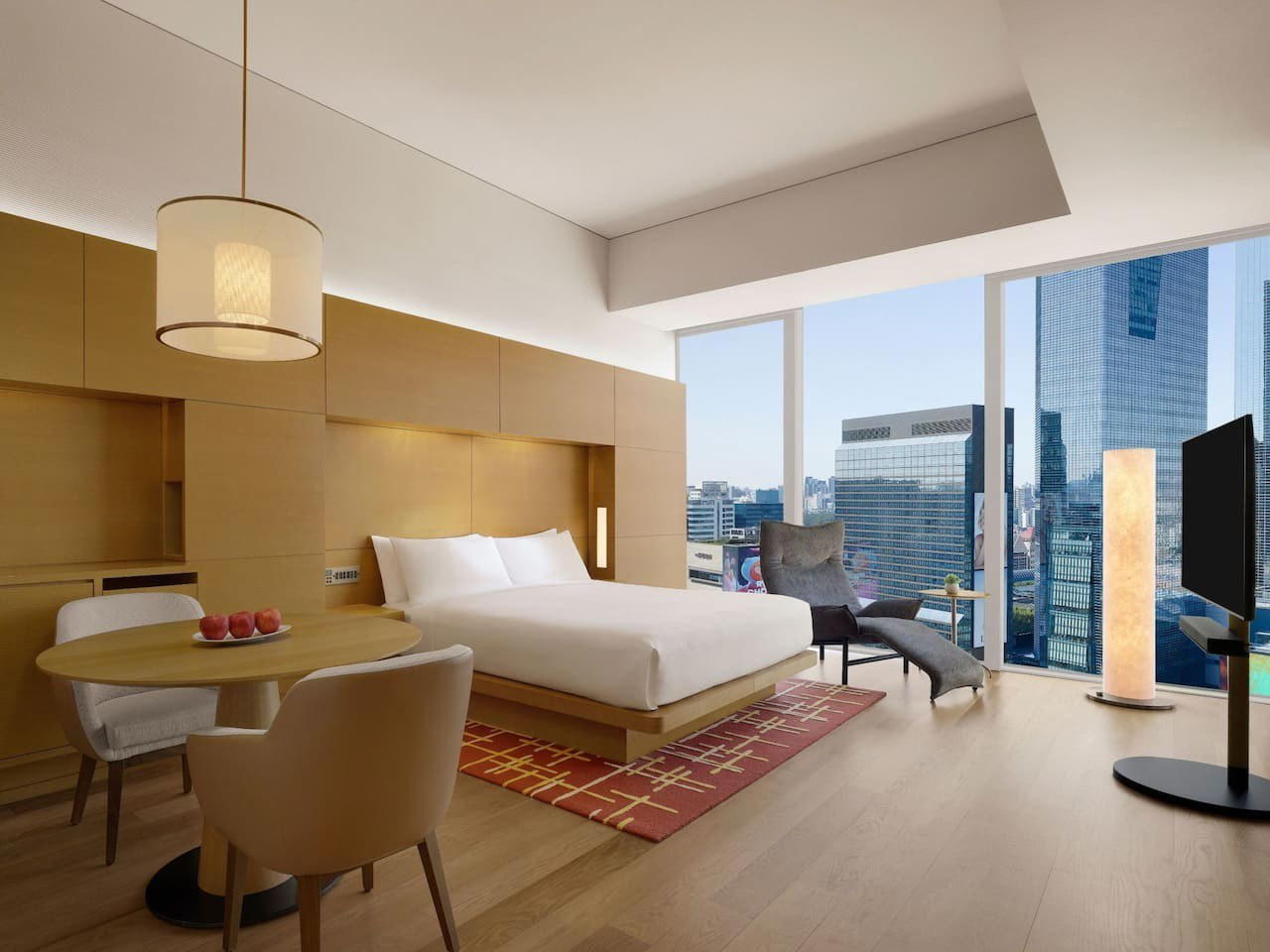
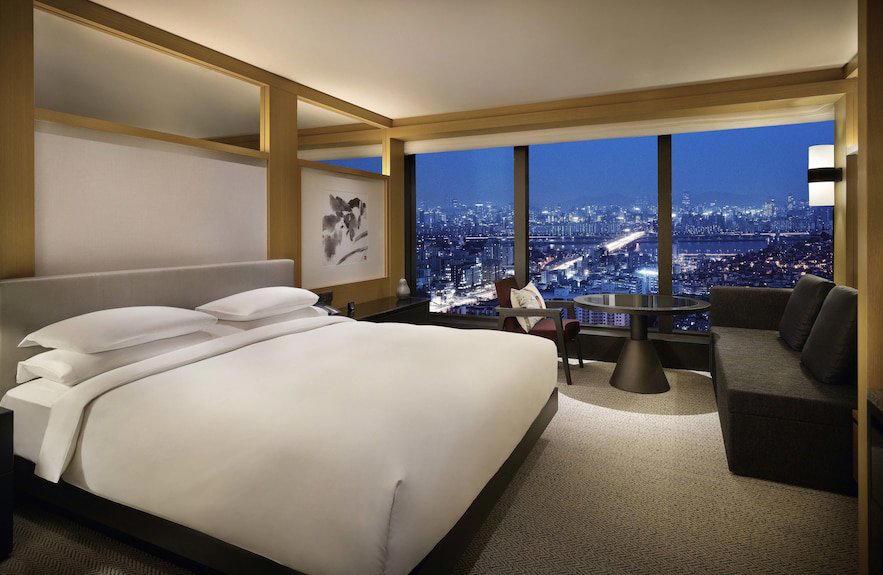
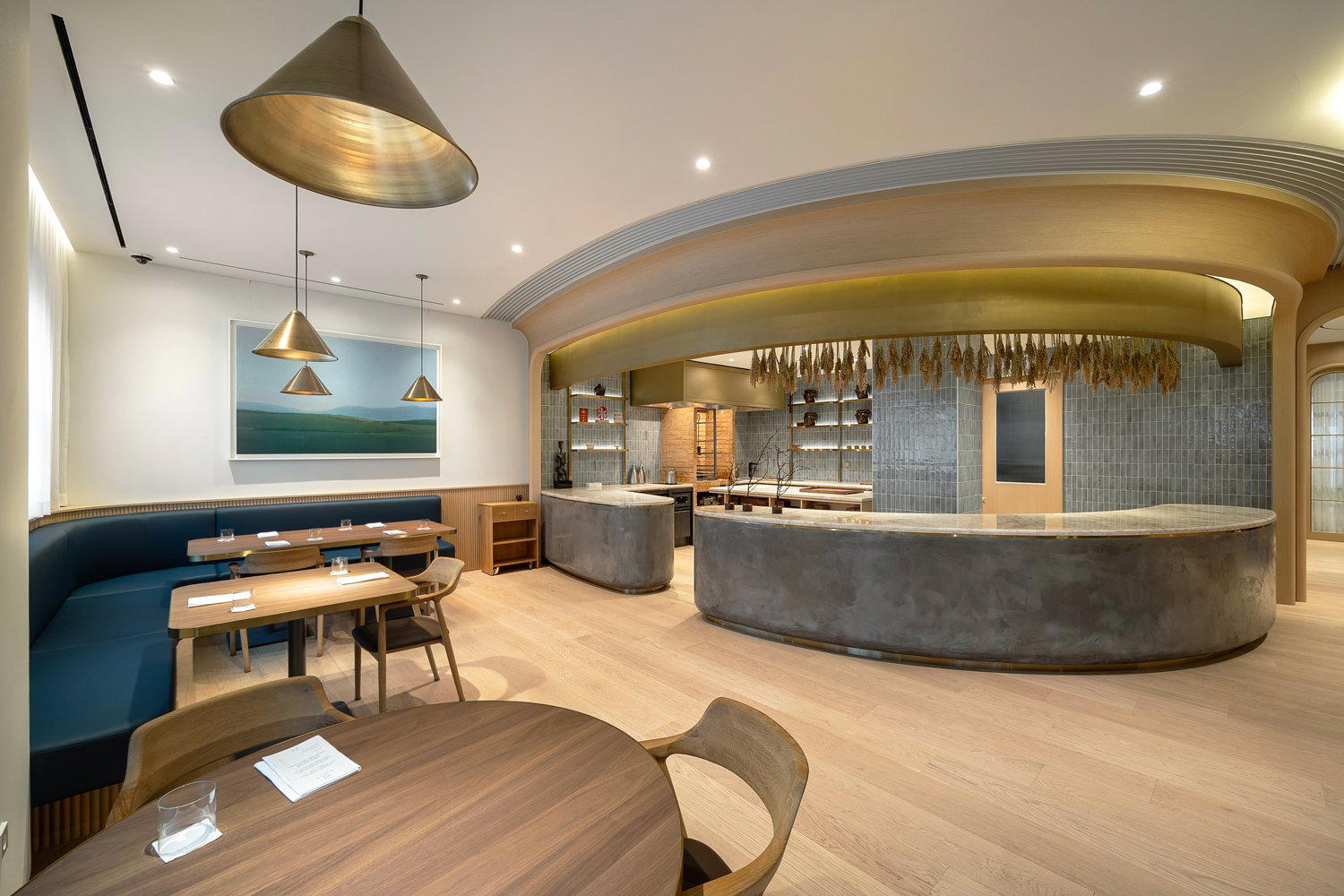
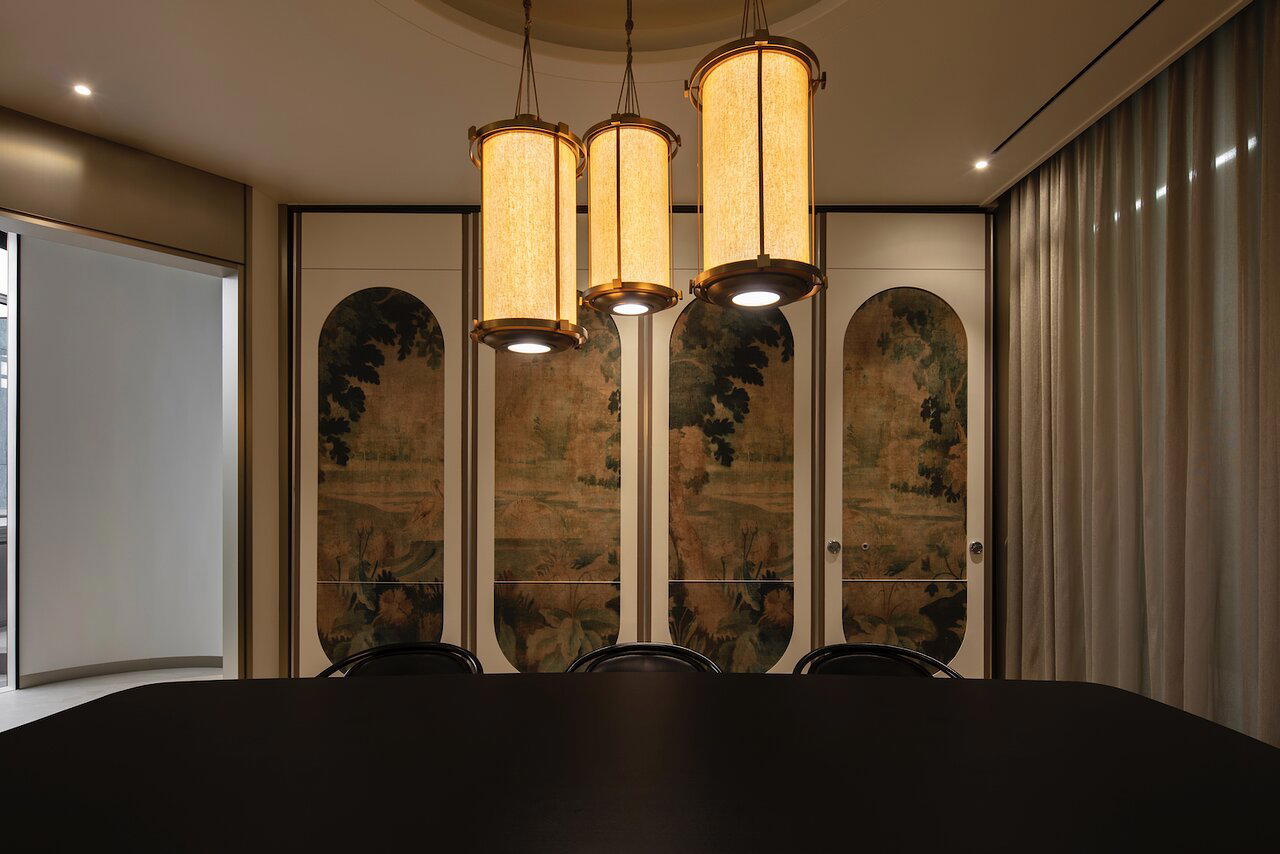
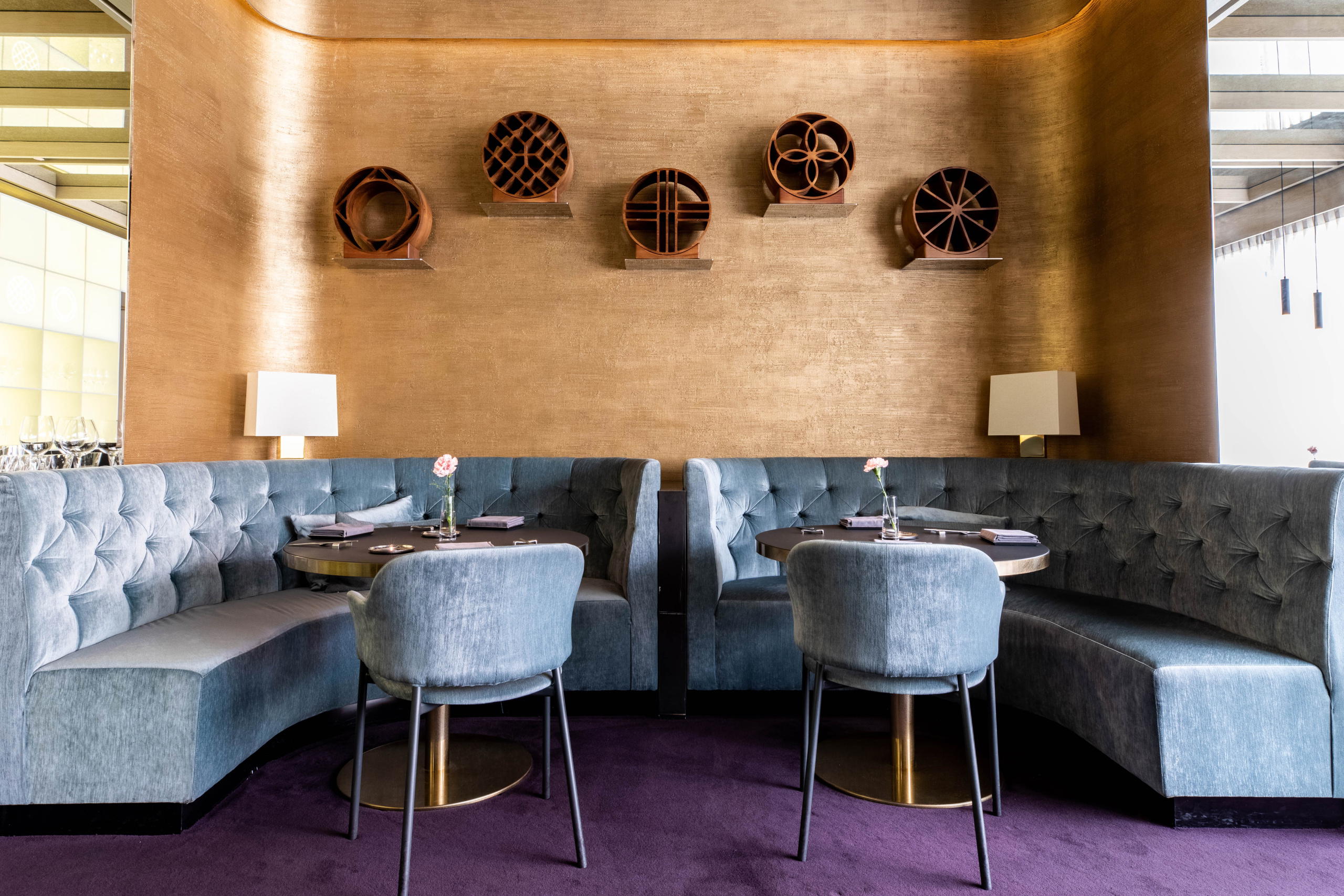
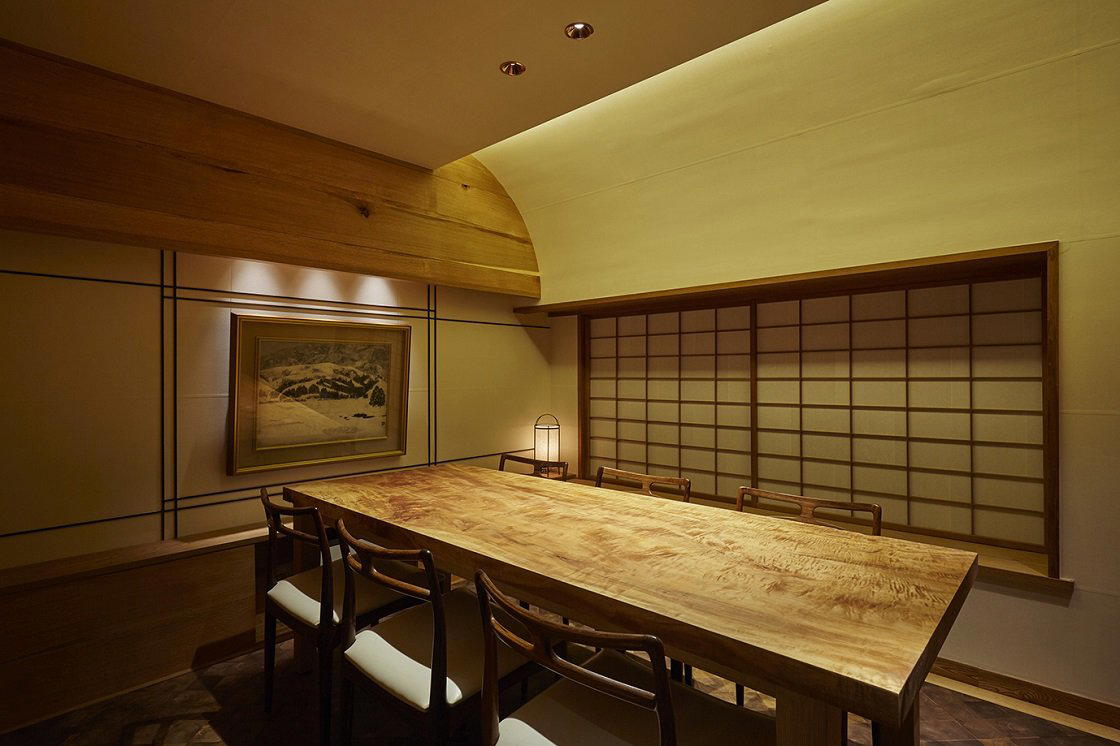
Ornate and sophisticated urban luxury atmosphere expected from the Aman brand in a high-end neighborhood.