Hotel28 Myeongdong

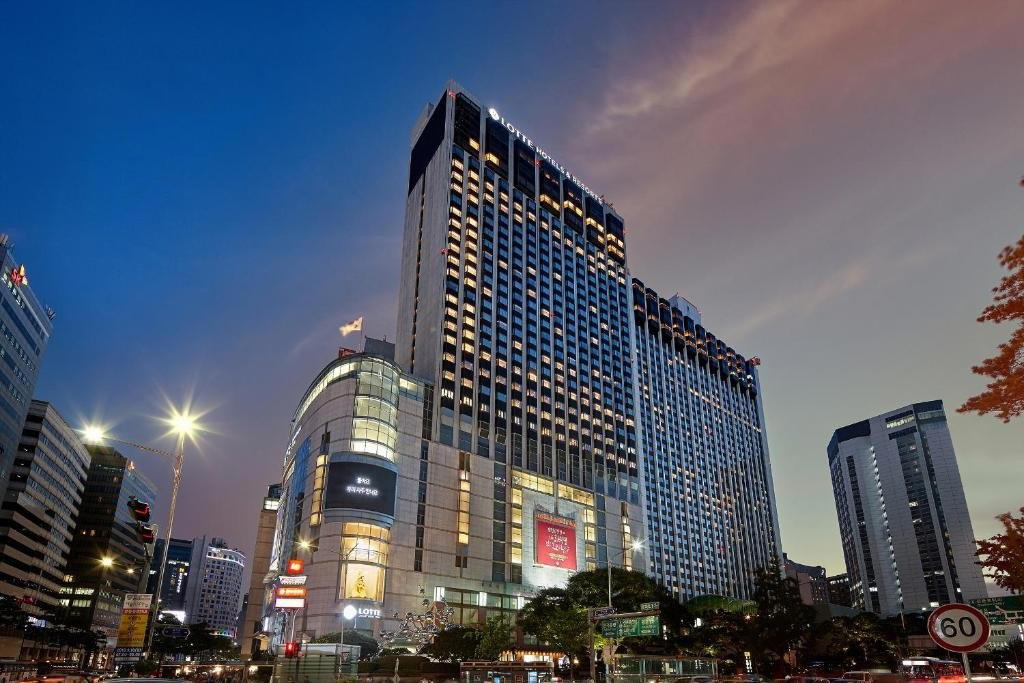
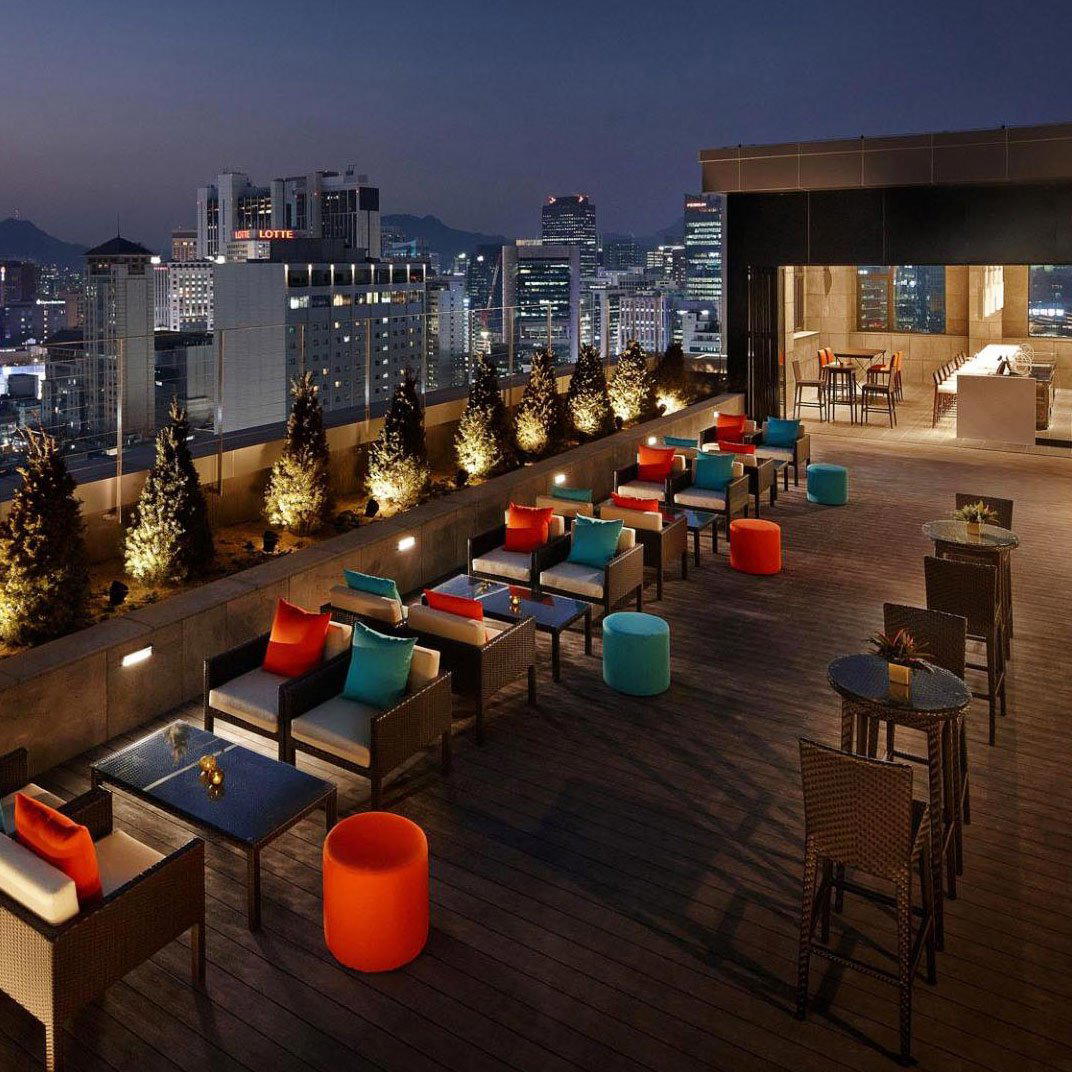
Hotel28 Myeongdong occupies a sharp-edged glass tower in Seoul's Jung District, positioning itself at the intersection of contemporary design and the neighbourhood's cinematic heritage. The rooftop bar frames the city skyline directly above one of Seoul's most active commercial corridors, while the hotel's programming draws on Korea's film culture as a distinct editorial thread throughout the property.
Pearl is the En Primeur Club membership app — saves, bookings, and concierge access live there. Same editors, same standards.
- Address
- 13 Myeongdong 7-gil, Jung District, Seoul
- Phone
- +82 2-774-2828
- Website
- hotel28.co.kr
- Directions
- Get directions
 Saves & bookings on Pearl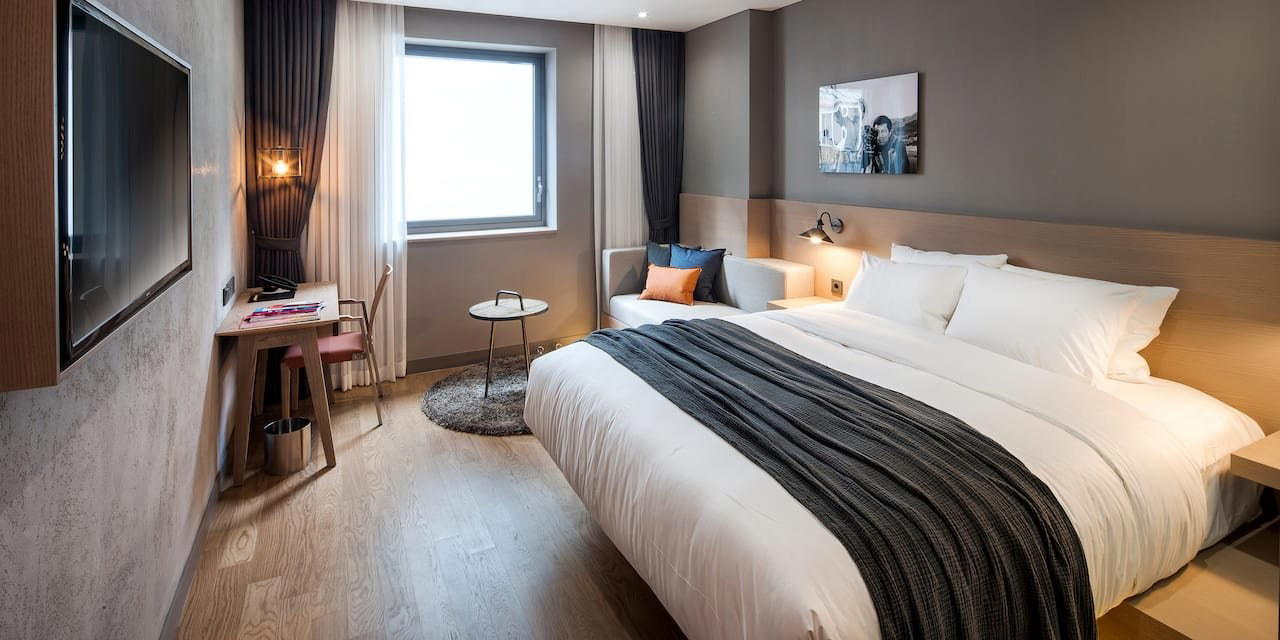
Glass, Grid, and the City Below
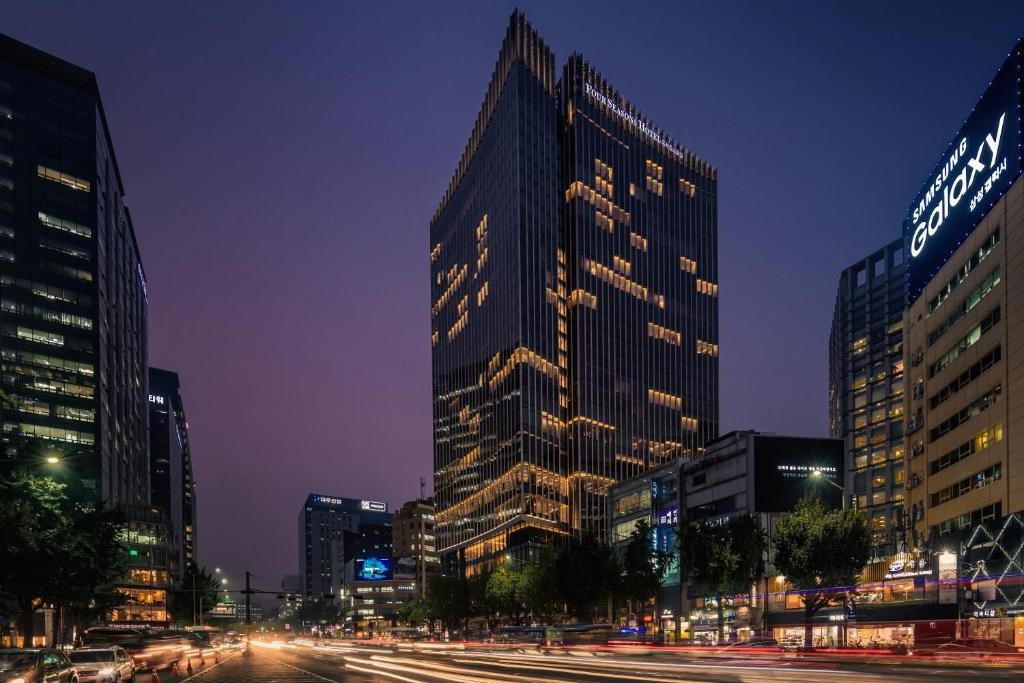
Hotel28 Myeongdong is a 4-star hotel in Seoul’s Jung District, with 83 rooms and a smart-casual, reservation-recommended profile. Myeongdong arrives before you do. The neighbourhood's density, street-level vendors, department store facades, the persistent movement of foot traffic along the main drag, is part of the sensory contract you accept when you choose to stay in Jung District rather than the quieter, more residential pockets of Itaewon or the corporate geometry of Yeouido. Hotel28 Myeongdong sits at 13 Myeongdong 7-gil, and its sheer glass exterior does something that few buildings in this corridor manage: it reads as a deliberate architectural statement rather than a default commercial solution. The sharp lines and transparent facade create a visual dialogue with the street grid below, reflecting the city back at itself while marking the property as something considered within a neighbourhood that rarely pauses long enough to be considered.
This matters because Myeongdong's hotel stock tends toward either international chain scale, the kind of property where the lobby could plausibly be in Kuala Lumpur or Frankfurt, or mid-range transit accommodation pitched at shopping-focused visitors moving through quickly. Hotel28 operates in a different register, one where the architecture announces an intention to engage with place rather than merely occupy it.
Cinema as Structural Theme
Korean cinema has accumulated serious international capital since the late 1990s, moving from regional art-house respect to mainstream global recognition in the two decades that followed. That trajectory gave Seoul's cultural institutions a coherent narrative thread to work with, and Hotel28 has chosen to thread that same needle through its programming and interior logic. Coffee with a classic Korean film is positioned not as a novelty amenity but as a point of orientation, a way of telling guests that the hotel has a perspective on Seoul's cultural identity, not just its geography.
This approach reflects a broader pattern in design-led properties across East and Southeast Asia, where cultural programming has largely replaced the generic spa-and-pool formula as the primary differentiator in the boutique tier. Properties that anchor themselves to a specific cultural register, film, craft, food tradition, textile heritage, tend to hold a more coherent identity than those assembling amenities without editorial logic. For a hotel in a neighbourhood as commercially dense as Myeongdong, the cinematic framing gives Hotel28 a reason to exist beyond proximity to the duty-free shops on the main street.
For travellers comparing options across Seoul's design-conscious mid-to-upper tier, Hotel28 sits in a different competitive set from the major international flags. The Four Seasons Hotel Seoul and Conrad Seoul operate at full-service scale with the points programs and corporate infrastructure that travel managers and frequent business travellers depend on. Hotel28's proposition is more specific: a curated physical environment in a historically significant neighbourhood, built around a cultural theme with enough coherence to reward guests who are already interested in the city rather than those being introduced to it for the first time.
The Rooftop as Viewing Platform
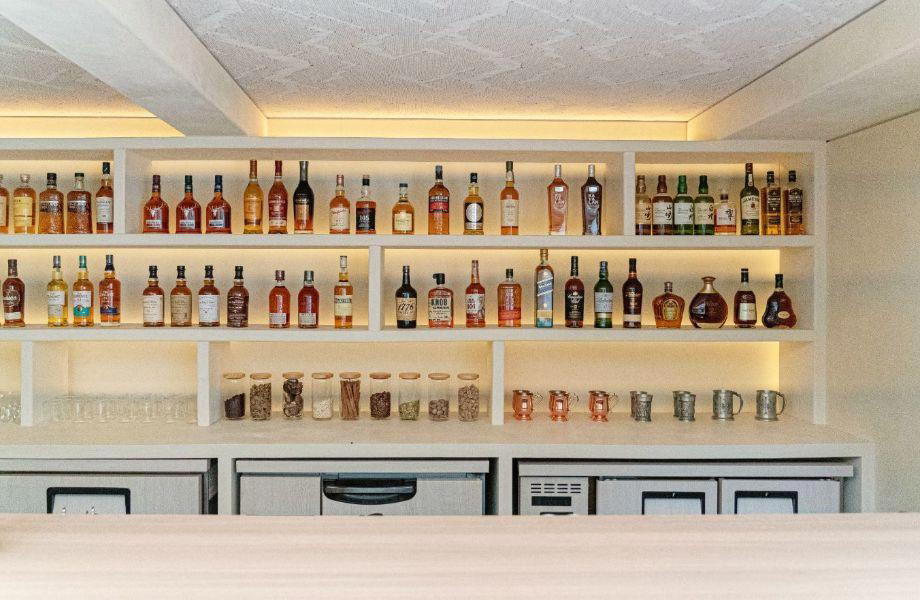
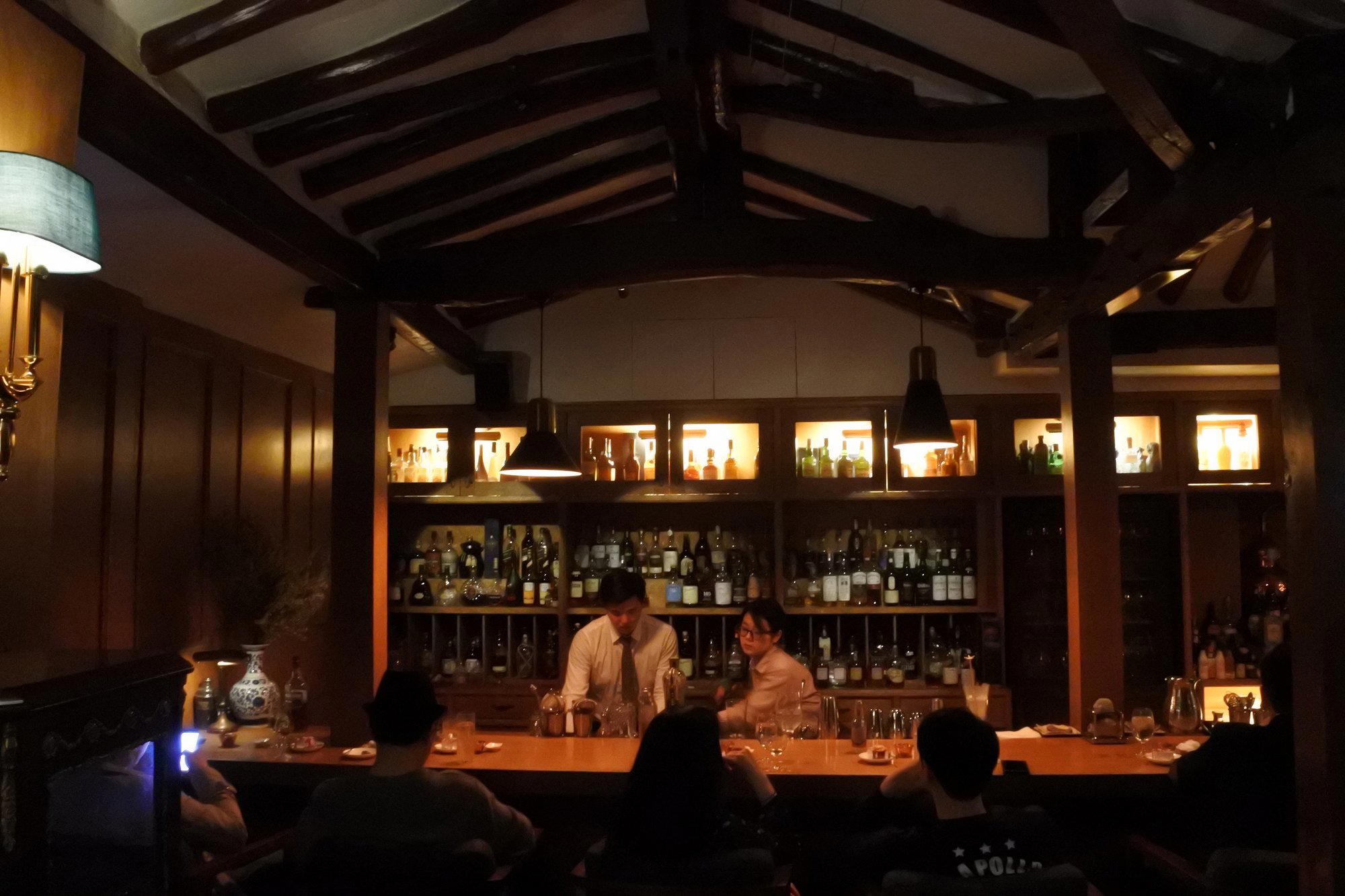
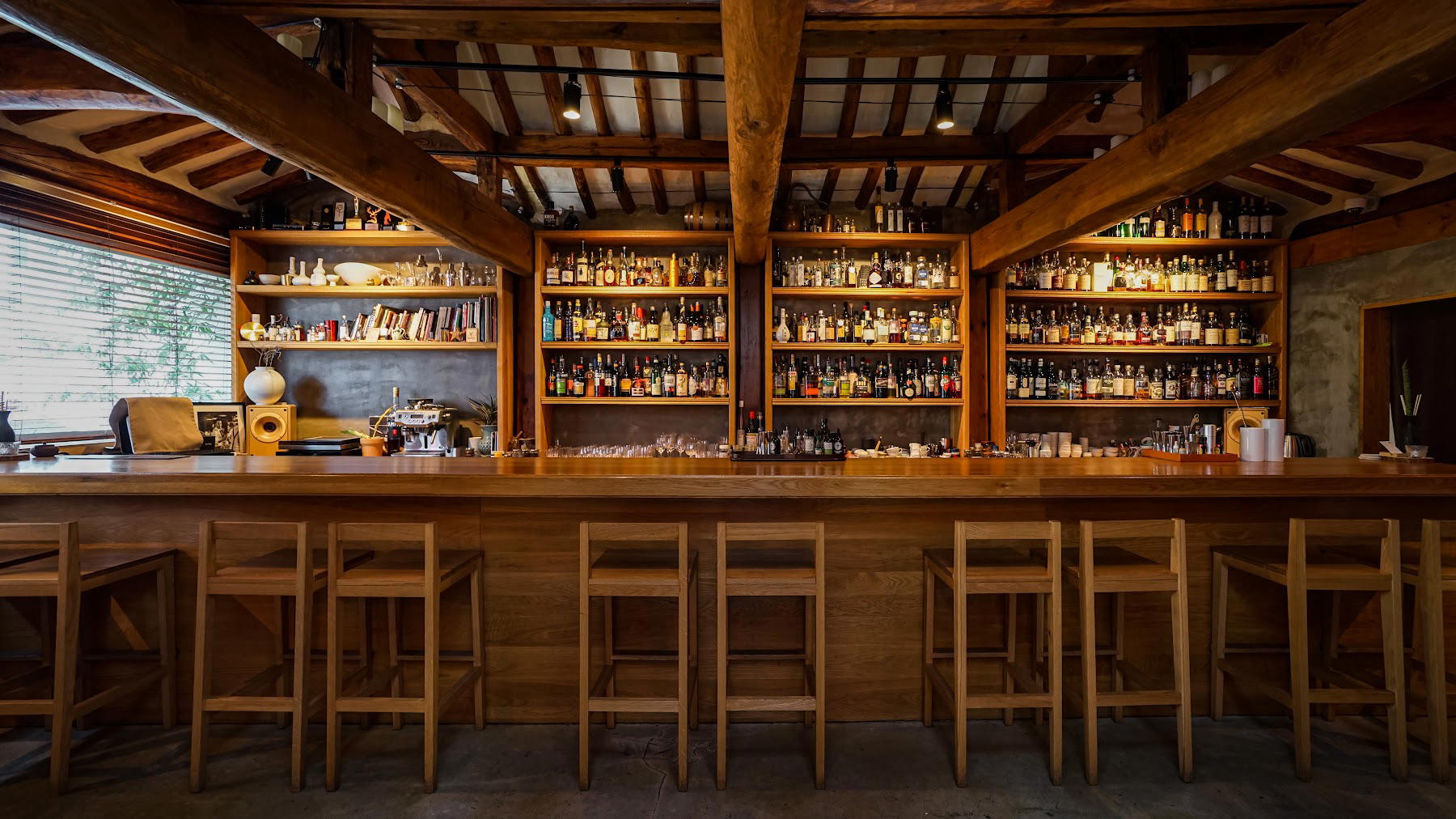
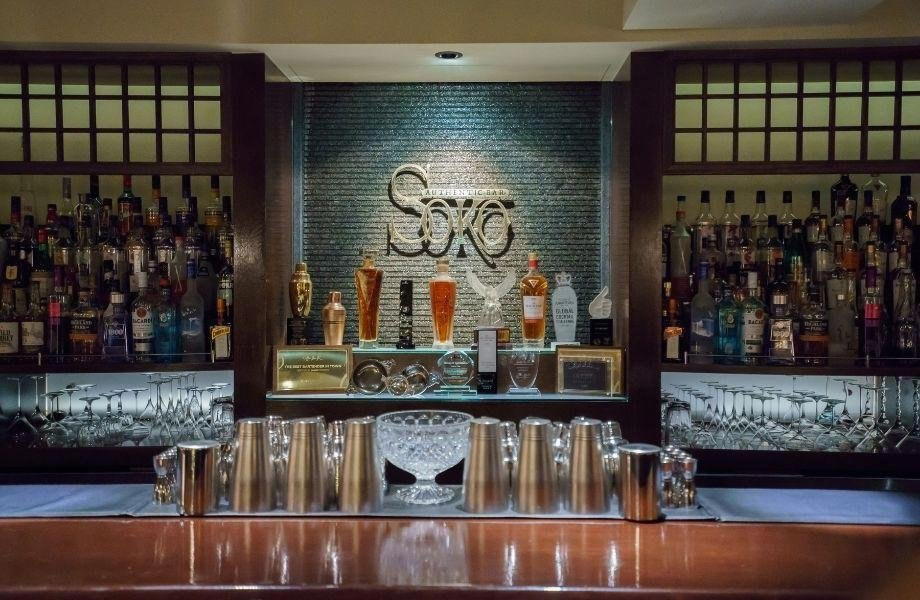
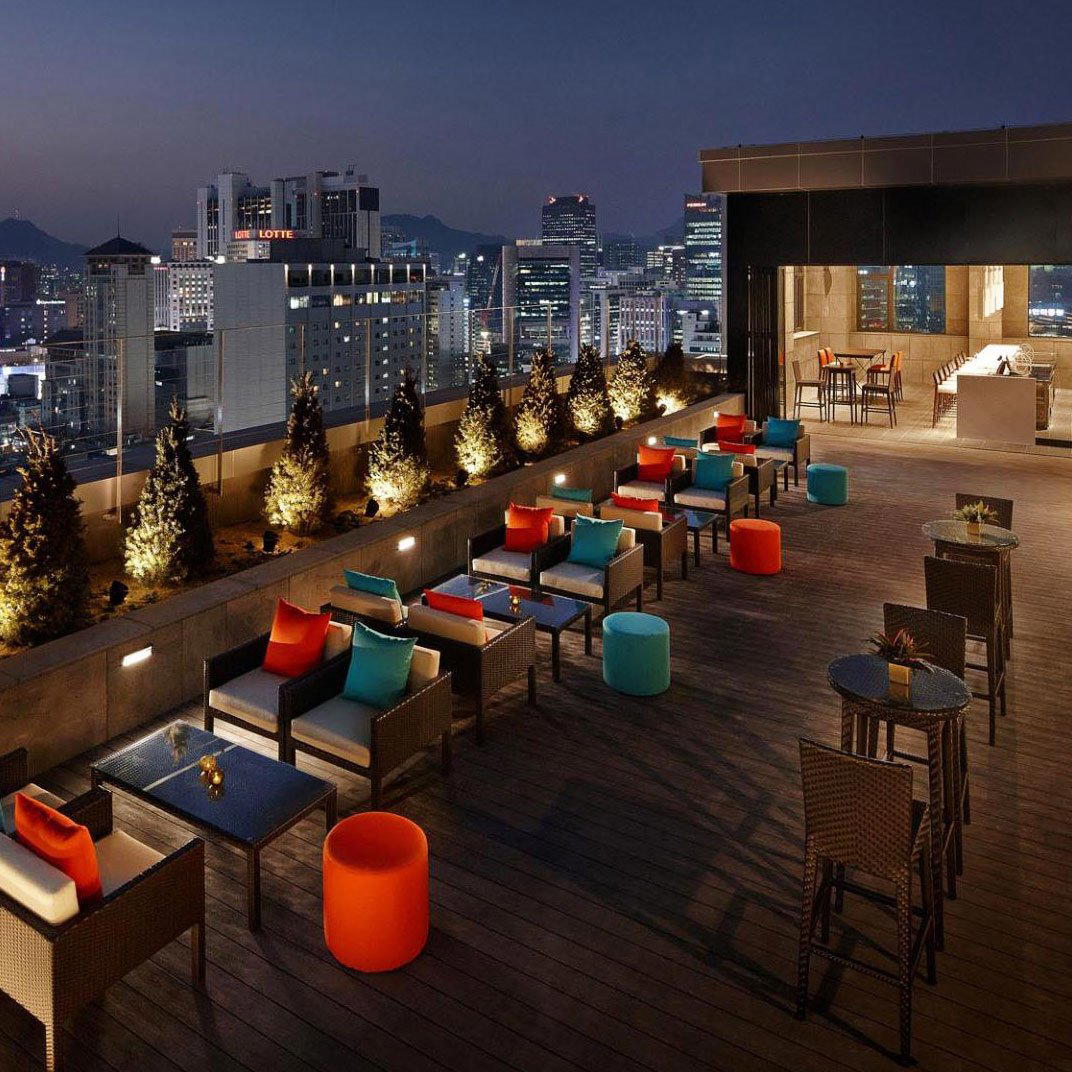
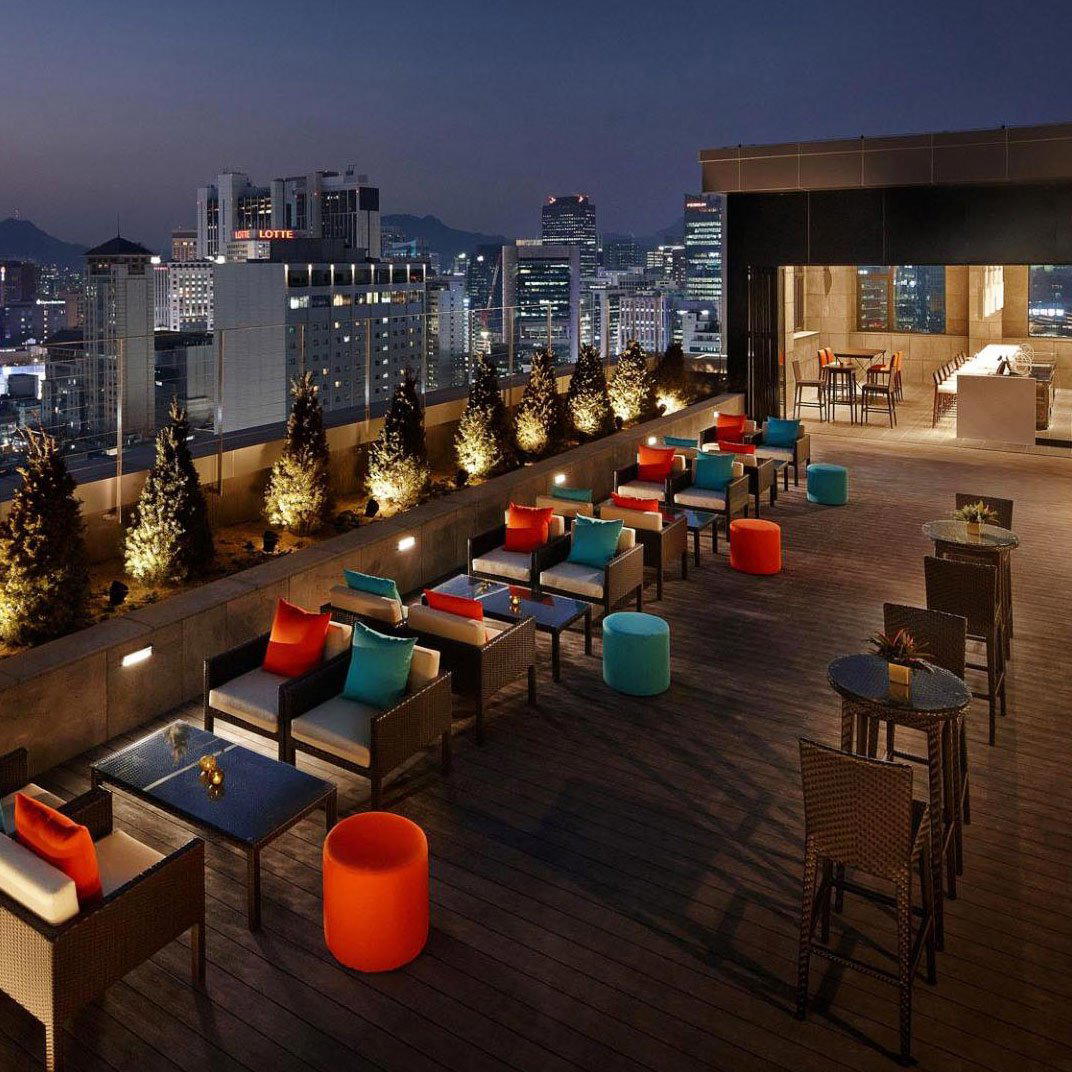
Myeongdong's elevation above sea level is modest, but the rooftop bar at Hotel28 benefits from the neighbourhood's relative openness compared to the taller commercial towers further north and west. The skyline view from this position frames the city at a human scale, close enough to read individual buildings, far enough to register the density that makes Seoul function as one of the world's most efficiently organised large cities. Evening is the obvious time to use the space, when the street-level energy below and the illuminated skyline above operate simultaneously, each at full intensity.
Rooftop bars in Seoul have become a standard amenity expectation at anything above the budget tier, but the quality of the view depends almost entirely on location. Myeongdong's position in Jung District, central, refined slightly above the Han River basin, gives Hotel28's rooftop a sight line that properties in Gangnam's lower-lying commercial grid cannot replicate. That is a geographical advantage rather than a design achievement, but it reinforces the argument for staying in the city's historical centre rather than its newer southern districts.
Myeongdong in Context
Jung District is one of Seoul's oldest administrative units, and Myeongdong specifically carries layers of historical identity that the shopping-focused reputation of recent decades tends to obscure. The neighbourhood was a centre of cultural and intellectual life in the mid-twentieth century, and its proximity to Namsan, the forested hill that anchors the city's visual geography, gives it a spatial character that the Gangnam business district, for all its infrastructure, cannot claim. Staying in Myeongdong means waking up inside the city's historical core, which changes how the rest of Seoul reads when you move outward from it.
Travellers extending their stay beyond Seoul have strong options within reach. Camptong Forest in Gapyeong sits roughly an hour northeast, where the landscape shifts entirely from urban density to forest and reservoir. Ananti at Busan Cove represents the southern alternative for those combining a Seoul base with coastal time. For island travel, both Grand Hyatt Jeju and Haevichi Hotel and Resort Jeju provide resort-scale options on Jeju, where the property format differs substantially from anything available in the capital. The Kensington Hotel Seorak in Sokcho covers the mountain corridor for travellers interested in Seoraksan National Park.
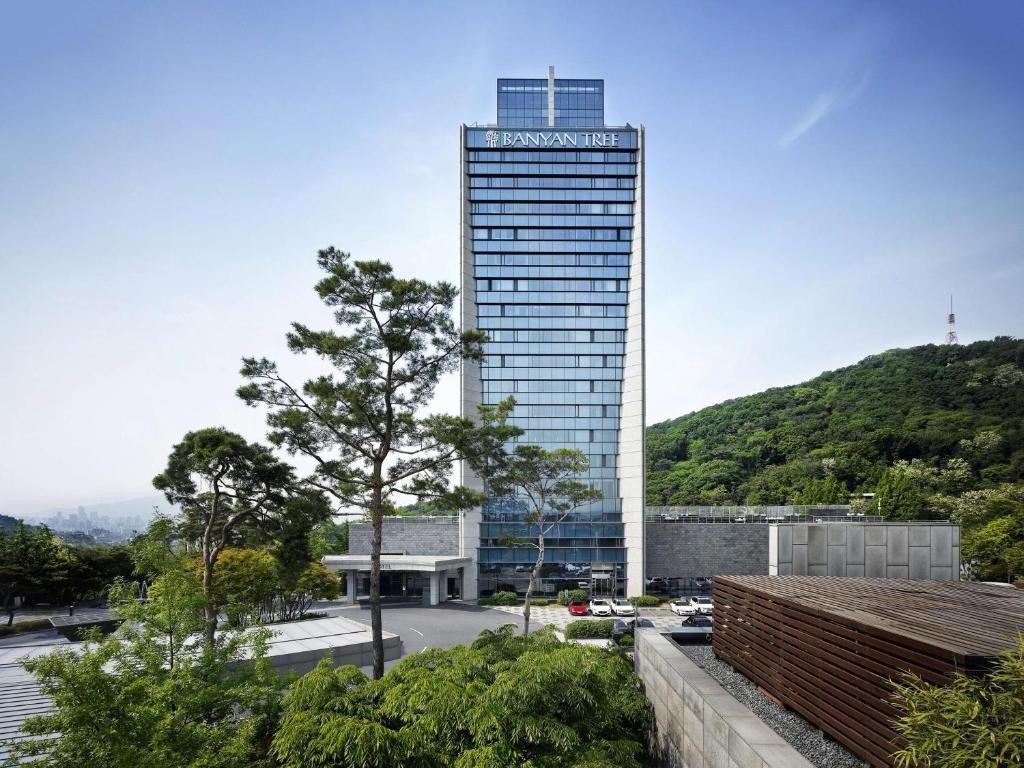
Within Seoul itself, the range of options across neighbourhoods and positioning tiers is substantial. Aman Seoul Cheongdam operates at the apex of the design-led category in Gangnam's cultural quarter. Banyan Tree Club and Spa Seoul occupies the Namsan slope with a spa-led format. Fairmont Ambassador Seoul anchors the Yeouido business district. Grand Hyatt Seoul holds the high ground on Namsan itself with a long-established format for both leisure and corporate use. The Art Paradiso Boutique Hotel and Casino Hotel Seoul cover additional points on the spectrum. See our full Seoul restaurants and hotels guide for a complete map of the city's hospitality tier.
For international comparison, properties in the design-led boutique category with strong urban cultural programming include The Fifth Avenue Hotel in New York City and Aman New York, both of which anchor their identity to neighbourhood and cultural specificity in ways that parallel Hotel28's Myeongdong positioning. Aman Venice demonstrates the same principle in a European context, where the property's cultural coherence is inseparable from its physical address.
Planning Your Stay
Hotel28 Myeongdong is located at 13 Myeongdong 7-gil in Seoul's Jung District, placing it within walking distance of Myeongdong Station on Line 4 and a short distance from the Hoehyeon Station interchange. The neighbourhood is most active in the late afternoon and evening, when the street market activity reaches its peak, so travellers sensitive to urban noise should factor arrival and departure timing accordingly. The rooftop bar is the property's most specific amenity advantage.
Credentials Lens
Comparable venues nearby, for context on price, style, and recognition.
| Venue | Cuisine | Price | Awards | Notes |
|---|---|---|---|---|
| Hotel28 MyeongdongThis venue — the venue you are viewing | Contemporary boutique hotel with cinematic heritage theme, blending art deco design elements with modern minimalism. | $$$ | 4-Star | Not listed |
| voco Seoul Gangnam | Lifestyle boutique hotel blending urban energy with cozy comforts. | $$$ | 4-Star | Gangnam |
| RYSE, Autograph Collection | Boutique lifestyle hotel blending independent creative spirit with Marriott brand consistency; operates as hybrid hotel-gallery-music venue. | $$$ | 4-Star | 연남동 |
| Casino Hotel Seoul | Luxury integrated resort with Art Deco design elements and contemporary gaming facilities | $$$$ | 5-Star | Gwangjin-gu |
| Grand Hyatt Incheon | Contemporary luxury airport resort with LEED Gold certification and self-contained facilities. | $$$$ | 5-Star | Jung-gu |
| Josun Palace, a Luxury Collection Hotel, Seoul | Contemporary luxury reimagining of a historic 1914 landmark with Korean-modernism meets mid-century European design | $$$$ | 5-Star | Samseong-dong |
Recognition history
Dated appearances from independent guides and award organizations, with the underlying list record or original source where available.
Michelin Selected
Michelin
Small Luxury Hotels of the World Member
Small Luxury Hotels of the World
At a Glance
- Modern
- Trendy
- Sophisticated
- Elegant
- Romantic Getaway
- Family Vacation
- Business Trip
- Weekend Escape
- Design Destination
- Garden
- Terrace
- Wi Fi
- Fitness Center
- Restaurant
- Room Service
- Concierge
- Business Center
- Laundry Service
- Skyline
- Garden
- Street Scene
- Wi Fi
- Fitness Center
- Restaurant
- Room Service
- Concierge
- Business Center
- Laundry Service
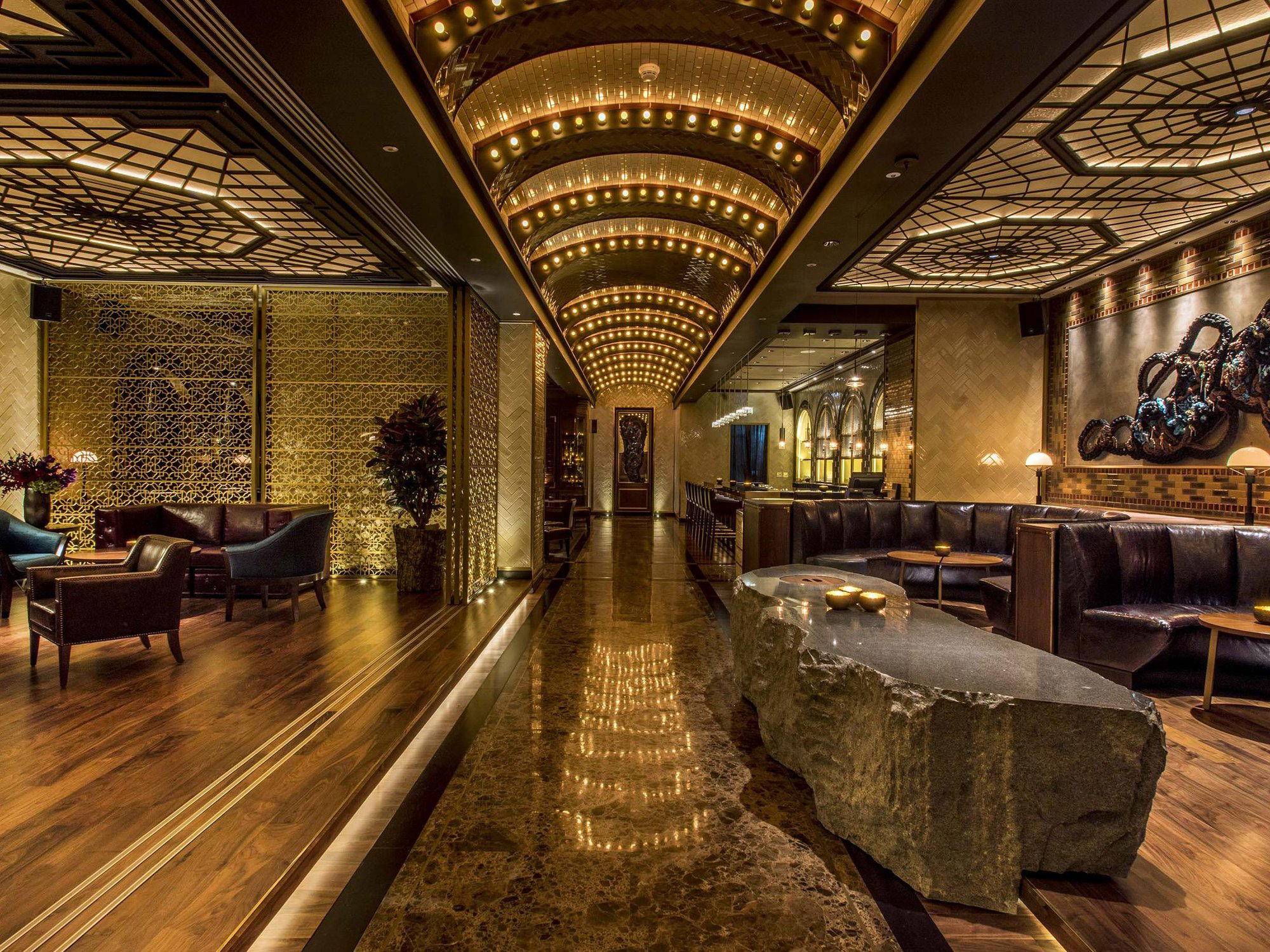
Contemporary black-and-gold art deco aesthetic inspired by classic movie houses, with subtle cinema-themed details including film stills and dressing-room-style lighting; sophisticated yet welcoming atmosphere with excellent sound insulation creating a peaceful retreat despite the bustling Myeongdong location.