
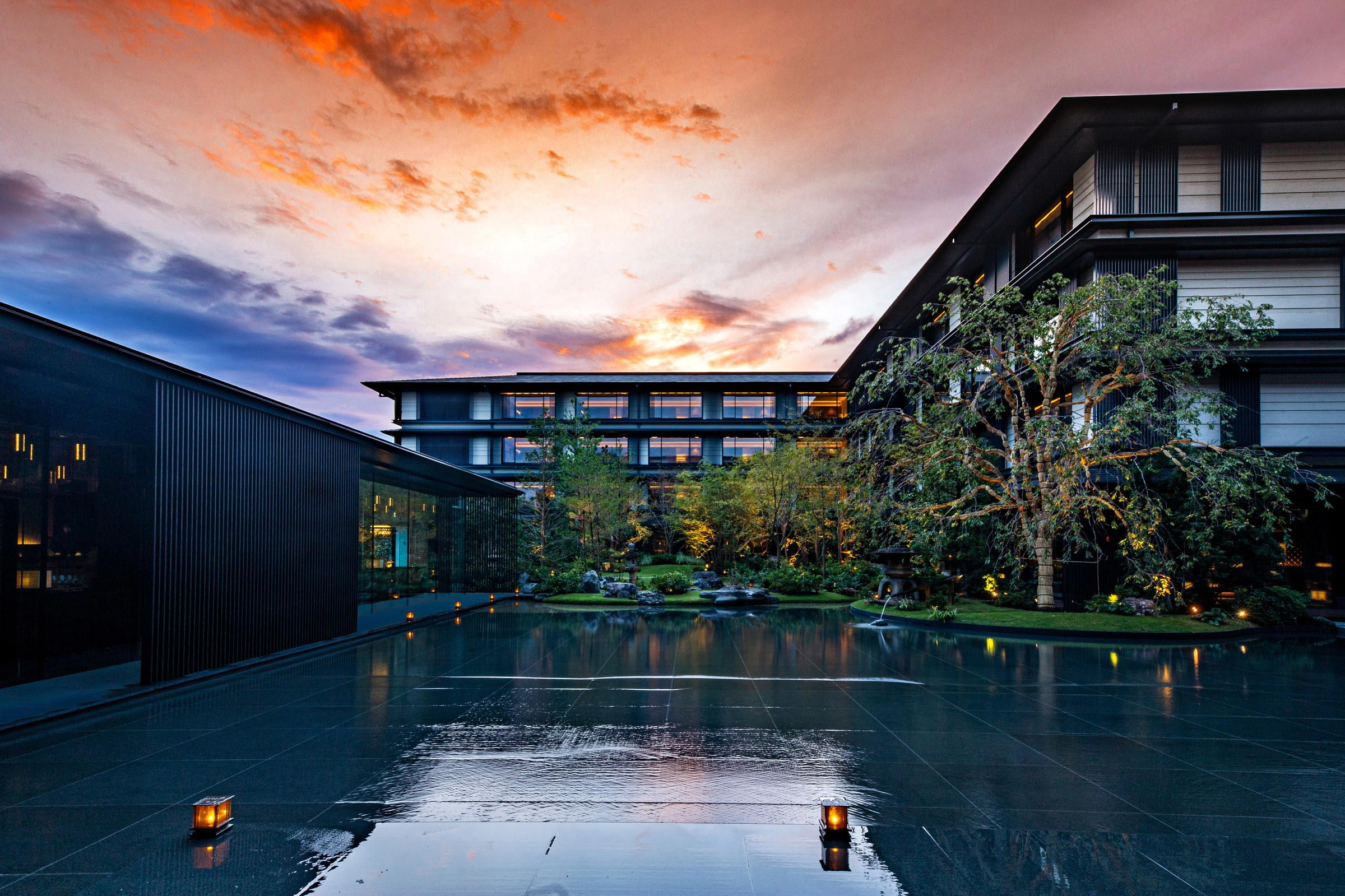
Situated along the Kibune River valley north of Kyoto, Kifune Ugenta holds a Michelin Key distinction for 2025, placing it among a select tier of Japanese ryokan-style stays recognised for hospitality as much as accommodation. The address — deep in Sakyo-ku's forested gorge — makes it a deliberate choice for milestone occasions, anniversary retreats, or any stay designed to mark a moment rather than simply pass through a city.
 Discover on Pearl
Pearl is the En Primeur Club membership app — saves, bookings, and concierge access live there. Same editors, same standards.
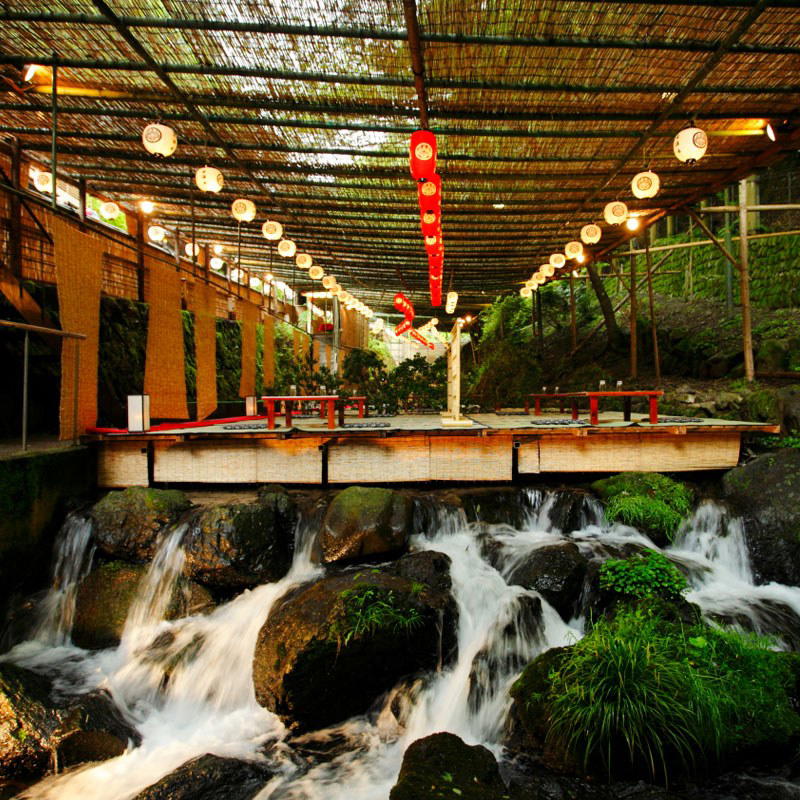
A River Gorge Built for Occasions That Matter
The road to Kifune climbs slowly out of Kyoto's urban grid, following the Kibune River through a narrowing valley where cedar and maple press in from both sides. By the time you reach Kurama Kibunecho, the city has receded entirely. What replaces it is a particular quality of stillness that upper Sakyo-ku does better than almost anywhere else in the Kyoto Prefecture region: the sound of moving water underneath everything, the air noticeably cooler, the scale of the surroundings shifted in favour of the natural rather than the constructed. This physical transition is not incidental to the experience at Kifune Ugenta. It is the experience. Properties in this valley occupy a category that urban Kyoto hotels cannot replicate, no matter how many garden views or kaiseki courses they add to their offer.
Kifune as a district has long operated as Kyoto's most atmospheric escape. The shrine at its head dates back over a thousand years, and the tradition of kawadoko dining — wooden platforms suspended over the river current — has drawn visitors from the capital since the Heian period. Contemporary accommodation along this stretch, including Kifune Ugenta, inherits that association with deliberate retreat: people come here to mark something, to separate a particular day or night from the ordinary run of time. That framing shapes how the property positions itself and what guests should expect from it.
Where the Michelin Key Sits in the Broader Kyoto Picture
In 2025, Michelin awarded Kifune Ugenta one Key under its hotels programme, which evaluates properties on the quality of stay rather than the restaurant alone. The Key designation places Kifune Ugenta inside a recognised tier of Japanese accommodation where the full stay , arrival, room quality, service cadence, food, and setting , contributes to the assessment. This matters for how the property compares to peers in the Kyoto market.
Kyoto's premium accommodation breaks into several distinct clusters. Central Kyoto hosts internationally branded properties such as the Four Seasons Hotel Kyoto and design-led boutique stays, while Higashiyama and the old city offer addresses like Higashiyama Shikikaboku oriented toward temple proximity. The Aman Kyoto, operating in its own private forest north of the city, represents the highest-density, lowest-key tier of Kyoto luxury. Kifune Ugenta operates in a related but distinct niche: a valley property that trades urban convenience for immersive natural setting, aimed at the guest who is specifically choosing remoteness as part of the occasion.
For context across Japan's onsen and ryokan sector, comparable positioning appears at properties like Gora Kadan in Hakone, Asaba in Izu, and Hoshinoya Kyoto , properties where the journey to the property is itself part of the editorial. The Fufu Nikko in Nikko and Zaborin in Kutchan follow a similar logic in their respective regions: distance from the city as a feature, not a drawback. Kifune Ugenta fits this pattern precisely.
The Occasion Case for Kifune Ugenta
Few stays in the Kyoto area carry the milestone weight that Kifune Ugenta offers by virtue of its location alone. The difficulty of casual access , the valley requires either a taxi from Kyoto Station or the Eizan Railway to Kibuneguchi followed by a local route uphill , creates a natural threshold. Guests who arrive have made a considered decision. That selectivity tends to concentrate a property's clientele around anniversaries, honeymoons, significant birthdays, and the kind of slow, intentional travel that has become harder to find at urban addresses regardless of their star count.
The seasonal dimension reinforces this. Kibune is among the most pronounced seasonal destinations in the greater Kyoto area. Spring brings cherry blossom along the river approach; summer is when kawadoko platforms appear over the water, making Kibune one of the few places in Japan where you can eat above a running mountain stream in the evening heat; autumn turns the valley walls into concentrated colour that rivals anything in Arashiyama or the Eastern Hills. Winter quiets the area almost entirely, with snow on the shrine steps and few visitors on the road. Each season delivers a different case for booking, and none of them is the wrong one.
For travellers considering how Kifune compares to other Kyoto Prefecture options in the intimate accommodation tier, the Hotel Kanra Kyoto and eph KYOTO offer smaller-scale urban alternatives, while Nishimuraya Honkan in Kinosaki-cho provides a comparable ryokan-register experience in a different prefectural context. Internationally, the kind of ceremonial remove that Kifune Ugenta offers , a property that demands you travel toward it , has equivalents in properties like Amanemu in Mie or, at a different scale, Benesse House in Naoshima.
Planning Your Stay
Kifune Ugenta sits at 76 Kurama Kibunecho, Sakyo-ku, in the upper reaches of the valley. The address is approximately 45 minutes from central Kyoto by a combination of Eizan Railway and local road, a journey that contributes meaningfully to the arrival experience. Because the property occupies a remote gorge setting and carries Michelin Key recognition, rooms at this tier in the Kibune valley book ahead significantly for peak seasons: autumn foliage (mid-November) and the summer kawadoko period (June through September) are the highest-demand windows. Guests planning milestone occasions should build lead time into their planning accordingly, and should verify current availability and rates directly with the property.
For those building a wider Kyoto Prefecture itinerary, the our full Kyoto Prefecture restaurants and hotels guide maps the city's accommodation and dining across neighbourhoods and price tiers. Further afield, Japan's broader ryokan circuit connects naturally through properties like Kamenoi Besso in Yufu and Sekitei in Hatsukaichi-shi for those extending their travel beyond Kyoto Prefecture.
A Credentials Check
A quick snapshot of similar venues for side-by-side context.
| Venue | Awards | Cuisine | Notes |
|---|---|---|---|
| Kifune Ugenta | This venue | ||
| Nazuna Kyoto Gosho | |||
| Nohga Hotel Kiyomizu Kyoto | |||
| Yoshida Sanso | |||
| KIKOKUTEI Bekkan | |||
| Maana Kiyomizu |
At a Glance
- Quiet
- Elegant
- Scenic
- Intimate
- Sophisticated
- Honeymoon
- Romantic Getaway
- Anniversary
- Private Villa
- Garden
- Historic Building
- Wifi
- Room Service
- Concierge
- Mountain
- Garden
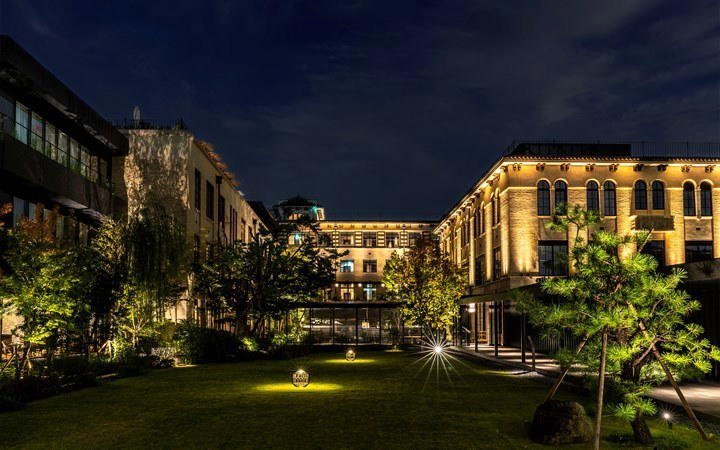
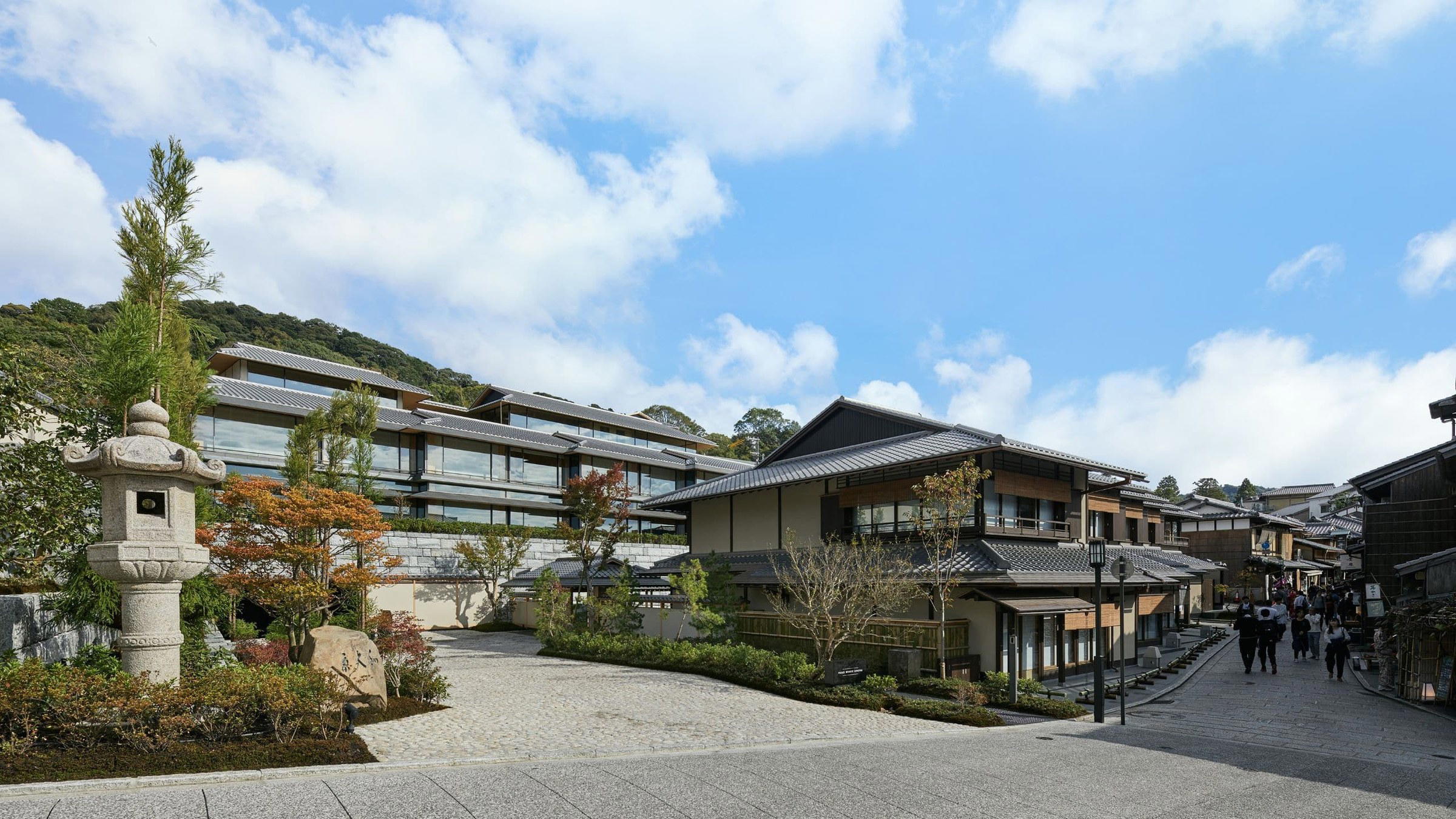
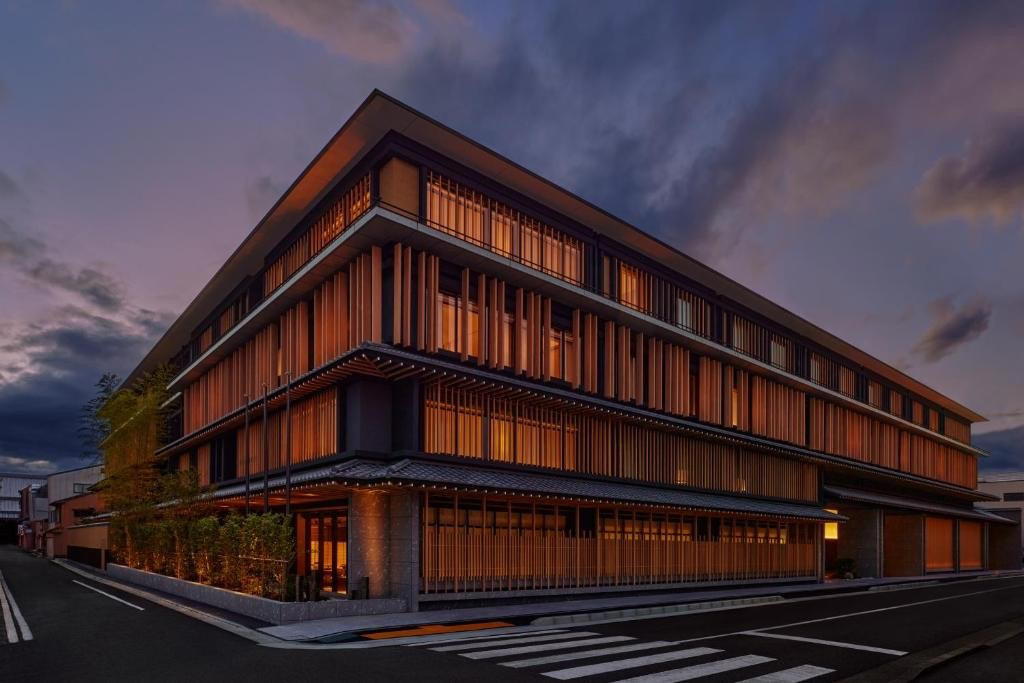
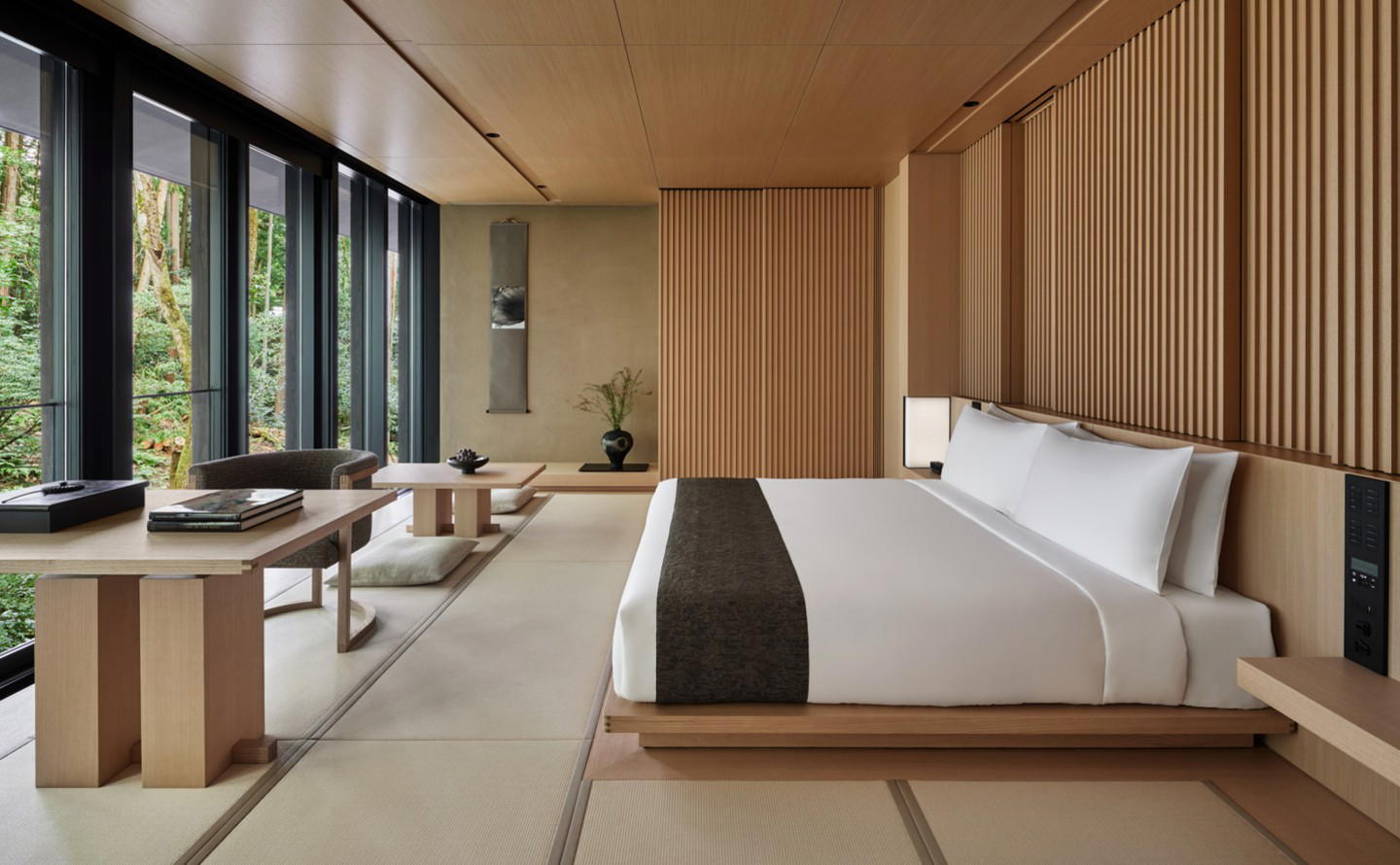
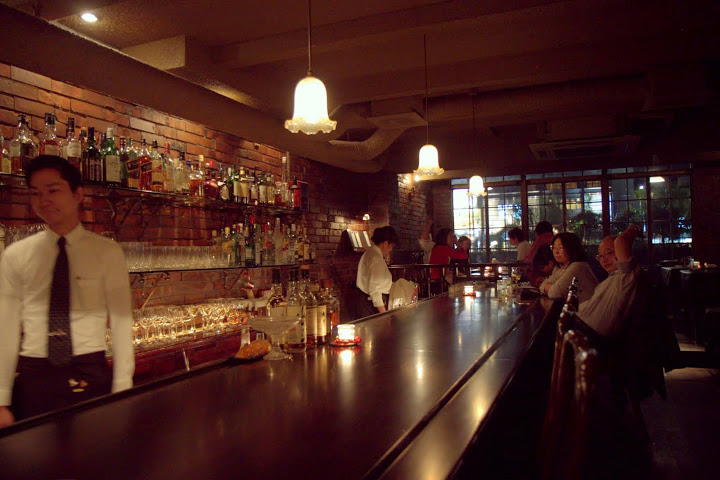
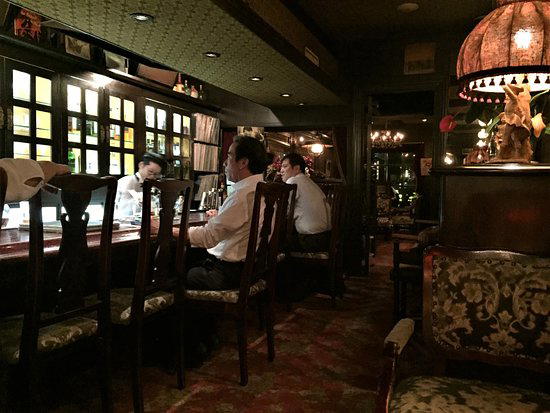
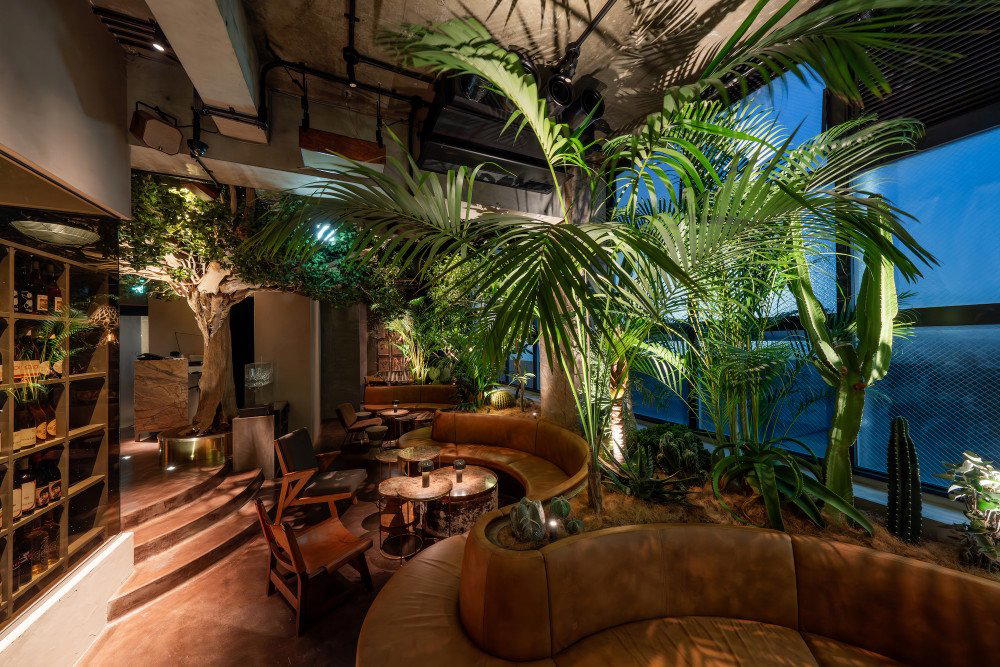
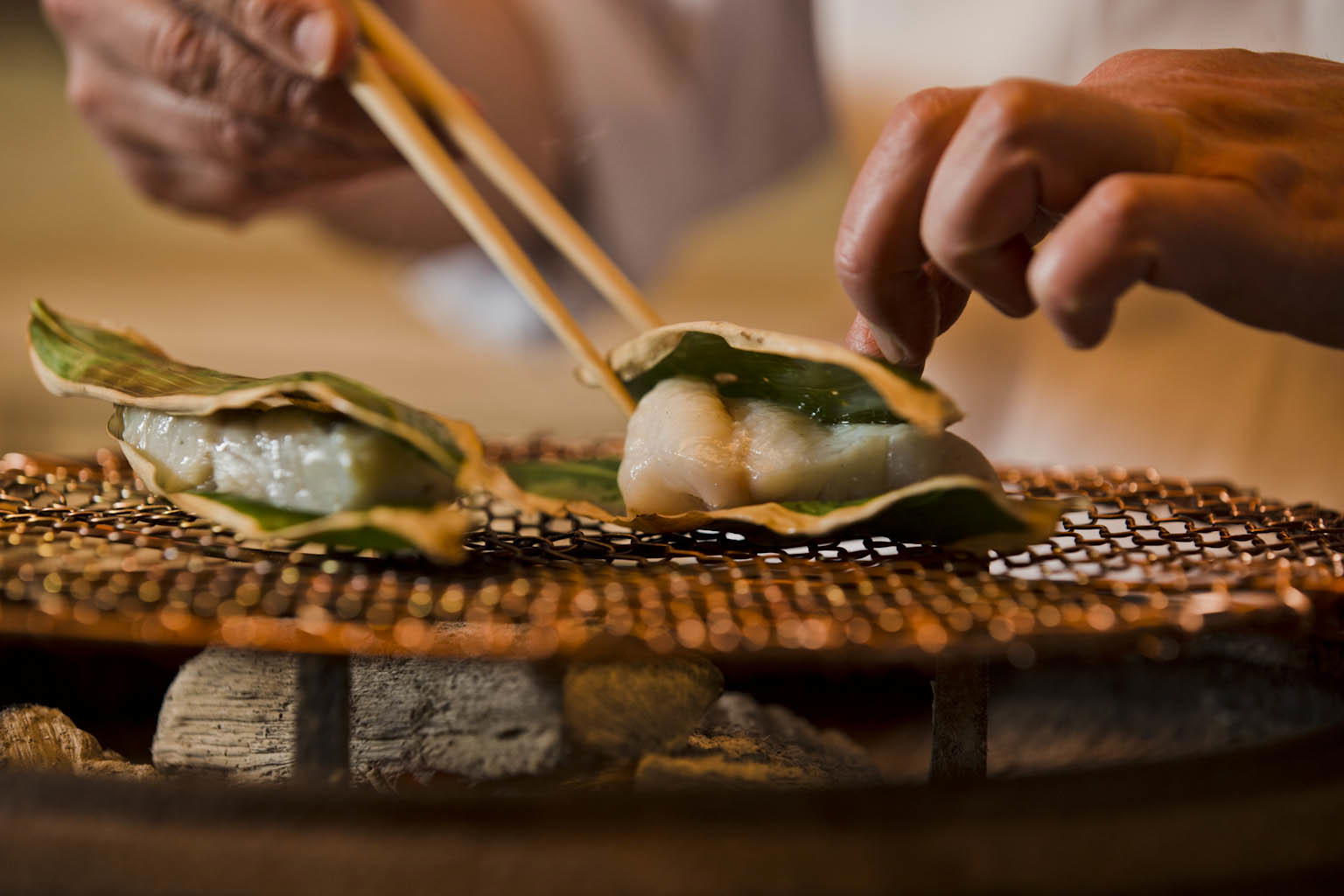
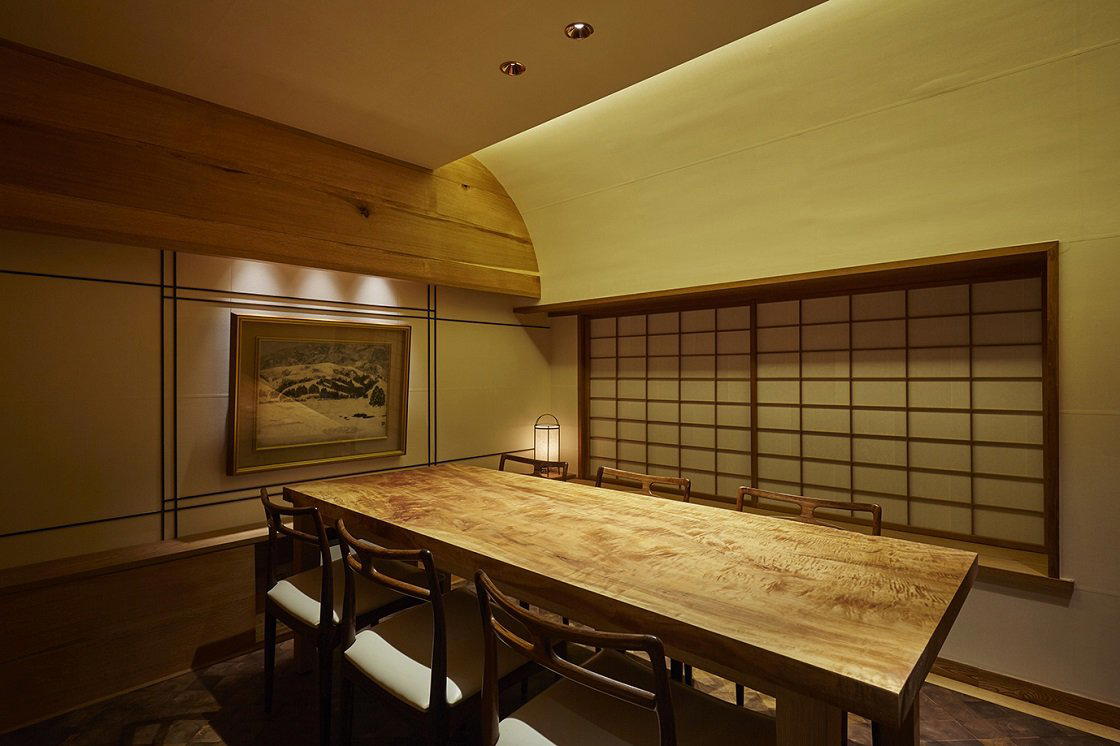
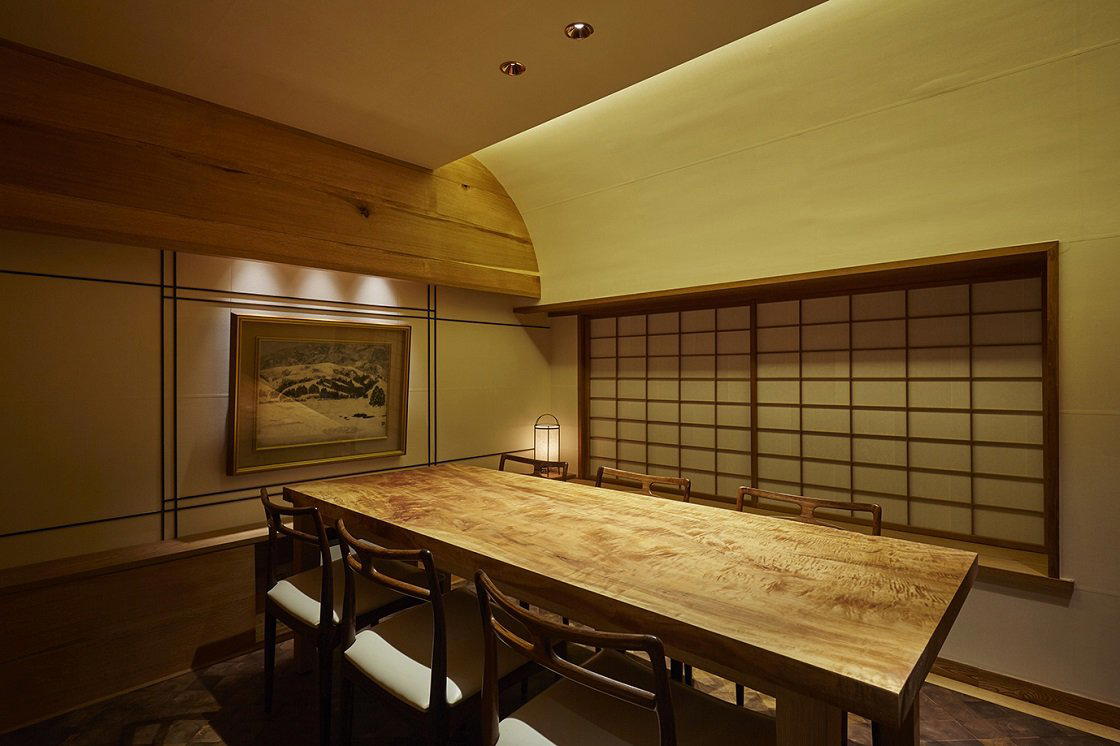
Secluded mountain atmosphere with cedar groves, gentle river murmurs, and traditional elegance featuring hearths and natural light.