
Michelin Selected
A Michelin Selected ryokan on the historic Nanzenji sando path in Sakyo-ku, Kikusui places guests at the threshold of one of Kyoto's most significant Zen temple complexes. The property represents the quieter, tradition-rooted end of Kyoto's accommodation spectrum, where proximity to the Nanzenji garden precinct and an emphasis on the overnight experience matter more than urban convenience.

Pearl is the En Primeur Club membership app — saves, bookings, and concierge access live there. Same editors, same standards.
- Address
- 31 Nanzenji Fukuchicho, Sakyo-ku, Kyoto, Japan
- Phone
- 075-771-4101
- Website
- kyoto-kikusui.com
- Directions
- Get directions
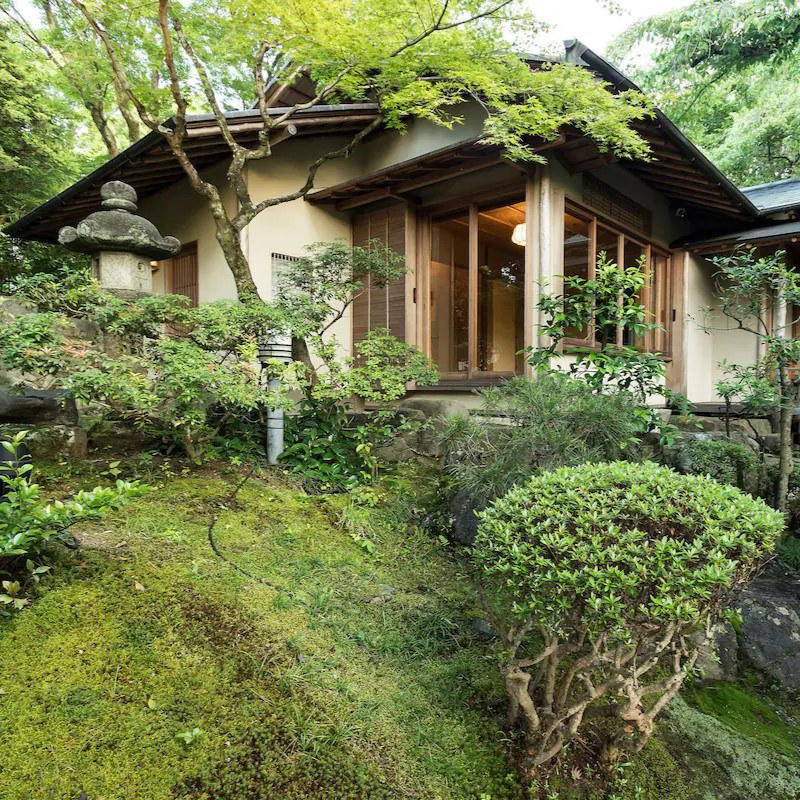
Arriving on the Nanzenji Sando
The approach to a ryokan tells you almost everything before you reach the entrance. The Nanzenji sando — the stone-paved approach corridor leading toward the Nanzenji temple complex in Kyoto's Sakyo-ku — belongs to a different register of city than the hotel corridors around Shijo or Karasuma. The neighborhood is defined by its position at the edge of the Higashiyama foothills, where the urban grid gives way to stone walls, canal paths, and the ranked pines of the Okazaki and Nanzenji precincts. Nanzenji sando Kikusui sits at 31 Nanzenji Fukuchicho, within that precise zone where Kyoto's most composed architecture and its most significant Zen heritage coincide.
That locational logic shapes the experience from the moment of arrival. Guests approaching the property are already inside the buffer zone that separates the temple's outer precincts from the city proper, a spatial transition that distinguishes this area from hotel addresses further downtown. The Heian Shrine, the Okazaki canal, and the Nanzenji garden grounds are all accessible on foot. This is a neighborhood for walking slowly, which is not incidental: the ryokan tradition in Japan is predicated on the idea that the stay, rather than the journey between sights, is the primary experience.
The Room as the Argument
The Michelin Hotels guide, which selected Kikusui for its 2025 edition, applies criteria that center on room quality, service consistency, and the coherence of the overnight experience rather than restaurant accolades or scale. A Michelin Selected designation at this property signals that the in-room experience holds up against scrutiny, not as a marketing position, but as a verifiable distinction within a field that includes some of the most demanding hotel standards in the world.
Traditional Japanese inn rooms occupy a different logic from Western hotel rooms. The futon laid at night across tatami matting, the low furniture, the shoji screens that modulate light rather than block it entirely, these are not aesthetic decisions but functional ones, calibrated over centuries for a particular relationship between body, space, and sleep. At a property on the Nanzenji sando, that tradition sits within one of the most historically legible contexts in Kyoto. The garden views and architectural framing available from rooms at this address are earned by geography: you are on the edge of one of the city's most important Zen complexes, and the room should reflect that orientation.
The bathroom in a quality ryokan occupies proportionally more significance than in Western stays. The bath ritual, whether in a private en-suite stone or hinoki cypress bath, or in a shared onsen-style facility, is structured as an event rather than a convenience. The sequence of pre-dinner bathing, the temperature of the water, the materials of the tub, the view from the bath window if one exists: these are the metrics by which serious travelers in this category assess a property.
Kyoto's Accommodation Spectrum at This Address
Kyoto's premium accommodation market has stratified considerably over the past decade. At one end sit large-footprint international operators, Four Seasons Hotel Kyoto, Park Hyatt Kyoto, and HOTEL THE MITSUI KYOTO, which bring global service infrastructure to the city. At the other end sit small-scale, deeply traditional properties whose competitive advantage is precisely the opposite: limited keys, neighborhood embeddedness, and an overnight experience calibrated around Japanese hospitality tradition rather than international luxury norms.
Kikusui occupies the latter category. Its address on the Nanzenji sando places it in a micro-neighborhood with essentially no mass-market hotel competition. The comparators here are not the Ace Hotel Kyoto or the Dusit Thani Kyoto, those properties speak to different motivations and different parts of the city.
The Aman Kyoto is the obvious point of reference for the forest-and-temple end of the Kyoto market, but at a substantially different price point and with a different ownership and service architecture. Kikusui's Michelin recognition suggests it holds its position without requiring that level of investment, a different value proposition, not a lesser one.
Japan's Ryokan Tradition in a Wider Context
The ryokan format is one of Japan's most sophisticated contributions to hospitality as a discipline. Properties like Gora Kadan in Hakone, Zaborin in Kutchan, Asaba in Izu, and Nishimuraya Honkan in Kinosaki-cho demonstrate how deeply the overnight-experience model can be developed when the room, the bath, the kaiseki dinner, and the surrounding landscape are treated as an integrated whole. Kamenoi Besso in Yufu and Amanemu in Mie extend that tradition into different regional registers.
Within Kyoto specifically, the ryokan experience is shaped by the density and accessibility of cultural context. A guest at Kikusui can walk to Nanzenji's Sanmon gate and its aqueduct in minutes, and the Philosopher's Path canal walk is within easy reach. That proximity is not a logistical convenience but a structural argument: the ryokan tradition in temple-adjacent neighborhoods is partly about duration and attention, about staying long enough and quietly enough that the surroundings register as more than backdrop.
For context on how Japan's distinct property types compare internationally, the contrast with European grand hotels such as Badrutt's Palace Hotel in St. Moritz or Hôtel de Paris Monte-Carlo in Monte Carlo is instructive: where those properties orient the stay around grand public spaces and social spectacle, the ryokan model collapses the luxury proposition into the private room and the bath, a fundamentally different architecture of experience.
Planning the Stay
Nanzenji sando Kikusui is located at 31 Nanzenji Fukuchicho, Sakyo-ku, Kyoto. The address places it in the eastern part of the city, reachable by taxi from Kyoto Station in roughly 20 minutes depending on traffic, or by subway to Keage Station on the Tozai Line, from which the Nanzenji precincts are a short walk.michelin.com/us/en/hotels-stays provides a confirmed reference point. Given the small scale typical of properties in this neighborhood and category, advance planning is advisable, particularly for cherry blossom season (late March to mid-April) and autumn foliage season (mid-November to early December), when Sakyo-ku and the Nanzenji area are among the most sought-after addresses in the city.
For a broader orientation to Kyoto's accommodation and dining options across neighborhoods and price tiers, see our full Kyoto restaurants guide. Travelers building a Japan itinerary around ryokan stays may also find value in regional comparisons, from Fufu Nikko in Nikko to Benesse House in Naoshima, Sekitei in Hatsukaichi-shi, Halekulani Okinawa in Okinawa, Fufu Kawaguchiko in Fujikawaguchiko, and Jusandi in Ishigaki. Those comparing Japan against other high-context luxury destinations might also consider Bvlgari Hotel Tokyo in Tokyo and The Fifth Avenue Hotel in New York City as reference points for how different hospitality traditions structure the overnight proposition.
Comparable Venues
Comparable venues nearby, for context on price, style, and recognition.
| Venue | Cuisine | Awards | Notes |
|---|---|---|---|
| Nanzenji sando KikusuiThis venue — the venue you are viewing | Culinary inn combining ryokan tradition with modern refinement | Michelin Selected | Not listed |
| Hotel Kanra Kyoto | Modern machiya-style luxury boutique replicating traditional Kyoto townhouses | Michelin Selected | Shimogyō |
| Seikoro Ryokan | Traditional Japanese ryokan with historic architecture and modern comforts. | Michelin Selected | Higashiyama |
| Regent Kyoto | An upper-luxury urban retreat that integrates a historic Kyoto garden and century-old ryotei into a small-scale, heritage-rich estate in the Okazaki cultural district. | Not listed | Okazaki |
| Miyamasou | Traditional sukiya-zukuri tea house architecture renovated from historic temple pilgrims' lodgings. | Not listed | Sakyō |
| Tamao | Intimate Japanese-style house converted into a modern boutique hotel. | Michelin Selected | Shimogyō |
Recognition history
Dated appearances from independent guides and award organizations, with the underlying list record or original source where available.
Michelin Selected
Michelin
Continue exploring
More in Kyoto
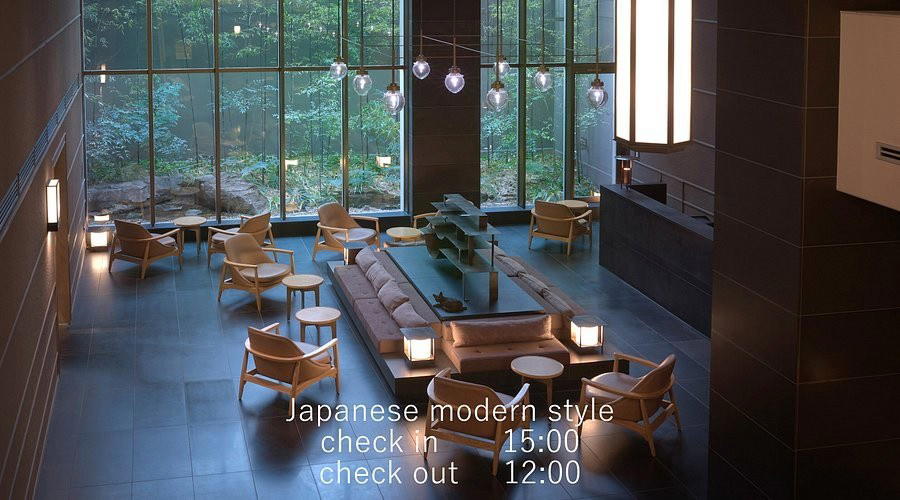
Hotels in Kyoto
Browse all →
Bars in Kyoto
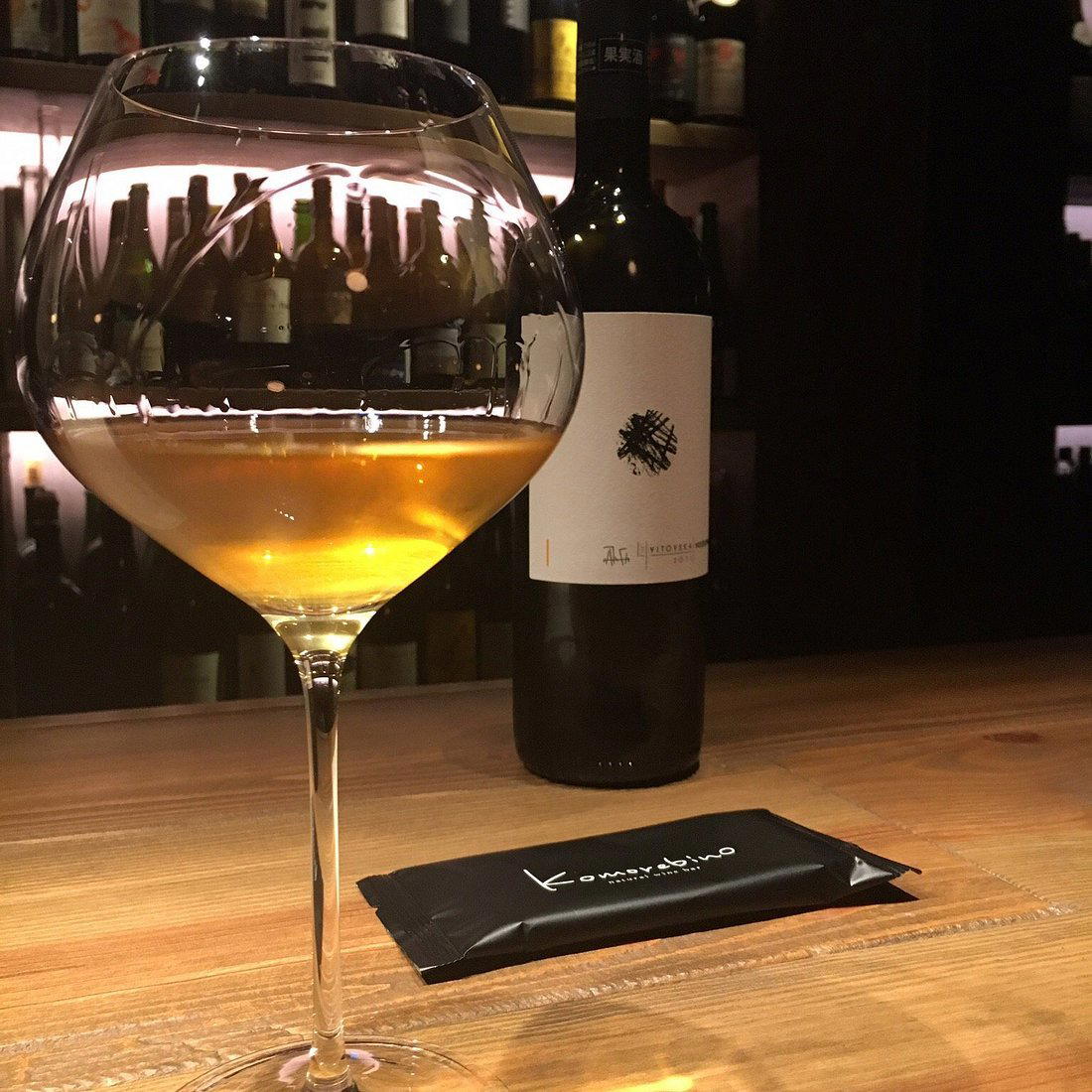
Browse all →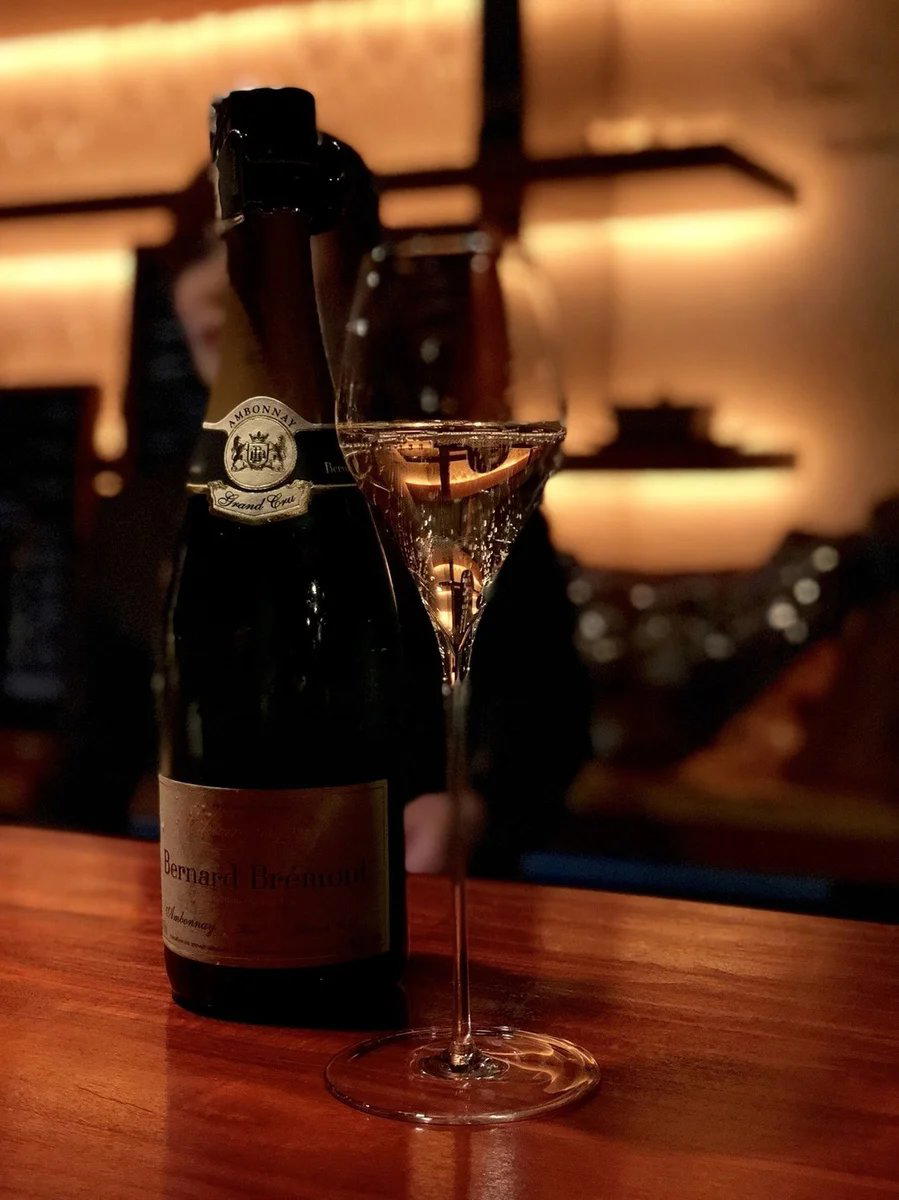



Restaurants in Kyoto
Browse all →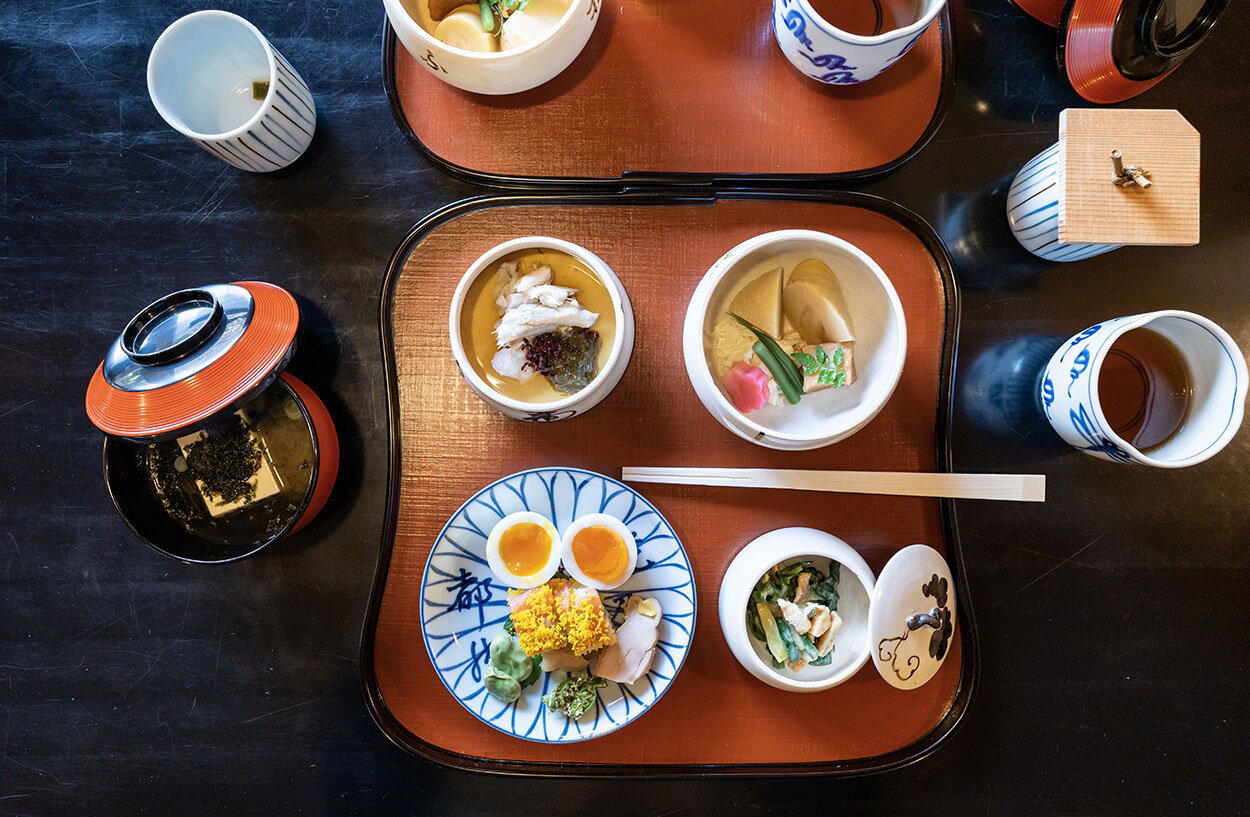
Wineries in Kyoto
Browse all →
Details
- Quiet
- Elegant
- Scenic
- Sophisticated
- Cozy
- Romantic Getaway
- Anniversary
- Wellness Retreat
- Garden
- Historic Building
- Wi Fi
- Restaurant
- Garden
- Concierge
- Luggage Storage
- Garden
- Wheelchair Accessible
- Elevator
- Step Free Entrance
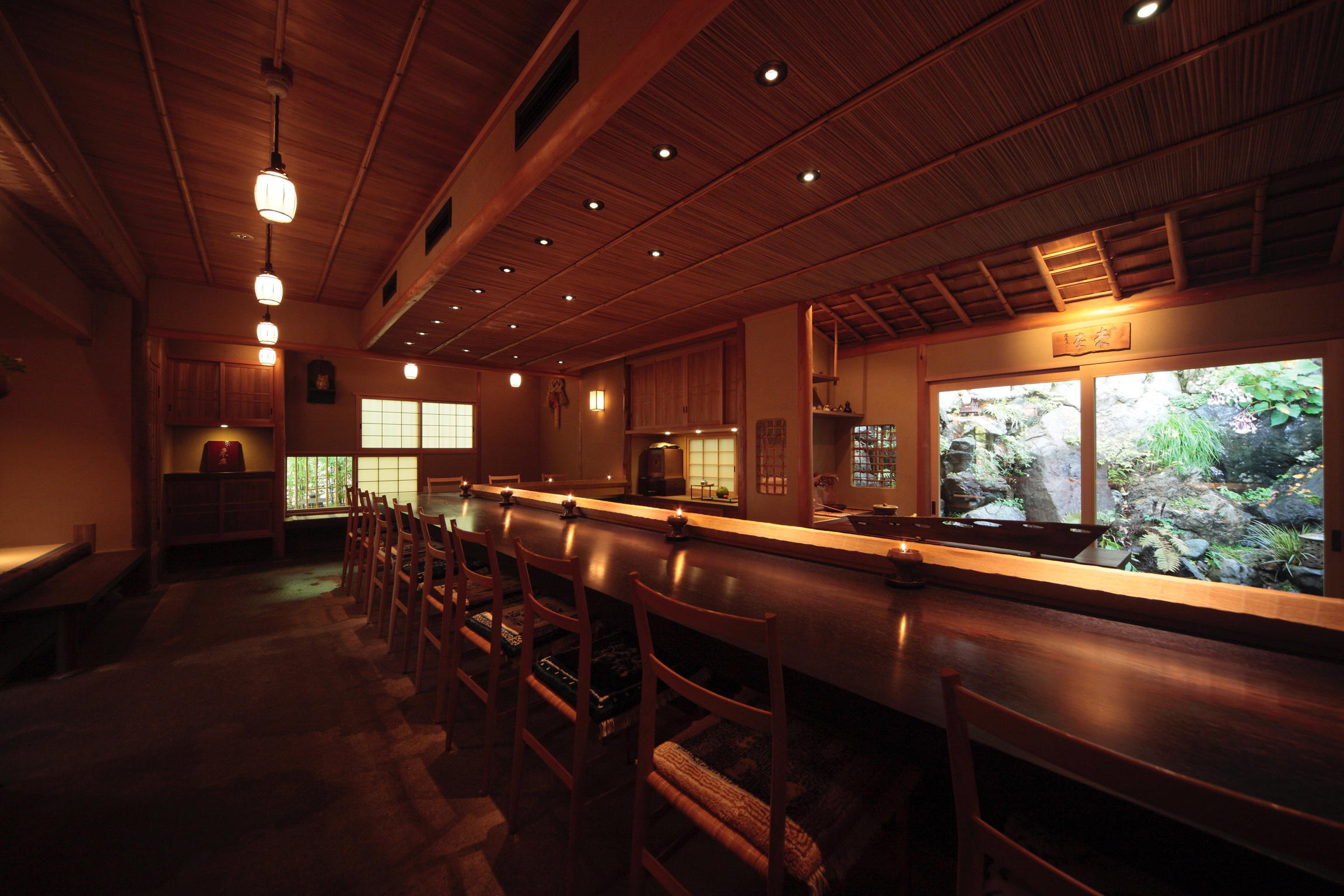
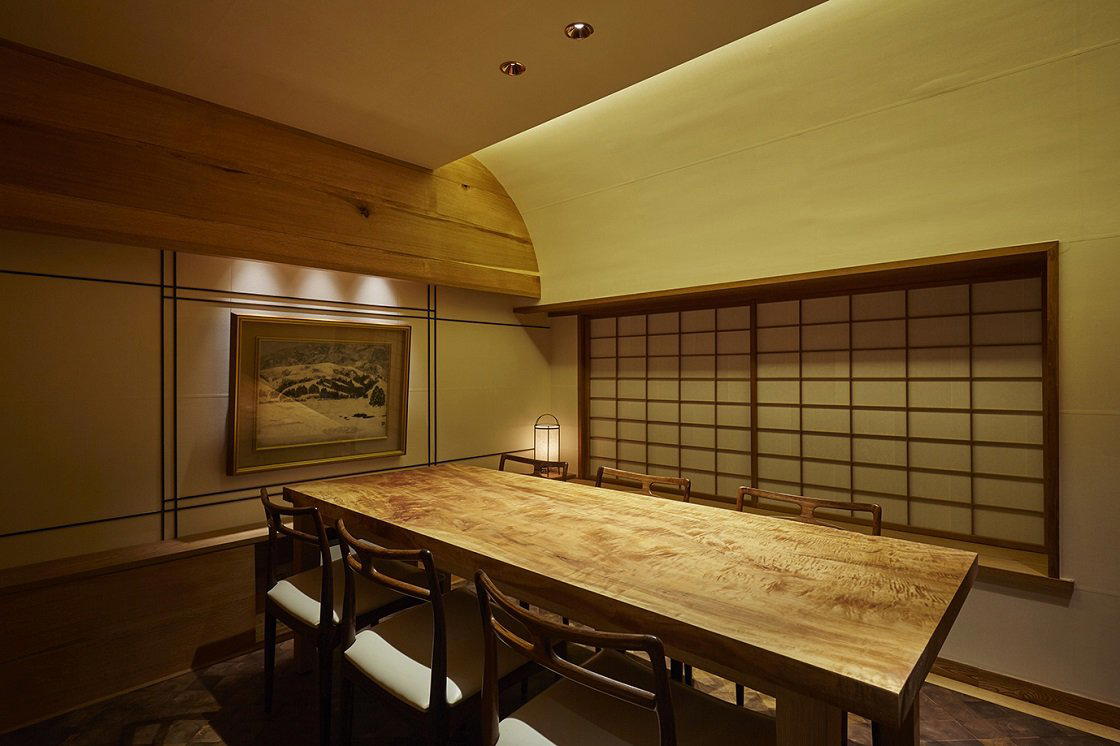
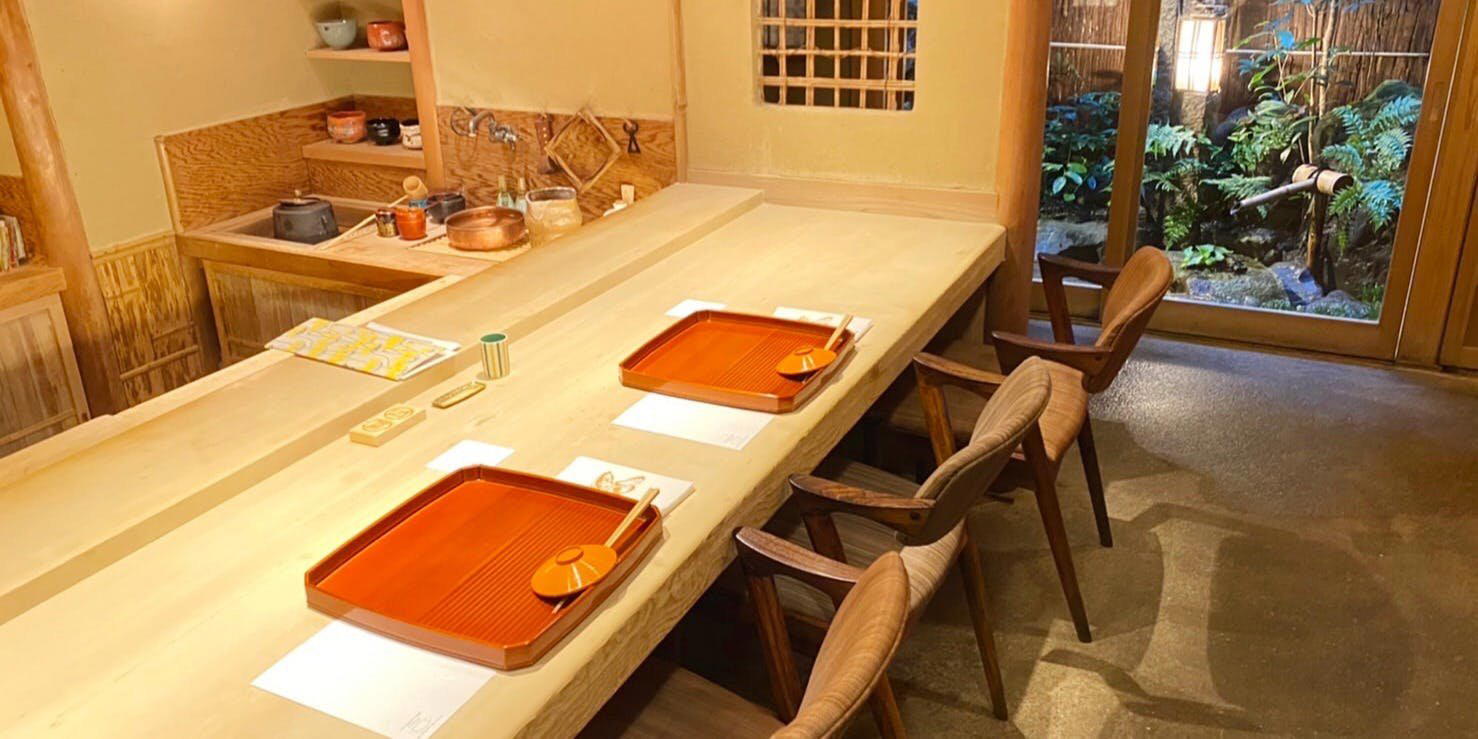
Serene and tranquil atmosphere with peaceful garden views, soundproofed rooms, and refined lighting that harmonizes indoor spaces with the outdoor garden.