Regent Kyoto enters a hotel city defined by temple districts, machiya conversions, ryokan discipline and a newer class of design-led luxury properties. With public database details on address, room count, rates and awards not yet available, the useful reading is contextual: how the hotel fits Kyoto’s architecture-first hospitality conversation, and what travellers should verify before committing dates.

Pearl is the En Primeur Club membership app — saves, bookings, and concierge access live there. Same editors, same standards.
- Address
- Kyoto, Japan
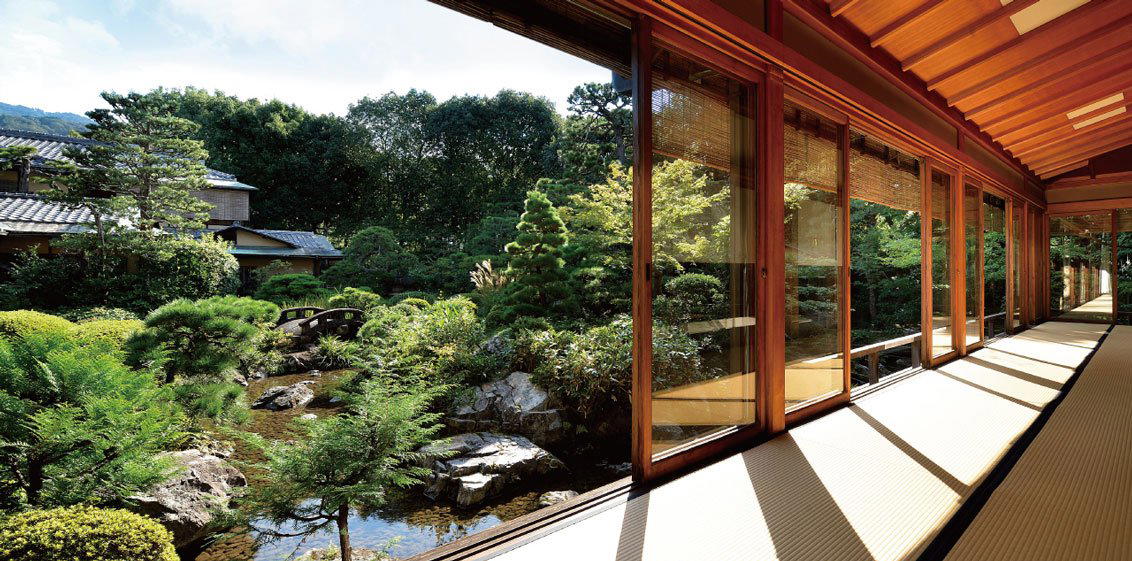
Architecture First in a City That Notices Every Surface
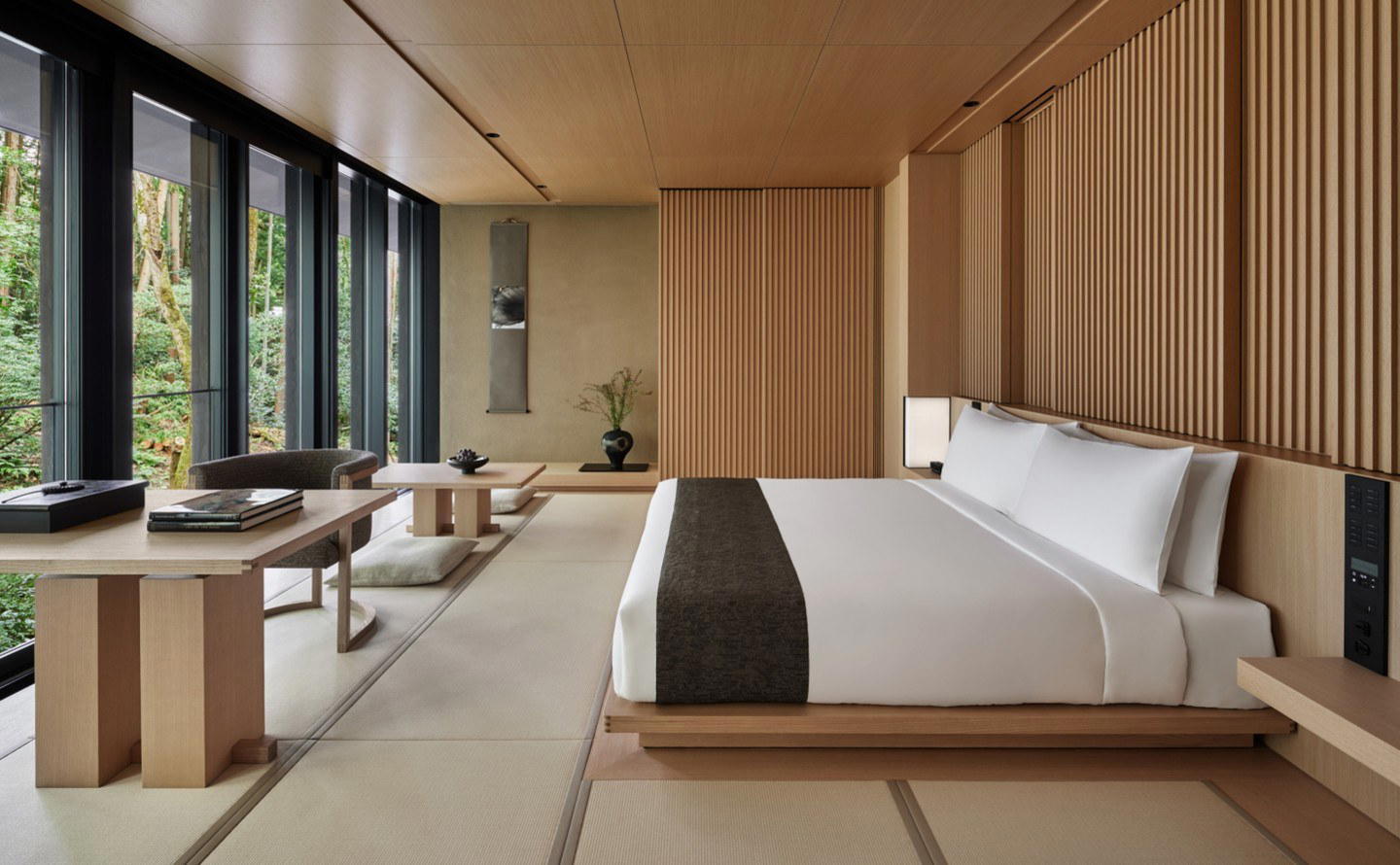
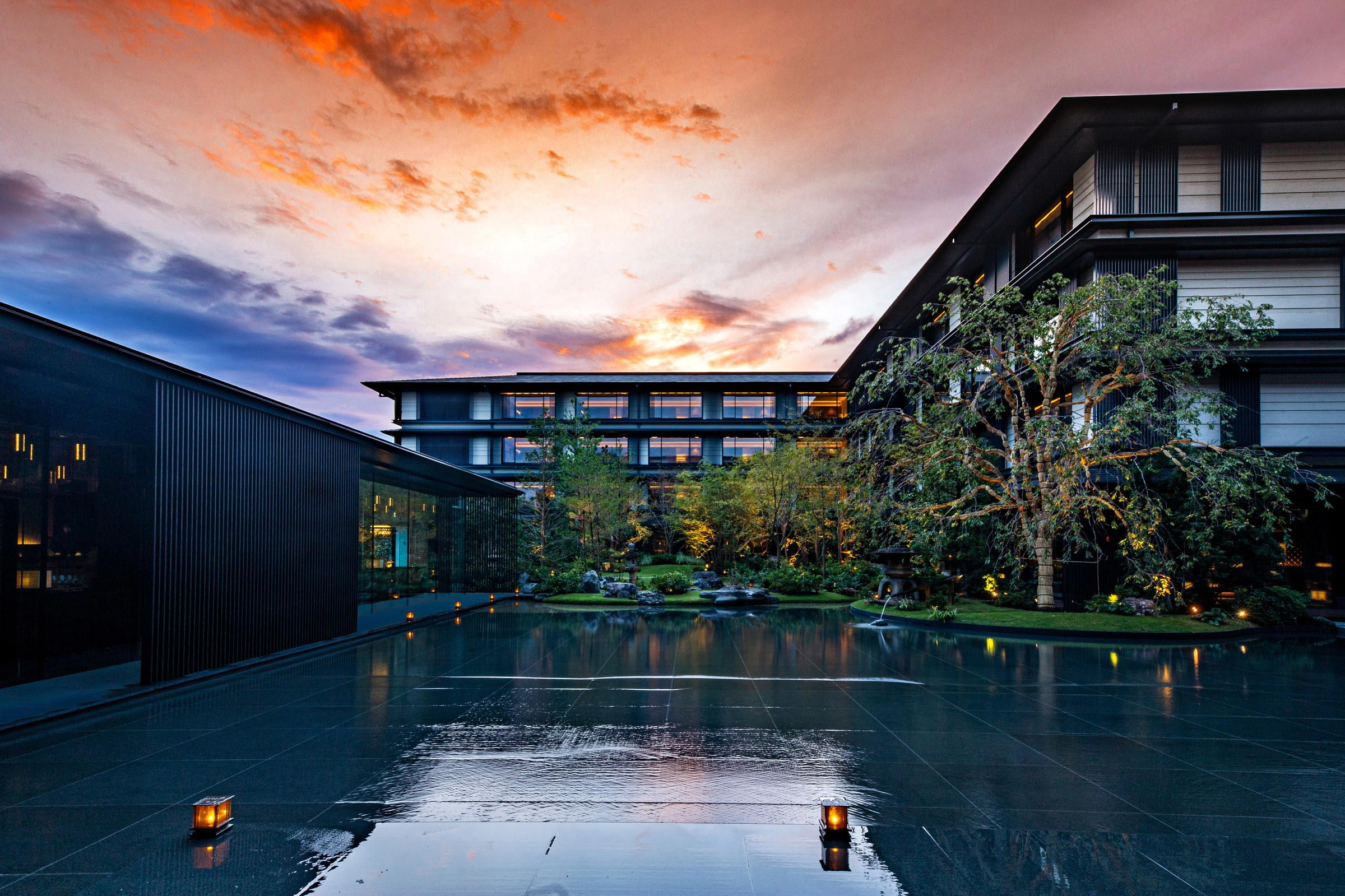
Kyoto does not treat hotels as neutral containers. Approach, threshold, garden, corridor and room sequence carry unusual weight here because the city’s hospitality culture has long been shaped by ryokan choreography, temple precincts, machiya proportions and a public sensitivity to materials. A new luxury hotel in Kyoto enters that conversation before a guest reaches reception. The question is not simply where the bed is placed, but how the property handles silence, scale, daylight and the transition between street and private space.
Regent Kyoto belongs to the luxury-hotel tier in a city where design is no longer decorative packaging. The category has split into several clear camps: resort-like retreats on the city’s green edges, heritage conversions near preserved lanes, international flagships with large operational systems, and smaller properties that draw authority from craft, proportion and restraint. That absence matters for planning, but it also sharpens the editorial frame. Until those specifics are confirmed, the sensible way to read the property is through Kyoto’s competitive set rather than through unsupported claims.
That set is unusually demanding. HOTEL THE MITSUI KYOTO uses historic-site gravitas and contemporary Japanese polish near Nijo Castle. Aman Kyoto pushes the retreat model into the forested north. SOWAKA draws from ryokan and machiya scale in the Higashiyama orbit. Park Hyatt Kyoto sits in the high-demand heritage-and-hospitality corridor near Kiyomizu. The Shinmonzen reads as an art-and-design hotel in Gion rather than a conventional resort. Any new Regent address in Kyoto has to be measured against that density of cues.
Why Kyoto Design Hotels Are Judged Differently
In many capital cities, luxury hotel design can lean on spectacle: height, volume, imported marble, double-height lobbies, city views. Kyoto resists that formula. The city rewards compression and release, filtered light, garden sightlines, timber, stone, paper, plaster and the spatial intelligence of rooms that do not declare everything at once. A property can fail here by trying too hard to look luxurious. The stronger Kyoto hotels usually understand that restraint is not minimalism for its own sake; it is a way of making architecture sit inside an older urban grammar.
The comparison also reaches beyond Kyoto. Japan’s high-end hotel market has become more precise over the past decade, with urban glamour in Tokyo, hot-spring ritual in resort regions and art-led architecture in island settings. Bvlgari Hotel Tokyo in Tokyo speaks to metropolitan luxury and brand theatre. Gora Kadan in Hakone and Asaba in Izu belong to a ryokan lineage where bathing culture and seasonal quiet carry the authority. Amanemu in Mie, Fufu Nikko in Nikko, Kamenoi Besso in Yufu and Zaborin in Kutchan each show how place-specific hospitality in Japan often depends on landscape, water, craft and pacing rather than spectacle. Kyoto sits between those models: it is urban, but it expects the emotional tempo of a retreat.
The Competitive Set: Kyoto's Luxury Has Several Dialects
Kyoto hotel selection is less about choosing a generic luxury level and more about choosing a dialect of the city. Higashiyama hotels trade on temple access, narrow lanes and the evening drama of preserved streets. Central hotels offer easier movement between stations, shopping arcades, restaurants and museums. Northern properties often use vegetation, villas and retreat pacing. Gion addresses bring nightlife and cultural proximity, but also tighter streets and heavier visitor pressure. Without a confirmed address for Regent Kyoto, the reader cannot yet place it in that neighbourhood map. That is a material gap, not a footnote.
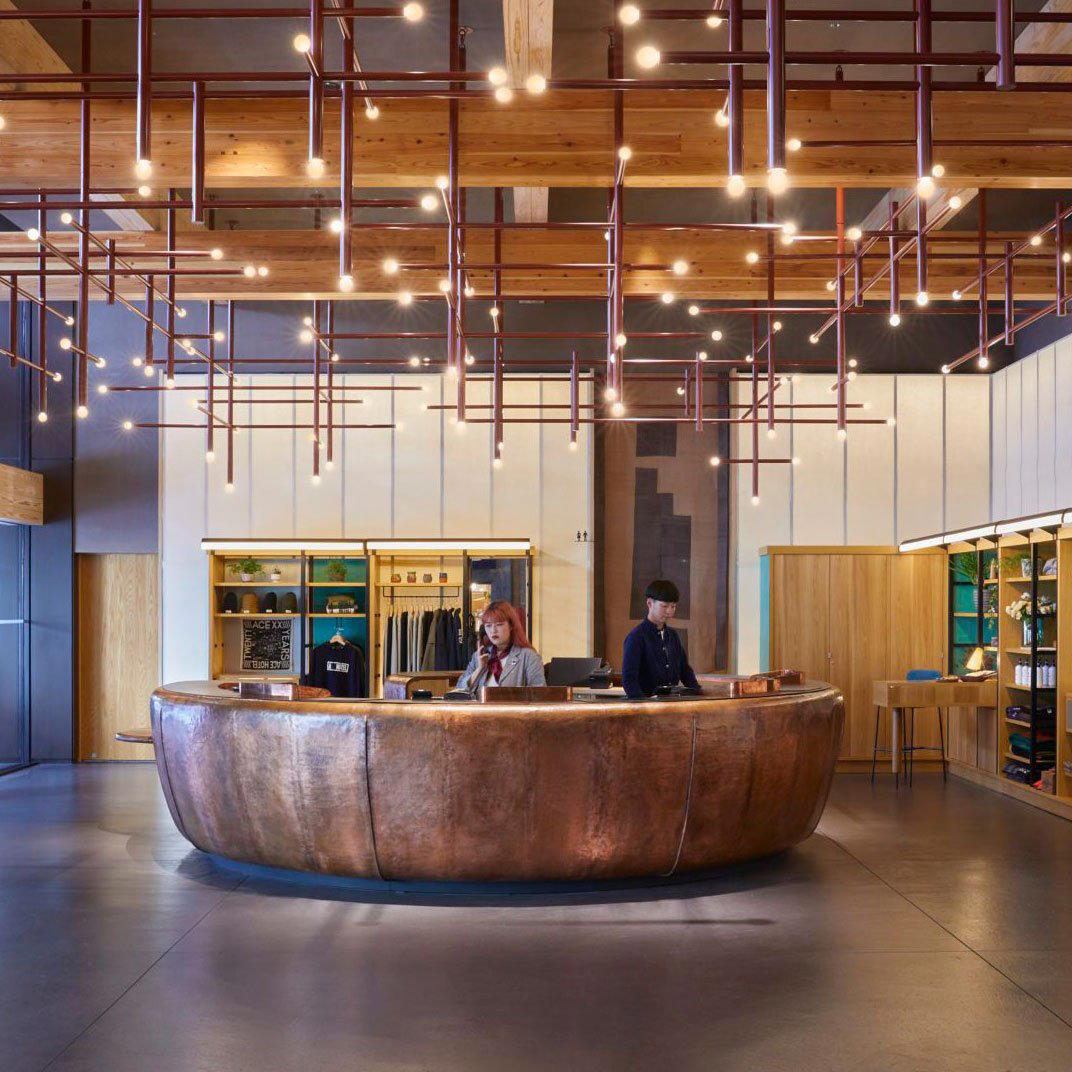
The city’s design-led cohort also competes with less formal, culturally dense places. Ace Hotel Kyoto uses a different language, more social, contemporary and urban, with an audience that values creative energy over ceremonial calm. Dusit Thani Kyoto reflects the international-brand expansion into Kyoto’s luxury market. Fufu Kyoto sits closer to the small-scale Japanese retreat pattern. These are not interchangeable choices, even when nightly rates overlap. The real decision is whether the traveller wants Kyoto as civic base, garden retreat, ryokan-inflected stay, design object or full-service international hotel.
That distinction is useful because unverified superlatives do not help in Kyoto. The trust signal here is contextual rather than award-based: Kyoto itself is a mature luxury-hospitality market with a dense peer group, and a Regent opening would be judged against properties with established design narratives and high operating expectations.
Food, Bars and the City Around the Room
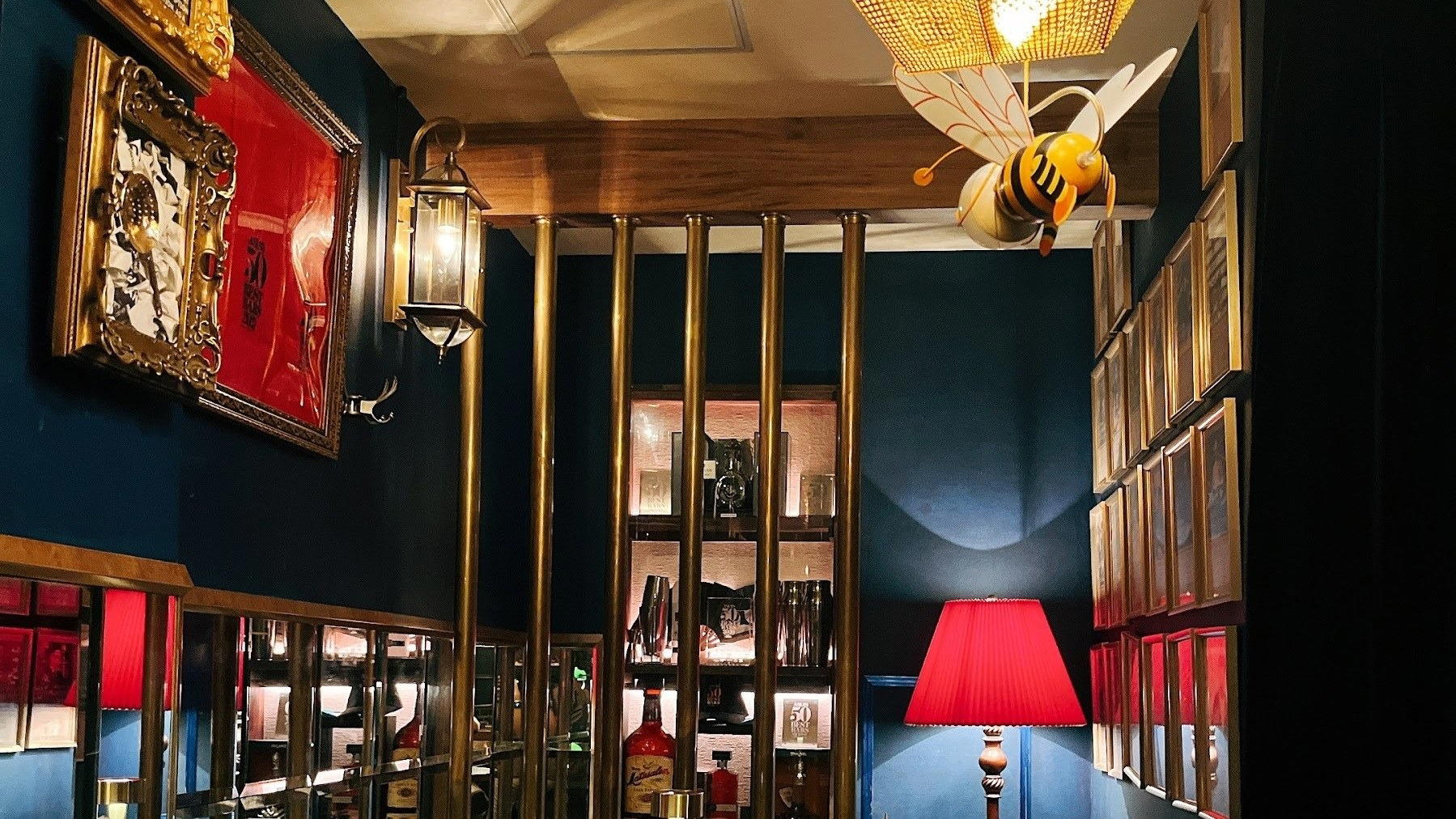
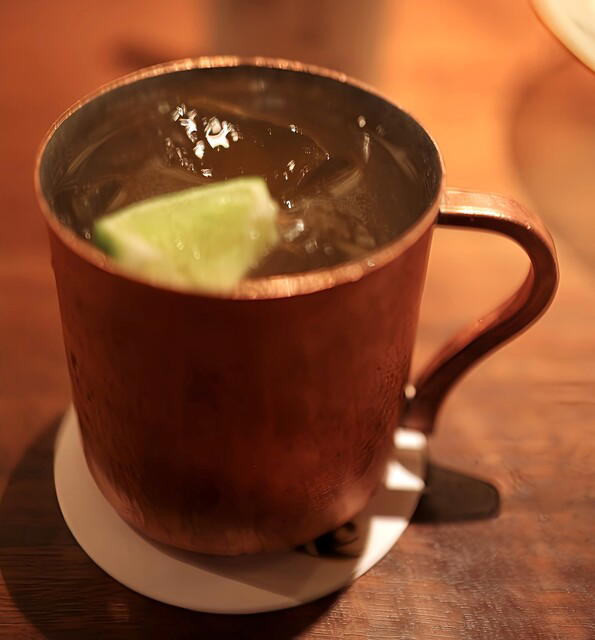
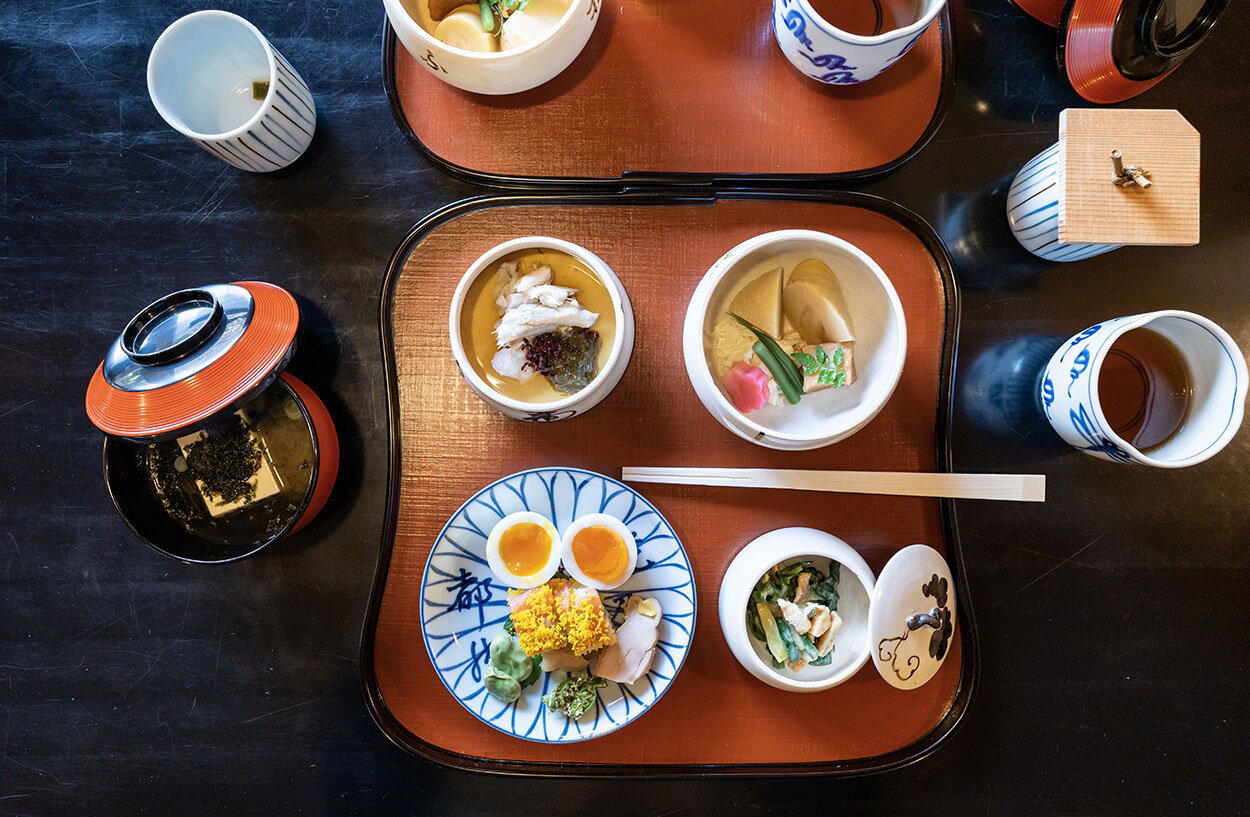
Kyoto dining should shape hotel choice as much as the room. The city’s table culture stretches from kaiseki and temple-influenced vegetarian cooking to counter sushi, wagashi, coffee, craft cocktail bars and neighbourhood izakaya. A hotel with a strong restaurant can anchor a stay, but Kyoto rewards movement: breakfast near the river, tea after a temple visit, a counter dinner planned weeks ahead, then a small bar that makes sense only after dark.
For planning around the hotel, use the broader city guides as the working map. Our full Kyoto restaurants guide is the more useful companion for dinner strategy, especially because hotel restaurants are only one part of Kyoto’s culinary structure. Our full Kyoto bars guide helps separate destination cocktail rooms from quieter local drinking addresses. Our full Kyoto experiences guide is relevant for tea, craft, temple and cultural formats, where timing and group size often matter. Our full Kyoto wineries guide covers the wine-adjacent side of the city and surrounding region where available. For a wider accommodation scan, Our full Kyoto hotels guide keeps the hotel decision inside the city’s full range rather than isolating a single address.
Planning Notes Before Dates Are Committed
Kyoto is a seasonal city in practical terms, not just poetic ones. Spring cherry blossom weeks and autumn foliage periods compress availability across the luxury tier, while temple districts and east-side routes become slower and more crowded. Summer brings humidity and festival demand around Gion Matsuri in July. Winter can be calmer and visually strong, particularly for travellers who care about gardens, tea rooms and architectural quiet rather than blue-sky sightseeing.
The address gap is especially significant. In Kyoto, a hotel ten minutes closer to a station, temple district or dining cluster can change the feel of a stay. Taxi access, luggage handling, morning temple walks and late-night returns all depend on neighbourhood. Travellers deciding between this hotel and more established Japanese stays elsewhere should also think about trip architecture: Sekitei in Hatsukaichi-shi pairs ryokan calm with a Hiroshima-region itinerary, Benesse House in Naoshima makes architecture and art the trip’s organizing principle, while European grand-hotel comparables such as The Fifth Avenue Hotel in New York City, Hôtel de Paris Monte-Carlo in Monte Carlo and Badrutt's Palace Hotel in St. Moritz show a different kind of heritage hospitality: public rooms, social theatre and destination glamour. Kyoto asks for quieter calibration.
Comparable Venues Nearby
Comparable venues nearby, for context on price, style, and recognition.
| Venue | Cuisine | Price | Awards | Notes |
|---|---|---|---|---|
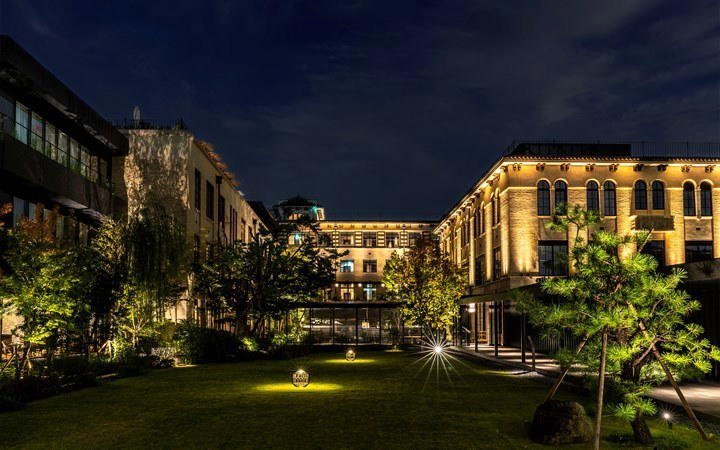
| Regent KyotoThis venue — the venue you are viewing | An upper-luxury urban retreat that integrates a historic Kyoto garden and century-old ryotei into a small-scale, heritage-rich estate in the Okazaki cultural district. | Not listed | Not listed | Not listed |
| Hotel Kanra Kyoto | Modern machiya-style luxury boutique replicating traditional Kyoto townhouses | Not listed | Michelin Selected | Shimogyō |
| Hoshinoya Kyoto | Modernized traditional ryokan resembling an exclusive gated village with standalone pavilions. | $750–1,000 | 1 Michelin Key · Tatler Listed in Best Hotels Asia-Pacific | Nishikyō |
| Tamao | Intimate Japanese-style house converted into a modern boutique hotel. | Not listed | Michelin Selected | Shimogyō |
| Nanzenji sando Kikusui | Culinary inn combining ryokan tradition with modern refinement | Not listed | Michelin Selected | Sakyo Ward |
| Tradimo Kyoto Gojo | contemporary timeshare resort blending local tradition with modern comfort | Not listed | Not listed | Shimogyō |
Details
- Elegant
- Scenic
- Quiet
- Sophisticated
- Modern
- Classic
- Honeymoon
- Romantic Getaway
- Anniversary
- Weekend Escape
- Celebration
- Destination Wedding
- Garden
- Historic Building
- Design Destination
- Private Dining
- Concierge
- Garden
- Mountain
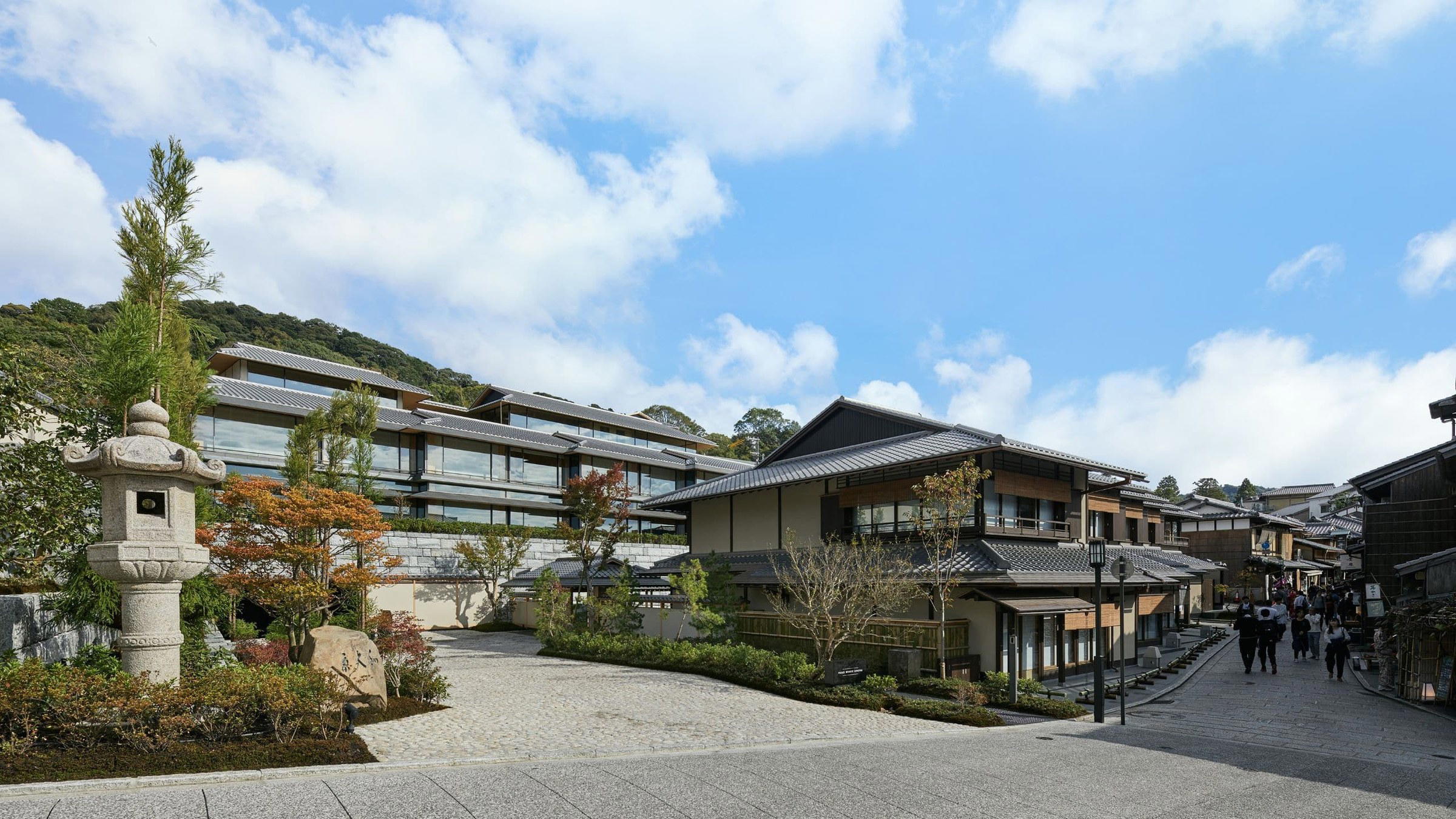
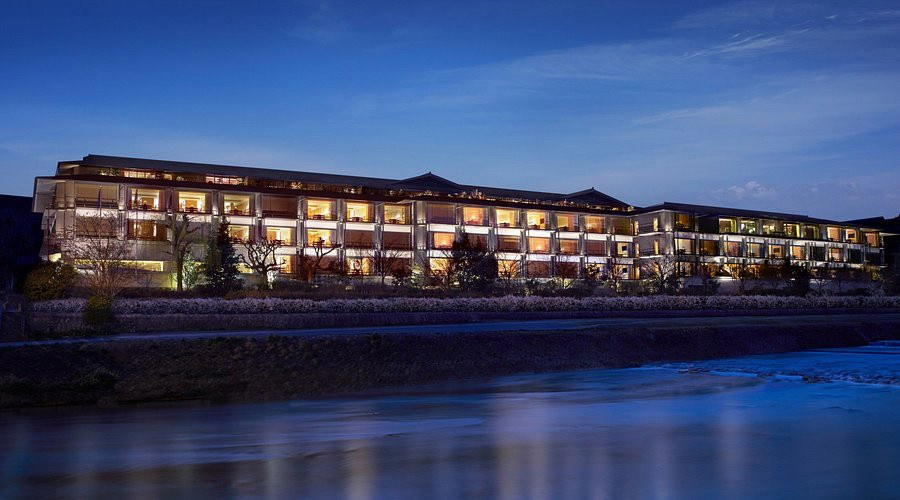
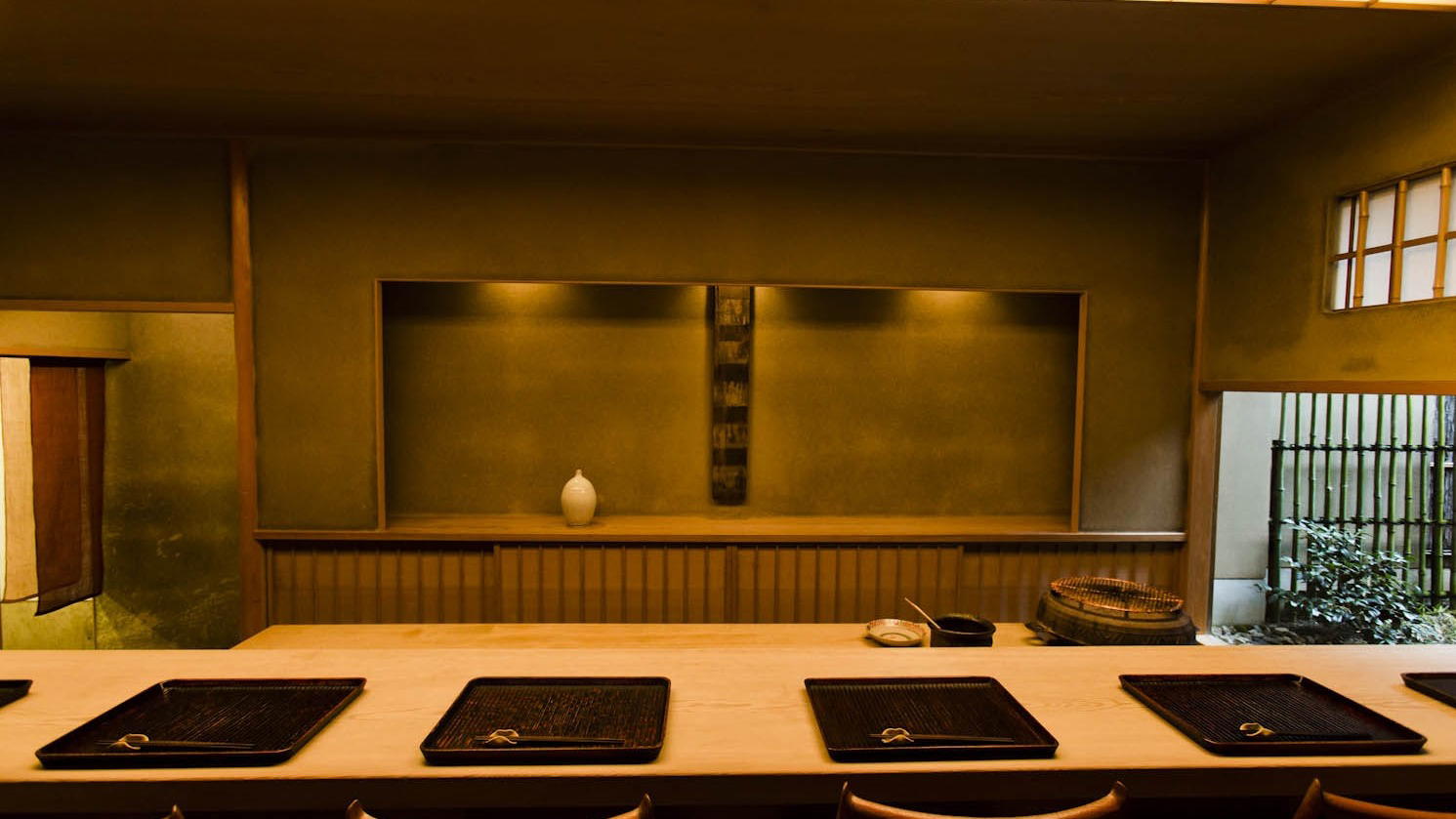
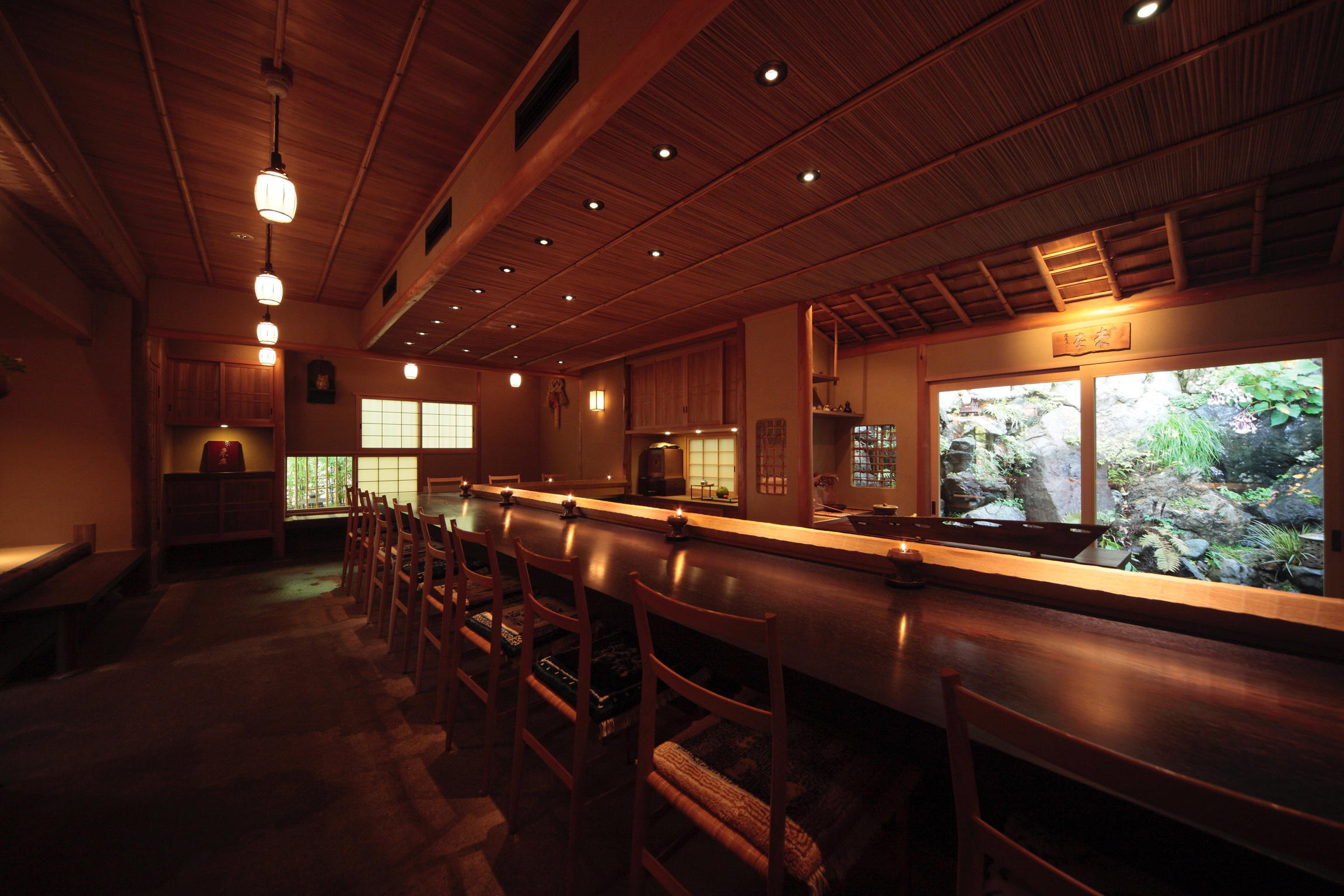
Planned as a serene, upper-luxury retreat where understated grandeur, traditional Japanese garden views, and contemporary design create a calm, contemplative atmosphere rooted in Kyoto’s cultural heritage.