Tradimo Kyoto Gojo sits within the Citadines apart-hotel complex in Shimogyo Ward, placing guests within walking distance of Gojo-dori's quieter stretch of the old city. For travellers seeking a base that sidesteps central Kyoto's tourist concentration without sacrificing urban access, the Gojo address offers a considered alternative to the more prominent hotel corridors near Shijo or Higashiyama.

Pearl is the En Primeur Club membership app — saves, bookings, and concierge access live there. Same editors, same standards.
- Address
- Japan, 〒600-8105 Kyoto, Shimogyo Ward, Matsuyacho, 430-1 シタディーン京都烏丸五条
- Directions
- Get directions
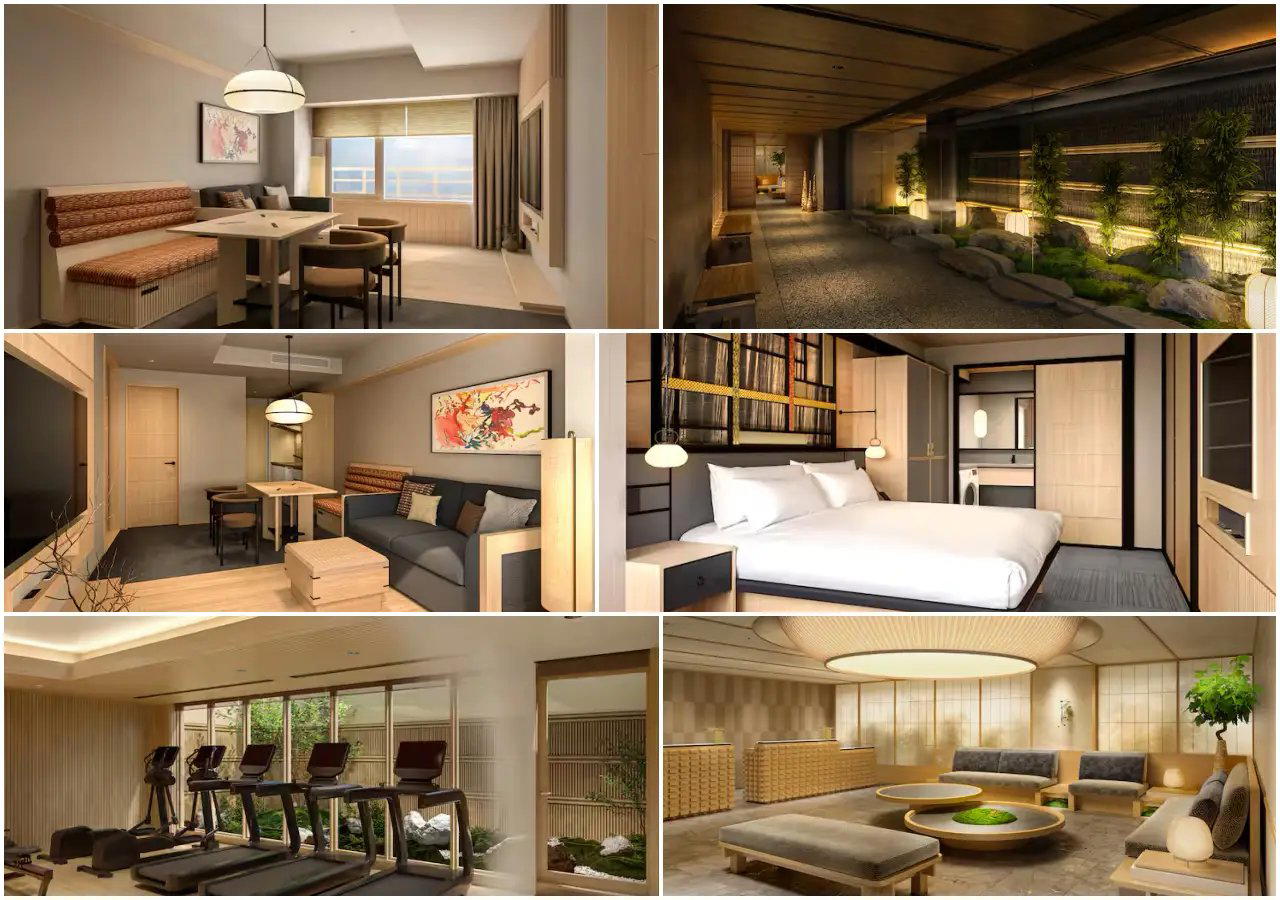
Shimogyo Ward and the Logic of the Gojo Address
Kyoto's accommodation market has sorted itself into a familiar pattern: high-visibility properties cluster along Shijo-dori and in the Higashiyama foothills, while a quieter tier of addresses occupies the wards south of Nijo and north of Toji. Shimogyo Ward sits in that in-between band, close enough to central sights to be practical, far enough from the Gion tourist axis to feel like a different city in the early morning and late evening. Tradimo Kyoto Gojo, operating within the Citadines Kyoto Karasuma Gojo complex at Matsuyacho 430-1, lands squarely in that secondary tier — not a destination address in the conventional luxury sense, but a considered logistical choice for travellers who prefer proximity to the Karasuma subway corridor over proximity to temple queues.
The Gojo-dori stretch between Karasuma and Horikawa has undergone gradual commercial thickening over the past decade, with specialty coffee roasters, craft sake retailers, and design-led small hotels replacing the older residential and light-industrial mix. The area's character is still shaped by working Kyoto rather than tourist Kyoto, which makes it attractive to a specific type of visitor: one who wants the city's cultural density without constant sensory management. For those guests, the Shimogyo address functions as both a practical base and a mild editorial statement about how they prefer to experience the city.
The Ritual of Arrival: What the Gojo Neighbourhood Sets Up
In Kyoto, the experience of a stay is partly determined by what greets you outside the door. Properties near Higashiyama face the pressure of constant foot traffic and the compressed seasonal surges that come with cherry blossom and autumn foliage. The Gojo address sidesteps that pressure almost entirely. Karasuma Oike and Gojo subway stations sit within comfortable walking range, giving guests clean access to the Karasuma Line north toward Shijo and Kyoto Station south — a corridor that functions as the city's practical spine. The ability to drop into Nishiki Market, Fushimi Inari, or Arashiyama and return to a quieter residential block at the end of the day is not a trivial advantage during Kyoto's peak seasons, when the main tourist corridors become genuinely difficult to move through after mid-morning.
Kyoto's shoulder seasons, late November through the first week of December for autumn foliage, and the ten days either side of the Hanami peak in late March or early April, are when the city's neighbourhood character matters most. Crowds compress into the most photographed corridors, leaving areas like Shimogyo with a disproportionate share of the city's actual daily life. Travellers staying in this ward during those windows get a version of Kyoto that the Higashiyama hotel clusters simply cannot replicate: the city operating on its own rhythms rather than on tourist schedules.
Dining in Shimogyo: The Broader Scene
The dining tradition that defines Shimogyo Ward is less about destination restaurants and more about the density of mid-register neighbourhood options that serve the area's mixed residential and commercial population. Kyoto cuisine broadly divides between the formal kaiseki tradition, multi-course meal structures governed by seasonal ingredients, precise pacing, and centuries of codified etiquette, and the more accessible kappou and obanzai formats that have always fed the city's working population. Shimogyo leans toward the latter. The ward's proximity to Nishiki Market, Kyoto's most concentrated produce and preserved-food corridor, gives the local dining scene strong raw-material access without the price premiums that attach to restaurant addresses in Gion or Kawaramachi.
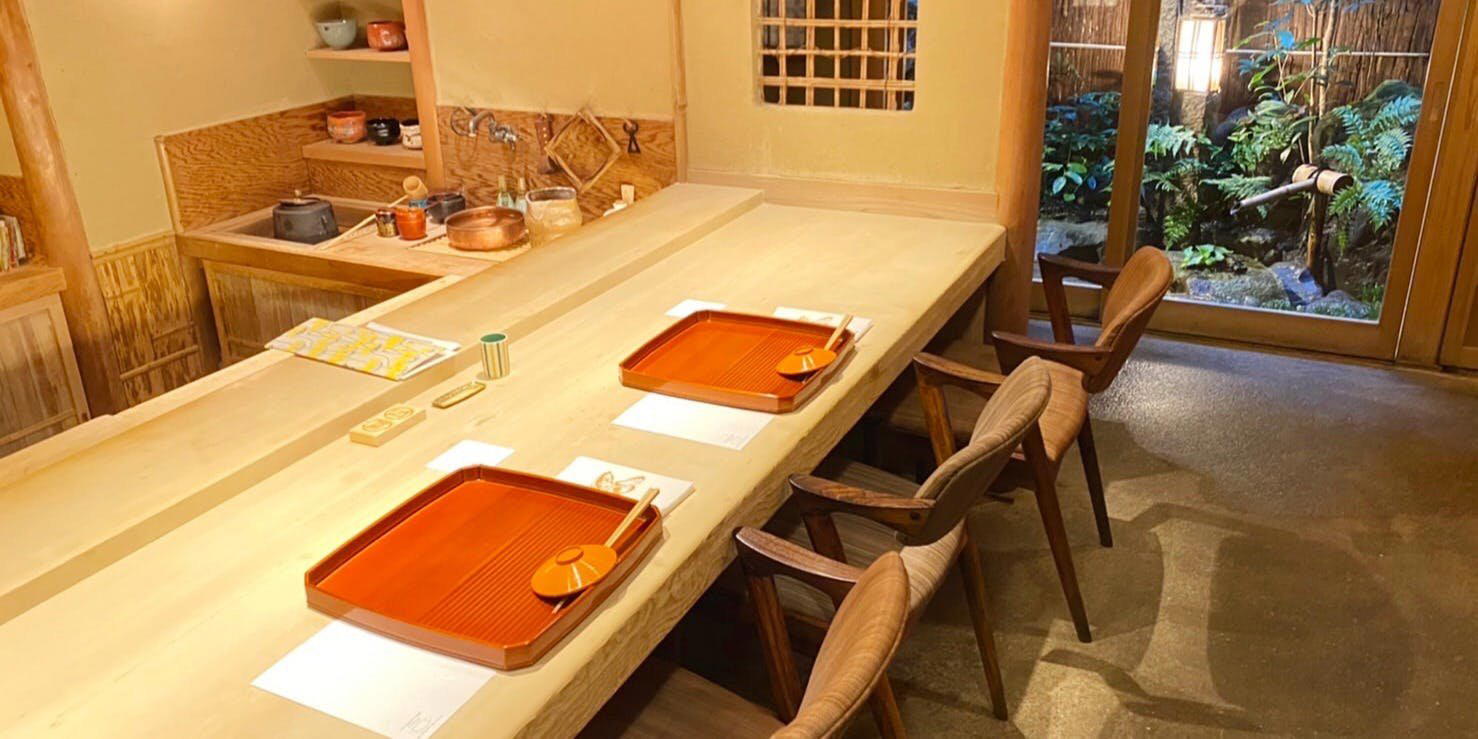
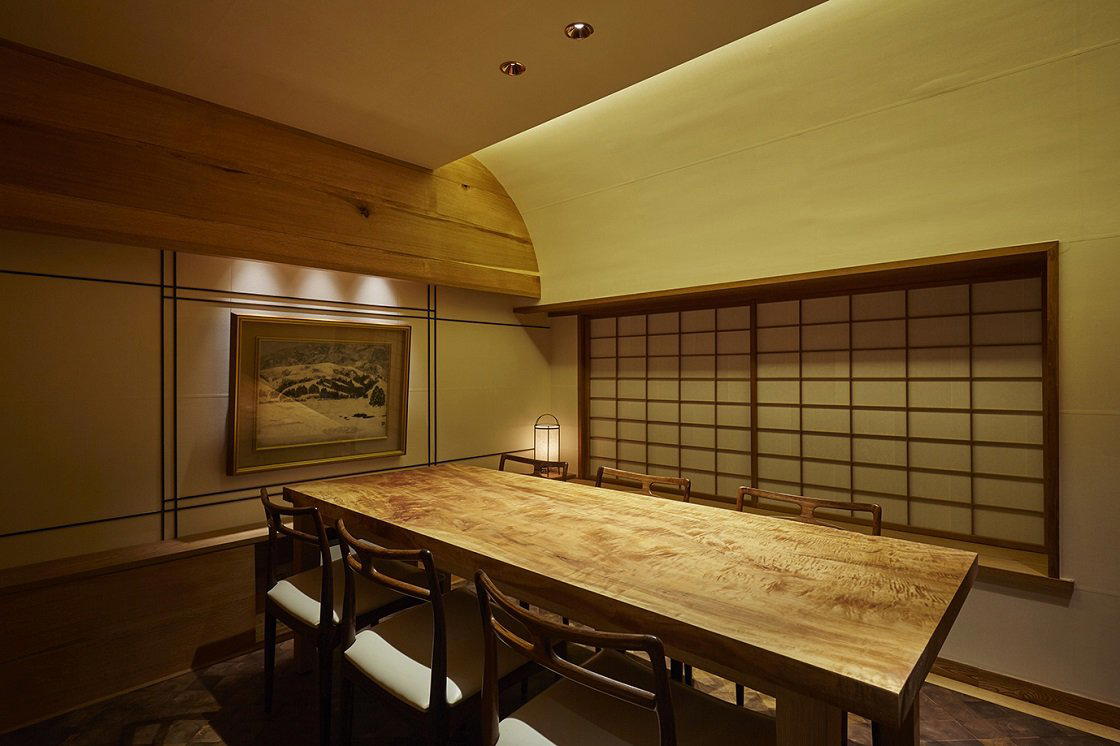
For guests approaching Kyoto's dining culture for the first time, the Gojo neighbourhood provides a useful orientation. The meal rituals that govern Japanese dining, the sequencing of small dishes, the role of seasonal ingredients as a communication between kitchen and guest, the etiquette of the counter versus the private room, are more accessible at the neighbourhood level than in a formal kaiseki room where the conventions can feel opaque. Starting with the area's kappou and izakaya options before attempting a reservation at one of Kyoto's more structured establishments is a pragmatic sequence that many first-time visitors underestimate.
How Tradimo Sits Against Kyoto's Hotel Tier
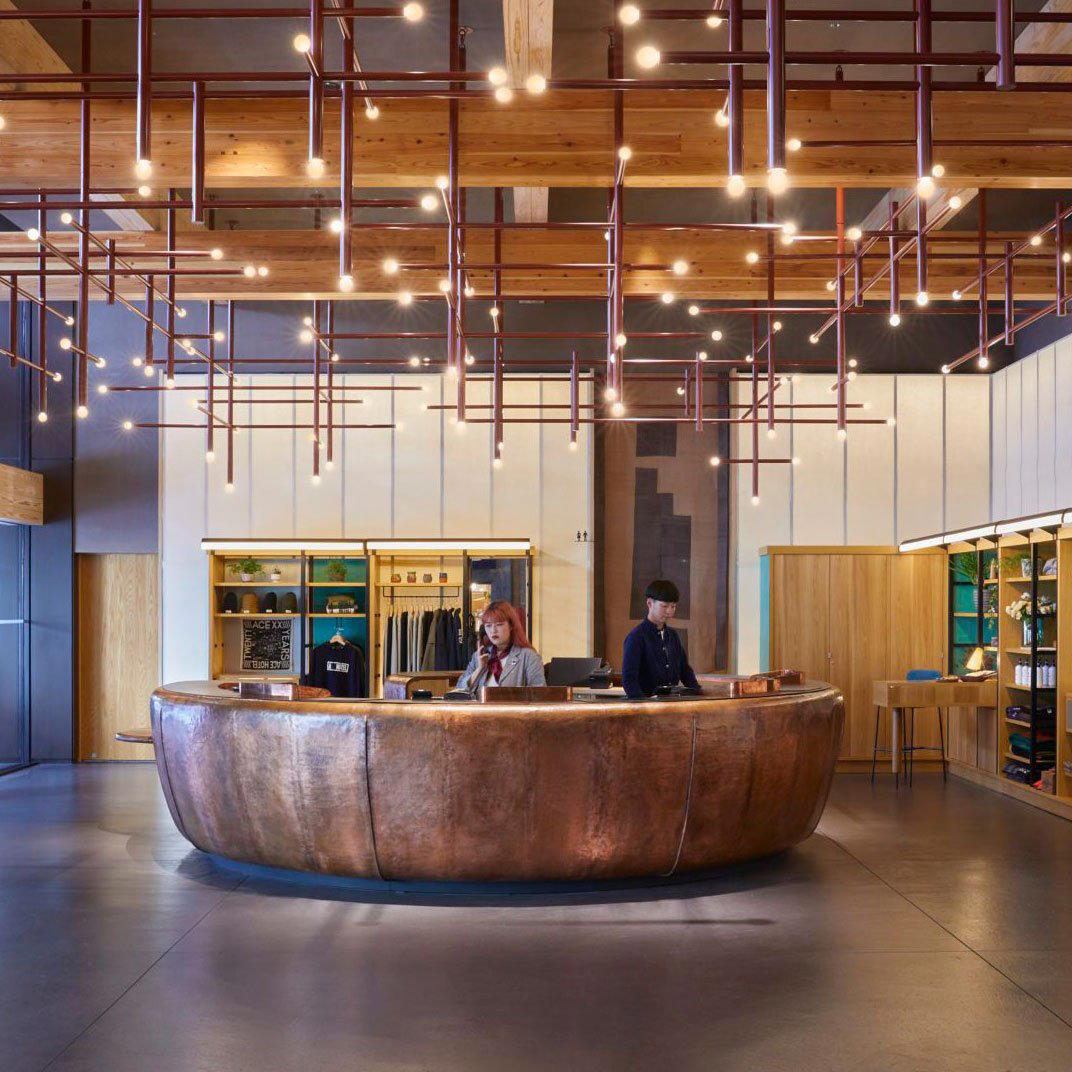
Kyoto's premium hotel market has deepened considerably since the early 2010s, with internationally branded full-service properties entering across multiple price points. HOTEL THE MITSUI KYOTO and Aman Kyoto define the upper end of the market, both in price and in design ambition. Properties like Park Hyatt Kyoto and Four Seasons Hotel Kyoto occupy a full-service luxury tier with the corresponding rate structures. SOWAKA and The Shinmonzen represent the smaller, design-led boutique bracket. Ace Hotel Kyoto, which occupies the Shinpuh-kan building on Karasuma-dori, sits closest to Tradimo in neighbourhood terms and in its positioning toward a younger, design-aware guest rather than a conventional luxury traveller.
Tradimo Kyoto Gojo, operating within the Citadines branded-apartment model, targets a different need: guests who want a self-contained space with apartment-style flexibility rather than the amenity stack of a full-service hotel. That positioning is neither superior nor inferior to its peers, it responds to a specific kind of Kyoto trip, one organized around independent exploration rather than curated hotel programming. For guests comparing across Kyoto's broader accommodation range, our full Kyoto restaurants guide covers the city's dining options across all neighbourhoods and price points.
Beyond Kyoto, travellers building a wider Japan itinerary have strong regional options at various scales. Amanemu in Mie and Gora Kadan in Hakone represent the onsen-ryokan tradition at its most controlled. Zaborin in Kutchan takes a design-led approach to the Hokkaido setting. Benesse House in Naoshima integrates accommodation with contemporary art at a scale no urban hotel can match. Asaba in Izu and Nishimuraya Honkan in Kinosaki-cho are among the more historically grounded ryokan options outside Kyoto. Dusit Thani Kyoto extends the Kyoto options for guests who want international brand infrastructure alongside a Japanese address.
Planning Your Stay
The Gojo location is leading approached via Kyoto Station, which sits one stop south on the Karasuma subway line, a transit connection that makes airport access from Kansai International or Osaka Itami substantially simpler than navigating from properties further north. The Karasuma-Gojo intersection is a practical hub: convenience retail, local cafes, and transit connections cluster within a short radius. Guests arriving during the autumn foliage window (typically mid-November through early December) or the cherry blossom season (late March through mid-April) should confirm bookings well in advance, as the entire city's accommodation inventory tightens significantly during those weeks. Outside peak season, Shimogyo Ward operates at a lower occupancy pressure than the Higashiyama or Gion corridors, which makes late autumn after the foliage peak and the quieter winter months (January through February) the most relaxed times to use the neighbourhood as a base.
Peers Worth Knowing
| Venue | Cuisine | Price | Awards |
|---|---|---|---|
| Tradimo Kyoto GojoThis venue — the venue you are viewing | This venue | Not listed | Not listed |
| Aman Kyoto | Not listed | Not listed | 2 Michelin Keys · World's 50 Best #74 |
| Park Hyatt Kyoto | Not listed | $500–750 | 1 Michelin Key · World's 50 Best #37 |
| Ace Hotel Kyoto | Not listed | $200–300 | 1 Michelin Key · Mr & Mrs Smith Seal of Approval |
| Four Seasons Hotel Kyoto | Not listed | $1,000–1,500 | 1 Michelin Key · La Liste Top Hotels |
| Six Senses Kyoto | Not listed | $1,000–1,500 | 1 Michelin Key · Mr & Mrs Smith Seal of Approval |
Continue exploring
More in Kyoto
Hotels in Kyoto
Browse all →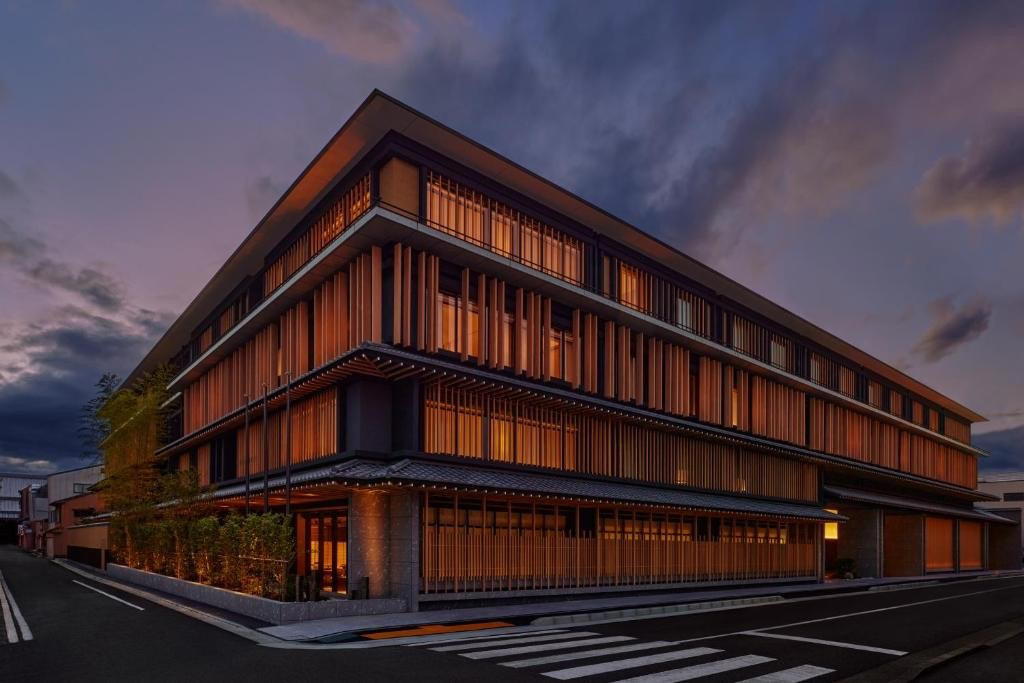
Bars in Kyoto
Browse all →
Restaurants in Kyoto
Browse all →
Wineries in Kyoto
Browse all →
Details
- Modern
- Cozy
- Weekend Escape
- Historic Building
- Wi Fi
- Fitness Center
- Street Scene
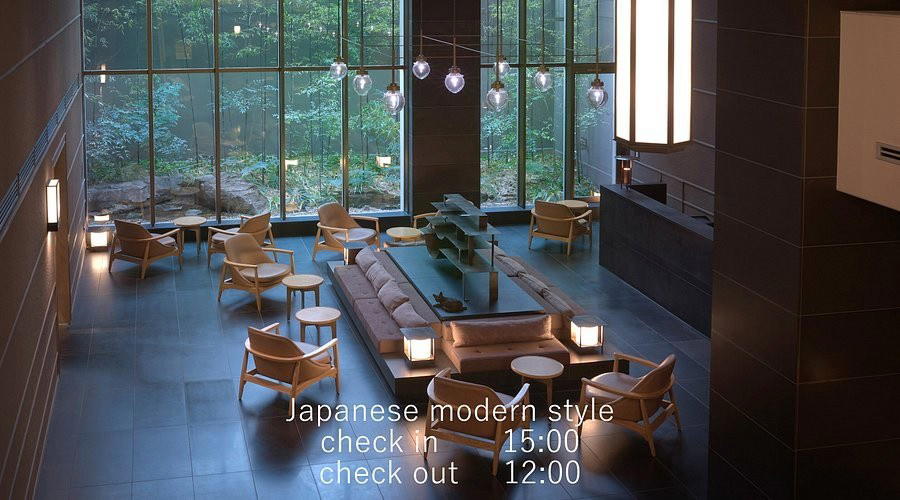
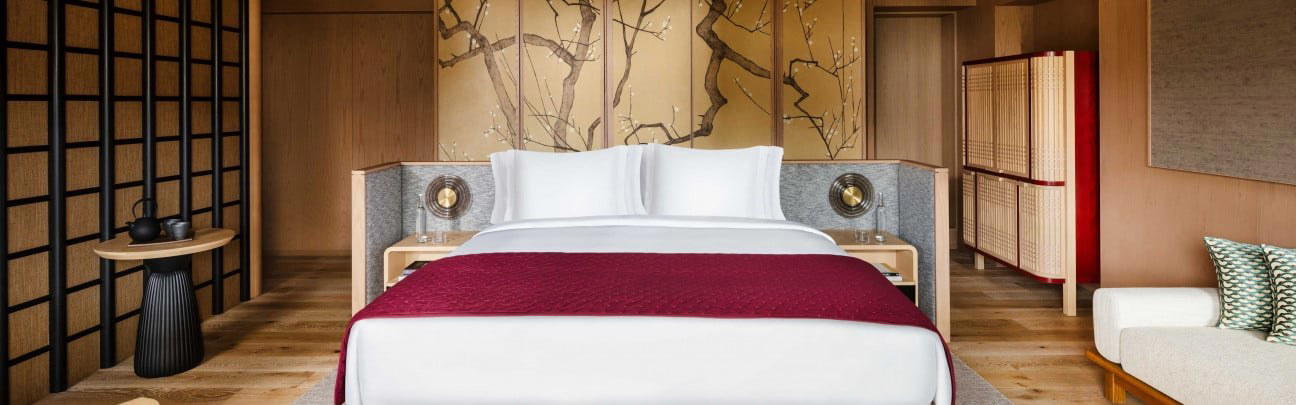
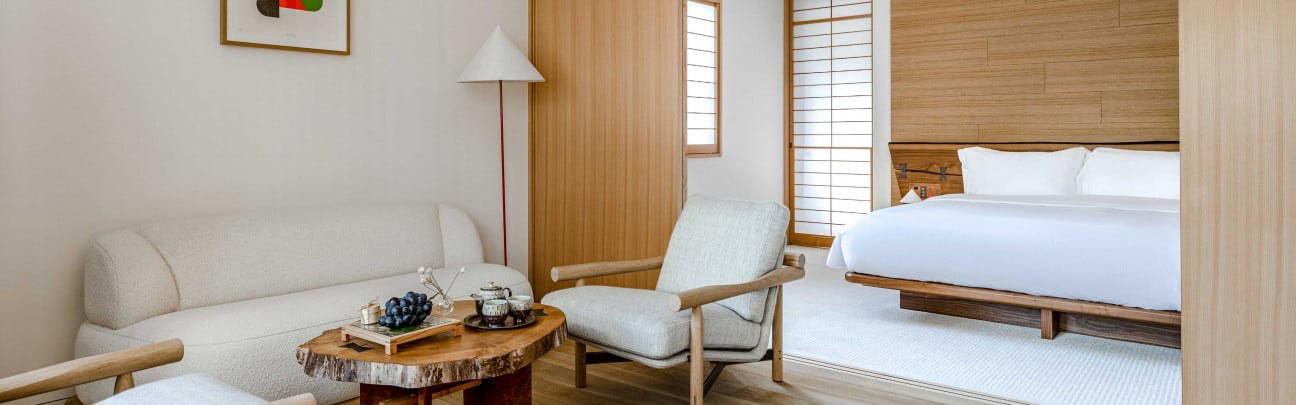
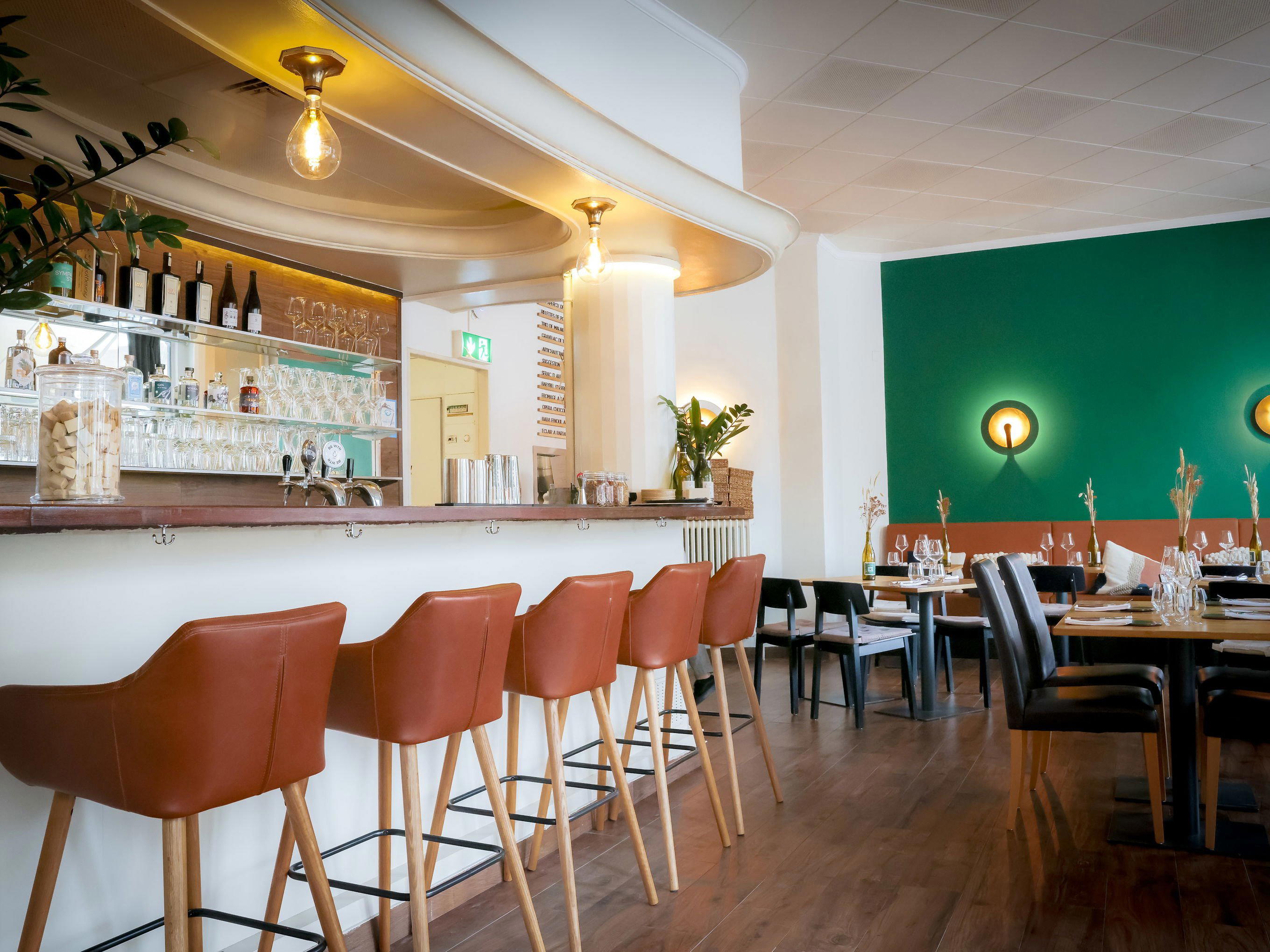
Stylish and modern atmosphere reflecting local Kyoto character in cozy, elegant suites.