

Tabelog Silver #149
Our verdict
Tsushimi sits in Tokyo’s premium Chinese dining conversation, where seafood handling, private-room formality and tasting-led service often define the upper tier. Its Nishiazabu address places it near a district accustomed to late, expensive dining, while recognition from Opinionated About Dining in 2026 gives the listing a concrete external signal rather than mere neighbourhood reputation.

Pearl is the En Primeur Club membership app, where members save venues, book tables and use the concierge.
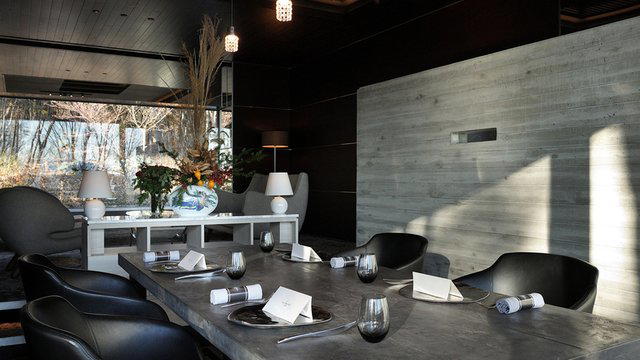
Approaching Nishiazabu at dinner hour, Tokyo’s restaurant geography shifts. The streets are quieter than Ginza, less theatrical than Shibuya, and built for diners who already know their destination. Here, Chinese dining occupies a particular niche: less visible to inbound travellers than sushi or kaiseki, yet deeply embedded in the city’s high-spend restaurant culture. Tsushimi belongs in that conversation, not as a broad Cantonese banquet hall, but as a small-format address defined by control, pacing and product discipline.
The keyword “tsu shi mi” often catches searchers still unsure of the category. In Tokyo, that ambiguity matters. The city’s premium Chinese scene runs from grand hotel dining rooms to chef-led counters and compact rooms where seafood, soup work, dried goods and heat control carry the meal. Tsushimi is listed as Chinese, with Kiyohiko Inoue attached as chef, and its Nishiazabu location places it closer to the city’s intimate destination-dining tier than to everyday neighbourhood Chinese food.
Nishiazabu Chinese dining is judged by restraint, not spectacle
Tokyo has absorbed Chinese cuisine through several registers: Cantonese banquet traditions, Sichuan spice, Shanghai-inflected luxury, medicinal soup culture and Japan’s own chuka lineage. At the expensive end, the dining room often grows quieter as the tariff rises. The performance is not loud plating; it is sourcing, texture, timing and a kitchen’s handling of ingredients that punish imprecision.
The seafood-tank idea remains a useful frame, even when a specific tank is not the point. In serious Chinese restaurants across East Asia, live selection signals freshness, status and price elasticity. Fish, crustaceans and shellfish can move by market weight rather than fixed menu logic, and the diner pays for speed between selection, kill, wok, steam or stock. Tokyo adds Japanese expectations around seasonality and product condition, making sloppy luxury visible. A high-end Chinese room here cannot rely on abundance alone.
That is why Tsushimi’s category is more interesting than a simple cuisine label. Chinese restaurants in Tokyo’s upper bracket compete not only with each other, but with sushi counters, kappo rooms and French-Japanese tasting menus for the same evening, wallet and appetite for precision. Comparison venues such as Kyuu, 4000 Chinese Restaurant, NISHIAZABU SHANGU, Chugoku Hanten Roppongi and Nogizaka yui show the category’s range: some diners seek spice and heat, others banquet polish, others chef-led minimalism. Tsushimi sits inside that spread, where the question is not whether the cooking is Chinese, but which version of Tokyo Chinese it defends.
External recognition helps separate signal from noise. Opinionated About Dining listed Tsushimi as Recommended in its 2026 Japan restaurant coverage, a useful marker in a city where small rooms can be intensely discussed without becoming broadly legible to visitors. Recognition does not replace critical judgement, but it places the restaurant in a documented field of destination dining rather than casual discovery.
The useful comparison is with Tokyo's serious Chinese rooms
For readers mapping the category, the practical comparison is not ramen, izakaya or hotel buffet dining. It is restaurants where Chinese technique is filtered through Tokyo’s discipline around timing and restraint. 4000 Chinese Restaurant is a useful adjacent reference for contemporary Chinese ambition in Tokyo, while Canton Meisai Akasaka Rikyu points to the city’s established Cantonese register. Chugoku Hanten Fureika gives another view of polished Chinese dining in the capital, and Choyo rounds out the field for diners comparing formats rather than chasing one name.
Nishiazabu also changes the decision. The area rewards planned evenings: restaurants often function as destinations rather than walk-in options, and the surrounding dining culture skews adult, late and expensive. That does not make every room formal in the same way. It means diners should expect seriousness in pacing and spend, especially when cuisine depends on procurement and kitchen timing rather than volume service.
The stronger read on Tsushimi is editorial rather than promotional: it is part of Tokyo’s smaller high-end Chinese conversation, a category still under-discussed by visitors who default to sushi, tempura and kaiseki. For travellers building a Tokyo itinerary, that makes it a useful counterweight. The meal can show another side of Japanese luxury dining, where Chinese technique meets Tokyo’s insistence on control.
How to place it in a Tokyo itinerary
A smart Tokyo restaurant plan should not treat Chinese dining as a secondary night. The city’s Chinese rooms can carry the same seriousness as its sushi counters, especially when seafood handling, soup work and precise heat are central. Diners who want the full category view can start with our full Tokyo restaurants guide, then compare the Chinese field against drinking and hotel geography through our full Tokyo bars guide and our full Tokyo hotels guide. For broader trip planning, our full Tokyo experiences guide and our full Tokyo wineries guide help place the meal within the city rather than treating dinner as an isolated booking.
There is also value in looking beyond Tokyo to understand how Japanese diners classify serious restaurants. The national conversation includes compact destination rooms, regional specialists and category outliers: -Grilled beef Sukiyaki- KAMAKURA TANUKIAN 鎌倉 たぬき庵 in Kamakura.cafe in Osaka.know in Kumamoto, (Shoku) Vietnam in Kawasaki, [Curry Senmon Ten] Maruyama Kyoju. in Sapporo, [ki:] in Kyoto, 888 Seafood, Chinese in Rosemead and Akihana, Chinese in Kyoto all show that category labels only go so far. Format, scale and intent matter more.
For a tighter Tokyo Chinese comparison, 4000 Chinese Restauranat and the more clearly listed 4000 Chinese Restaurant are worth checking side by side before deciding what kind of evening fits. Tsushimi is the Nishiazabu option in this mix: serious, compact in feel, and better suited to diners who want Chinese cuisine treated as part of Tokyo’s high-precision dining culture rather than a break from it.
Frequently asked questions
Where exactly is Tsushimi?
Tsushimi is located in Tokyo.
How would you describe the cuisine at Tsushimi?
Tsushimi serves Chinese cuisine.
When can I go to Tsushimi?
Hours at Tsushimi: Mon: 12–2 PM, 5:30–10 PM; Tue: 12–2 PM, 5:30–10 PM; Wed: 12–2 PM, 5:30–10 PM; Thu: 12–2 PM, 5:30–10 PM; Fri: 12–2 PM, 5:30–10 PM; Sat: 12–2 PM, 5–7 PM; Sun: Closed.
Is Tsushimi chef-led?
The chef associated with Tsushimi is Kiyohiko Inoue.
What's the signature at Tsushimi?
No single dish is listed as a signature. The draw is the reservation-only, four-seat setting in Nishiazabu, backed by the 2026 Tabelog Silver Award and Tabelog 100 French EAST selection.
Does Tsushimi work for a family meal?
It can work for a small family meal, since the room has four seats and private use is available. The restaurant is reservation only, with lunch and dinner service Monday to Friday and a shorter Saturday schedule in Tokyo.
Cuisine Context
Comparable venues at a glance for context.
| Venue | Cuisine | Price | Awards | Notes |
|---|---|---|---|---|
| TsushimiThis venue (the venue you are viewing) | Vegetable-Focused French Fine Dining | Not listed | Tabelog Silver #149 | Not listed |
| La maison finistère | Classic French Fine Dining | $150–200 | Michelin Plate | Shibuya |
| Treis - τρεῖς | Innovative French | $100–150 | Not listed | Chūō |
| Maeshiba Ryoriten | French Charcoal-Grilled Beef | $150–200 | Michelin Plate · Tabelog 100 #42 | Setagaya |
| L’éclaireur | Wood-fired Modern French | $200–300 | Michelin Plate · Tabelog 100 #32 | Shibuya |
| Restaurant l'equateur | Innovative French Fusion | $300–500 | Tabelog Bronze #360 | Minato |
Recognition history
Dated appearances from independent guides and award organizations, with the underlying list record or original source where available.
Opinionated About Dining Top Restaurants in Japan Recommended
Opinionated About Dining
Tabelog Silver #149
Tabelog
Full recognition history (5 entries)
Opinionated About Dining Top Restaurants in Japan Ranked #538
Opinionated About Dining
Tabelog 100 #27 · No. 27
Tabelog · Tabelog 100 - French - EAST - 2025
Opinionated About Dining Top Restaurants in Japan Recommended
Opinionated About Dining
Continue exploring
More in Tokyo
Restaurants in Tokyo
All restaurants in Tokyo →









Details
- Elegant
- Intimate
- Sophisticated
- Special Occasion
- Celebration
- Open Kitchen
- Farm To Table
- Local Sourcing
- Tasting Menu
- Prix Fixe
- Vegetarian Friendly
Current opening hours
- Monday
- 12–2 PM, 5:30–10 PM
- Tuesday
- 12–2 PM, 5:30–10 PM
- Wednesday
- 12–2 PM, 5:30–10 PM
- Thursday
- 12–2 PM, 5:30–10 PM
- Friday
- 12–2 PM, 5:30–10 PM
- Saturday
- 12–2 PM, 5–7 PM
- Sunday
- Closed
Hours can change for holidays and private events. Hours as of .
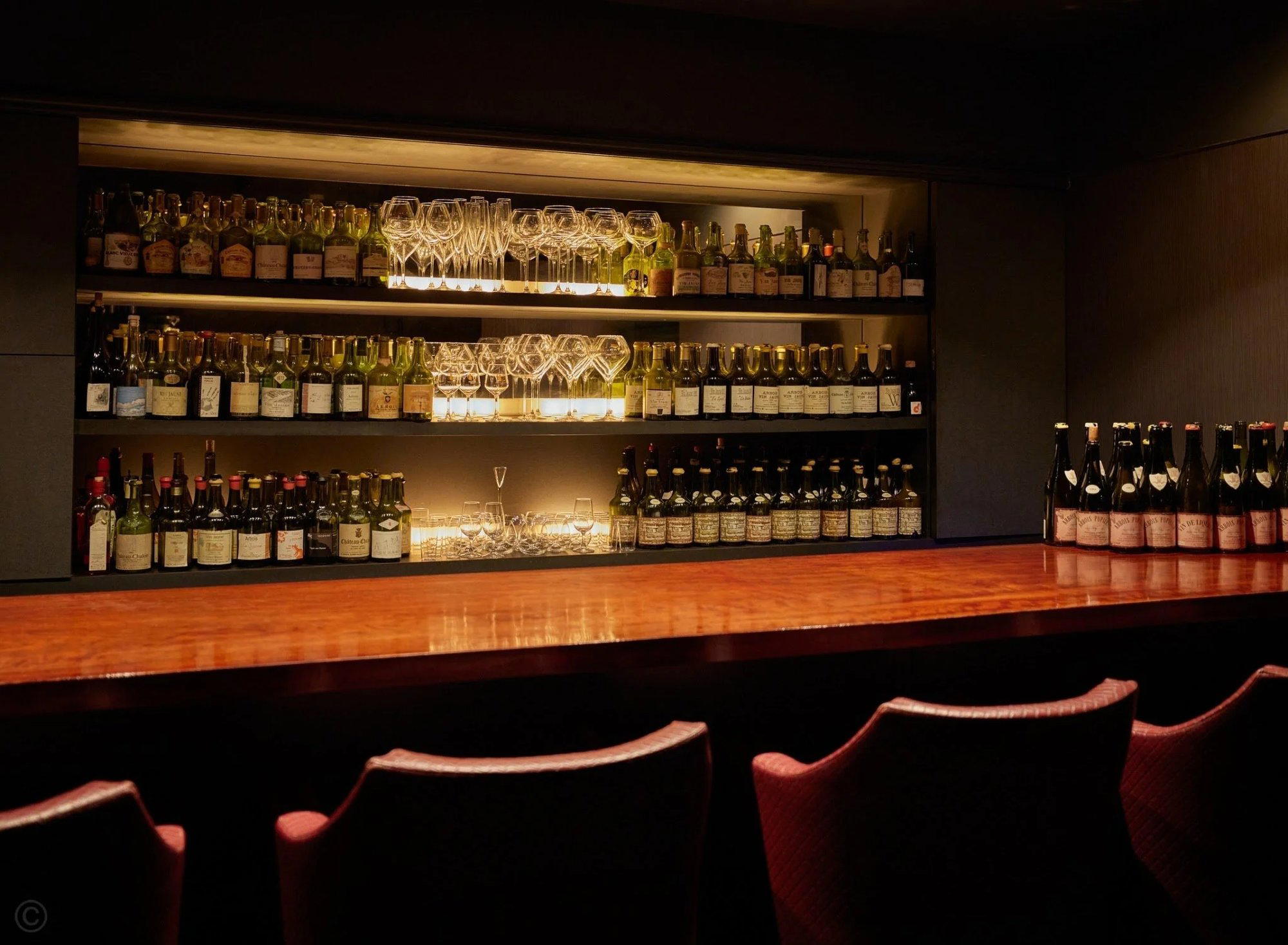
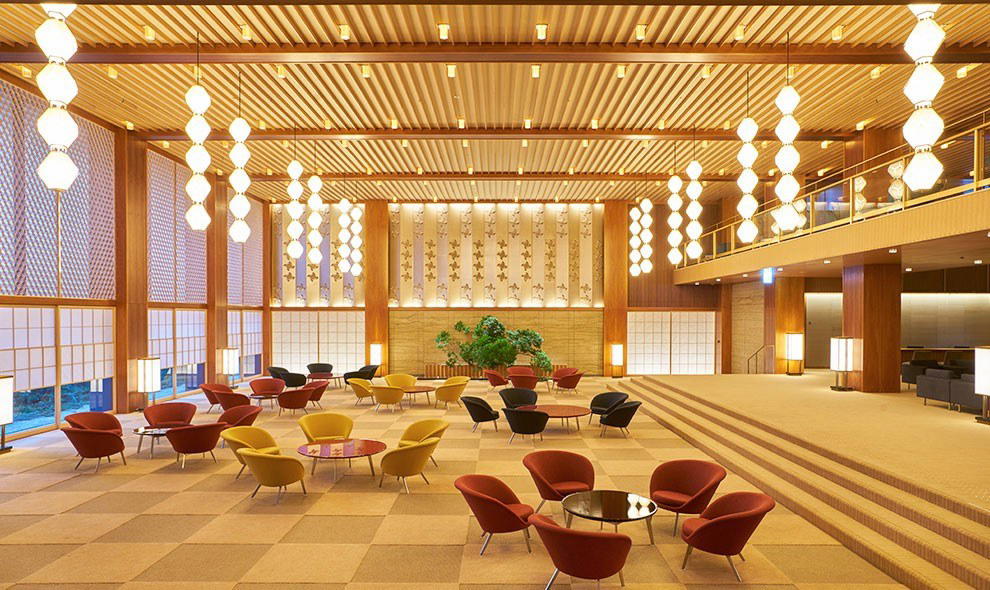
Intimate woodland setting with refined, minimalist atmosphere focused on the culinary experience rather than visual spectacle.