





Harutaka belongs to Tokyo’s high-stakes Edomae sushi tier, where the counter is less a seat than a viewing position. The appeal is the measured progression of sushi, the Ginza setting, and a recognition record that includes Michelin three stars in 2024 and 2025, a 2026 Tabelog Silver Award, La Liste scoring, and OAD Japan ranking.
 Discover on Pearl
Pearl is the En Primeur Club membership app — saves, bookings, and concierge access live there. Same editors, same standards.
- Address
- Japan, 〒104-0061 Tokyo, Chuo City, Ginza, 8 Chome−3−1 6階
- Phone
- +81 3-3573-1144
- Website
- gfs3000.gorp.jp

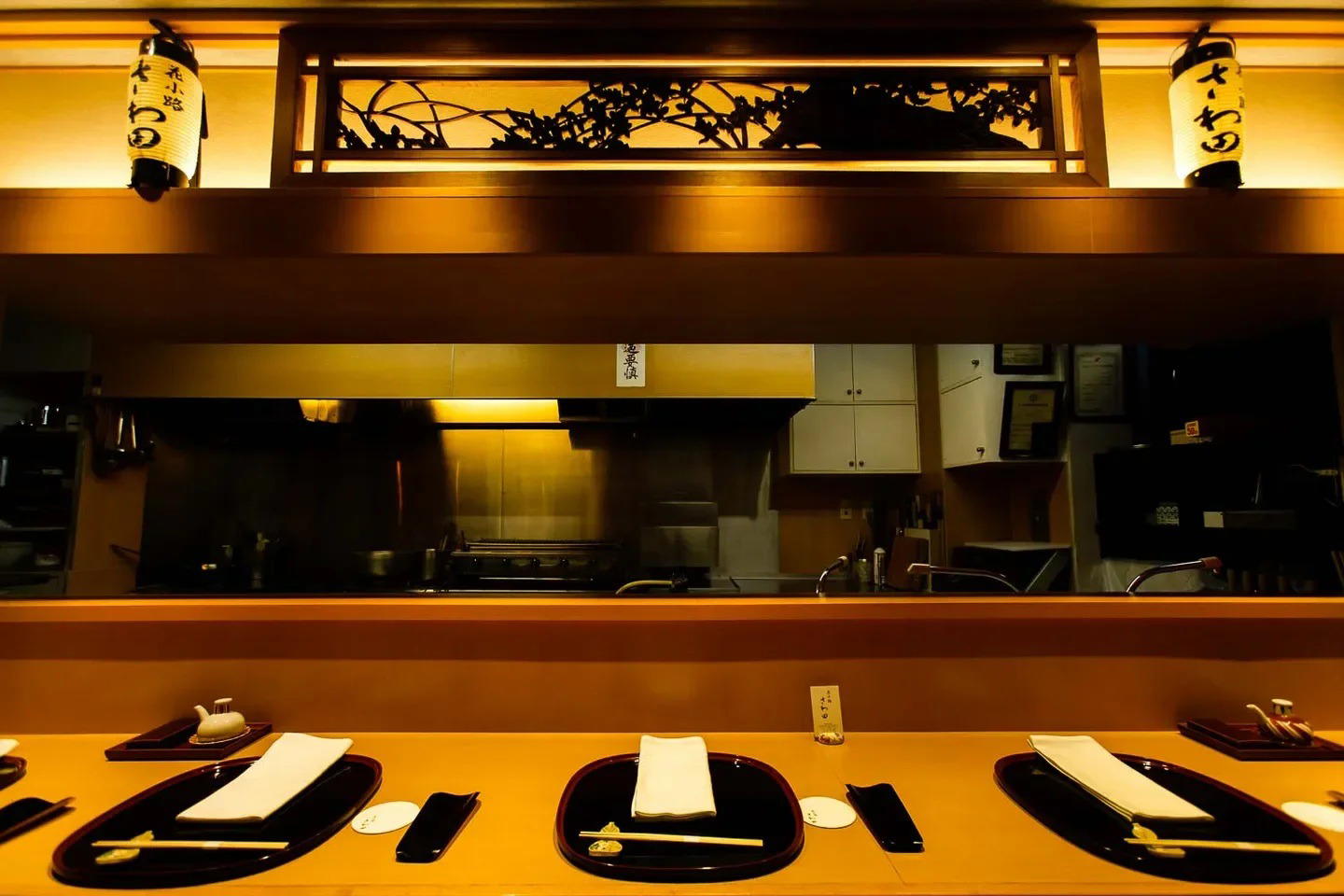
Tokyo counter dining asks for a different attention. The setting is spare by design: counter, hands, timing. At this level, decoration distracts and silence carries information. Harutaka sits inside that Tokyo grammar, where the experience is measured less by surprise than by calibration: small courses, sequence and temperature shifts that separate serious counters from luxury dining staged for visitors.
That matters because expensive dining in Tokyo is not one category. Some rooms trade on scarcity, some on lineage, some on polished international vocabulary. Harutaka belongs to the discipline-led strand. Its appeal is not explained by biography alone, but by the room’s restraint: repetition, quiet and the belief that small adjustments in preparation, serving order and temperature carry the meal.
Discipline, not theatre
Tokyo’s most serious counter restaurants are often cuisines of control rather than abundance. Their contemporary luxury form turns craft into a precise sequence, where the diner reads the meal through pace, touch and restraint. External guide coverage of Tokyo dining has often framed the city’s top-end restaurants through ceremony, format and technique, Michelin Guide1. That places Harutaka in a tradition rather than the softer language of generic fine dining.
The meal is best understood as a progression: small opening tastes first, then a sequence that moves through changing intensities, a pattern familiar across Tokyo’s disciplined counter culture, Michelin Guide2. In practice, that order is the argument. Tokyo’s serious counters need few explanations when pacing is coherent; the sequence tells the diner how acidity, fat, heat and texture are being managed.
Harutaka’s awards profile should be read with care. The restaurant is included in the 2026 Opinionated About Dining import data for Japan, and its identity match is recorded with high confidence. Other public guide material helps explain the broader context in which Tokyo restaurants are discussed, Michelin Guide3. The useful point for travellers is sustained attention from serious restaurant-watchers, not a single unsupported claim about rank or score.
The house is better described through method than through a list of luxury ingredients. The emphasis is on temperature, contact and timing, not spectacle. In Tokyo counter dining, the difference between good and serious often sits in the seconds between preparation and serving, when heat, seasoning and texture are either aligned or lost.
The apprenticeship signal in Tokyo's dining hierarchy
Tokyo’s high-end counter scene is crowded with rooms sharing the same surface features: small formats, paced menus, high spend and deep sourcing networks. The meaningful differences are usually lineage and hand. Sushi Kanesaka, Sushi Kojima, Sushi Kimura, Sushi Taichi and Sushi Kobayashi all occupy parts of the city’s dining map, but do not compete in exactly the same way. Harutaka’s place in that conversation is classical rather than theatrical, where technique is valued for continuity before personality.
That does not make the restaurant dullly conservative. The craft can be severe and expressive at once. The rhythm analogy works because elite counter dining rarely succeeds course by course alone. It succeeds when the middle of the meal has tension, stronger flavours do not arrive too early, and the supporting elements remain active partners rather than neutral background.
The premium tier changes the decision. At this level, the question is not whether dining is expensive in Tokyo; it is what kind of expensive the diner wants. Harutaka is for travellers who care about disciplined grammar, not diners seeking theatrical counter work or a broad tour of the city’s dining scene. The focused format keeps the experience concentrated, where attention is part of the value proposition.
Tokyo’s premium dining range also runs beyond this style, from contemporary tasting menus to French-influenced bistros and old-school Western-style rooms. For that spread, the city guide is a better planning tool than a single counter comparison: Our full Tokyo restaurants guide gives the broader frame, while Our full Tokyo hotels guide, Our full Tokyo bars guide, Our full Tokyo wineries guide and Our full Tokyo experiences guide help build the rest of the trip around it.
How to read the room before committing
The right diner for Harutaka is not chasing novelty. The appeal lies in how a disciplined counter makes repetition legible: opening course to main sequence, lighter to stronger, touch to timing. Biography can matter in this world because apprenticeship is one way discipline travels, but the larger point is Tokyo’s craft tradition, where personal style is earned through years of correction before becoming visible.
For comparison within the city’s dining orbit, readers can look to Sushi Kanesaka, Sushi Kimura, Sushi Kobayashi, Sushi Kojima and Sushi Taichi for other Tokyo counter contexts, then widen the lens through other unnamed dining rooms across the city. Outside that immediate set, the contrast is better handled generically: other Japanese cities frame similar formats differently, while international restaurants show how the form changes abroad. For a broader Japan file, keep the focus on Tokyo first, then compare with other destinations only when the itinerary genuinely requires it.
The editorial case is clear: this is a counter for diners who want Tokyo dining in its disciplined, lineage-conscious form. The strongest reason to choose it is not a single piece or named signature, but the cumulative control of a sequence in a room connected to one of the city’s serious craft traditions.
Style and Standing
Comparable venues for orientation by cuisine and category.
| Venue | Cuisine | Price | Awards | Notes |
|---|---|---|---|---|
| HarutakaThis venue — the venue you are viewing | Edo-Style Omakase Sushi | $$$$ | Michelin 3 Star | |
| Den | Modern Japanese Kaiseki | $$$$ | Michelin 2 Star | Shibuya |
| Narisawa | Modern Japanese Satoyama Fine Dining | $$$$ | Michelin 2 Star | Minato |
| MAZ | Innovative Peruvian-Japanese Fusion | $$$$ | Michelin 2 Star | Chiyoda |
| RyuGin | Modern Kaiseki | $$$$ | Michelin 3 Star | Chiyoda |
| L'Effervescence | Modern French with Japanese Influences | $$$$ | Michelin 3 Star | Minato |




At a Glance
- Elegant
- Intimate
- Sophisticated
- Classic
- Special Occasion
- Date Night
- Chefs Counter
- Open Kitchen
- Sake Program
- Local Sourcing
- Sustainable Seafood
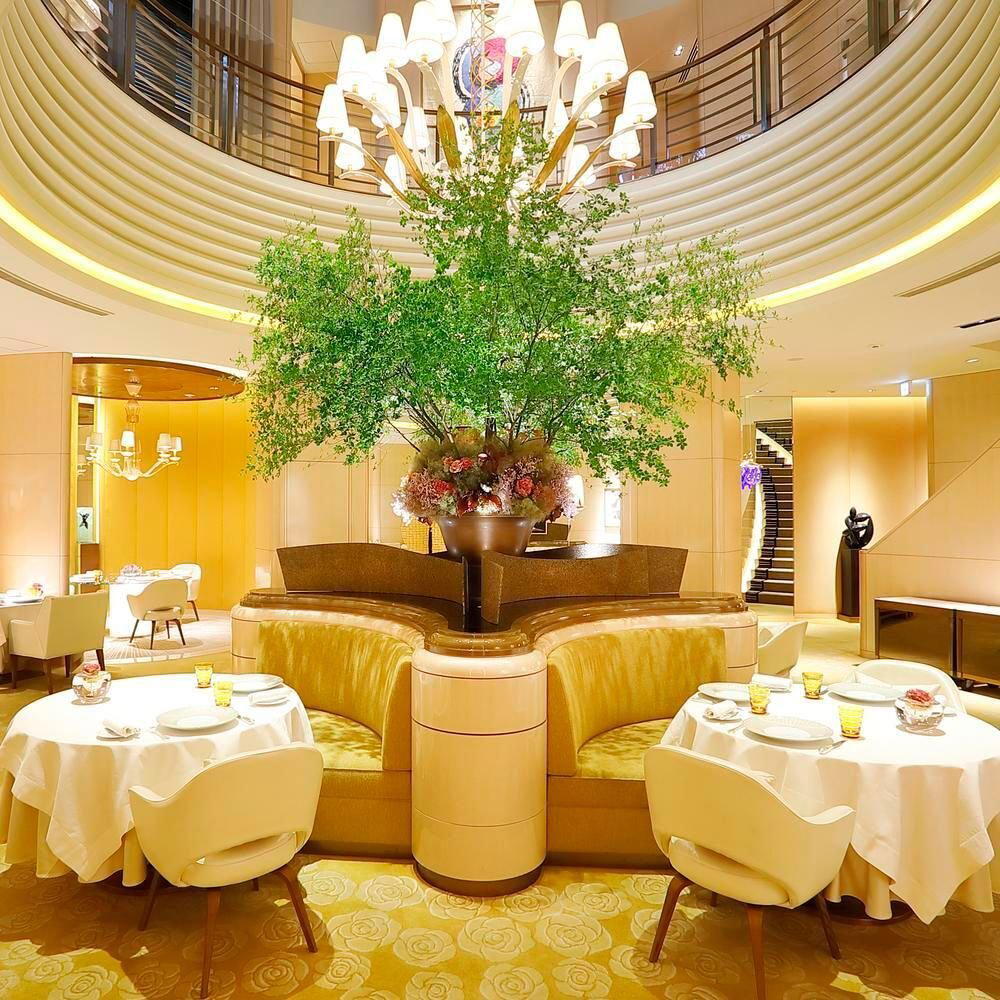
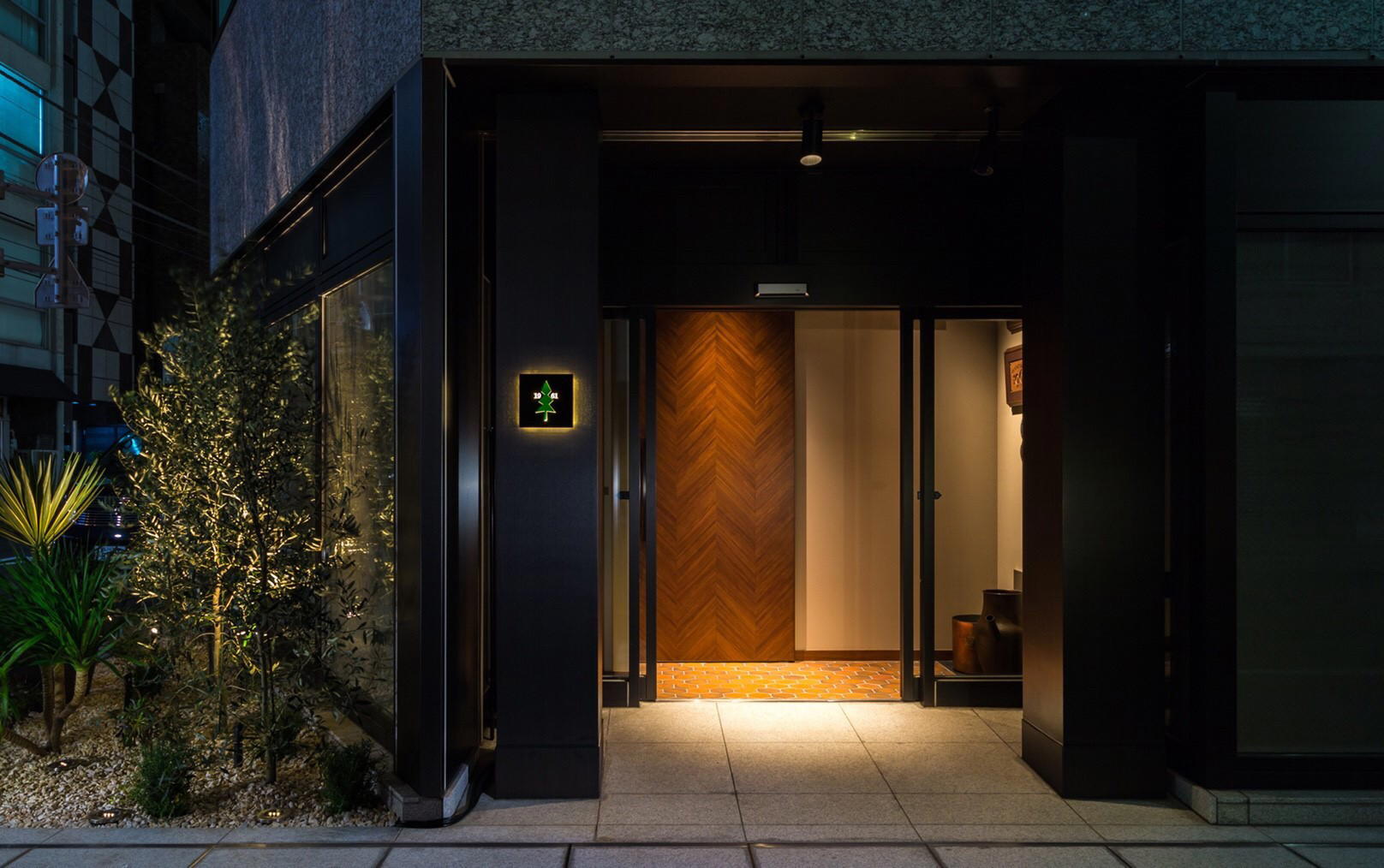
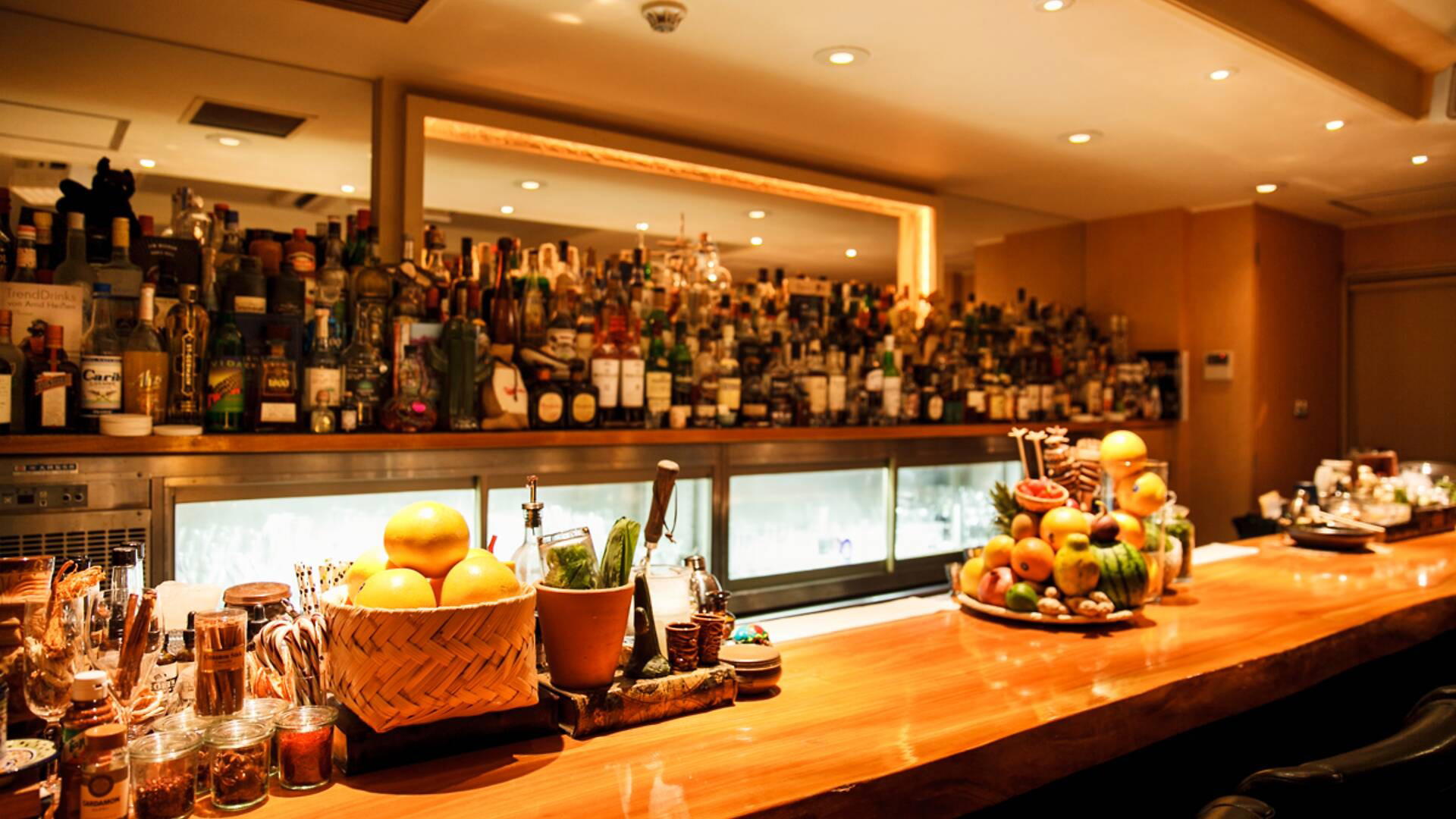
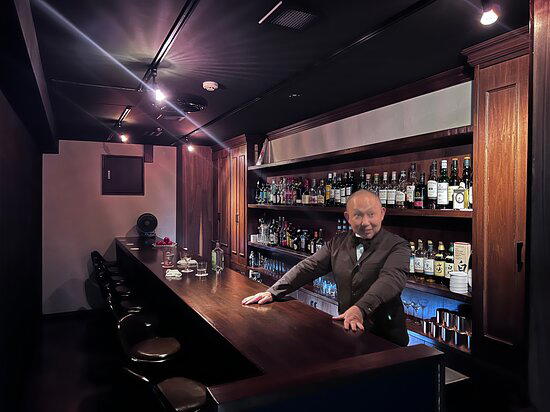
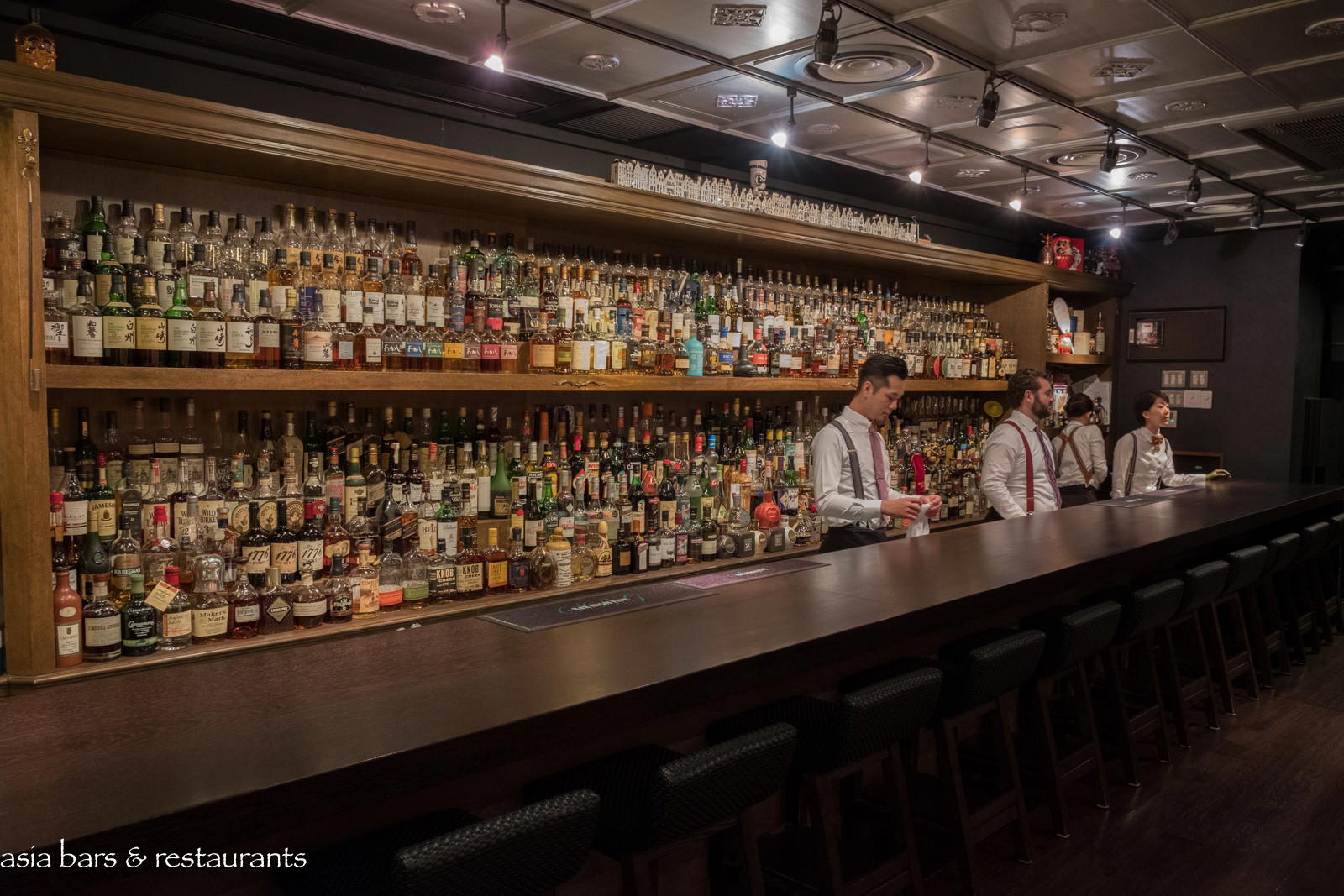
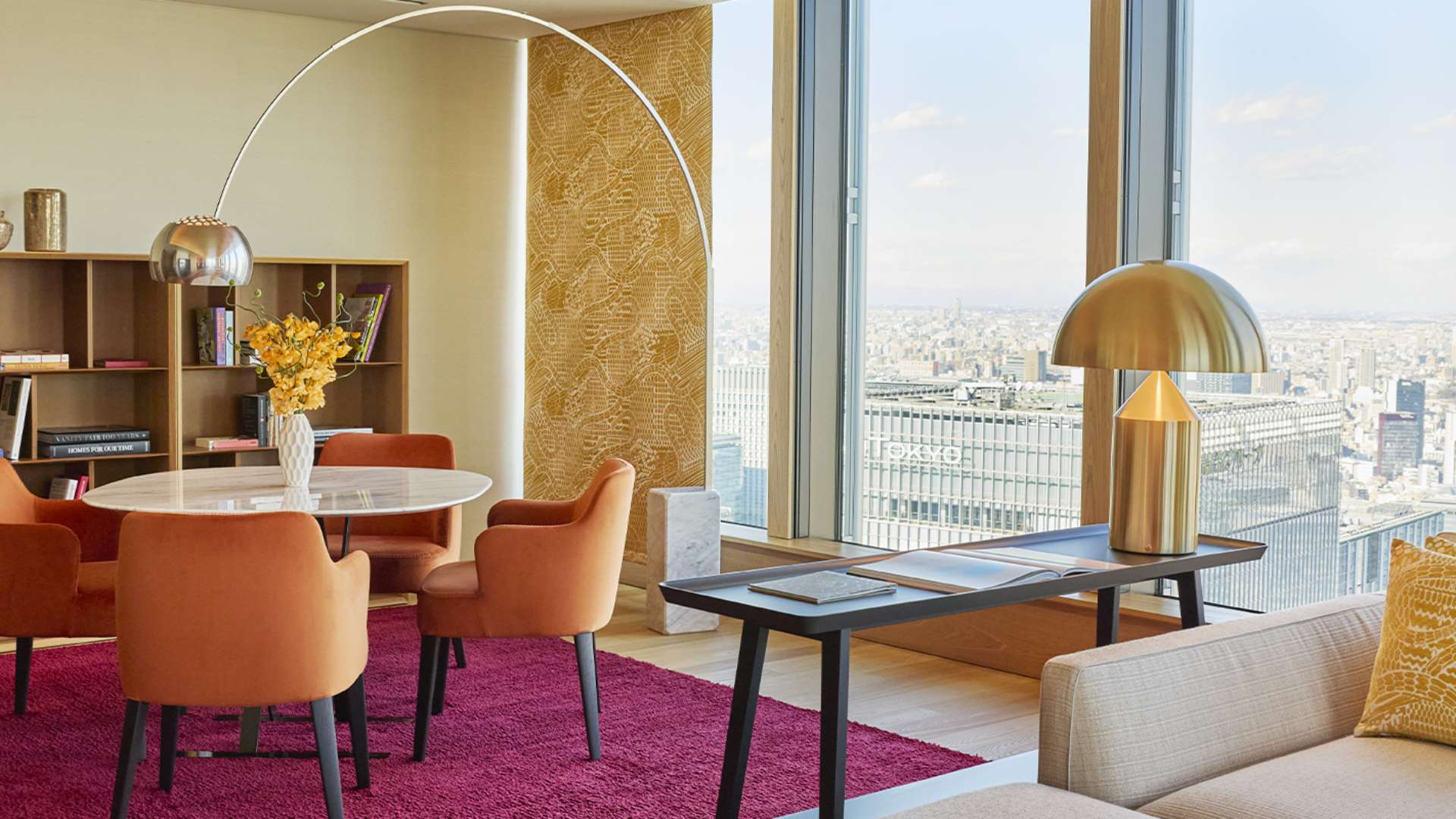
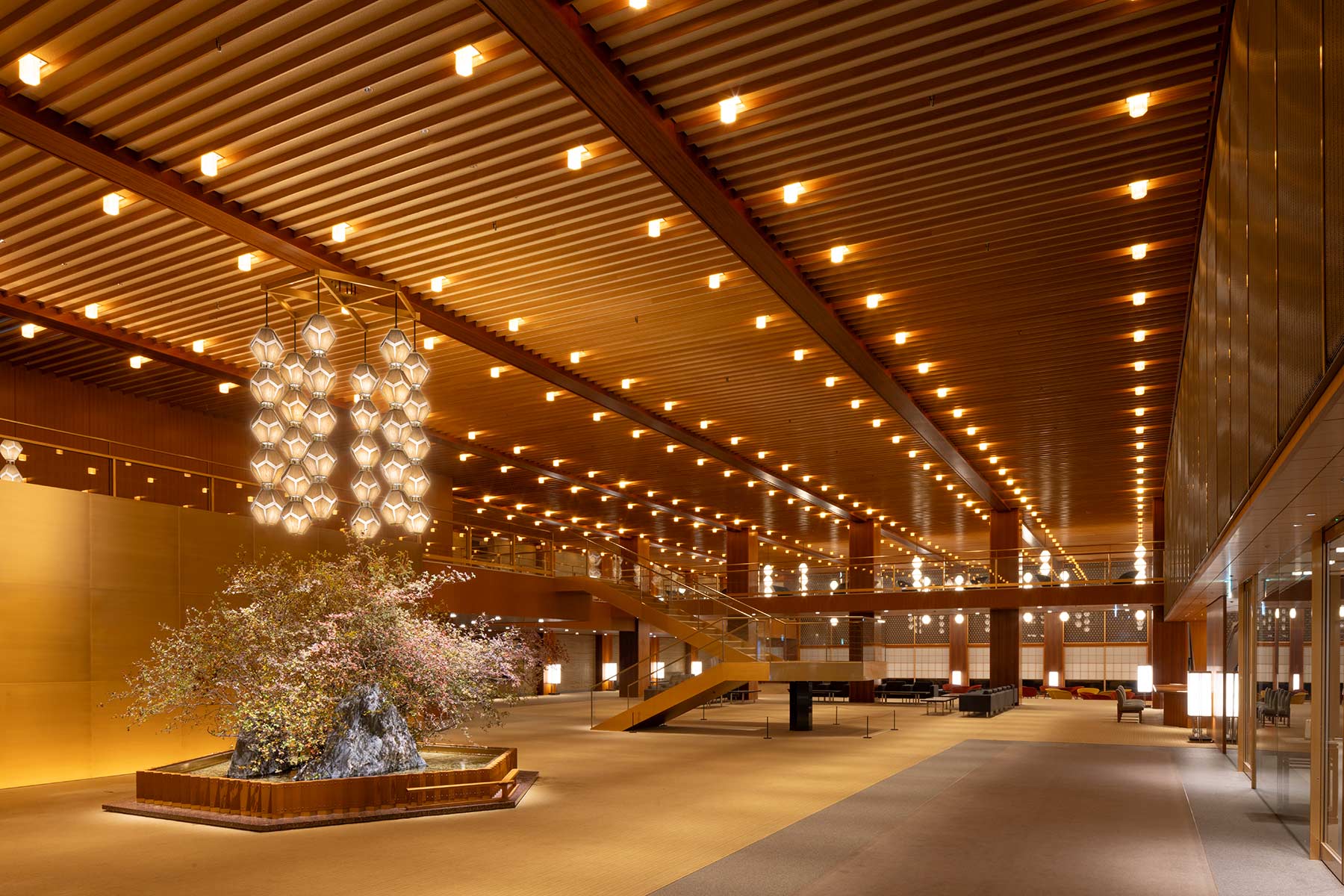
Refined and serene with warm timber tones, stone pavement reminiscent of a Japanese garden, understated floral arrangements changed daily by the chef, and soft lighting creating an intimate ryokan-like atmosphere.