



A Michelin-starred fixture in Higashiazabu since the early 2000s, Chugoku Hanten Fureika holds Tabelog Silver annually since 2018 and a Tabelog score of 4.28, placing it among Tokyo's most consistently decorated Chinese restaurants. The menu spans over 100 à la carte items rooted in Shanghai and Cantonese tradition, from Jinhua pork fillet to whole steamed grouper, with private rooms accommodating groups of four to fifty.
Pearl is the En Primeur Club membership app — saves, bookings, and concierge access live there. Same editors, same standards.
- Address
- 3 Chome-7-5 Higashiazabu, Minato City, Tokyo 106-0044, Japan
- Phone
- +81 3-5561-7788
- Website
- chuugokuhanten.com
- Directions
- Get directions
 Saves & bookings on Pearl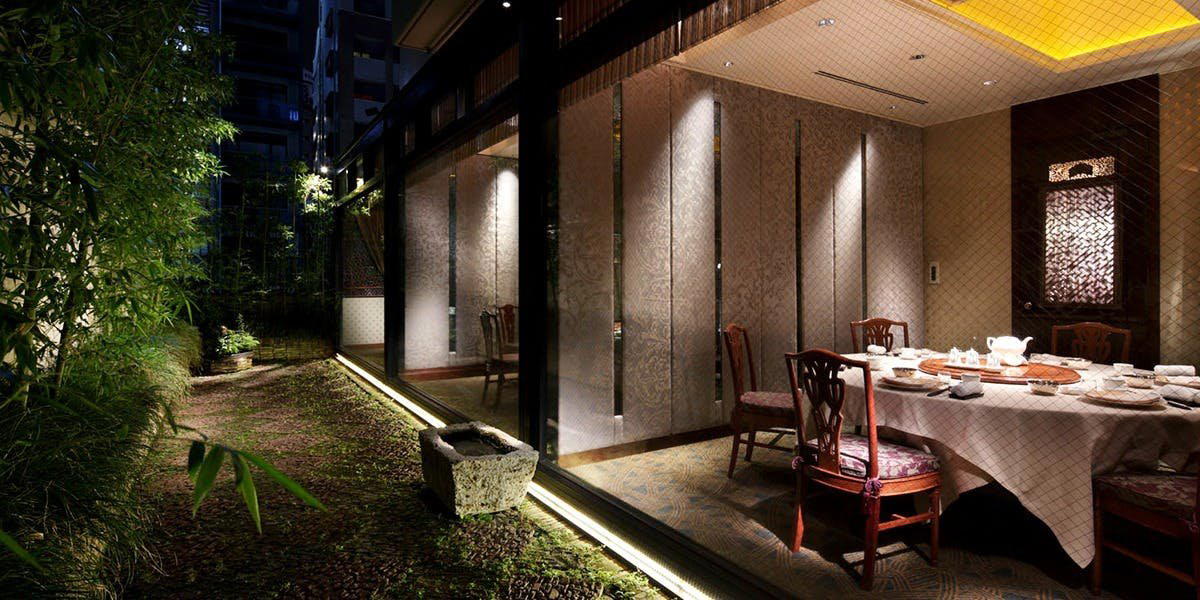
Where Higashiazabu Meets the Chinese Table
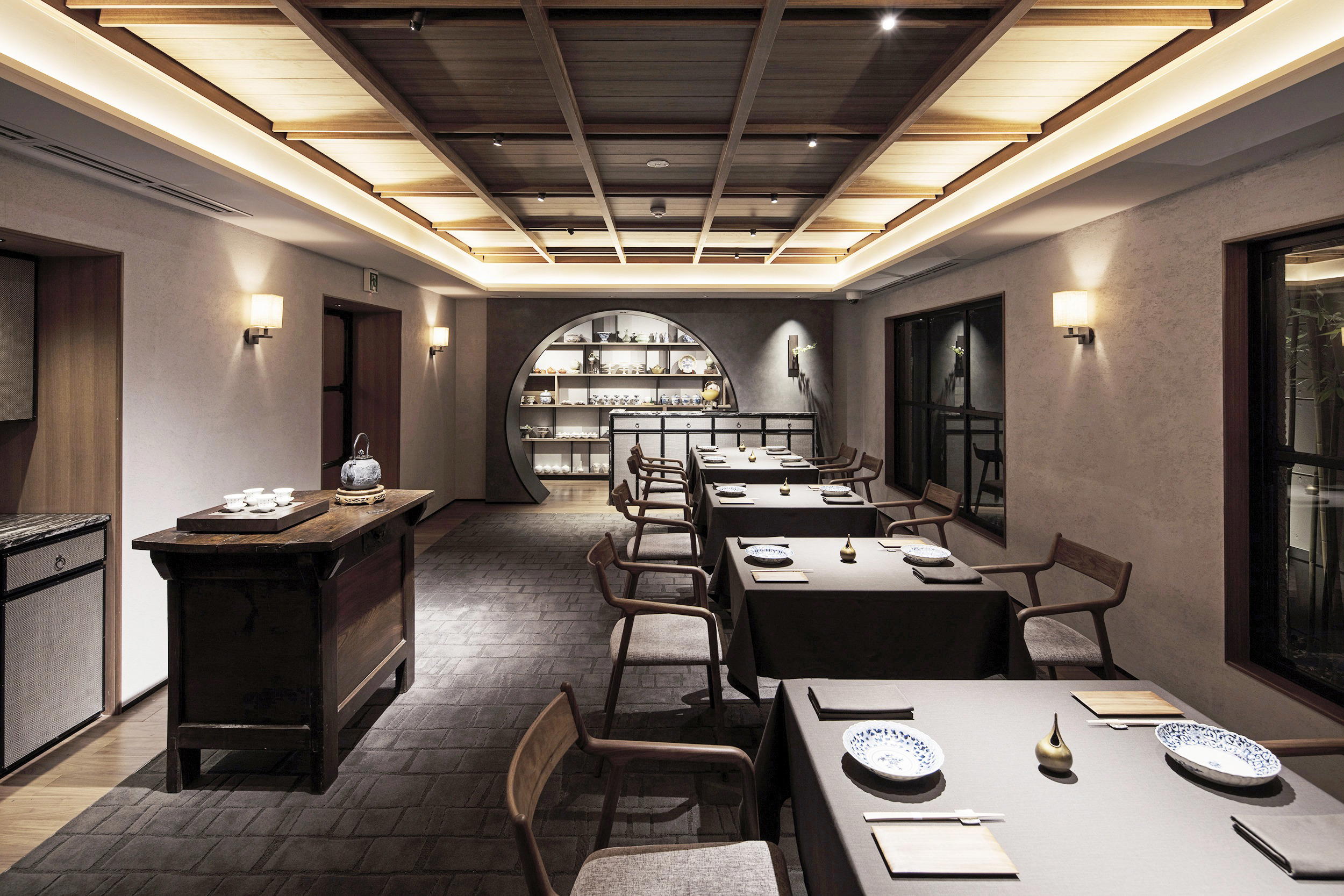
The streets around Azabu-Juban Station hold a particular kind of dining density: embassies nearby, old-money residents a few blocks in either direction, and a restaurant scene that rewards the visitor willing to walk past the obvious signage. Chugoku Hanten Fureika sits on a quiet stretch of Higashiazabu, its entrance understated enough that first-time visitors occasionally walk past. Inside, the room splits between a main dining area with couple and sofa seating and a series of private rooms that can hold groups from four to over thirty people. The space reads as relaxed formality, with no dress code but a service charge of ten percent that signals the register it operates in.
That register is worth defining precisely. At dinner, the average spend is about JPY 20,000 to JPY 29,999 per person, placing Fureika in the same bracket as Tokyo's mid-to-upper-tier Japanese specialists but not at the ceiling occupied by the city's three-Michelin-star counters. For context, a dinner at RyuGin or Harutaka at the ¥¥¥¥ level will typically cost twice as much. Fureika's ¥¥¥ positioning is deliberate: it operates as a serious restaurant where the bill reflects the sourcing, skill, and breadth of the kitchen rather than the spectacle of a tasting menu format.
Shanghai, Cantonese, and the Logic of a 100-Dish Menu
Tokyo's Chinese restaurant scene occupies an interesting structural position. On one end sit the Cantonese fine-dining rooms that mirror Hong Kong's private-kitchen tradition; on the other are the neighbourhood Sichuan and Shanghainese spots that have fed the city's Chinese-diaspora population for decades. A smaller cohort attempts something more ambitious: a menu that holds two or more regional Chinese traditions at serious depth simultaneously. Fureika belongs to that cohort, anchoring its program in Shanghai and Cantonese cooking while extending the offering across China's broader regional repertoire.
The practical expression of this is a menu that runs to over 100 à la carte items. In a city where the prevailing premium format is the fixed-course kaiseki or omakase, that choice is a statement. The à la carte structure here is not a hedge against commitment; it is the point. Shanghai cuisine rewards slow-braised proteins, soy-forward sauces, and a certain richness that reads differently from Cantonese restraint. Cantonese cooking at its leading is about the clarity of a clean stock, the precision of a steamed fish, the sourcing of the primary ingredient. Fureika holds both traditions on the same menu without flattening either, and its sourcing notes specifically highlight the kitchen's attention to fish quality as a guiding principle.
Named dishes from the kitchen include roasted Jinhua pork fillet, grouper steamed whole, and soup built on shàngtāng, the premium stock that sits at the foundation of refined Shanghainese and Cantonese banquet cooking. Shàngtāng is the kind of preparation that distinguishes a kitchen serious about Chinese technique from one performing it: the stock requires long reduction, multiple proteins, and precise skimming to achieve the depth and clarity that defines the category. Its presence on the menu is as much a credential as any award.
The group-sharing format typical of a Chinese table is built into the experience here. With over 100 items available and private rooms that can accommodate large parties, the restaurant is structurally designed for the Chinese banquet tradition rather than the solo tasting menu mode that dominates much of Tokyo's premium dining. That distinction matters for how you plan a visit: Fureika rewards coming with people, ordering widely, and moving through the menu across categories rather than treating it as a two-course Western sequence.
A Consistent Award Record Across a Decade
Fureika has held it across eight years, which in a market with this level of competition is a meaningful signal of consistency rather than a single good season.
On top of the Tabelog record, the restaurant holds one Michelin star (most recently confirmed for 2024) and appears in the Opinionated About Dining Leading Restaurants in Japan list, ranked 324th in 2025 and 302nd in 2024. The Black Pearl Guide 2025 places it at two diamonds. These three systems use different methodologies, and agreement across all of them narrows the margin for doubt. Among Tokyo's Chinese restaurants specifically, Fureika has also been selected for the Tabelog Chinese Tokyo 100 in 2021, 2023, and 2024, a category-specific list that tracks the city's leading Chinese tables independently of the main Tabelog Award.
Chugoku Hanten Kohakukyu (Amber Palace), Ippei Hanten, and Piao-Xiang. At the more innovative end of Tokyo's broader culinary spectrum, itsuka and Koshikiryori Koki offer a different register entirely. Outside Tokyo, the same question of how Chinese culinary tradition translates into a high-end format plays out differently at places like HAJIME in Osaka and, internationally, at Restaurant Tim Raue in Berlin and Mister Jiu's in San Francisco, though these last two work from a different premise entirely.
The Occasion Question
That spread is not common for a Michelin-starred restaurant and reflects the private room infrastructure as much as the menu format. Private rooms for four, six, eight, and groups over thirty, with full private use available for parties of twenty to fifty or larger, make this the kind of address where a corporate dinner and a multigenerational family lunch can coexist in the same building on the same afternoon. A sommelier is available, wine is on the list, and the kitchen accommodates dietary restrictions if communicated at booking.
Lunch runs from JPY 6,000 to JPY 7,999 on the listed price, with reviewer-data averages slightly above at JPY 8,000 to JPY 9,999. For a Michelin-starred kitchen with this award history, the lunch entry point is relatively accessible within Tokyo's premium tier and worth considering for a first visit, particularly for smaller parties exploring the menu rather than booking a private room. The restaurant operates seven days a week across both lunch and dinner service, which removes the weekday-only constraint that applies to several of Tokyo's comparable establishments.
Parking is available underground behind the entrance, relevant for larger group arrivals. The nearest transit access is Azabu-Juban Station, three minutes on foot, served by both the Tokyo Metro Namboku Line (Exit 3) and the Toei Oedo Line (Exit 6). For comparison elsewhere in Japan: Gion Sasaki in Kyoto, Goh in Fukuoka, akordu in Nara, 1000 in Yokohama, and 6 in Okinawa.
Know Before You Go
- Address: 3 Chome-7-5 Higashiazabu, Minato City, Tokyo 106-0044
- Phone: +81-3-5561-7788
- Hours: Mon–Sun, 11:30 to 14:00 and 17:30 to 21:00 ()
- Dinner price range: JPY 15,000 to 19,999 listed; reviewer averages JPY 20,000 to 29,999
- Lunch price range: JPY 6,000 to 7,999 listed; reviewer averages JPY 8,000 to 9,999
- Service charge: 10%
- Reservations: Available; confirm at least one day ahead during peak periods; 24-hour cancellation notice required
- Transit: Azabu-Juban Station, 3 min walk (Namboku Line Exit 3 / Oedo Line Exit 6)
- Parking: Underground, behind the entrance
- Payment: VISA, Mastercard, JCB, AMEX, Diners; electronic money accepted; QR code payments not accepted
- Private rooms: For 4, 6, 8, or 30+ guests; full private use for 20 to 50 or 50+ guests
- Smoking: Non-smoking throughout
- Dress code: None specified
Where It Fits
Comparable venues nearby, for context on price, style, and recognition.
| Venue | Cuisine | Price | Awards | Notes |
|---|---|---|---|---|
| Chugoku Hanten FureikaThis venue — the venue you are viewing | Shanghai-Cantonese Chinese Fine Dining | $$$ | Michelin 1 Star | Not listed |
| Yakitori Omino | Yakitori | $$$ | Michelin 1 Star | Sumida |
| Edition Koji Shimomura | Modern French with Japanese Ingredients | $$$$ | Michelin 1 Star | Minato |
| Ginza Kitagawa 銀座 きた川 | Modern Kaiseki with Tempura | $$$$ | Michelin 1 Star | Chūō |
| New York Grill | American Grill | $$$$ | World's 50 Best #48 | Shinjuku |
| Nabeno-Ism | French-Edo Fusion Fine Dining | $$$$ | Michelin 1 Star | Taitō |
Recognition history
Dated appearances from independent guides and award organizations, with the underlying list record or original source where available.
Black Pearl 2 Diamond
Black Pearl
Michelin Plate
Michelin
Opinionated About Dining Top Restaurants in Japan Recommended
Opinionated About Dining
Tabelog 100 #59 · No. 59
Tabelog · Tabelog 100 - Chinese cuisine - TOKYO - 2026
Tabelog Silver #24
Tabelog
Black Pearl 2 Diamond
Black Pearl
Opinionated About Dining Top Restaurants in Japan Ranked #324
Opinionated About Dining
Tabelog Silver
Tabelog
Michelin 1 Star
Michelin
Opinionated About Dining Top Restaurants in Japan Ranked #302
Opinionated About Dining
Opinionated About Dining Top Restaurants in Japan Highly Recommended
Opinionated About Dining









At a Glance
- Elegant
- Sophisticated
- Classic
- Business Dinner
- Special Occasion
- Celebration
- Private Dining
- Live Music
- Sake Program
Current opening hours
- Monday
- 11:30 AM–3 PM, 5:30–9:30 PM
- Tuesday
- 11:30 AM–3 PM, 5:30–9:30 PM
- Wednesday
- 11:30 AM–3 PM, 5:30–9:30 PM
- Thursday
- 11:30 AM–3 PM, 5:30–9:30 PM
- Friday
- 11:30 AM–3 PM, 5:30–9:30 PM
- Saturday
- 11:30 AM–3 PM, 5:30–9:30 PM
- Sunday
- 11:30 AM–3 PM, 5:30–9:30 PM
Hours can change for holidays and private events. Last verified .
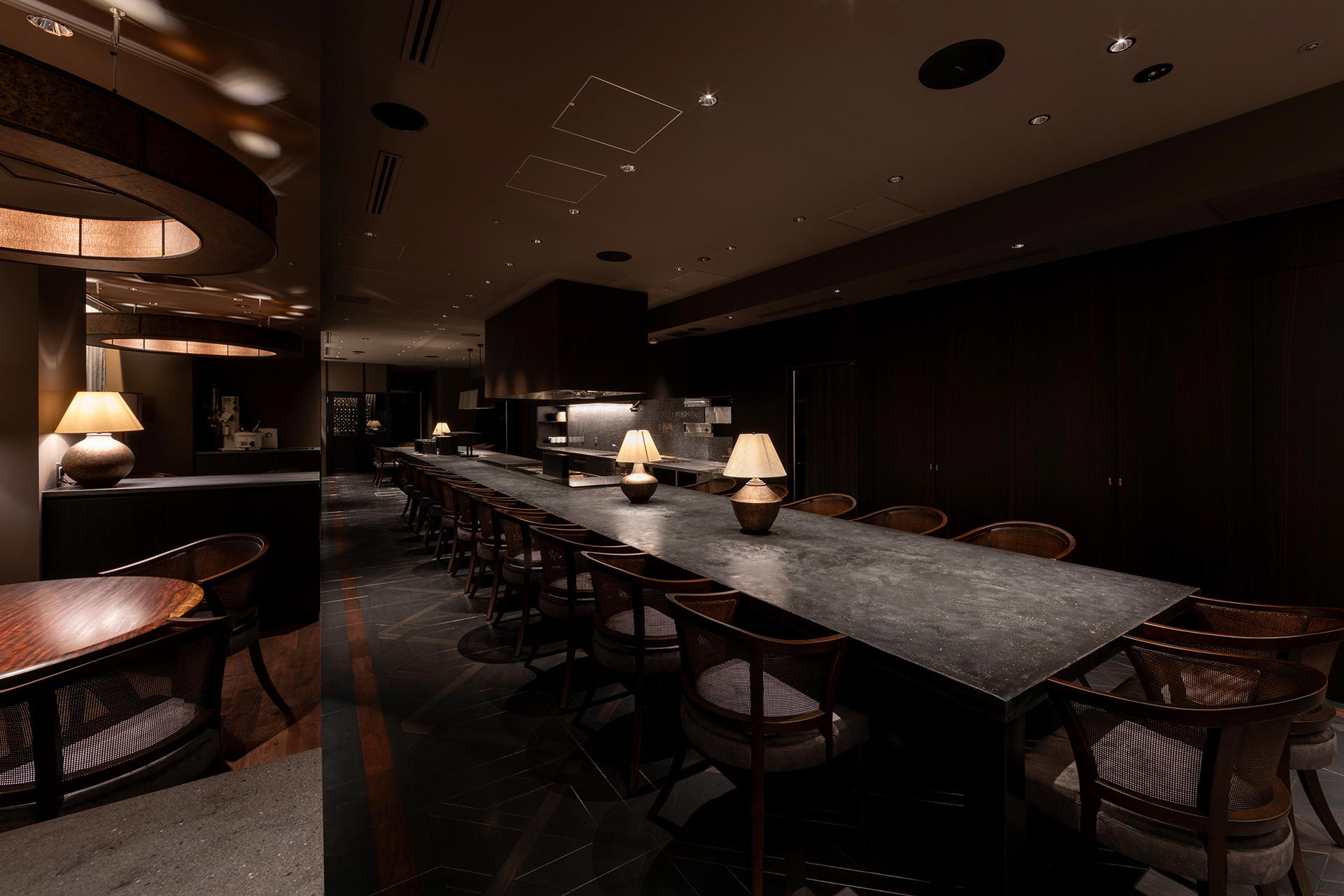
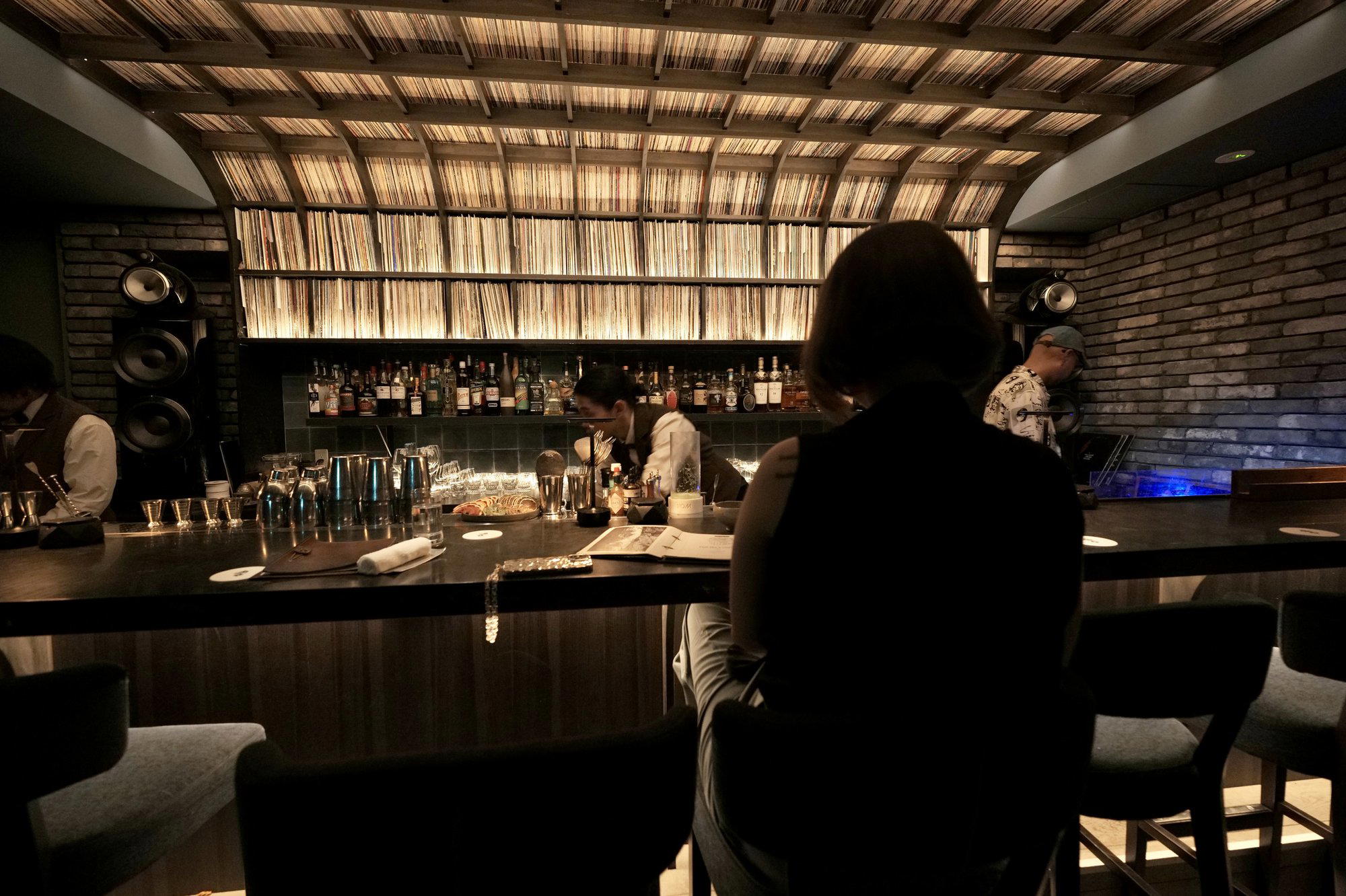
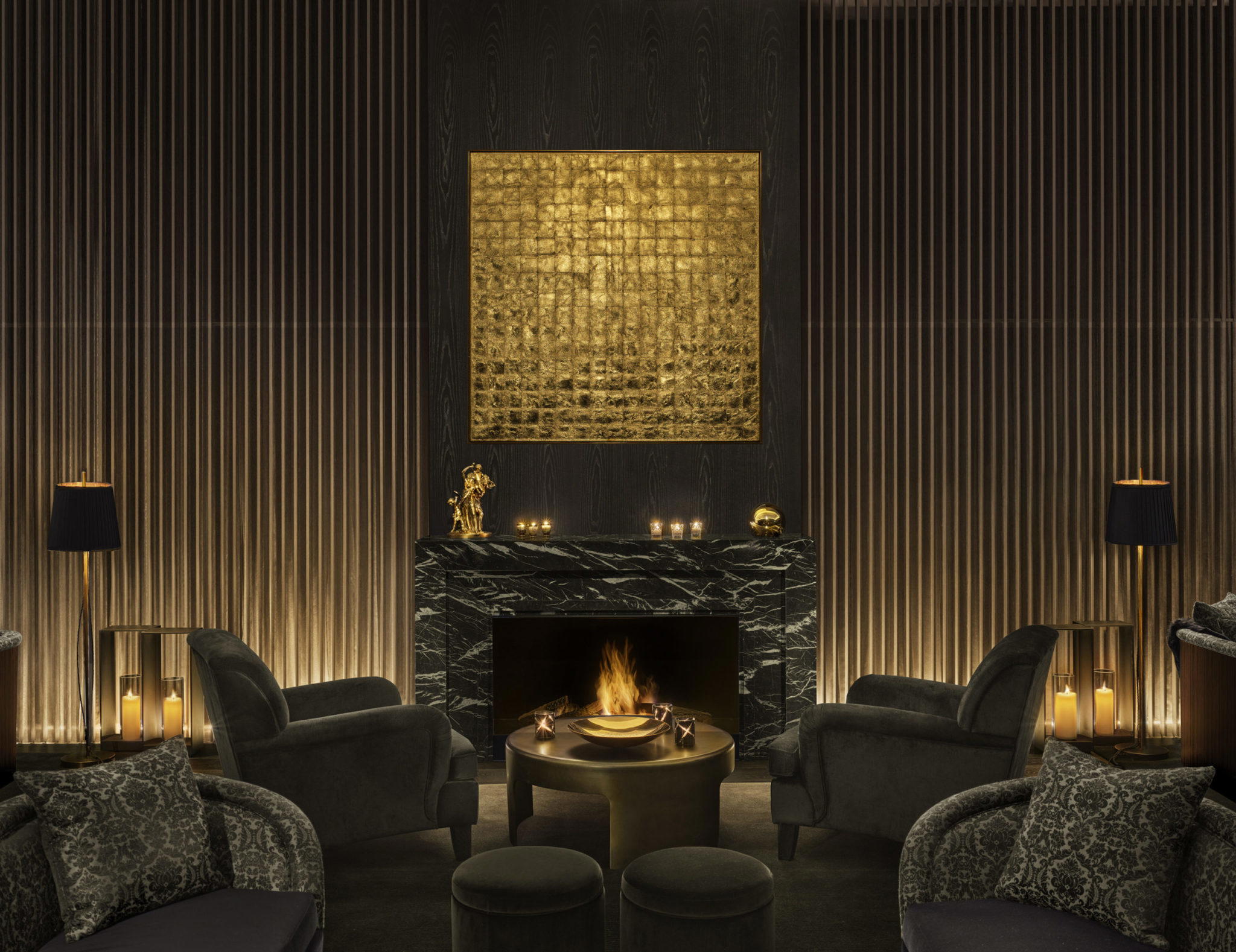
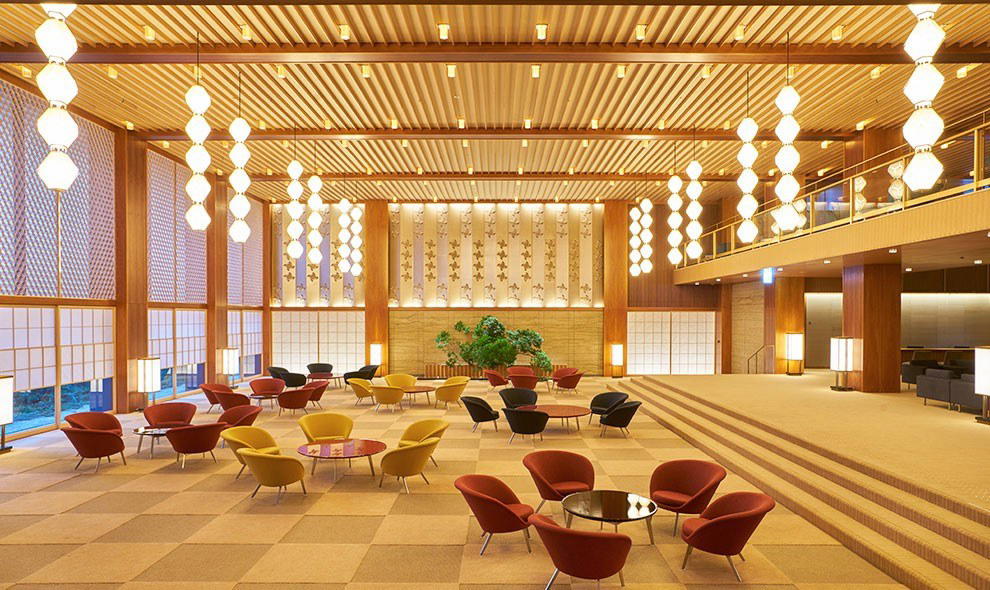
Dim lighting, hushed atmosphere with elegant Chinese decor and live traditional instrument music creating a sophisticated, museum-like setting.