
Tabelog Bronze #3
Our verdict
6 sits in Okinawa’s small high-price creative dining tier, where island geography matters as much as technique. The restaurant’s Innovative and French classification, 16-seat scale, OMAKASE reservation format, and Tabelog Award Bronze recognition in 2025 and 2026 place it far from casual resort dining and closer to Japan’s destination-counter model.

Pearl is the En Primeur Club membership app, where members save venues, book tables and use the concierge.
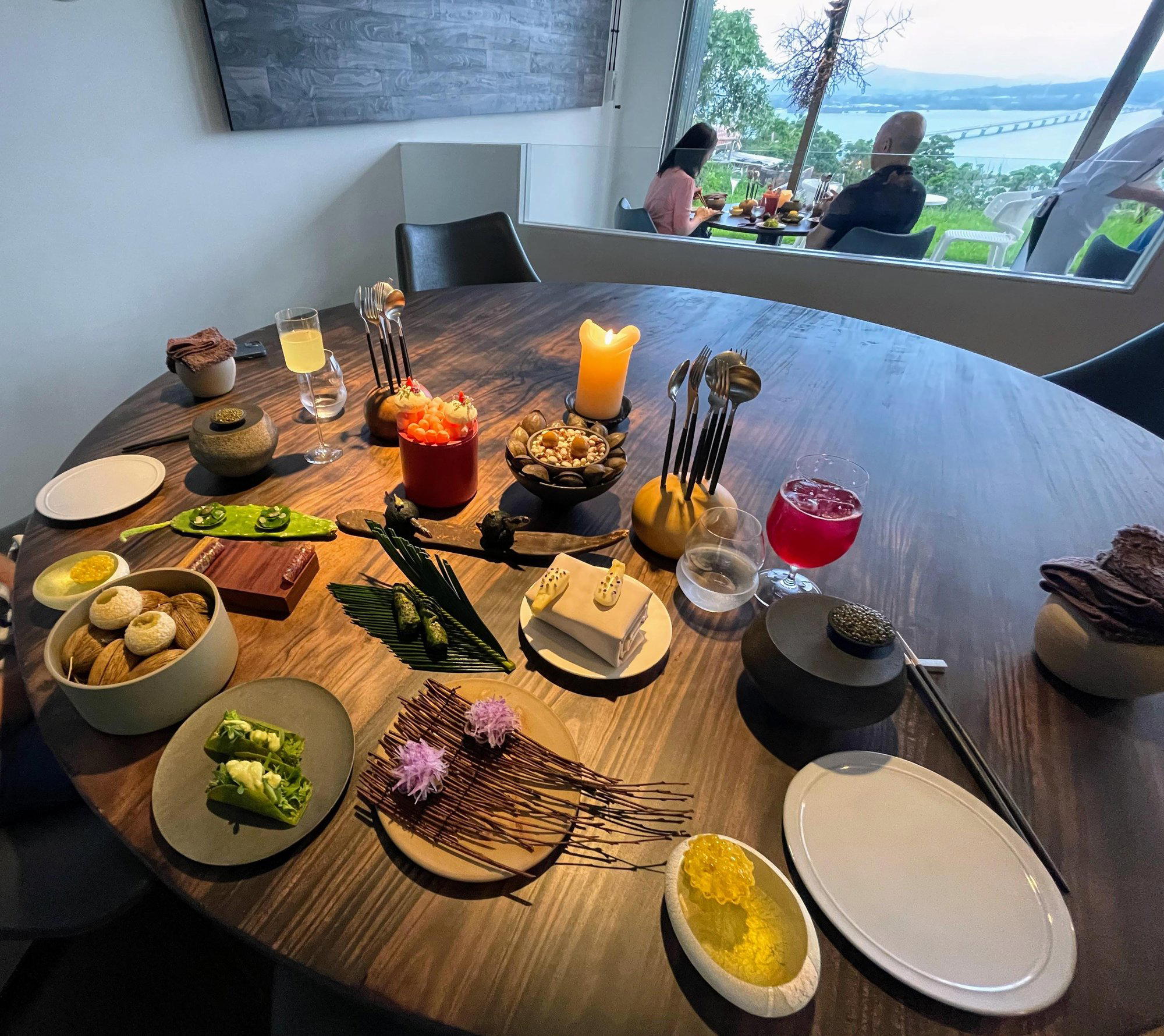
Approaching fine dining in Okinawa is different from arriving at a city counter in Tokyo or Osaka. The sea is not background decoration here; it changes the terms of the meal before the first course arrives. On Kouri Island, the point is not simply remoteness, but the way a small room with ocean-facing context reframes French technique around a subtropical Japanese setting. 6 belongs to that newer Okinawan category: serious, reservation-led, expensive by local standards, and built for diners who are already thinking about ingredients before they think about sightseeing.
Okinawa’s restaurant identity is often flattened into resort buffets, steak culture, taco rice, and beachside cafés. That misses the more interesting split now visible across the islands. Casual addresses such as Captain Kangaroo, Aqua Garden Cafe, and Barbecue House Maipama serve the holiday appetite well, while the upper tier asks a different question: what happens when Okinawan proximity to the sea, Ryukyu food memory, and Japanese precision are filtered through contemporary French structure? That is the useful lens for this table.
Okinawan ingredients viewed through a French and creative format
The restaurant is categorized as Innovative and French, a pairing that matters in Okinawa because imported luxury is not the only currency. The islands have a strong local pantry, a fishing culture shaped by warm waters, and a food history separate from mainland Japan. A creative French format can either ignore that context or use it as architecture. The stronger version treats Okinawa not as a postcard but as a sourcing problem: what grows, lands, ferments, and seasons differently here than it would in Honshu?
That is why the price tier is part of the story rather than a footnote. Dinner is listed at JPY 20,000 to JPY 29,999, with review-based spending often higher. In Okinawa, that separates 6 from approachable Italian-leaning rooms such as BURRATA, where the listed spend sits far lower, and from the broader casual field represented by burger, taco, and grill restaurants. The premium here is not only for technique; it is for a controlled, low-seat format in a destination location.
Tabelog recognition gives the restaurant a measurable position inside Japan’s dining hierarchy. The Tabelog Award Bronze in 2025 and 2026, plus selection for Tabelog 100 Innovative / Creative Cuisine in 2025, places it among restaurants judged beyond neighborhood popularity. The score has been listed around 4.01 to 4.06 across award references, which is meaningful on a platform where high scores in creative dining tend to cluster around serious reservation demand and repeat critical attention.
The small-room model changes the pace of an Okinawa trip
Sixteen seats is a decisive number. It means the room operates closer to a destination dining format than a flexible resort restaurant, and it changes how a traveler should structure the day. Okinawa rewards spontaneity when the plan is beach, café, bar, repeat; this format rewards discipline. A late, elaborate dinner after a long drive across the island is a different proposition from dropping into a casual Naha izakaya.
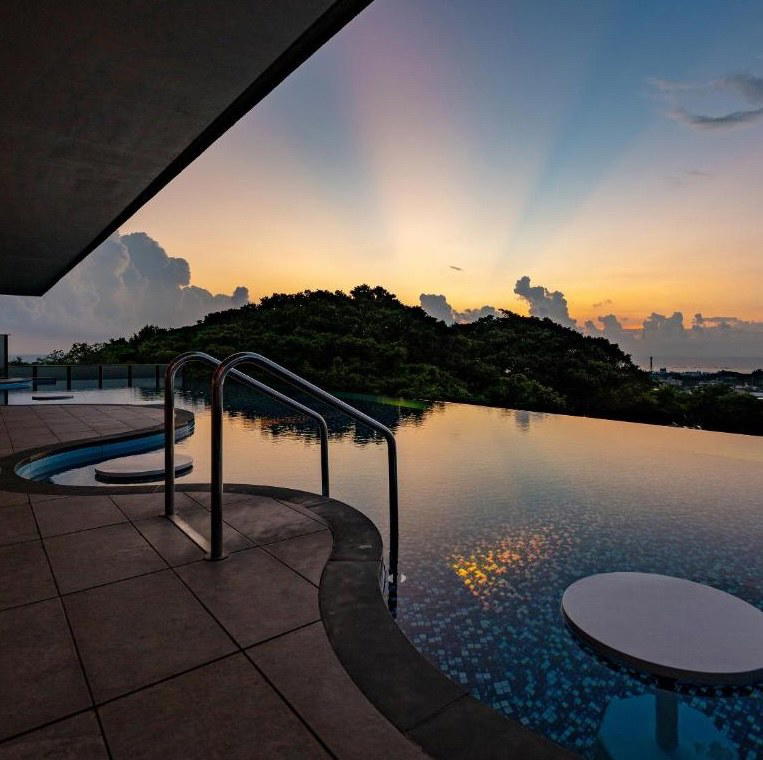
The atmosphere should be read through that scale. Ocean-view dining in Okinawa can drift into resort theatre, but a compact, non-smoking room with an open terrace and course-meal age guidance signals a more composed experience. This is not the setting for a mixed group hoping to accommodate toddlers, beachwear, and a loose dinner window. It is better matched to adults building a northern-island itinerary around one serious meal.
That distinction helps when comparing Okinawa options. Ayana and other hotel-adjacent restaurants may fit travelers who want resort convenience, while 6 belongs to the smaller class of destination tables where the meal anchors the evening. For broader planning, Our full Okinawa restaurants guide is the better map for deciding when to go formal and when to keep the day informal.
How to place it within a wider Okinawa itinerary
The smart way to think about this reservation is as a counterweight to Okinawa’s easier pleasures. Spend another day on simpler food, cafés, and shoreline stops, then leave this meal room to carry the formal dining slot. The island is better when the itinerary has contrast: casual lunches, coastal drives, and one evening where the food is expected to justify attention rather than merely fill time.
Travelers building a fuller route can use Our full Okinawa hotels guide to avoid pairing a northern dinner with an awkward base, then look at Our full Okinawa bars guide, Our full Okinawa wineries guide, and Our full Okinawa experiences guide for the surrounding days. Okinawa does not need to be planned as a single dining sprint; it works better as a sequence of coastal movement, local food, and one or two reservations with national-level recognition.
For readers comparing Japanese dining categories beyond Okinawa, the contrast is instructive. Specialist restaurants across Japan can be built around a single narrow idea, as with -Grilled beef Sukiyaki- KAMAKURA TANUKIAN 鎌倉 たぬき庵 in Kamakura, . 鮪と炭火焼き うお炭 秋葉原店 in Tokyo.cafe in Osaka.know in Kumamoto, (Shoku) Vietnam in Kawasaki, and [Curry Senmon Ten] Maruyama Kyoju. in Sapporo. Okinawa’s version is more geography-led: the value lies in seeing how an island pantry and sea-facing setting behave inside a disciplined creative format.
That makes 6 a strong choice for travelers who want Okinawa to be more than beach logistics and casual comfort food. It is not the flexible option, and that is the point. The meal asks for planning, a suitable group, and an appetite for a course format with French and creative framing. For sake-focused or Japanese-leaning comparisons outside Japan, Jōdo Saké Bar in Los Angeles and Onigiri Time in Pasadena show how Japanese food culture travels; this table shows why place still matters when the ingredients are rooted in Okinawa itself.
Frequently asked questions
Would 6 be comfortable with kids?
The venue allows children aged 10 or older who can eat a course meal, so it is not set up as a casual family room. With 16 seats and reservation-only service through OMAKASE, it suits older children who can sit through a dinner service.
What should I expect atmosphere-wise at 6?
Expect a small dining room with 16 seats, an open terrace, and an ocean-view setting in Okinawa. The listing also notes a stylish, relaxing space, with dinner service running from 16:00 to 23:00 and a dress code that asks guests to avoid overly casual clothing.
When is 6 open?
Hours at 6: Mon, Tue, Wed, Thu, Fri, Sat, Sun 16:00 - 23:00.
What is 6 known for?
6 is primarily known for its core concept and execution in Okinawa.
At-a-Glance Comparison
Comparable venues by cuisine and price in the same metro.
| Venue | Cuisine | Price | Awards | Notes |
|---|---|---|---|---|
| 6This venue (the venue you are viewing) | Innovative French | Not listed | Tabelog Bronze #3 | Not listed |
| Downtown | american | $20–30 | Star Wine List | Downtown |
| BURRATA | Creative wood‑fired pizza | $20–30 | Tabelog 100 #27 | Okinawa City |
| Yagiya | Traditional Okinawan Soba | $10–20 | Not listed | Yaese-cho |
| Taco Rice Cafe Kijimuna | Okinawan Taco Rice | $10–20 | Not listed | American Village |
| Fine Dining Restaurant | Modern resort fine dining with roast beef and seafood | Not listed | Relais Chateaux Award | Okinawa |
Recognition history
Dated appearances from independent guides and award organizations, with the underlying list record or original source where available.
Tabelog Bronze #3
Tabelog
Full recognition history (3 entries)
Tabelog 100 #43 · No. 43
Tabelog · Tabelog 100 - Innovative / Creative cuisine - 2025
Tabelog Bronze
Tabelog
Continue exploring
More in Okinawa
Restaurants in Okinawa
All restaurants in Okinawa →
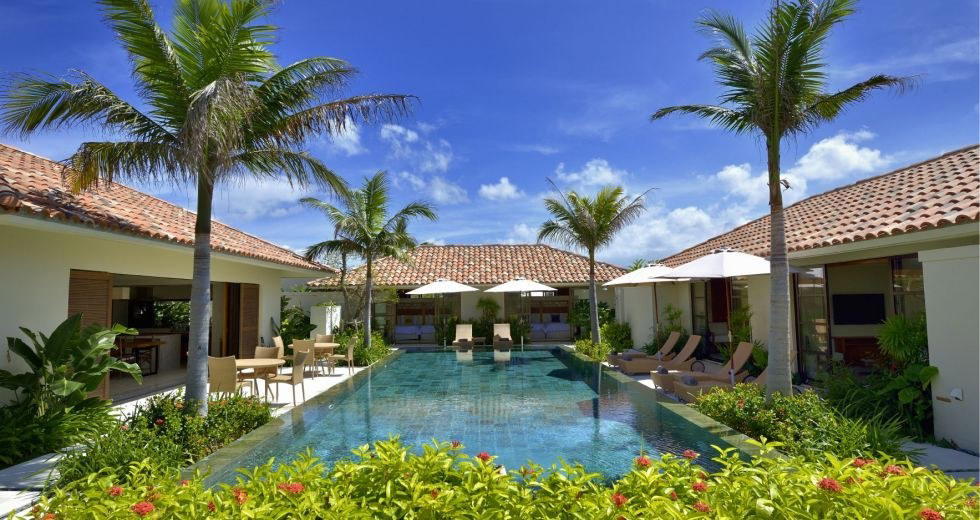
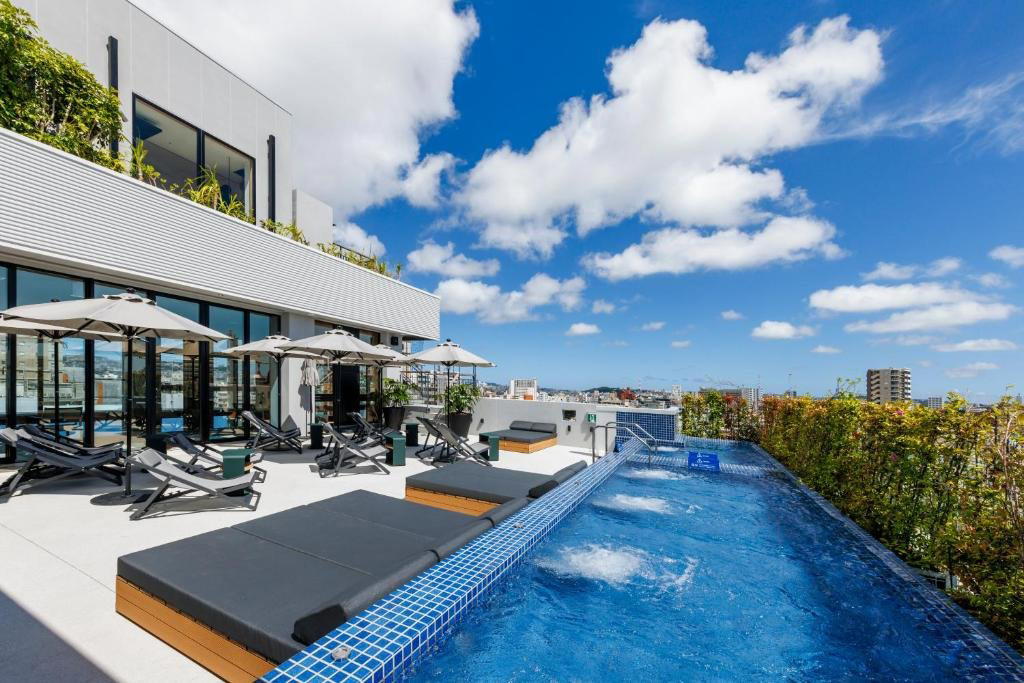
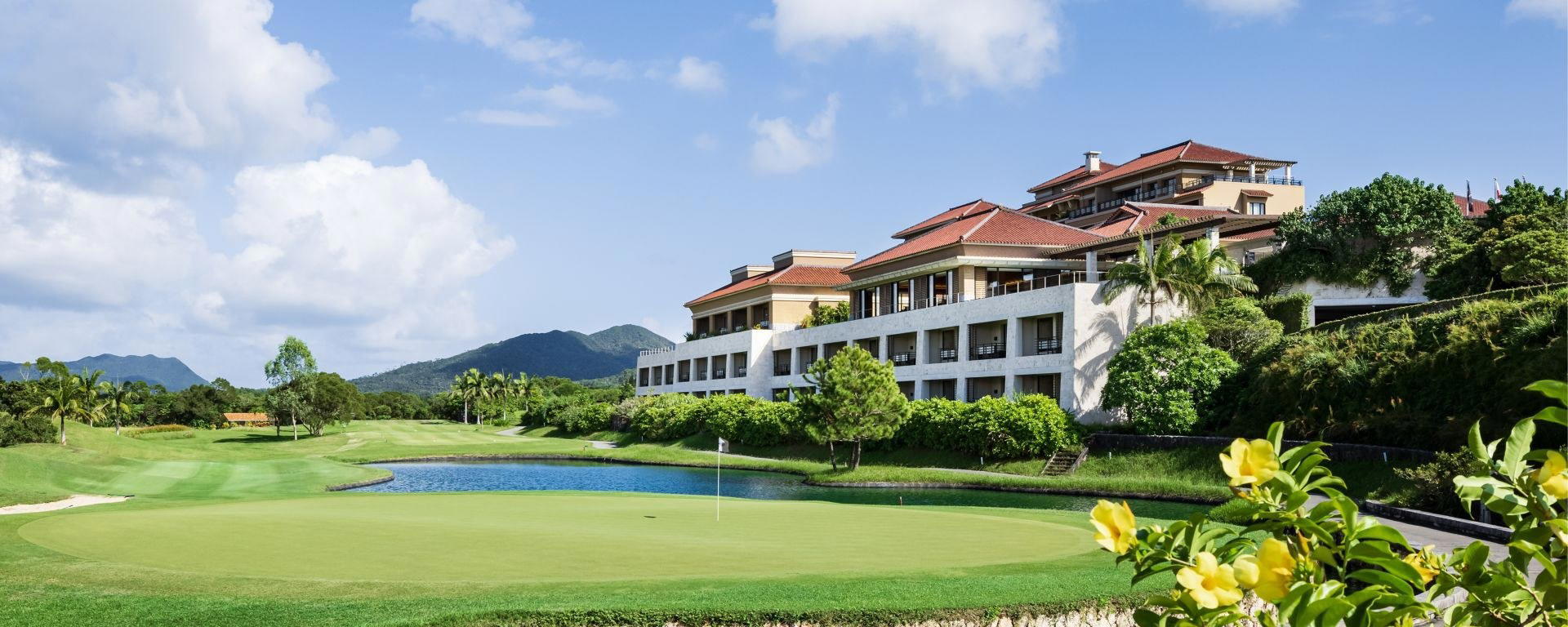
Details
- Scenic
- Sophisticated
- Whimsical
- Intimate
- Modern
- Special Occasion
- Date Night
- Celebration
- Waterfront
- Panoramic View
- Design Destination
- Standalone
- Terrace
- Sake Program
- Local Sourcing
- Waterfront
- Set Menu
- Wine
- Sake
Current opening hours
- Monday
- 5–10 p.m.
- Tuesday
- 5–10 p.m.
- Wednesday
- 5–10 p.m.
- Thursday
- 5–10 p.m.
- Friday
- 5–10 p.m.
- Saturday
- 5–10 p.m.
- Sunday
- 5–10 p.m.
Hours can change for holidays and private events. Hours as of .
Scenic and theatrical, with a relaxed but stylish dining room centered on an ocean-view experience and a sense of performance at the table.