





Open since December 2003 and now holding three Michelin stars, RyuGin operates at the upper end of Tokyo's kaiseki tier, with dinner averaging JPY 80,000 to 99,999 per head. Chef Seiji Yamamoto structures the menu around Japan's four seasons, with a marked focus on scientific precision and ingredient provenance. The restaurant sits on the seventh floor of Tokyo Midtown Hibiya, steps from the Imperial Palace.
Pearl is the En Primeur Club membership app — saves, bookings, and concierge access live there. Same editors, same standards.
- Address
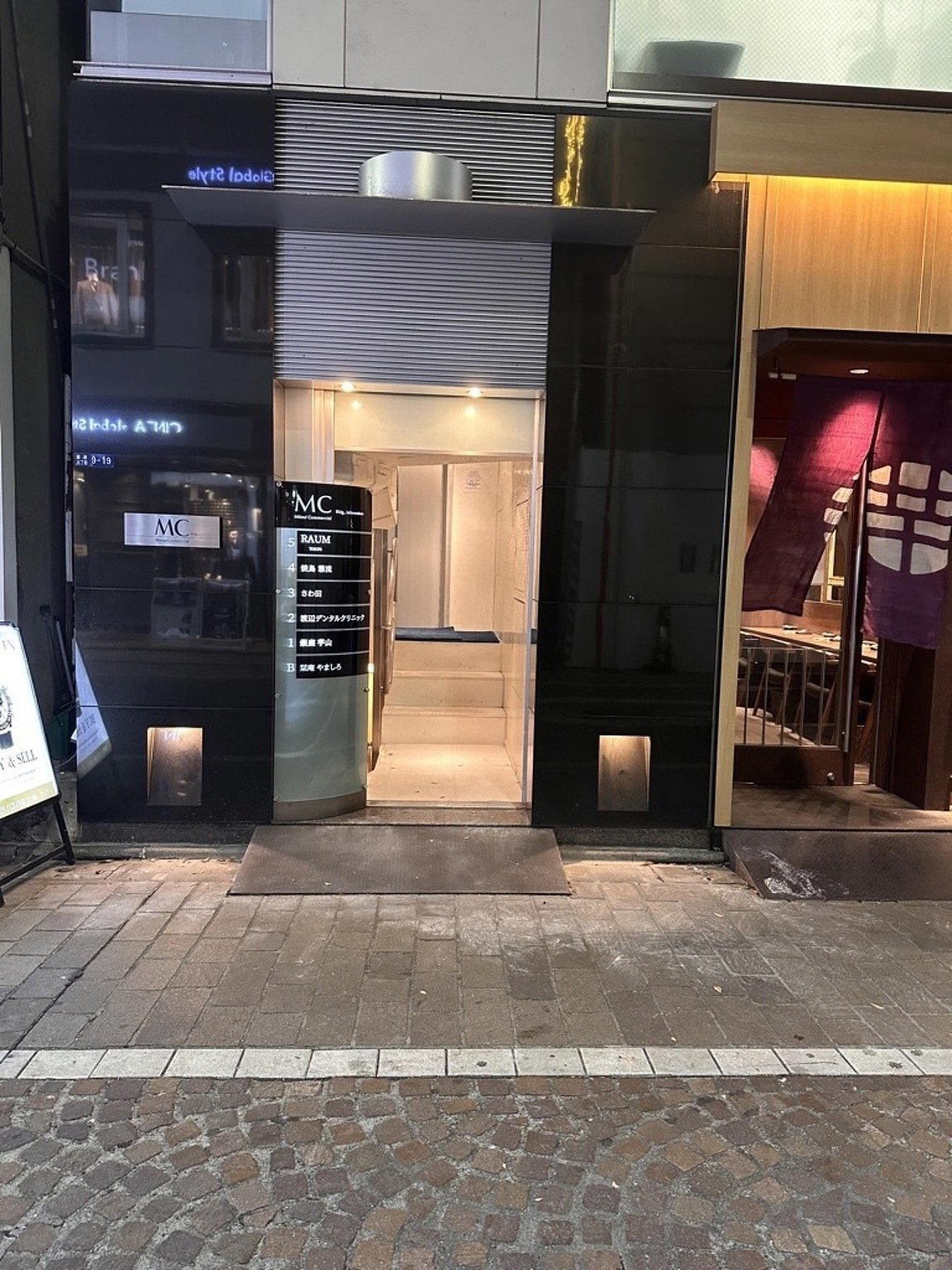
- Japan, 〒100-0006 Tokyo, Chiyoda City, Yurakucho, 1 Chome−1−2 東京ミッドタウン日比谷 7階
- Phone
- +81 3-6630-0007
- Website
- nihonryori-ryugin.com
- Directions
- Get directions
 Saves & bookings on Pearl
Tokyo's Kaiseki Upper Tier: Where RyuGin Sits
RyuGin is a three-Michelin-star modern kaiseki restaurant in Tokyo, with a 2025 World's 50 Best Restaurants ranking of 22. Below them, a substantial middle tier of one- and two-star kaiseki houses operates at JPY 30,000 to 60,000 per head. Above the mid-tier, the price jumps sharply: dinner at RyuGin averages JPY 80,000 to 99,999, placing it alongside a small cohort of counters and dining rooms where the seasonal ingredient sourcing, service infrastructure, and sommelier programme together justify that bracket. For comparison, Kanda, Kohaku, and Ginza Kojyu are the peer references most serious visitors carry into the booking decision. Each approaches Japanese cuisine from a different angle; RyuGin's distinguishing position is its explicit application of scientific reasoning to traditional kaiseki structure.
RyuGin is on the seventh floor of Tokyo Midtown Hibiya in Yurakucho. The restaurant has accumulated 18 awards. The restaurant's La Liste score of 96.5 points in 2025 and 95 points in 2026 positions it in the international reference tier. On Opinionated About Dining, it ranked 46th among Japanese restaurants in 2024 and 54th in 2025. Its highest-profile international moment was a ranking of 22nd on the World's 50 Best Restaurants.
The Ritual of the Meal: Kaiseki Pacing at RyuGin
Kaiseki is not a format that rewards rushing. The structure is sequential and deliberate: soup, mukōzuke (sashimi course), yakimono (grilled course), and so on through a progression that mirrors the logic of a classical argument rather than a Western tasting menu. At RyuGin, this progression is shaped by Chef Seiji Yamamoto's insistence on matching each ingredient to its optimal preparation. It describes an operational stance: every technique is chosen on theoretical grounds, and the sequence of courses is designed to reflect that reasoning.
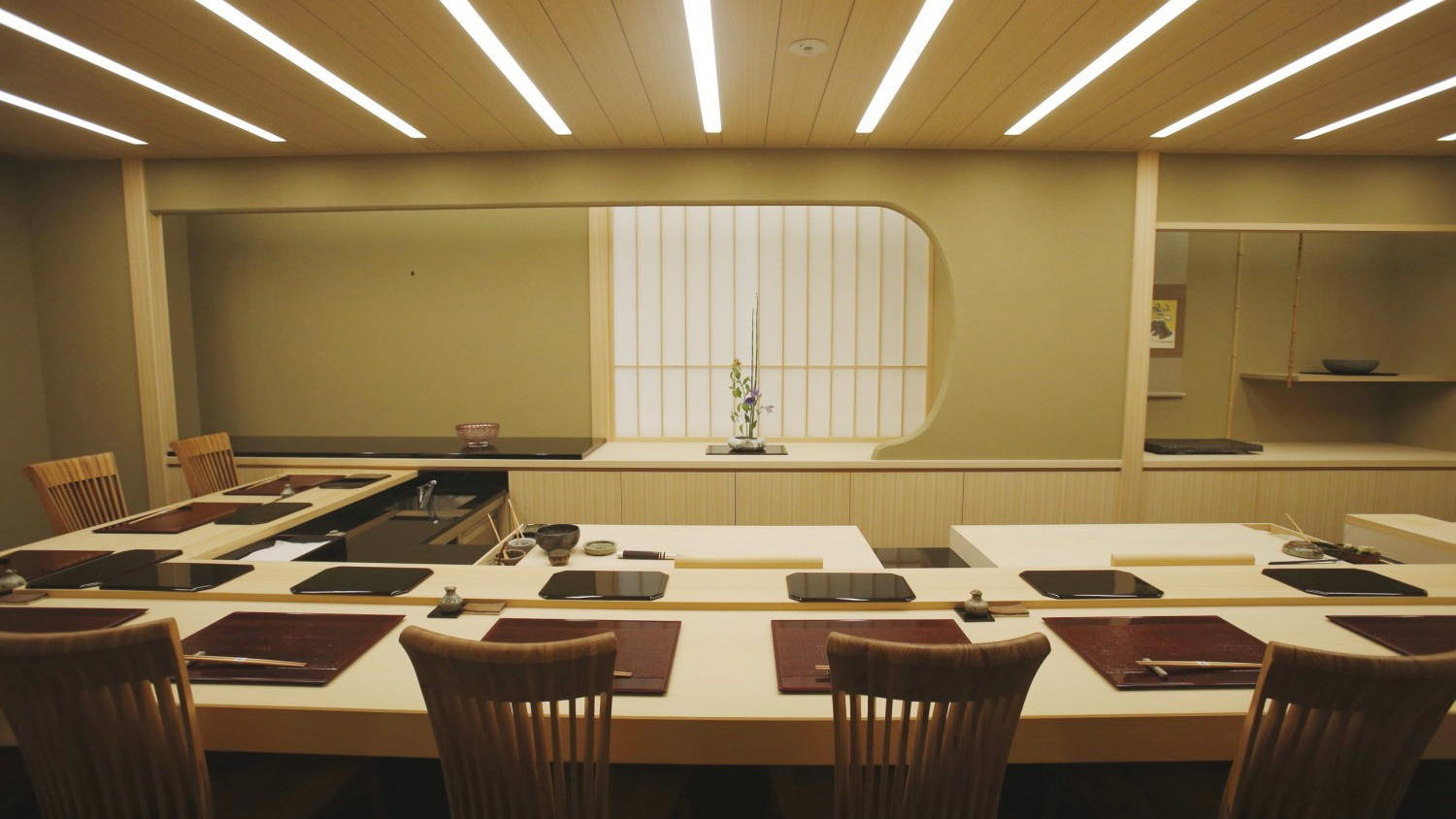
The dining room seats 40 at tables only, with no counter arrangement. This is a meaningful structural choice in the context of Tokyo's high-end Japanese cuisine scene, where counter service and direct chef interaction are sometimes treated as the default luxury format. RyuGin instead organises around table dining, with two private rooms available for parties of four, six, or eight, and one semi-private room. Private room diners should note the service charge differential: 10% applies to regular seating, rising to 15% for private and semi-private rooms.
The restaurant is open daily from 6 to 11 pm, with last order at 7:30 pm. The early last-order time relative to the restaurant's closing hour is a signal of how seriously the pacing is managed: a full kaiseki progression requires time, and latecomers compress that experience for themselves and, in a fully booked room, for the kitchen's sequencing as well. Arriving at or before the last-order window is the practical discipline the format demands.
Seasonal Logic and the Four-Course Year
In kaiseki, the calendar is not background context but structural content. RyuGin's seasonal framework divides the year into four ingredient categories that are widely recognised across Tokyo's high-end Japanese kitchens: spring wild vegetables and shellfish; summer sweetfish (ayu) and eel; autumn matsutake mushrooms; winter fugu (pufferfish) and Matsuba crab. This is not unusual within the kaiseki tradition, but the weight placed on each season and the depth of sourcing behind it differ considerably between houses.
The winter menu at RyuGin, in particular, has attracted sustained attention for its treatment of fugu. Fugu preparation requires a specialist licence in Japan, and the range of preparation methods available is narrower at most restaurants than the ingredient itself would theoretically allow. Yamamoto's approach to fugu across multiple preparations in the winter menu is noted in the La Liste citation as reflecting 'years of experience and passion.' For visitors planning a first visit, winter booking specifically for the fugu-led menu requires advance planning and is not guaranteed to be available at short notice, given the reservation-only policy and the restaurant's recognition profile.
The broader seasonal logic also shapes the drinks programme, with attention to sake (nihonshu), shochu, and wine. This positions it among the kaiseki houses in Tokyo that treat the beverage pairing as a substantive parallel track rather than an add-on. Ginza Shinohara and Kutan operate with comparable attention to sake integration, though their pricing structures and seasonal emphases differ.
The Setting: Hibiya and Its Reference Points
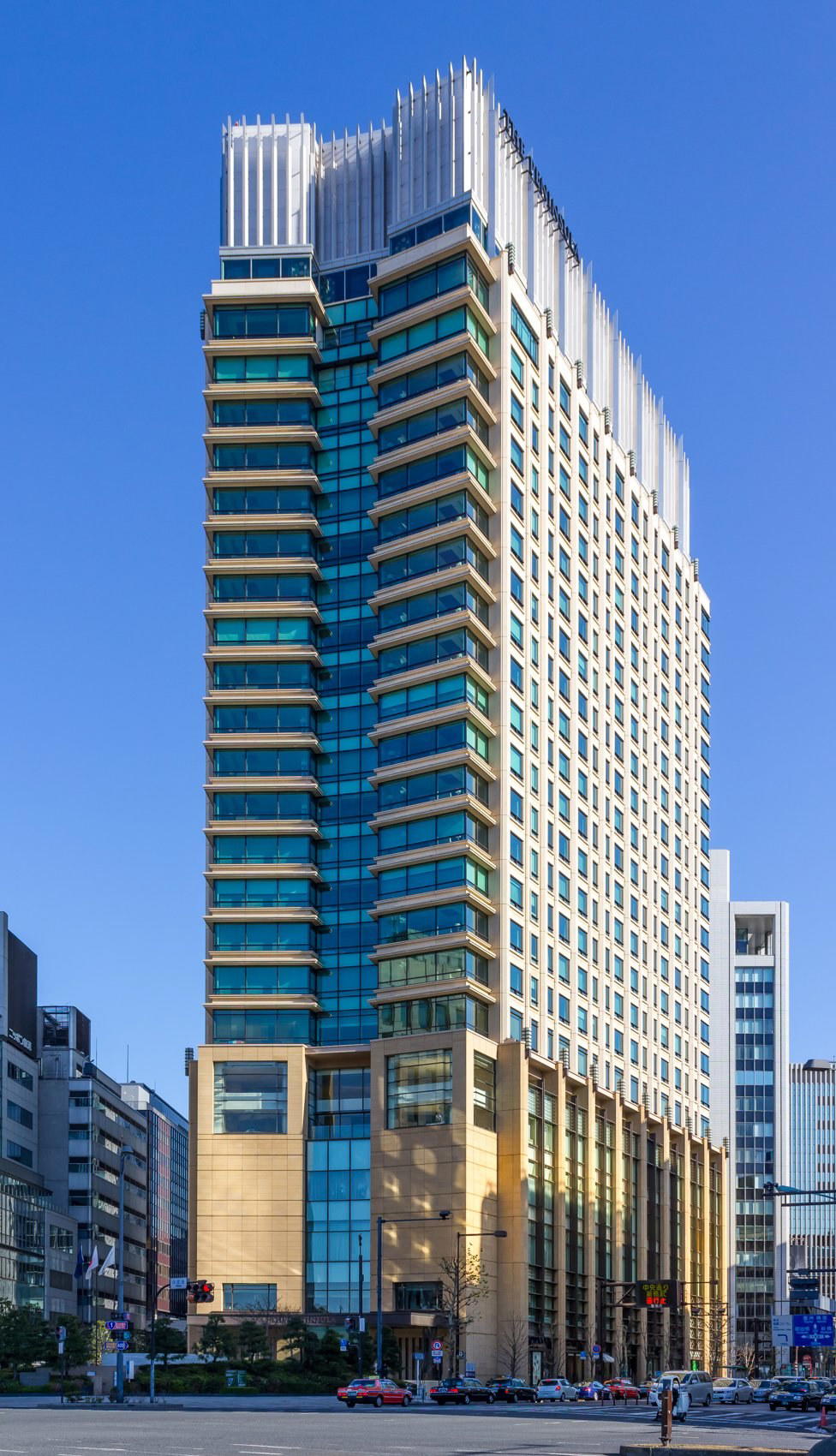
Yurakucho-Hibiya corridor is not where most first-time Tokyo visitors expect to find major kaiseki. The neighbourhood's modern commercial density, anchored by Tokyo Midtown Hibiya and the Hibiya cinema complex, sits between the Imperial Palace grounds to the north and Ginza to the east. The proximity to the Imperial Palace is a notable geographic detail. The seventh-floor position provides a night-view aspect, which is confirmed in the venue's facility listing. The building is directly connected to Hibiya Station on the Tokyo Metro Chiyoda, Hibiya, and Toei Mita lines, and within five minutes' walk of Yurakucho Station on the JR Yamanote Line.
Tokyo's three-Michelin-star restaurant cluster is not concentrated in any single district. Ginza, Azabu, Roppongi, and now Hibiya each host properties at that tier. What the Midtown Hibiya address provides is urban convenience without the intimate residential-scale lanes associated with Azabu or the older Roppongi kaiseki corridor. For visitors staying in central Tokyo hotels and coordinating a kaiseki dinner with other Hibiya or Ginza plans, the location is logistically efficient.
Those planning a longer Japan itinerary might also consider Hyotei and Kikunoi Honten in Kyoto as reference points for the kaiseki tradition in its historical home, alongside Gion Sasaki. Outside Kyoto, HAJIME in Osaka and Goh in Fukuoka offer contrasting approaches to the high-end Japanese dining category. akordu in Nara, 1000 in Yokohama, and 6 in Okinawa each represent distinct regional directions worth mapping against what Tokyo's kaiseki tier does with the same seasonal ingredients.
What to Know Before You Book
RyuGin is reservation-only, and walk-ins are not a viable strategy at this recognition level. The dress code is semi-formal, with explicit restrictions on T-shirts, men's shorts, and men's sandals. Notably, the venue prohibits excessive perfume or cologne, a policy tied directly to the aromatic dimension of the seasonal kaiseki progression. This is a practical request with a structural rationale: heavy fragrance interferes with the sensory layering that a multi-course kaiseki progression is built to deliver.
Credit cards (Visa, Mastercard, JCB, Amex, Diners) are accepted. Electronic money and QR code payment are not. Parking is not available at the venue, but the direct Metro connection mitigates that constraint for most visitors. The space is wheelchair accessible. Closing days are not fixed and should be confirmed via the restaurant's website before travel plans are finalised.
| Venue | Cuisine | Price Range | Seats | Counter Available | Michelin Stars |
|---|---|---|---|---|---|
| RyuGin | Kaiseki | JPY 80,000 to 99,999 | 40 (tables only) | No | 3 |
| Kanda | Kaiseki | ¥¥¥¥ | , | , | , |
| Kohaku | Kaiseki | ¥¥¥¥ | , | , | , |
| Ginza Kojyu | Kaiseki | ¥¥¥¥ | , | , | , |
Cost and Credentials
Comparable venues nearby, for context on price, style, and recognition.
| Venue | Cuisine | Price | Awards | Notes |
|---|---|---|---|---|
| RyuGinThis venue — the venue you are viewing | Chiyoda, Modern Kaiseki | $$$$ | Michelin 3 Star | Not listed |
| Myojaku | Minato, Modern Minimalist Kaiseki | $$$$ | Michelin 3 Star | Not listed |
| Sazenka | Minato, Modern Chinese Fine Dining | $$$$ | Michelin 3 Star | Not listed |
| Narisawa | Not listed | $$$$ | Michelin 2 Star | Minato, Modern Japanese Satoyama Fine Dining |
| L'Effervescence | Not listed | $$$$ | Michelin 3 Star | Minato, Modern French with Japanese Influences |
| Harutaka | Chūō, Edo-Style Omakase Sushi | $$$$ | Michelin 3 Star | Not listed |
Recognition history
Dated appearances from independent guides and award organizations, with the underlying list record or original source where available.
La Liste Top Restaurants
La Liste
Michelin 3 Stars
Michelin
Opinionated About Dining Top Restaurants in Japan Ranked #80
Opinionated About Dining
Tabelog Bronze #377
Tabelog
La Liste Top Restaurants
La Liste
Michelin 3 Stars
Michelin
Opinionated About Dining Top Restaurants in Japan Ranked #54
Opinionated About Dining
Tabelog 100 #21 · No. 21
Tabelog · Tabelog 100 - Japanese cuisine - TOKYO - 2025
Tabelog Bronze
Tabelog
The Best Chef Three Knives
The Best Chef
Michelin 3 Stars
Michelin
Opinionated About Dining Top Restaurants in Japan Ranked #46
Opinionated About Dining
Opinionated About Dining Top Restaurants in Japan Ranked #47
Opinionated About Dining
World's 50 Best Best Restaurants #41
World's 50 Best
World's 50 Best Best Restaurants #31
World's 50 Best
World's 50 Best Best Restaurants #29
World's 50 Best
World's 50 Best Best Restaurants #33
World's 50 Best
World's 50 Best Best Restaurants #22
World's 50 Best
World's 50 Best Best Restaurants #28
World's 50 Best
World's 50 Best Best Restaurants #48
World's 50 Best







At a Glance
- Elegant
- Sophisticated
- Modern
- Quiet
- Special Occasion
- Business Dinner
- Open Kitchen
- Private Dining
- Design Destination
- Sake Program
- Extensive Wine List
- Sommelier Led
- Skyline
Current opening hours
- Monday
- 6–11 PM
- Tuesday
- 6–11 PM
- Wednesday
- 6–11 PM
- Thursday
- 6–11 PM
- Friday
- 6–11 PM
- Saturday
- 6–11 PM
- Sunday
- 6–11 PM
Hours can change for holidays and private events. Last verified .
Calm and dignified interior with stylish black and traditional decor, well-spaced tables, soft lighting, and city views from the top floor, creating a refined and relaxing atmosphere.