


A Michelin-starred Chinese dining room on the fifth floor of Palace Hotel Tokyo, Chugoku Hanten Kohakukyu occupies a rare position in the city's fine-dining circuit: regionally broad Chinese cooking with a dedicated roasting chef for char siu and Peking duck and a separate dim sum chef for steamed and soup dumplings. At ¥¥¥, it sits below Tokyo's ¥¥¥¥ kaiseki tier while matching that bracket in technical rigour and award pedigree.
Pearl is the En Primeur Club membership app — saves, bookings, and concierge access live there. Same editors, same standards.
- Address
- Japan, 〒100-0005 Tokyo, Chiyoda City, Marunouchi, 1 Chome−1−1 パレスホテル東京 5階
- Phone
- +81 3-5221-7788
- Website
- chuugokuhanten.com
- Directions
- Get directions
 Saves & bookings on Pearl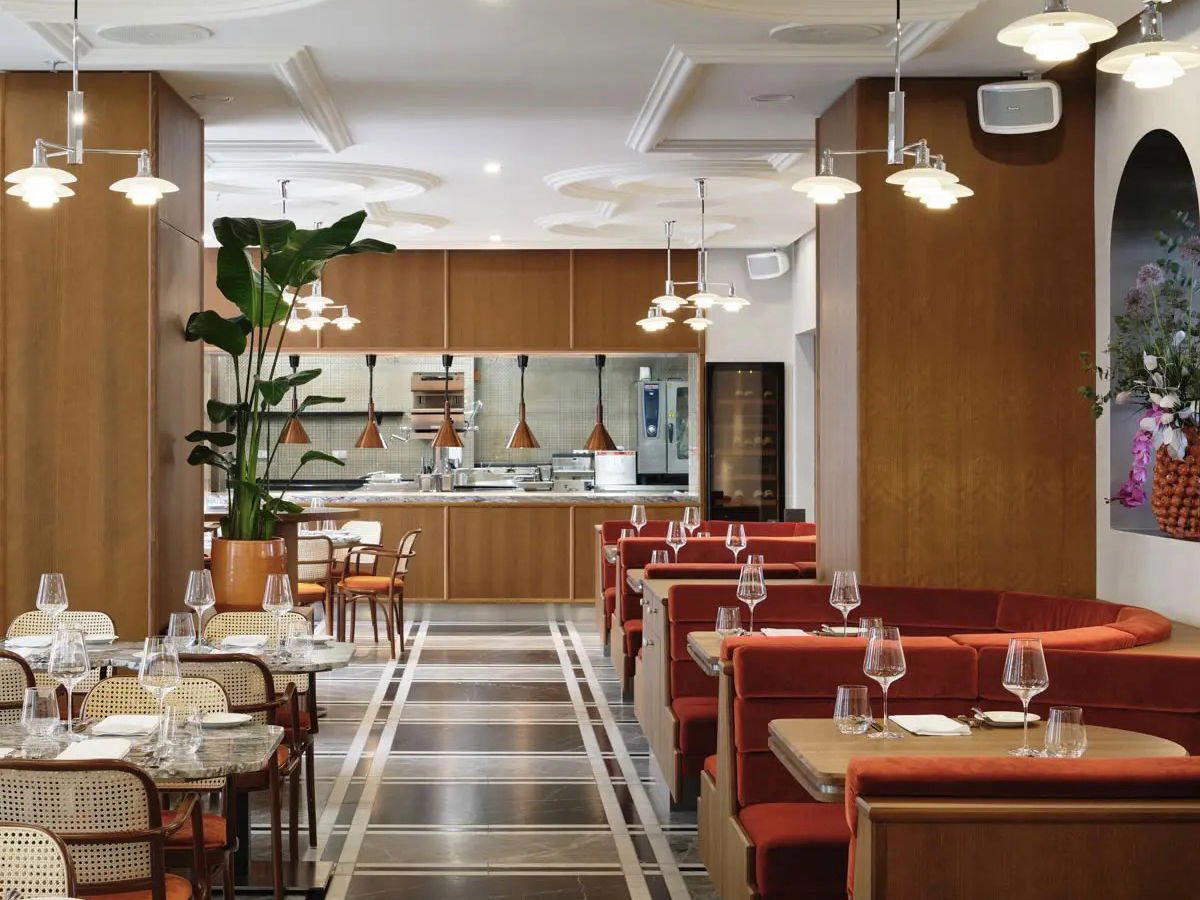
Fire and Finesse: Chinese Roasting Craft at the summit of Marunouchi
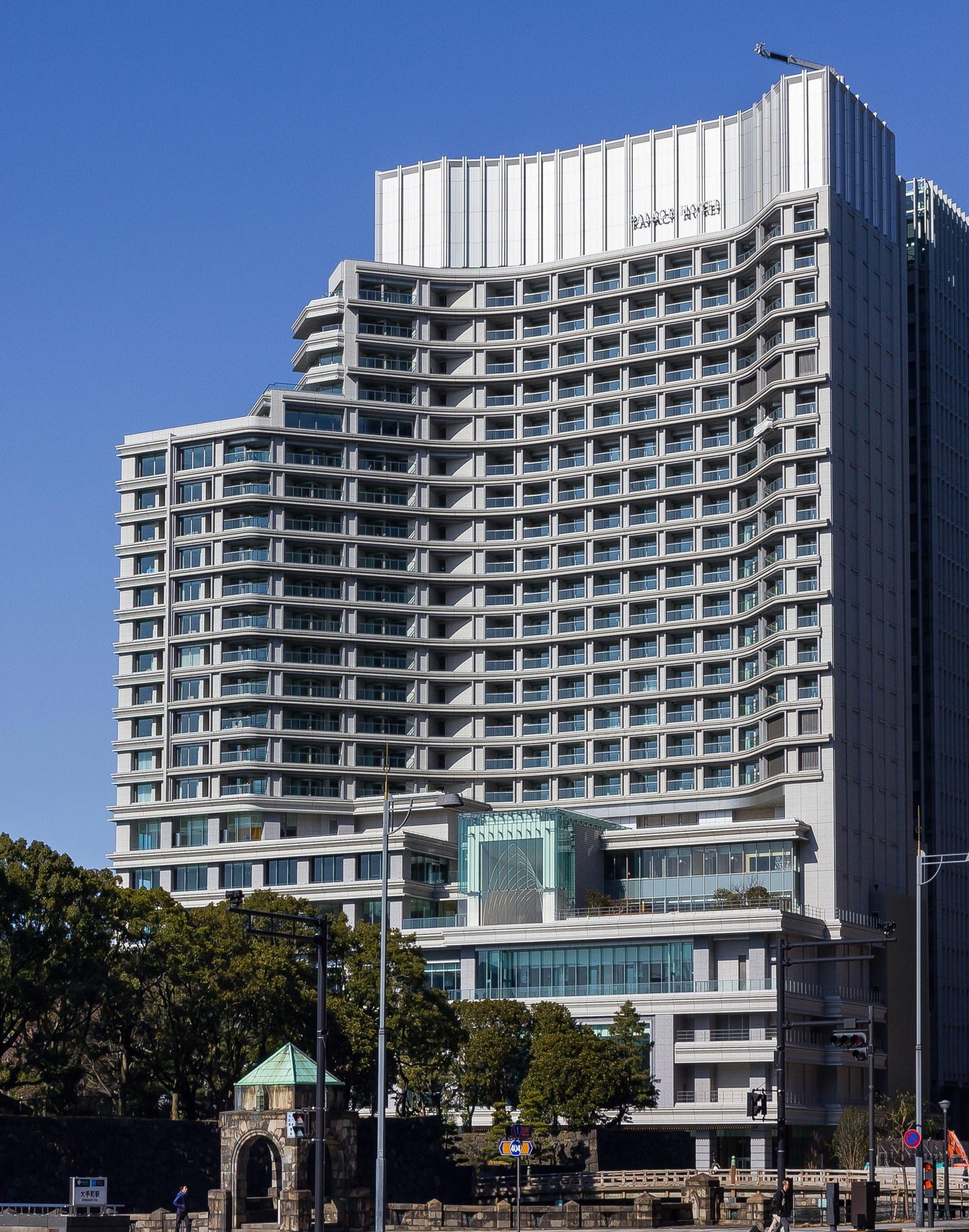
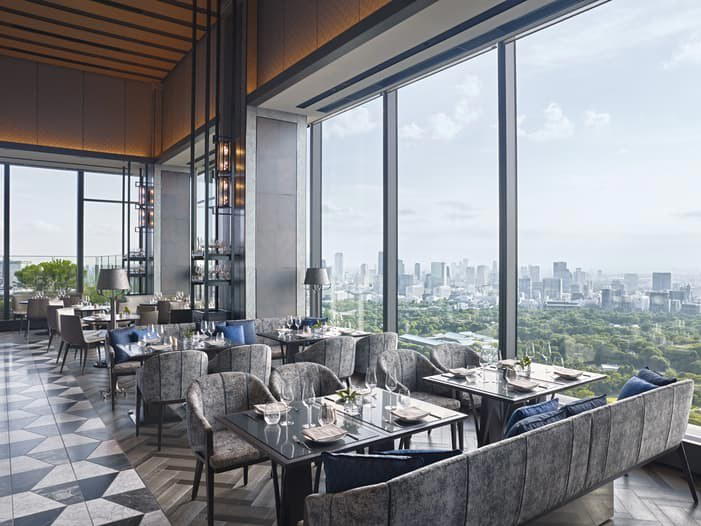
The fifth floor of Palace Hotel Tokyo addresses one of the more persistent gaps in Tokyo's high-end dining map: a formal Chinese room with the kitchen infrastructure to do justice to the full range of regional Chinese technique. Chugoku Hanten Kohakukyu, known in English as Amber Palace, holds a Michelin star and positions itself against a small peer group of Michelin-recognised Chinese addresses in the city. The dining room reads as traditional Chinese decorative vocabulary rendered in modern materials, a deliberate aesthetic decision that signals classical seriousness rather than fusion novelty.
The physical context matters. Marunouchi's hotel dining has converged on a particular register: formal, expensive, technically accomplished, and largely Japanese or European in orientation. A Michelin-starred Chinese room at this address is the exception rather than the rule, and the kitchen structure here, with roles divided between a roasting specialist and a dedicated dim sum chef, reflects the kind of craft division that defines serious Cantonese and regional Chinese cooking at its higher end globally.
The Roasting Counter Argument
Chinese roasting is one of the great underappreciated disciplines in professional cooking. The char siu and Peking duck programmes at Amber Palace are managed by a specialist roasting chef, which is the correct way to approach these preparations and rarer than it should be outside Hong Kong and Guangdong. Char siu demands a precise relationship between marinade composition, heat timing, and the caramelisation window, the moment when the exterior lacquer sets without scorching. Peking duck requires days of preparation: air-drying, often with a maltose glaze, before the high-heat roasting that crisps the skin while keeping the flesh uncollapsed. Getting both right in a single kitchen requires genuine specialisation.
In Tokyo's Chinese dining scene, this kind of dedicated roasting programme is a meaningful differentiator. The broader market for Chinese food in Tokyo is large and varied, but the segment operating with formally divided kitchen roles, roasting chef, dim sum chef, wok stations, is considerably narrower. Chugoku Hanten Fureika shares the Chugoku Hanten name and offers a point of comparison within the same restaurant group. Ippei Hanten represents another point on Tokyo's Chinese dining spectrum. But the combination of Palace Hotel address, Michelin recognition, and the dual-specialist kitchen structure places Amber Palace in a tier with limited direct competition in the city.
Dim Sum as Counter-Programme
The dim sum side of the kitchen operates under its own chef, which tells you something about how the restaurant understands its obligations. Steamed meat dumplings and soup dumplings, xiaolongbao, are technically demanding in different ways. The soup dumpling requires a precisely gelled stock that liquefies with heat inside a thin, sealed skin; the margin between a correct and a failed version is narrow. A dedicated dim sum chef at this level means the restaurant is not treating these preparations as secondary to the main menu, which is the correct call given that dim sum craftsmanship is one of the clearest markers of kitchen seriousness in Chinese fine dining.
For context on what this kind of technical rigour looks like across Japanese fine dining more broadly, Den at the two-Michelin-star level and the kaiseki tradition at venues like Gion Sasaki in Kyoto illustrate how Japanese diners have come to expect craft precision as a baseline, not a differentiator. Amber Palace is operating in that expectation environment while executing a different cuisine tradition entirely.
Regional Range and the Seafood Approach
The menu at Amber Palace is structured around regional variety rather than locked to a single province. This is an editorial position as much as a culinary one: it signals that the kitchen is confident enough to move across Chinese regional traditions without collapsing into a greatest-hits format. Seasonality is built into the menu's accent, which is a sensible alignment with how Tokyo's high-end dining market reads quality signals.
The seafood section is notable for a specific reason: guests can direct their preparation preference across XO sauce, fermented black beans, chilli sauce, or other options. This is not a standard feature at formal Chinese addresses in Tokyo, and it shifts the interaction between guest and kitchen in a meaningful way. Rather than presenting a fixed dish, the menu opens a negotiation around flavour profile. XO sauce brings dried seafood intensity and heat; fermented black beans offer a funkier, more earthy base note; chilli sauce shifts the register toward heat-forward. The structural decision to offer this choice indicates a kitchen comfortable enough with its own technique to let the guest steer part of the outcome.
Venues like Piao-Xiang and Koshikiryori Koki occupy different positions on Tokyo's wider Asian dining map, while itsuka illustrates the innovative end of the city's Japanese-inflected spectrum. Amber Palace's position is deliberately classical by comparison, with creativity channelled through ingredient sourcing and preparation precision rather than format reinvention.
Where This Fits in Tokyo's Fine Dining Tier
At ¥¥¥, Amber Palace sits a price tier below Tokyo's most formal addresses, the ¥¥¥¥ category that includes three-Michelin-star counters like Harutaka and RyuGin. This makes the access proposition more tractable than the leading table, while the Michelin star and hotel setting maintain a formal enough register that the room reads as a destination rather than a convenience. For visitors building a Tokyo itinerary across multiple meals, the price-to-recognition ratio at Amber Palace is worth factoring in against higher-ticket options.
Chinese fine dining at the Michelin level is a global conversation that includes Restaurant Tim Raue in Berlin and Mister Jiu's in San Francisco, both of which approach Chinese technique from different cultural vantage points. Amber Palace operates from within a Japanese hospitality context, which inflects service formality and mise en place without altering the kitchen's Chinese regional commitments. That combination, Chinese culinary tradition inside Japanese service standards, is its own distinct register.
For travellers extending beyond Tokyo, the Michelin-starred circuit in Japan continues at HAJIME in Osaka, akordu in Nara, Goh in Fukuoka, 1000 in Yokohama, and 6 in Okinawa, each in a different culinary tradition.
A Minimal comparable set
Comparable venues nearby, for context on price, style, and recognition.
| Venue | Cuisine | Price | Notes |
|---|---|---|---|
| Chugoku Hanten Kohakukyu (Amber Palace)This venue — the venue you are viewing | Chinese | $$$$ | Not listed |
| Koshikiryori Koki | Not listed | $$$$ | Minato, Hong Kong-Style Chinese Fine Dining |
| Edomae Shinsaku | Chūō, Modern Edo-style Tempura | $$$$ | Not listed |
| Gucci Osteria da Massimo Bottura Tokyo | Not listed | $$$$ | Chūō, Contemporary Italian with Japanese Influences |
| Tour D'argent Tokyo | Chiyoda, Classic French Fine Dining | $$$$ | Not listed |
| Akanezaka Onuma | Minato, Traditional Seasonal Kaiseki | $$$$ | Not listed |
Recognition history
Dated appearances from independent guides and award organizations, with the underlying list record or original source where available.
Michelin Plate
Michelin
Opinionated About Dining Top Restaurants in Japan Recommended
Opinionated About Dining
Tabelog 100 #26 · No. 26
Tabelog · Tabelog 100 - Chinese cuisine - TOKYO - 2026
Michelin 1 Star
Michelin








At a Glance
- Elegant
- Sophisticated
- Classic
- Business Dinner
- Special Occasion
- Date Night
- Open Kitchen
- Historic Building
- Hotel Restaurant
- Sake Program
- Garden
- Skyline
Current opening hours
- Monday
- 11:30 AM–3:30 PM, 5:30–10 PM
- Tuesday
- 11:30 AM–3:30 PM, 5:30–10 PM
- Wednesday
- 11:30 AM–3:30 PM, 5:30–10 PM
- Thursday
- 11:30 AM–3:30 PM, 5:30–10 PM
- Friday
- 11:30 AM–3:30 PM, 5:30–10 PM
- Saturday
- 11:30 AM–3:30 PM, 5:30–10 PM
- Sunday
- 11:30 AM–3:30 PM, 5:30–10 PM
Hours can change for holidays and private events. Last verified .
Traditional Chinese decorations blended with modern elegance, featuring comfortable seating and window views of manicured gardens and Tokyo skyline.