







3 Michelin Stars · World's 50 Best #33 · La Liste Top Restaurants
Our verdict
Myojaku sits in Tokyo's high-price Japanese dining tier with a 14-course French-leaning omakase shaped by Hidetoshi Nakamura. Its interest is regional as much as technical: Kanto restraint, Kansai-style sensitivity to water and aroma, and a minimalist approach that has drawn Tabelog Silver recognition and a 2026 OAD ranking.

Pearl is the En Primeur Club membership app, where members save venues, book tables and use the concierge.

The menu
What to order
- Kinumaki-zushi
- Seawater_cooked_vegetables
Myojaku is a Japanese restaurant in Tokyo. The verified essentials are concise: the cuisine is Japanese, the chef/owner is Hidetoshi Nakamura, the price level is ¥¥¥¥, and the dress code is smart casual. Beyond those points, specific claims about format, menus, seating, opening year, ratings, awards, drinks, service style or exact location should be treated cautiously unless confirmed directly by the restaurant.
For diners planning a high-end Tokyo meal, that limited public profile still says something useful. The safest way to understand it is as a premium Japanese restaurant in Tokyo led by Hidetoshi Nakamura.
What is verified about Myojaku
Myojaku is in Tokyo and serves Japanese cuisine. Diners can approach it as a high-end Japanese restaurant rather than as a confirmed example of any single regional school or hybrid format.
Chef Hidetoshi Nakamura is the verified chef/owner associated with Myojaku. That is the clearest personal marker available for the restaurant. Claims about particular culinary philosophies, ingredient sourcing, water use, seasoning style or dish composition should be confirmed with the restaurant or current booking materials before being treated as fact.
The verified price category is ¥¥¥¥, so guests should expect Myojaku to sit in Tokyo's premium dining tier. The dress code is smart casual, which makes it suitable for a polished evening without requiring formalwear. Other operational details, including exact service format or policies, are not verified here.
Planning around limited public details
Tokyo has many high-end Japanese restaurants, and diners often compare them by cuisine style, budget, setting and occasion. For Myojaku, the confirmed comparison points are limited but important: it is Japanese, it is in Tokyo, it is associated with Hidetoshi Nakamura, and it is priced at ¥¥¥¥.
Because seating layout, course count, private-room availability and reservation rules are not verified here, they should not be assumed. Guests who need specific arrangements should check directly with the restaurant or their booking channel before finalizing plans.
The local comparison set can still be useful. Kasumicho Yamagami, Nishiazabu Noguchi, Nishiazabu Otake, ROPPONGI RIAN and Waketokuyama are natural reference points for diners looking at other Japanese restaurants in Tokyo. Myojaku's verified profile is simpler: a premium Japanese restaurant in Tokyo led by Hidetoshi Nakamura.
The dress code is smart casual. That is the only verified etiquette detail here, so other policies around scent, photography, smoking, age restrictions or punctuality should be checked with the restaurant rather than assumed.
Where it fits in a Tokyo dining itinerary
Myojaku fits best into a Tokyo itinerary for diners seeking a premium Japanese meal. The verified price indicator, ¥¥¥¥, places it in a high-end bracket, while the cuisine category and chef/owner information provide the clearest basis for deciding whether it belongs in a dining plan.
For a broader view of Japanese dining in Tokyo, compare Myojaku with Kasumicho Yamagami, Nishiazabu Noguchi, Nishiazabu Otake, ROPPONGI RIAN and Waketokuyama. The choice between them should be made with current booking information, because unverified specifics such as menu format, seating style, lunch or dinner availability and service policies can materially affect the experience.
Travelers building a fuller Tokyo plan should keep dining in proportion. Myojaku can be considered as one premium Japanese restaurant within a wider city itinerary, alongside other Tokyo dining and cultural plans.
The verdict is direct: choose Myojaku if the verified essentials appeal to you, Japanese cuisine in Tokyo, Hidetoshi Nakamura as chef/owner, a ¥¥¥¥ price level and a smart casual dress code. For anything more specific, confirm directly before booking.
Frequently asked questions
Where is Myojaku located?
Myojaku is located in Tokyo.
Is Myojaku more mid-range or high-end?
Pricing at Myojaku is listed as ¥¥¥¥.
What cuisine category does Myojaku fall under?
Myojaku serves Japanese cuisine.
Who is the chef at Myojaku?
The chef/owner associated with Myojaku is Hidetoshi Nakamura.
What's the best way to book Myojaku?
Check directly with Myojaku or a current booking channel before planning a visit.
What It's Closest To
Nearby venues at a similar price tier for orientation.
| Venue | Cuisine | Price | Awards | Notes |
|---|---|---|---|---|
| MyojakuThis venue (the venue you are viewing) | Modern Minimalist Kaiseki | $300–500 | 3 Michelin Stars · World's 50 Best #33 | Not listed |
| Nishiazabu Noguchi | Kaiseki Omakase | $200–300 | Michelin Plate · Tabelog 100 #34 | Japanese |
| Nishiazabu Otake | Modern Kaiseki Omakase | $100–150 | Michelin Plate | Japanese |
| Kasumicho Yamagami | Seasonal Japanese Kaiseki Omakase | $300–500 | 1 Michelin Star · Tabelog 100 #44 | Japanese |
| ROPPONGI RIAN | Kyoto-style Kappo | $150–200 | Michelin Plate | Japanese |
| Waketokuyama | Seasonal Omakase Kaiseki | $150–200 | 1 Michelin Star | Japanese |
Recognition history
Dated appearances from independent guides and award organizations, with the underlying list record or original source where available.
Michelin 3 Stars
Michelin
World's 50 Best Asia's Best Restaurants #33
World's 50 Best
La Liste Top Restaurants
La Liste
Black Pearl 1 Diamond
Black Pearl
Opinionated About Dining Top Restaurants in Japan Ranked #35
Opinionated About Dining
Full recognition history (18 entries)
Tabelog Silver #84
Tabelog
Tabelog Chef's Gold #6
Tabelog
Black Pearl 1 Diamond
Black Pearl
Michelin 2 Stars
Michelin
Opinionated About Dining Top Restaurants in Japan Ranked #20
Opinionated About Dining
Tabelog Silver
Tabelog
Tabelog 100 #38 · No. 38
Tabelog · Tabelog 100 - Japanese cuisine - TOKYO - 2025
The Best Chef One Knife
The Best Chef
We're Smart World 3 Radishes
We're Smart World
World's 50 Best Asia's Best Restaurants #45
World's 50 Best
Michelin 2 Stars
Michelin
Opinionated About Dining Top Restaurants in Japan Ranked #14
Opinionated About Dining
Opinionated About Dining Top Restaurants in Japan Ranked #118
Opinionated About Dining
Continue exploring
More in Tokyo
Restaurants in Tokyo
All restaurants in Tokyo →



Bars in Tokyo
All bars in Tokyo →





Details
- Minimalist
- Elegant
- Intimate
- Sophisticated
- Serene
- Special Occasion
- Date Night
- Chefs Counter
- Open Kitchen
- Private Dining
- Sake Program
- Sommelier Led
- Tasting Menu
- Counter Dining
- Sake
- Wine
- Vegetarian Friendly
- Vegan Options
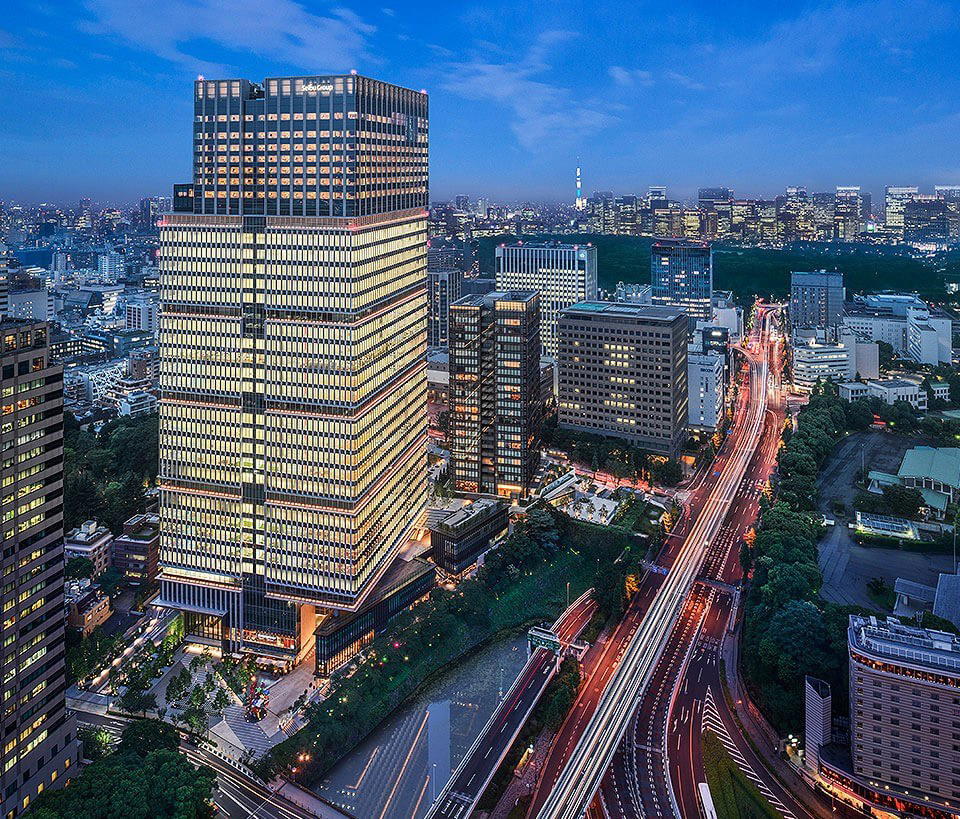
Pared-back elegance in a sukiya-style interior with a single wooden counter, soft lighting, and serene atmosphere emphasizing simplicity and tranquility.