

A Michelin-starred Sichuan restaurant in Minami-Aoyama that operates on a strictly Japanese-sourced set menu, itsuka applies the logic of washoku restraint to Chinese cooking. Fermented vegetables and careful seasoning keep the focus on produce rather than heat, and the meal closes with a choice among noodle preparations including dandan and hot-and-sour. Rated 4.7 on Google across 68 reviews.
Pearl is the En Primeur Club membership app — saves, bookings, and concierge access live there. Same editors, same standards.
- Address
- Japan, 〒107-0062 Tokyo, Minato City, Minamiaoyama, 2 Chome−14−15 AOYAMA FUSION Bldg 2F
- Phone
- +81 3-3796-7835
- Website
- itsuka8.com
- Directions
- Get directions
 Saves & bookings on Pearl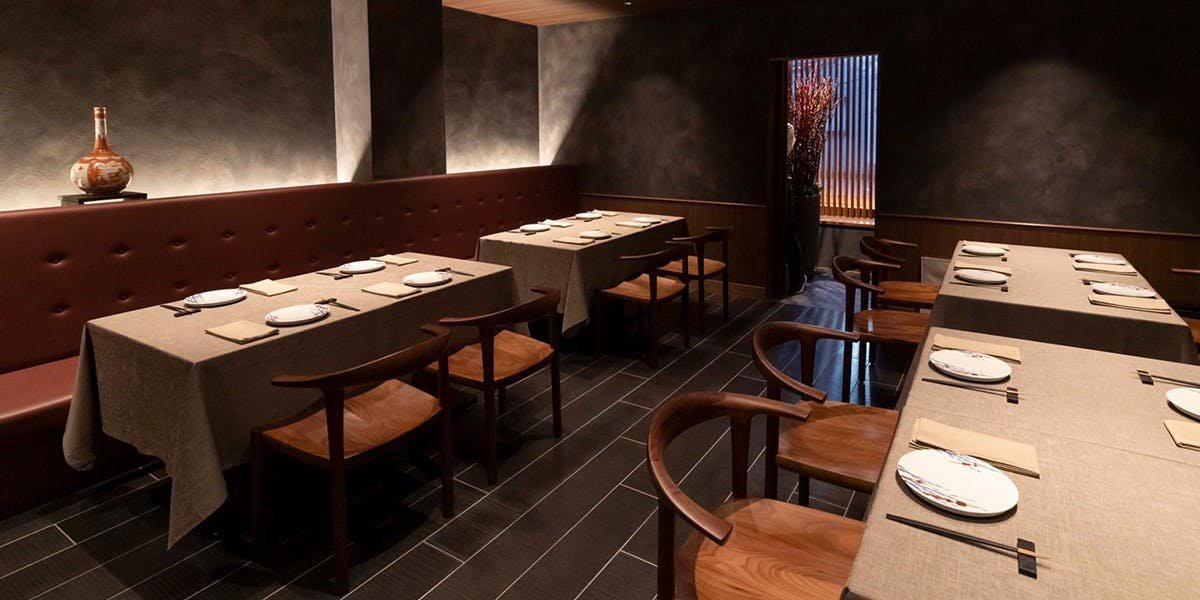
Sichuan Cooking Through a Japanese Lens
Tokyo has spent the better part of three decades refining Chinese cooking into something that exists nowhere else. The city's leading Chinese restaurants do not simply import technique from the mainland; they pass it through a Japanese sensibility that prizes ingredient clarity, seasonal rhythm, and controlled heat over the maximalist approach that defines much Sichuan cooking at source. That tradition has produced a small, tightly held tier of Michelin-recognised Chinese restaurants in Tokyo, and itsuka, on the second floor of a commercial building in Minami-Aoyama, holds a place inside it.
The Michelin Guide awarded itsuka one star in 2024, which places it within a competitive set that includes other Chinese kitchens in Tokyo where the cuisine has been filtered through Japanese precision. itsuka sits at the ¥¥¥¥ price tier. The pricing reflects a deliberate set-menu-only format rather than an à la carte operation with flexible spend.
A Menu Built Around Japanese Produce
What distinguishes itsuka within Tokyo's Chinese dining tier is a sourcing commitment that runs contrary to how most Sichuan restaurants anywhere in the world operate. Every ingredient comes from within Japan. The kitchen works with Japanese-grown and Japanese-fermented equivalents, or makes its own. The result is described in the venue's own framing as "Chinese cooking as only Japan can do."
That has real structural consequences on the plate. Where conventional Sichuan cooking deploys seasoning and chilli heat as primary flavour drivers, itsuka uses them sparingly, repositioning them as accents that support the ingredient rather than define the dish. Fermented vegetables absorb that supporting role instead, adding the depth and complexity that would otherwise come from heavier spicing. Steamed and stir-fried preparations dominate, which keeps the ingredient character intact in a way that deep frying or long braising would obscure.
The format is set menu only, which matters when choosing this as a destination for a significant occasion. There are no individual dish decisions to negotiate at the table, no risk of under-ordering or missing a key preparation. The kitchen sequences the meal, and the guest follows that sequence. This is a dining structure common to Tokyo's kaiseki tradition but relatively unusual in Chinese restaurants globally, and it gives the occasion a formality that suits a milestone dinner more than a casual weeknight.
The Occasion Case for itsuka
In a city with as many formal dining options as Tokyo, choosing the right room for a significant meal requires clarity about what the experience will actually feel like. itsuka sits in a specific position: it is not an enormous destination restaurant where the room itself is the spectacle, and it is not a hidden counter where the theatre is entirely between guest and chef. It occupies a middle register, one where the set menu format and the conceptual rigour of the sourcing approach give the meal a clear internal logic.
That logic makes it well-suited to occasions where the conversation matters as much as the food. The meal has a structured arc, beginning with the kitchen's seasonal choices and closing with a single noodle preparation selected from a short list that includes dandan noodles, hot-and-sour noodles, and hotpot soup noodles. That closing choice is one of the few decision points the guest encounters across the meal, and it functions almost like a ritual conclusion, a deliberate signal that the formal sequence is complete.
Milestone diners who have worked through Tokyo's kaiseki tier, at Koshikiryori Koki or other traditional Japanese formats, and want to approach Japanese-inflected Chinese cooking with the same level of seriousness will find itsuka a coherent next step. It operates within the same logic of seasonal sourcing and restrained seasoning, applied to a different culinary tradition.
Minami-Aoyama as a Dining Address
The Minami-Aoyama address places itsuka within one of Tokyo's more considered dining districts. The neighbourhood runs south of Omotesando and carries a different character from the denser, higher-volume blocks of Roppongi or Shinjuku. Restaurants here tend to be smaller, the price tiers higher relative to seat count, and the booking lead times longer. The AOYAMA FUSION Building on 2 Chome-14-15 Minamiaoyama is a commercial address. The building exterior carries no particular weight; the quality is inside.
For visitors building a Tokyo itinerary around dining, Minami-Aoyama connects naturally to other serious restaurants in the surrounding blocks. Ippei Hanten and Piao-Xiang represent other reference points in Tokyo's Chinese dining tier. For the broader city picture, our full Tokyo restaurants guide covers the range from counter sushi to kaiseki to French.
Chinese Cooking Refined Elsewhere
The model itsuka represents has parallels in other cities where Chinese cooking has been reinterpreted through a local fine-dining sensibility. Restaurant Tim Raue in Berlin applies European fine-dining structure to Chinese-influenced cooking, while Mister Jiu's in San Francisco works with Cantonese tradition through a California-produce lens. What distinguishes itsuka from both is the depth of commitment to Japanese sourcing as an organising principle rather than an aesthetic choice. The cuisine is Sichuan in structure; the ingredients and their treatment are Japanese in provenance and philosophy.
Elsewhere in Japan, restaurants at comparable ambition levels are building reputations through similar approaches to regional sourcing and set-menu discipline. HAJIME in Osaka and Gion Sasaki in Kyoto operate within different culinary traditions but share the same underlying logic: source from Japan, let the ingredient lead, keep the seasoning in service of the produce. Further afield, akordu in Nara, Goh in Fukuoka, 1000 in Yokohama, and 6 in Okinawa each extend that tradition into their own regional contexts.
Planning Your Visit
Reservations: Set-menu-only format and Michelin recognition at the ¥¥¥ tier in Minami-Aoyama typically requires advance booking; enquire directly through the restaurant. Dress: No formal dress code is listed, but the tone of the meal and the neighbourhood context align with smart-casual at minimum. Budget: ¥¥¥ price tier. Location: AOYAMA FUSION Building 2F, 2 Chome-14-15 Minamiaoyama, Minato City, Tokyo.7 across 68 reviews (2024).
The Minimal Set
Comparable venues nearby, for context on price, style, and recognition.
| Venue | Cuisine | Price | Notes |
|---|---|---|---|
| itsukaThis venue — the venue you are viewing | Minato, Modern Sichuan-Japanese Fusion | $$$$ | Not listed |
| Series | Minato, Modern Chinese Fine Dining | $$$$ | Not listed |
| L'ARGENT | Not listed | $$$$ | Chiyoda, Modern French with Japanese Influences |
| Ichirin | Not listed | $$$$ | Shinjuku, Modern Japanese Omakase with Sea Urchin Focus |
| Hiroo Ishizaka | Shibuya, Edomae Omakase Sushi | $$$$ | Not listed |
| Dominique Bouchet Tokyo | Chūō, Modern French Fine Dining | $$$$ | Not listed |
Recognition history
Dated appearances from independent guides and award organizations, with the underlying list record or original source where available.
Michelin 1 Star
Michelin
Tabelog 100 #10 · No. 10
Tabelog · Tabelog 100 - Chinese cuisine - TOKYO - 2026
Michelin 1 Star
Michelin













At a Glance
- Elegant
- Sophisticated
- Intimate
- Special Occasion
- Celebration
- Business Dinner
- Date Night
- Private Dining
- Open Kitchen
- Sake Program
- Sommelier Led
- Extensive Wine List
- Local Sourcing
- Farm To Table
Current opening hours
- Monday
- Closed
- Tuesday
- 6–10:30 PM
- Wednesday
- 12–3 PM, 6–10:30 PM
- Thursday
- 12–3 PM, 6–10:30 PM
- Friday
- 12–3 PM, 6–10:30 PM
- Saturday
- 12–3 PM, 6–10:30 PM
- Sunday
- 12–3 PM, 6–10:30 PM
Hours can change for holidays and private events. Last verified .
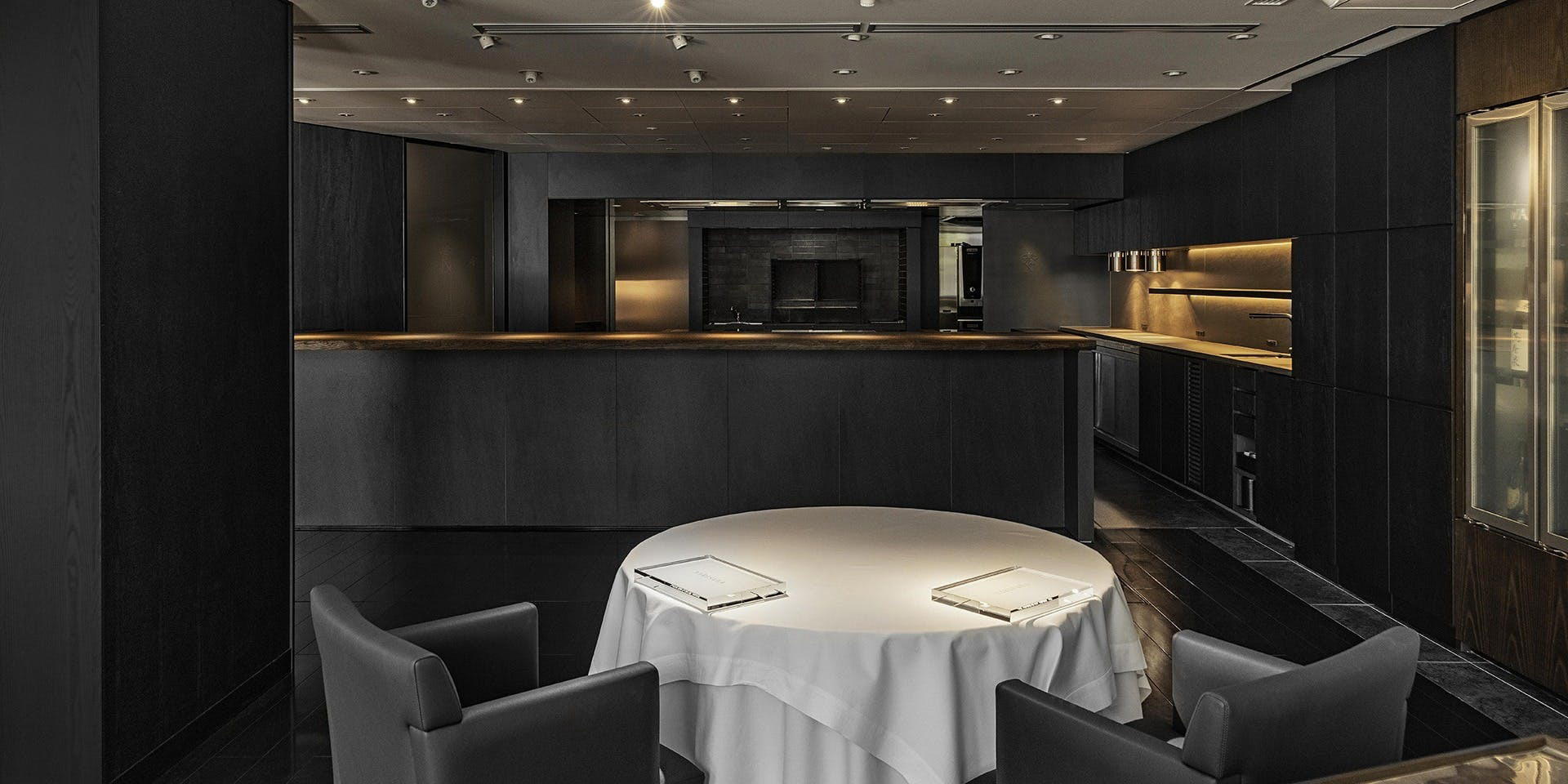
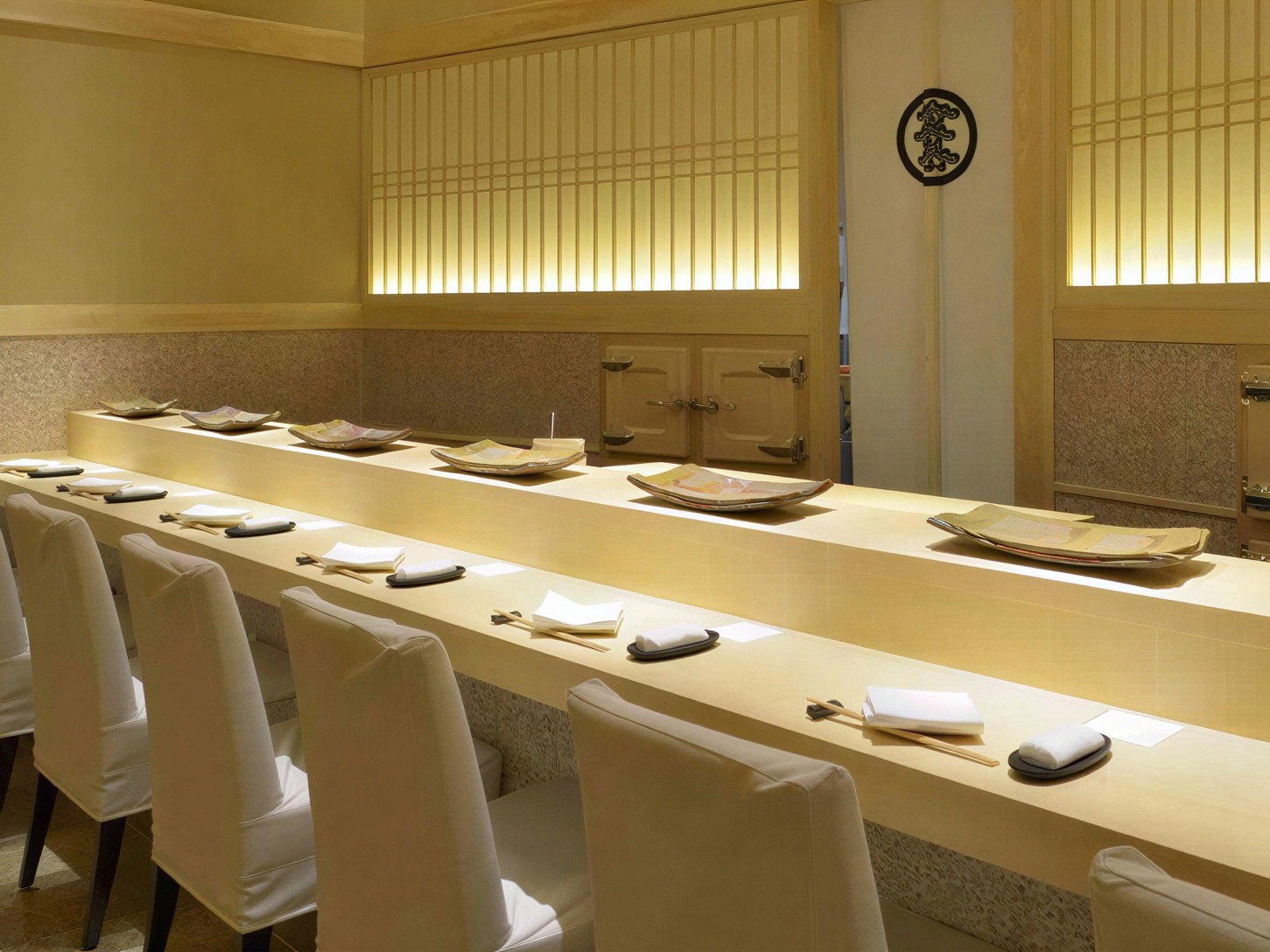
Sophisticated yet welcoming atmosphere with spacious, relaxing seating and refined tableware; hideout-like location creates an intimate fine dining experience.