
Opened in May 2021 in Yokohama's Kannai district, 1000 (セン) has earned consecutive Tabelog Award Bronze recognition and a place on the Yakitori EAST 100 list every year since 2022. The ten-seat counter operates on a reservation-only basis through the omakase platform, with a dinner spend that typically lands between JPY 20,000 and JPY 29,999. A sommelier is on hand to pair sake and wine against the progression of skewers.
Pearl is the En Primeur Club membership app — saves, bookings, and concierge access live there. Same editors, same standards.
- Address
- Japan, 〒231-0012 Kanagawa, Yokohama, Naka Ward, Aioicho, 2 Chome−52 Kaneko Bld., 3F
- Phone
- +81 45-307-9666
- Website
- tabelog.com
- Directions
- Get directions
 Saves & bookings on Pearl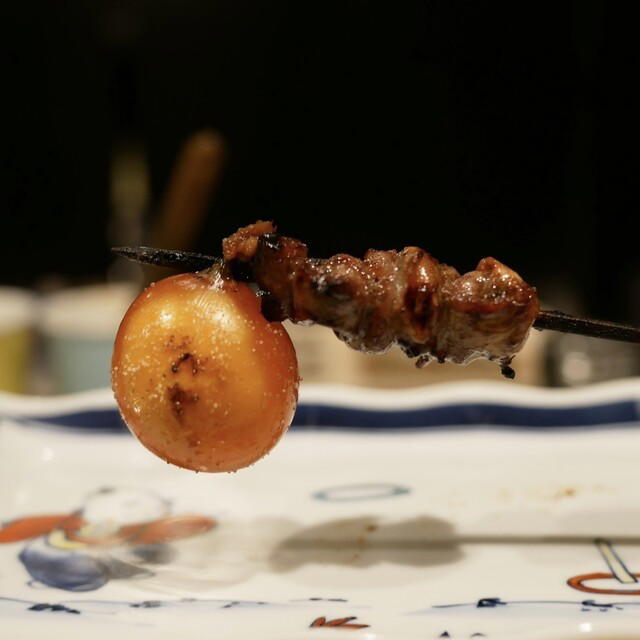
A Counter Format That Takes Yakitori Seriously
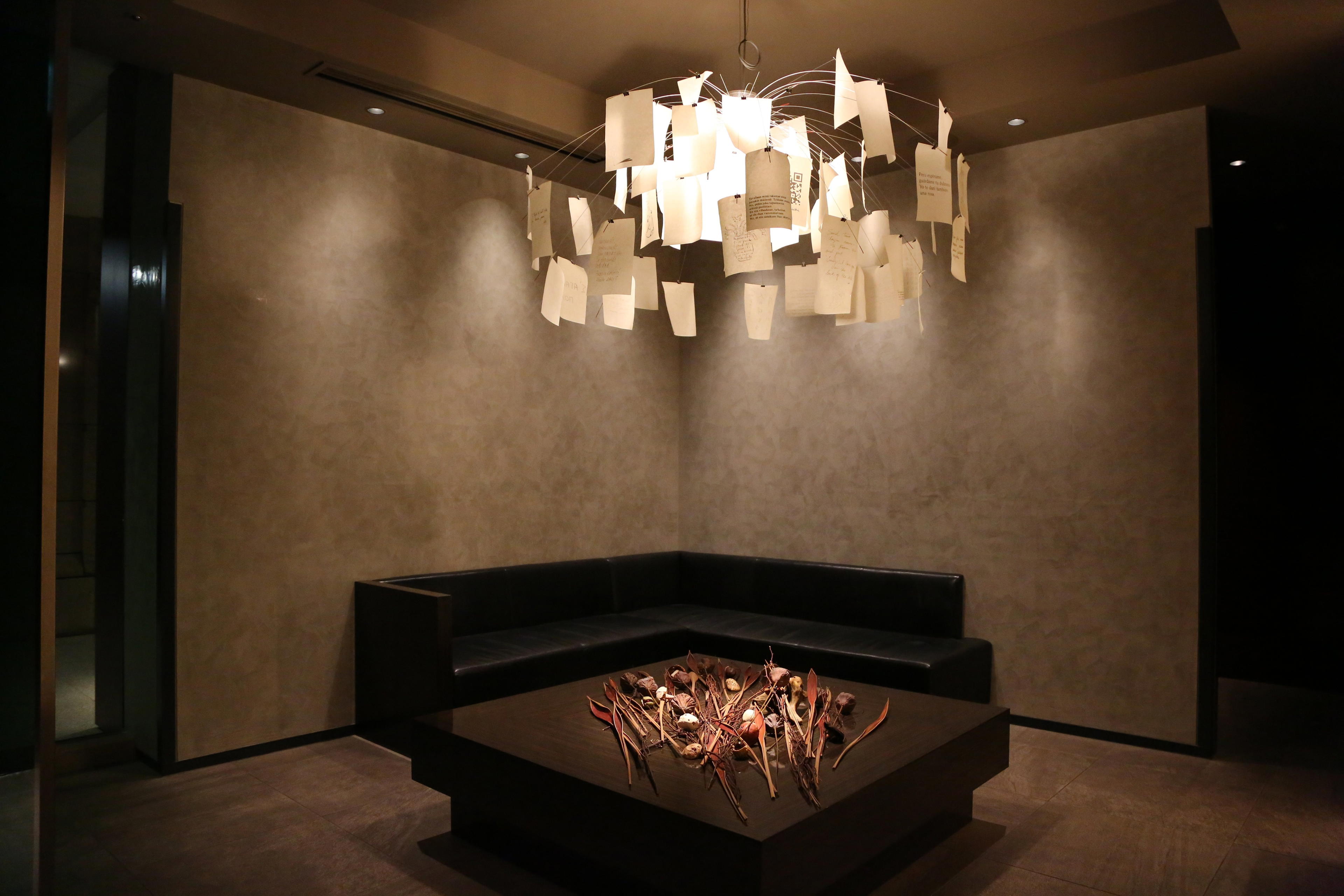
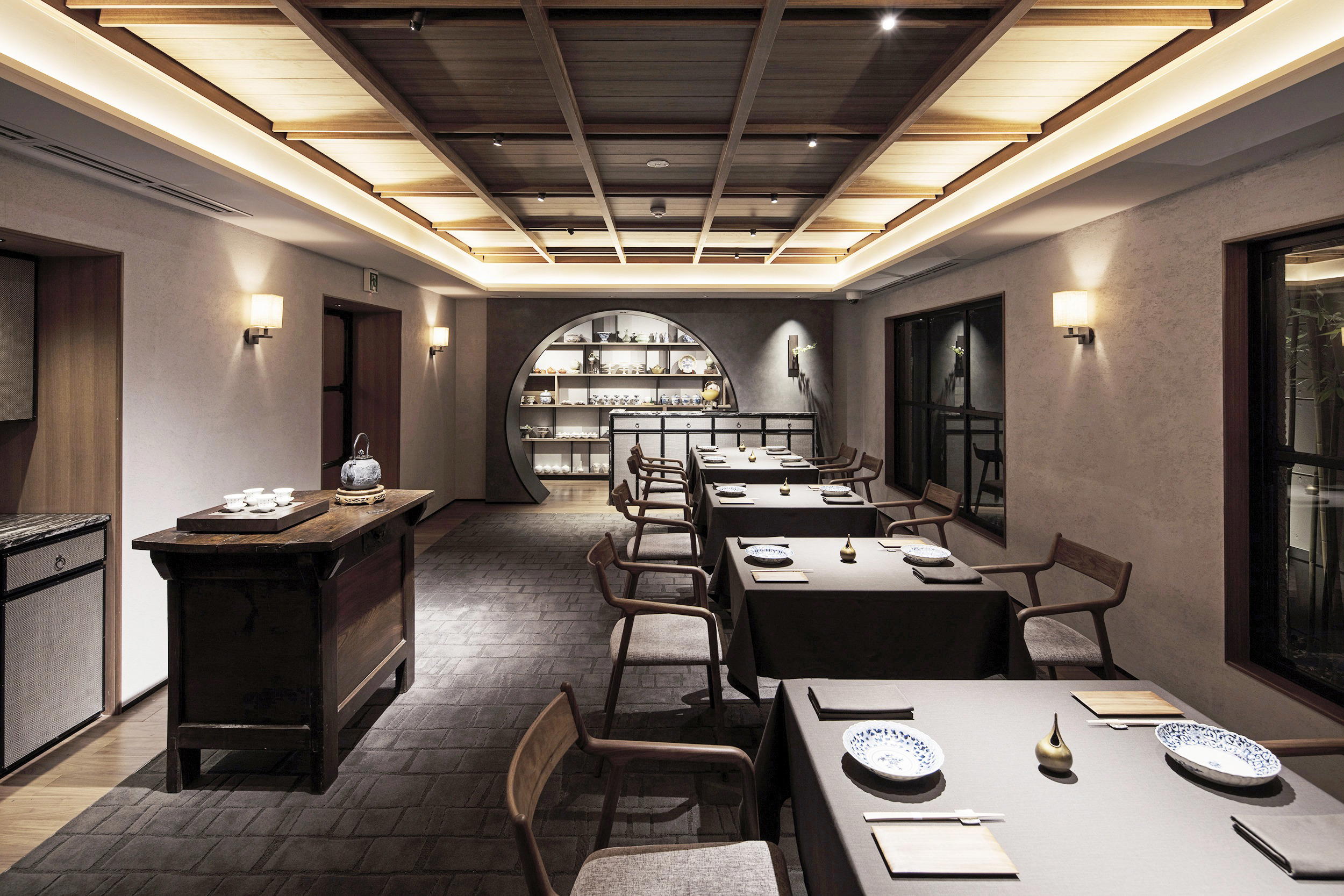
The building on Aioicho doesn't announce itself. A Chinese restaurant occupies the ground floor of the Kaneko Building; the elevator or stairs bring you to the third floor, where the room contracts to ten counter seats and the smell of binchōtan smoke displaces everything else. This is the register in which Japan's yakitori counter tradition now operates: not the after-work standing bar, not the casual izakaya chain, but a format that borrows the physical grammar of high-end omakase sushi, applies it to grilled chicken, and prices accordingly.
That shift has been building across Japanese cities for over a decade. As the counter omakase model spread from sushi and kaiseki into tempura, soba, and unagi, it was only a matter of time before yakitori followed. The logic is the same: reduce seating, control the pace of service, and give the cook full authority over the sequence of what arrives and when. At 1000 in Yokohama's Naka Ward, that logic has produced a Tabelog score of 4.26 and a record of consecutive recognition that few yakitori counters in the greater Kantō region have matched.
The Kannai Position and What It Signals
Kannai sits in central Yokohama, a few minutes' walk from both Kannai Station and Bashamichi Station, in a district that has long served as the city's commercial and civic spine. It is not a neighborhood defined by restaurant tourism the way that, say, Motomachi or the Chinatown blocks nearby tend to attract foot traffic. That makes it a reasonable proxy for the broader pattern visible in Japan's second and third cities: particularly technically serious restaurants often open away from established tourist circuits, serving a local clientele that tracks Tabelog scores and books through reservation platforms rather than walking in.
For visitors from Tokyo, the Yokohama dining scene offers a genuinely different concentration of counter specialists. Nakajo and Omino Kamiyacho represent the city's sushi counter tier; Ribatei covers a different register altogether, and Yoda demonstrates how seriously the city takes even tonkatsu at the JPY 8,000 to 9,999 range. 1000 occupies Yokohama's premium yakitori position, and the price differential between it and a standard yakitori izakaya is a direct index of the format difference.
Yakitori Through a Kaiseki Lens
Japan's kaiseki tradition is fundamentally about sequence and restraint: courses arrive in an order that moves from lighter to richer, each one calibrated to what preceded it and what follows. That philosophy has migrated into the yakitori counter format with considerable fidelity. The leading yakitori omakase counters treat the progression of skewers as a composed whole, not a menu of interchangeable parts. The distinction between indirect and direct heat, the technique Tabelog's own description flags at 1000, is central to that control. Indirect heat allows more delicate cuts to cook through without charring; direct heat builds the crust and caramelization that define the visual and textural register of grilled chicken at its most direct. Knowing when to use which, and in what sequence, is the craft that separates a technically serious counter from a competent izakaya.
In this respect, the premium yakitori counter shares more with kaiseki philosophy than its street-food origins might suggest. The same commitment to reading each ingredient individually, sequencing courses for cumulative effect, and presenting in a format where the cook controls the tempo is visible at kaiseki counters from Gion Sasaki in Kyoto to HAJIME in Osaka to akordu in Nara. The medium changes; the underlying logic of considered, sequential hospitality does not. Further afield, the same thread runs through venues like Harutaka in Tokyo, Goh in Fukuoka, 6 in Okinawa, and Abon in Ashiya, each representing the same counter-omakase discipline applied to different culinary frameworks.
For yakitori specifically, the national comparable set includes Sumiyaki Okagesan in Sendai and Yakitori Koto in Fukuoka, both operating in the same Tabelog 100 recognition tier that 1000 has occupied continuously since 2022.
The Award Record and What It Confirms
The consistency of 1000's recognition is worth reading carefully. From its first appearance on the Tabelog Yakitori 100 list in 2022, the year after it opened, it has been reselected every year through 2025, specifically in the Yakitori EAST regional category that covers the Kantō and Tōhoku zones. The Tabelog Award Bronze, which 1000 received for 2025 and 2026, represents the platform's broader restaurant ranking across all categories, not just yakitori. A Tabelog score of 4.26 places the restaurant in a cohort where scores are genuinely hard to maintain: the platform's review base is large and not especially charitable to places that coast on early momentum.
Opening in May 2021 and achieving this level of recognition by the following year's awards cycle suggests a fast and stable establishment of the core offer. The ten-seat counter format helps: there is less variability in a room that small, and the chef controls every interaction with every guest every service.
Drink, Format, and the Service Structure
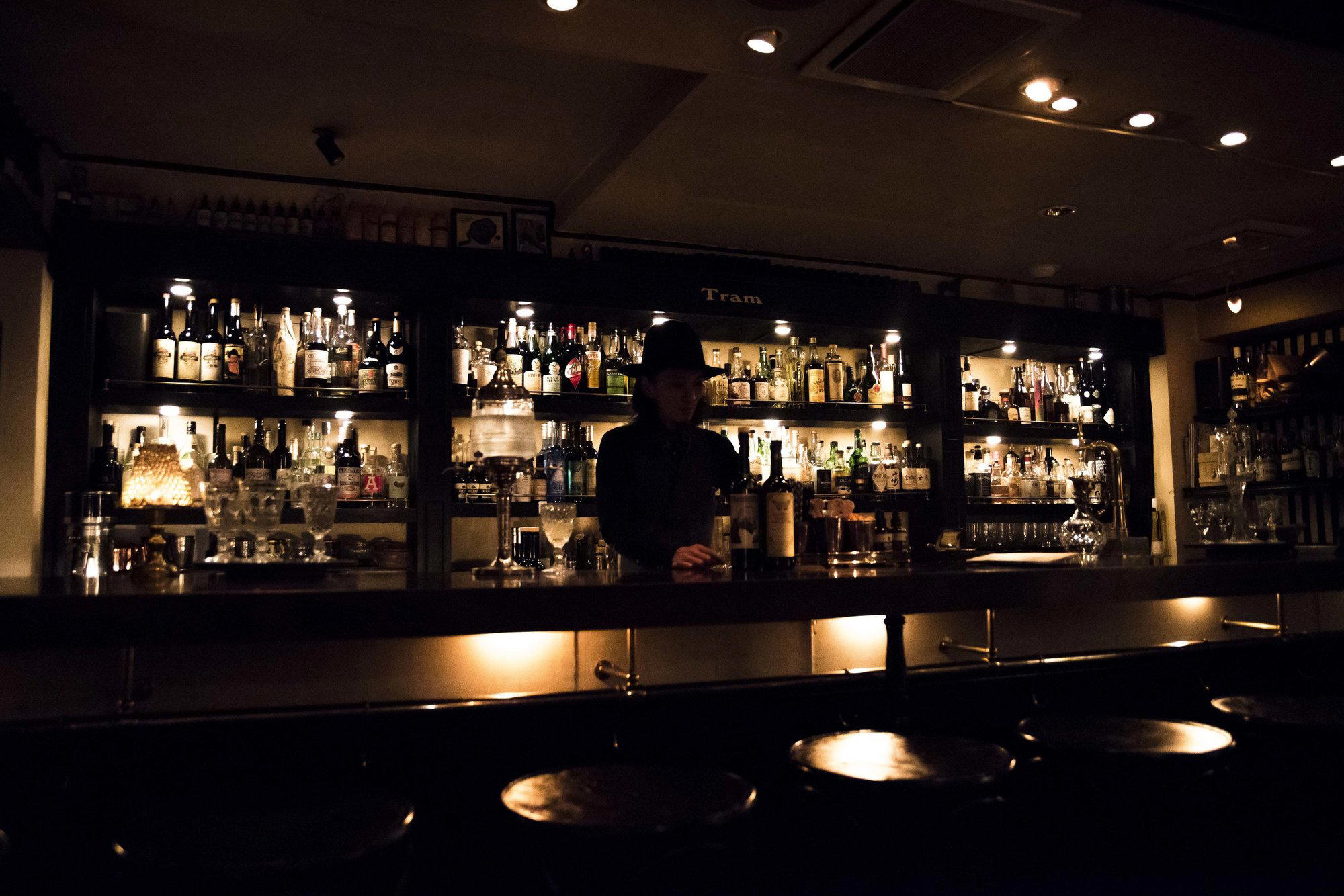
The drink list covers sake (nihonshu) and wine, with a sommelier available to guide pairings. This is less common at yakitori counters than at sushi or French fine dining establishments in Japan, and it places 1000 in a specific tier where the beverage pairing is treated as part of the composed experience rather than an afterthought. Sake is the conventional pairing for grilled chicken, but the presence of wine and a sommelier suggests a willingness to move across different pairing registers depending on the guest's preference and the direction of the evening's sequence.
Payment accepts VISA, JCB, and AMEX credit cards; electronic money and QR code payments are not accepted. A 10% service charge is added to the bill. The actual spend, based on guest reviews, typically lands in the JPY 20,000 to 29,999 range rather than the stated menu price of JPY 15,000 to 19,999, which suggests that drinks and the full progression of the counter experience push the total upward. Private rooms are not available, and the space does not accommodate private hire.
Planning Your Visit
1000 operates Monday through Saturday, 18:00 to 23:30, and is closed on Sundays. Reservations are handled exclusively through the omakase platform (omakase.jp); phone reservations are not accepted as a rule, with a narrow exception for calls initiated by the restaurant via Instagram. From Kannai Station or Bashamichi Station, the restaurant is a six-to-eight-minute walk; the building is identified by the Chinese restaurant on the ground floor, with 1000 on the third floor.
Comparable Spots, Quickly
Comparable venues nearby, for context on price, style, and recognition.
| Venue | Cuisine | Price | Notes |
|---|---|---|---|
| 1000This venue — the venue you are viewing | Japanese | $$ | Not listed |
| Sumire Yokohama ten | Hokkaido-Style Miso Ramen | $$ | Naka |
| TRICK (鶏喰) | Chicken Shoyu Ramen | $$ | Yoshinocho |
| Kurumicco Factory | Modern Japanese confectionery café | $$ | Naka |
| Ribatei | Traditional Yakitori Omakase | $$$ | Naka |
| Raamen Mu | Traditional Ramen & Tsukemen Counter | $ | Kanagawa |
Recognition history
Dated appearances from independent guides and award organizations, with the underlying list record or original source where available.
Tabelog Bronze #392
Tabelog
Tabelog 100 #35 · No. 35
Tabelog · Tabelog 100 - Yakitori - EAST - 2025










At a Glance
- Casual Hangout
Current opening hours
- Monday
- 6–11:30 PM
- Tuesday
- 6–11:30 PM
- Wednesday
- 6–11:30 PM
- Thursday
- 6–11:30 PM
- Friday
- 6–11:30 PM
- Saturday
- 6–11:30 PM
- Sunday
- Closed
Hours can change for holidays and private events. Last verified .