

World's 50 Best #34 · Top 500 Bars Best Bars #257
Azabu-Jūban and the Bar That Anchors It Azabu-Jūban is not a cocktail district in the way Ginza or Shinjuku are. It is a neighbourhood, one of Tokyo's more residential pockets in Minato City, with a street-level warmth that sits at odds with the diplomatic wealth surrounding it. The shotengai runs with greengrocer stalls and ramen counters and the kind of kissaten that still charges 600 yen for coffee. It is precisely this domestic texture that gives Gen Yamamoto, on the ground floor of the Anniversary Building on 1-chōme, its particular character. The bar did not arrive to gentrify a stretch of Ginza or anchor a hotel lobby. It arrived in a neighbourhood, and it stayed. That positioning matters when you consider Tokyo's broader cocktail geography. The city's most recognised bars tend to cluster in high-rent corridors where the ambient prestige of the address does some of the work. Azabu-Jūban asks more of a bar. The regulars here are not businessmen running expense accounts through Ginza; they are residents, repeat visitors, and the kind of travellers who research before they book. The bar has earned its recognition through the room itself, not the postcode. What Recognition Looks Like From the Outside In 2018 it reached #34 on World's 50 Best Asia's Leading Bars, a placement that established its international standing during a period when the Tokyo bar scene was drawing serious comparative attention from London and New York. Within Tokyo's current award tier, the bar sits alongside venues like Bar Benfiddich and Bar High Five as part of a cohort defined by technical seriousness and low capacity. These are not bars that compete on footfall or atmosphere-by-numbers. They compete on the quality and coherence of what arrives in the glass, and on a booking culture that filters for intent. Bar Libre and Bar Orchard Ginza operate in adjacent territory, each with their own seasonal and ingredient-forward commitments. Gen Yamamoto's place within this set is specific: it is a neighbourhood bar in the purest sense, one that happens to carry international credentials. The Seasonal Ingredient Format Tokyo's most technically accomplished cocktail bars have largely moved away from the classic-revival model that dominated the early 2010s. The new orthodoxy, if you can call it that, is a closer alignment with Japanese culinary seasonality, the same principle that governs a kaiseki kitchen applied to what goes into a coupe. Gen Yamamoto sits inside that tradition. The format, as it has been described across multiple international reviews and award citations, organises drinks around Japanese produce at its seasonal peak, with a set menu structure that frames the experience as a progression rather than a à la carte selection. This approach has meaningful implications for the visitor. You are not arriving to order from a list. You are arriving to drink what the bar has decided to make well right now. That requires a degree of trust in the program, and the award record suggests that trust has been consistently warranted. The parallel in Japanese dining culture is obvious: it is the same contract you accept at an omakase counter, where the chef's judgment about what is leading today supersedes your preference for what you had last time. For visitors moving through Japan rather than staying in Tokyo, the comparison set extends beyond the capital. Bar Nayuta in Osaka, Bee's Knees in Kyoto, and Lamp Bar in Nara each operate within the same seasonal-ingredient register, which says something about how deeply this approach has taken root in Japanese bar culture. It is not a Gen Yamamoto idiosyncrasy; it is a national sensibility, and Gen Yamamoto is one of its more recognised expressions in Tokyo. The Room and Its Regulars The small-counter format that defines Gen Yamamoto's physical layout is common to this tier of Tokyo bar. What it produces, practically, is a room where the interaction between bartender and guest is the primary event. There is no background noise to compete with, no crowd to read, no second floor to disappear to. You are at the counter and the bar is working for you directly. This creates a different social contract than a Shinjuku standing bar or a hotel lounge in Roppongi. In Azabu-Jūban, that intimacy takes on a neighbourhood quality. The area's regulars are not first-timers. They return because the format rewards return visits, the seasonal rotation means what you drink in March is gone by May, and what arrives in autumn is categorically different from what you had in summer. This is how a bar builds a local following in a city where novelty is everywhere and loyalty is harder to earn. Tokyo's Bar Scene in Regional Context Japanese bar culture has been exporting its methodology for a decade. The influence of Japanese bartending on venues in London, Singapore, and Sydney is now well-documented in trade press. Bars like Bar Leather Apron in Honolulu carry explicit Japanese technique in their DNA. Domestically, the regional spread has been equally significant: Yakoboku in Kumamoto and anchovy butter in Osaka represent the diffusion of Tokyo-originated precision into second and third cities. Kyoto Tower Sando shows how even mixed-use commercial spaces in Kyoto have absorbed bar culture's evolution. Within this spread, Gen Yamamoto's Azabu-Jūban address remains a reference point. The 2018 Asia's Leading Bars placement arrived before Tokyo's cocktail scene had fully consolidated its international reputation; holding and sustaining recognition through 2025 across multiple ranking systems is the harder achievement. It is what separates a bar that arrived at the right moment from one that continues to justify the attention. Planning a Visit Gen Yamamoto is located at 1-chōme-6-4, Azabu-Jūban, Minato City, on the ground floor of the Anniversary Building. Azabu-Jūban station serves the Namboku and Ōedo lines and places the bar within a short walk. Given the small-counter format and the bar's sustained recognition, advance reservations are advisable; this is not a venue that absorbs walk-in volume comfortably. The set menu structure means pricing aligns with the seasonal program, and the visit runs as a fixed progression rather than an open-ended session. For a broader view of where Gen Yamamoto sits within Tokyo's drinking and dining scene, see our full Tokyo restaurants guide. Frequently Asked Questions at Gen Yamamoto? The bar operates on a set menu format built around Japanese seasonal produce, which means ordering in the conventional sense is not the format. You choose the menu length (the bar has historically offered both shorter and extended progressions) and the drinks are determined by what is at peak quality in the current season. What's the main draw of Gen Yamamoto? The combination of neighbourhood setting and international standing is what distinguishes the bar from Tokyo's more performative cocktail venues. For visitors who want precision without the glass-and-marble hotel-bar atmosphere, Gen Yamamoto addresses that gap directly. What's the ideal way to book Gen Yamamoto? Given the small counter format and the sustained demand implied by the award record, reservations made in advance are the practical approach. Walk-in availability at this tier of small bar is limited, particularly on evenings with strong local and visitor overlap. Visiting during weekday evenings slightly improves the odds if advance booking proves difficult.

Pearl is the En Primeur Club membership app, where members save venues, book tables and use the concierge.

Azabu-Jūban and the Bar That Anchors It
Azabu-Jūban is not a cocktail district in the way Ginza or Shinjuku are. It is a neighbourhood, one of Tokyo's more residential pockets in Minato City, with a street-level warmth that sits at odds with the diplomatic wealth surrounding it. The shotengai runs with greengrocer stalls and ramen counters and the kind of kissaten that still charges 600 yen for coffee. It is precisely this domestic texture that gives Gen Yamamoto, on the ground floor of the Anniversary Building on 1-chōme, its particular character. The bar did not arrive to gentrify a stretch of Ginza or anchor a hotel lobby. It arrived in a neighbourhood, and it stayed.
That positioning matters when you consider Tokyo's broader cocktail geography. The city's most recognised bars tend to cluster in high-rent corridors where the ambient prestige of the address does some of the work. Azabu-Jūban asks more of a bar. The regulars here are not businessmen running expense accounts through Ginza; they are residents, repeat visitors, and the kind of travellers who research before they book. The bar has earned its recognition through the room itself, not the postcode.
What Recognition Looks Like From the Outside
In 2018 it reached #34 on World's 50 Best Asia's Leading Bars, a placement that established its international standing during a period when the Tokyo bar scene was drawing serious comparative attention from London and New York.
Within Tokyo's current award tier, the bar sits alongside venues like Bar Benfiddich and Bar High Five as part of a cohort defined by technical seriousness and low capacity. These are not bars that compete on footfall or atmosphere-by-numbers. They compete on the quality and coherence of what arrives in the glass, and on a booking culture that filters for intent. Bar Libre and Bar Orchard Ginza operate in adjacent territory, each with their own seasonal and ingredient-forward commitments. Gen Yamamoto's place within this set is specific: it is a neighbourhood bar in the purest sense, one that happens to carry international credentials.
The Seasonal Ingredient Format
Tokyo's most technically accomplished cocktail bars have largely moved away from the classic-revival model that dominated the early 2010s. The new orthodoxy, if you can call it that, is a closer alignment with Japanese culinary seasonality, the same principle that governs a kaiseki kitchen applied to what goes into a coupe. Gen Yamamoto sits inside that tradition. The format, as it has been described across multiple international reviews and award citations, organises drinks around Japanese produce at its seasonal peak, with a set menu structure that frames the experience as a progression rather than a à la carte selection.
This approach has meaningful implications for the visitor. You are not arriving to order from a list. You are arriving to drink what the bar has decided to make well right now. That requires a degree of trust in the program, and the award record suggests that trust has been consistently warranted. The parallel in Japanese dining culture is obvious: it is the same contract you accept at an omakase counter, where the chef's judgment about what is leading today supersedes your preference for what you had last time.
For visitors moving through Japan rather than staying in Tokyo, the comparison set extends beyond the capital. Bar Nayuta in Osaka, Bee's Knees in Kyoto, and Lamp Bar in Nara each operate within the same seasonal-ingredient register, which says something about how deeply this approach has taken root in Japanese bar culture. It is not a Gen Yamamoto idiosyncrasy; it is a national sensibility, and Gen Yamamoto is one of its more recognised expressions in Tokyo.
The Room and Its Regulars
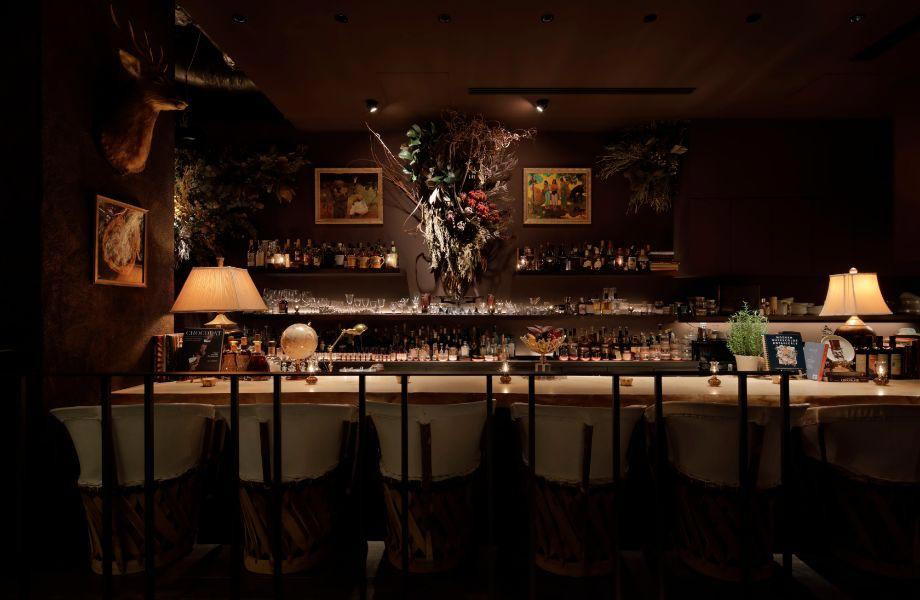
The small-counter format that defines Gen Yamamoto's physical layout is common to this tier of Tokyo bar. What it produces, practically, is a room where the interaction between bartender and guest is the primary event. There is no background noise to compete with, no crowd to read, no second floor to disappear to. You are at the counter and the bar is working for you directly. This creates a different social contract than a Shinjuku standing bar or a hotel lounge in Roppongi.
In Azabu-Jūban, that intimacy takes on a neighbourhood quality. The area's regulars are not first-timers. They return because the format rewards return visits, the seasonal rotation means what you drink in March is gone by May, and what arrives in autumn is categorically different from what you had in summer. This is how a bar builds a local following in a city where novelty is everywhere and loyalty is harder to earn.
Tokyo's Bar Scene in Regional Context
Japanese bar culture has been exporting its methodology for a decade. The influence of Japanese bartending on venues in London, Singapore, and Sydney is now well-documented in trade press. Bars like Bar Leather Apron in Honolulu carry explicit Japanese technique in their DNA. Domestically, the regional spread has been equally significant: Yakoboku in Kumamoto and anchovy butter in Osaka represent the diffusion of Tokyo-originated precision into second and third cities. Kyoto Tower Sando shows how even mixed-use commercial spaces in Kyoto have absorbed bar culture's evolution.
Within this spread, Gen Yamamoto's Azabu-Jūban address remains a reference point. The 2018 Asia's Leading Bars placement arrived before Tokyo's cocktail scene had fully consolidated its international reputation; holding and sustaining recognition through 2025 across multiple ranking systems is the harder achievement. It is what separates a bar that arrived at the right moment from one that continues to justify the attention.
Planning a Visit
Gen Yamamoto is located at 1-chōme-6-4, Azabu-Jūban, Minato City, on the ground floor of the Anniversary Building. Azabu-Jūban station serves the Namboku and Ōedo lines and places the bar within a short walk. Given the small-counter format and the bar's sustained recognition, advance reservations are advisable; this is not a venue that absorbs walk-in volume comfortably. The set menu structure means pricing aligns with the seasonal program, and the visit runs as a fixed progression rather than an open-ended session. For a broader view of where Gen Yamamoto sits within Tokyo's drinking and dining scene, see our full Tokyo restaurants guide.
Reputation First
Comparable venues nearby, for context on price, style, and recognition.
| Venue | Cuisine | Price | Awards | Notes |
|---|---|---|---|---|
| Gen YamamotoThis venue (the venue you are viewing) | cocktail_bar | $100–150 | World's 50 Best #34 · Top 500 Bars Best Bars #257 | Not listed |
| Codename Mixology Akasaka | cocktail_bar | $50–100 | World's 50 Best #36 | Minato |
| Gold Bar | cocktail_bar | $50–100 | World's 50 Best #67 · Tatler Listed in Best Bars Asia-Pacific | Minato |
| Memento Mori | cocktail_bar | $30–50 | World's 50 Best #41 | Minato |
| Mixology Salon | cocktail_bar | $30–50 | World's 50 Best #49 | Chūō |
| Tokyo Confidential | rooftop_bar | $50–100 | World's 50 Best #70 · Top 500 Bars Best Bars #89 | Minato |
Recognition history
Dated appearances from independent guides and award organizations, with the underlying list record or original source where available.
World's 50 Best Asia's Best Bars #34
World's 50 Best
Top 500 Bars Best Bars #257
Top 500 Bars
Gen Yamamoto
Featured Guides
Continue exploring
More in Tokyo
Bars in Tokyo
All bars in Tokyo →
Restaurants in Tokyo
All restaurants in Tokyo →





Details
- Intimate
- Minimalist
- Elegant
- Quiet
- Sophisticated
- Date Night
- Solo
- Special Occasion
- Design Destination
- Standalone
- Counter Only
- Seated Bar
- Craft Cocktails
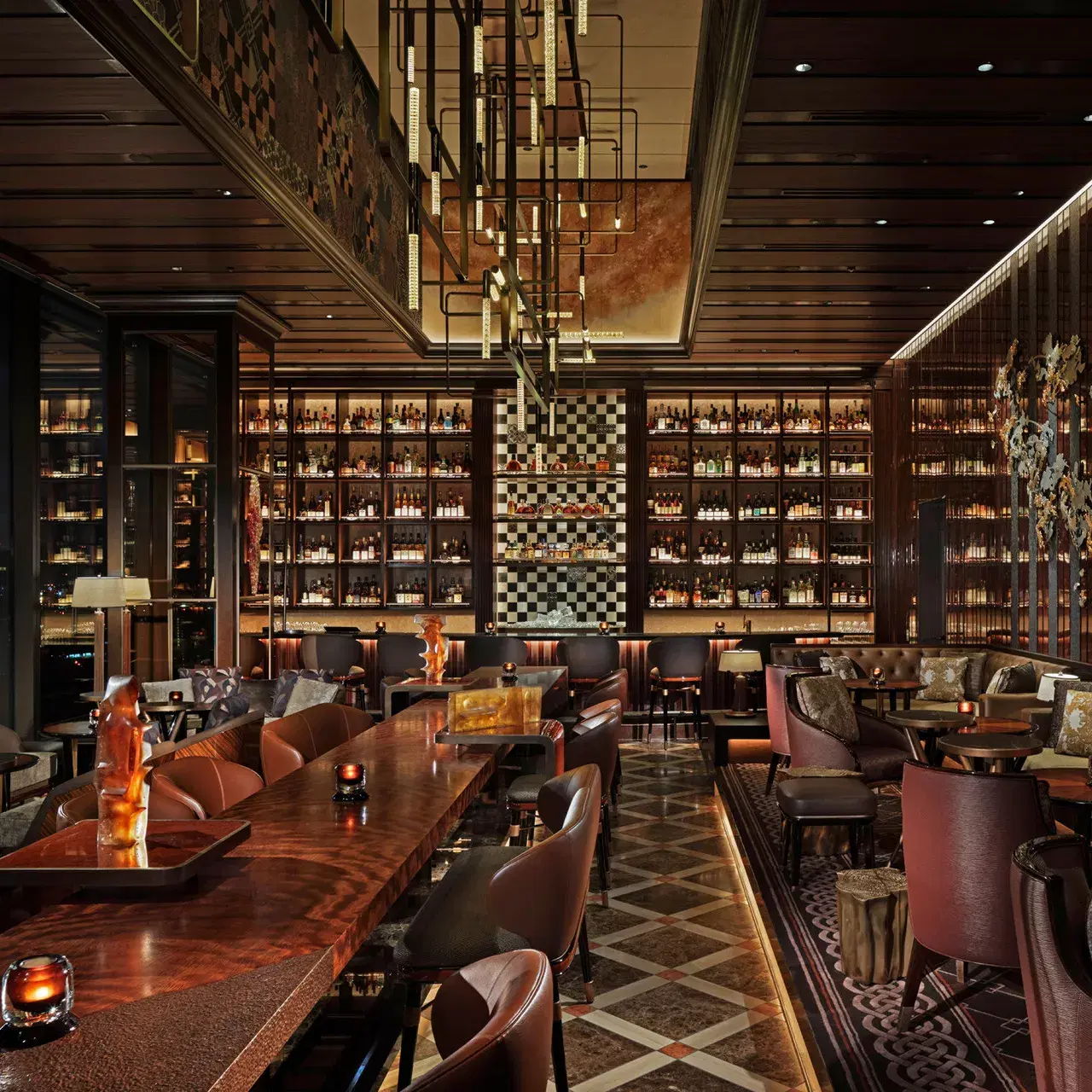
Dim lighting focused on the bartender's workspace, serene and minimalist with bare white walls, a massive ancient wooden counter, and reverential silence.