






1 Michelin Key · World's 50 Best #69 · La Liste Top Hotels
A Tokyo landmark since 1962, The Okura Tokyo in Toranomon operates across two architecturally distinct towers, the Heritage Wing and the Prestige Tower, totalling 508 rooms. Awarded a Michelin Key in 2024 and ranked 93.5 points on La Liste's 2026 Top Hotels list, it combines mid-century Japanese modernism with a seven-venue dining programme, a 25-metre pool, and a spa partnership with French skincare brand Annayake.

Pearl is the En Primeur Club membership app, where members save venues, book tables and use the concierge.
Where Toranomon's Diplomatic Quarter Meets Six Decades of Japanese Hospitality
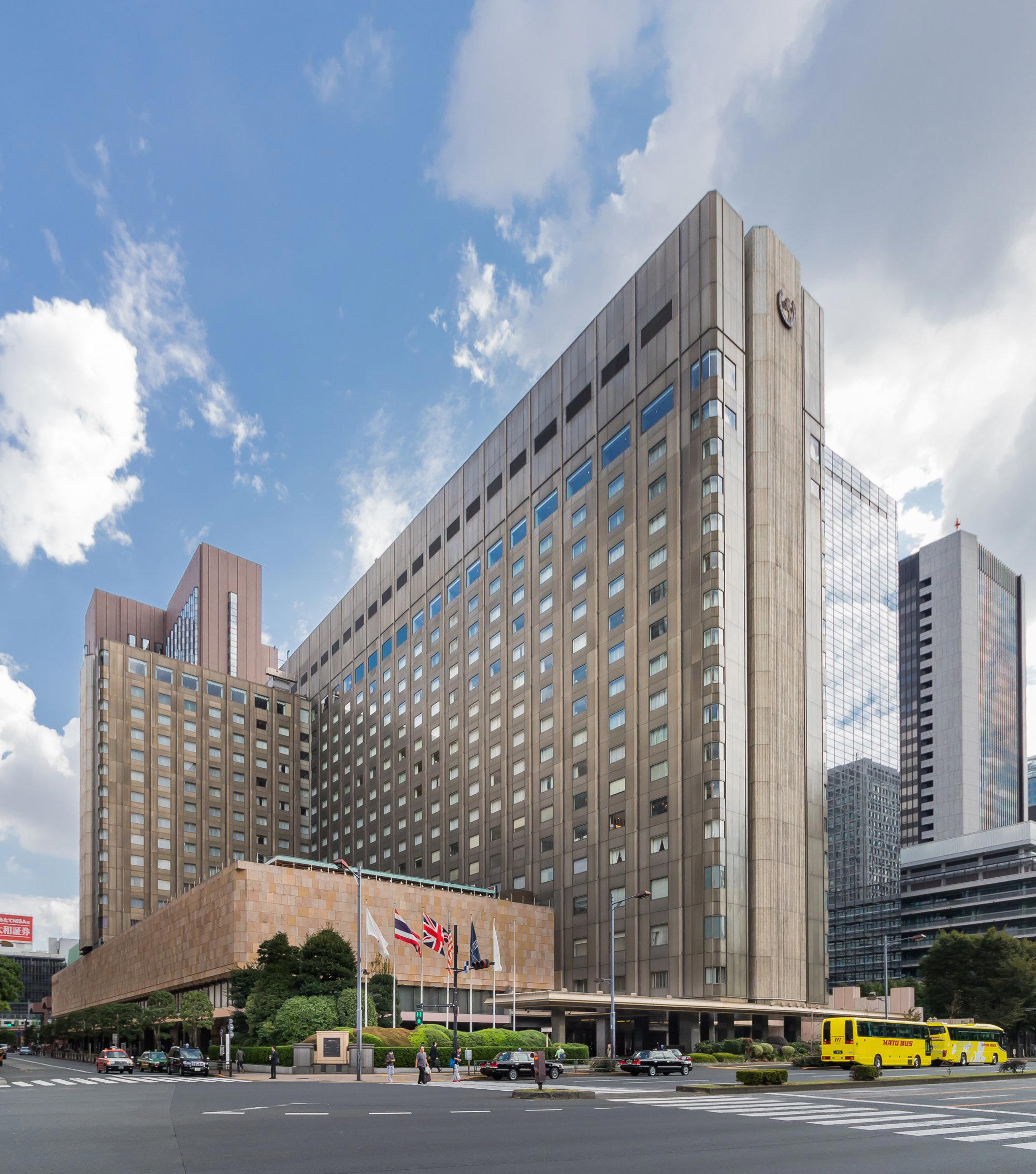
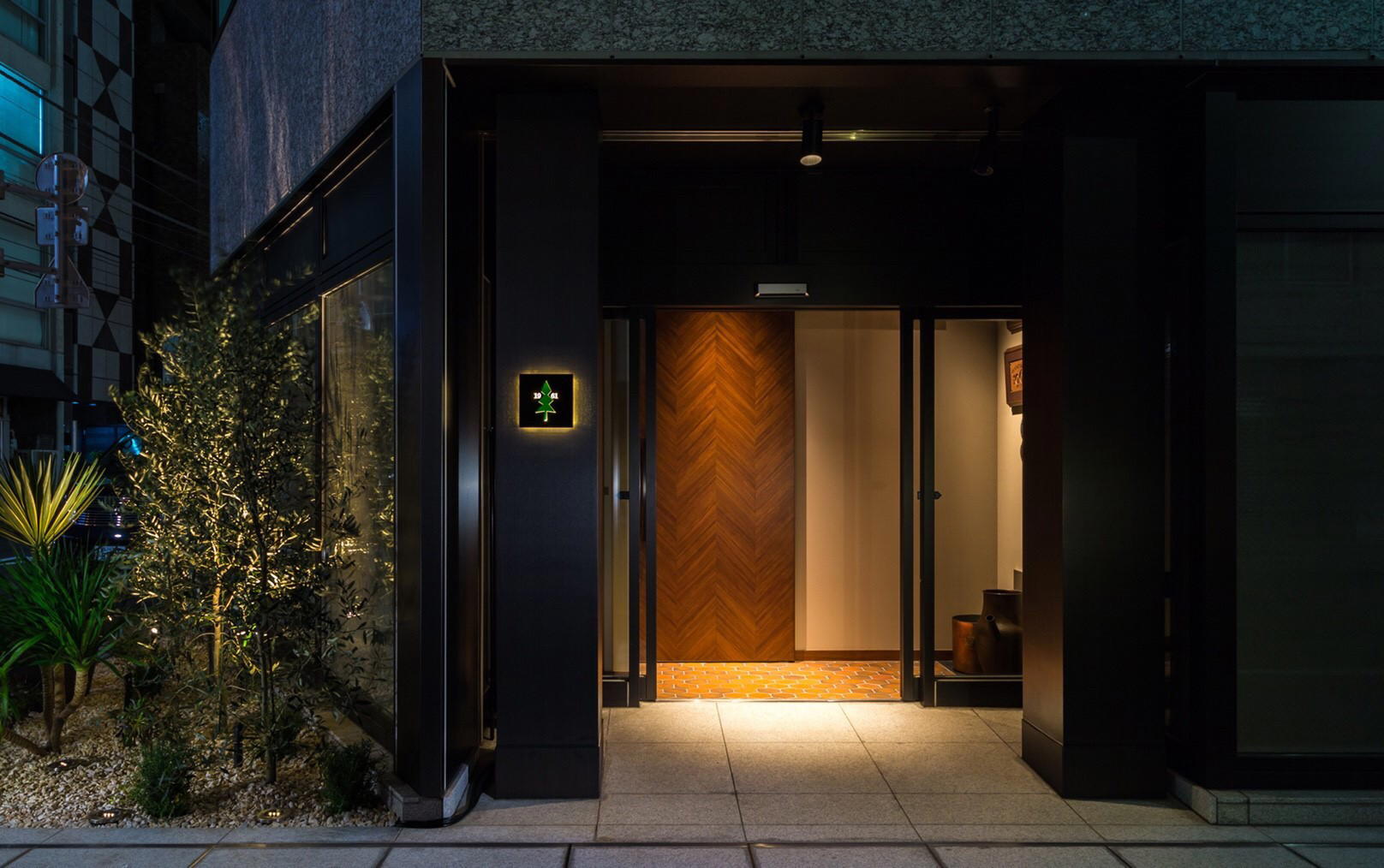
Arriving at The Okura Tokyo from the street, the geometry of the site makes itself felt before the entrance does. The Okura Museum of Art, a century-old Japanese exhibition hall positioned at the front of the property, sets a register of cultural weight that few Tokyo hotels attempt. Beyond it, the dual-tower configuration resolves into a clear architectural logic: the 41-storey Prestige Tower asserting itself against the Toranomon skyline, and the lower, more considered 17-storey Heritage Wing drawing its authority from proportion rather than height. Together, they house 508 rooms and hold a position in Tokyo's luxury hotel conversation that is less about novelty than about institutional depth.
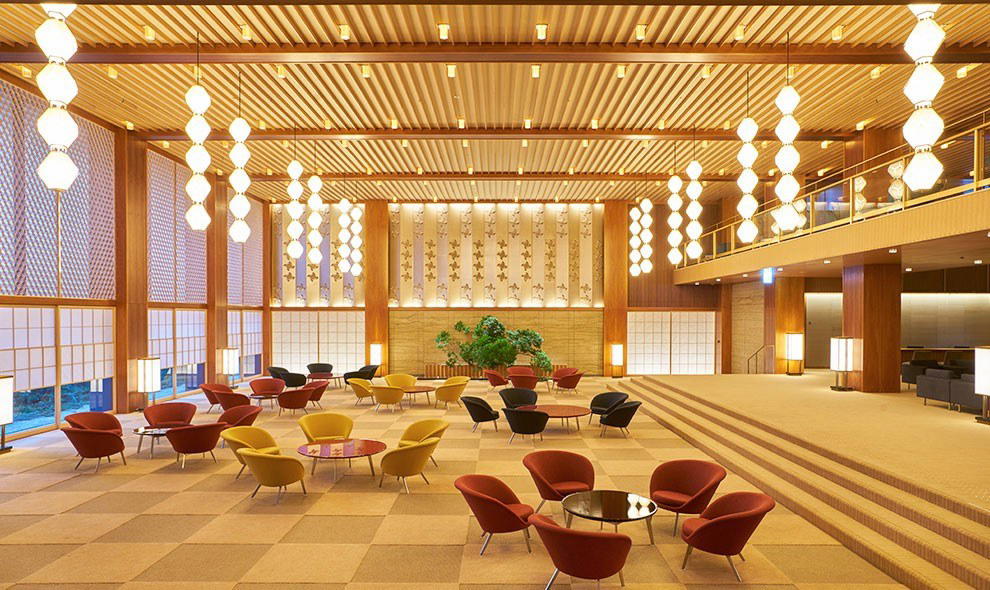
Tokyo's upper-tier hotel market has fractured meaningfully over the past decade. New entrants such as Bvlgari Hotel Tokyo, Aman Tokyo, JANU Tokyo, and Four Seasons Hotel Tokyo at Otemachi have staked positions on either minimalist aesthetic authority or branded international prestige. The Okura's counter-offer is historical continuity expressed through architectural renewal. When the original 1962 building, designed by Yoshiro Taniguchi, was demolished ahead of the 2019 reopening, the commission for the replacement went to Yoshio Taniguchi, the original architect's son. The result is a public space programme that consciously echoes the mid-century modernist language of its predecessor, including a faithful recreation of the celebrated lobby, while operating as a fully contemporary hotel in every functional respect. La Liste's 2026 ranking placed The Okura Tokyo at 93.5 points, and Michelin awarded it a Key in 2024, credentials that position it alongside rather than above peers like Palace Hotel Tokyo and The Capitol Hotel Tokyu, each competing in the same established-institution tier of Tokyo hospitality.
The Wellness Offer: Annayake, Altitude, and the 25-Metre Pool
Wellness programming in Tokyo's luxury hotel tier has converged on a familiar formula: a mid-floor spa, branded amenities, and a gym that photographs well. The Okura's spa partnership with Annayake, the French skincare brand, represents a more particular editorial choice. The 27th-floor Okura Fitness and Spa Annayake is the first facility in Japan to carry the brand's services, and its treatment architecture combines East-West ingredient logic, working with materials including yuzu, lavender, and watermelon oil, in a way that reflects both Japanese botanical tradition and European formulation methodology. For guests whose retreat priorities are structural rather than aspirational, this distinction matters.
The 25-metre swimming pool and the expansive fitness centre occupy the same zone, making the wellness floor a coherent destination rather than a scattered amenity list. The spa sits on the 26th floor, just below the fitness level. Across the broader Japanese retreat spectrum, properties like Amanemu in Mie or Gora Kadan in Hakone deliver onsen-centred wellness in landscape settings that a city hotel cannot replicate. What The Okura offers instead is operational scale and altitude: a wellness floor that functions at the pace of a capital city rather than a ryokan, and that sits within walking distance of the embassy district, Roppongi, and three metro stations. Guests who want to anchor a broader Japan itinerary in Tokyo before continuing to immersive retreat properties like Asaba in Izu, Zaborin in Kutchan, or ENOWA Yufu will find The Okura a credible urban base before that shift in register.
Note that the Okura Fitness and Spa undergoes periodic maintenance closures. A scheduled closure from February 10 to 14, 2025, was confirmed, so guests with fixed wellness priorities should verify current availability before booking around those dates.
Two Towers, One Aesthetic Philosophy
The distinction between the Heritage Wing and the Prestige Tower is more than a marketing segmentation exercise. The Heritage Wing's 17 floors operate through traditional Japanese spatial principles, with neutral tones, Japanese-style blinds, and artwork drawn from regional porcelain and pottery traditions, each room functioning less as a luxury hotel room and more as a curated study in Japanese material culture. Corridors display origami art alongside ceramic pieces, and the effect, across both wings, is that of a property where the collection continues beyond the museum forecourt.
The Prestige Tower's 41 floors deliver the refined city-view proposition that defines Tokyo's newer luxury entrants, the same visual argument made by Andaz Tokyo and Bellustar Tokyo, A Pan Pacific Hotel, though here framed through a Japanese modernist lens rather than a contemporary global one. Bathrooms across both towers are described by multiple sources as a particular strength, furnished with Bamford or Miller Harris toiletries, Three cosmetics, Dyson Supersonic hair dryers, and imabari towels, a Japanese textile benchmark. The 508-room total makes this one of the larger luxury properties in the city, which carries consequences for the character of the stay: the operational confidence is high, but the intimacy of smaller properties in the same tier, or the silence of rural retreat properties like Fufu Kawaguchiko or Fufu Nikko, is not what this property is designed to provide.
Seven Venues, One James Bond Bar, and a Museum on the Doorstep
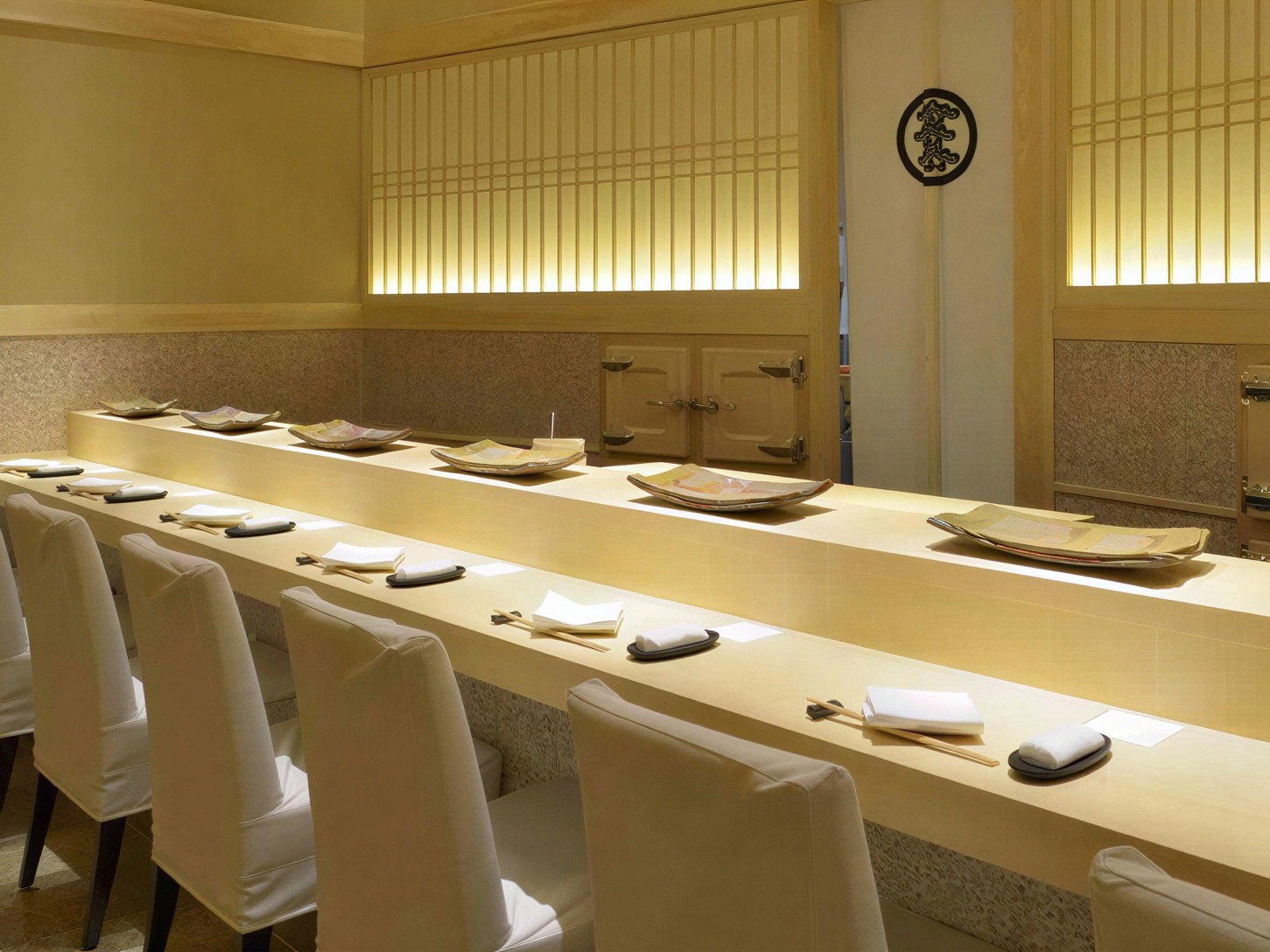
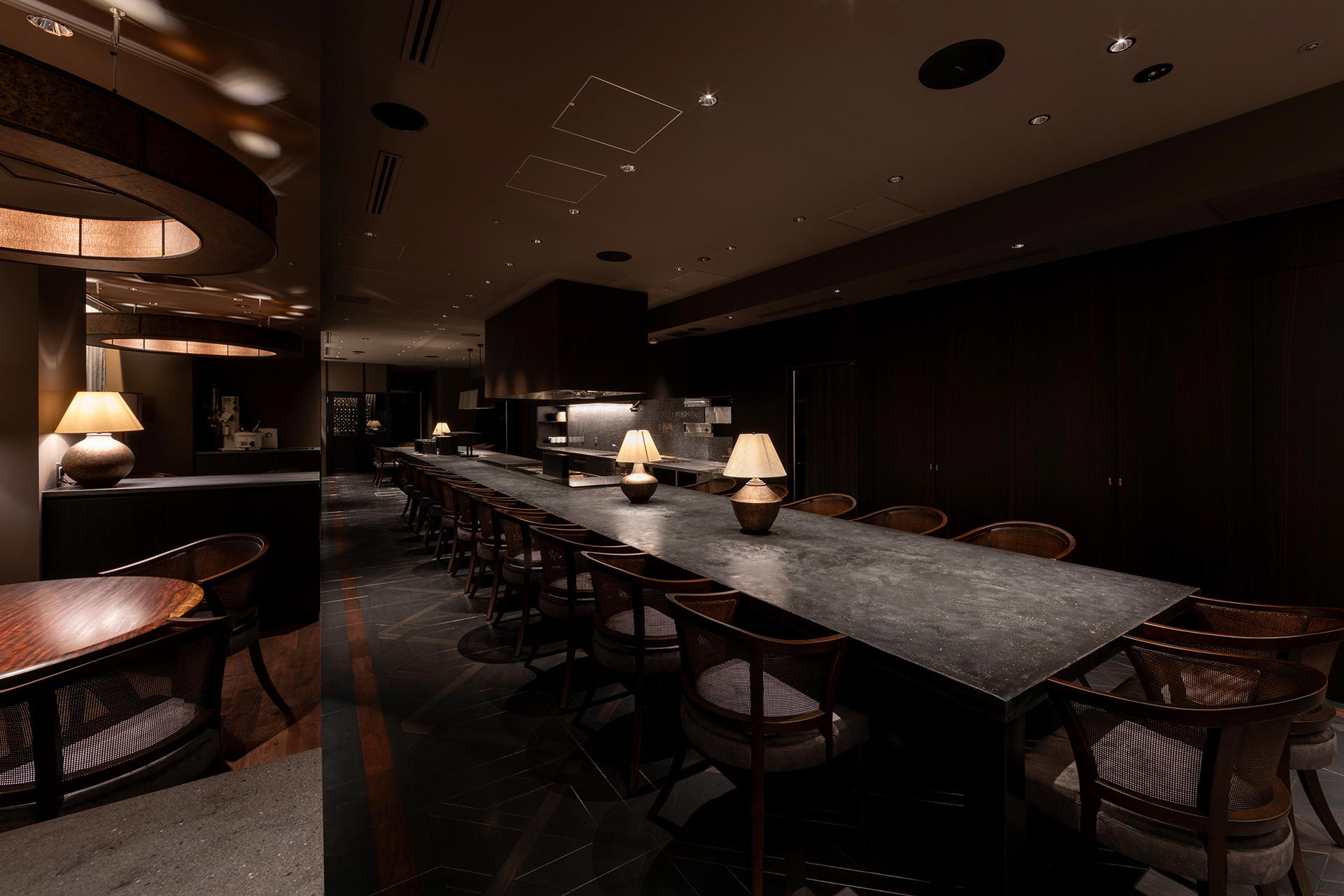
Seven restaurants and bars within a single property represents a self-contained dining ecosystem, and The Okura deploys that breadth across format registers: teppanyaki at Sazanka, where live-action cooking works against panoramic views of Tokyo's skyscrapers; French fine dining at Nouvelle Epoque; and multiple Japanese venues spanning different preparation traditions. For the broader Tokyo dining scene, see our full Tokyo restaurants guide.
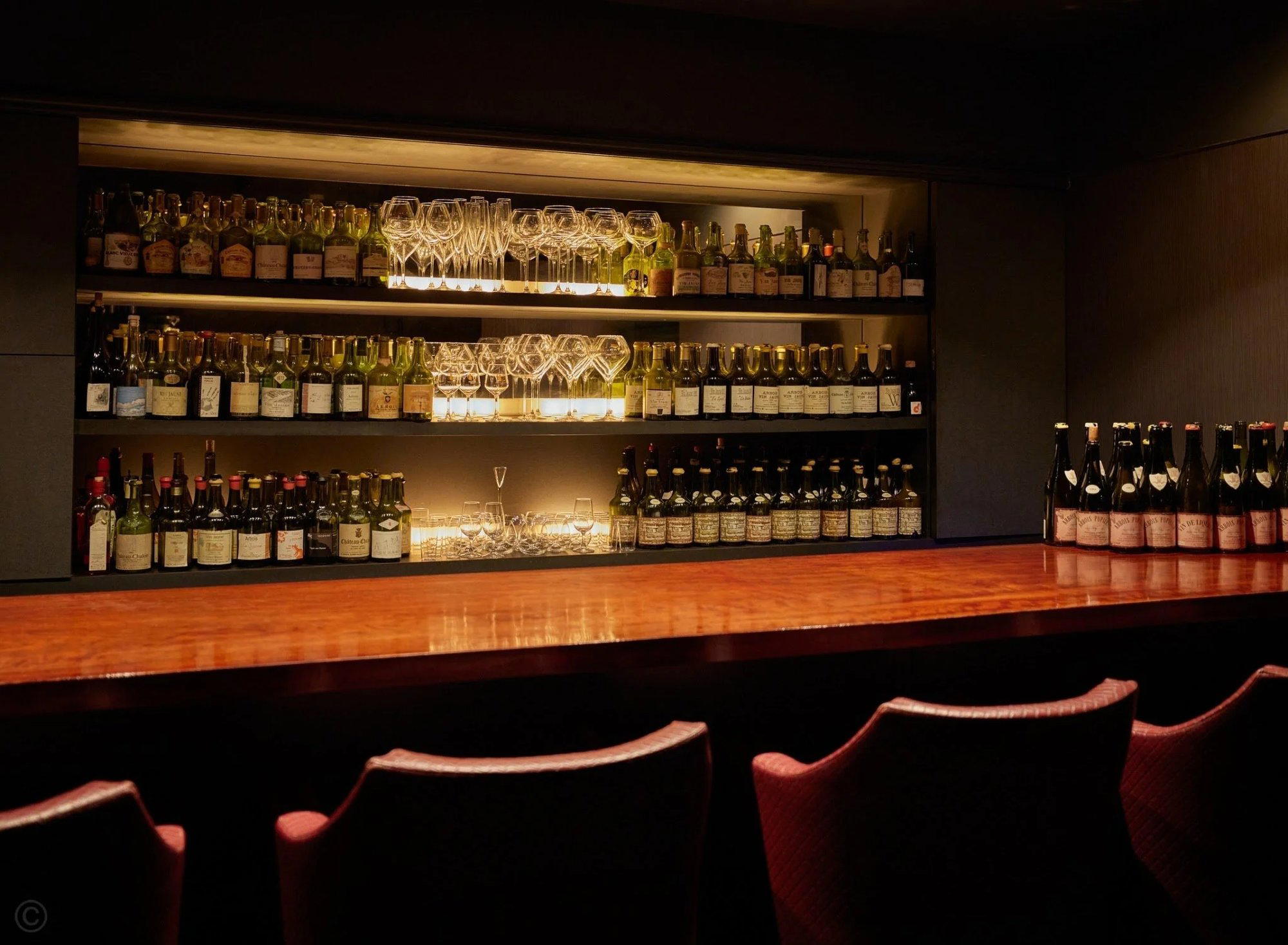
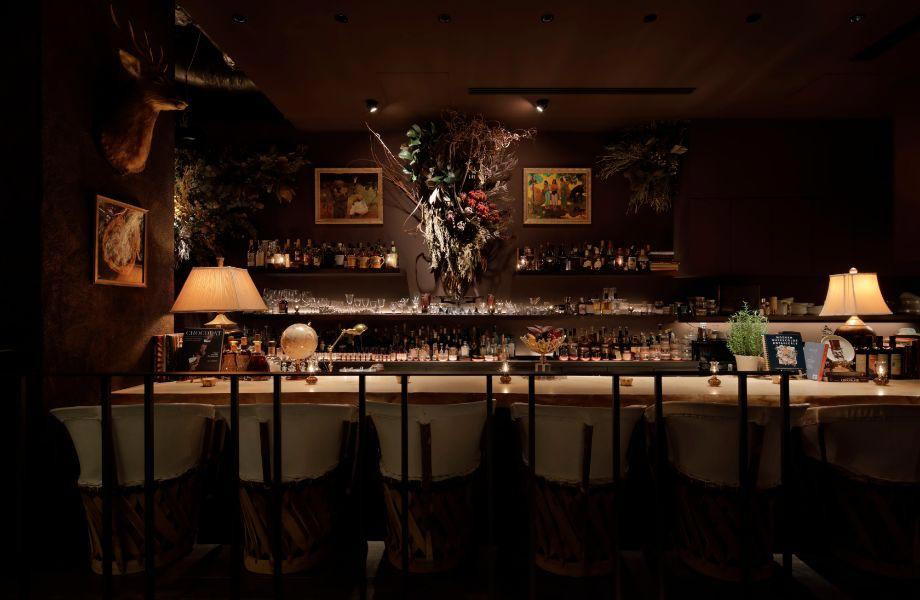
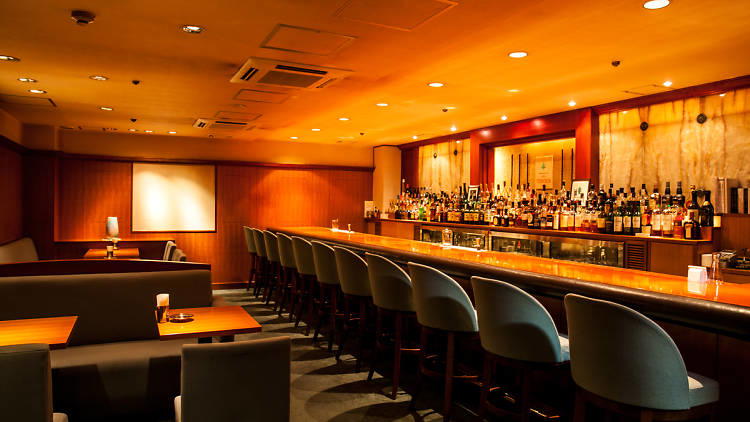
At the top of the Prestige Tower, the 41st-floor Starlight Bar and Lounge holds a particular cultural weight beyond its cocktail list. Ian Fleming placed James Bond at The Okura Tokyo in the novel You Only Live Twice, and the bar carries a selection of classic and creative cocktails alongside exclusive Japanese whisky produced specifically for the property by Suntory. For guests with that literary connection in mind, it functions as much as a destination as a drinking venue.
The Okura Museum of Art, the century-old exhibition hall at the property's entrance, houses Japanese and East Asian artwork, and hotel guests gain free entry. The combination of complimentary museum access, seven food and beverage venues, and a spa floor means that a guest could spend a full day within the property boundary without exhausting its programming, which is a relevant consideration for guests arriving with long-haul fatigue or a compressed itinerary.
Location and Planning
Toranomon places The Okura within an easy reach of three metro stations, all within a few minutes on foot, and the hotel maintains a consistent taxi presence at its entrance. The embassy district and Japanese government ministry buildings are immediate neighbours, giving the location a quieter, more official character than Shinjuku or Shibuya, while Roppongi's dining and nightlife are walkable. Rates from $788 per night reflect Prestige Tower positioning and place the hotel in the upper-middle band of Tokyo luxury, below the entry rates of the most recently opened ultra-luxury properties but above the established mid-market. The Okura is a member of Leading Hotels of the World. For those building a wider Japan wellness itinerary, properties including HOTEL THE MITSUI KYOTO, Nishimuraya Honkan in Kinosaki-cho, Sekitei in Hatsukaichi-shi, Halekulani Okinawa, Jusandi in Ishigaki, and Benesse House in Naoshima represent different points along the spectrum from cultural immersion to coastal retreat. International comparisons for guests calibrating this property against global peers might include The Fifth Avenue Hotel in New York City, Aman New York, or Aman Venice as properties that similarly anchor themselves through architectural identity and institutional history rather than newness.
Cuisine and Awards Snapshot
Comparable venues nearby, for context on price, style, and recognition.
| Venue | Cuisine | Price | Awards | Notes |
|---|---|---|---|---|
| The Okura TokyoThis venue (the venue you are viewing) | Dual-wing luxury property combining contemporary Prestige Tower and preserved Heritage Wing. | $500–750 | 1 Michelin Key · World's 50 Best #69 | Not listed |
| The Peninsula Tokyo | Classic luxury with modern Japanese touches | Not listed | 1 Michelin Key · La Liste Top Hotels | Chiyoda |
| Bellustar Tokyo, A Pan Pacific Hotel | luxury urban skyscraper hotel blending Japanese tradition with modern design | Not listed | 1 Michelin Key · World Luxury Hotel Awards WLHA Regional Winner | Shinjuku |
| Shangri-La Tokyo | Luxury high-rise hotel blending Japanese tradition with contemporary elegance. | $500–750 | 1 Michelin Key · La Liste Top Hotels | Chiyoda |
| Hotel New Otani Tokyo Executive House Zen | Exclusive executive tower within a landmark hotel featuring Zen-inspired design and private lounge. | Not listed | 1 Michelin Key · La Liste Top Hotels | Chiyoda |
| Hotel New Otani Tokyo The Main | Luxury heritage hotel blending traditional Japanese aesthetics with modern amenities, positioned as a premier destination for informed travelers seeking cultural immersion and urban convenience. | $200–300 | 1 Michelin Key · Forbes 4-Star | Chiyoda |
Recognition history
Dated appearances from independent guides and award organizations, with the underlying list record or original source where available.
Michelin 1 Key
Michelin
World's 50 Best Hotels 51-100 #69
World's 50 Best
La Liste Top Hotels
La Liste
Star Wine List
Star Wine List
Forbes 5-Star
Forbes
Full recognition history (11 entries)
Forbes 4-Star
Forbes
Virtuoso Luxury Hotel Partner
Virtuoso
Forbes 5-Star
Forbes
Leading Hotels of World Member
Leading Hotels of World
Michelin 1 Key
Michelin
Michelin 1 Key
Michelin
Continue exploring
More in Tokyo
Hotels in Tokyo
All hotels in Tokyo →



Bars in Tokyo
All bars in Tokyo →

Details
- Elegant
- Sophisticated
- Modern
- Classic
- Business Trip
- Romantic Getaway
- Anniversary
- Panoramic View
- Historic Building
- Wi Fi
- Pool
- Spa
- Fitness Center
- Room Service
- Concierge
- Business Center
- Valet Parking
- Skyline
- Wheelchair Accessible
- Elevator
Soundproofed rooms with tranquil, elegant atmosphere, featuring soft lighting, Japanese hospitality touches, and serene views of Tokyo skyline.