
Pontocho Sushi Ishiya holds a 2024 Michelin Plate recognition and sits in Kyoto's mid-price sushi tier, operating from a lane address deep inside Pontocho, one of the city's most historically charged dining corridors. At ¥¥ pricing, it occupies a different register than the kaiseki-heavy upper bracket, offering sushi within the atmospheric framework that defines this narrow stretch of the Kamo River.
Pearl is the En Primeur Club membership app — saves, bookings, and concierge access live there. Same editors, same standards.
- Address
- Japan, 〒604-8015 Kyoto, Nakagyo Ward, Nabeyacho, 210番地 先斗町24番路地奥
- Phone
- +81 75-254-1129
- Website
- instagram.com
- Directions
- Get directions
 Saves & bookings on Pearl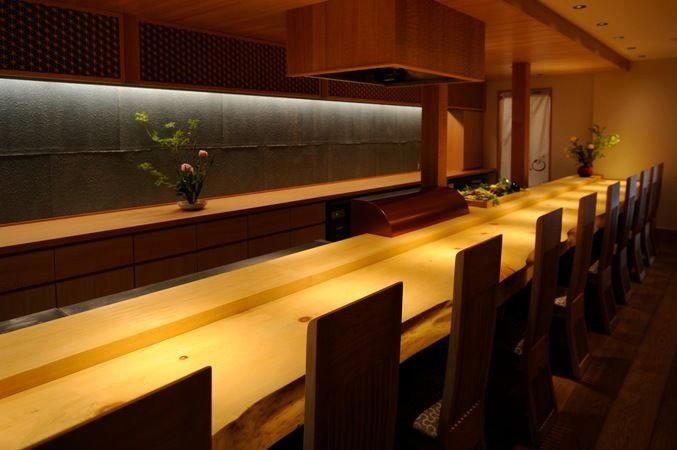
A Lane Address in One of Kyoto's Most Contested Dining Corridors
Pontocho is not a street so much as an argument about what Kyoto dining should feel like. The narrow lane running parallel to the Kamo River between Sanjo and Shijo has, over centuries, accumulated a density of restaurants, tea houses, and bars that few districts in Japan can match. Arriving at Pontocho Sushi Ishiya means passing through that accumulated weight before you reach the door: the lane narrows, the lanterns multiply, and the address, tucked down a secondary path at No. 24 off the main corridor in Nabeyacho, signals immediately that this is not a frontage restaurant designed for passing foot traffic.
That physical positioning matters editorially. In a district where many operators rely on the lane's ambient reputation rather than their own, a venue that sits further back in Pontocho's geometry tends to serve a more deliberate clientele. You go because you mean to.
Where Michelin Plate Recognition Sits in Kyoto's Sushi Hierarchy
Kyoto's critical reception landscape for sushi is worth understanding before assessing any individual address. The city's fine dining energy has historically concentrated in kaiseki, multi-course seasonal cooking with deep ties to Buddhist temple cuisine and the Gion festival calendar. Restaurants such as KASHIWAI and properties at the ¥¥¥¥ tier like Gion Sasaki and Ifuki represent the dominant prestige register. Sushi, by contrast, operates as a somewhat quieter category in Kyoto's Michelin map, without the same concentration of star-level recognition that Tokyo's Ginza or Hamacho districts generate.
Within that context, the 2024 Michelin Plate awarded to Pontocho Sushi Ishiya carries a specific meaning. A Michelin Plate, indicating a restaurant that inspires a good meal, without reaching star level, places a venue above the unrecognised tier while signalling that critical inspectors found quality consistent enough to document. For sushi in Kyoto, that recognition is not a given. The city has fewer Michelin-acknowledged sushi counters than comparable Japanese cities, which means a Plate here operates as a more meaningful signal of standing than it might in a market with deeper sushi bench strength.
For comparison: Sushi Rakumi and Kikunoi Sushi Ao represent other reference points in Kyoto's recognised sushi tier, while Izuu and Izugen speak to the city's distinct pressed-sushi (oshizushi) tradition, a local form that pre-dates the edomae style that became nationally dominant. Ishiya operates in the nigiri register, which puts it in a different competitive set from those pressed-sushi specialists but in direct conversation with the other Michelin-acknowledged counters in the city.
Pricing in the Mid-Tier: What ¥¥ Signals for a Michelin-Recognised Sushi Counter
The ¥¥ price designation is one of the more informative data points on this venue. Michelin-recognised sushi in Japan predominantly clusters at the ¥¥¥ and ¥¥¥¥ levels, where omakase formats and premium seasonal fish sourcing drive costs upward quickly. A Plate-level recognition at ¥¥ pricing suggests either a more accessible format, a la carte or shorter omakase, or a deliberate positioning strategy that prioritises volume and accessibility over the high-margin, low-capacity model of leading counter dining.
This places Ishiya in a different conversation from Kyoto's kaiseki establishments, where ¥¥¥¥ pricing is standard, and from Tokyo counters like Harutaka in Tokyo, where star-level omakase operates at a considerably higher price point. The mid-tier sushi category in Japanese dining serves a function that the premium tier cannot: it allows the edomae form to reach a wider audience without fully abandoning craft credentials. For a visitor to Kyoto who wants Michelin-acknowledged sushi without committing to a full omakase outlay, that positioning is directly relevant.
Pontocho as a Dining District: Context for the Decision
The district itself rewards some understanding. Pontocho's culinary character has historically been defined by its connection to the geiko and maiko entertainment culture of neighbouring Gion, a relationship that shaped the area's emphasis on seasonal, visually considered food long before the term omakase entered international dining vocabulary. That heritage makes it one of the few places in Japan where sushi, kaiseki, and izakaya formats coexist in a single narrow lane without any one format feeling out of place.
The practical consequence for diners is that Pontocho provides natural comparison shopping: a visitor can triangulate between formats, price points, and levels of critical recognition within a few hundred metres. Ishiya's position at the mid-price tier with Michelin acknowledgment makes it a logical anchor for that comparison, especially for those building a multi-day Kyoto itinerary that already includes a higher-investment kaiseki booking.
Across the broader Kansai region, sushi at the leading end concentrates differently: HAJIME in Osaka and the kaiseki-adjacent scene that shapes much of Kyoto's critical attention leave sushi somewhat in the shadow of other forms. Outside Japan, the contrast is even sharper, Sushi Shikon in Hong Kong and Shoukouwa in Singapore represent what the export model of Japanese sushi looks like at the starred level, with price points and formality that sit well above Ishiya's register. That comparison clarifies what the mid-price Kyoto model is doing: it is keeping the form grounded in its home context rather than exporting it upmarket.
Planning Your Visit
| Venue | Category | Price Tier | Michelin Recognition | District |
|---|---|---|---|---|
| Pontocho Sushi Ishiya | Sushi | ¥¥ | Plate (2024) | Pontocho, Nakagyo |
| Sushi Rakumi | Sushi | , | , | Kyoto |
| Kikunoi Sushi Ao | Sushi | , | , | Kyoto |
| Izuu | Sushi (oshizushi) | , | , | Kyoto |
The address, 210 Nabeyacho, Pontocho 24-banroji-oku, Nakagyo Ward, is on a secondary path inside Pontocho proper, so allow extra time to locate it on a first visit.2 rating across 87 responses. That volume of reviews also reflects a relatively concentrated regular base rather than mass tourism throughput.
Arriving at opening time or visiting on a weeknight will generally improve access at this tier. For sushi references elsewhere in Japan, Goh in Fukuoka, akordu in Nara, and 1000 in Yokohama offer additional points of comparison across the region, while 6 in Okinawa illustrates how Japanese fine dining adapts to the island's distinct ingredient geography.
Just the Basics
Comparable venues nearby, for context on price, style, and recognition.
| Venue | Cuisine | Price | Notes |
|---|---|---|---|
| Pontocho Sushi IshiyaThis venue — the venue you are viewing | Sushi | $$$ | Not listed |
| Ryoriya EN | Shimogyō, Traditional Kyoto Kaiseki | $$$ | Not listed |
| Mishimatei | Nakagyō, Traditional Japanese Sukiyaki | $$$ | Not listed |
| Hanhan | Not listed | $$$ | Shimogyō, Modern Japanese Omakase (Half Meat, Half Vegetables) |
| Fuyacho Kuraku | Nakagyō, Traditional Japanese Izakaya | $$$ | Not listed |
| Daiichi | Not listed | $$$$ | Kamigyō, Traditional Suppon (Soft-Shell Turtle) Cuisine |
Recognition history
Dated appearances from independent guides and award organizations, with the underlying list record or original source where available.
Michelin Plate
Michelin
Continue exploring
More in Kyoto
Restaurants in Kyoto
Browse all →
Bars in Kyoto
Browse all →
Hotels in Kyoto
Browse all →
Wineries in Kyoto
Browse all →
At a Glance
- Cozy
- Intimate
- Elegant
- Date Night
- Special Occasion
- Chefs Counter
- Sake Program
Current opening hours
- Monday
- 5–11 PM
- Tuesday
- 5–11 PM
- Wednesday
- Closed
- Thursday
- 5–11 PM
- Friday
- 5–11 PM
- Saturday
- 5–11 PM
- Sunday
- 5–11 PM
Hours can change for holidays and private events. Last verified .
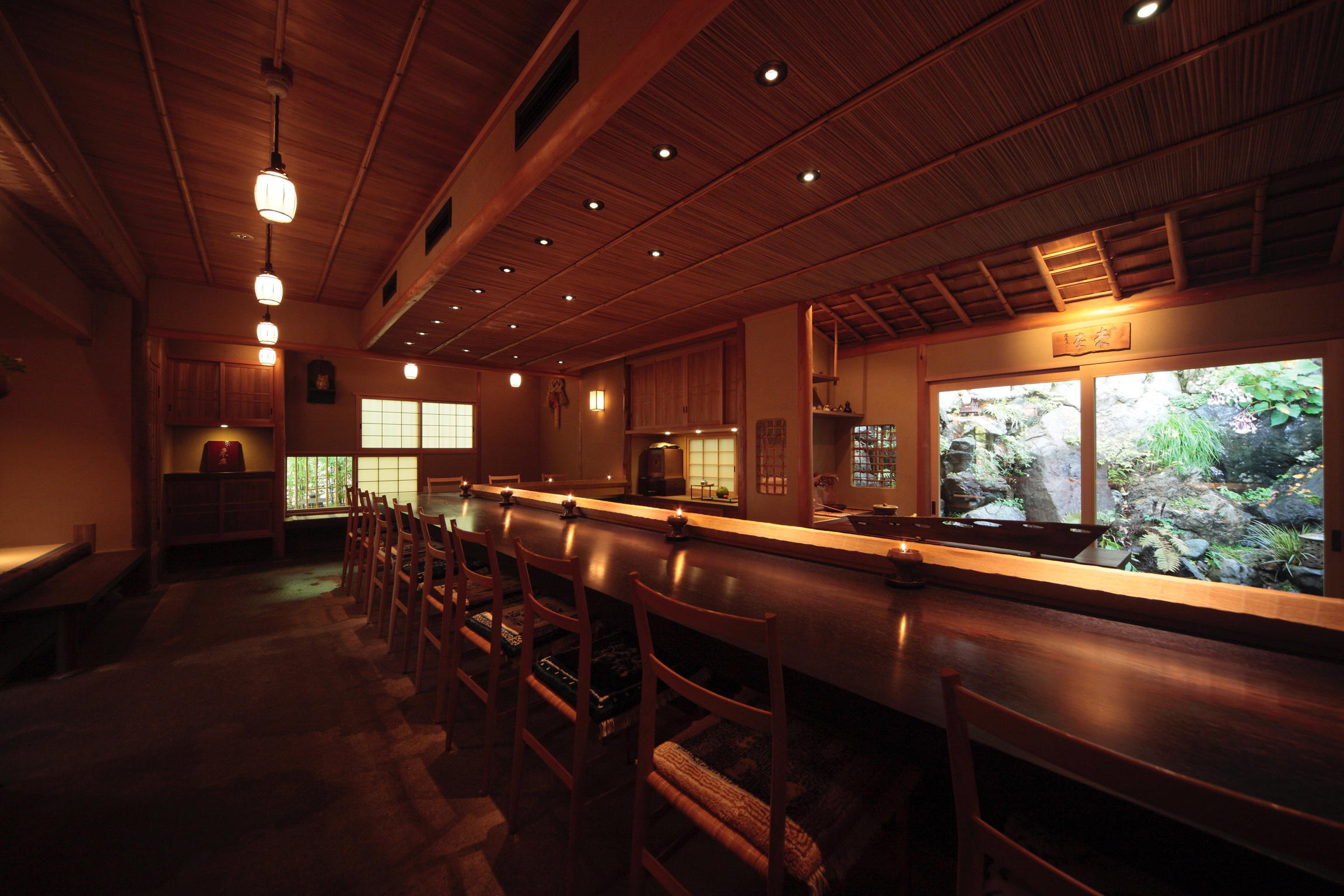
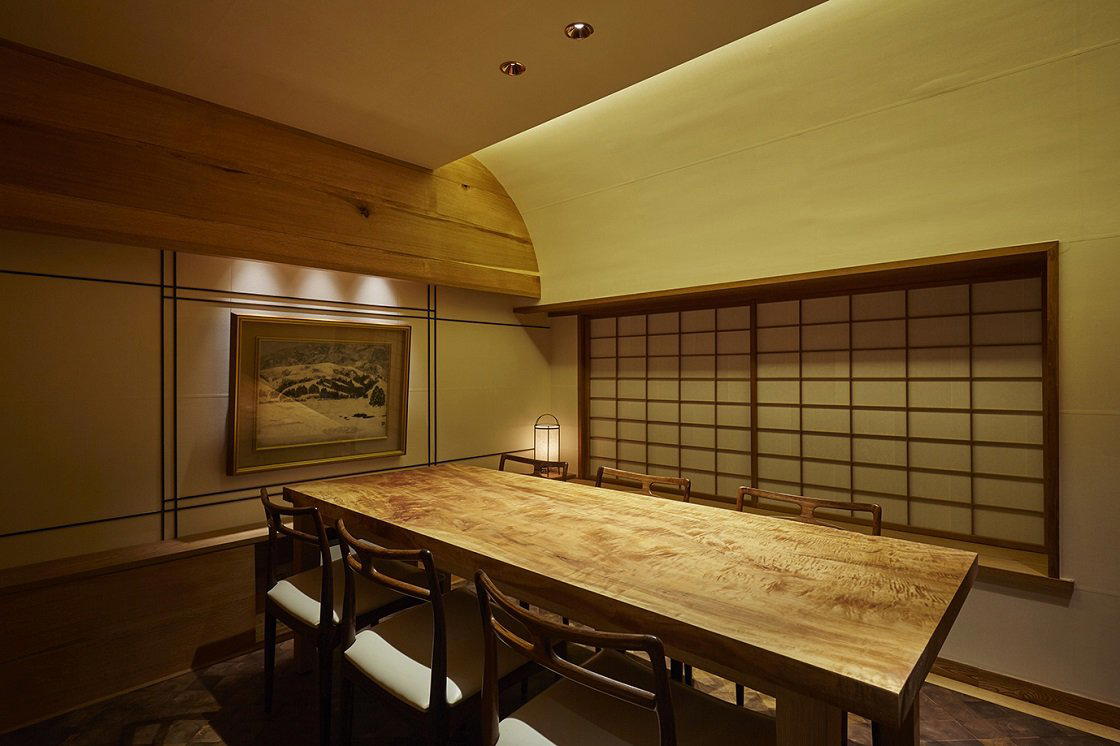
Cozy and serene intimate setting tucked away from bustling streets, fostering a close connection to the chef with personalized service.