Michelin Bib Gourmand
Our verdict
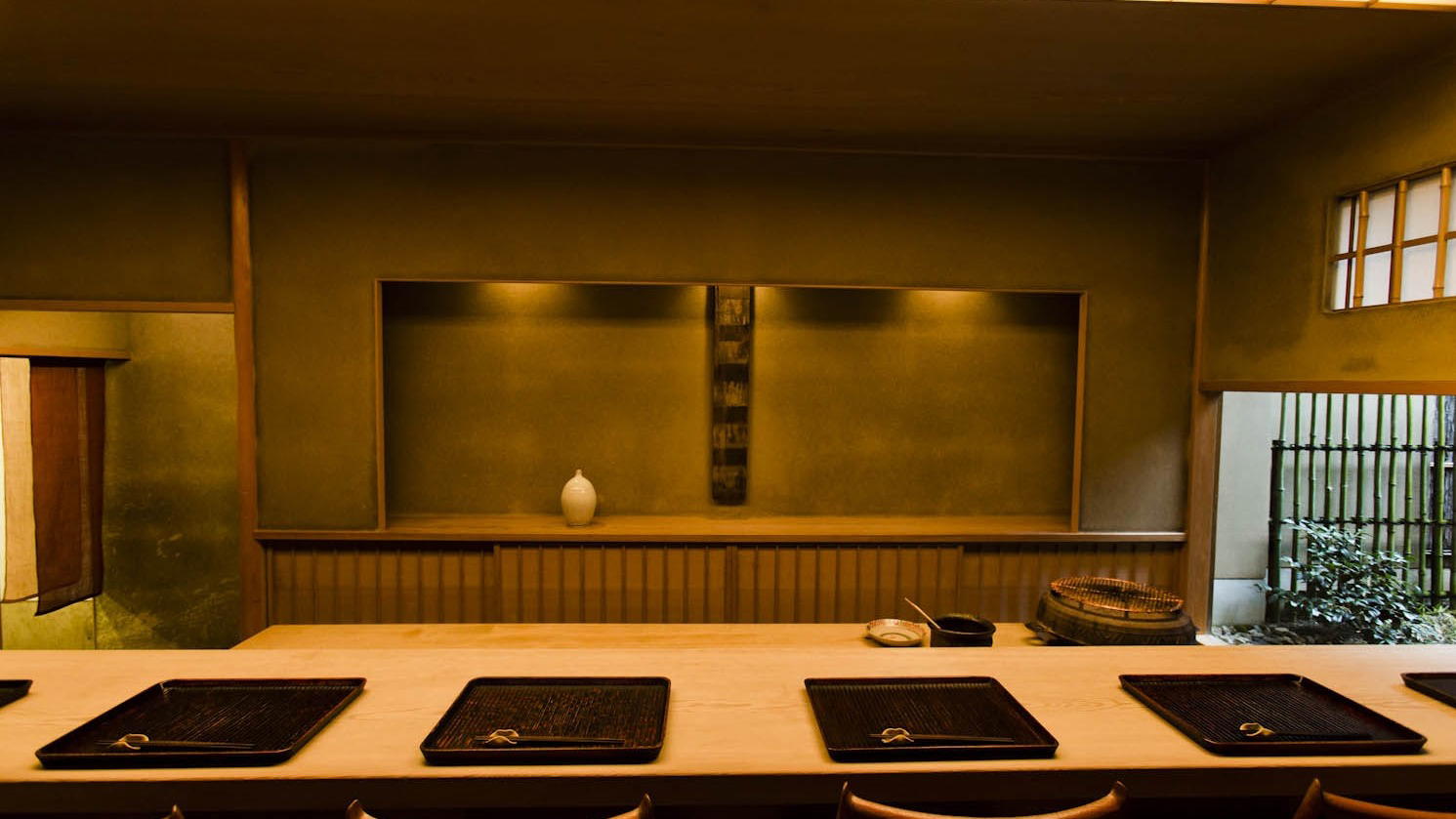
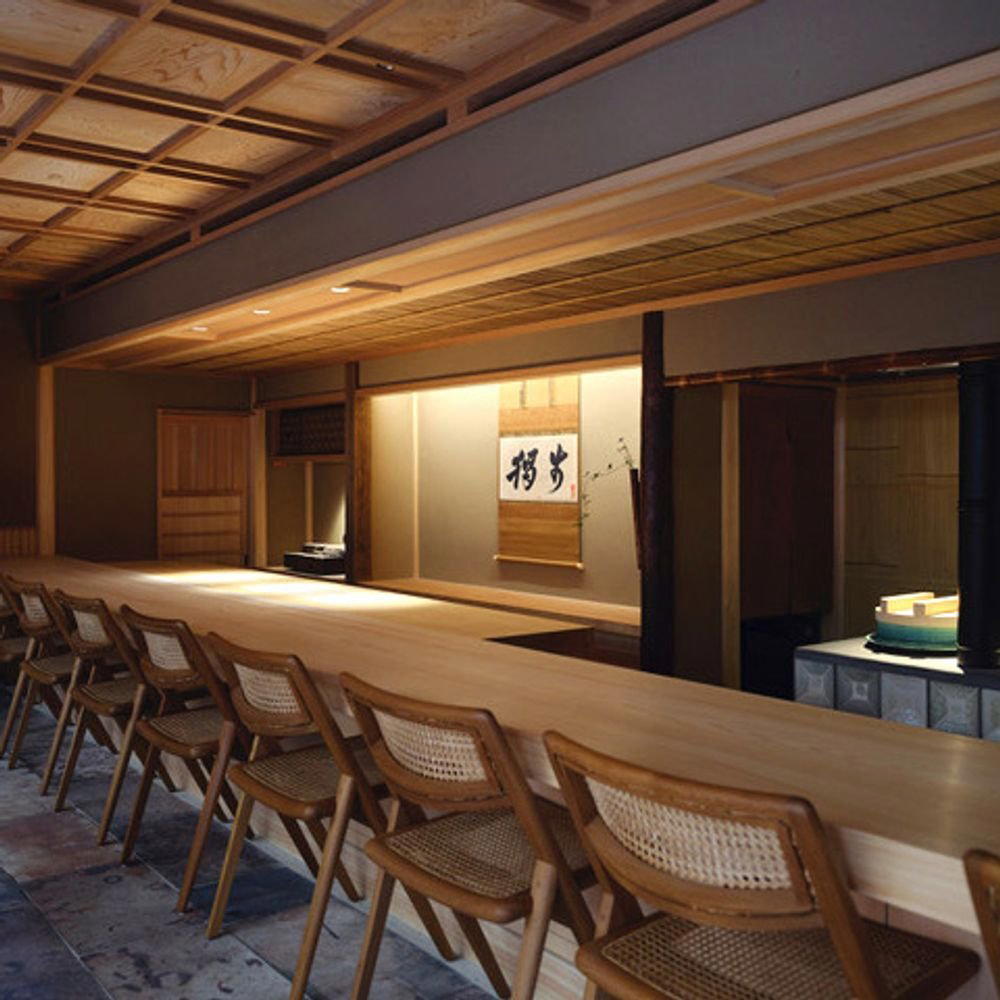
A Michelin Bib Gourmand sushi counter in Kyoto's Kita Ward, KASHIWAI operates from a space that began life as an antique store, its shelves still lined with old pottery. The kitchen applies classic Kyoto technique to temarizushi, small, hand-formed sushi balls, weaving seasonal ingredients like spring bamboo shoots and winter senmaizuke into every box. Dinner requires a reservation; mornings walk in.

Pearl is the En Primeur Club membership app, where members save venues, book tables and use the concierge.
Where Kyoto's Sushi Tradition Diverges from Tokyo's
Sushi in Kyoto does not follow the same logic as sushi in Tokyo or Osaka. The absence of a coastline shaped a different set of priorities: kombu-cured fish, slow-simmered vegetables, and preparations built around the preservation and transformation of ingredients rather than their immediacy. That tradition, sometimes called narezushi in its older forms, more broadly understood as Kyoto-style sushi, survives in scattered pockets of the city, largely indifferent to the omakase counter format that dominates premium sushi in Tokyo. KASHIWAI, holding a Michelin Bib Gourmand since 2024, sits squarely inside this tradition, offering temarizushi, small, hand-formed sushi balls, from a space in Kita Ward that quietly refuses to compete on the terms of the capital's high-gloss counters.
An Antique Store That Became a Sushi Room
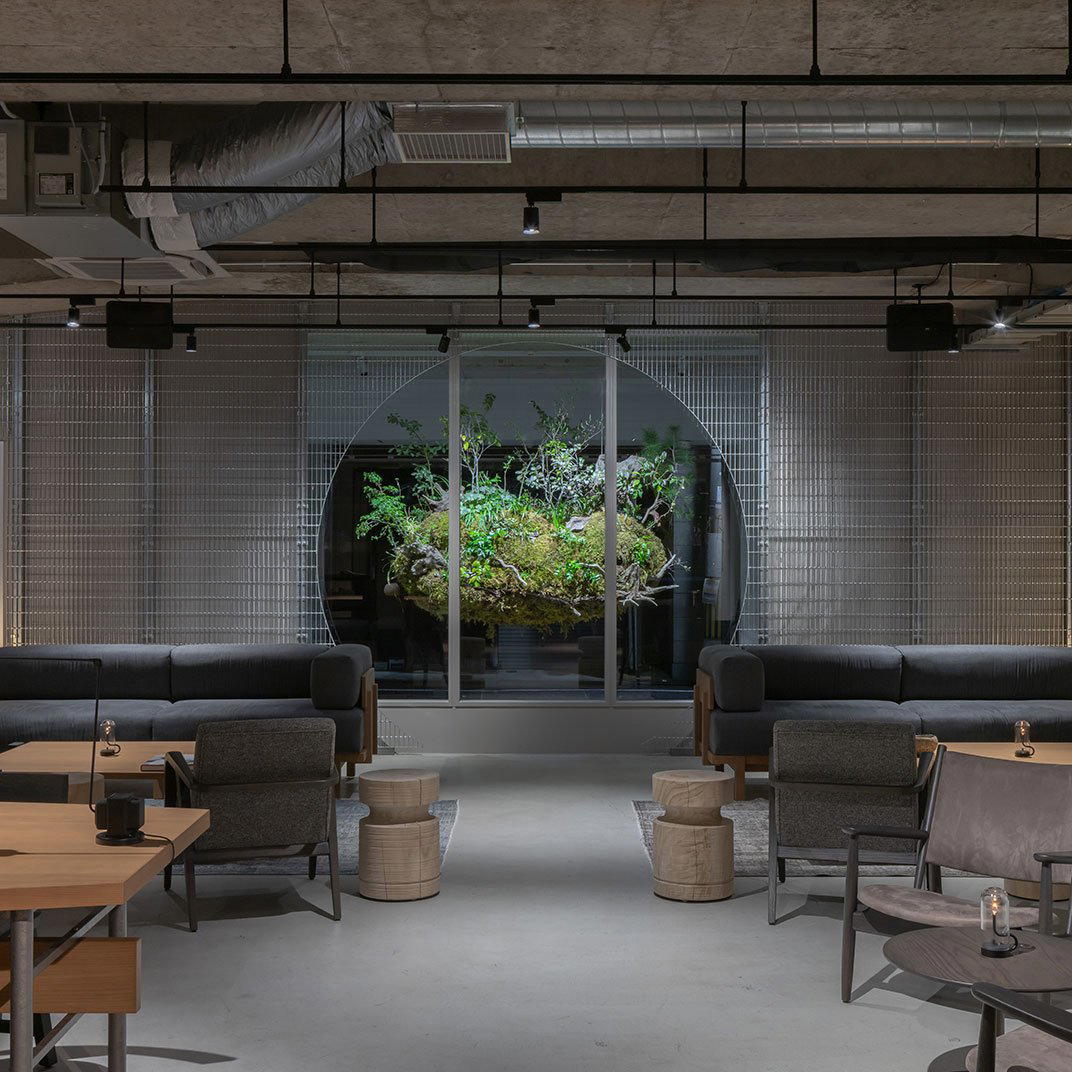
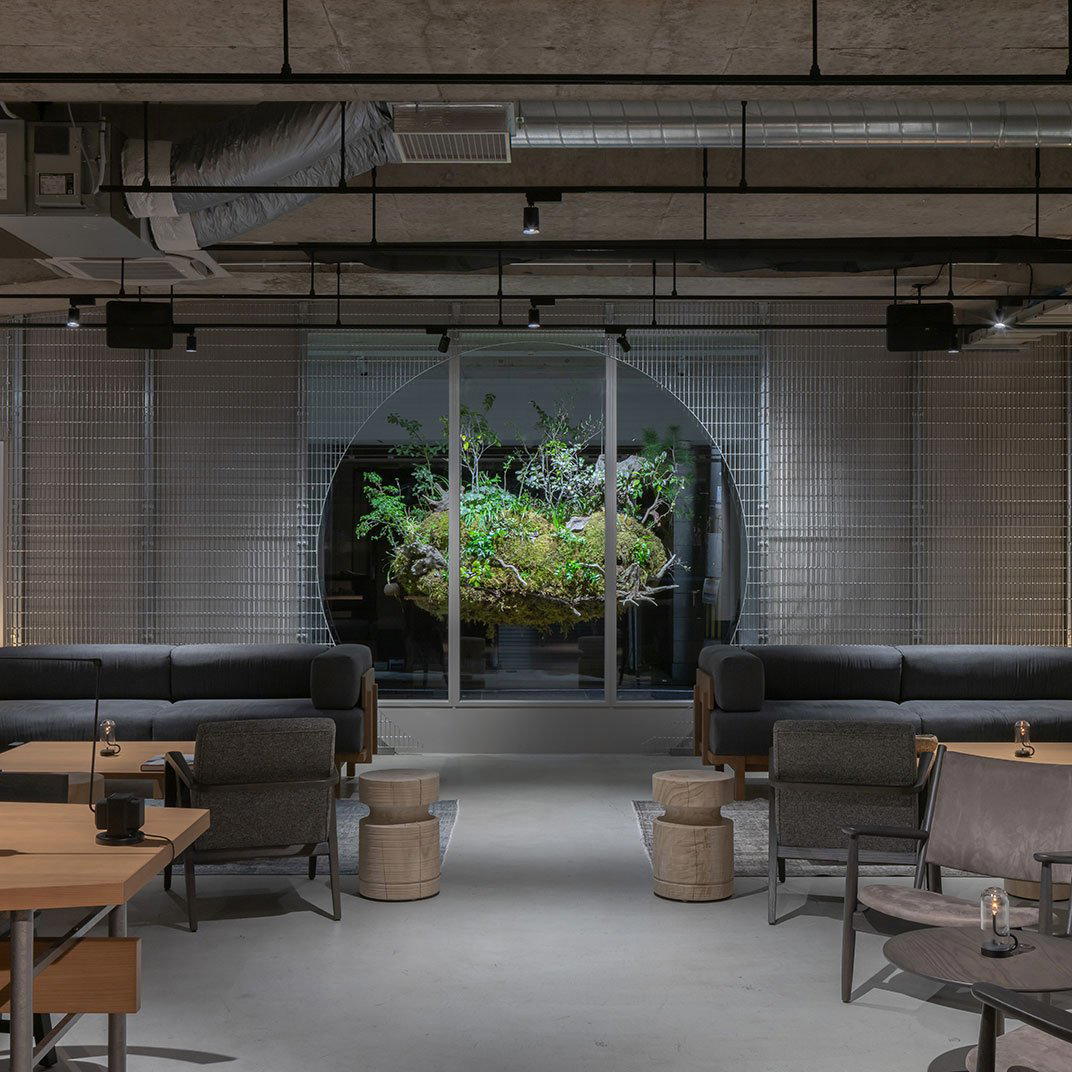
The physical context matters here. KASHIWAI was founded as an antique store, and the room retains that identity: old pottery lines the shelves, the atmosphere is domestic rather than theatrical, and the scale is intimate by design. In a city where new kaiseki restaurants have increasingly adopted minimalist architectural language to signal seriousness, a space decorated with collected ceramics communicates something different, accumulated time rather than curated restraint. Kyoto's dining culture has always made room for this kind of layered address, where the setting carries a history that predates the menu. The antique-store origin is not an affectation; it is the actual site, repurposed rather than renovated. Compare that with Izuu, another long-established Kyoto sushi institution, where the form of pressed mackerel sushi called sabazushi anchors a similarly rooted sense of place.
Temarizushi and the Logic of Kyoto Technique
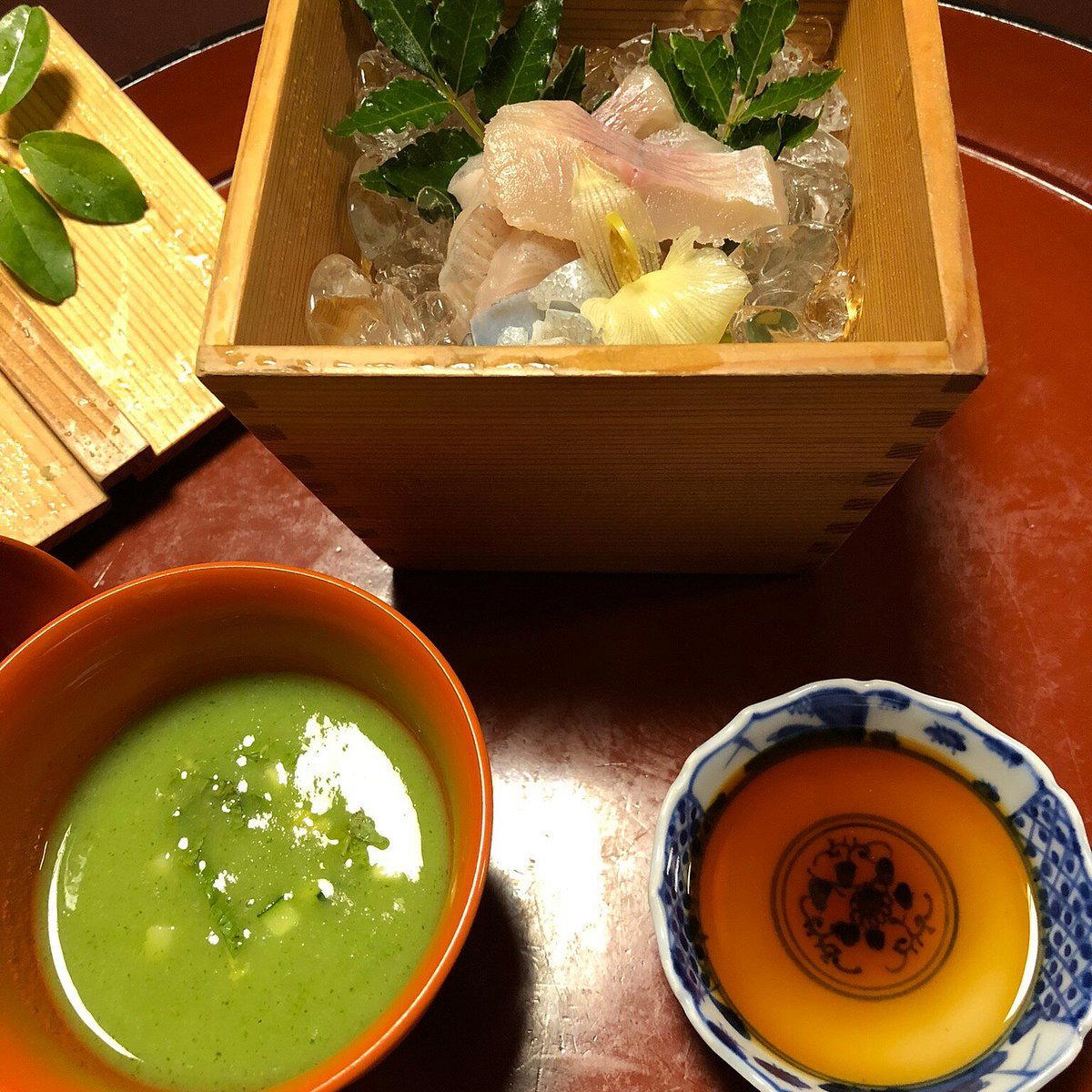
The temarizushi format is central to understanding what KASHIWAI is doing and why the Michelin recognition fits the Bib Gourmand category rather than a star. Temarizushi are compact, ball-shaped pieces traditionally associated with home cooking and celebratory bento culture, served here in thin cardboard boxes that recall the presentation of wagashi confections. The comparison to wagashi is not decorative: it reflects a shared aesthetic in Kyoto food culture that prizes visual refinement within modest formats, where appearance and portion size are understood as expressions of care rather than constraints of budget.
Preparation of each component reflects that same care. Sea bream is marinated in kombu, a technique that draws moisture from the fish while transferring the mineral depth of the seaweed. Shiitake mushrooms are simmered slowly in dashi, built to a layered softness that raw or lightly cooked mushrooms cannot achieve. Both preparations require time and restraint, which are the actual currencies of Kyoto cooking. For visitors more familiar with the compressed progression of an Edomae counter, the logic here operates differently: the kitchen's ambition shows in the treatment of ingredients, not in the number of courses or the theatre of presentation. Sushi Rakumi and Kikunoi Sushi Ao sit in adjacent parts of Kyoto's sushi conversation, each with its own point of departure from Tokyo convention.
Seasonality as Structure, Not Decoration
Across Kyoto's serious dining rooms, from three-Michelin-starred kaiseki at Gion Sasaki to single-star Italian at cenci, seasonal discipline is the baseline expectation rather than a distinguishing feature. At KASHIWAI, seasonality operates structurally: the menu rotates around what the city's food culture has always organised itself around. Spring brings simmered bamboo shoots, a preparation that requires precise timing because the sweetness of young bamboo degrades quickly once harvested. Winter introduces senmaizuke, the thinly sliced pickled turnip that is specific to Kyoto and essentially absent from sushi elsewhere in Japan. The use of senmaizuke in particular signals that the kitchen is addressing a Kyoto audience rather than positioning itself for the tourist circuit. It is a local ingredient with a local reference point, and its presence on the menu is a form of editorial commitment.
That seasonal discipline also shapes when to visit. A meal here in late March or early April, when bamboo shoots arrive and the ingredient is at its narrowest window, will differ materially from a December visit built around the clean bitterness of winter pickles. Both are worth planning around, but they are different meals. See our full Kyoto experiences guide for seasonal context across the city.
Bib Gourmand as a Critical Position
The 2024 Michelin Bib Gourmand designation places KASHIWAI in a specific critical bracket: recognised quality at a price point outside the star tiers. In Kyoto, where the density of Michelin-starred restaurants is among the highest in the world relative to city size, Bib Gourmand status carries more competitive weight than in most other cities. The designation is not a consolation category; it is a deliberate Michelin signal that a meal here delivers at a level worth marking, without the formal commitment of a star rating. That positioning matters for how you plan around it: KASHIWAI does not ask for the same advance booking horizon or the same evening budget as Izugen or the kaiseki rooms at the upper end of the Kyoto dining tier.
For those building a wider Japan itinerary, the contrast between Kyoto's sushi tradition and Tokyo's high-end omakase scene is worth mapping directly. Harutaka in Tokyo and Sushi Shikon in Hong Kong both operate in the Edomae register that KASHIWAI explicitly departs from. Shoukouwa in Singapore represents that same Tokyo lineage exported to Southeast Asia. Placing KASHIWAI against those references clarifies what makes Kyoto sushi a distinct and parallel tradition rather than a lesser version of the same form.
For further context on the city's broader dining scene, our full Kyoto restaurants guide covers the range from neighbourhood counters to multi-starred kaiseki rooms. Elsewhere in the Kansai and wider Japan region, HAJIME in Osaka, akordu in Nara, and Goh in Fukuoka each anchor a different corner of the region's culinary identity. Kiu is also worth considering for those building a fuller Kyoto dining programme. 1000 in Yokohama and 6 in Okinawa extend the picture to Japan's coasts. For planning around the city itself, consult our Kyoto hotels guide, our Kyoto bars guide, and our Kyoto wineries guide.
Know Before You Go
- Address: 3-3 Koyamashimouchikawaracho, Kita Ward, Kyoto, 603-8132, Japan
- Price range: ¥ (Michelin Bib Gourmand tier)
- Awards: Michelin Bib Gourmand 2024
- Hours: Open from morning onwards; dinner seating requires a reservation
- Booking: Reservations required for dinner; daytime visits may be possible without advance booking
- Seasonal note: Spring menus feature simmered bamboo shoots; winter menus include senmaizuke (Kyoto pickled turnip)
Frequently asked questions
How much does it cost to eat at KASHIWAI?
Pricing at KASHIWAI is listed as ¥.
Is KASHIWAI award-winning?
KASHIWAI has received recognition including: Founded as an antique store, the shop is still decorated with old pottery. ‘Temarizushi’, little sushi balls served in thin cardboard boxes, are as cute as wagashi confections. Seafood and vegetables for sushi are crafted with great care as….
What do people recommend at KASHIWAI?
The temarizushi is the kitchen's signature format: small, hand-formed sushi balls presented in thin cardboard boxes, with ingredients prepared according to Kyoto technique. Sea bream is marinated in kombu, shiitake mushrooms are simmered in dashi, and the seasonal additions follow a clear calendar, bamboo shoots in spring, pickled senmaizuke radish in winter. The approach draws directly from Kyoto food culture rather than the vinegared-rice orthodoxy of Tokyo-style sushi.
What should I expect cuisine-wise at KASHIWAI?
How do I find KASHIWAI?
KASHIWAI is located at 3-3 Koyamashimouchikawaracho, Kita Ward, Kyoto, 603-8132, Japan, Kyoto.
How far ahead should I plan for KASHIWAI?
Dinner seatings require a reservation, but KASHIWAI's Bib Gourmand price tier and daytime walk-in format place it well below the lead times typical of Kyoto's starred kaiseki rooms. For dinner, booking a week or two ahead is a reasonable starting point, though demand may increase around peak travel periods. The restaurant opens from morning, so a daytime visit without a reservation is an option.
Same-City Peers
A compact comparison to help you place this venue among nearby peers.
| Venue | Cuisine | Price | Awards | Notes |
|---|---|---|---|---|
| KASHIWAIThis venue (the venue you are viewing) | Traditional Kyoto Sushi | $30–50 | Michelin Bib Gourmand | Not listed |
| Gion Sasaki | Modern Kaiseki | $300–500 | 3 Michelin Stars · La Liste Top Restaurants | Kaiseki, Japanese |
| cenci | Innovative Italian-Japanese Fusion | $100–150 | 1 Michelin Star · World's 50 Best #76 | Italian |
| Ifuki | Sumibi Kappo Kaiseki | $200–300 | 2 Michelin Stars · La Liste Top Restaurants | Kaiseki |
| Kyokaiseki Kichisen | Kyoto Kaiseki | $200–300 | 2 Michelin Stars · La Liste Top Restaurants | Japanese |
| Kyo Seika | Modern Chinese Fine Dining | $150–200 | 1 Michelin Star · Tabelog Bronze #216 | Chinese |
Recognition history
Dated appearances from independent guides and award organizations, with the underlying list record or original source where available.
Michelin Bib Gourmand
Michelin
Full recognition history (3 entries)
Michelin Bib Gourmand
Michelin
Michelin Bib Gourmand
Michelin