








World's 50 Best #16 · La Liste Top Restaurants · Star Wine List
Our verdict
Sézanne brings Tokyo’s market-led French dining into a hotel setting with unusual precision: a 42-seat room, Daniel Calvert’s neo-French framework, and a wine program recognized by Star Wine List. Its credibility is broad rather than local only, spanning Tabelog Silver recognition, La Liste scoring, Opinionated About Dining placement, and membership in Les Grandes Tables du Monde.

Pearl is the En Primeur Club membership app — saves, bookings, and concierge access live there. Same editors, same standards.
- Address
- 1 Chome-11-1 Marunouchi, Chiyoda City, Tokyo 100-6277, Japan
- Phone
- +81 3-5222-5810
- Hours
- Mon–Tue ClosedWed–Sat 11:30 AM–1 PM, 5:30–7:30 PMSun 5:30–7:30 PM
- Website
- fourseasons.com
- Directions
- Get directions
- Booking
- Book on Omakase

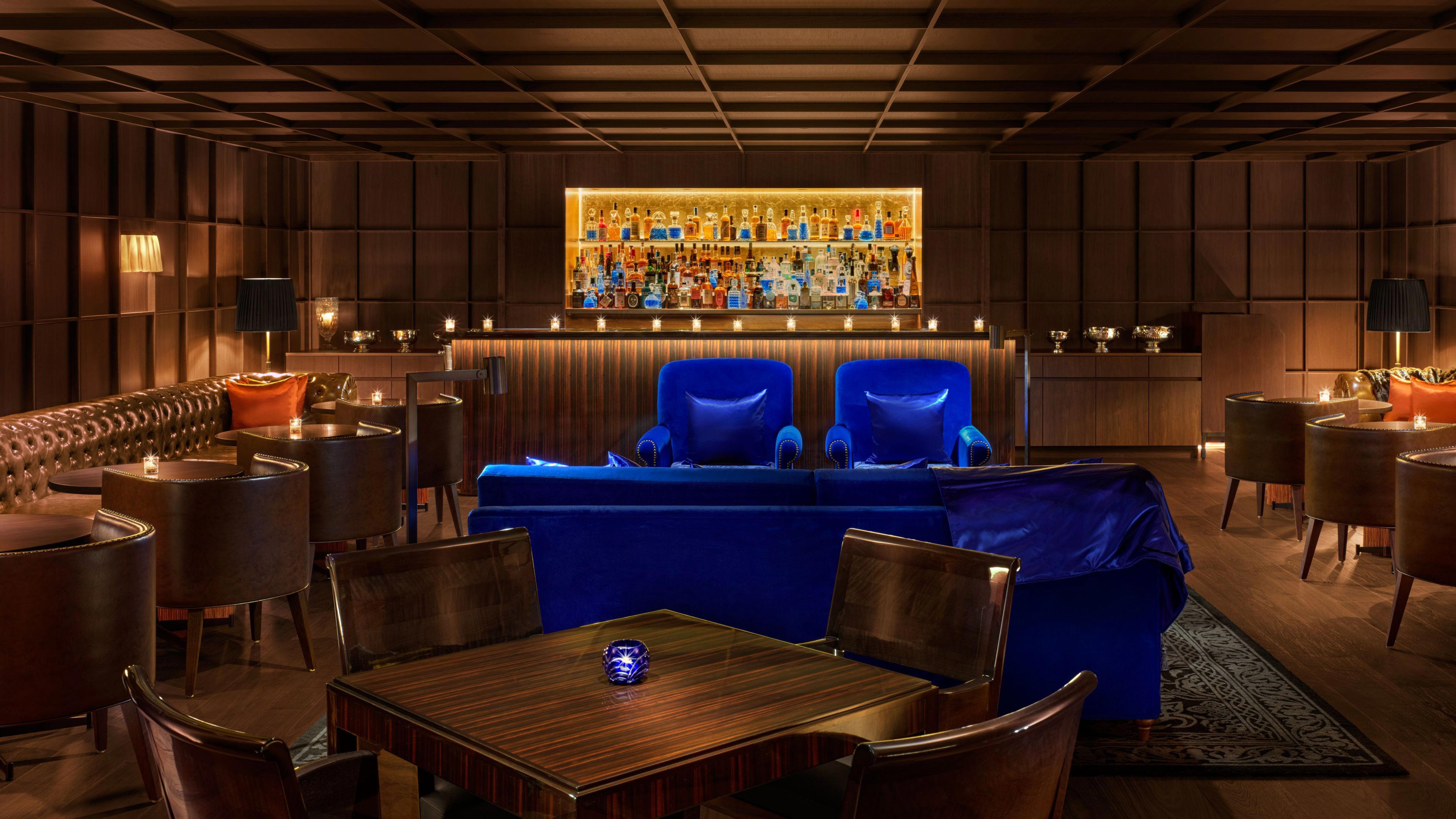
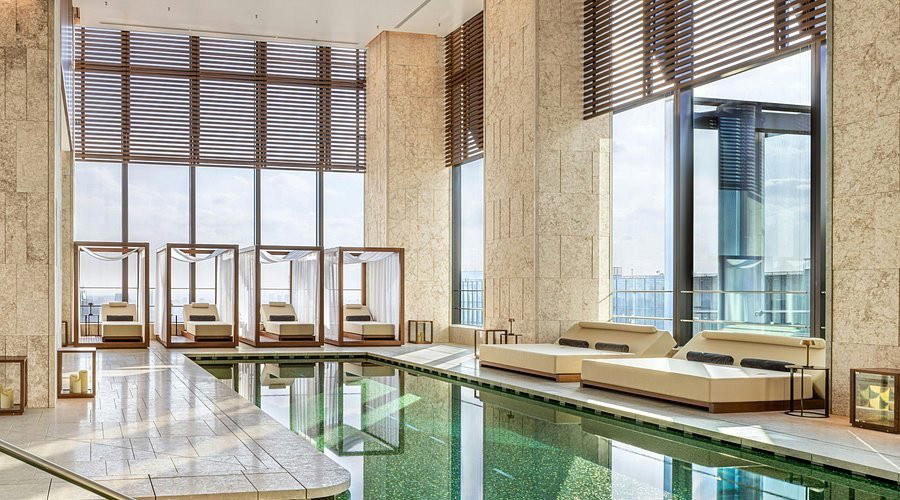
The approach begins inside the Four Seasons Hotel Tokyo at Marunouchi, but the dining room is defined less by hotel grandeur than contemporary Tokyo restraint. Large windows, a glass-walled kitchen and the calm choreography of a 42-seat room focus attention on sequence, timing and produce rather than theatre. In Marunouchi, where business hotels, railway access and polished dining rooms can blur, the proposition is sharper: French technique calibrated for a city that rewards seasonality, sourcing and exact service.
Tokyo has long treated French cooking as a serious local language, not merely an imported luxury. Its higher tier runs from classic rooms such as Chez Inno and Dominique Bouchet Tokyo to contemporary addresses including ESqUISSE, each answering what French formality should mean in Japan. Sézanne belongs to the market-driven camp, where a menu’s value is tied to ingredient timing, producer relationships and the ability to move between French structure and Japanese product without collapsing into fusion shorthand.
French form, Japanese market logic
The cooking is framed as French, but its rhythm is closer to Tokyo produce culture: peak-season ingredients, fish-forward priorities and supply treated as part of the argument. In a city where elite sushi, tempura and kappo counters have trained diners to read freshness, temperature and provenance as seriousness, a French restaurant at this level cannot rely on sauce work and ceremony alone; it must show why each ingredient belongs in that room on that day.
Daniel Calvert gives the project an international anchor, but the more interesting point is what his cooking represents in Tokyo’s hierarchy. Neo-French restaurants now compete not only with other French rooms, but with high-cost Japanese formats where seasonality is built into the reservation economy. Sézanne’s recognition across Tabelog, La Liste, Opinionated About Dining, Star Wine List, Tatler Asia and Les Grandes Tables du Monde shows it has crossed both local and international filters, harder than pleasing one audience alone.
The price tier matters. This is neither casual Tokyo French nor the midrange bracket of many long-running neighborhood rooms. It sits among the city’s special-occasion and destination addresses, where menu discipline, wine depth and room management must justify a full-evening commitment. Compared with La Rochelle Minami Aoyama or PRUNIER, both part of Tokyo’s broader French tradition at a lower listed price tier, Sézanne occupies a rarer category with stronger global award visibility.
A wine-led room without losing the plate
Star Wine List recognition is not decorative here. Tokyo French rooms often use wine as a marker of seriousness, but the better ones avoid letting the cellar overpower the kitchen. At Sézanne, sommelier presence and wine emphasis follow the menu’s structure: controlled pacing, international references and range enough to support seafood, broths, dairy, alcohol-based preparations and richer French ingredients without forcing one pairing narrative.
The allergy policy is revealing before a diner sits down. Shellfish, seafood, dairy, alcohol, onion, carrot, celery, mushrooms, pork and pork-derived gelatin are embedded deeply enough that major substitutions are not treated as a simple service adjustment. That is a practical warning and an editorial clue: the kitchen is built on layered stocks, marine ingredients and classical foundations rather than modular plates designed for maximum flexibility.
Tabelog’s 2026 score of 4.45 and Silver Award recognition place the restaurant in a demanding local evaluation culture, while La Liste’s 93-point score and Opinionated About Dining’s 2026 Japan ranking add external confirmation. Awards never explain a meal by themselves, but in Tokyo, where hype can move faster than consistency, multiple systems pointing the same way are useful. The stronger signal is breadth: Japanese diners, international list-makers and wine-focused evaluators all read the room as serious.
How to place it within a Tokyo dining trip
For travelers, the decision is less “French or Japanese” than “which version of Tokyo precision matters most.” Sushi and kaiseki express season through codified Japanese formats; Sézanne does it through French grammar and a hotel dining-room cadence. That makes it a strong counterpoint to seafood-led French peers such as abysse, contemporary French addresses such as Alchimiste, and smaller Tokyo rooms including ABBESSES, Alternative and amarantos.
Marunouchi also shapes the experience. This side of central Tokyo favors efficiency: station access, high-spec hotels, office towers and dining rooms fluent in punctuality. It is different from a late-night Ginza counter or residential Aoyama restaurant, suiting diners who want a polished, controlled evening rather than neighborhood looseness.
There are clear limits. The format suits diners comfortable with a high-price tasting menu, smart-casual dress expectation and limited flexibility around major allergies. Children are allowed from junior high school age upward, making the room more accessible to families than many luxury counters, but the meal is still paced and priced for guests able to sit through formal dining.
Tokyo’s broader dining map rewards comparison. Readers planning beyond one meal can use Our full Tokyo restaurants guide for the city’s restaurant range, then cross-check stays through Our full Tokyo hotels guide, drinks through Our full Tokyo bars guide, regional wine context through Our full Tokyo wineries guide, and cultural planning through Our full Tokyo experiences guide. Within Tokyo French, compare ABBESSES, abysse, Alchimiste, Alternative and amarantos before committing a prime evening.
For a wider Japan and French-language comparison set, the contrast is clearer: -Grilled beef Sukiyaki- KAMAKURA TANUKIAN 鎌倉 たぬき庵 in Kamakura.cafe in Osaka.know in Kumamoto, (Shoku) Vietnam in Kawasaki, [Curry Senmon Ten] Maruyama Kyoju. in Sapporo, [ki:] in Kyoto, 3 Fils Counter, French in Dubai and 3G Trois Gourmands, French in Ho Chi Minh City show how differently French technique travels across region, format and price.
The case for Sézanne is strongest for diners who want Tokyo ingredient discipline translated through French structure, with enough international recognition to reduce guesswork. It is not relaxed, and not designed for maximal dietary flexibility. Its appeal is narrower and more convincing: a market-aware French restaurant in a city that judges details harshly, operating where consistency matters as much as novelty.
Frequently asked questions
Is Sézanne suitable for children?
Yes. Sézanne welcomes children, and the venue notes that junior high school students and above may dine here. The 42-seat French dining room at 1 Chome-11-1 Marunouchi, Tokyo sits in the Four Seasons Hotel Tokyo at Marunouchi.
What kind of setting is Sézanne?
It is a hotel restaurant with 42 seats, described as a stylish, relaxing space with spacious seating. The room is non-smoking, offers private rooms for up to six people, and includes sommelier service in Marunouchi, Tokyo.
How would you describe the cuisine at Sézanne?
Sézanne serves French cuisine.
Is Sézanne more mid-range or high-end?
Pricing at Sézanne is listed as ¥¥¥¥.
Comparable venues nearby, for context on price, style, and recognition.
| Venue | Cuisine | Price | Awards | Notes |
|---|---|---|---|---|
| SézanneThis venue — the venue you are viewing | Modern French Fine Dining | $300–500 | World's 50 Best #16 · La Liste Top Restaurants | Not listed |
| RyuGin | Modern Kaiseki | $500+ | 3 Michelin Stars · World's 50 Best #41 | Chiyoda |
| Sazenka | Modern Chinese Fine Dining | $300–500 | 3 Michelin Stars · World's 50 Best #21 | Minato |
| L'Effervescence | Modern French with Japanese Influences | $200–300 | 3 Michelin Stars · World's 50 Best #69 | Minato |
| Harutaka | Edo-Style Omakase Sushi | $200–300 | 3 Michelin Stars · World's 50 Best #76 | Chūō |
| Narisawa | Modern Japanese Satoyama Fine Dining | $300–500 | 2 Michelin Stars · World's 50 Best #37 | Minato |
Recognition history
Dated appearances from independent guides and award organizations, with the underlying list record or original source where available.
World's 50 Best Asia's Best Restaurants #16
World's 50 Best
La Liste Top Restaurants
La Liste
Star Wine List
Star Wine List
Black Pearl 1 Diamond
Black Pearl
Les Grandes Tables du Monde Member
Les Grandes Tables du Monde
Full recognition history (23 entries)
Opinionated About Dining Top Restaurants in Japan Ranked #39
Opinionated About Dining
Tabelog Silver #121
Tabelog
Tabelog Chef's Gold #10
Tabelog
Black Pearl 1 Diamond
Black Pearl
La Liste Top Restaurants
La Liste
Opinionated About Dining Top Restaurants in Japan Ranked #33
Opinionated About Dining
Star Wine List
Star Wine List
Tabelog 100 #65 · No. 65
Tabelog · Tabelog 100 - French - TOKYO - 2025
Tabelog Silver
Tabelog
Tatler Listed in Best Restaurants Asia-Pacific
Tatler
Tatler Restaurant of The Year
Tatler
The Best Chef Three Knives
The Best Chef
World's 50 Best Restaurants #7
World's 50 Best
World's 50 Best Asia's Best Restaurants #4
World's 50 Best
Opinionated About Dining Top Restaurants in Japan Ranked #42
Opinionated About Dining
World's 50 Best Restaurants #15
World's 50 Best
Opinionated About Dining Top Restaurants in Japan Ranked #66
Opinionated About Dining
World's 50 Best Restaurants #37
World's 50 Best




Details
- Elegant
- Sophisticated
- Intimate
- Modern
- Romantic
- Date Night
- Business Dinner
- Celebration
- Special Occasion
- Open Kitchen
- Hotel Restaurant
- Tasting Menu
Current opening hours
- Monday
- Closed
- Tuesday
- Closed
- Wednesday
- 11:30 AM–1 PM, 5:30–7:30 PM
- Thursday
- 11:30 AM–1 PM, 5:30–7:30 PM
- Friday
- 11:30 AM–1 PM, 5:30–7:30 PM
- Saturday
- 11:30 AM–1 PM, 5:30–7:30 PM
- Sunday
- 5:30–7:30 PM
Hours can change for holidays and private events. Last verified .
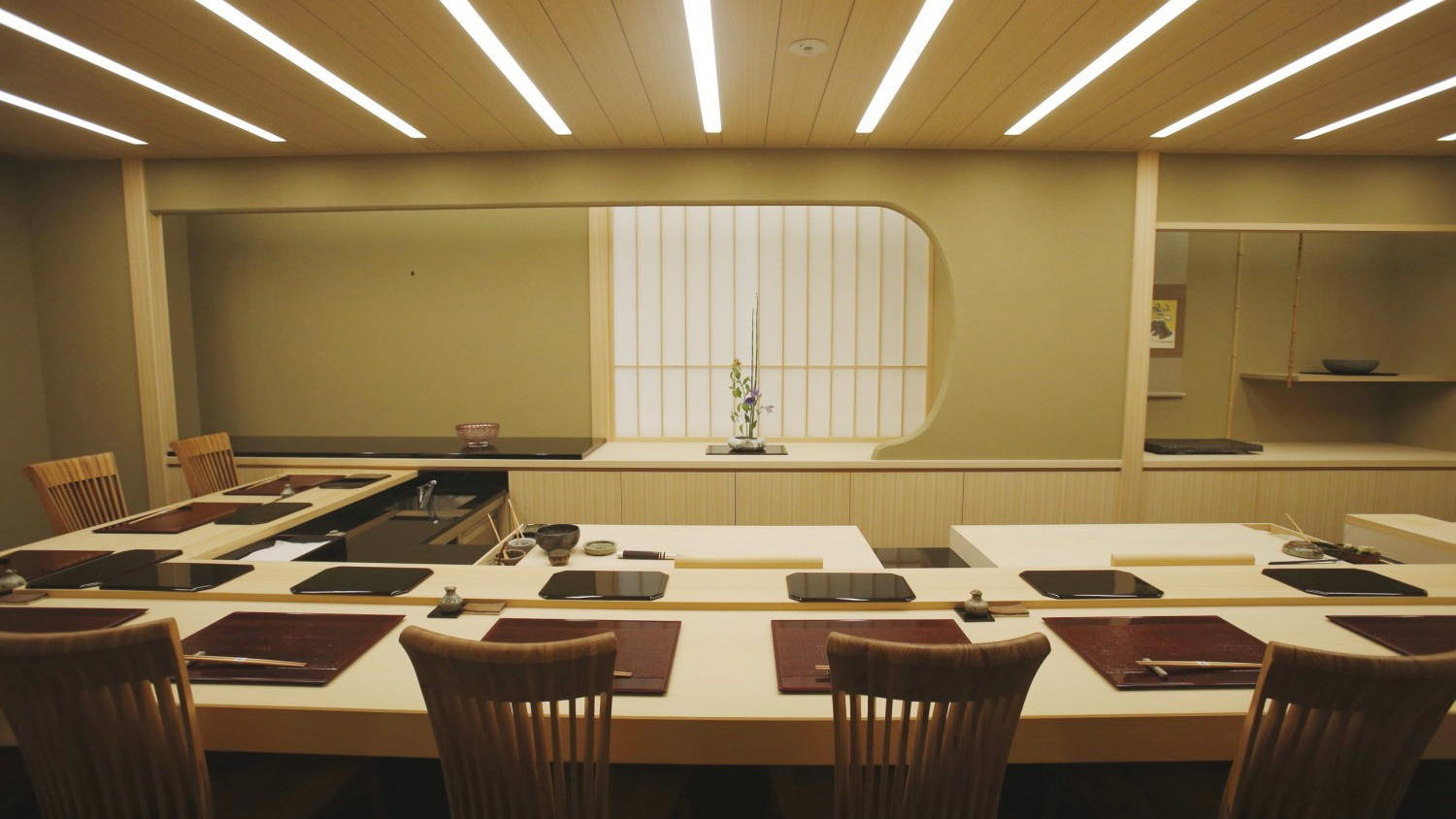
Bright, airy luxury dining rooms with soft beige and blush tones, natural light by day, and a more dimly lit, intimate atmosphere at night.