1 Michelin Star
Our verdict
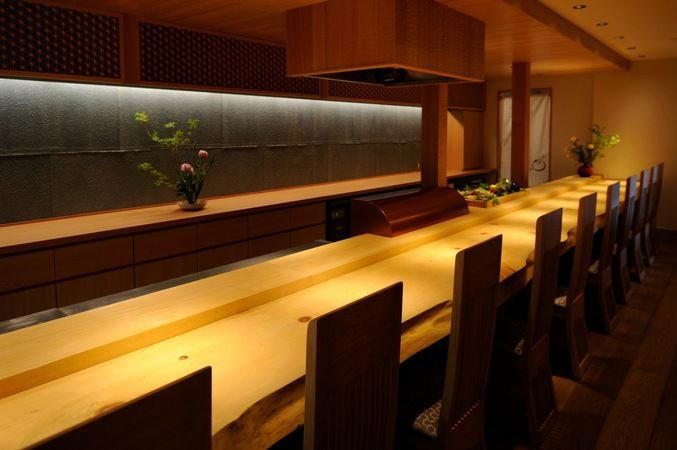
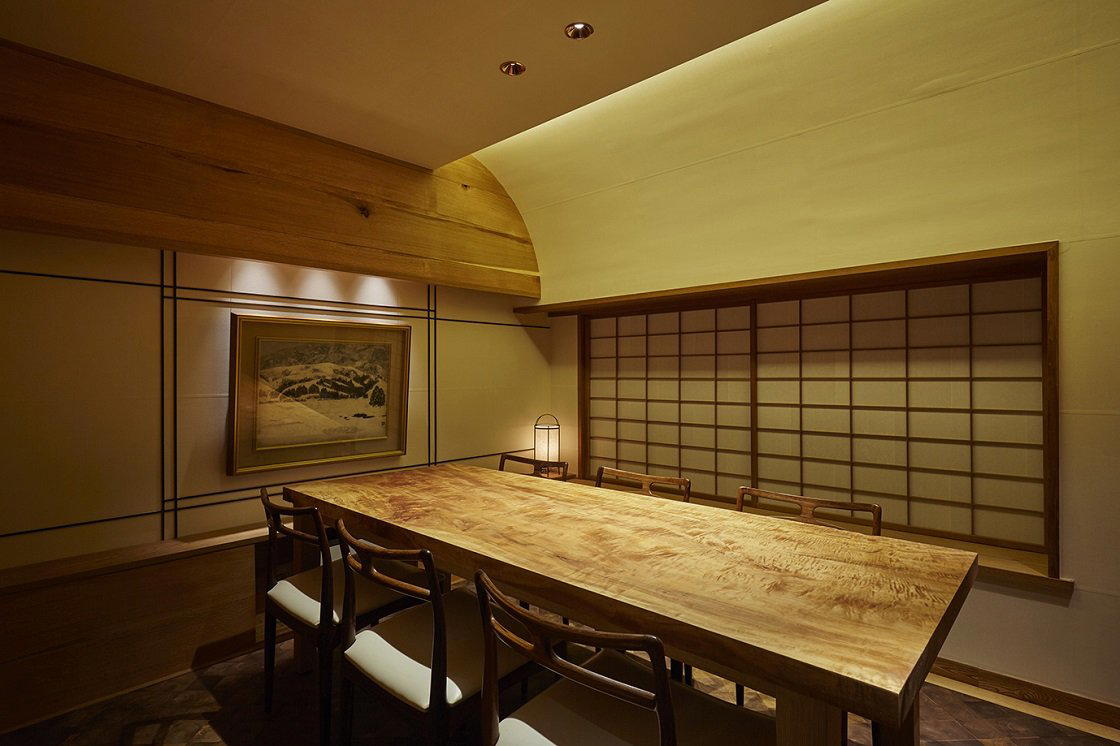
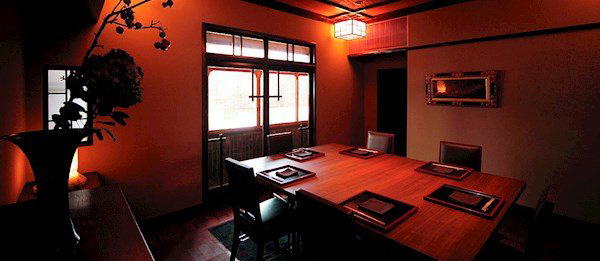
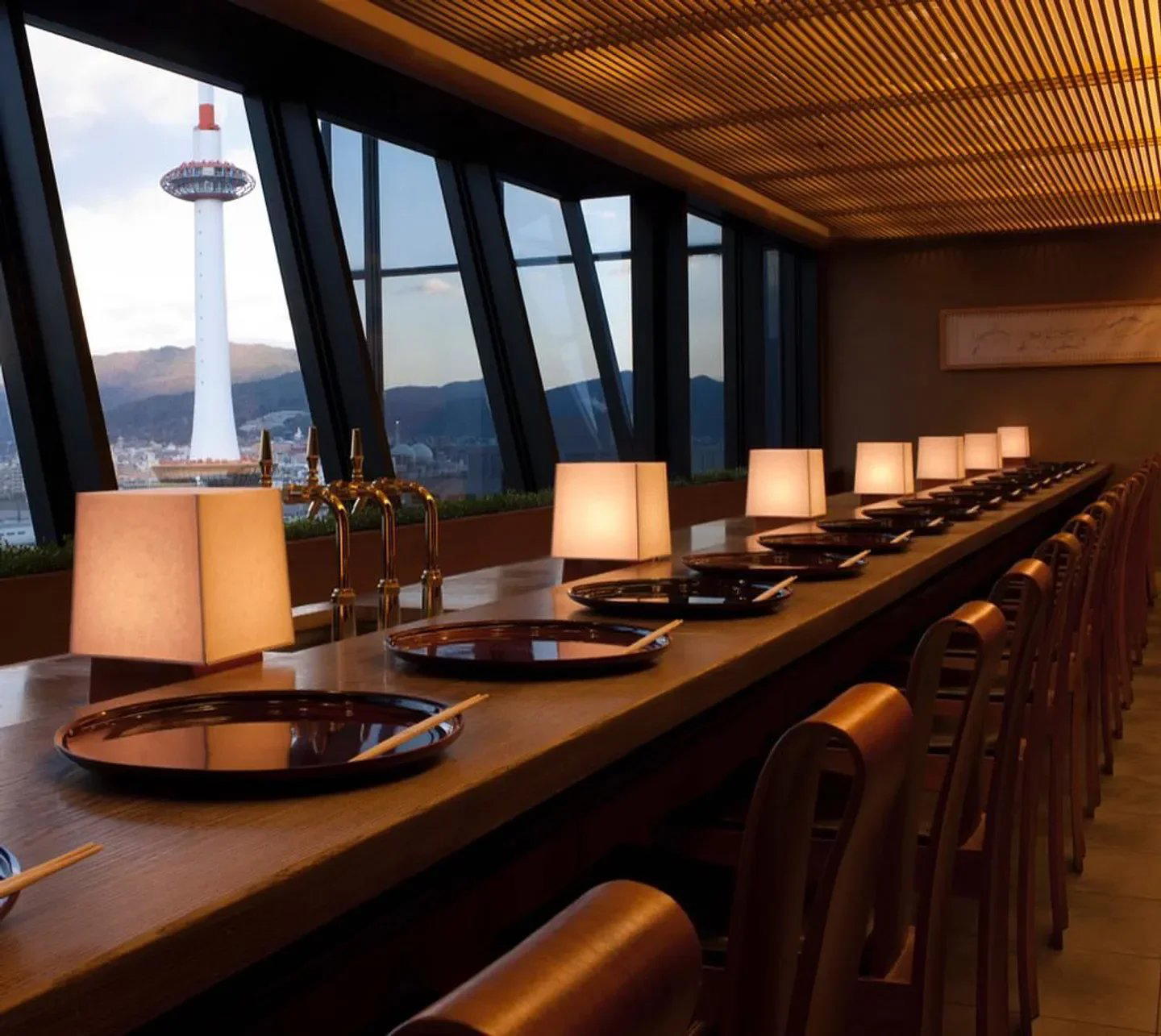
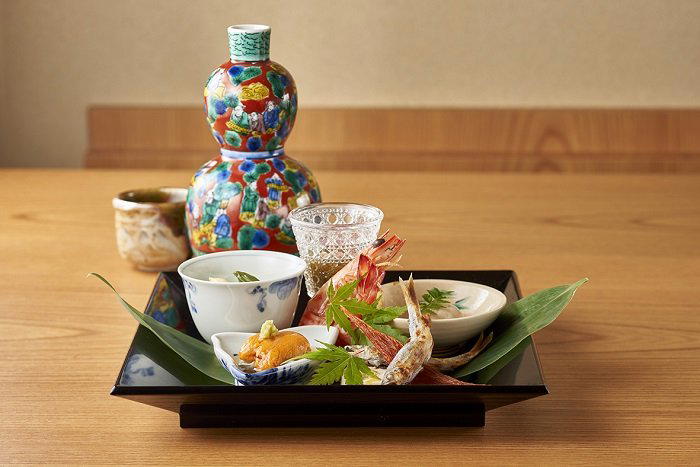
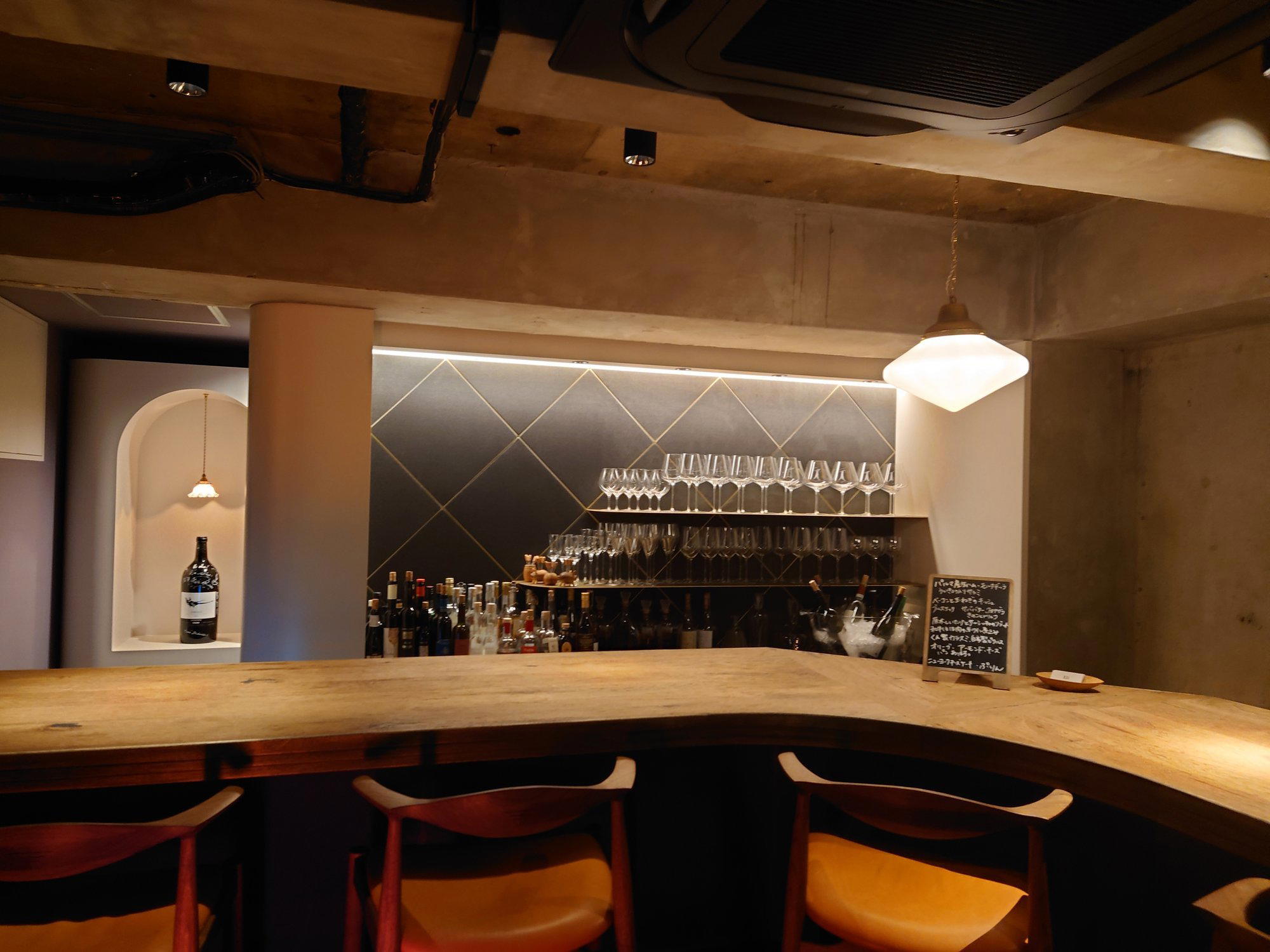
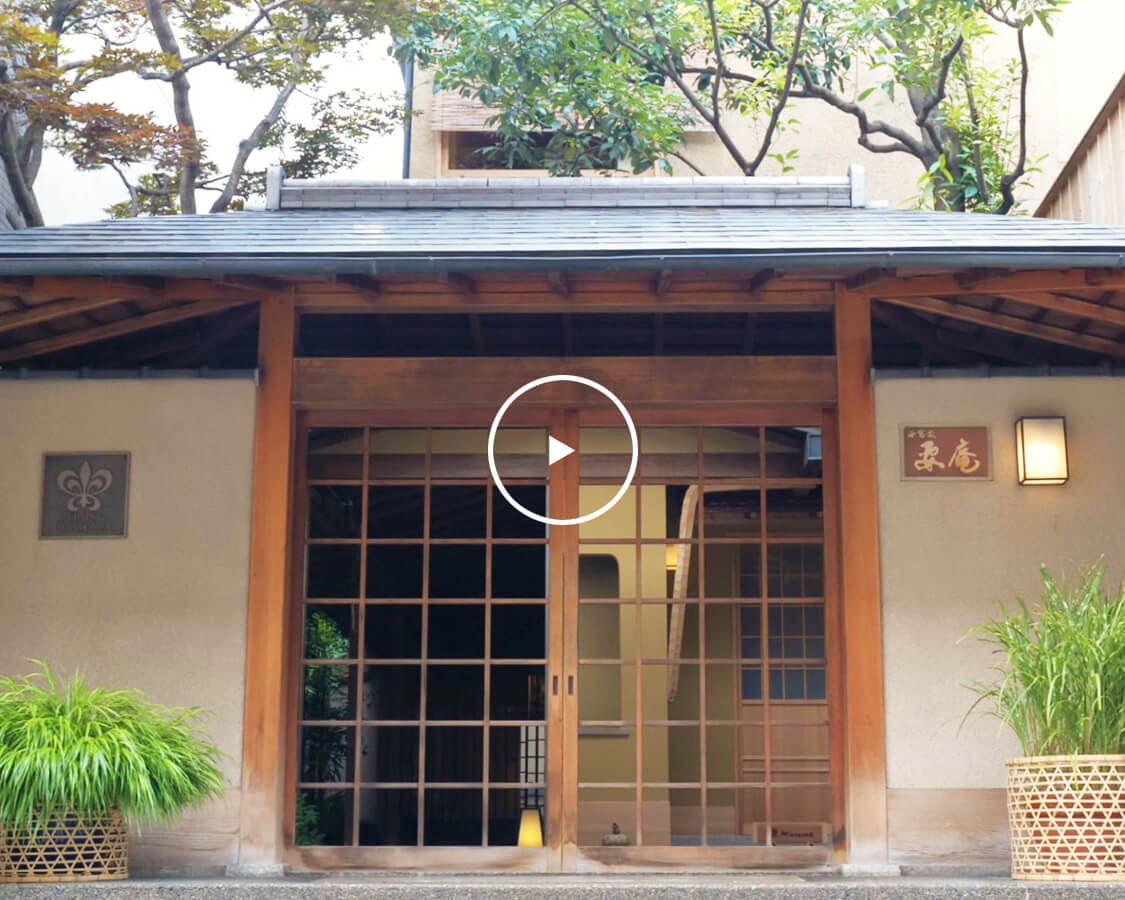
A sushi counter produced by the team behind Gion Sasaki, Sushi Rakumi sits in Higashiyama Ward and holds a Michelin star for 2024. The format weaves steamed and grilled preparations between nigiri, with two styles of sushi rice matched to specific toppings. Conger eel cooked over bamboo grass on an earthen brazier is one of the more arresting moments in a precisely choreographed meal.

Pearl is the En Primeur Club membership app, where members save venues, book tables and use the concierge.
The menu
What to order
- Tuna trio
- Fugu with shirako
- Abalone with liver sauce
- Amadai with crispy scales
- Uni nigiri
- Hand roll with fish roe
Higashiyama Ward is one of the few parts of Kyoto where the physical setting still matches the mental image most visitors carry before they arrive. Stone lanes, preserved machiya frontages, and a density of serious restaurants that would be remarkable in any city. Within that context, Sushi Rakumi occupies a specific address at 332-6 Miyoshicho, a counter produced under the influence of Gion Sasaki, one of Kyoto's most studied kaiseki operations. The connection is not decorative. The chefs at Rakumi trained in Japanese cuisine under that same framework, and the rigour of kaiseki thinking is visible in the structure of what they serve.
The Architecture of the Meal
Sushi in Kyoto has always operated differently from Tokyo's omakase culture. The city's kaiseki tradition has a gravitational pull on how any tasting format is conceived, pacing is slower, seasonal produce carries more ideological weight, and the meal is understood as a sequence with internal logic rather than a parade of individual pieces. Sushi Rakumi works within that tradition while maintaining the fundamentals of a sushi counter. The result is a format that sits between two disciplines without losing clarity in either.
The structural choice that most clearly signals this lineage is the interweaving of steamed and grilled preparations between the nigiri. This is not a common approach at dedicated sushi counters. Most omakase formats build almost entirely through nigiri, with perhaps a chawanmushi or a small cooked course at the margins. Here, cooked dishes are integrated into the sequence as deliberate rhythm breaks, moments that shift temperature, texture, and attention before the next nigiri arrives. It changes how the meal reads. The pacing slows in productive ways.
The rice selection is equally considered. Rather than a single seasoned rice applied uniformly, Rakumi uses two types of sushi rice, matched to the topping. This reflects a level of specificity about how vinegar acidity, grain temperature, and fish fat interact, variables that most counters standardise rather than calibrate. Red vinegar is used to season freshly cooked rice, a tradition associated with Edo-mae sushi that carries its own flavour logic: sharper, earthier, and more assertive than rice-vinegar alternatives. The choice to use it here, in a Kyoto context, is a deliberate positioning statement.
The Brazier Moment
Among the cooked elements woven through the meal, the conger eel preparation is the one that anchors most descriptions of the experience. Anago cooked over bamboo grass on an earthen brazier is a technique that foregrounds both visual theatre and aromatic effect, the smoke from the grass carries its own character, distinct from charcoal, and the open-counter format means diners observe the process as it happens. This kind of in-service cooking has strong precedent in kaiseki but is less common at sushi counters, where the emphasis typically falls on knife work and rice rather than live fire.
The broader lesson here applies across Kyoto's fine-dining tier: the city's restaurants are increasingly drawing on cross-disciplinary technique in ways that Tokyo's more category-defined scene does not always permit. The kaiseki-sushi hybrid sits alongside other format experiments, Kikunoi Sushi Ao brings the Kikunoi kaiseki pedigree to a sushi format, and Izuu maintains its long-standing pressed sushi tradition as a different kind of Kyoto-specific interpretation. Rakumi fits a pattern of Kyoto sushi thinking that treats the counter as a place where Japanese culinary traditions can intersect rather than stay separate.
Counter Choreography
The Michelin inspectors who awarded a star in 2024 noted the chefs' well-oiled precision and the deliberate calculation behind the timing of each piece. This kind of observation speaks to something specific about how the counter operates: delivery is synchronised, and the team works as a unit rather than a collection of individuals managing separate tasks. This has practical consequences for the diner. Nigiri arrives at the moment of peak flavour, a phrase that sounds like standard fine-dining language but has real technical meaning at a sushi counter, where the window between optimal rice temperature and too-cool is narrow, and the moment between fish coming to the right temperature and beginning to lose its character is equally compressed.
For diners accustomed to Tokyo omakase formats, where the chef's personality is often central to the experience, the collaborative counter approach at Rakumi presents differently. The emphasis falls on the meal's internal logic and the team's collective execution rather than a single practitioner's narrative. This is, again, more consistent with kaiseki service culture than with solo-chef omakase traditions.
Kyoto's Upper Tier in Context
Rakumi sits in Kyoto's highest price bracket, alongside kaiseki operations including Gion Sasaki itself, KASHIWAI, and Kiu. Its Michelin star positions it below the three-star and two-star tier that includes some of the city's most difficult reservations, but the Gion Sasaki connection and the counter format mean it competes for a similar type of diner, one who is primarily interested in precision and seasonal specificity rather than in the more accessible formats like Izugen. Within Japan's wider sushi scene, it belongs to a cohort of regionally rooted counters that draw comparison with Tokyo references like Harutaka in Tokyo without mapping directly onto that city's competitive set.
Across the region, Kyoto's Michelin-starred sushi tier sits in a different frame from Sushi Shikon in Hong Kong or Shoukouwa in Singapore, both of which operate Japanese sushi technique in international hospitality contexts. Rakumi's Higashiyama address and its Gion Sasaki lineage place it firmly inside a domestic tradition, where the context is assumed rather than explained.
Visitors planning a broader Kansai itinerary should note that Kyoto's restaurant scene connects naturally to Osaka and Nara. HAJIME in Osaka and akordu in Nara represent different points on the regional fine-dining map. For those extending further, Goh in Fukuoka and 1000 in Yokohama are relevant reference points. 6 in Okinawa sits in a distinct category geographically and conceptually.
For full coverage of where Rakumi fits within Kyoto's dining options, see our full Kyoto restaurants guide. EP Club also covers bars, hotels, wineries, and experiences across the city.
Planning Your Visit
Address: 332-6 Miyoshicho, Higashiyama Ward, Kyoto, 605-0081. Price tier: ¥¥¥¥, Kyoto's highest bracket; expect a per-person spend consistent with Michelin-starred omakase counters in Japan. Awards: Michelin 1 Star (2024); produced by Gion Sasaki. Reservations: No booking method is confirmed in available data, approach via the restaurant directly or through a Kyoto concierge service, as counters at this level typically require advance planning of four to eight weeks minimum, and more during peak seasons (spring cherry blossom and autumn foliage periods compress availability sharply).
Frequently asked questions
What price level is Sushi Rakumi?
Pricing at Sushi Rakumi is listed as ¥¥¥¥.
What cuisine category does Sushi Rakumi fall under?
Does Sushi Rakumi have a Michelin star or similar recognition?
Sushi Rakumi has received recognition including: A sushi restaurant produced by Gion Sasaki. Chefs who honed their skills in Japanese cuisine under their master now stand at the counter. The two types of sushi rice are selected according to the topping, and steamed or grilled dishes are ….
What do regulars order at Sushi Rakumi?
The format is omakase, so the kitchen controls the sequence, diners do not select individual dishes. The meal moves through nigiri courses, with the chefs alternating between two types of sushi rice chosen to match each topping, and cooked or steamed preparations woven between the nigiri. Conger eel finished over an earthen brazier with bamboo grass is among the most noted preparations in the sequence.
Where do I go for Sushi Rakumi?
Sushi Rakumi is located at 332-6 Miyoshicho, Higashiyama Ward, Kyoto, 605-0081, Japan, Kyoto.
How far ahead should I plan for Sushi Rakumi?
Rakumi carries a 2024 Michelin star and operates under the Gion Sasaki affiliation, which puts it among the more competitive reservations in Kyoto's Higashiyama Ward. Bookings for Michelin-starred omakase counters in Kyoto typically require at least one to two months' lead time, and demand around the Gion Sasaki name tightens that window further. Booking as early as possible is advisable.
What's Sushi Rakumi best at?
The kitchen's documented strength is the structural integration of kaiseki technique into an omakase sushi format, a distinction that places Rakumi outside the Tokyo-style nigiri-only counter tradition. The Michelin citation specifically references the chefs' coordinated precision in timing each piece, and the dual sushi rice selection calibrated to individual toppings points to a level of technical deliberateness uncommon even at this price tier (¥¥¥¥).
Cuisine and Awards Snapshot
| Venue | Cuisine | Price | Awards | Notes |
|---|---|---|---|---|
| Sushi RakumiThis venue (the venue you are viewing) | Modern Japanese Omakase | $300–500 | 1 Michelin Star | Not listed |
| Gion Sasaki | Modern Kaiseki | $300–500 | 3 Michelin Stars · La Liste Top Restaurants | Kaiseki, Japanese |
| cenci | Innovative Italian-Japanese Fusion | $100–150 | 1 Michelin Star · World's 50 Best #76 | Italian |
| Ifuki | Sumibi Kappo Kaiseki | $200–300 | 2 Michelin Stars · La Liste Top Restaurants | Kaiseki |
| Kyokaiseki Kichisen | Kyoto Kaiseki | $200–300 | 2 Michelin Stars · La Liste Top Restaurants | Japanese |
| Kyo Seika | Modern Chinese Fine Dining | $150–200 | 1 Michelin Star · Tabelog Bronze #216 | Chinese |
Recognition history
Dated appearances from independent guides and award organizations, with the underlying list record or original source where available.
Michelin 1 Star
Michelin
Full recognition history (2 entries)
Michelin 1 Star
Michelin