
Michelin Bib Gourmand
Our verdict
Operating from the same Higashiyama address since 1781, Izuu is the definitive address for sabazushi in Kyoto. Eight generations of the founding family have maintained a single tradition: whole-mackerel sushi prepared with lightly salted fish carried overland from Wakasa Bay. Michelin Bib Gourmand recognition in 2024 and 2025 confirms what Kyoto residents have understood for centuries, this is serious cooking at a price that demands no trade-off.

Pearl is the En Primeur Club membership app, where members save venues, book tables and use the concierge.
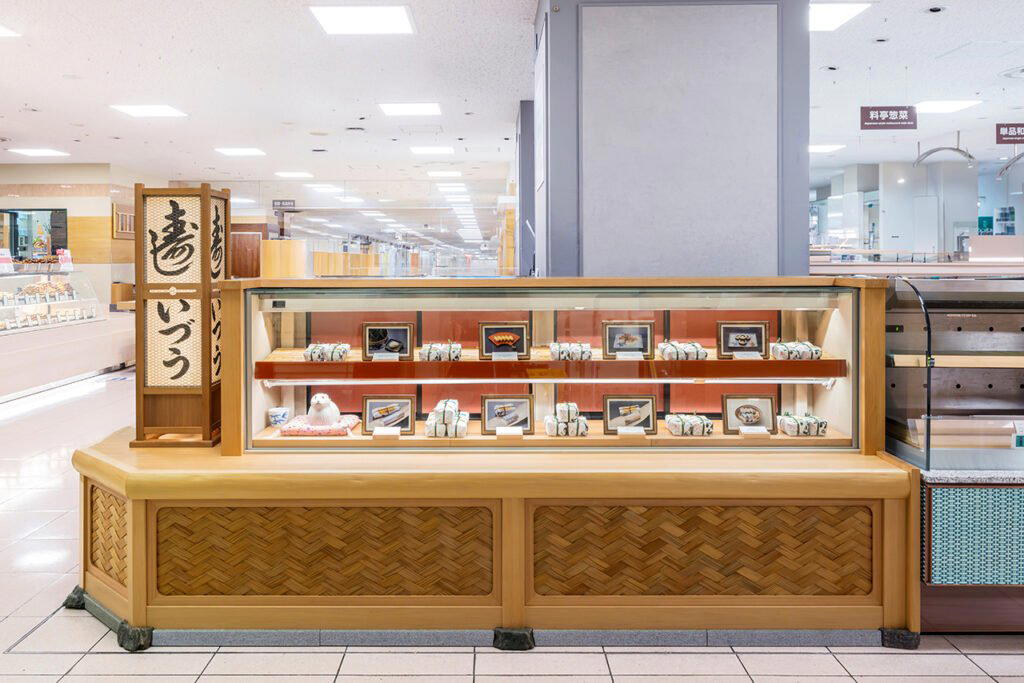
Kiyomizu-dera's Oldest Counter
The stone-flagged lanes of Higashiyama Ward narrow as they approach Kiyomizu-dera, and the shopfronts that line them read like a compressed history of Kyoto commerce. Among them, at address 367 Kiyomotocho, sits a wooden facade that has occupied the same position since 1781. There is no contemporary signage competing for attention, no exterior redesign signalling a recent rebrand. The building presents itself with the matter-of-fact confidence of somewhere that has never needed to announce what it is.
That confidence is earned. Izuu was founded when lightly salted mackerel carried along the Saba Kaido, the old mackerel road from Wakasa Bay on the Sea of Japan, was becoming a fixture at Kyoto festivals and ceremonies. The founder, Izumiya Uhee, saw the cultural momentum in that single ingredient and built a business around delivering sabazushi to the city's geisha districts. What began as a logistical insight has become, across eight generations, one of Kyoto's most precise culinary commitments.
One Fish, Two Centuries, No Detours
Pressed sushi, oshizushi, occupies a different place in the Japanese canon than the nigiri-centric formats that most international visitors associate with the form. In Kyoto, which sits far from open water and developed its food culture around preservation and ceremony rather than proximity to daily catches, pressed mackerel sushi carries the weight of occasion. Sabazushi is served at New Year, at Gion Matsuri, at the kinds of communal moments that require food with historical legibility. Izuu did not invent that tradition, but it has been one of its principal custodians for over two centuries.
The current, eighth-generation owner-chef maintains the format unchanged: whole mackerel, lightly salted, pressed with vinegared rice and wrapped in konbu. The technique demands control of salt, acid, and time in ways that shift daily depending on the fish. There is no tasting menu logic here, no rotating seasonal structure designed to reward repeat visits with novelty. The discipline is in consistency, producing the same result from variable raw material, week after week, year after year.
For context on how Kyoto's broader sushi scene is structured, the contrast is instructive. Venues like Sushi Rakumi and Kikunoi Sushi Ao operate within Kyoto's kaiseki-influenced counter tradition, where seasonal progression and chef-to-diner interaction shape the experience. Izuu operates in a category apart, a specialist house defined by a single preserved-fish format rather than by the seasonal omakase logic that dominates premium Kyoto dining.
What the Bib Gourmand Actually Means Here
Michelin's Bib Gourmand designation, awarded in 2024 and again in 2025, is awarded to restaurants offering meals of notable quality at moderate prices, the guide's own framing positions it as value-weighted recognition. At Izuu's single-yen price bracket, that framing matters. Kyoto's most decorated tables sit at the opposite end of the cost spectrum. Kaiseki at KASHIWAI, or the kaiseki formats at three-Michelin-star Gion Sasaki and two-star Ifuki, represent the city's premium tier, meals priced accordingly, requiring advance reservations weeks or months out, and designed as comprehensive multi-hour experiences.
Izuu offers none of that architecture. What it offers instead is Michelin-recognised quality in a format that costs a fraction of those meals. For a visitor trying to engage with Kyoto's food culture seriously without defaulting entirely to the high-end kaiseki circuit, that proposition is considerably more interesting than its price point might initially suggest. The recognition is also cumulative, consecutive Bib Gourmand awards indicate consistency across inspection cycles, which in a tradition as technically specific as sabazushi preparation is its own form of credential.
Compare that value position to the sushi scene in other Japanese cities: Harutaka in Tokyo operates at a multi-starred level where a single counter seat can cost several hundred dollars. Internationally, Sushi Shikon in Hong Kong and Shoukouwa in Singapore bring Edo-mae technique to Southeast Asian markets at premium pricing. Izuu's position, Michelin-recognised, historically documented, accessible on a single-yen budget, sits in a category those venues do not occupy.
Higashiyama as Context
The address in Higashiyama Ward is not incidental. This is the part of Kyoto most directly connected to the ceremonial and cultural life that gave sabazushi its social function. The proximity to major temples and the preserved machiya streetscape means the area attracts the kind of foot traffic that understands, or is willing to understand, what Izuu represents. It is not a neighbourhood discovery in the sense of somewhere obscure; it is a neighbourhood where the historical frame around a place like Izuu is already in place before you walk through the door.
Visitors building a broader picture of Kyoto's food scene will find useful reference points in Izugen and Kiu for different aspects of the city's culinary range. For dining in the wider Kansai region, HAJIME in Osaka represents the far end of the modernist spectrum, and akordu in Nara offers another angle on fine dining within easy reach of Kyoto. The full picture of what the city offers is covered in our full Kyoto restaurants guide, with additional coverage across hotels, bars, wineries, and experiences in Kyoto. Further afield, Goh in Fukuoka and 1000 in Yokohama are worth noting for visitors extending their itinerary through Japan. And for a different scale of dining intensity, 6 in Okinawa sits at the opposite geographical and stylistic end of the spectrum.
Know Before You Go
- Address: 367 Kiyomotocho, Higashiyama Ward, Kyoto, 605-0084, Japan
- Price range: ¥ (budget-accessible; Bib Gourmand tier)
- Awards: Michelin Bib Gourmand 2024, Michelin Bib Gourmand 2025
- Founded: 1781; eighth-generation family ownership
- Hours: Not confirmed, verify before visiting
Frequently asked questions
What's the price range at Izuu?
Pricing at Izuu is listed as ¥.
What's the address for Izuu?
Izuu is located at 367 Kiyomotocho, Higashiyama Ward, Kyoto, 605-0084, Japan, Kyoto.
A Tight Comparison
A compact comparison to help you place this venue among nearby peers.
| Venue | Cuisine | Price | Awards | Notes |
|---|---|---|---|---|
| IzuuThis venue (the venue you are viewing) | Traditional Kyoto Saba-zushi | $20–30 | Michelin Bib Gourmand | Not listed |
| Gion Sasaki | Modern Kaiseki | $300–500 | 3 Michelin Stars · La Liste Top Restaurants | Kaiseki, Japanese |
| cenci | Innovative Italian-Japanese Fusion | $100–150 | 1 Michelin Star · World's 50 Best #76 | Italian |
| Ifuki | Sumibi Kappo Kaiseki | $200–300 | 2 Michelin Stars · La Liste Top Restaurants | Kaiseki |
| Kyokaiseki Kichisen | Kyoto Kaiseki | $200–300 | 2 Michelin Stars · La Liste Top Restaurants | Japanese |
| Kyo Seika | Modern Chinese Fine Dining | $150–200 | 1 Michelin Star · Tabelog Bronze #216 | Chinese |
Recognition history
Dated appearances from independent guides and award organizations, with the underlying list record or original source where available.
Michelin Bib Gourmand
Michelin
Full recognition history (3 entries)
Michelin Bib Gourmand
Michelin
Michelin Bib Gourmand
Michelin
Continue exploring
More in Kyoto
Restaurants in Kyoto
All restaurants in Kyoto →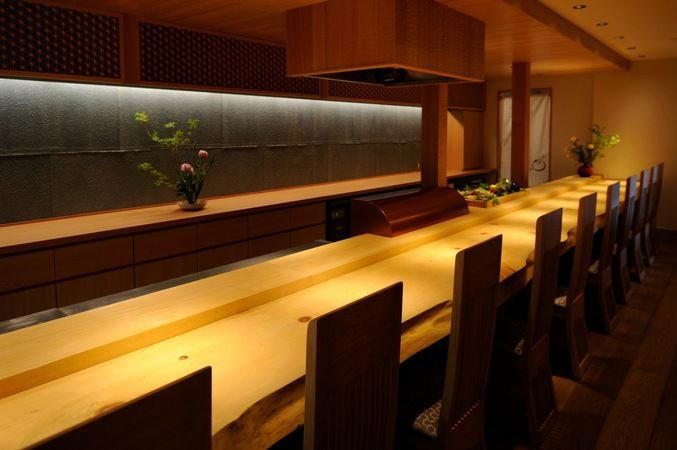
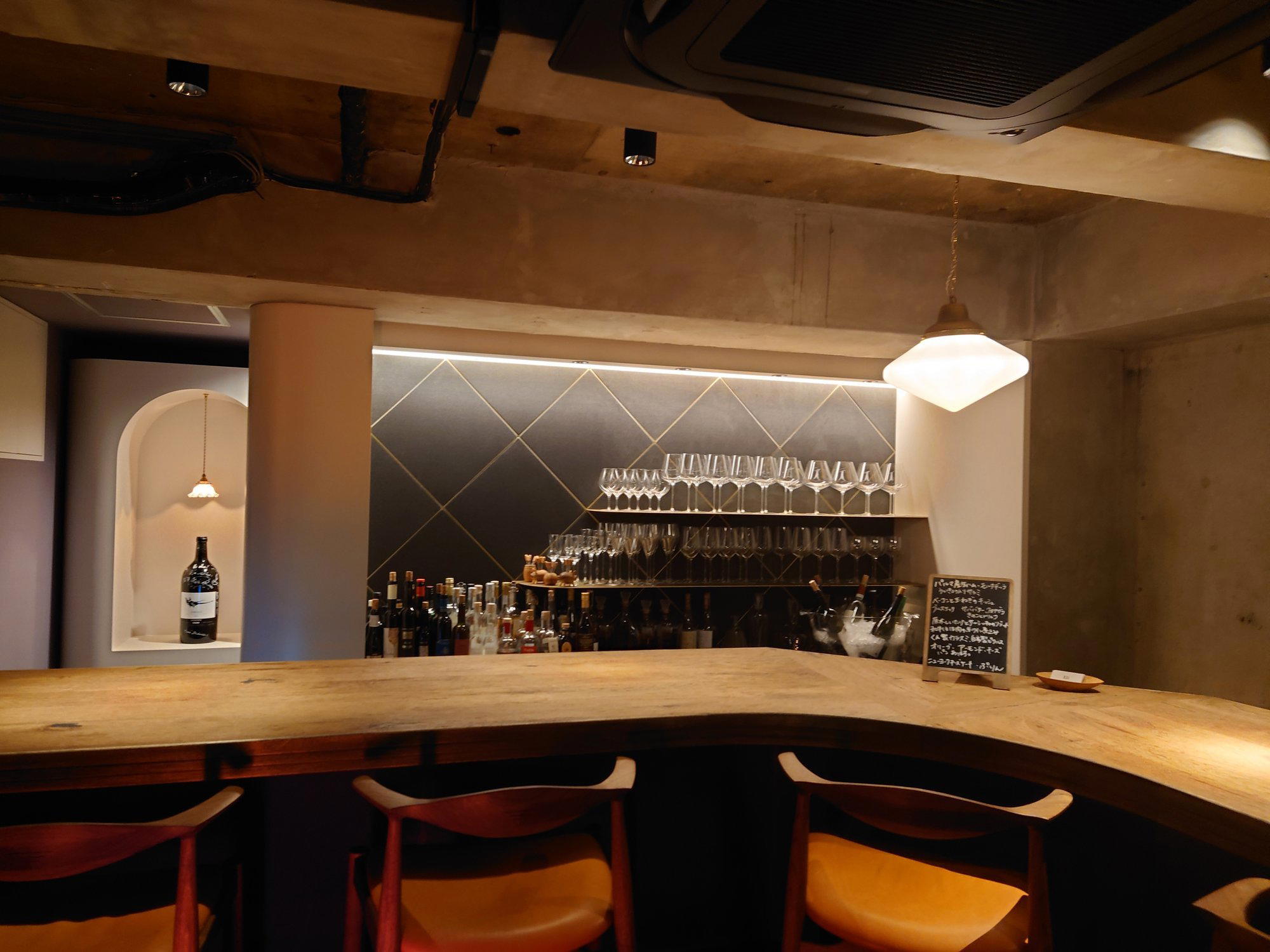
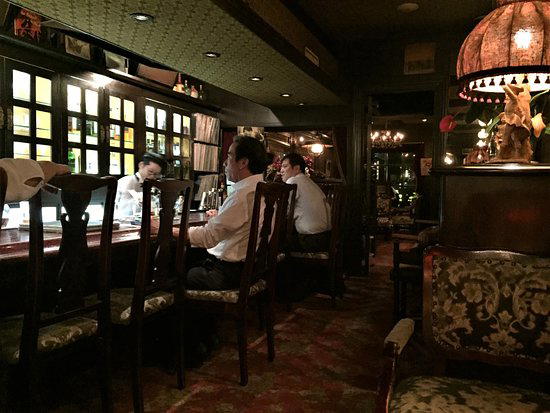
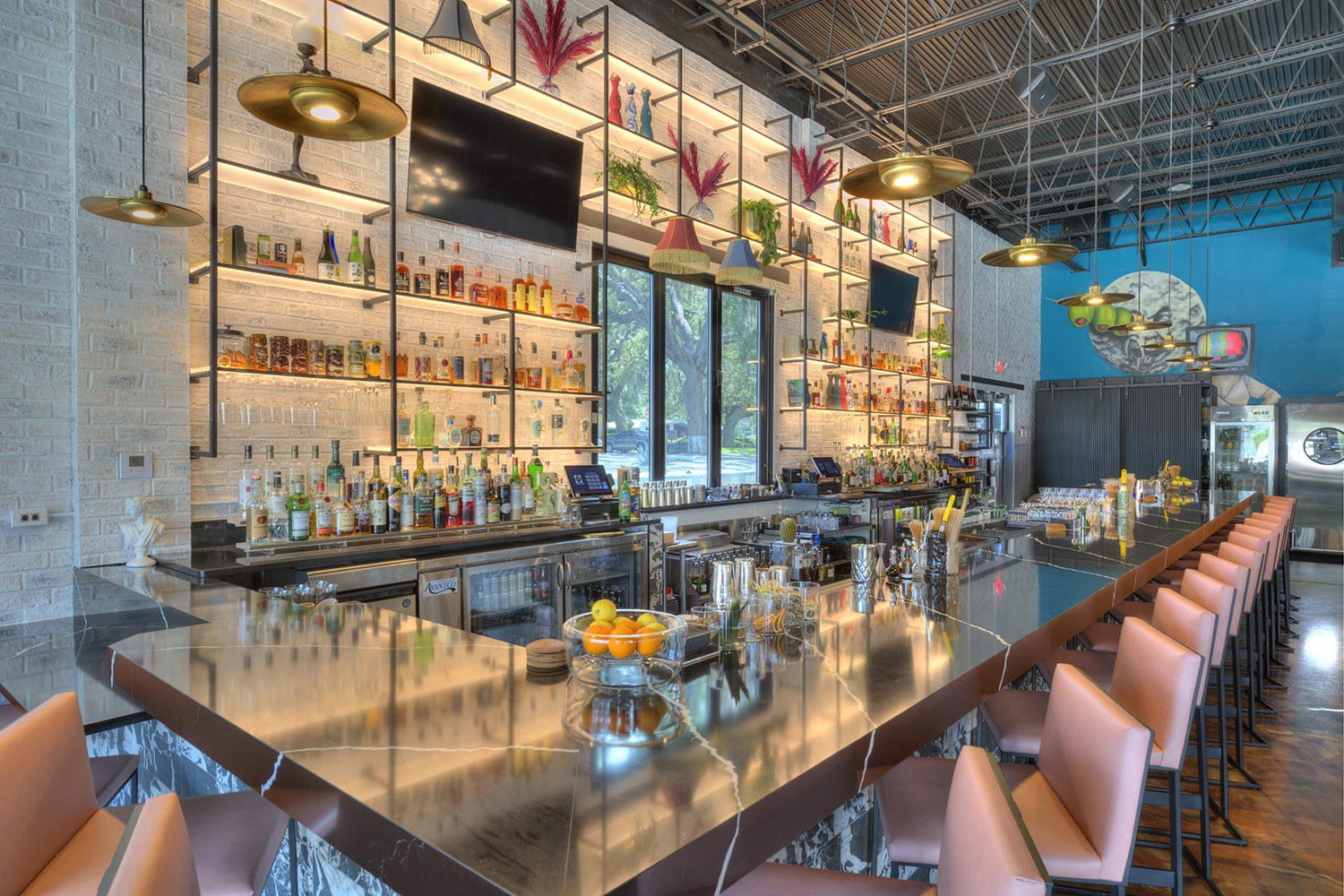
Bars in Kyoto
All bars in Kyoto →
Hotels in Kyoto
All hotels in Kyoto →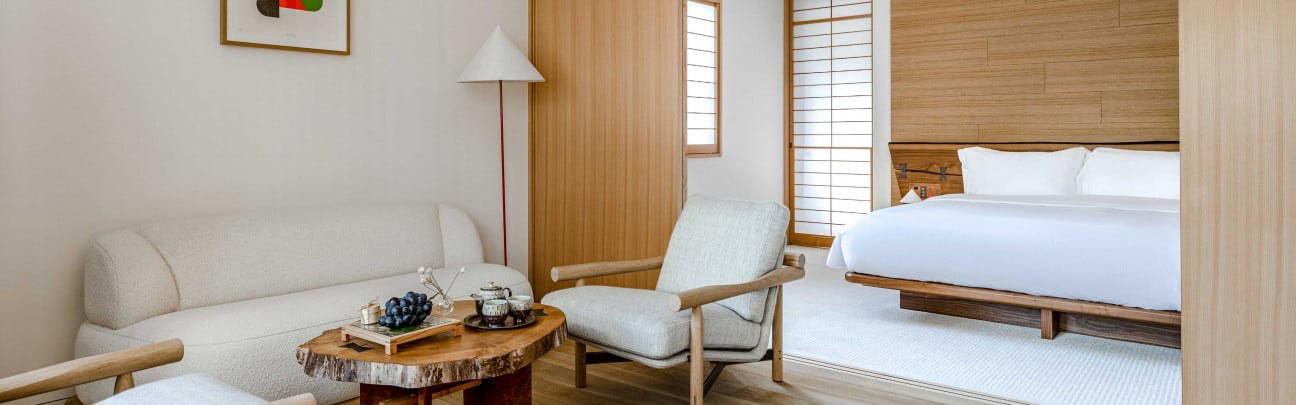
Wineries in Kyoto
Browse all →
Details
- Classic
- Intimate
- Historic
- Solo
- Casual Hangout
- Historic Building
- Sake Program
- A La Carte
Current opening hours
- Monday
- 11 AM–10 PM
- Tuesday
- Closed
- Wednesday
- 11 AM–10 PM
- Thursday
- 11 AM–10 PM
- Friday
- 11 AM–10 PM
- Saturday
- 11 AM–10 PM
- Sunday
- 11 AM–9 PM
Hours can change for holidays and private events. Hours as of .
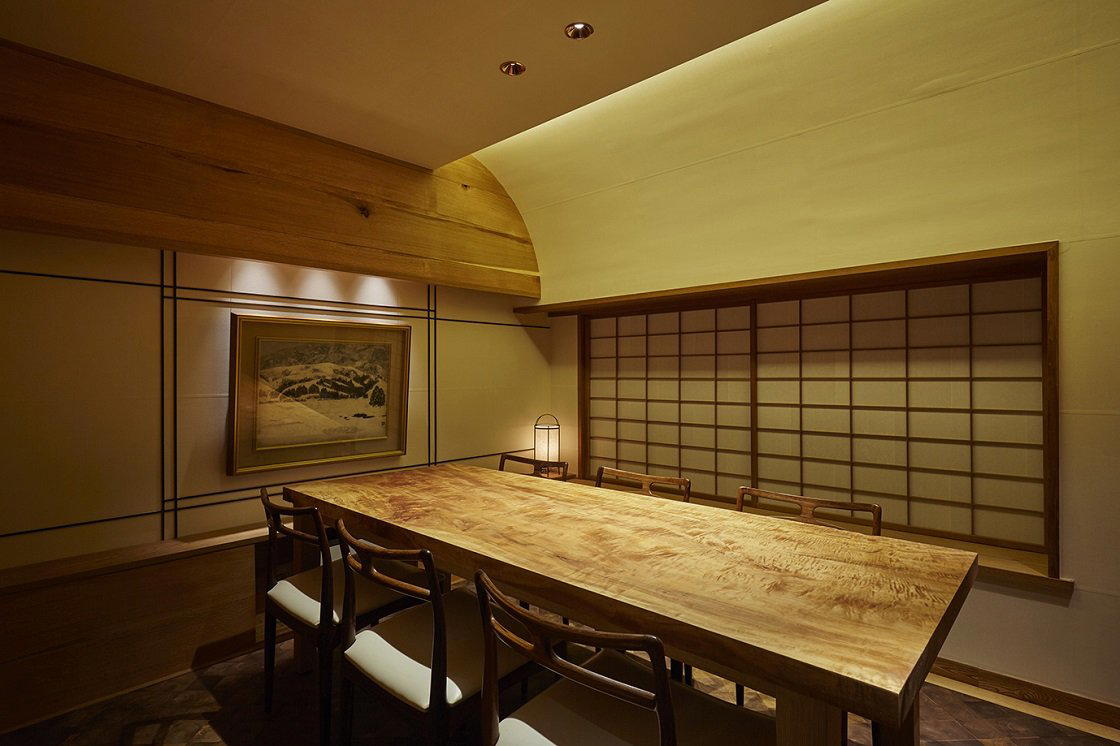
Traditional, history-laden atmosphere with natural materials, counter or small table seating in a quiet, focused setting.