
Michelin Plate
Our verdict
Fuyacho Kuraku is a fish-focused izakaya in Kyoto's Nakagyo Ward where the menu draws heavily from Wakasa Bay and the chef's home region of Fukui Prefecture. Heshiko, the local rice-bran-pickled fish of Echizen and Wakasa, sits alongside broader izakaya standards, and Fukui sakes are poured throughout. It occupies the informal end of Kyoto's dining register, far from the kaiseki tier.

Pearl is the En Primeur Club membership app — saves, bookings, and concierge access live there. Same editors, same standards.
- Address
- Japan, 〒6090944 Kyoto, Nakagyo Ward, Tachibanacho, 618
- Phone
- +81 50-7118-5508
- Hours
- Daily 5:30–11 PM
- Website
- instagram.com
- Directions
- Get directions
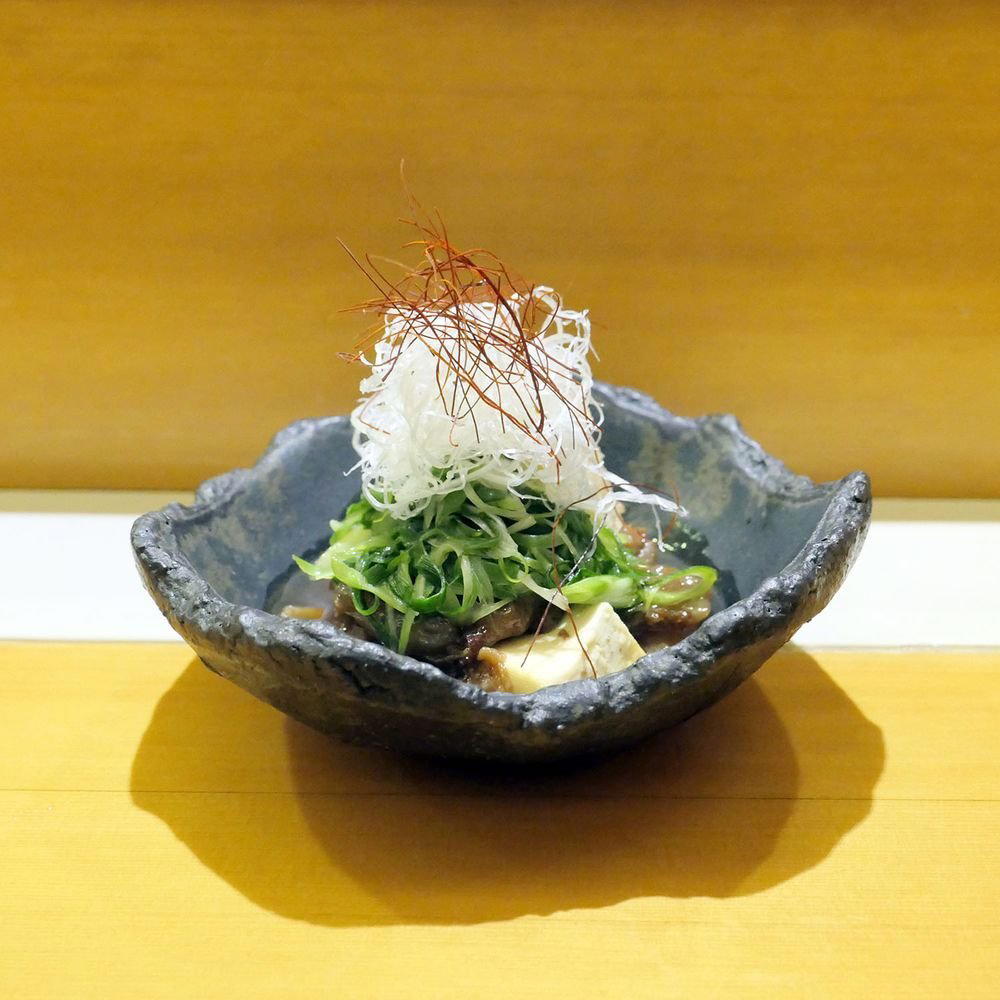
Where Fukui Meets Fuyacho
Nakagyo Ward sits at the commercial and residential core of central Kyoto, away from the tourist-facing streets of Gion and the grand kaiseki addresses that line the Kamo River. The restaurants that settle into this part of the city tend to serve people who live and work nearby rather than visitors moving through on a fixed itinerary. Fuyacho Kuraku operates in that register: a neighbourhood fish restaurant with a menu organised around the produce of Wakasa Bay and the culinary traditions of Fukui Prefecture, served in a format closer to an izakaya than a formal dining room.
For context, Kyoto's restaurant scene sorts itself into tiers with unusual clarity. At the formal end, kaiseki houses such as Gion Sasaki, Hyotei, Kikunoi Honten, and Mizai anchor the Michelin-starred category with fixed multi-course formats and price points that reflect both craft and ceremony. Below that band, but still inside a serious fish culture, sit places like Fuyacho Kuraku, where the cooking is direct, the menu is à la carte, and the point is the fish rather than the sequence of its presentation. The two tiers are not in competition; they serve different purposes for different occasions.
The Logic of the Menu
The menu at Fuyacho Kuraku is long and fish-heavy, and that density is itself a kind of statement. In a city where dining often involves either a curated omakase sequence or a tourist-facing interpretation of Japanese cuisine, a place that simply stacks a menu with fish preparations and lets the customer navigate it sits at a different angle to both. Wakasa Bay, which separates Fukui Prefecture from the Sea of Japan, has supplied Kyoto's kitchens for centuries along the old Mackerel Road (Sabakaido), and the connection between the chef's home prefecture and the city's appetite for seafood has deep historical roots.
That lineage shows up concretely in what gets ordered. Fish from Wakasa Bay arrives as sashimi, grilled with salt, or simmered in soy sauce, with each method chosen to bring out the ingredient's intrinsic quality rather than transform it. The approach mirrors a broader principle visible across the better casual fish restaurants in Japan: minimum interference, high sourcing standards. Where Kyoto's formal kaiseki tradition, as practised at venues like Isshisoden Nakamura, deploys seasonal fish within a composed structure, here the fish simply arrives as itself.
Heshiko, a salted fish preserved in rice-bran paste (nukadoko) and associated specifically with the Echizen and Wakasa coasts of Fukui, is a regional speciality that rarely appears outside of restaurants with a direct connection to the area. The fermentation process is slow and the flavour is pungent and saline in a way that sits outside the cleaner registers of sashimi. For regulars, it functions as both a taste memory and a provenance signal: ordering heshiko here is ordering into a specific place, not just a technique. At a kaiseki counter or at destination restaurants like HAJIME in Osaka or Harutaka in Tokyo, regional ingredients tend to appear as refined components inside a larger composition. At Fuyacho Kuraku, heshiko is the point.
What Regulars Return For
The izakaya format, when it functions well, produces a kind of loyalty that formal restaurants rarely generate. The unwritten menu at a place like this includes the pace of an evening, the arrival order of small dishes, the sakes that pair naturally with oily or pickled fish, and the comfort of a room that doesn't recalibrate itself for every visitor. Fukui sakes are a deliberate through-line: ordering them alongside Wakasa Bay fish creates a regional coherence that speaks to a customer who already understands the connection between the Echizen coast's rice and its seafood traditions. The sake selection, sourced from the same geographic territory as the fish, amplifies the menu's internal logic rather than broadening it for generalist appeal.
Alongside the regional specialists, the kitchen runs what might be called anchor dishes: potato salad and deep-fried horse mackerel (aji fry) appear as perennial hits. These are not token concessions to accessibility. Aji fry is a serious izakaya preparation with its own standards of execution, and a well-made potato salad in a Japanese context involves a level of care that the category's simplicity doesn't advertise. Regulars at this type of establishment often order the familiar dishes first, using them as a calibration before moving into the more regionally specific items on the menu. The fact that both remain consistent draws says something about the kitchen's discipline.
The experience sits at the informal end of a city whose formal dining culture is dense and celebrated. Those seeking the kaiseki tradition in Kyoto have ample options: Gion Sasaki and Hyotei operate at the three-star level, while Mizai represents the two-star tier. For regional Japanese cooking that skews casual without skewing generic, the izakaya category deserves equal attention. Within that category, a fish-focused address with documented regional sourcing and a Fukui-specific sake list occupies a specific and uncommon position.
Planning a Visit
Fuyacho Kuraku is located in Nakagyo Ward at Tachibanacho 618, placing it in central Kyoto within reach of the main subway and bus lines. For first-time visitors to the city's wider dining and hospitality scene, our full Kyoto restaurants guide maps the range from kaiseki to neighbourhood casual. Those building a broader Kyoto trip can also consult our Kyoto hotels guide, bars guide, and experiences guide for a fuller picture of the city. For travellers extending into other Kansai or regional Japanese destinations, akordu in Nara and Goh in Fukuoka each represent a different register of serious regional cooking. Fish-focused dining with a precision orientation also appears at 1000 in Yokohama and 6 in Okinawa, while internationally, Le Bernardin in New York City and Atomix in New York City demonstrate how seafood-focused cooking operates at a formal level in a Western context. Our Kyoto wineries guide covers the region's growing domestic wine interest for those who want to extend beyond sake.
Booking specifics and current hours are best confirmed directly with the venue. Given Kyoto's consistent inbound demand and the relatively small scale of neighbourhood izakayas in this part of the city, reservations are advisable, particularly on weekends and during the high-traffic periods of cherry blossom season (late March to mid-April) and autumn foliage (mid-November to early December), when the city operates at full capacity across all dining tiers.
Common Questions
- What dish is Fuyacho Kuraku famous for?
- The menu's regional identity centres on fish from Wakasa Bay in the chef's home Fukui Prefecture, served as sashimi, salt-grilled, or simmered in soy sauce. Among the more distinctive preparations is heshiko, a Fukui speciality of fish pickled in rice-bran paste, which appears rarely on menus outside restaurants with a direct regional connection. Deep-fried horse mackerel (aji fry) and potato salad are consistent favourites that function as anchor dishes within an otherwise fish-forward à la carte list. Kyoto's formal kaiseki tradition, represented by venues like Kikunoi Honten, treats regional fish as a component within a composed sequence; here, the fish is the composition.
- Is Fuyacho Kuraku reservation-only?
- In Kyoto, where demand across all dining tiers runs consistently high, smaller neighbourhood venues typically fill quickly on weekends and during peak seasons. The practical approach is to pursue a reservation in advance where the format permits walk-ins as a fallback rather than a plan. For broader context on dining access and timing across the city, our full Kyoto restaurants guide covers booking patterns for venues at different price and format levels.
At a Glance
Comparable venues nearby, for context on price, style, and recognition.
| Venue | Cuisine | Price | Awards | Notes |
|---|---|---|---|---|
| Fuyacho KurakuThis venue — the venue you are viewing | Traditional Japanese Izakaya | $30–50 | Michelin Plate | Not listed |
| Pontocho Sushi Ishiya | Traditional Japanese Omakase Sushi | $50–100 | Michelin Plate | Nakagyō, Traditional Japanese Omakase Sushi |
| Keri | Kamo-ryori (Duck Specialties) | $150–200 | Michelin Plate | Higashiyama, Kamo-ryori (Duck Specialties) |
| Kuishinbo Yamanaka | Premium Omi Beef Steakhouse | $100–150 | Tabelog Bronze #209 | Nishikyō, Premium Omi Beef Steakhouse |
| Nonkiya Mune | Kyoto Izakaya | $50–100 | Michelin Plate · Tabelog 100 #12 | Nakagyō, Kyoto Izakaya |
| Ryoriya EN | Traditional Kyoto Kaiseki | $150–200 | Michelin Plate | Shimogyō, Traditional Kyoto Kaiseki |
Recognition history
Dated appearances from independent guides and award organizations, with the underlying list record or original source where available.
Michelin Plate
Michelin
Continue exploring
More in Kyoto
Restaurants in Kyoto
Browse all →
Bars in Kyoto
Browse all →
Hotels in Kyoto
Browse all →

Wineries in Kyoto
Browse all →
Details
- Cozy
- Intimate
- Date Night
- Casual Hangout
- Open Kitchen
- Sake Program
- Local Sourcing
- Small Plates
- Sake
- Vegetarian Friendly
- Vegan Options
Current opening hours
- Monday
- 5:30–11 PM
- Tuesday
- 5:30–11 PM
- Wednesday
- 5:30–11 PM
- Thursday
- 5:30–11 PM
- Friday
- 5:30–11 PM
- Saturday
- 5:30–11 PM
- Sunday
- 5:30–11 PM
Hours can change for holidays and private events. Last verified .
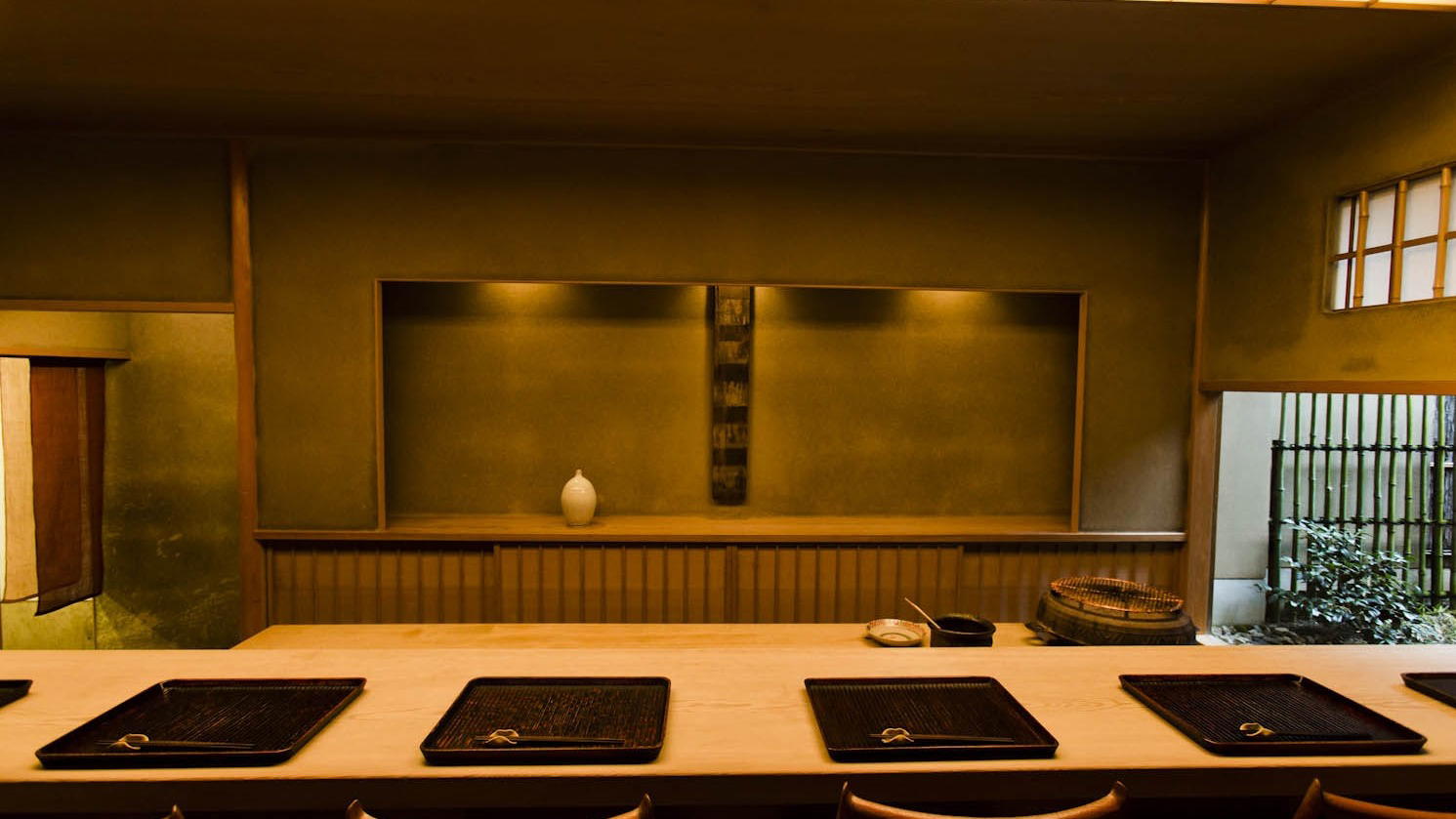
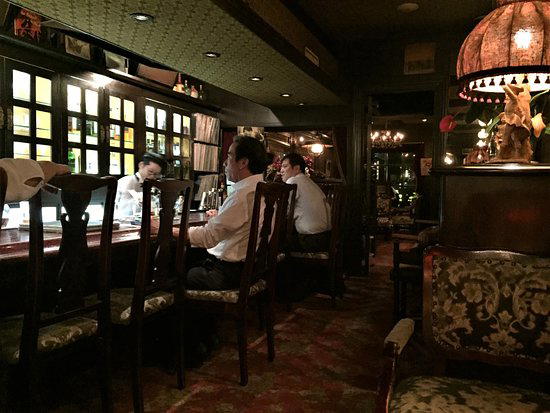
Warm wooden paneling with coffered ceiling creating a cozy and welcoming tavern atmosphere.