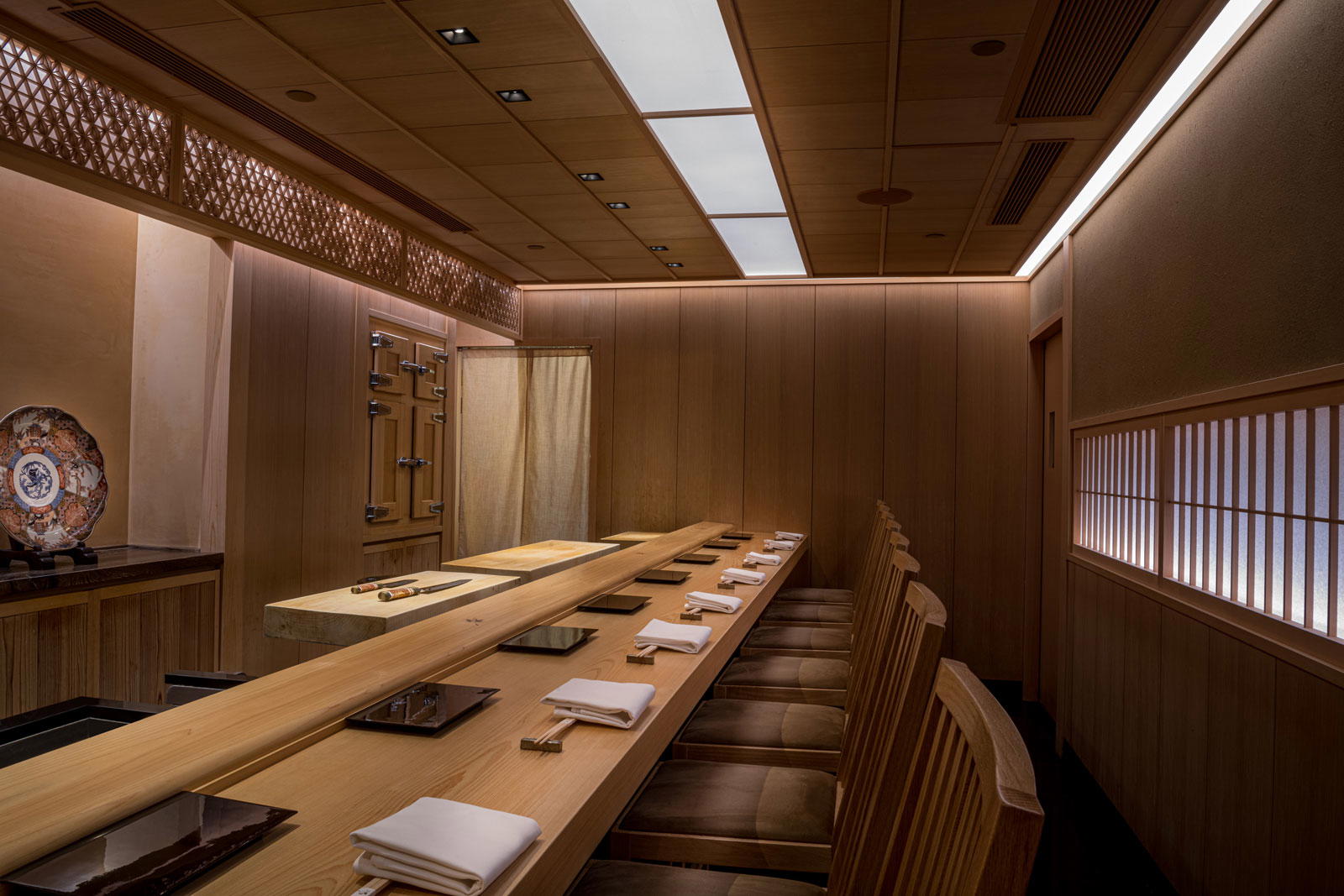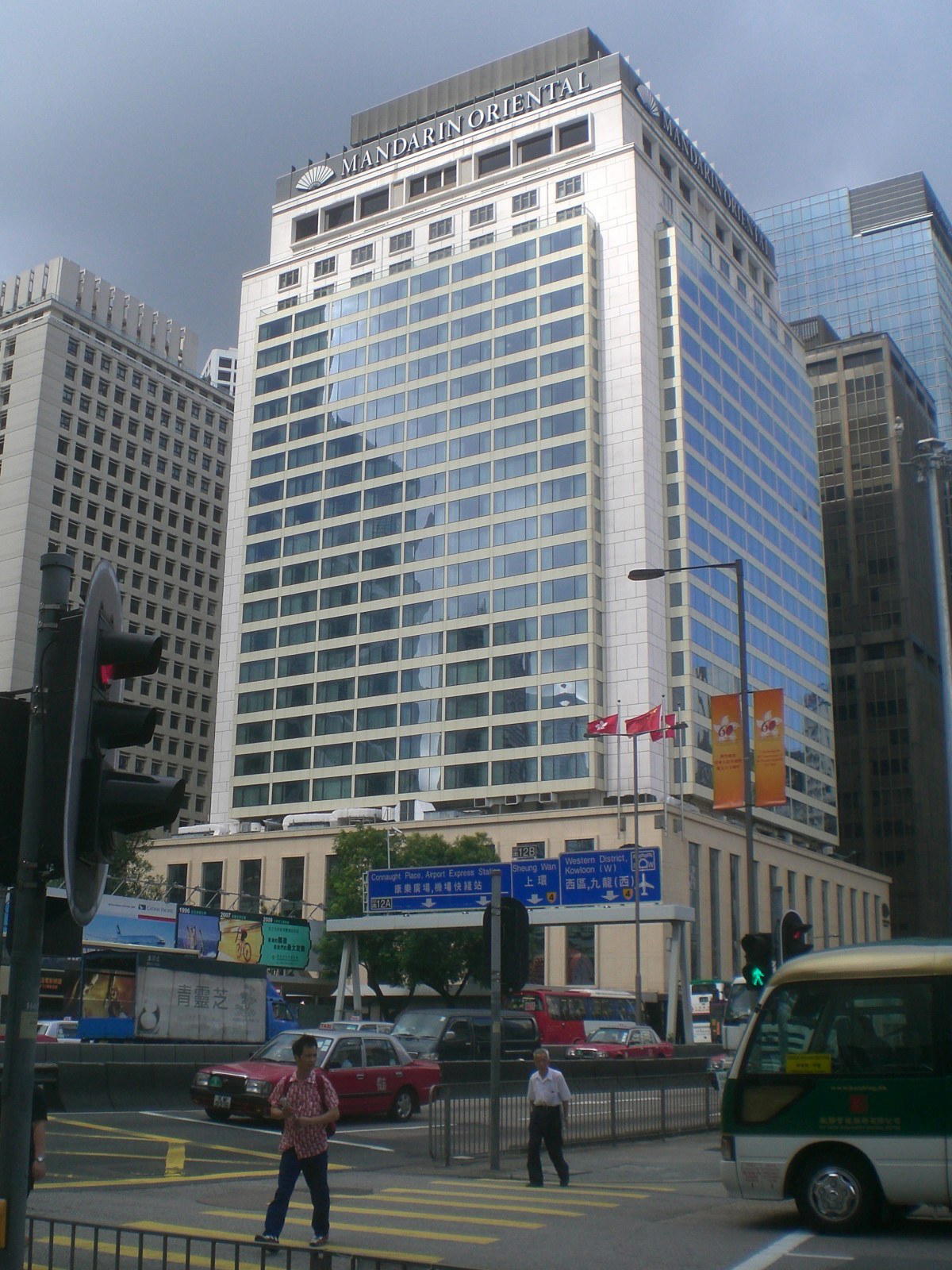







The first and only international outpost of Tokyo's Yoshitake — one of Ginza's most decorated omakase counters — Sushi Shikon operates from a seven-seat hinoki counter on the seventh floor of The Landmark Mandarin Oriental, Central. Three Michelin stars since 2024, an Opinionated About Dining top-20 Asia ranking, and a sourcing line direct to Toyosu market place it at the top of Hong Kong's Edomae sushi tier.

Edomae in Export: What It Takes to Move a Three-Star Counter to Hong Kong
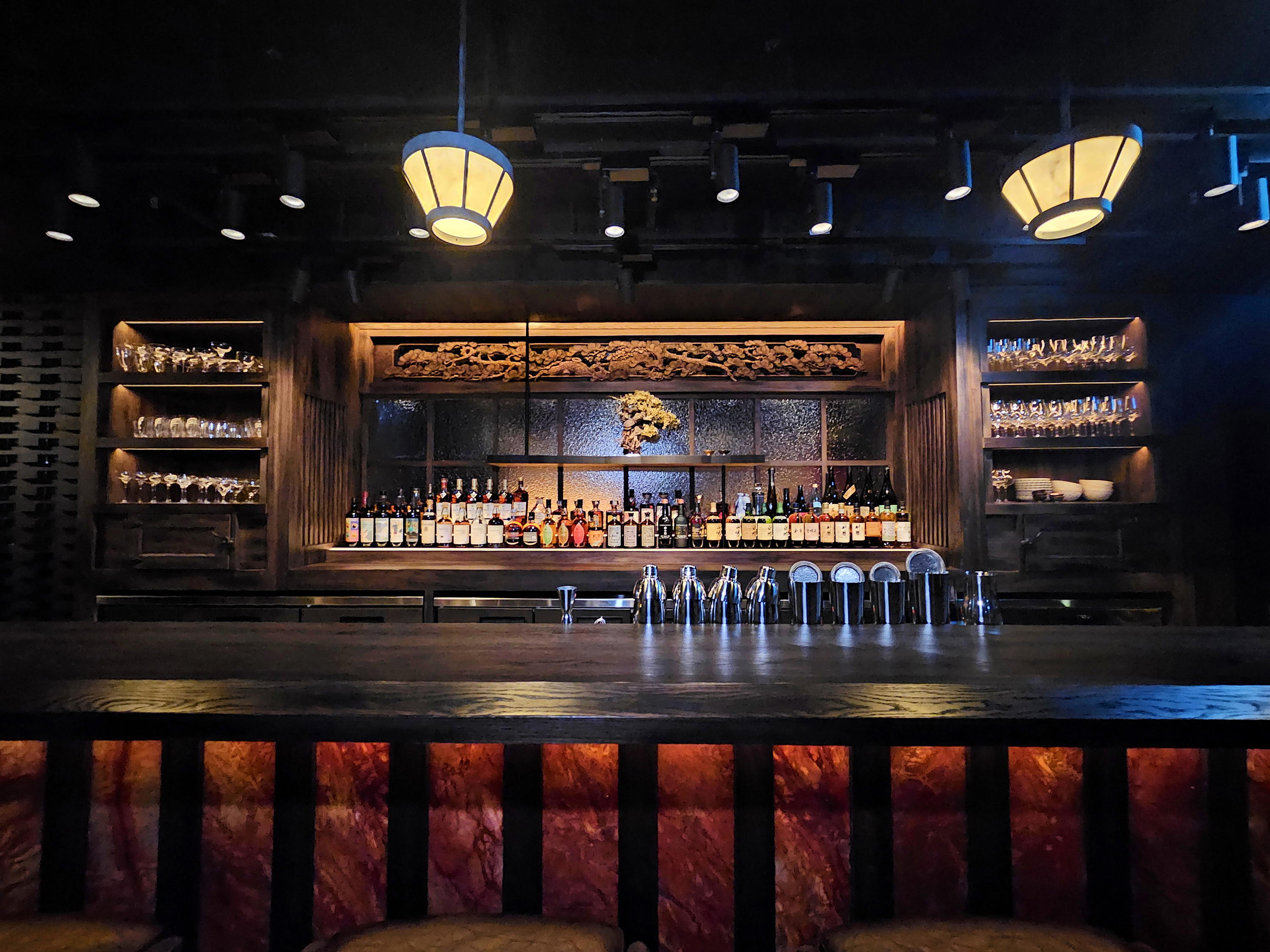
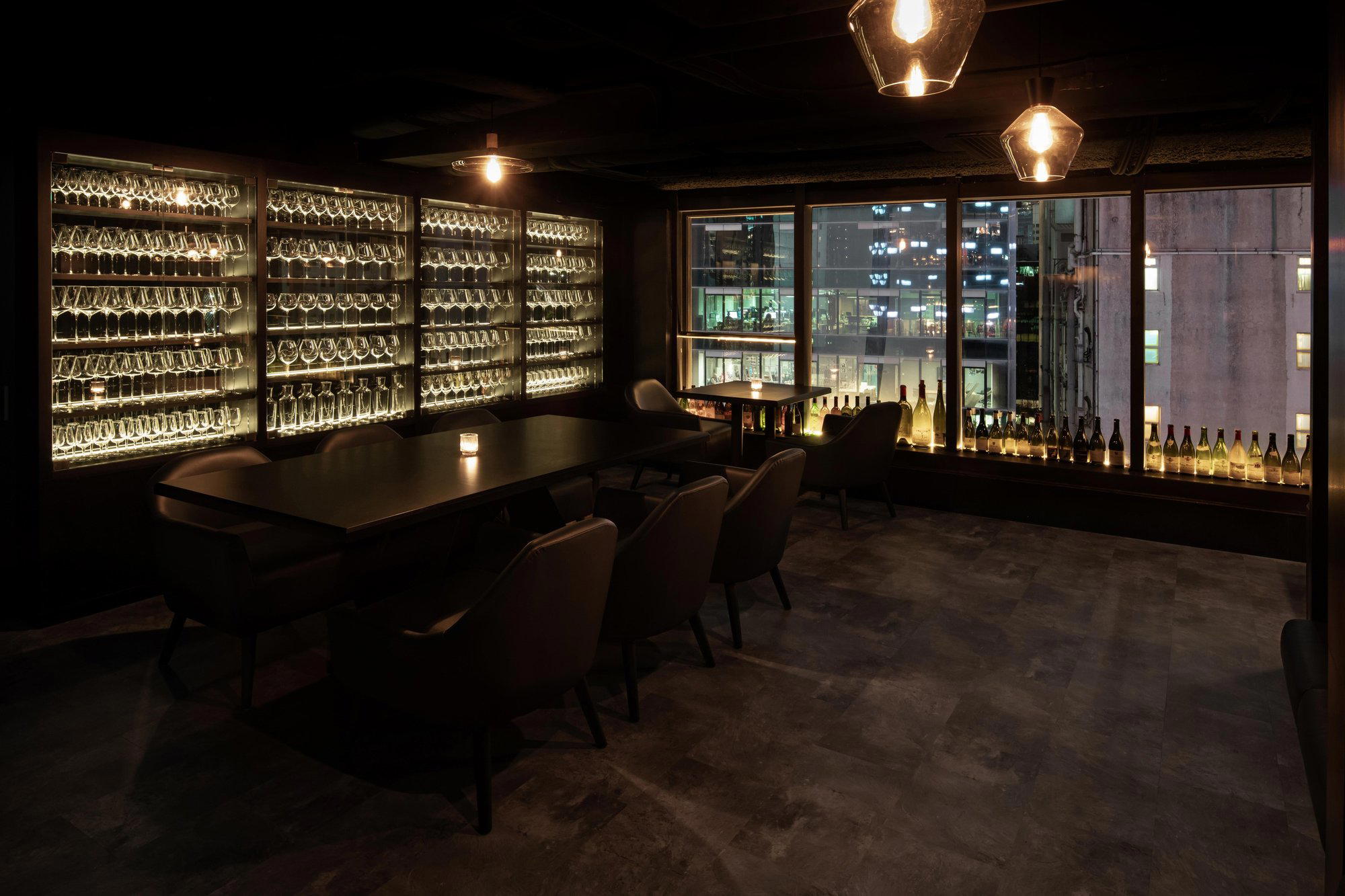
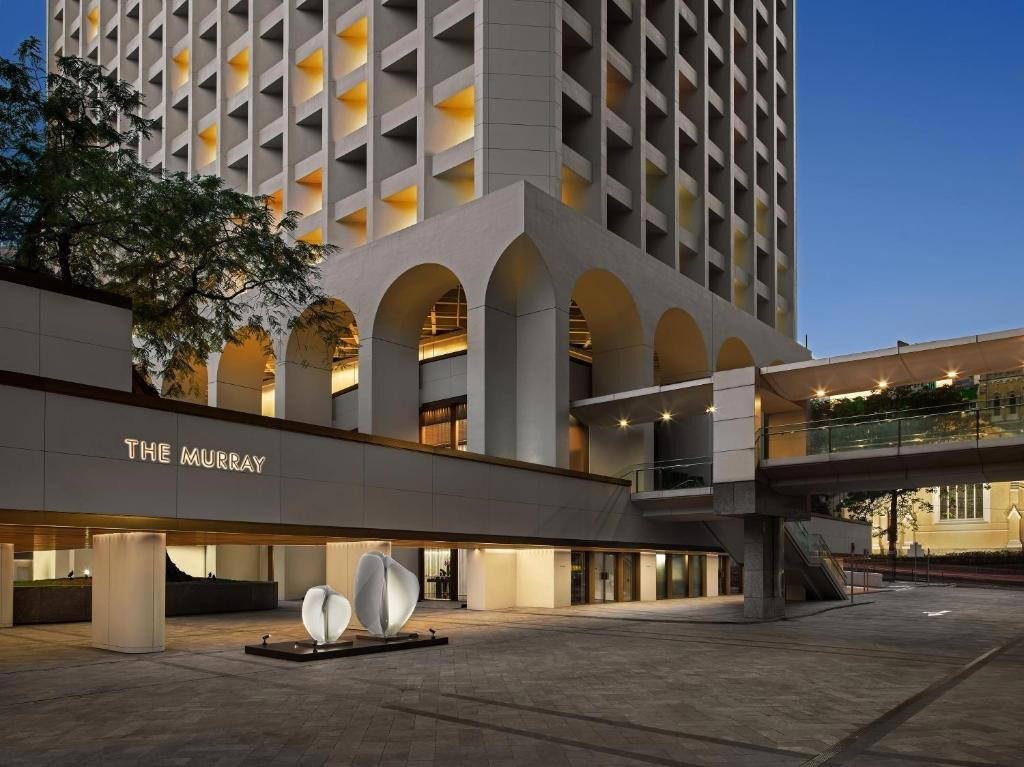
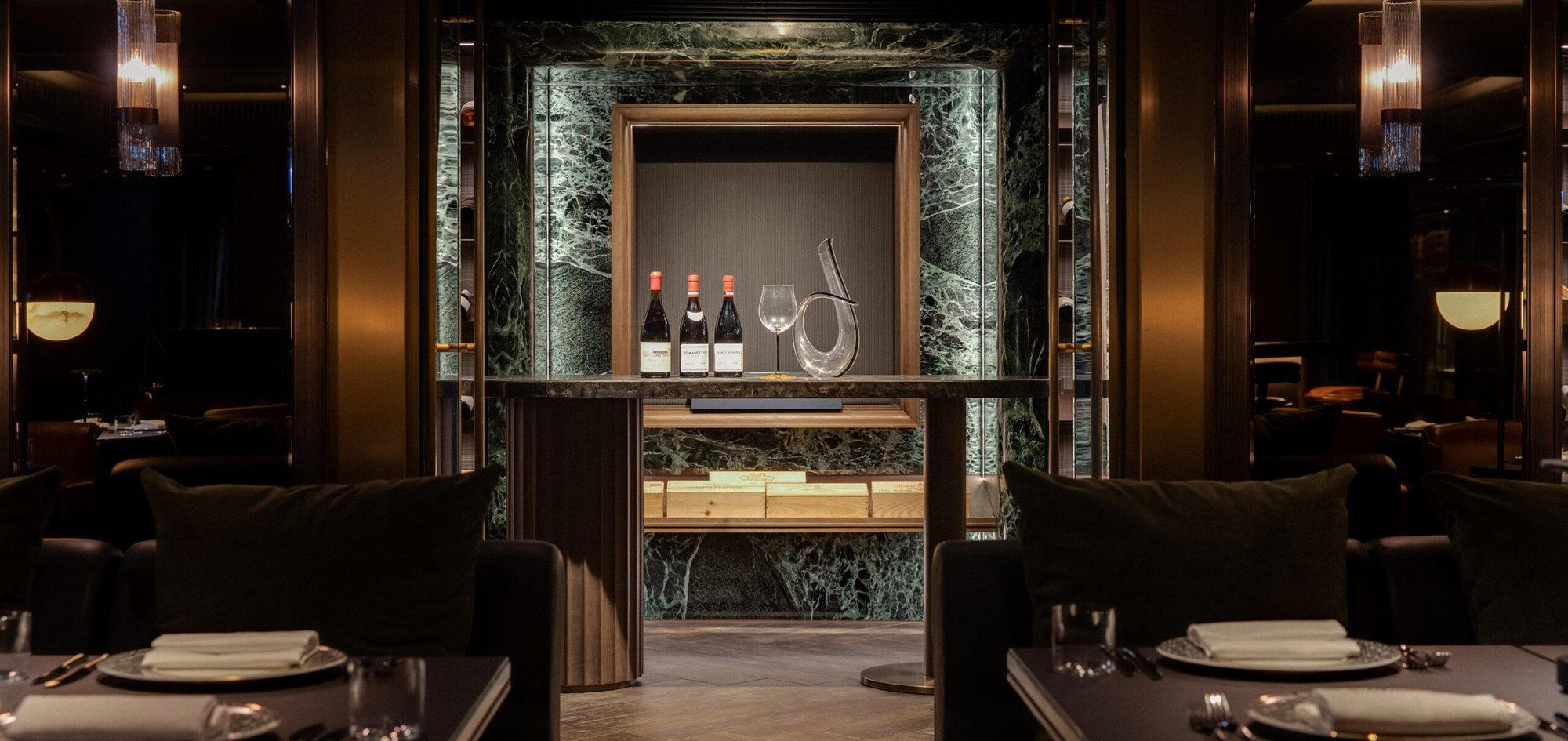
The seventh floor of The Landmark Mandarin Oriental sits above the retail corridor of Queen's Road Central in a way that feels deliberately removed from it. Bamboo walls absorb sound. Smooth stones underfoot slow your pace. The hinoki counter — eight seats, warm-grained, shaped to keep every diner in direct sightline of the chefs — anchors the room without overwhelming it. The physical environment is doing serious editorial work before a single piece of fish is cut.
That sense of spatial intention is not incidental. Hong Kong's top-tier omakase circuit has grown more competitive over the past decade, and the counters that have held position longest share a common quality: the room and the ritual reinforce each other. At Sushi Shikon, the Edomae tradition , which originated in Edo (Tokyo) in the early nineteenth century and built its identity around precise rice temperature, vinegar seasoning, and fish sourced from the nearest available market , is being executed inside a luxury hotel context, roughly 2,900 kilometres from its origin point. The fact that it holds three Michelin stars in that context, consecutively through 2024 and 2025, says something specific about the transfer of culinary tradition across borders.
The Yoshitake Lineage and Its One Overseas Expression
Edomae sushi has a lineage structure that matters. Tokyo counters like Sushi Kanesaka and Edomae Sushi Hanabusa operate within a tradition where chef training, house technique, and sourcing relationships function almost like intellectual property , passed carefully, rarely licensed. Harutaka in Tokyo and Sukiyabashi Jiro Roppongiten represent different branches of that same tradition, each holding their own competitive position within Ginza and Roppongi.
Sushi Shikon is the sole international outpost of Masahiro Yoshitake's Ginza flagship, making it the only place outside Japan where that specific lineage is in active operation. This is not a franchise arrangement or a branded hotel restaurant concept: the kitchen is overseen by Chef Yoshiharu Kakinuma, a third-generation sushi chef whose biography includes stints at high-level sushi counters in New York and Atlanta before arriving in Hong Kong. That transatlantic experience shapes his command of English and his fluency with guests from outside the Japanese dining tradition , both practically useful in Central Hong Kong, where a large proportion of diners are approaching Edomae protocols for the first time.
Compare this to the model at Shoukouwa in Singapore or Hamamoto, also in Singapore, where Japanese omakase traditions have been transplanted to Southeast Asian markets with varying degrees of local adaptation. The comparison is instructive: Hong Kong's sushi tier has generally been less willing to adapt the format itself, preferring to maintain the structural strictness of the counter experience , fixed seating, no à la carte, seasonal progression , while making concessions on language and interaction style.
How Sourcing Works When the Ocean Is in Tokyo
The editorial angle that defines Sushi Shikon's operational logic is the daily sourcing run from Tokyo's Toyosu market. Every ingredient used in the counter's omakase menu travels from Japan to Hong Kong on a same-day or overnight basis, maintaining the supply chain of the Ginza flagship rather than substituting local Hong Kong ingredients. This is not unusual among the city's leading Japanese restaurants , several of Hong Kong's high-end sushi counters source protein from Japan , but it positions Shikon inside a specific philosophy: that Edomae, properly understood, is inseparable from the provenance of its raw materials.
The menu structure follows the tradition closely. Appetizers precede the sushi sequence, the progression moves through varying preparations of fish, and the meal closes with Japanese fruit or a light dessert. Recurring dishes from the sourcing record include sake-steamed abalone with liver sauce, hay-smoked katsuo (bonito), aged uni, and multiple cuts of tuna. The sourcing relationships are described as long-standing, tied to specific fishermen whose priorities around freshness and traceability align with the counter's output standards.
Where technique intersects with the sourcing model is in the temperature management of the sushi itself. Edomae tradition treats serving temperature as a variable with direct flavour consequences: the recommendation here is to eat each piece within thirty seconds of placement. That instruction reflects a technical position on heat transfer between rice and fish, not theatrical etiquette. Diners who treat it seriously will taste a different product than those who don't.
Where Shikon Sits in Hong Kong's Omakase Tier
Central's concentration of high-end Japanese restaurants is one of the densest outside Japan. Within the sushi category specifically, counters operate across multiple price and format tiers. Shikon sits at the leading of that distribution: three Michelin stars and a La Liste score of 90 points (2026) place it in a peer group that includes very few addresses in the city. Its Opinionated About Dining Asia ranking has held between 15th and 20th over the 2023–2025 period, a consistency that carries more evidential weight than any single year's placement.
Within Hong Kong's sushi market specifically, comparison venues worth considering include Sushi Saito, Sushi Wadatsumi, Sushi Fujimoto, Sushi Gin, and Sushi Ima. Shikon's Michelin three-star position differentiates it at the award level, though the omakase format and Edomae approach it shares with most of these counters means the decision between them often comes down to sourcing philosophy, seat count, and the specific chef's interaction style rather than category differences.
For broader context on dining in the city, see our full Hong Kong restaurants guide. For the city's hotel, bar, winery, and experience options, we also maintain guides to Hong Kong hotels, Hong Kong bars, Hong Kong wineries, and Hong Kong experiences.
Planning Your Visit
Important renovation note: The Landmark Mandarin Oriental is closed for renovations through 2025. Shikon by Yoshitake will remain open during this period. Verify current access arrangements directly with the hotel or restaurant before booking, as building-wide closures can affect entry routes and amenities.
The counter seats eight and demand at this level runs three or more months ahead in practice. The counter also operates a six-seat private dining room, which is the appropriate booking for parties with children under twelve, given the standard counter's age restriction. The dress code is business-casual. The sake programme exceeds fifty varieties, with a portion exclusive to the Hong Kong address , a meaningful differentiator for guests who have visited the Tokyo flagship and want a parallel but not identical experience.
Peak months for omakase dining in Hong Kong align with November through April, when cooler temperatures correspond with the domestic appetite for longer, more formal seated meals and the Northern Hemisphere autumn and winter fish seasons are at their most varied. Booking for winter and early spring visits, when seasonal progression in the menu is most pronounced, should be treated as urgent.
How Shikon Compares on Key Logistics
| Venue | Stars / Awards | Format | Seating | Price Range |
|---|---|---|---|---|
| Sushi Shikon (Shikon by Yoshitake) | Michelin 3★, La Liste 90pts, OAD Asia #18 (2025) | Omakase counter | 8 (+ 6 private) | $$$$ |
| Sushi Saito | Michelin-recognised | Omakase counter | Limited | $$$$ |
| Sushi Wadatsumi | Michelin-recognised | Omakase counter | Limited | $$$$ |
| Sushi Gin | Michelin-recognised | Omakase counter | Limited | $$$$ |
| Sushi Sho (New York) | Michelin-recognised | Omakase counter | Very limited | $$$$ |
What Should I Eat at Sushi Shikon?
The omakase format removes the choice burden by design: Edomae tradition holds that the sequence, pacing, and selection belong to the chef, not the diner. That said, the counter's sourcing from Toyosu market means the menu shifts daily with what is freshest, so no specific dish is guaranteed. From the documented sourcing record, sake-steamed abalone with liver dipping sauce, hay-smoked katsuo, aged uni, and multiple tuna preparations recur across seasons. The counter's approach to tuna in particular spans several cuts, each handled at different temperatures and with different rice-to-fish ratios , the clearest technical demonstration of Edomae's granularity available in Hong Kong.
Chef Kakinuma's recommendation to eat with hands rather than chopsticks reflects the historical practice in Tokyo's early nineteenth-century street stalls, where the format originated. It also affects the eating experience: fingers register the warmth of the rice directly and transfer that heat less than ceramic or lacquer implements. Whether that translates to a perceptibly different taste is something the thirty-second window is designed to let you test. The counter's Michelin three-star standing , maintained across 2024 and 2025 , and its Black Pearl two-diamond designation suggest the consensus on quality is not in question. What remains individual is how far a diner wants to follow the technical logic of the tradition to understand why each element is done as it is.
Need a table?
Our members enjoy priority alerts and concierge-led booking support for the world's most difficult tables.
Access the Concierge