




2 Michelin Stars · Michelin Guide 2 Stars · La Liste Top Restaurants
Our verdict
Shoukouwa holds two Michelin stars and a La Liste score of 84 points (2026), placing it among Singapore's most recognised omakase counters. Located at One Fullerton on the waterfront, it operates in a tier defined by sourcing discipline and format rigour. For serious sushi in Southeast Asia, it consistently ranks within the top tier of regional critical consensus.

Pearl is the En Primeur Club membership app, where members save venues, book tables and use the concierge.
The menu
What to order
- Aburi Otoro
- Uni
- Chutoro
- Monkfish Liver
- Abalone
The Waterfront Counter and What It Signals
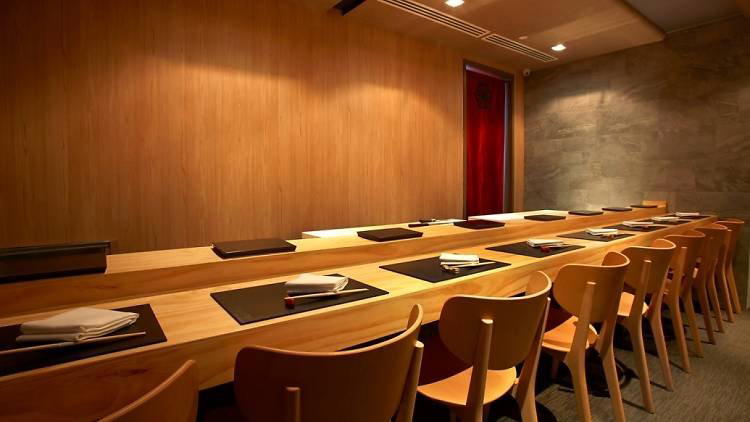
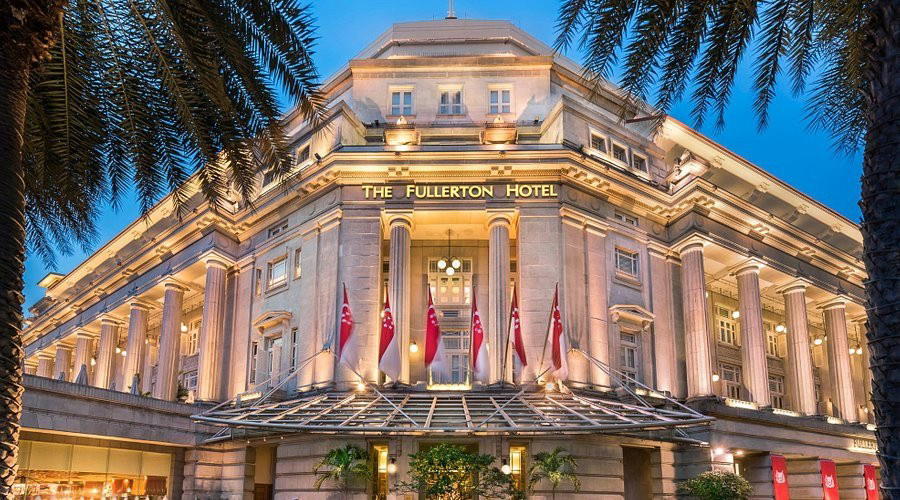
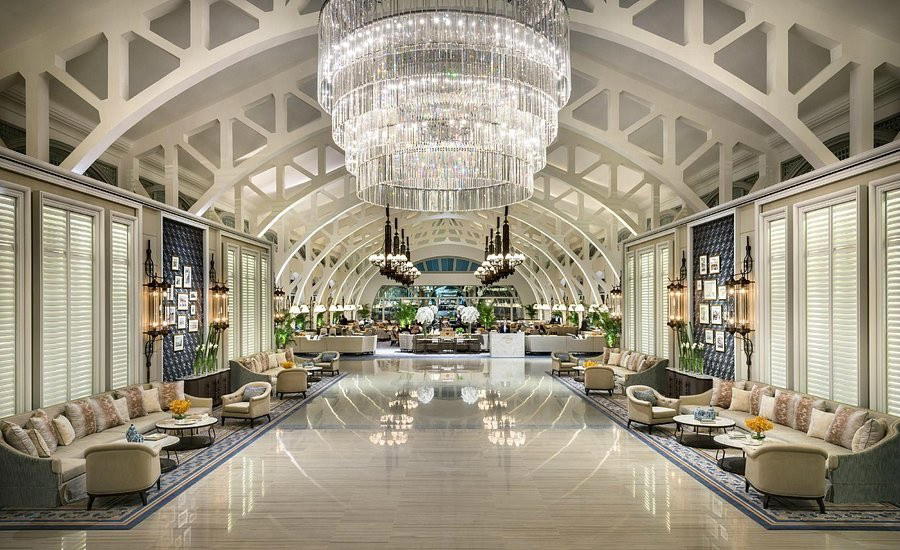
One Fullerton sits at the southern tip of Singapore's civic core, where the bay opens toward Marina Bay and the financial district rises behind you. The building is broad and low, its colonnaded facade designed for restaurants rather than offices, and the address carries a certain weight in the city's dining geography. Arriving at Shoukouwa on the second floor means passing through a corridor of quiet that separates the waterfront promenade from the counter room inside, a transition that, in the better omakase rooms across Asia, functions as a deliberate decompression before the meal begins.
That spatial logic is consistent with how premium omakase counters have evolved across the region. In Tokyo, Osaka, and Hong Kong, the rooms are almost uniformly small, the acoustics controlled, and the sightlines oriented toward the chef's hands rather than the view outside. Singapore's leading sushi addresses have followed that playbook closely. Shoukouwa's position at One Fullerton is an outlier in one sense, the building has genuine civic visibility, but the counter itself operates by the same principles of focus and restraint that define the category across Asia.
Two Stars, Multiple Rankings: Reading the Critical Record
The awards picture at Shoukouwa is unusually legible. Two Michelin stars in both 2024 and 2025 establish a sustained critical position rather than a single-year moment. La Liste, which aggregates restaurant criticism across hundreds of sources globally, scored the restaurant at 78 points in 2025, rising to 84 points in 2026, a trajectory that suggests consolidating rather than plateauing recognition. Opinionated About Dining, which draws on a community of frequent high-end diners rather than professional inspectors, ranked Shoukouwa at #131 in Asia in 2023, #172 in 2024, and #180 in 2025.
The OAD movement is worth reading carefully. A drop in OAD ranking alongside a rise in La Liste score is not necessarily contradictory; the two systems weight different things. La Liste aggregates critical and guidebook consensus, where Michelin stars carry significant influence. OAD reflects the opinions of a travelling diner community that visits frequently and compares across a widening pool of Asian options. Singapore's sushi tier has expanded meaningfully in recent years, and a counter that held #131 in 2023 faces more competition in 2025 than it did then. In that context, a La Liste gain to 84 points while OAD rank adjusts is a recognisable pattern for an established counter holding its position against a growing field.
Among Singapore's Michelin-starred sushi addresses, Shoukouwa sits in the two-star bracket, a tier above one-star counters and below the single three-star level. For regional comparison, Sushi Shikon in Hong Kong operates at three stars in a comparable market; Harutaka in Tokyo and Sukiyabashi Jiro Roppongiten define the Tokyo reference points at the top of the critical tier. Sushi Harasho in Osaka and Edomae Sushi Hanabusa in Tokyo represent the broader edomae tradition from which Shoukouwa draws.
The Edomae Tradition Outside Japan
Edomae sushi, the Tokyo-rooted style built around aged and cured fish rather than purely fresh, travels with specific requirements. The fish supply chain matters enormously. Rice temperature and seasoning are non-negotiable technical variables. And the counter format, where the chef works directly in front of a small number of diners, is not an aesthetic choice but a functional one: it allows the chef to calibrate each piece of nigiri to the individual diner's pace and preference in real time.
Operating that format to Michelin two-star standard outside Japan requires solving a logistics problem that most restaurants in Singapore never face. The sourcing networks that supply Tokyo's leading counters, fish markets, aged vinegar producers, specialist rice suppliers, do not extend to Southeast Asia automatically. The counters in Singapore that have achieved sustained critical recognition at this level have done so by maintaining supply chains back to Japan, often flying product on the same routes that bring Japanese chefs to the city.
Chef Nishida Kazumine leads the kitchen at Shoukouwa. His presence is the relevant credential here, not as the subject of a personal narrative, but as a signal about the counter's operating philosophy. In edomae sushi, the chef's training lineage and technical formation are proxies for which tradition the restaurant belongs to. Nishida's work at Shoukouwa has attracted and sustained two Michelin stars across multiple inspection cycles, a validation of execution rather than concept alone.
For a broader perspective on how the edomae tradition has been interpreted across Asia, Sushi Kanesaka in Tokyo represents one of the genre's foundational reference points, while Sushi Sho in New York City and HANE in Seoul illustrate how the counter format has extended to non-Japanese cities with varying degrees of critical success.
Singapore's Omakase Tier: Where Shoukouwa Sits
Singapore's premium sushi scene has developed into a recognisable competitive cluster. A handful of counters hold Michelin recognition; a larger group operates at high prices without formal awards; and a growing number of newer addresses is narrowing the gap with the established names.
The distinction between one-star and two-star omakase in Singapore is partly about consistent execution at a high technical level, partly about the quality and reliability of the supply chain, and partly about the inspector's assessment of the overall experience relative to price.
For context on Singapore's wider restaurant scene beyond sushi, the city's $$$$ tier also includes European-rooted addresses like Zén and Born, where the creative and technical ambitions are comparable even if the culinary traditions are entirely different. The common thread is format discipline and sourcing commitment, the same variables that define serious omakase counters.
Planning a Visit
Shoukouwa is located at 1 Fullerton Road, #02-02A, One Fullerton, Singapore 049213. The One Fullerton address is accessible on foot from Raffles Place MRT and sits directly on the waterfront promenade. The $$$$ price tier positions this as a significant spend relative to most Singapore dining options; visitors planning a serious omakase meal should expect pricing aligned with the two-star tier across Asia. Reservations are standard practice at counters of this format and recognition level, advance booking is not optional at this category of restaurant.
| Venue | Stars | Price | Cuisine | Location |
|---|---|---|---|---|
| Shoukouwa | Michelin 2★ (2025) | $$$$ | Sushi / Edomae | One Fullerton, CBD |
| Hamamoto | Michelin starred | $$$$ | Sushi | Singapore CBD |
| Sushi Ichi | Michelin 1★ | $$$$ | Sushi | Singapore |
| Sushi Sakuta | Michelin 1★ | $$$$ | Sushi | Singapore |
| Zén | Michelin 3★ | $$$$ | European Contemporary | Singapore CBD |
For a broader view of where Shoukouwa sits within Singapore's full dining, drinking, and hospitality picture, see our full Singapore restaurants guide, our full Singapore hotels guide, our full Singapore bars guide, our full Singapore wineries guide, and our full Singapore experiences guide.
Frequently asked questions
at Shoukouwa?
Shoukouwa operates an omakase format, which means the menu is set by the chef rather than selected by the diner. There is no à la carte choice in the traditional sense. What arrives reflects the day's market sourcing and Chef Nishida's sequencing decisions, a format that, at the two-Michelin-star level, is the point rather than a limitation. If you arrive with specific dietary requirements or aversions, the time to communicate them is at the point of booking rather than at the counter. The awards record, two Michelin stars sustained across multiple years and an 84-point La Liste score in 2026, reflects consistent execution across the full omakase sequence rather than a single standout dish.
Is Shoukouwa reservation-only?
At a two-Michelin-star omakase counter with a fixed format and a small number of seats, walk-in dining is not a realistic option. Counters at this price tier and recognition level, Singapore's $$$$ category alongside peer addresses like Hamamoto, operate on advance reservations as a structural necessity. The counter format requires the kitchen to know exactly how many diners are arriving and when. If you are planning a visit to Singapore and Shoukouwa is a priority, booking well ahead is the only reliable approach. The La Liste score of 84 points in 2026 and sustained Michelin recognition mean demand is not seasonal, it is consistent year-round.
At-a-Glance Comparison
A quick peer list to put this venue’s basics in context.
| Venue | Cuisine | Price | Awards | Notes |
|---|---|---|---|---|
| ShoukouwaThis venue (the venue you are viewing) | Modern Edomae Omakase | $500+ | 2 Michelin Stars · Michelin Guide 2 Stars | Not listed |
| Zén | Yakitori & Japanese Izakaya | $50–100 | Tabelog 100 #92 | European Contemporary |
| Jaan by Kirk Westaway | Modern British Fine Dining | $200–300 | 2 Michelin Stars · Michelin Guide 2 Stars | British Contemporary |
| Burnt Ends | Modern Australian Barbecue | $100–150 | 1 Michelin Star · Michelin Guide 1 Star | Australian Barbecue, Barbecue |
| Summer Pavilion | Michelin-Starred Cantonese | $100–150 | 1 Michelin Star · Michelin Guide 1 Star | Cantonese |
| Born | Contemporary Fusion Fine Dining | $200–300 | 1 Michelin Star · Michelin Guide 1 Star | Creative Cuisine, Innovative |
Recognition history
Dated appearances from independent guides and award organizations, with the underlying list record or original source where available.
Michelin 2 Stars
Michelin
Michelin Guide 2 Stars
Michelin Guide
La Liste Top Restaurants
La Liste
Opinionated About Dining Top Restaurants in Asia Recommended
Opinionated About Dining
The Best Chef One Knife
The Best Chef
Full recognition history (10 entries)
La Liste Top Restaurants
La Liste
Opinionated About Dining Top Restaurants in Asia Ranked #180
Opinionated About Dining
Michelin 2 Stars
Michelin
Opinionated About Dining Top Restaurants in Asia Ranked #172
Opinionated About Dining
Opinionated About Dining Top Restaurants in Asia Ranked #131
Opinionated About Dining
Continue exploring
More in Singapore
Restaurants in Singapore
All restaurants in Singapore →
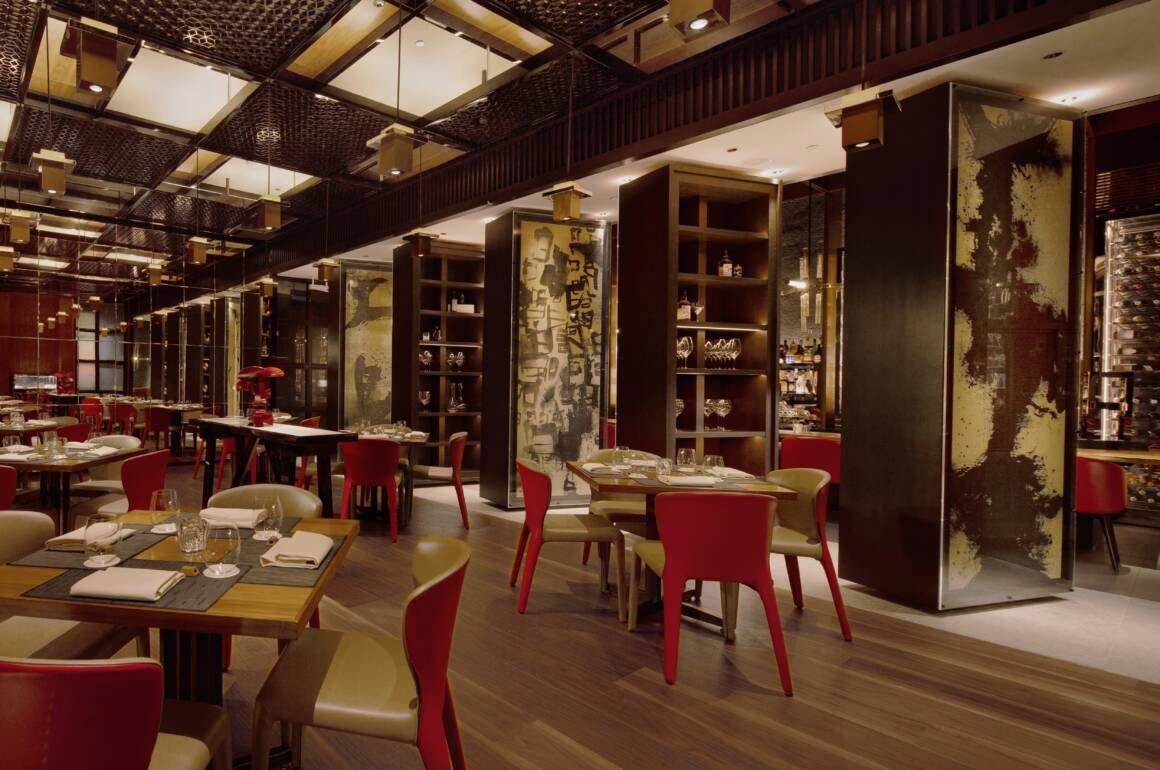
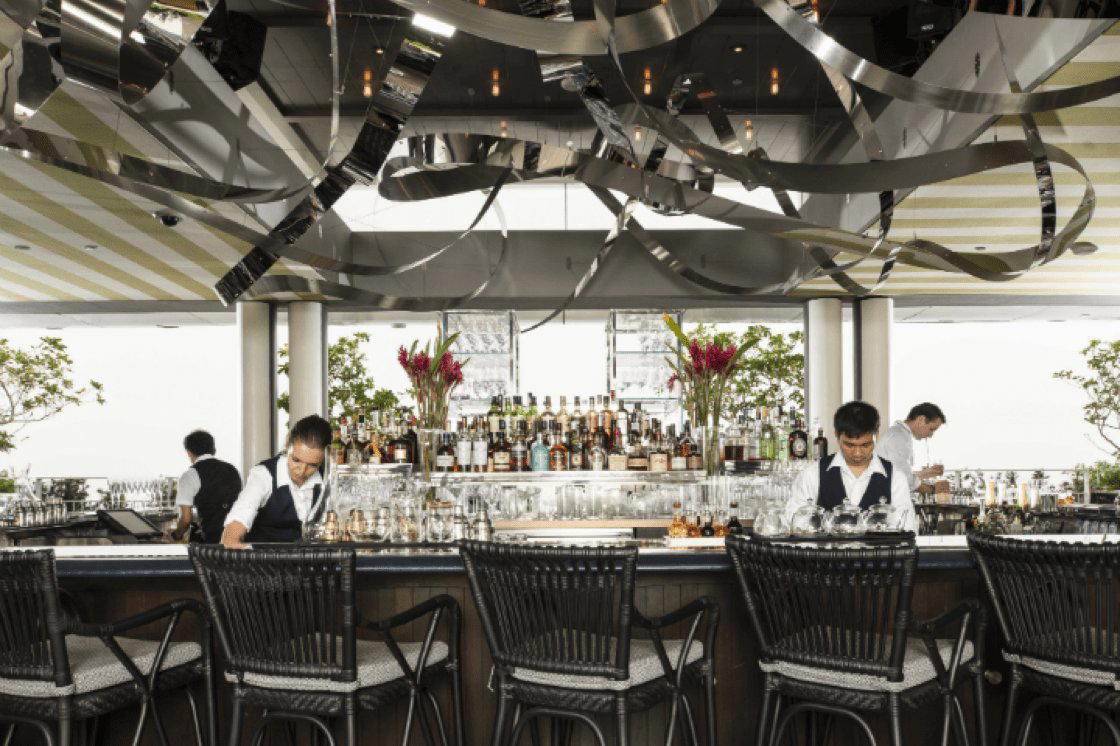
Bars in Singapore
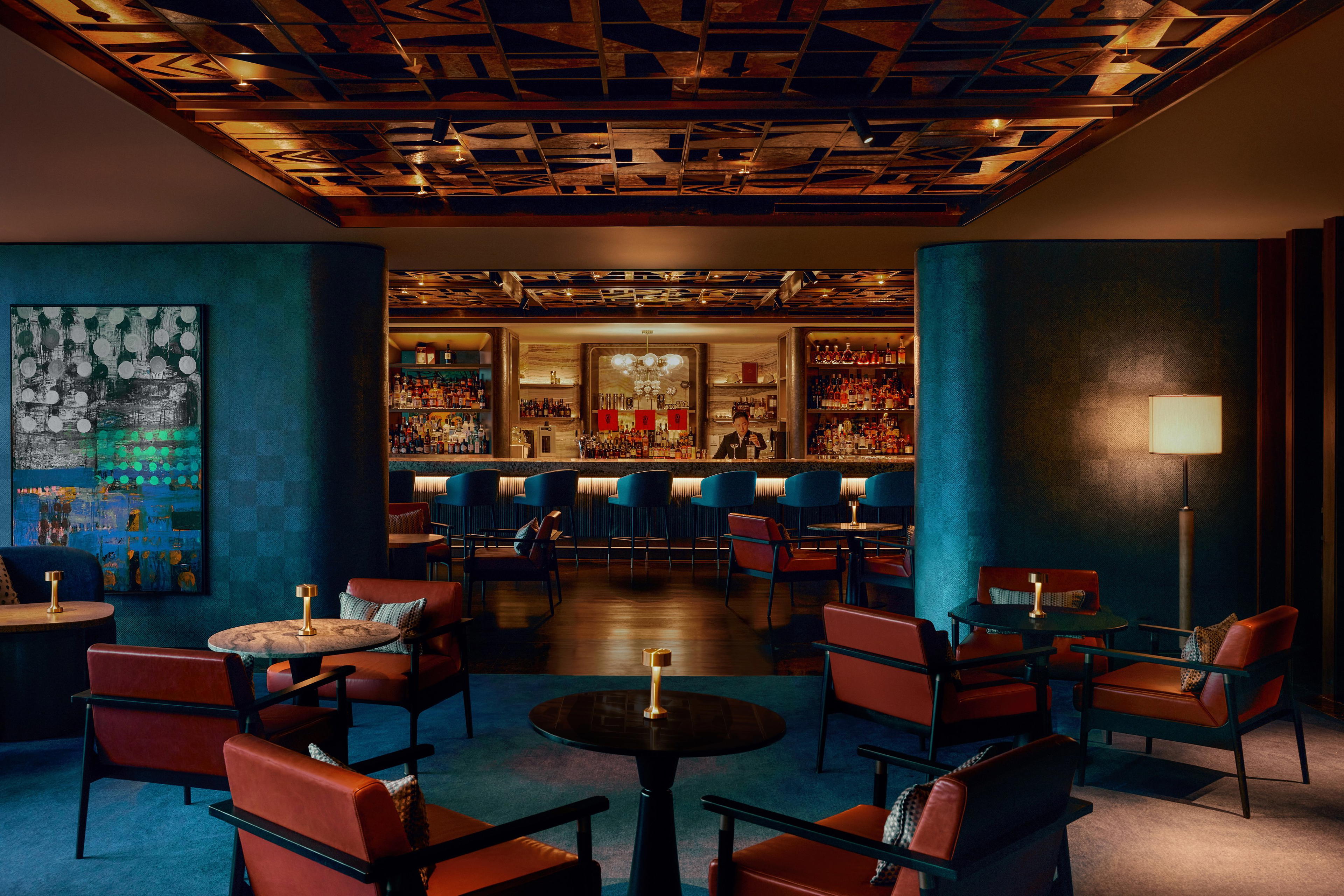
All bars in Singapore →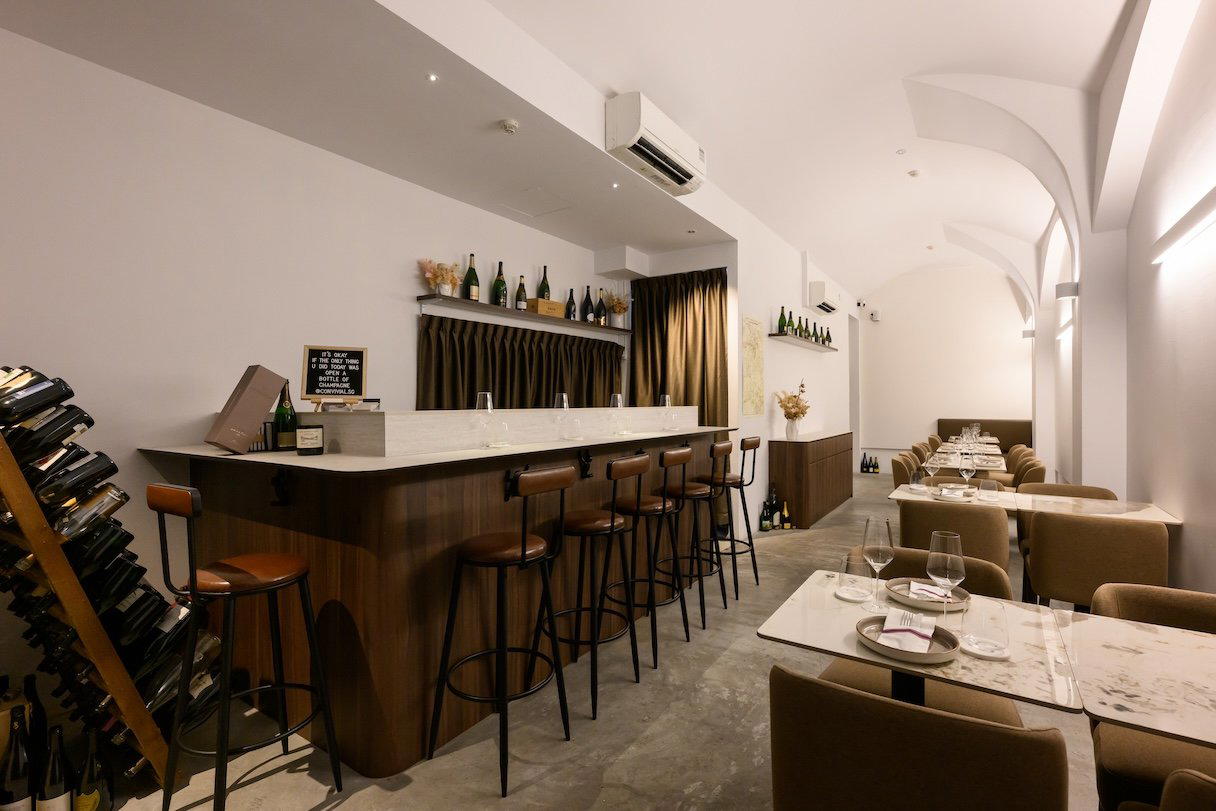
Details
- Intimate
- Elegant
- Sophisticated
- Minimalist
- Quiet
- Special Occasion
- Date Night
- Celebration
- Chefs Counter
- Open Kitchen
- Private Dining
- Sake Program
- Sommelier Led
- Sustainable Seafood
- Local Sourcing
- Omakase
- Counter Dining
- Sake
- Wine
- Pescatarian Friendly
- Allergy Accommodating
Current opening hours
- Monday
- Closed
- Tuesday
- 12:30–3 PM, 6–10:30 PM
- Wednesday
- 12:30–3 PM, 6–10:30 PM
- Thursday
- 12:30–3 PM, 6–10:30 PM
- Friday
- 12:30–3 PM, 6–10:30 PM
- Saturday
- 12:30–3 PM, 6–10:30 PM
- Sunday
- Closed
Hours can change for holidays and private events. Hours as of .
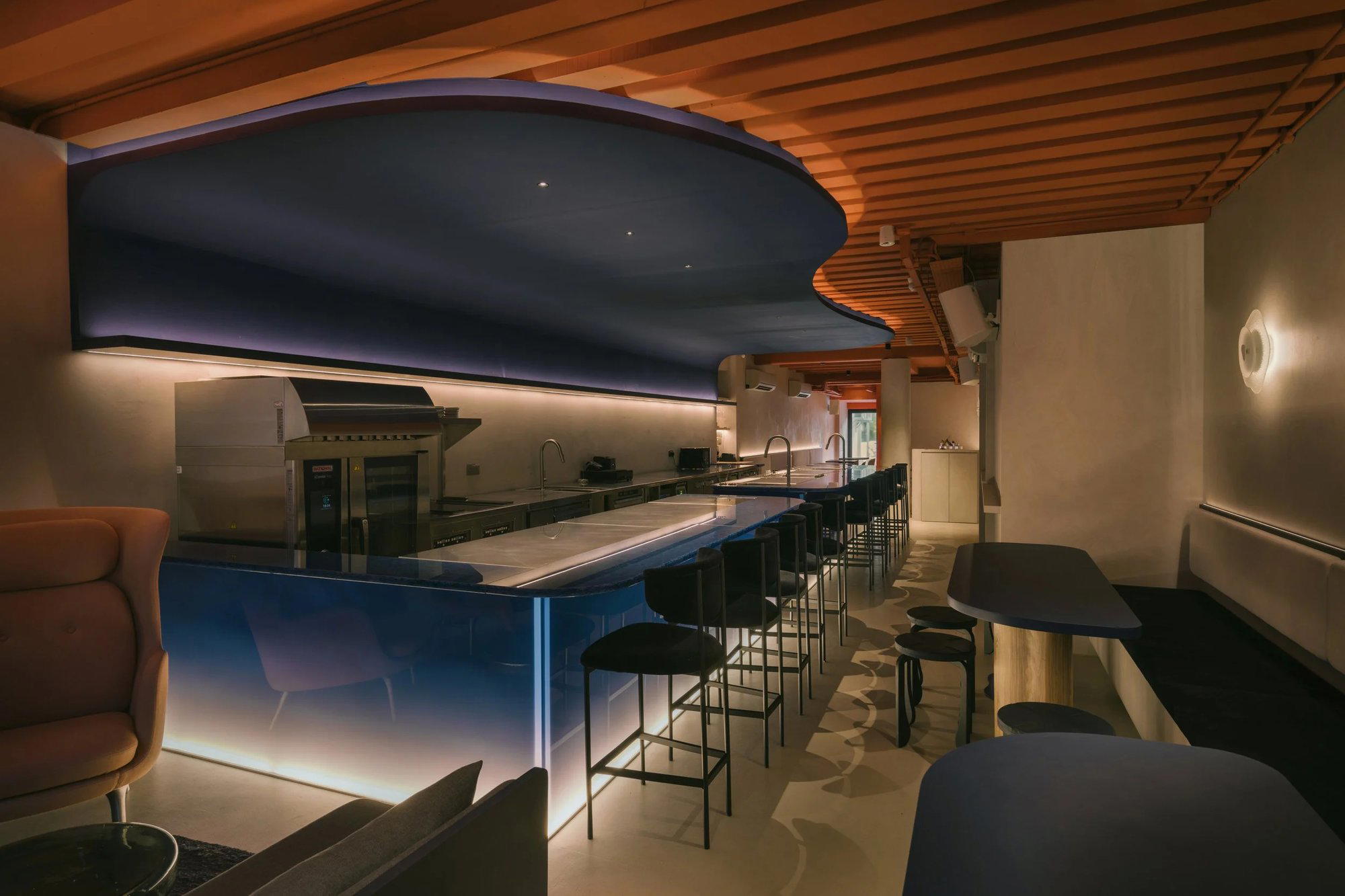
Minimalist, cosy interior with elegant hinoki wood counter seating; intimate setting with quiet, refined atmosphere allowing diners to watch the chef's precise preparation.