

Tabelog Bronze #53
Our verdict
A small Kamigyo house restaurant devoted to suppon, Daiichi puts Kyoto’s old specialist-dining culture in sharp relief: narrow focus, private rooms, a single course, and a pace closer to ceremony than trend. Its Tabelog Bronze run from 2021 through 2026 and OAD Japan Recommended placement make it a serious address for diners who want Kyoto beyond kaiseki shorthand.

Pearl is the En Primeur Club membership app, where members save venues, book tables and use the concierge.
The menu
What to order
- Suppon Hot Pot
- Suppon Rice Porridge
- Turtle Blood in Hot Sake
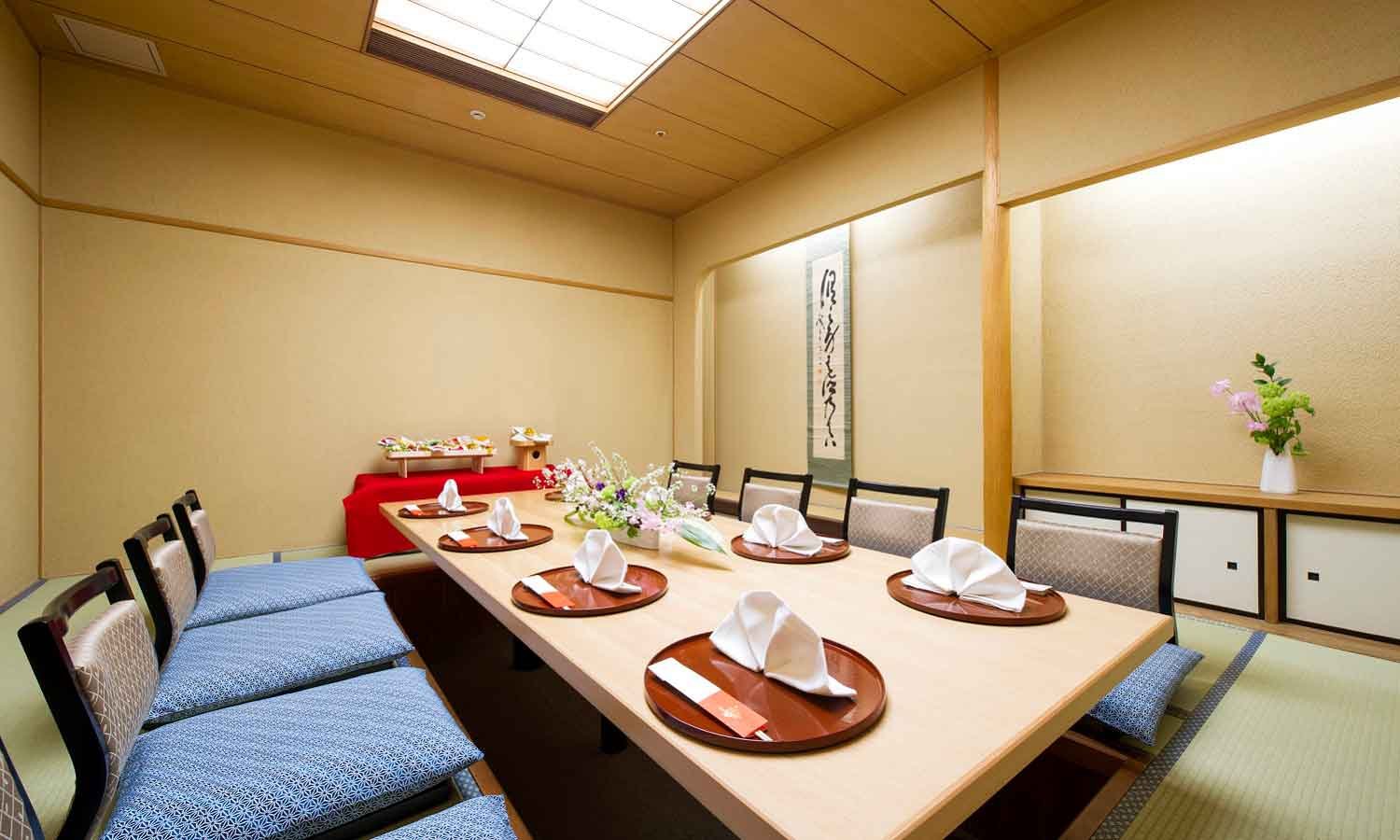
Kamigyo changes the temperature of a Kyoto meal before the first dish arrives. Away from the hotel corridors and station-side dining floors, the city becomes lower, quieter, more residential; streets narrow into everyday Kyoto rather than postcard Kyoto. In that setting, a house restaurant devoted to suppon makes sense. This is not a cuisine built for spectacle. It belongs to private rooms, controlled pacing, and a style of eating where broth, hot pot, and rice porridge carry the argument.
Daiichi sits inside that older Kyoto grammar: a specialist address in a neighbourhood better understood by local rhythm than visitor convenience. Suppon, or soft-shell turtle, occupies a particular place in Japanese dining. It is expensive, ritualised, and often treated less as novelty than as a seasonal and restorative cuisine with deep roots in nabe culture. In Kyoto, where diners can default too easily to kaiseki as the city’s only serious form, this kind of single-subject restaurant is a useful corrective.
Kamigyo gives the suppon course its proper frame
The northern side of central Kyoto has long rewarded narrower food obsessions. Kamigyo does not perform for the visitor in the way Gion does; it asks diners to commit to a destination meal. That matters for suppon. A course centred on turtle hot pot and rice porridge needs time, enclosure, and a room that supports concentration. The format is closer to a private meal than a dining-room parade, which is why the house-restaurant setting and tatami-room associations feel aligned with the cuisine rather than decorative.
The city’s high-end dining conversation often rewards visible craft: knife work, seasonal plating, counter choreography. Suppon works differently. The craft is less photogenic and more cumulative, built around extraction, texture, heat, and the final movement into rice porridge. That puts the cuisine in a different lane from Kyoto’s better-known temple-adjacent vegetarian cooking or multi-course kaiseki. It also explains why a specialist can hold attention without changing subject every few minutes.
Recognition helps separate serious specialists from culinary nostalgia. Daiichi has Tabelog Bronze recognition in 2026, with earlier Bronze awards listed from 2021 through 2025, and it appears in Opinionated About Dining’s 2026 Japan Recommended selection. Those signals do not make suppon easy for every diner, but they do identify a restaurant operating in a mature, highly judged category rather than a tourist curiosity.
A single-subject Kyoto meal, not a broad Japanese menu
The defining point is constraint. The meal is built around soft-shell turtle dishes, with hot pot and rice porridge at the centre, rather than a menu that moves across many familiar Japanese categories. For travellers, that distinction is useful. Kyoto has many restaurants where seasonality appears through variety; here, focus is the luxury. The decision is not what to order, but whether the diner wants to spend the meal inside one tradition.
That makes the restaurant a sharper choice for repeat Kyoto visitors than for anyone trying to assemble a first survey of the city. A first trip may call for tea sweets, market snacks, kaiseki, soba, and late-night drinking. A later trip can afford to narrow the lens. For that broader map, Our full Kyoto restaurants guide is the more useful planning layer, especially when balancing formal meals with casual stops such as 551蓬莱, contemporary small-format cooking at [ki:], or French-inflected Kyoto dining at Abbesses.
Within Kyoto, the stronger comparison is not to another named suppon room but to the city’s habit of protecting micro-genres. Grilled mochi, counter beef, sake-led bars, and compact modern kitchens all show how narrow formats survive when the city gives them a precise audience. A route through Aburi Mochi Honke Nemoto Kazariya, 3TOKU6MI Shijo karasuma ten, and a suppon dinner reads as a study in Kyoto specialisation rather than a checklist of famous dishes.
Who should choose this room over a safer Kyoto dinner
This is a poor fit for diners who want maximum variety, a relaxed family meal, or a broad à la carte table. It is a stronger fit for diners who already understand the value of a single-course format and want Kyoto’s less exportable food traditions. Suppon can be a demanding choice because the meal asks for trust in a category many visitors have not grown up eating. That is precisely the point: the restaurant belongs to a strand of Kyoto dining that is difficult to translate into global luxury clichés.
The practical reading is simple. Capacity is small, the format is reservation-only, and the room is set up for adult dining rather than casual drop-in traffic. Credit cards are accepted, parking is not part of the proposition, and the restaurant’s listed smoking policy keeps dining areas non-smoking while allowing smoking only in the entrance dirt-floor area. These are not minor details in Kyoto, where old houses and specialist rooms can feel intimate quickly; the right party size and expectations matter.
For travellers building a full Kyoto stay, this kind of dinner pairs better with a slower day than with a packed temple itinerary. Kamigyo rewards time before and after the meal, and the restaurant’s location makes more sense when treated as a neighbourhood commitment. For adjacent planning, Our full Kyoto hotels guide, Our full Kyoto bars guide, Our full Kyoto wineries guide, and Our full Kyoto experiences guide help keep the evening from becoming an isolated taxi errand.
Outside Kyoto, Japan’s regional dining map shows how specialised formats travel and mutate: sukiyaki in Kanagawa at -Grilled beef Sukiyaki- KAMAKURA TANUKIAN 鎌倉 たぬき庵 in Kamakura, charcoal seafood in the capital at. 鮪と炭火焼き うお炭 秋葉原店 in Tokyo, café culture at.cafe in Osaka, modern local dining at.know in Kumamoto, Vietnamese cooking in Kanagawa at (Shoku) Vietnam in Kawasaki, and curry specialisation at [Curry Senmon Ten] Maruyama Kyoju. in Sapporo. Even abroad, the Japanese appetite for narrow formats shows up in places such as Jōdo Saké Bar in Los Angeles and Onigiri Time in Pasadena. Daiichi belongs to the Kyoto end of that spectrum: older, quieter, and more committed to a single culinary premise.
Frequently asked questions
What style of cooking does Daiichi do?
Daiichi serves Suppon cuisine.
What are the operating hours at Daiichi?
Hours at Daiichi: Mon: 12–1 PM, 5–7:30 PM; Tue: Closed; Wed: 12–1 PM, 5–7:30 PM; Thu: 12–1 PM, 5–7:30 PM; Fri: 12–1 PM, 5–7:30 PM; Sat: 12–1 PM, 5–7:30 PM; Sun: 12–1 PM, 5–7:30 PM.
What's the address for Daiichi?
Daiichi is located in Kyoto.
Who is the chef connected to Daiichi?
The chef associated with Daiichi is Various.
What's the standout thing about Daiichi?
Daiichi is built around a single suppon course, with hot pot and rice porridge at the centre. In Kyoto's Kamigyo Ward, that focus is backed by a Tabelog Award 2026 Bronze and Opinionated About Dining's 2026 Recommended list.
Is Daiichi a family-friendly restaurant?
No, Daiichi is listed as children not allowed. It is reservation only, with a 12-seat table setup in Kyoto's Kamigyo Ward.
Booking and Cost Snapshot
Comparable venues nearby, for context on price, style, and recognition.
| Venue | Cuisine | Price | Awards | Notes |
|---|---|---|---|---|
| DaiichiThis venue (the venue you are viewing) | Traditional Suppon (Soft-Shell Turtle) Cuisine | $200–300 | Tabelog Bronze #53 | Not listed |
| Suzue | Kaiseki | $300–500 | Tabelog Bronze #411 | Sakyō, Kaiseki |
| Nishi | Traditional Kyoto Kaiseki | $150–200 | Tabelog Bronze #319 | Higashiyama, Kyoto Kaiseki |
| Gion Suetomo | Traditional Kyoto Kaiseki Omakase | $100–150 | Not listed | Higashiyama, Traditional Kyoto Kaiseki Omakase |
| Tha Sakai | Modern Wood-Fired Japanese | Not listed | Not listed | Sakyō, Modern Wood-Fired Japanese |
| Konno | Modern Japanese Omakase | $150–200 | Michelin Plate | Higashiyama, Modern Japanese Omakase |
Recognition history
Dated appearances from independent guides and award organizations, with the underlying list record or original source where available.
Opinionated About Dining Top Restaurants in Japan Recommended
Opinionated About Dining
Tabelog Bronze #53
Tabelog
Full recognition history (4 entries)
Opinionated About Dining Top Restaurants in Japan Ranked #560
Opinionated About Dining
Tabelog Bronze
Tabelog
Continue exploring
More in Kyoto
More from Chef Various
Browse all →
Restaurants in Kyoto
All restaurants in Kyoto →

Bars in Kyoto
All bars in Kyoto →
Hotels in Kyoto
All hotels in Kyoto →
Wineries in Kyoto
Browse all →
Details
- Classic
- Intimate
- Elegant
- Historic
- Special Occasion
- Date Night
- Business Dinner
- Private Dining
- Historic Building
- Sake Program
- Set Menu
- Family Style
- Sake
Current opening hours
- Monday
- 12–1 PM, 5–7:30 PM
- Tuesday
- Closed
- Wednesday
- 12–1 PM, 5–7:30 PM
- Thursday
- 12–1 PM, 5–7:30 PM
- Friday
- 12–1 PM, 5–7:30 PM
- Saturday
- 12–1 PM, 5–7:30 PM
- Sunday
- 12–1 PM, 5–7:30 PM
Hours can change for holidays and private events. Hours as of .
Intimate and refined with traditional Japanese aesthetics; the restaurant maintains its original 340-year-old structure with private dining rooms that evoke authentic old Kyoto atmosphere.