A sushi counter in Nishiazabu, Minato City, Otani No Sushi occupies a neighbourhood where omakase dining has become a serious competitive discipline. The address places it within walking distance of some of Tokyo's most closely watched counter restaurants, and the format aligns with the city's shift toward intimate, chef-led sushi experiences that price against craft rather than scale.
Pearl is the En Primeur Club membership app — saves, bookings, and concierge access live there. Same editors, same standards.
- Address
- Japan, 〒106-0031 Tokyo, Minato City, Nishiazabu, 4 Chome−11−7 秀和西麻布レジデンス
- Phone
- +81354688880
- Website
- ootanino.com
- Directions
- Get directions
 Saves & bookings on Pearl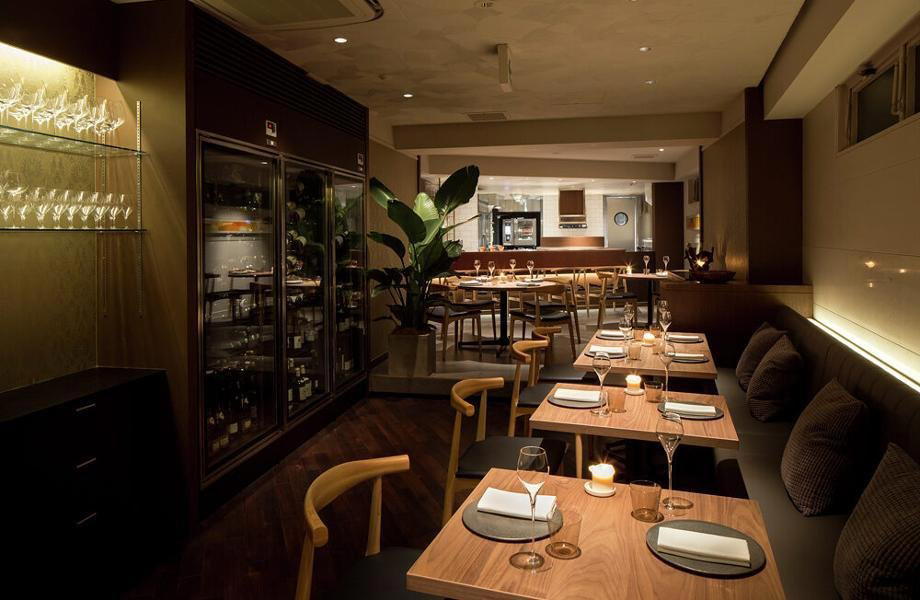
Nishiazabu and the Counter Culture That Defines It
Nishiazabu is not where Tokyo's sushi tradition began, but it may be where it has arrived. The district, sandwiched between Roppongi's international restaurant density and Hiroo's quieter residential stretch, has accumulated a cluster of omakase counters that compete less on celebrity and more on the discipline of the meal itself. The format here tends toward small capacity, controlled pacing, and a front-of-house attentiveness that treats the dining room as a single, coordinated instrument. Otani No Sushi operates from an address on Nishiazabu 4-chome, inside a residential building on a block that requires you to know where you are going before you arrive. It is a traditional Japanese omakase restaurant in Tokyo's Minato City, priced at about $325 per person. That entry dynamic is not accidental, it is the architecture of a certain kind of Tokyo counter experience, one that signals intention before the first course is served.
At this price tier and in this neighbourhood, what separates one counter from the next is rarely the fish. Quality sourcing among serious sushi operations in Tokyo has become a baseline expectation, not a distinguishing feature. The differentiation happens in the collaboration between the chef, the person managing the dining room, and whoever is responsible for sake or wine pairing. When those three roles work in alignment, the guest receives something that feels composed rather than assembled. The challenge for any counter operating at the upper end of the Minato dining circuit is maintaining that alignment across every service, every season.
The Collaborative Architecture of a Counter Meal
Tokyo's most closely watched sushi counters increasingly resemble chamber ensembles more than solo performances. The chef at the board sets the tempo, but the experience depends on how the floor team reads the room and how the beverage selection is threaded through the progression of courses. At counters like Harutaka, which operates at the ¥¥¥¥ tier with a reputation built on precision sourcing and a restrained omakase format, the integration of service and kitchen is part of what sustains the recognition. Otani No Sushi sits in this broader operational context: a Nishiazabu counter where the team dynamic, rather than any single element, determines the character of the meal.
The editorial interest in this kind of venue is less about the individual ingredients on the plate and more about how the roles in the room relate to one another. Does the person managing sake selection understand the chef's sequencing well enough to propose a pairing that doesn't interrupt the fish's progression? Does the front-of-house team know when to speak and when to hold back? These are not abstract questions, they are the practical mechanics of what makes a counter meal cohere or fall apart. Tokyo diners who have worked through enough omakase settings in this price bracket develop a sensitivity to exactly this dynamic, and it is what they are evaluating from the first interaction at the door.
Positioning Within Tokyo's Omakase Circuit
Tokyo's omakase market has stratified sharply over the past decade. The top tier, anchored by venues with sustained Michelin recognition and multi-month booking queues, operates under conditions where demand permanently exceeds supply. Below that, a second layer of serious counters competes for guests who have either been priced out of the upper bracket or who prefer a less mediated experience. Otani No Sushi's Nishiazabu address places it in a neighbourhood that bridges these two tiers, close enough to Roppongi's high-profile density to attract informed international visitors, but residential enough in character to draw a local clientele that values consistency over prestige signals.
For context, the comparison set in this part of Tokyo includes counters operating at the ¥¥¥¥ level with formal Michelin recognition, such as Harutaka, and multi-course Japanese formats like RyuGin, where kaiseki sequencing and a larger team structure produce a different kind of precision. For guests interested in how French technique has intersected with Tokyo's fine dining scene, L'Effervescence and Sézanne represent the other direction that serious Minato dining has taken. Crony, operating in an innovative French register, shows how far the city's upper-tier dining has moved from any single tradition. Otani No Sushi operates in a different register from all of these, rooted in sushi's own vocabulary, in a neighbourhood that has made that vocabulary its own.
Japan's wider fine dining circuit extends well beyond Tokyo's Minato ward. Guests who are building a longer itinerary might consider the kaiseki discipline at Gion Sasaki in Kyoto, the controlled innovation of HAJIME in Osaka, the quieter precision of akordu in Nara, or the regional seafood focus of Goh in Fukuoka. For those who want to map Japan's more overlooked counter traditions, venues like 一本木 名川製 in Nanao, 夕佳亭山乃 in Sapporo, 湖畔荘 in Takashima, and 庄羽屋 in Nishikawa Machi offer regional depth that no Tokyo itinerary can replicate.
Seasonal Timing and Why It Matters at This Address
Sushi's relationship with seasonality is more granular than most cuisines allow. The fish calendar shifts not just by quarter but by week, and counters that take sourcing seriously adjust their omakase sequencing accordingly. Autumn, when fatty tuna enters its leading phase and shellfish reach their seasonal peak, is when Tokyo's serious counter circuit is at its most competitive, and its most fully booked. Winter extends the fatty fish season and introduces the cured and aged preparations that define the coldest months at Edo-style counters. Spring brings lighter fish and a reset of the sequence. Summer, with its leaner sourcing conditions, is often when the skill of the team shows most clearly: less forgiving fish requires more precise handling at every stage from sourcing to plating.
For international visitors, the booking window for Nishiazabu counters at any serious tier tends to run well ahead of arrival. Venues in this district do not typically appear on same-week booking platforms, and the expectation is that guests will have arranged access before they land.
Planning Details
| Venue | Cuisine | Price Tier | District | Format |
|---|---|---|---|---|
| The restaurant | Sushi | Not confirmed | Nishiazabu, Minato | Counter (details unconfirmed) |
| Harutaka | Sushi | ¥¥¥¥ | Ginza | Omakase counter |
| RyuGin | Kaiseki | ¥¥¥¥ | Roppongi | Multi-course |
| L'Effervescence | French | ¥¥¥¥ | Nishi-Azabu | Multi-course |
| Sézanne | French | ¥¥¥¥ | Marunouchi | Multi-course |
For international comparison, the precision-driven tasting formats at Le Bernardin in New York City and the Korean-inflected counter discipline at Atomix show how similar values around team cohesion and sequencing play out in different culinary traditions. Regional Japanese dining beyond the major cities, at counters like Birdland in Sakai or Bistro Ange in Toyohashi, offers a useful calibration point for understanding what Tokyo's upper-tier pricing actually buys in terms of sourcing access and team depth.
Similar Picks
Comparable venues nearby, for context on price, style, and recognition.
| Venue | Cuisine | Price | Notes |
|---|---|---|---|
| Otani No SushiThis venue — the venue you are viewing | Traditional Japanese Omakase | $$$$ | Not listed |
| 霞町 やまがみ | Michelin-Starred Kaiseki | $$$$ | Minato |
| Sushi Tanji | Traditional Edo-style Omakase Sushi | $$$$ | Minato |
| Sushi Shinpaku | Japanese Sushi Omakase | $$$$ | Shibuya |
| Watanabe | Seasonal Japanese Omakase Counter | $$$$ | Minato |
| Yakiniku Oboshimeshi | Modern Yakiniku with Korean Influences | $$$$ | Minato |













At a Glance
- Intimate
- Elegant
- Minimalist
- Date Night
- Special Occasion
- Chefs Counter
- Sake Program
Current opening hours
- Monday
- 6 PM–12 AM
- Tuesday
- 6 PM–12 AM
- Wednesday
- 6 PM–12 AM
- Thursday
- 6 PM–12 AM
- Friday
- 6 PM–12 AM
- Saturday
- 6 PM–12 AM
- Sunday
- Closed
Hours can change for holidays and private events. Last verified .
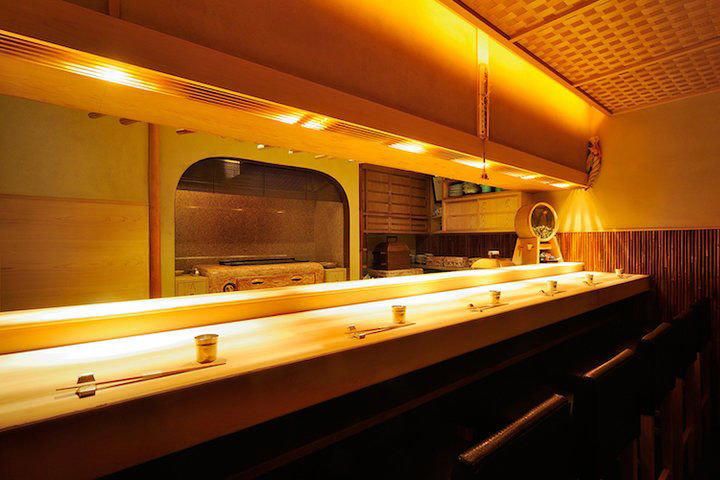
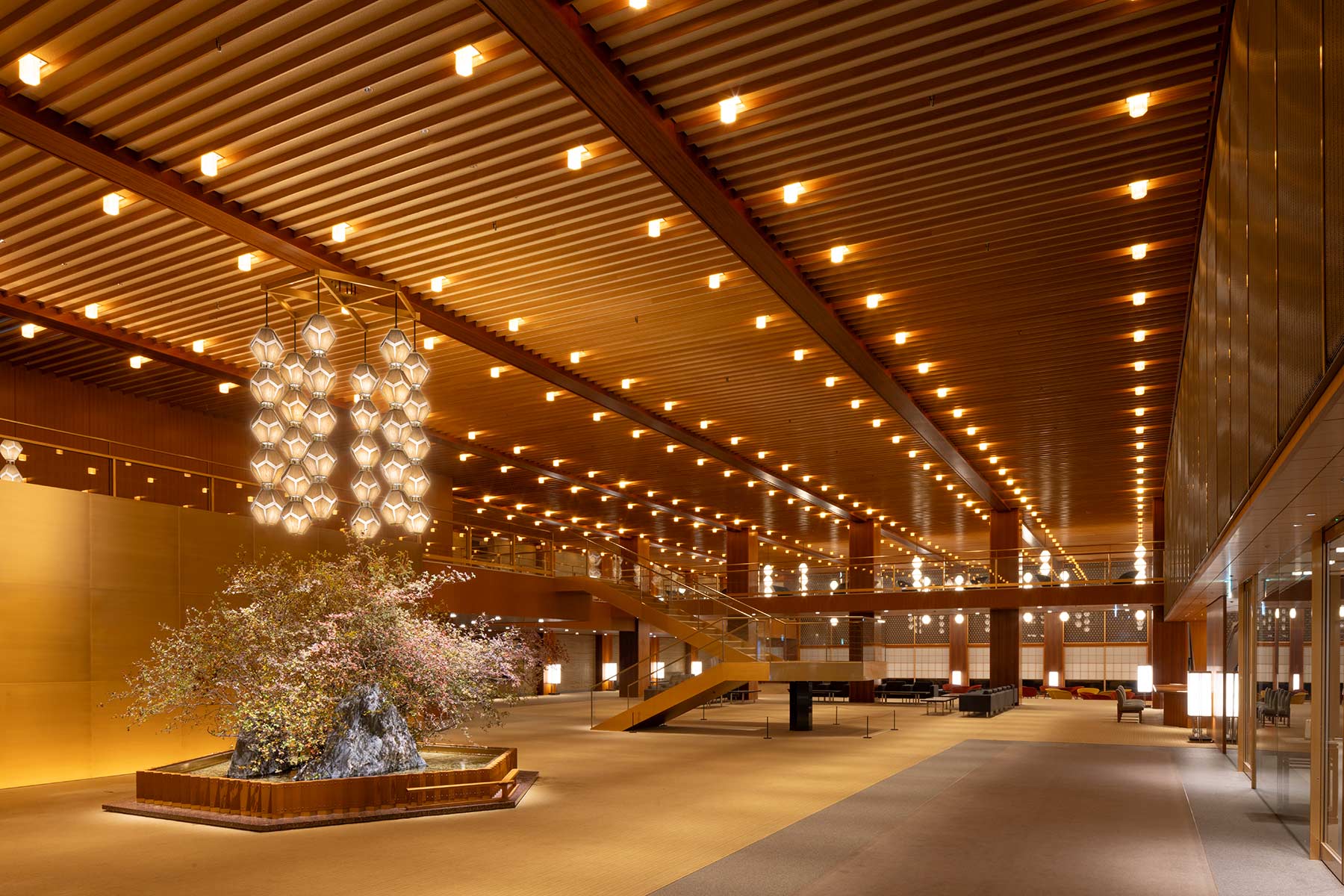
Cozy and elegant with modern minimalism blended with traditional Japanese elements, creating a serene hidden sanctuary.