Our verdict
In Akasaka's quieter back streets, Sushi Tanji operates within a format that Tokyo's serious sushi counters have long refined: small, focused, and built around the rhythm of a single sitting. The address places it among Minato City's more discreet dining options, away from the high-traffic corridors where most visitors begin their search. For those tracking Tokyo's counter sushi scene beyond the obvious marquee names, it warrants attention.

Pearl is the En Primeur Club membership app — saves, bookings, and concierge access live there. Same editors, same standards.
- Address
- Japan, 〒107-0052 Tokyo, Minato City, Akasaka, 6 Chome−15−14 東京都管工事会館 1階
- Phone
- +815017202281
- Hours
- Daily 4–11 PM
- Website
- sushi-tanji.com
- Directions
- Get directions
- Booking
- Book on TableCheck
The menu
What to order
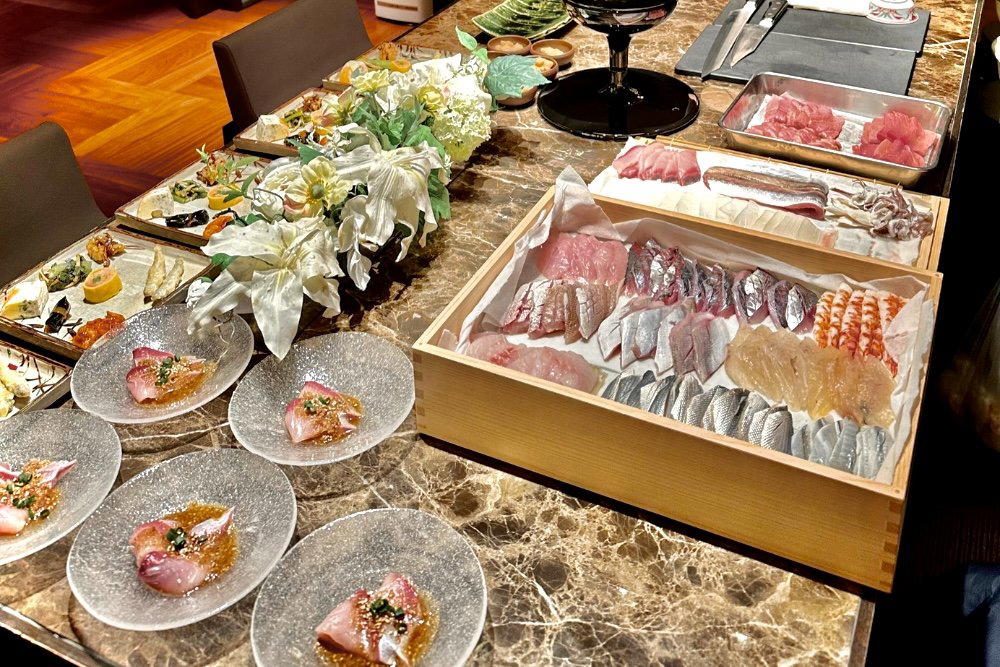
- Kelp-marinated Sea Bream
- Bluefin Fatty Tuna
- Sea Urchin and Salmon Roe Mini Donburi
Akasaka's Counter Culture
Tokyo's sushi scene has long operated on two parallel tracks. The first is visible: Michelin-flagged counters in Ginza and Shinjuku with international waiting lists and press coverage that precedes the meal by months. The second is quieter, concentrated in residential pockets and business districts where counters serve regulars, keep shorter hours, and rarely appear in aggregated rankings. Akasaka, the Minato City district where Sushi Tanji is addressed, belongs to that second world. The neighbourhood carries old money and diplomatic adjacency — the Diet Building, the Akasaka Palace, and decades of expense-account dining have shaped a restaurant culture that rewards the discreet and penalises the showy.
That context matters when thinking about how a counter like Sushi Tanji fits into the city's broader sushi geography. Akasaka is not Tsukiji-adjacent, and it is not the kind of address that attracts first-time visitors looking for the obvious entry points. What it offers instead is proximity to an older Tokyo dining sensibility, one that predates the Michelin era and has survived it with varying degrees of comfort.
The Physical Register of a Tokyo Sushi Counter
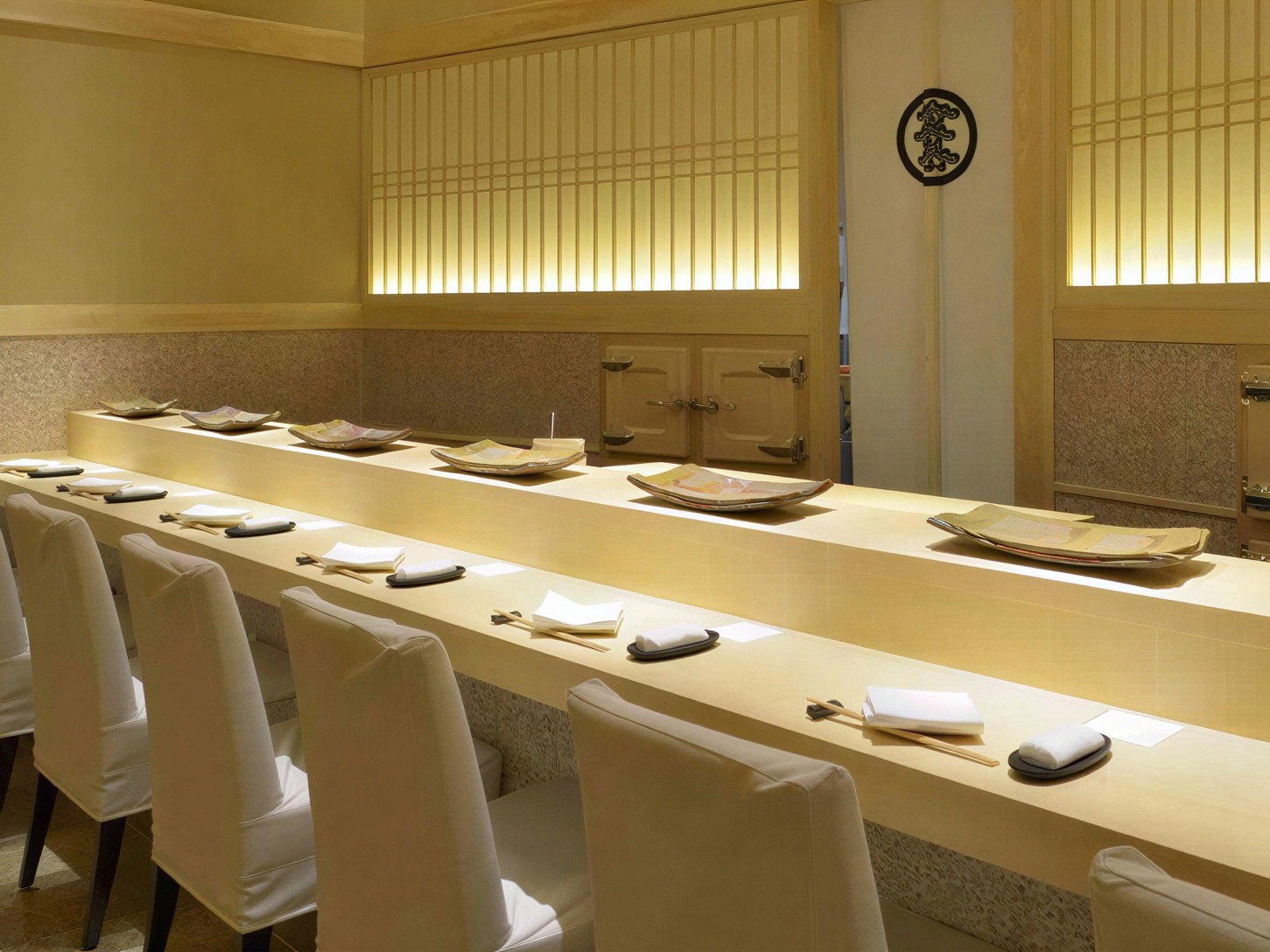
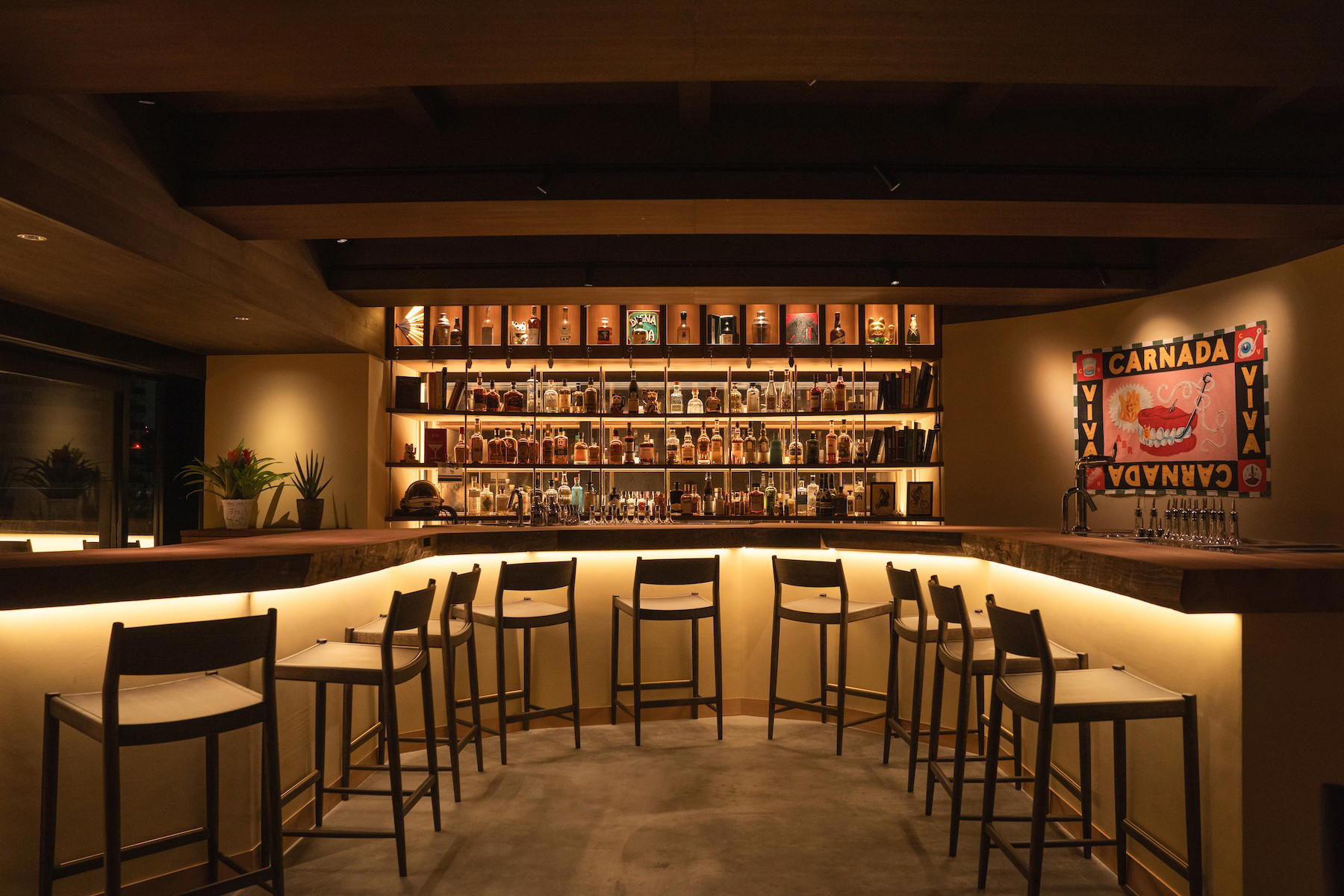
The omakase counter format has its own sensory grammar, and understanding it is part of understanding any serious sushi address in Tokyo. The room is typically small — eight to twelve seats arranged in a single line facing the itamae's cutting surface. The lighting is low and warm, calibrated to show the colour of fish without washing it out. The smell in the first moments of a sitting is rice vinegar and cedar, occasionally citrus from a cut sudachi. Conversation happens at the discretion of the chef; some counters are near-silent, some are quietly conversational, and the difference is more about individual style than regional convention.
Sound at a serious Tokyo counter is restrained almost by design: the soft press of rice being formed, the precise cut of a blade through aged fish, occasionally the clink of a ceramic sake cup. These are not accidents of atmosphere but the product of a format that has been refined over generations. Counters at this level in Tokyo are, in a sense, theatres with a cast of one and a very specific script, the sequence of the omakase, moving from lighter preparations through richer cuts toward the tamago that closes the meal.
For comparison, Harutaka in Ginza operates at the ¥¥¥¥ tier with a reputation built on classical Edomae technique, while counters like RyuGin extend the kaiseki tradition into territory that overlaps with but does not replicate the sushi counter experience. Akasaka's position in this map is as a district that has historically hosted serious dining without requiring the prestige address premium.
Edomae Tradition and What It Demands
Edomae sushi, the style that defines Tokyo's serious counter culture, is a cuisine of constraint and precision rather than abundance and flourish. Fish is sourced from Toyosu and, in some cases, directly from specific fishing regions. Aging, marinating, and curing techniques vary by chef and by cut: kohada might be salt-cured for hours, tuna aged for days under controlled conditions, shrimp served either raw or briefly cooked depending on the house preference. The rice temperature is a variable that counter chefs treat as seriously as any fish selection: too cold and the texture collapses, too warm and the vinegar loses its edge.
This is a cuisine that reveals itself slowly, over a dozen or more pieces, and that requires a certain kind of attention from the diner. It is not a format that accommodates distraction or indifference. The counter experience at this level of Tokyo dining is, in that sense, a mutual commitment: the chef commits to a precise sequence, and the diner commits to receiving it without interruption.
That standard applies across Akasaka's more serious dining addresses and is not specific to any one counter. It is part of why visitors who arrive without context, expecting something closer to the conveyor-belt familiarity of casual sushi, often find the experience disorienting before they find it clarifying.
Tokyo's Broader Fine Dining Map
Sushi Tanji sits within a city that contains some of the most concentrated fine dining density anywhere in the world. Within Minato City and its immediately adjacent wards, the options across formats run from French technique at L'Effervescence and Sézanne to the inventive Franco-Japanese crossover at Crony. For those extending their itinerary beyond Tokyo, the comparison set widens further: HAJIME in Osaka and Gion Sasaki in Kyoto represent the kaiseki and haute traditions of the Kansai region, while Goh in Fukuoka anchors the southern end of Japan's serious dining geography. Further afield in the country, addresses like akordu in Nara, 一本木 石川県 in Nanao, 夕佳亭山乃 in Sapporo, 湖邸庄屋 in Takashima, 庄羽屋 in Nishikawa Machi, Birdland in Sakai, and Bistro Ange in Toyohashi illustrate how Japan's serious dining culture distributes itself well beyond the capital's centre. For international reference points in the premium category, Le Bernardin in New York City and Atomix in New York City represent the kind of sustained, technique-driven seriousness that the Tokyo omakase format shares in spirit if not in form.
The full Tokyo restaurants guide covers the city's dining options across formats, price tiers, and neighbourhoods for those planning a broader itinerary.
Planning a Visit
Akasaka is served by multiple metro lines including the Tokyo Metro Chiyoda and Ginza lines, making it accessible from most central Tokyo addresses without requiring a taxi. The specific address, 6-chome, Akasaka, within the Tokyo Metropolitan Industrial Hall building, places Sushi Tanji in a commercial building rather than a freestanding structure, which is common for serious counters in this district. Counter dining in Tokyo at the serious level almost always requires advance reservation; walk-ins are not a format that the omakase structure accommodates. Contact and booking details are best confirmed through current third-party reservation platforms given the absence of a direct website on record.
Quick reference: Sushi counter, Akasaka (Minato City), Tokyo. Advance reservation required. Nearest metro: Akasaka Station (Chiyoda Line) or Akasaka-mitsuke (Ginza/Marunouchi Lines).
Frequently asked questions
Where exactly is Sushi Tanji?
Sushi Tanji is located at Japan, 〒107-0052 Tokyo, Minato City, Akasaka, 6 Chome−15−14 東京都管工事会館 1階, Tokyo.
Is Sushi Tanji in Akasaka easier to book than Ginza sushi counters?
Akasaka sits within Minato City, a district with a dense corporate and diplomatic community rather than a high-volume tourist footprint. Counter sushi addresses here have historically operated with somewhat less international reservation pressure than Ginza equivalents, though demand at any serious omakase venue in Tokyo should not be underestimated. check the venue's official channels for current booking lead times.
What dish is Sushi Tanji famous for?
At a serious Edomae counter in Tokyo, the reference point is the form itself: aged fish, hand-pressed nigiri, and a sequence determined entirely by the chef. Individual preparations vary by season and sourcing, which is precisely the premise of the omakase format.
Should I book Sushi Tanji in advance?
Advance booking is a structural requirement of the omakase format, not a precaution. Counters of this type in Tokyo seat a fixed number of guests per service, and Akasaka addresses — positioned outside the primary Ginza tourist circuit — can still carry meaningful lead times. check the venue's official channels to confirm current availability windows.
What makes Sushi Tanji worth seeking out?
Its location in Akasaka, within Minato City, places it off the path most international visitors take when booking Tokyo sushi — which historically translates to shorter reservation lead times than equivalent Ginza counters. The neighbourhood also has a long-established international business presence, meaning staff at counters here tend to have more experience with non-Japanese-speaking guests.
Awards and Standing
Comparable venues nearby, for context on price, style, and recognition.
| Venue | Cuisine | Price | Awards | Notes |
|---|---|---|---|---|
| Sushi TanjiThis venue — the venue you are viewing | Traditional Edo-style Omakase Sushi | $150–200 | Not listed | Not listed |
| 3110NZ By LDH Kitchen | Modern Omakase Sushi with Art Gallery | $300–500 | Not listed | Naka-Meguro |
| 鉄板焼 赤坂 | Teppanyaki with Premium Wagyu and Seafood | $150–200 | Black Pearl 1 Diamond · Tabelog 100 #88 | Akasaka |
| 割烹 隆 | Edomae Omakase | $200–300 | Not listed | Minato |
| Sushi Sho Yotsuya | Sushi Sho-style Edomae Omakase | $300–500 | Tabelog 100 #49 | Shinjuku |
| subin | Modern Japanese Nikushabu & Yakiniku | Not listed | Tabelog Bronze #463 | Chūō |