
Ebisu’s sushi counters sit between neighbourhood dining and destination omakase, and Sushi Shinpaku belongs to the serious end of that spectrum. Its 2025 Tabelog 100 Sushi Tokyo selection and 4.01 Tabelog score place it in a competitive Tokyo category where pacing, counter discipline, and service coordination matter as much as name recognition.
Pearl is the En Primeur Club membership app — saves, bookings, and concierge access live there. Same editors, same standards.
- Address
- 東京都渋谷区恵比寿4-22-4
- Phone
- +81367217880
- Website
- tabelog.com
 Saves & bookings on Pearl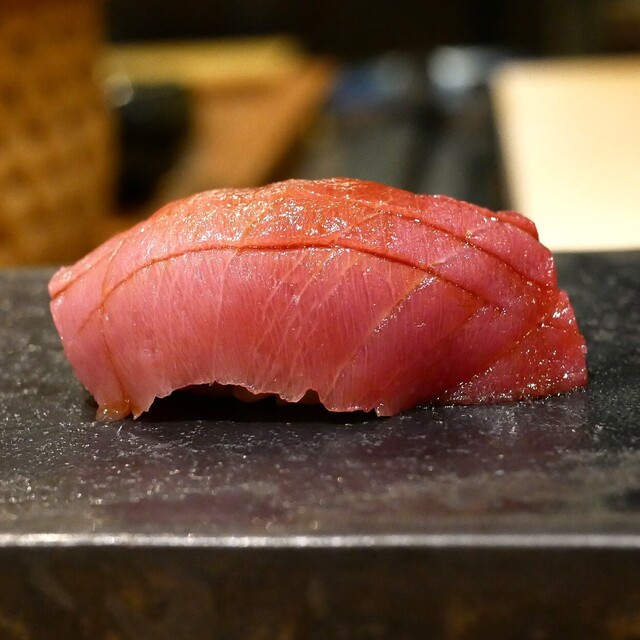
Ebisu changes register quickly: a few streets from the station, drinking dens and casual restaurants give way to quieter rooms where the counter becomes the stage. In Tokyo sushi, that shift matters. The city has plenty of expensive omakase, but stronger counters rely not on ceremony alone; they depend on tight timing between the person shaping rice, the person reading the room, and the service rhythm that keeps a long meal from feeling mechanical.
Sushi Shinpaku sits in that serious Ebisu bracket rather than the flashier Ginza orbit. Its selection for Tabelog 100 Sushi Tokyo 2025 is the key public signal, backed by a 4.01 Tabelog score. In a city where sushi rankings crowd together restaurants with different ambitions, that combination is useful: this is not a casual stop between bars, nor entry-level omakase. It belongs to the category where diners judge the whole sequence, not one piece of fish.
Ebisu sushi at the expensive, controlled end of the counter
Ebisu has a different dining grammar from Ginza. Ginza often sells lineage, formality, and boardroom polish. Ebisu is looser at street level, but its stronger counters can be just as exacting once the meal begins. The neighbourhood gives less theatrical build-up, then the room asks for the same attention serious sushi demands anywhere in Tokyo.
The price tier places Sushi Shinpaku well above casual neighbourhood sushi and closer to the city’s destination counters. At this level, Tokyo sushi is not merely about sourcing. It is about the cumulative judgment of temperature, rice texture, seasoning, cut, pacing, and the handoff between kitchen and floor. A weaker counter can buy expensive fish and still lose the room after half an hour. A stronger one makes the sequence feel inevitable without announcing every decision.
The comparison within Ebisu is instructive. Ebisu no Yasubee occupies a far more casual price lane, while MANSALVA sits in a higher-end dining category but not the same sushi tradition. Peter Luger Steak House Tokyo answers another craving altogether. Sushiya Ono and Ebisu Kuroiwa make the area more interesting for diners building a serious Ebisu itinerary, but the broader point is that Ebisu is no longer just a pre- or post-Shibuya dining zone. It has enough range to support destination meals, counter formats, and specialist rooms within a short radius.
The meal depends on choreography, not just knife work
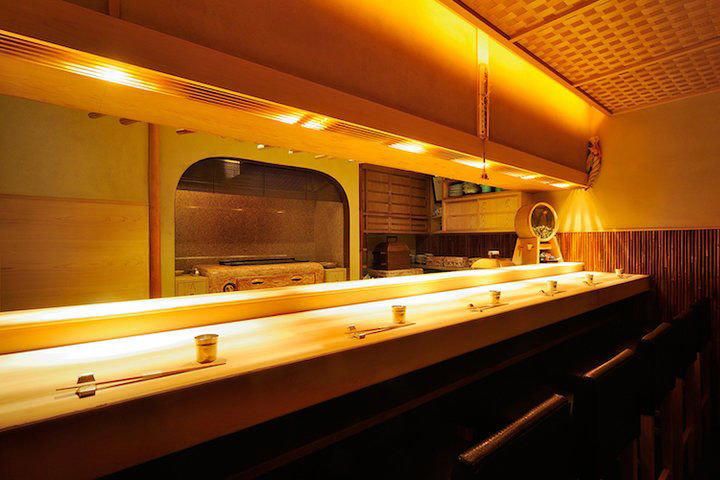
At a Tokyo sushi counter, the visible act is small: rice pressed, fish placed, a piece handed across. The invisible work is larger. The room has to move at a pace that respects both the chef’s sequence and the diner’s attention span. Drinks must arrive without breaking cadence. Conversation has to be managed lightly, especially when local regulars and visiting diners share the same counter. Team dynamic becomes part of the meal, not background service.
Sushi Shinpaku’s public profile does not need a chef-as-protagonist storyline to make sense. The stronger editorial reading is structural: a Tabelog 100 sushi selection in Tokyo usually rewards consistency across the full experience. The counter cannot succeed on product alone. Rice, neta, serving tempo, and front-of-house restraint have to align, and that alignment is harder to maintain than a single dramatic course. In this category, service that knows when to disappear is not passive; it is a main technical skill in the room.
This is also why Tabelog recognition is useful but not sufficient as a dining decision. Tabelog’s audience is unusually sensitive to genre expectations, and sushi is one category where small defects are noticed quickly. A 2025 Hyakumeiten selection places the restaurant inside a vetted Tokyo sushi group, but diners should read that as a category marker, not a promise of maximal luxury. The draw is control: repetition, calibration, and the confidence to keep the format narrow.
How to place it in a Tokyo dining itinerary
For travellers, the decision is less “Is this sushi?” than “What kind of Tokyo night is this?” The restaurant suits a focused evening rather than a roaming one. Ebisu makes that easier than Ginza for diners wanting a serious counter without giving the whole night to a formal district. It also pairs cleanly with a broader Tokyo plan: use Our full Tokyo restaurants guide for dining context, Our full Tokyo hotels guide for where to stay, and Our full Tokyo bars guide if the evening continues elsewhere.
The internal contrast across Tokyo is part of what makes the city rewarding. A meal here occupies a different lane from casual or genre-specific stops such as . 鮪と炭火焼き うお炭 秋葉原店, 12/10 Shinjuku ten, 124. KAGURAZAKA (Yakitori), 2D Cafe, and 3 Chome no Curry Ya San. Those names underline how Tokyo rewards precision at every level, from curry shops and cafés to yakitori counters and expensive sushi rooms.
Visitors linking Tokyo with a wider Japan itinerary can treat this as the polished counterpoint to regional eating elsewhere. Compare the format discipline with -Grilled beef Sukiyaki- KAMAKURA TANUKIAN 鎌倉 たぬき庵 in Kamakura.cafe in Osaka.know in Kumamoto, (Shoku) Vietnam in Kawasaki, [Curry Senmon Ten] Maruyama Kyoju. in Sapporo, and [ki:] in Kyoto. For category planning beyond restaurants, Our full Tokyo wineries guide and Our full Tokyo experiences guide help separate a food-led trip from a general city break. Outside Japan, Jōdo Saké Bar in Los Angeles and Onigiri Time in Pasadena show how Japanese formats translate abroad, though Tokyo’s counter culture remains far less forgiving of looseness.
The verdict is simple: this is a serious Ebisu sushi address for diners who care about pacing, restraint, and the collective performance of a counter. The Tabelog 100 Sushi Tokyo 2025 selection supplies the external credential; the more meaningful appeal is its place in a neighbourhood where polished specialist dining can sit just off a lively urban circuit without becoming casual itself.
A Lean Comparison
Comparable options at the same price tier.
| Venue | Cuisine | Price | Notes |
|---|---|---|---|
| Sushi ShinpakuThis venue — the venue you are viewing | Shibuya, Japanese Sushi Omakase | $$$$ | Not listed |
| Kabuto (天然鰻 かぶと) | Not listed | $$$$ | Ikebukuro, Traditional Unagi Nose-to-Tail |
| 分とく山 | Not listed | $$$$ | Minato, Michelin-Starred Seasonal Japanese Kaiseki |
| 西麻布いちの | Minato, Japanese Fine Dining | $$$$ | Not listed |
| Tori Chataro | Shibuya, Premium Yakitori | $$$$ | Not listed |
| 宮坂 | Minato, Hokkaido-style Omakase Sushi | $$$$ | Not listed |
Recognition history
Dated appearances from independent guides and award organizations, with the underlying list record or original source where available.
Tabelog 100 #16 · No. 16
Tabelog · Tabelog 100 - Sushi - TOKYO - 2025












At a Glance
- Elegant
- Intimate
- Sophisticated
- Date Night
- Business Dinner
- Celebration
- Special Occasion
- Solo
- Chefs Counter
- Standalone
- Sake Program
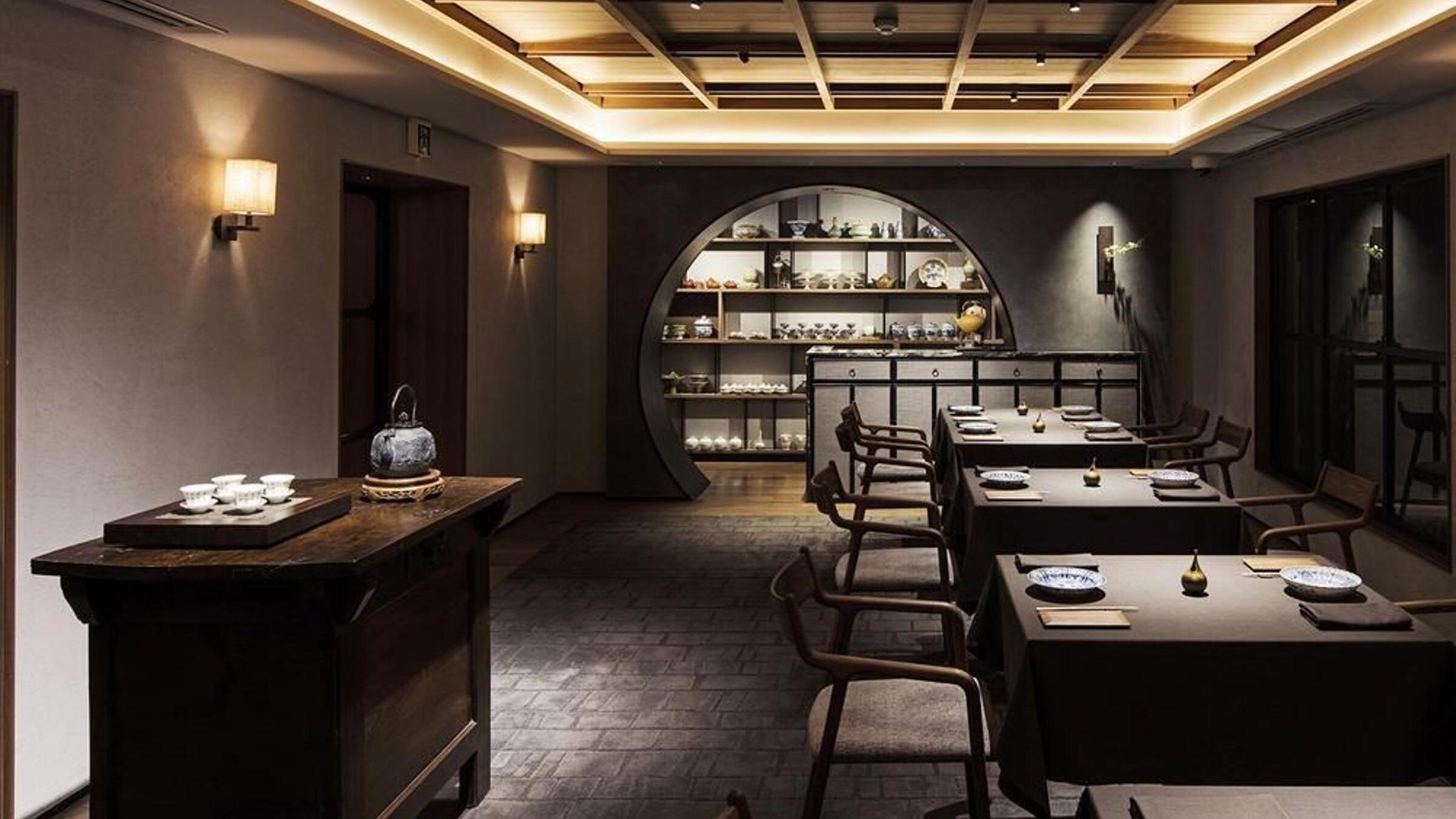
Refined and hushed, with a focused counter-dining atmosphere suited to an intimate sushi experience.